
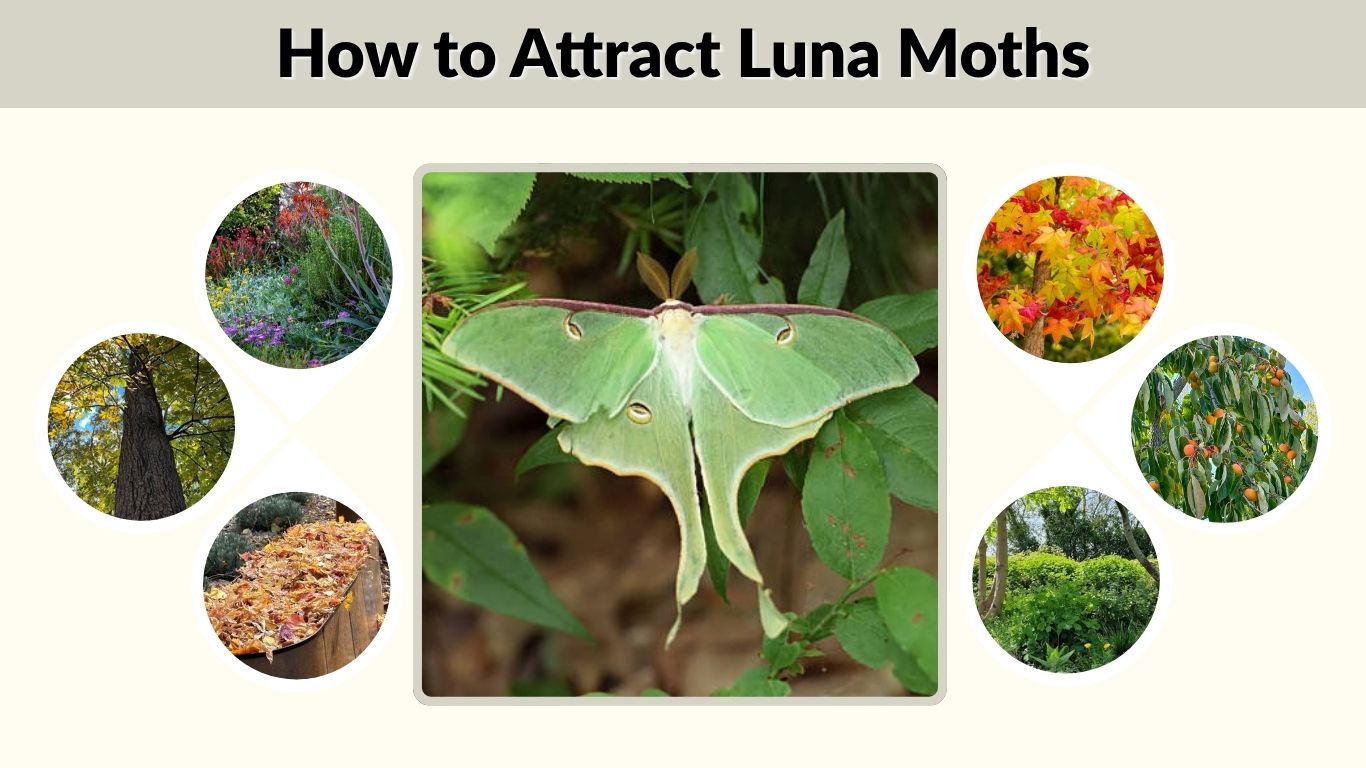
How to Attract Luna Moths: Plants, Lights & Tips
To attract Luna moths (Actias luna), focus less on flowers and more on providing the trees their caterpillars need. Luna moth adults do not eat, … Read More
To attract Luna moths (Actias luna), focus less on flowers and more on providing the trees their caterpillars need. Luna moth adults do not eat, … Read More
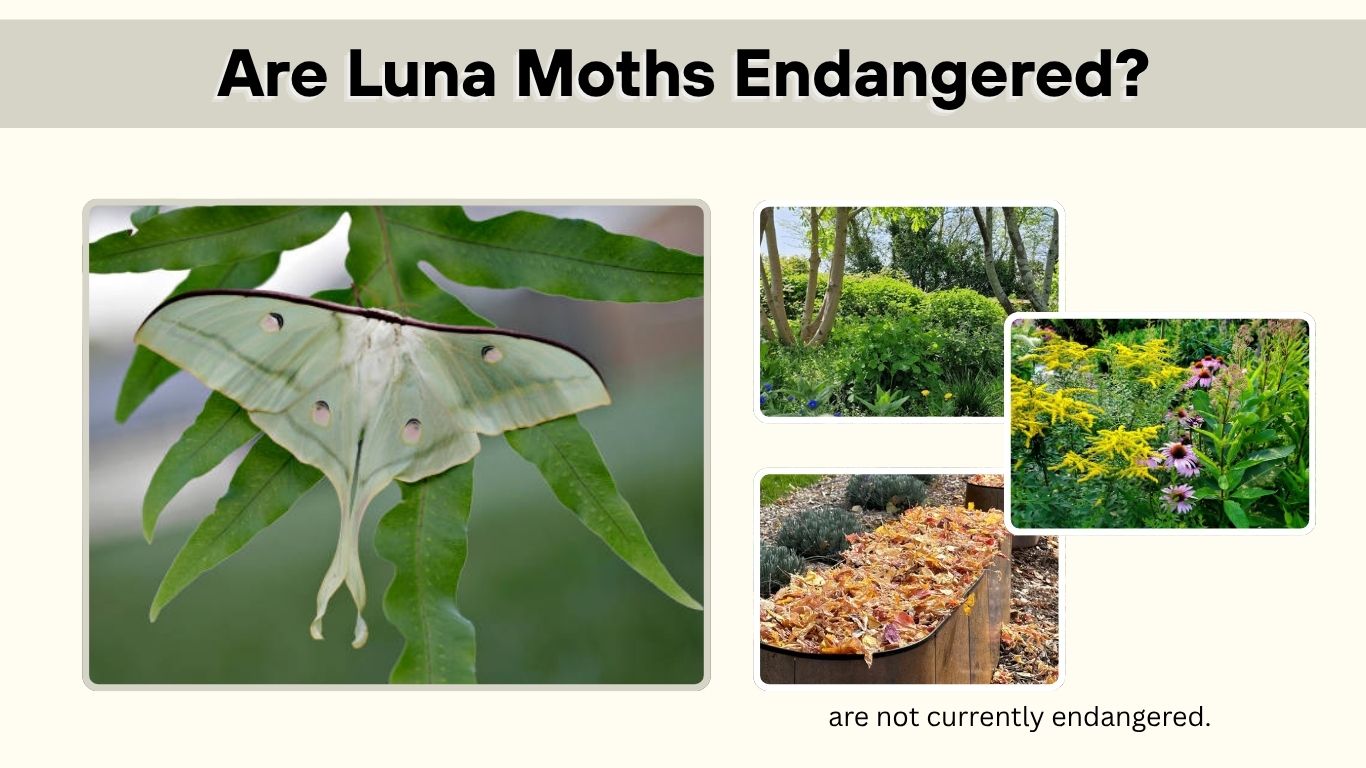
Luna moths (Actias luna) are not currently endangered. As of 2026, the species is not listed as threatened or endangered under the U.S. Endangered Species … Read More
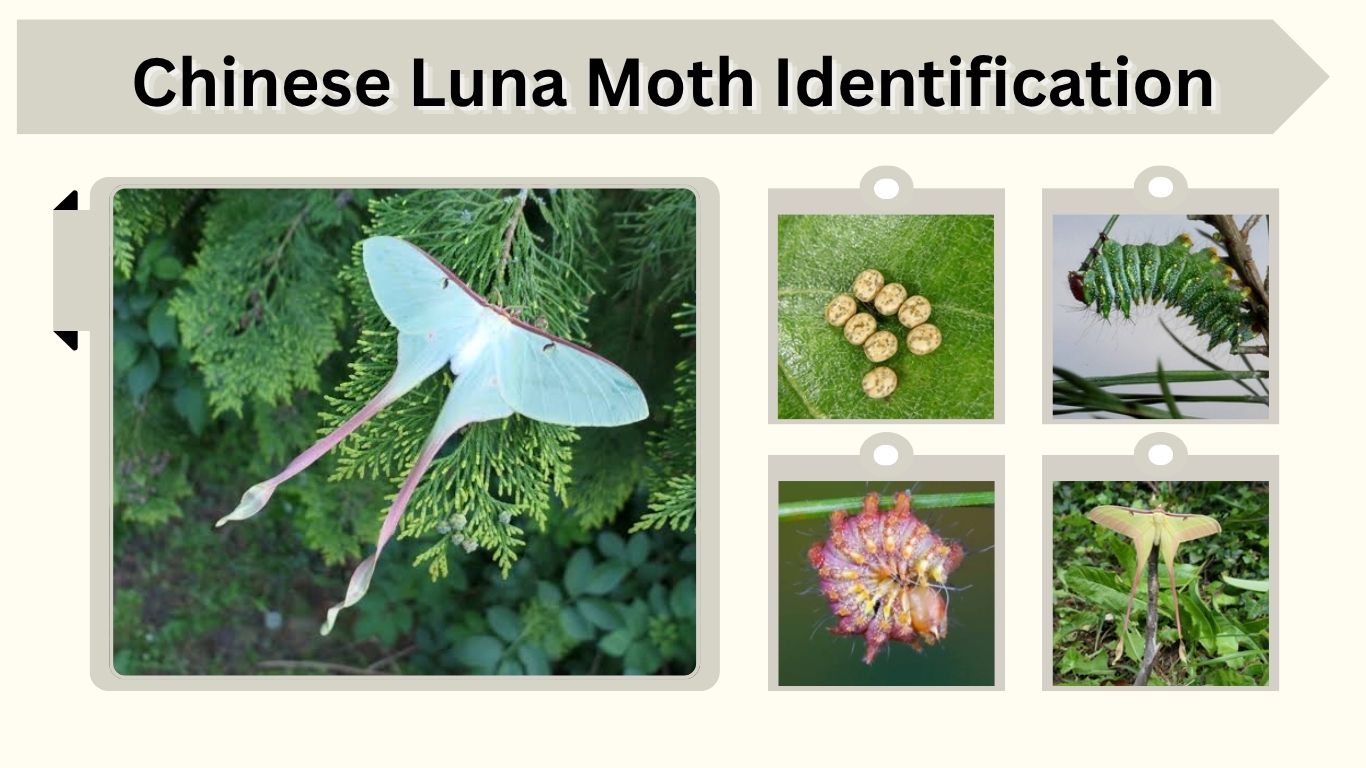
The Chinese luna moth is a spectacular giant silk moth recognized by its pastel-colored wings, extremely long tails, and unusual hairy caterpillar. Also called the … Read More
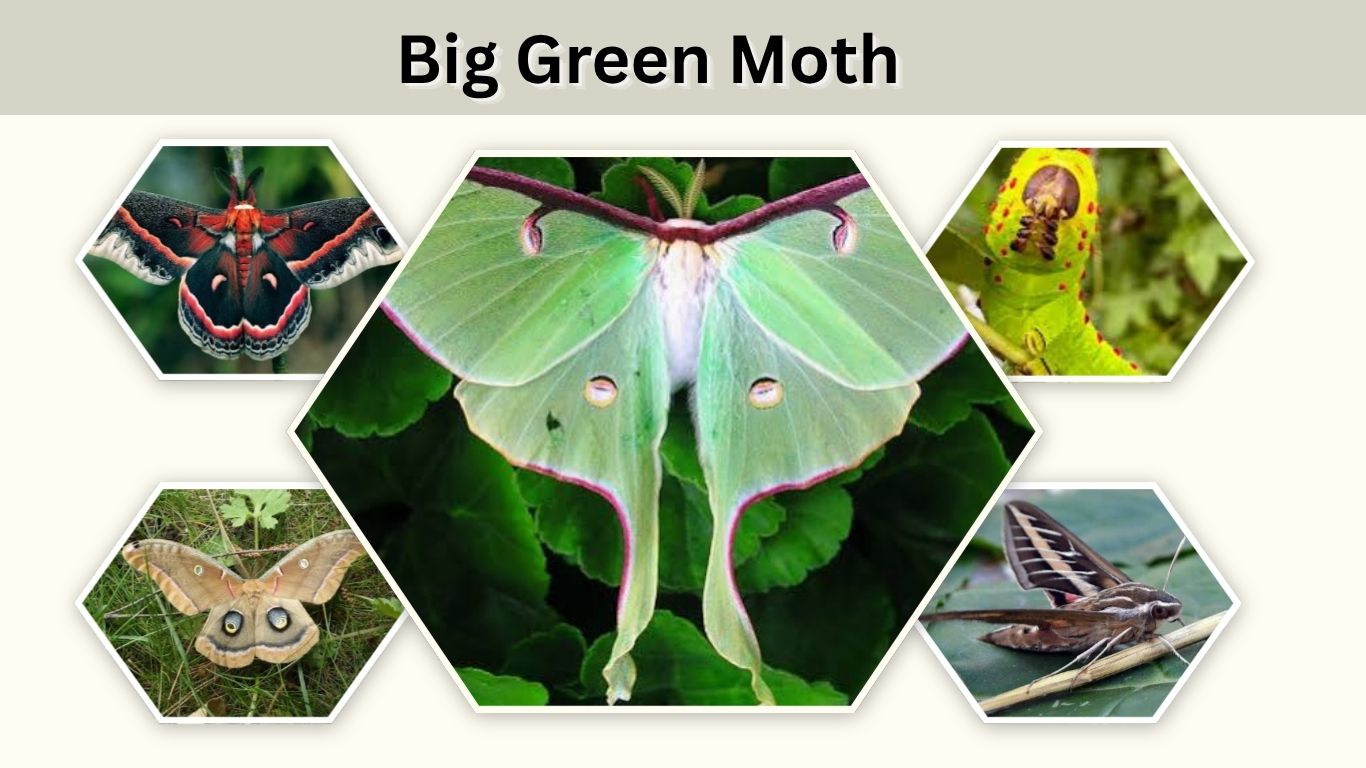
A big green moth seen resting on a tree, wall, or porch is often a luna moth. This impressive North American species has pale-green wings, … Read More
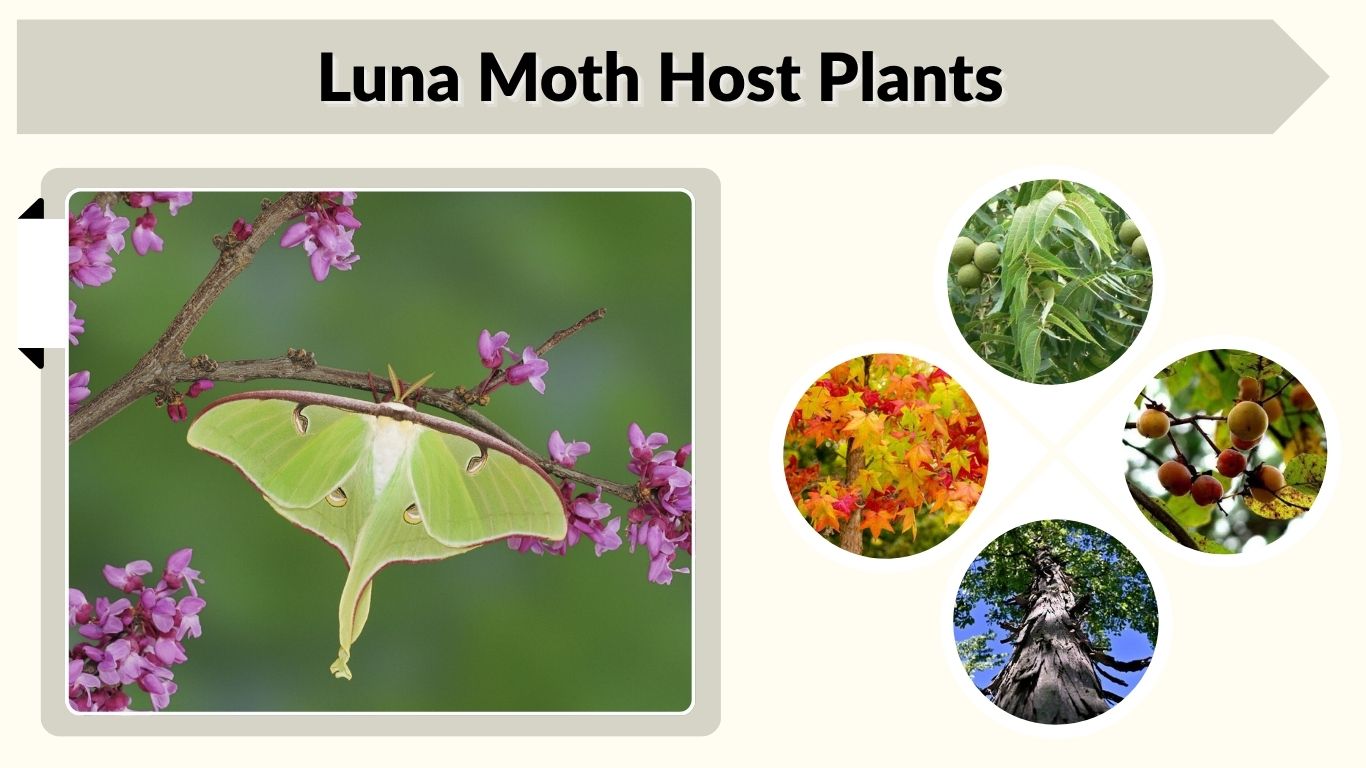
Luna moth host plants are trees whose leaves provide food for luna moth caterpillars. Common hosts include hickory, walnut, sweetgum, persimmon, white birch, pecan, and … Read More
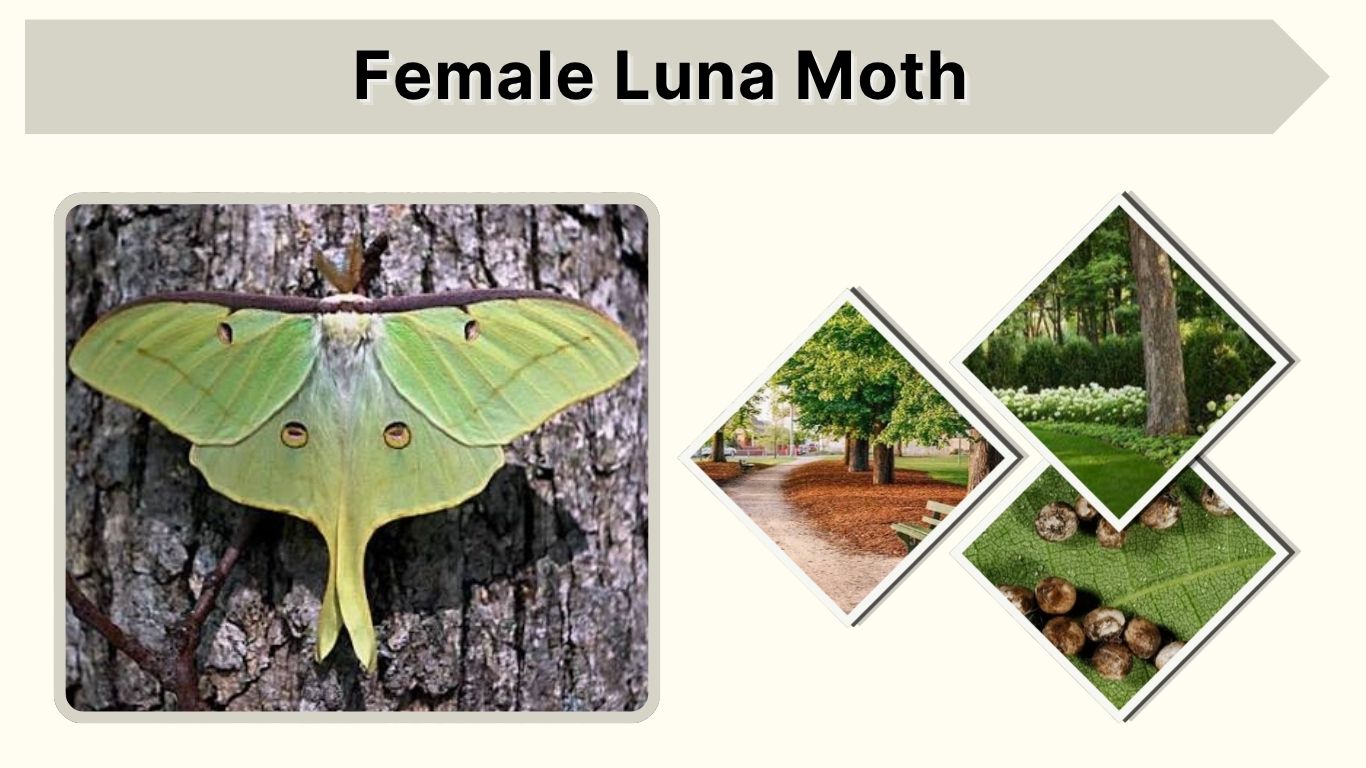
A female luna moth, Actias luna, is a large pale-green silk moth recognized by its long hindwing tails, transparent eyespots, narrow feathery antennae, and full … Read More
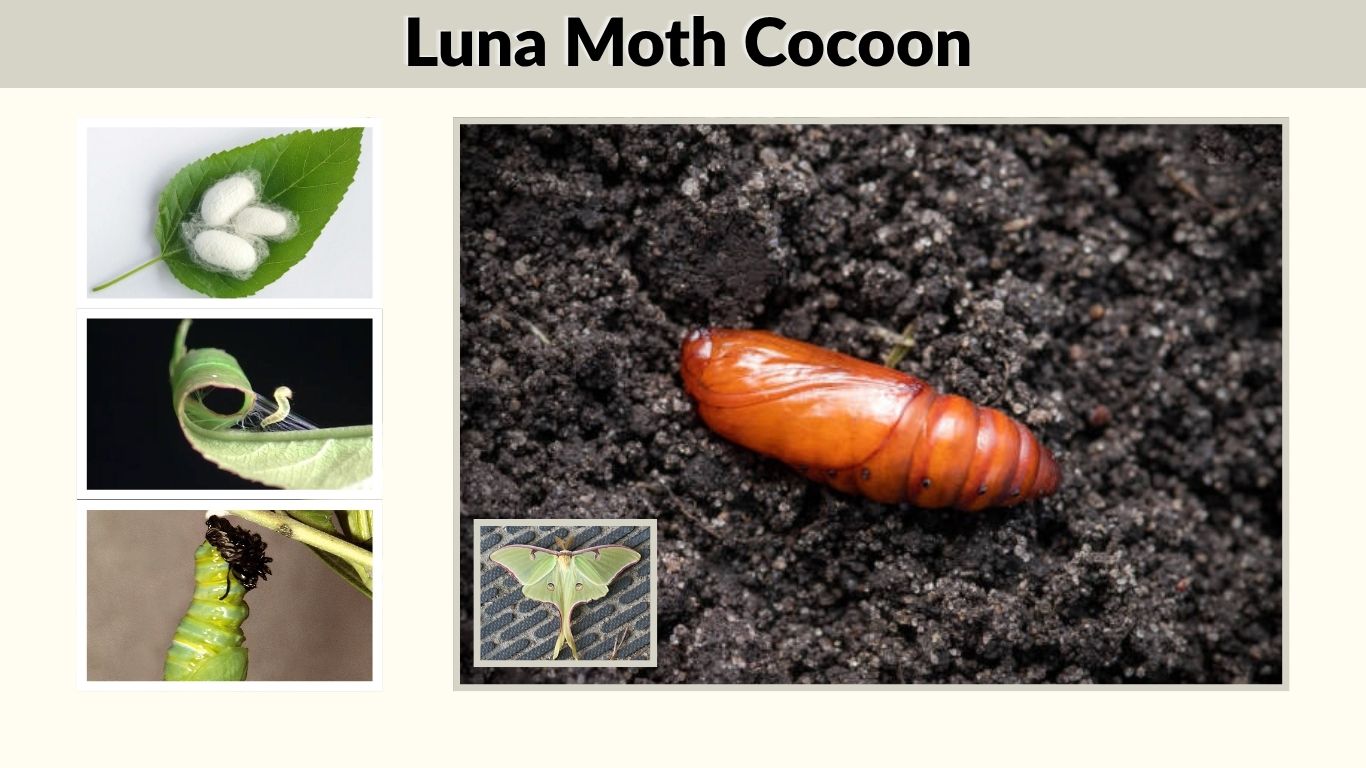
A luna moth cocoon is the protective silk covering created by a mature luna moth caterpillar before it changes into a pupa. The cocoon is … Read More
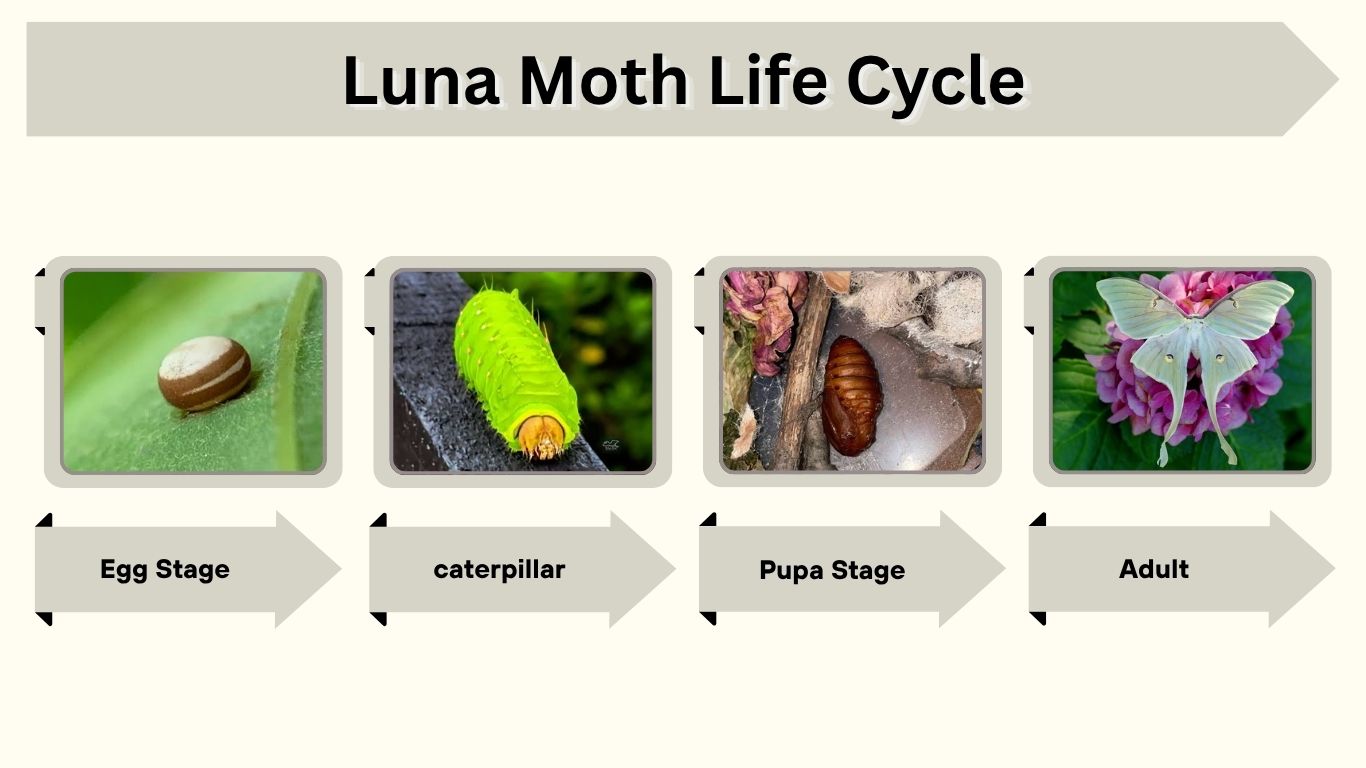
The luna moth life cycle has four stages: egg, caterpillar, pupa, and adult. Known scientifically as Actias luna, this large North American silk moth undergoes … Read More
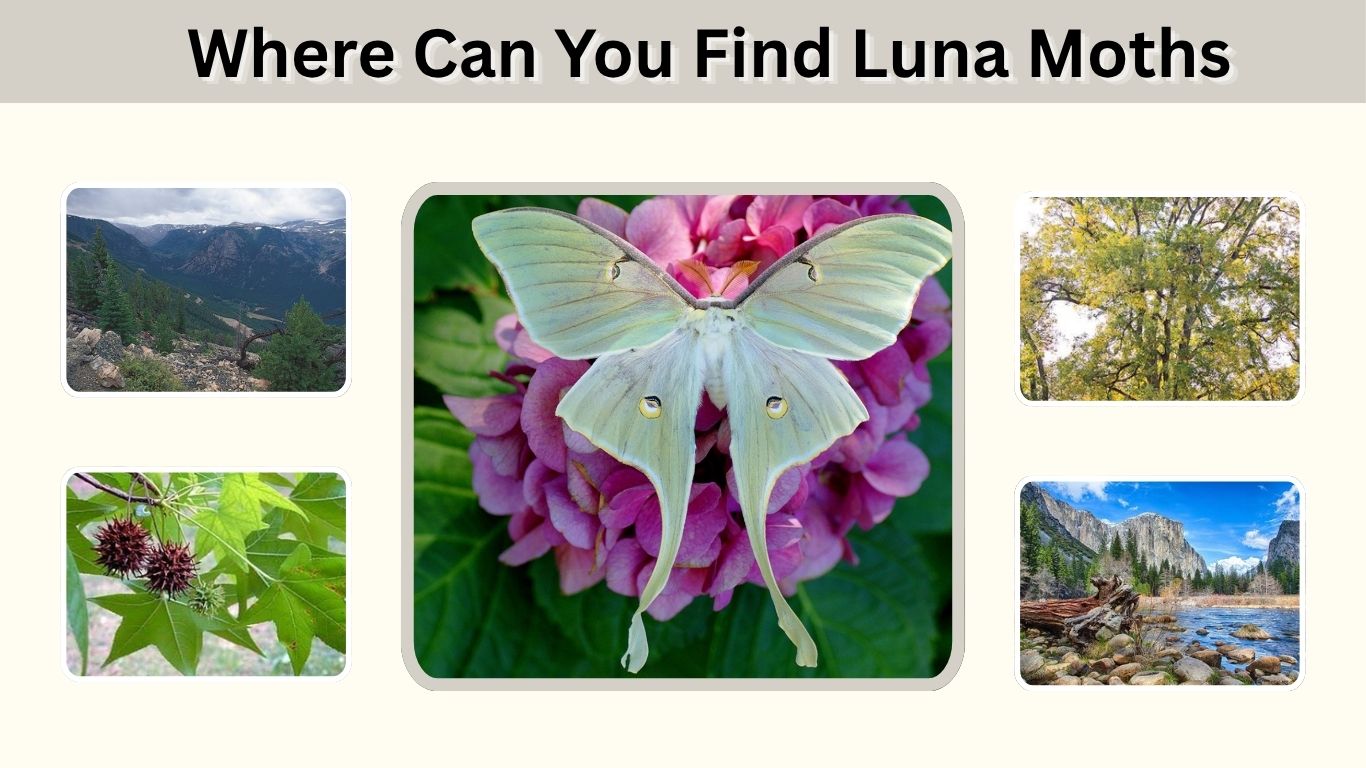
Luna moths, Actias luna, live in forested parts of eastern North America. In the United States, they occur from Maine south to Florida and west … Read More
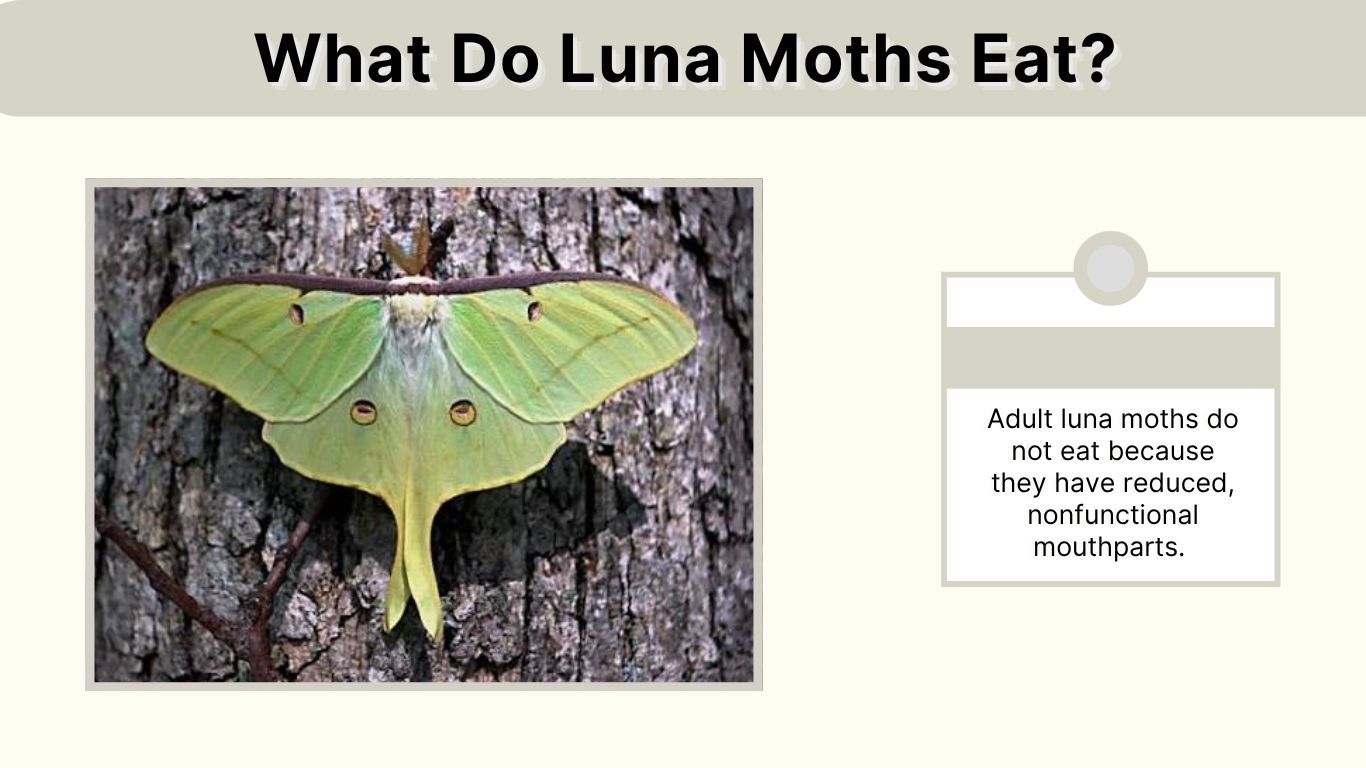
Luna moths are famous for their pale green wings, long hindwing tails, and large size. However, their feeding habits change dramatically during their life cycle. … Read More