
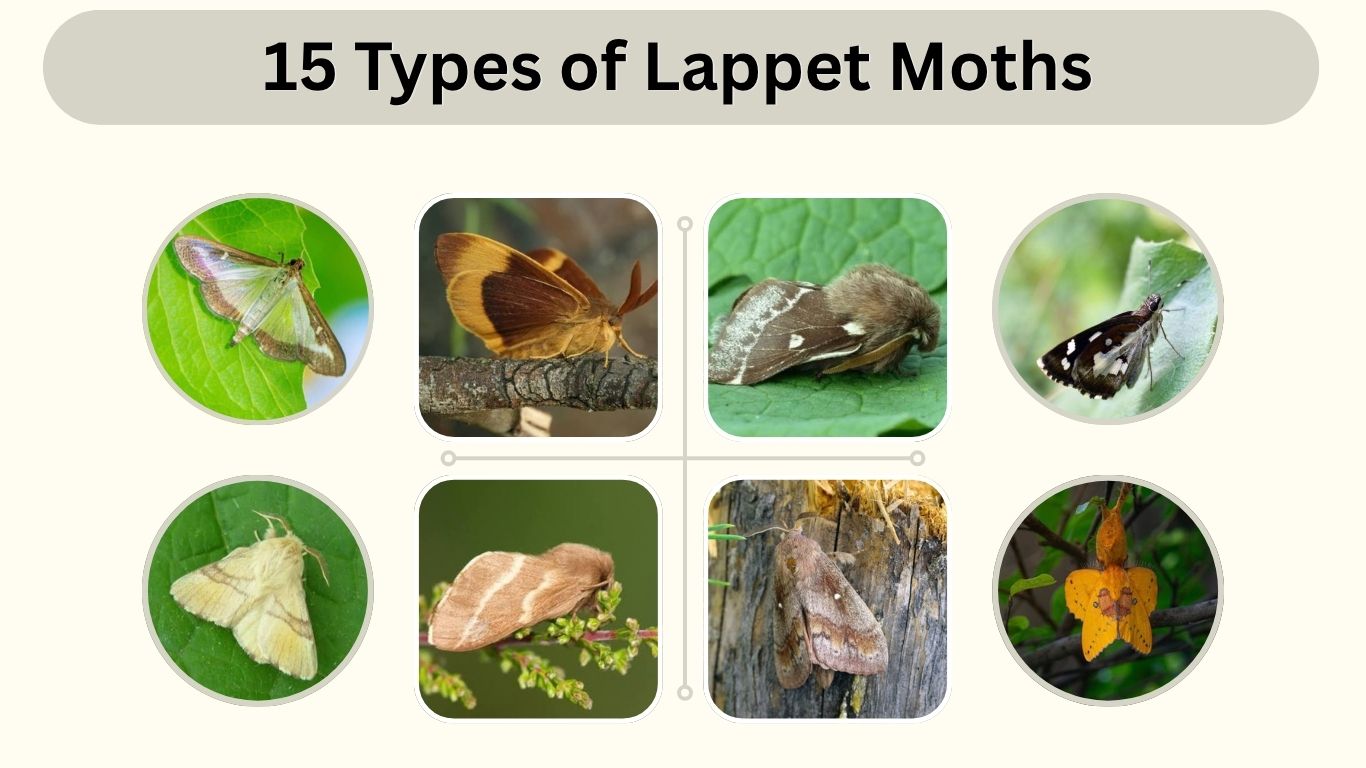
15 Types of Lappet Moths: Identification, Habitat & Life Cycle
Lappet moths are fascinating members of the family Lasiocampidae, a diverse group known for their stout bodies, broad wings, and often hairy caterpillars. These moths … Read More
Lappet moths are fascinating members of the family Lasiocampidae, a diverse group known for their stout bodies, broad wings, and often hairy caterpillars. These moths … Read More
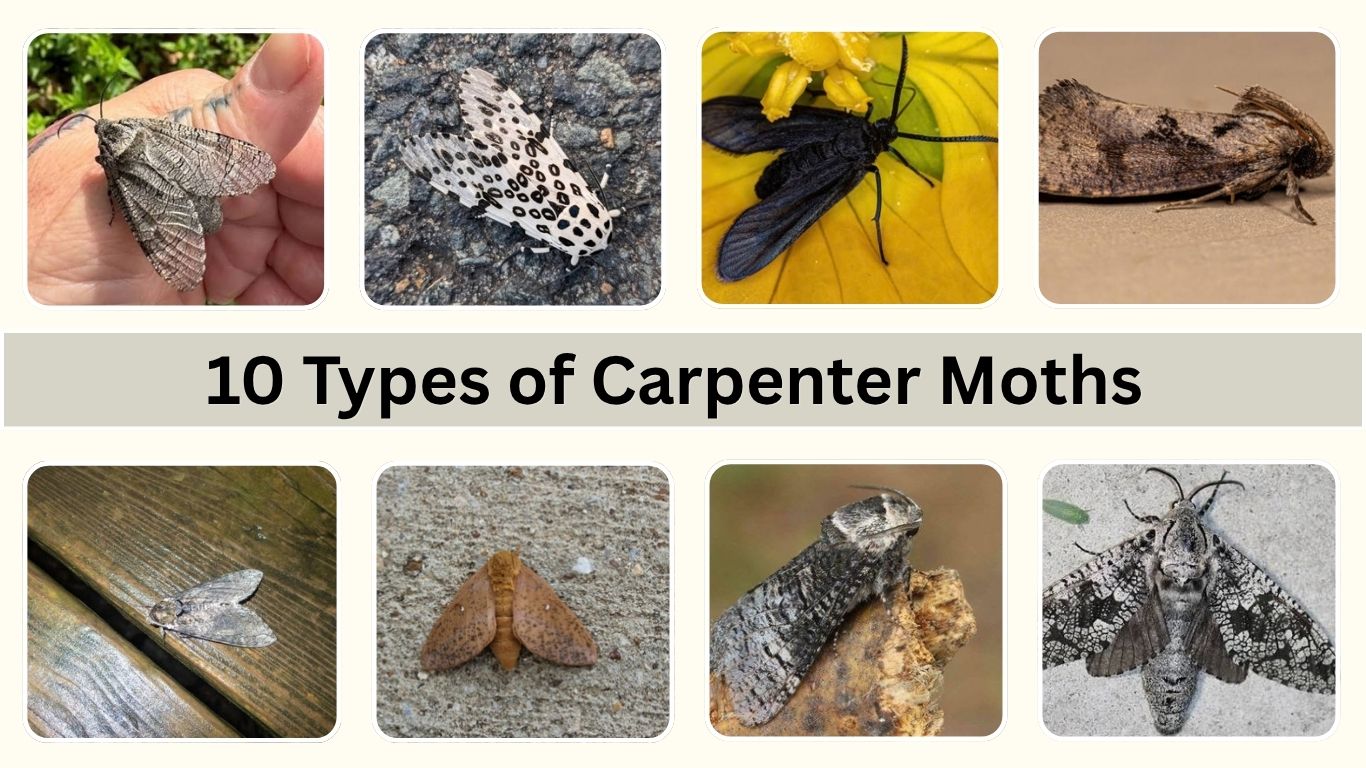
Carpenter moths are fascinating members of the Cossidae family, best known for their wood-boring caterpillars that develop inside trees, stems, and branches. These moths vary … Read More
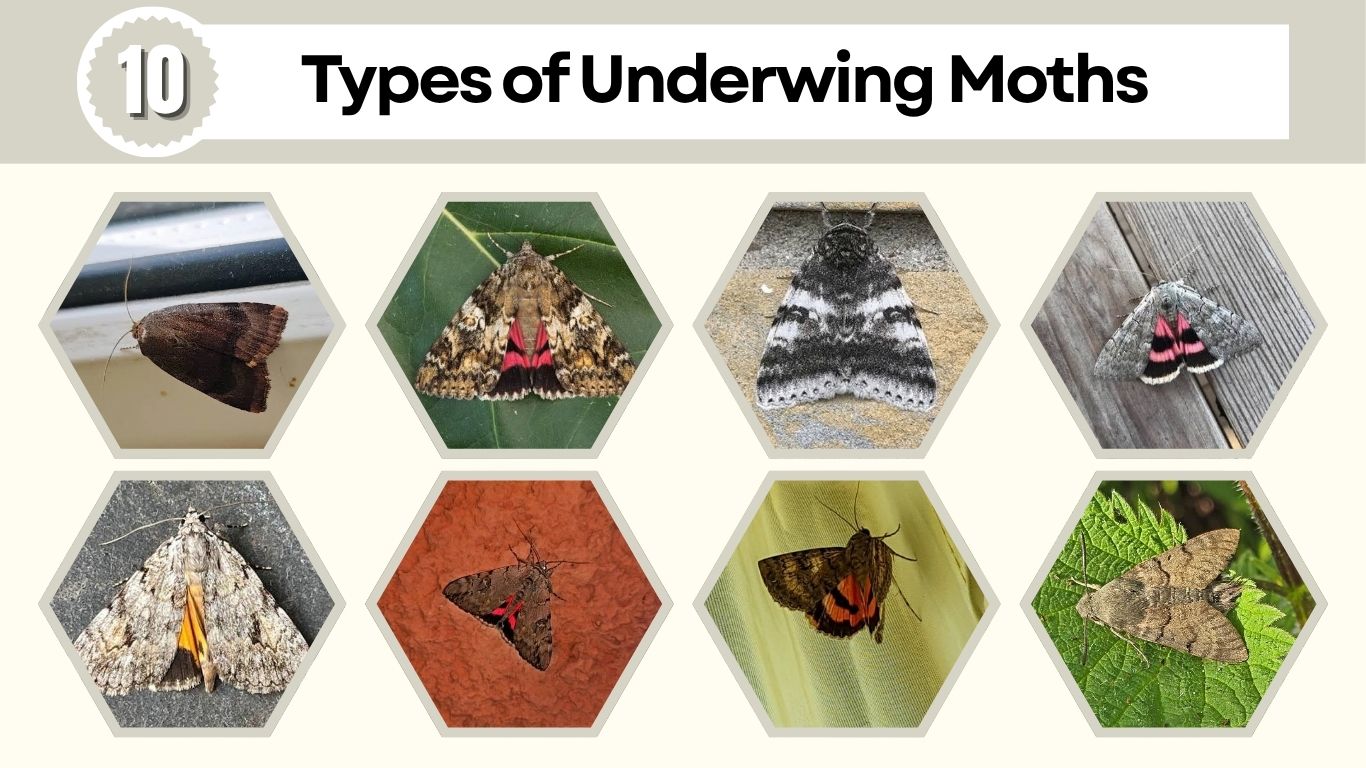
Underwing moths are fascinating insects best known for their bark-like forewings and colorful hidden hindwings. Most belong to the genus Catocala and spend the daytime … Read More
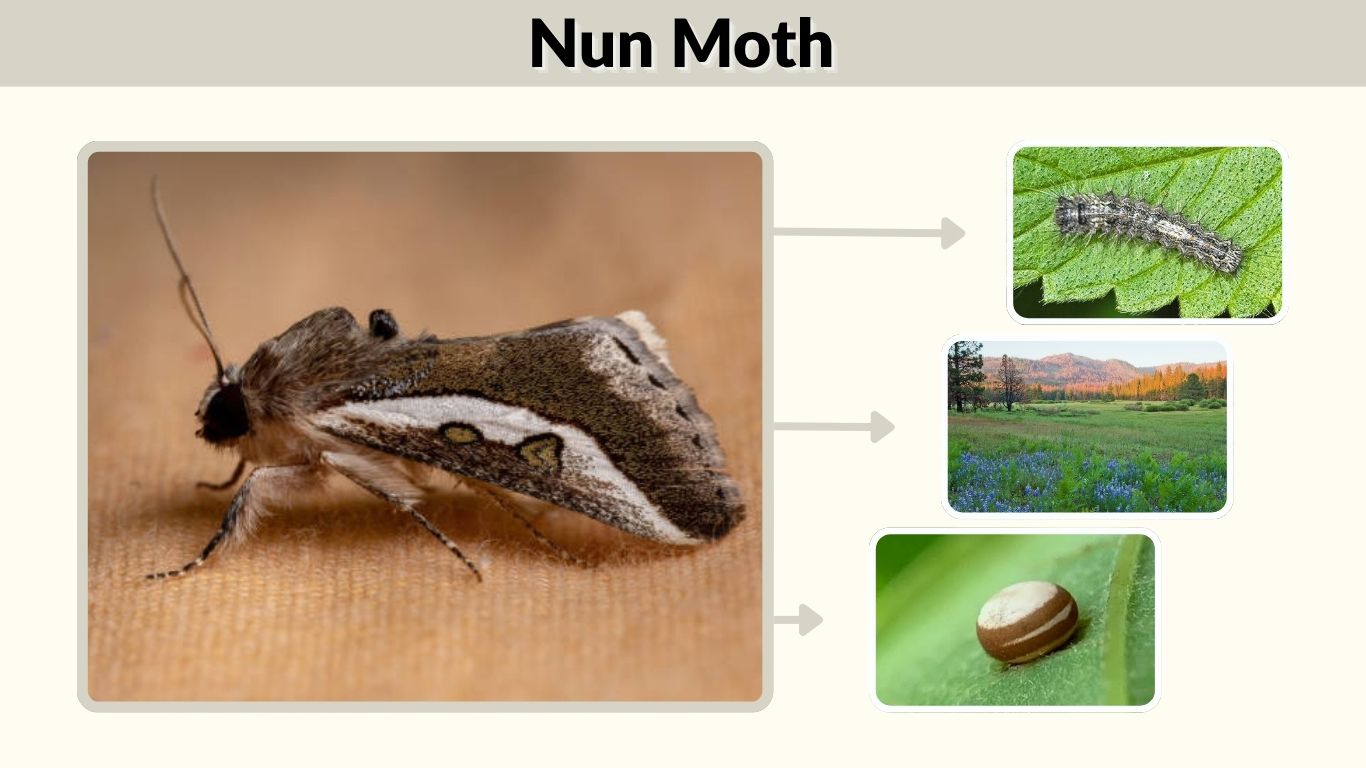
The nun moth (Lymantria monacha) is a black-and-white forest moth native to much of Europe and parts of Asia. Also called the black arches moth … Read More
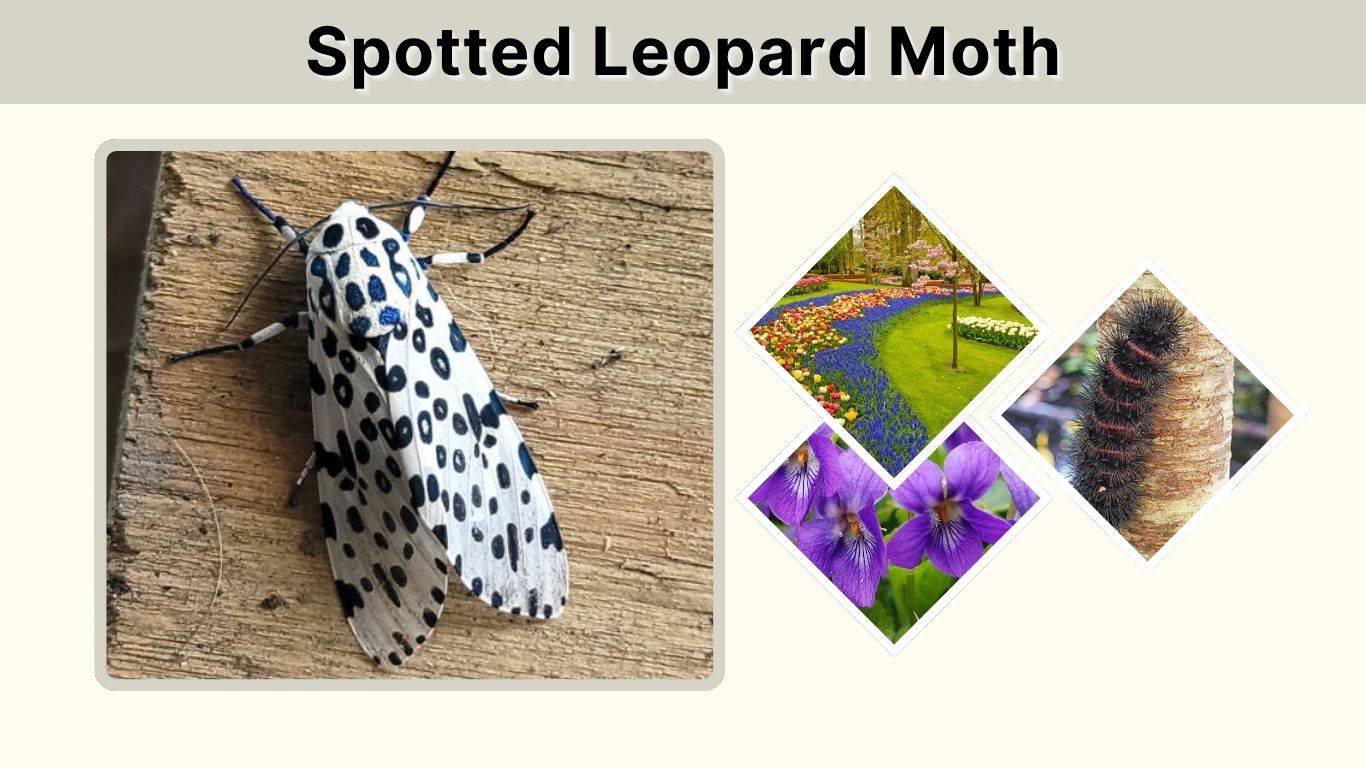
The spotted leopard moth is usually a search name for the giant leopard moth or great leopard moth (Hypercompe scribonia), a striking North American moth … Read More
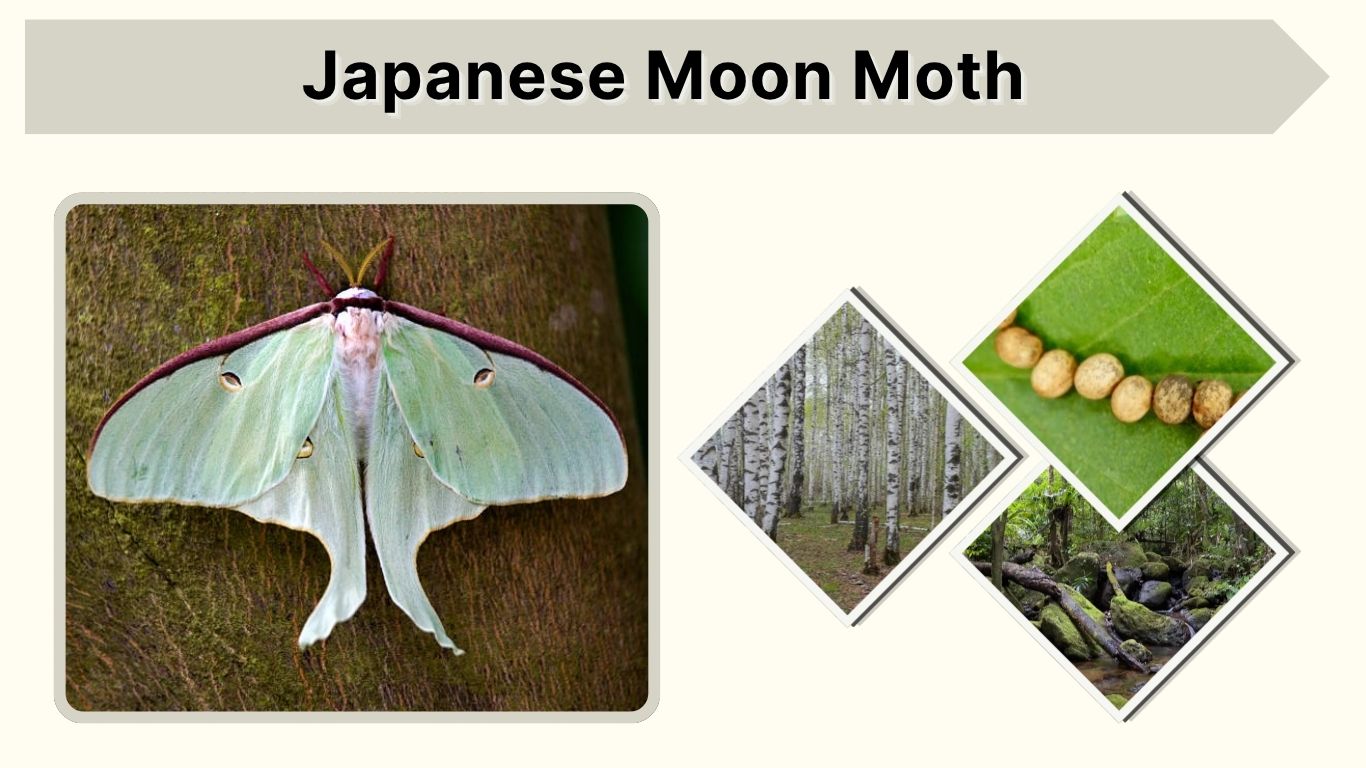
The Japanese moon moth (Actias gnoma) is a large, pale green silk moth known for its elegant hindwing tails, delicate eyespots, and soft blue-green coloration. … Read More
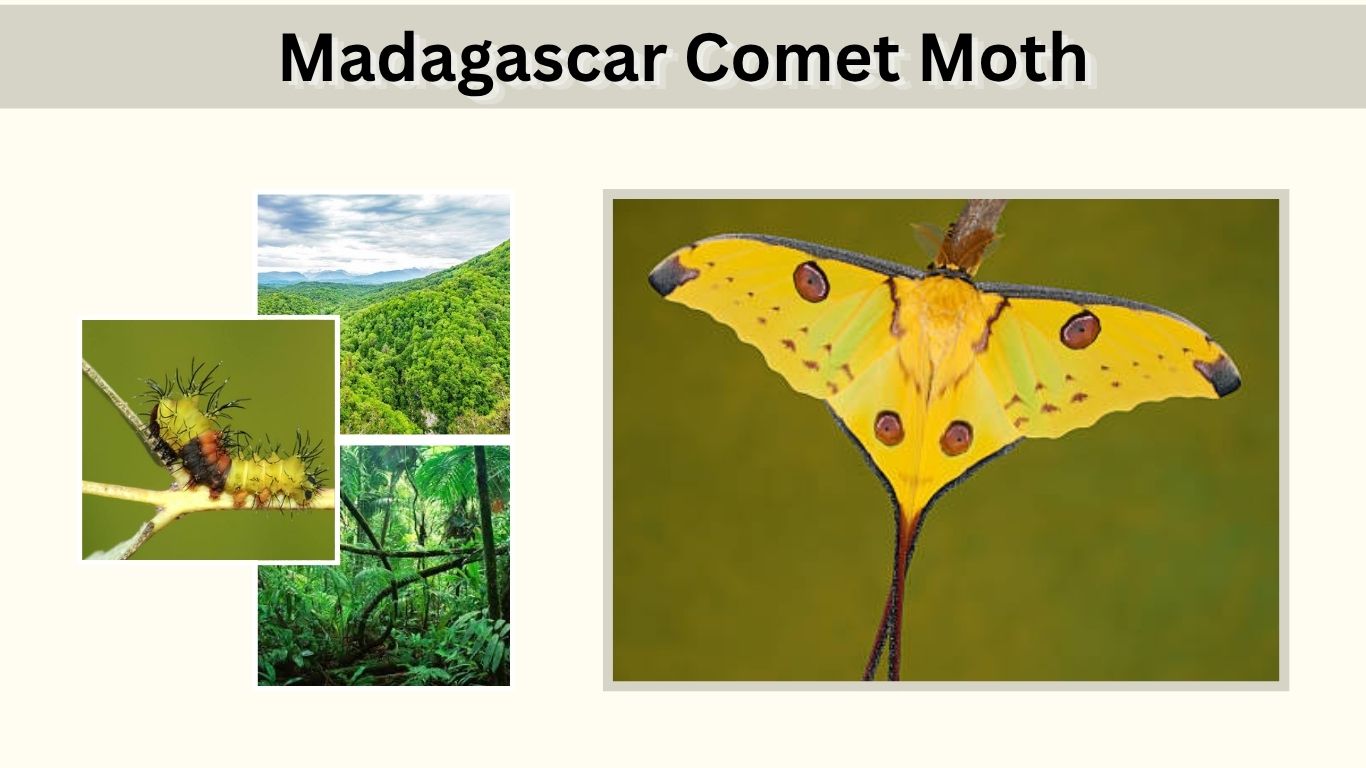
The Madagascar comet moth, also called the Madagascan comet moth or Madagascan moon moth, is one of the most spectacular silk moths in the world. … Read More
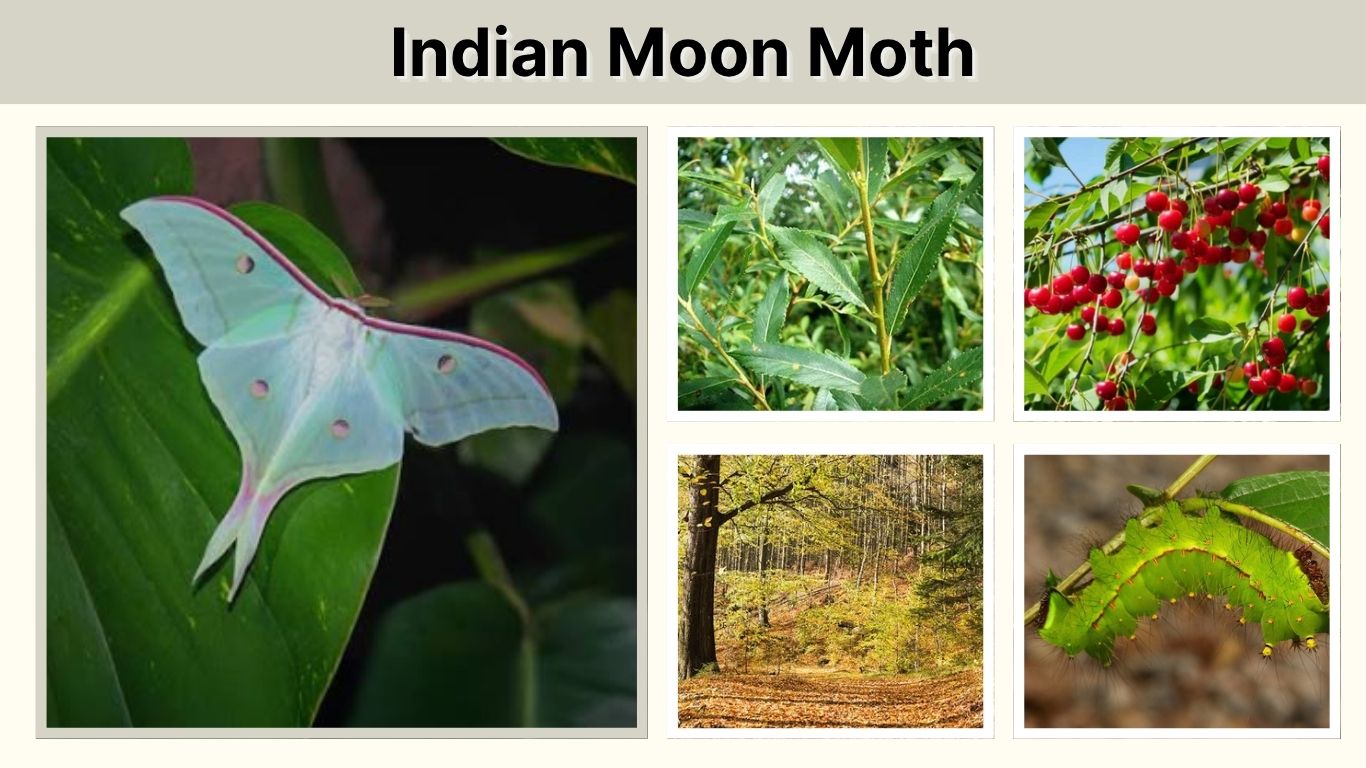
The Indian moon moth is a spectacular Asian silk moth recognized by its pale green wings, long sweeping hindwing tails, and distinctive eyespots. Scientifically known … Read More
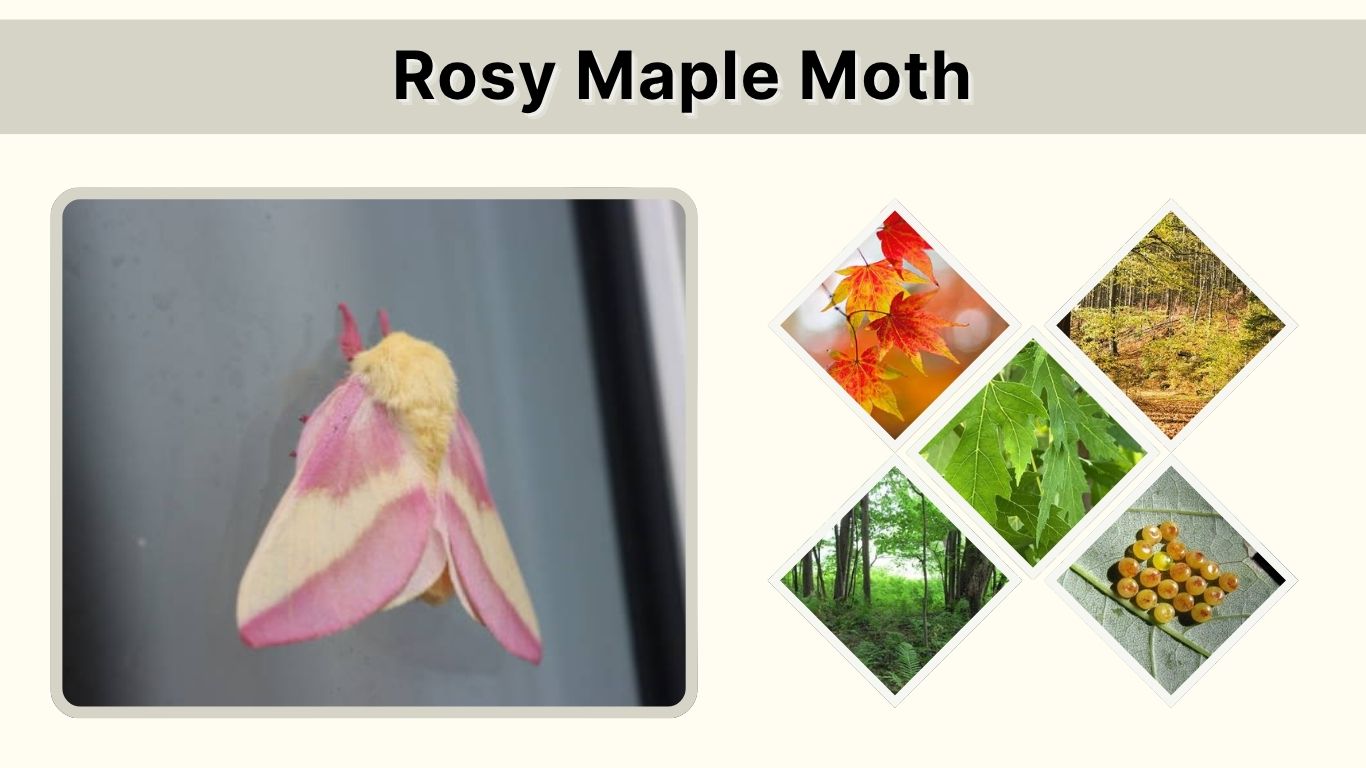
The rosy maple moth is one of North America’s most colorful moths, instantly recognizable by its soft pink and yellow wings. Scientifically known as Dryocampa … Read More
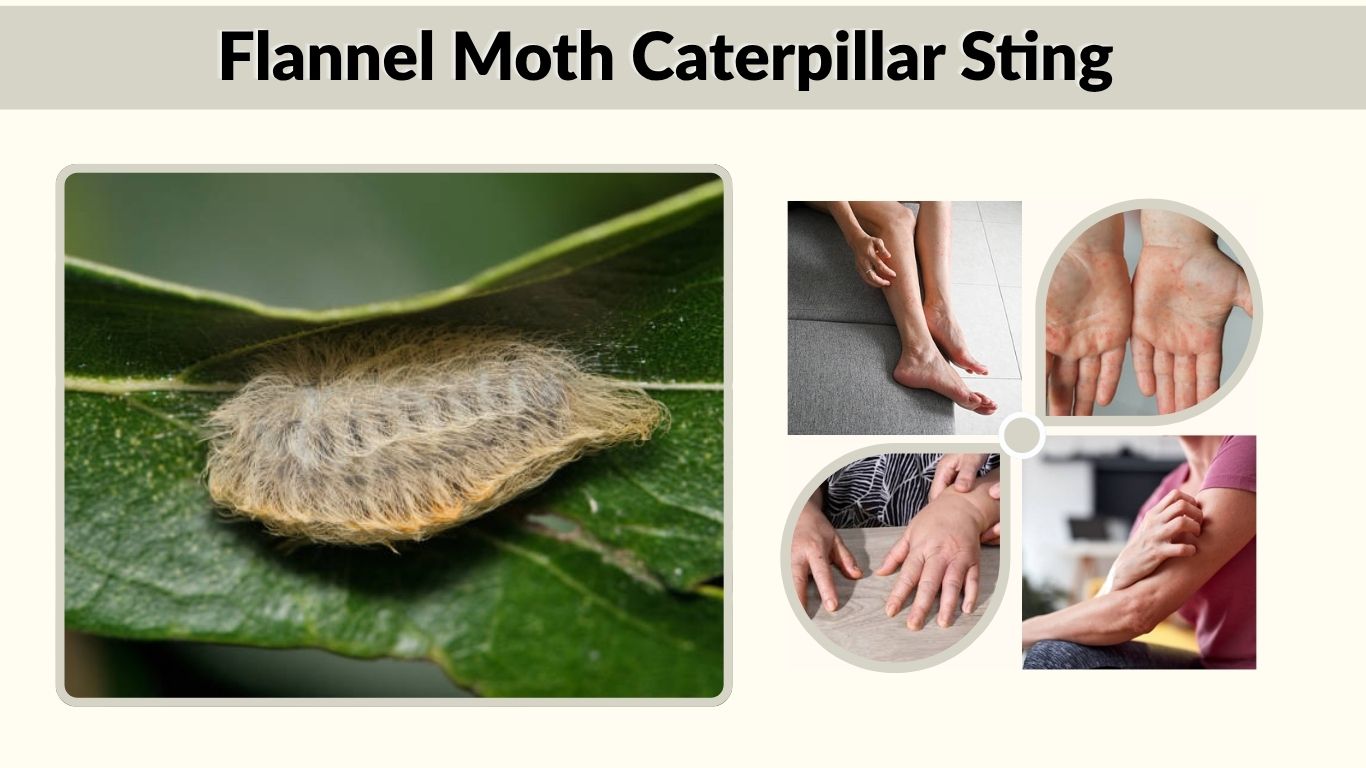
A flannel moth caterpillar sting can produce intense burning pain, redness, swelling, and a raised skin rash. The injury occurs when venomous spines hidden beneath … Read More