
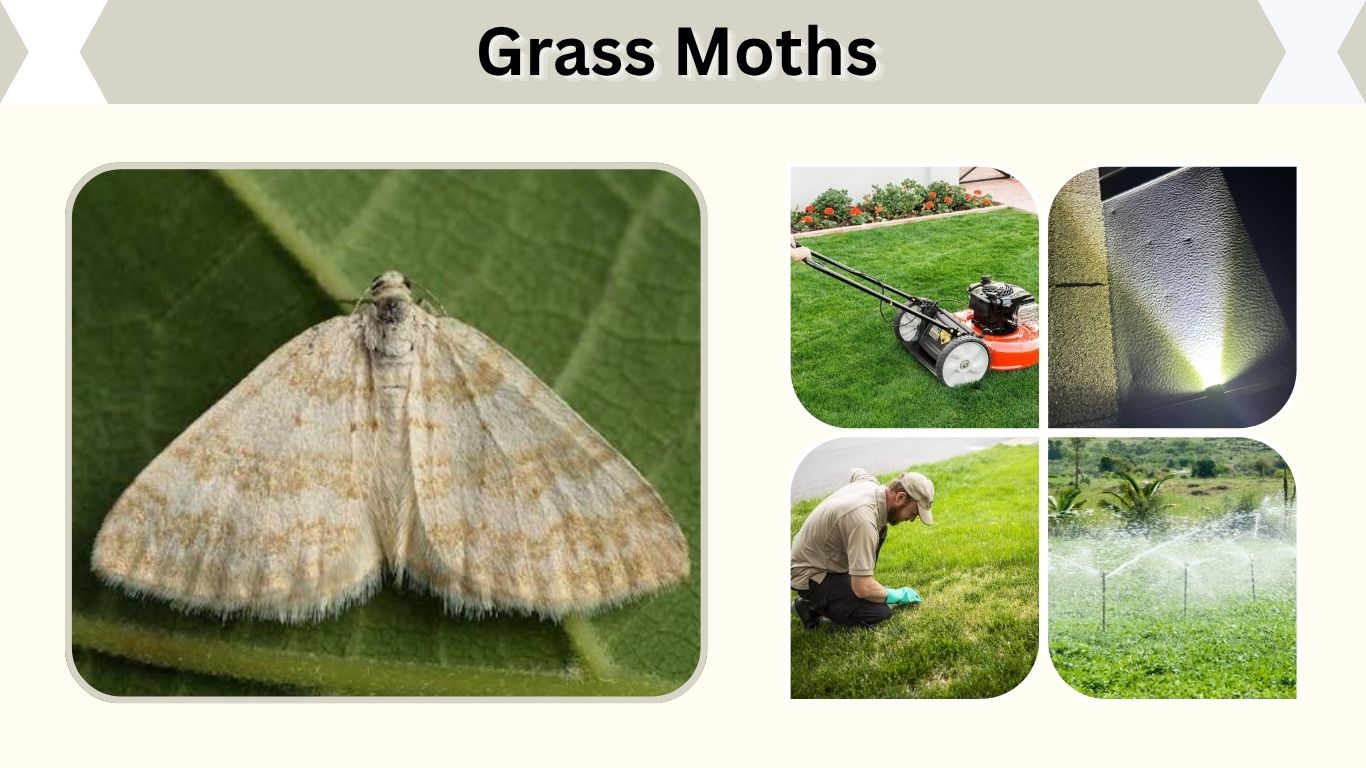
Grass Moths: Identification, Lawn Damage and Control Methods
Grass moths are the small moths that flutter up when you walk across a lawn or brush past long grass. Their sudden appearance can suggest … Read More
Grass moths are the small moths that flutter up when you walk across a lawn or brush past long grass. Their sudden appearance can suggest … Read More
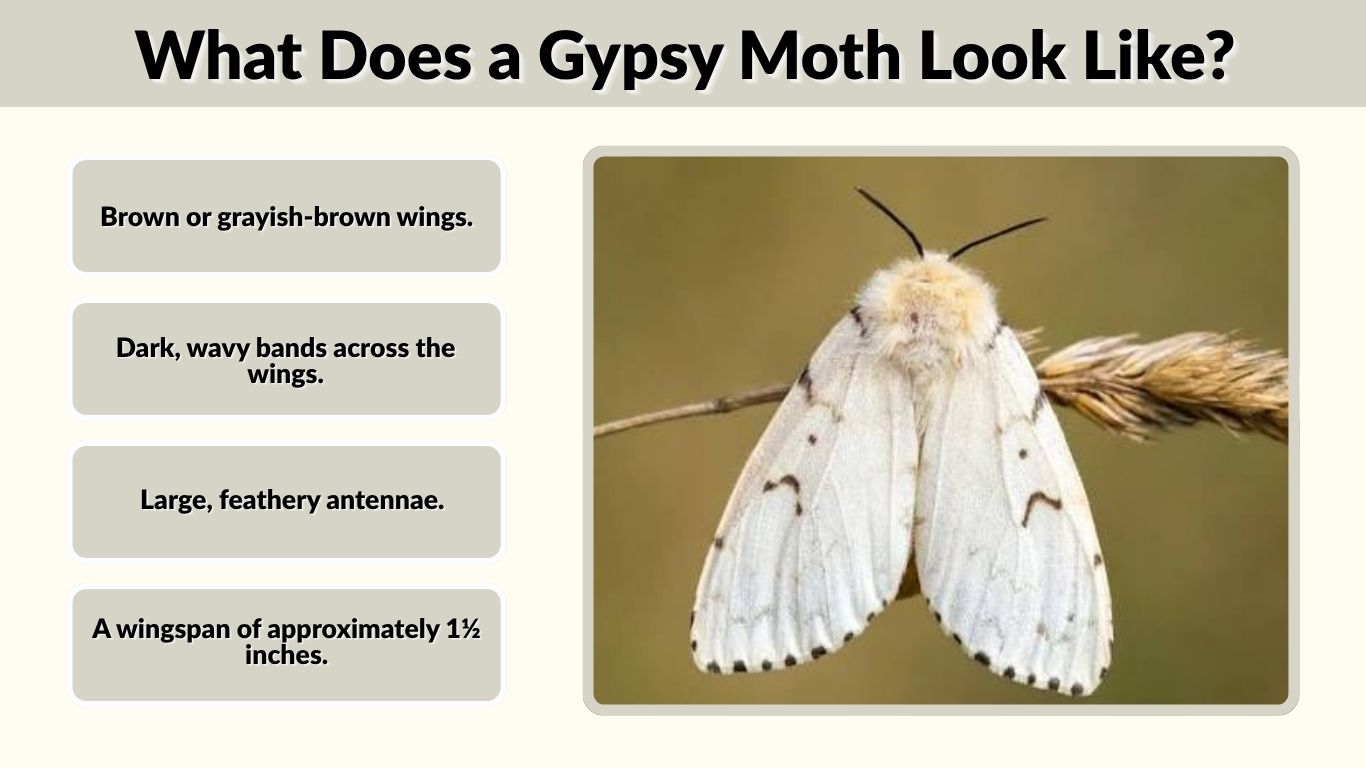
A gypsy moth, now officially called a spongy moth, looks different at each stage of its development. Adult males are small and brown, while females … Read More
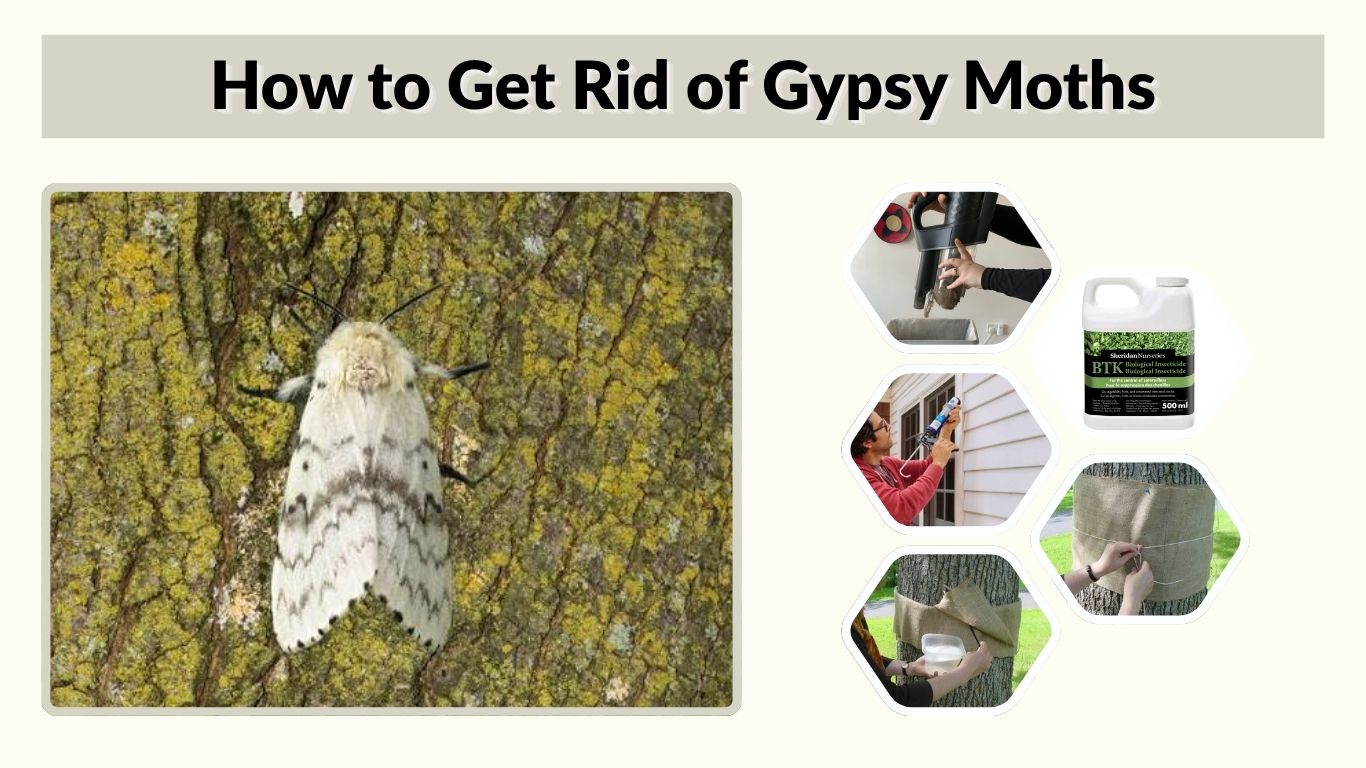
The best way to get rid of gypsy moths—now officially called spongy moths—is to target different life stages at the correct time. Remove egg masses … Read More
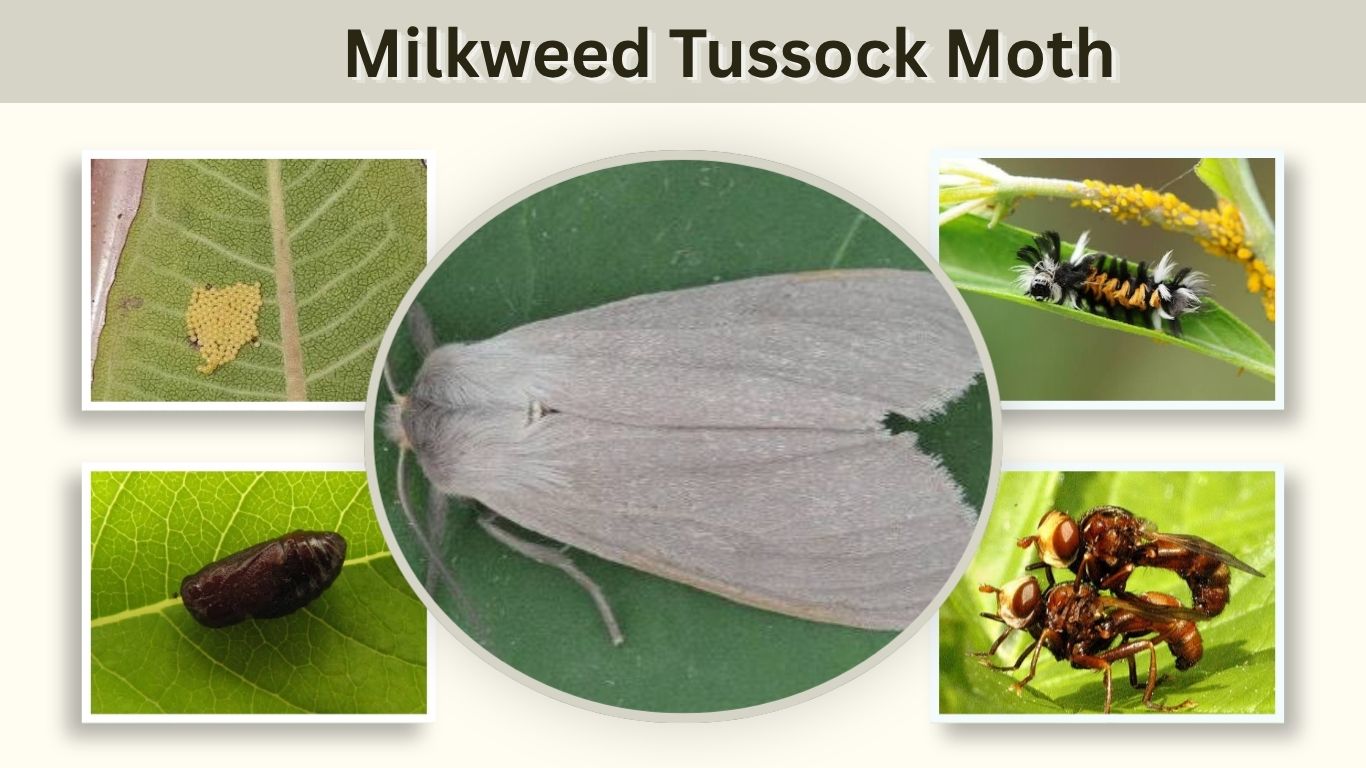
The milkweed tussock moth (Euchaetes egle) is a native North American moth best recognized by its fuzzy orange, black, and white caterpillar. Colonies feed together … Read More
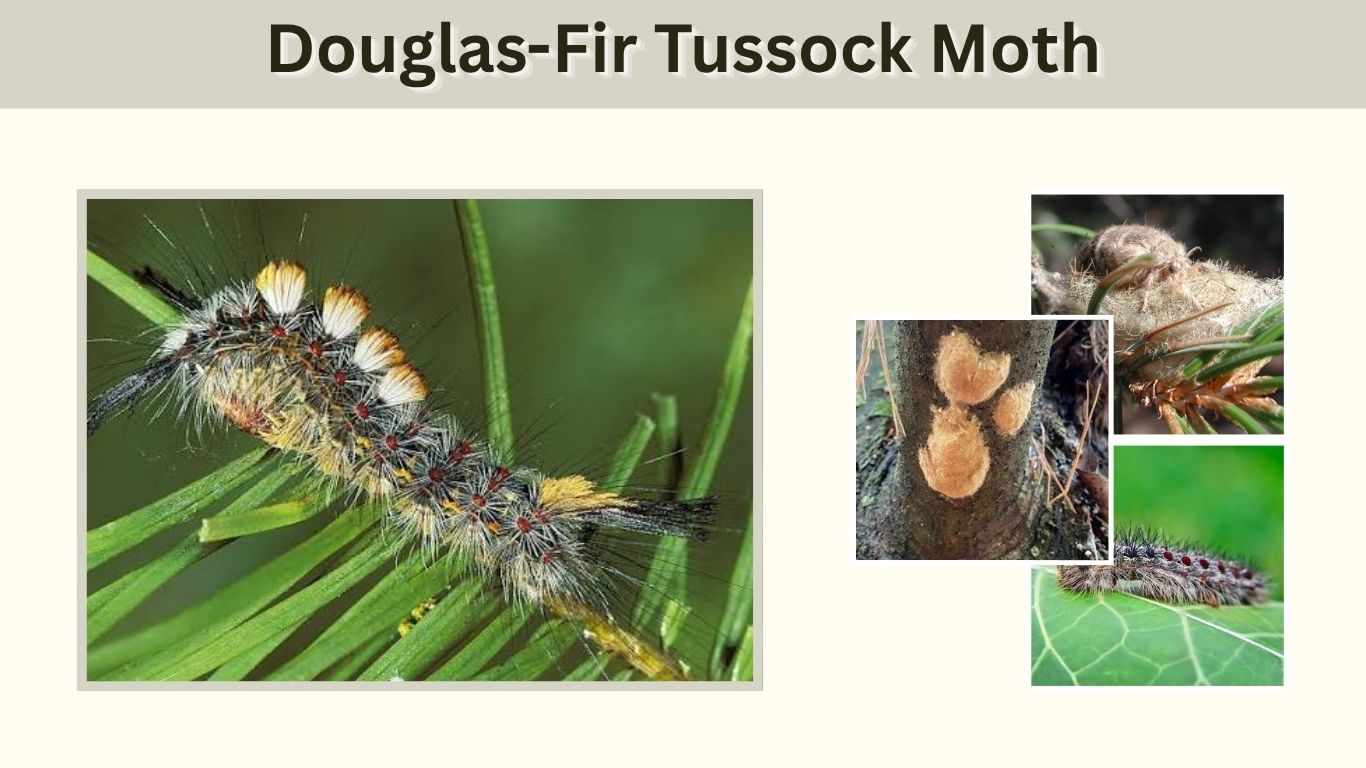
The Douglas-fir tussock moth (Orgyia pseudotsugata) is a native western North American moth whose caterpillars feed on Douglas-fir, true firs, and spruce trees. During periodic … Read More
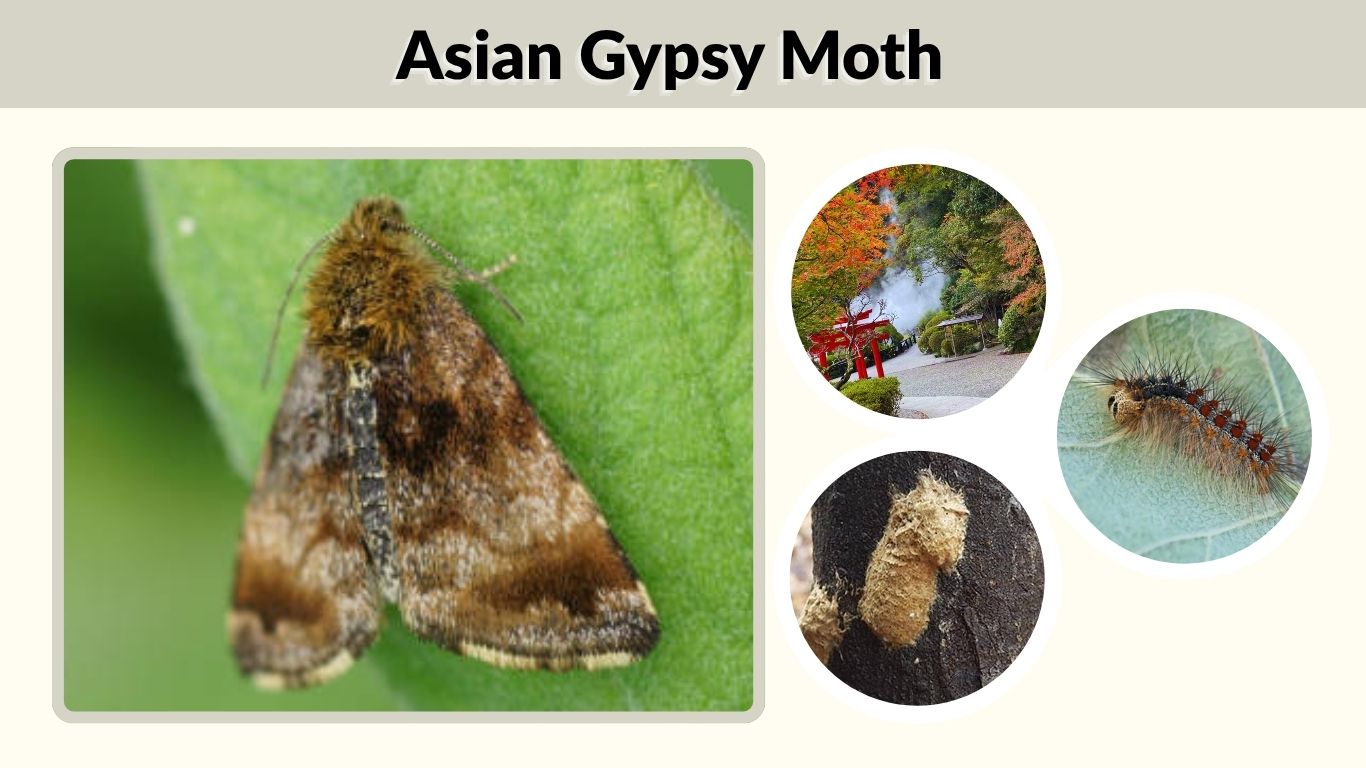
The Asian gypsy moth is an invasive forest pest now officially called the flighted spongy moth complex. Unlike the established European spongy moth, adult Asian-form … Read More
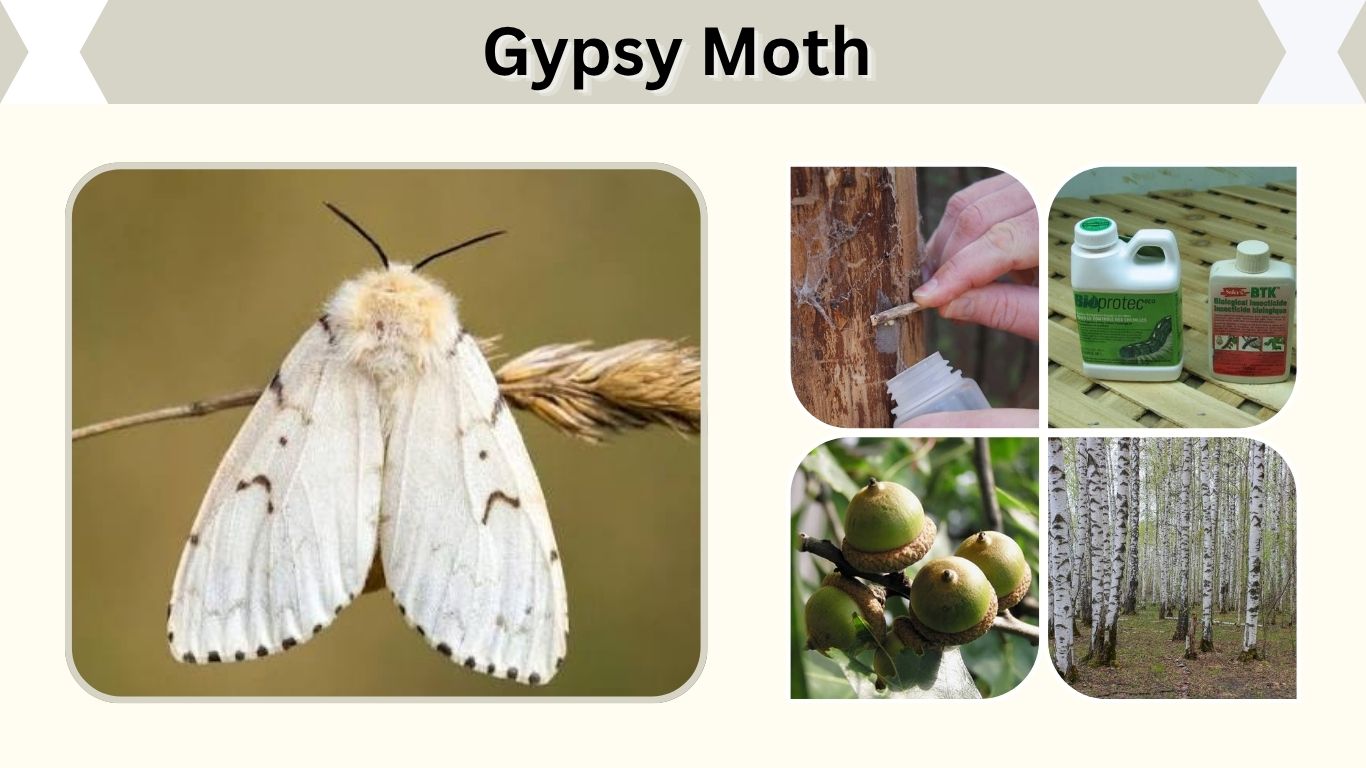
The gypsy moth, now officially called the spongy moth, is an invasive insect capable of stripping leaves from entire forests. Its caterpillars feed on hundreds … Read More
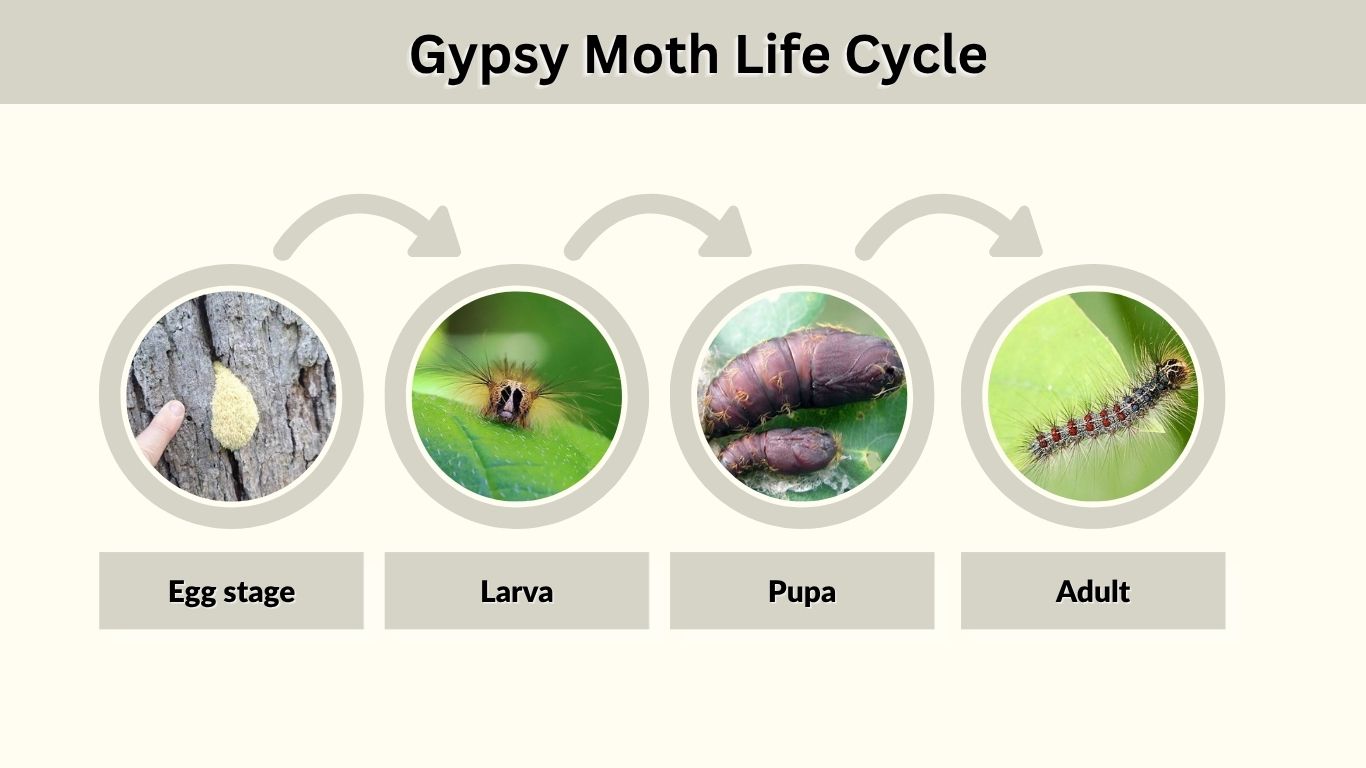
The gypsy moth, now officially called the spongy moth, completes four distinct life stages: egg, larva, pupa, and adult. Although adult moths survive for only … Read More
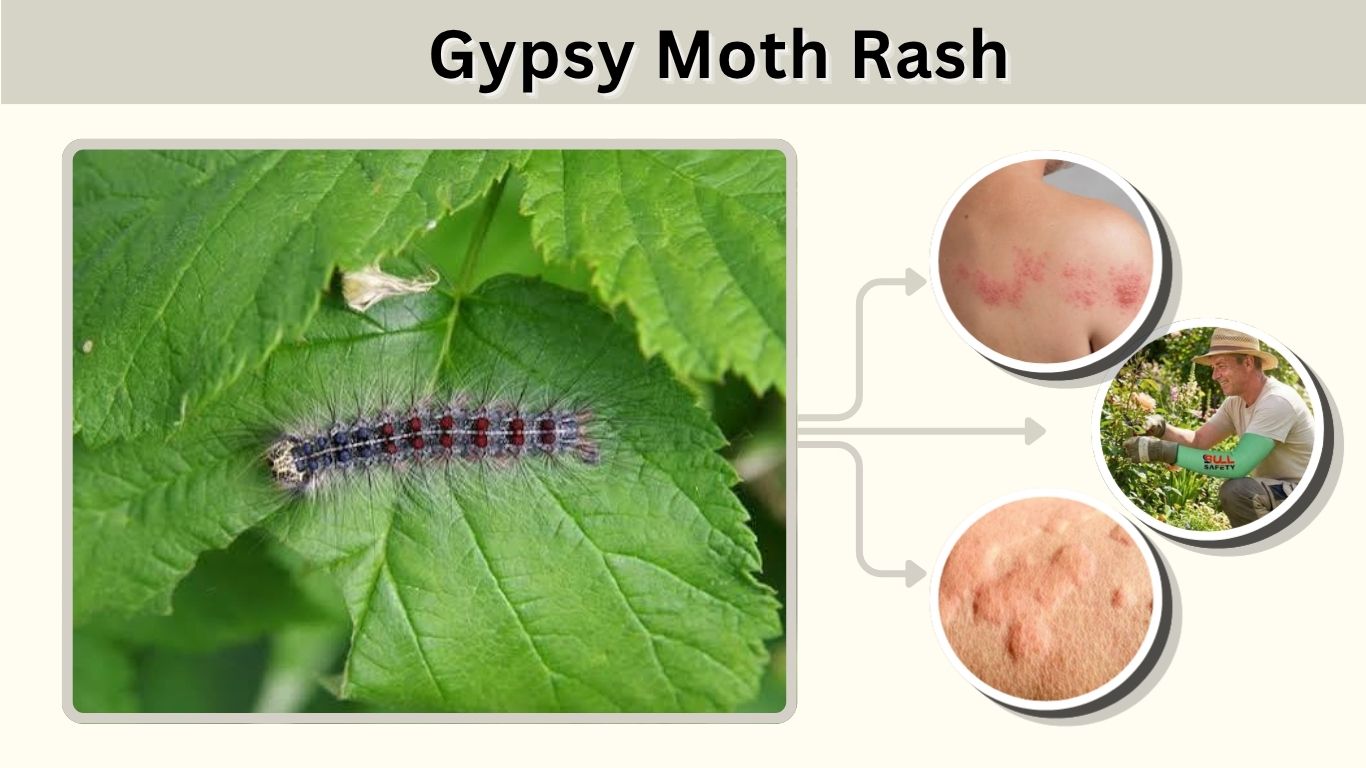
Gypsy moth rash is an itchy skin reaction caused by contact with the microscopic hairs of gypsy moth caterpillars, now officially called spongy moth caterpillars. … Read More
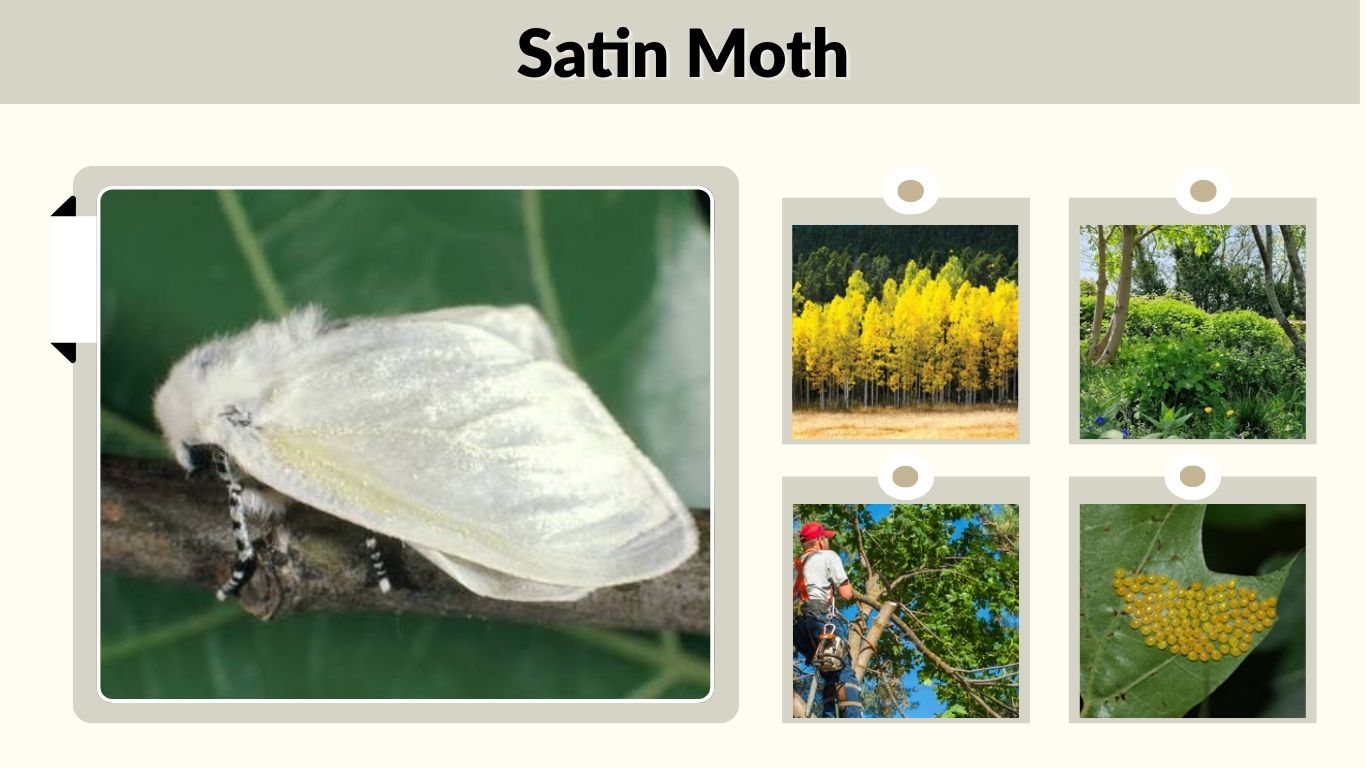
The satin moth, commonly called the white satin moth, is a striking white moth known scientifically as Leucoma salicis. Adults have silky white wings, a … Read More