
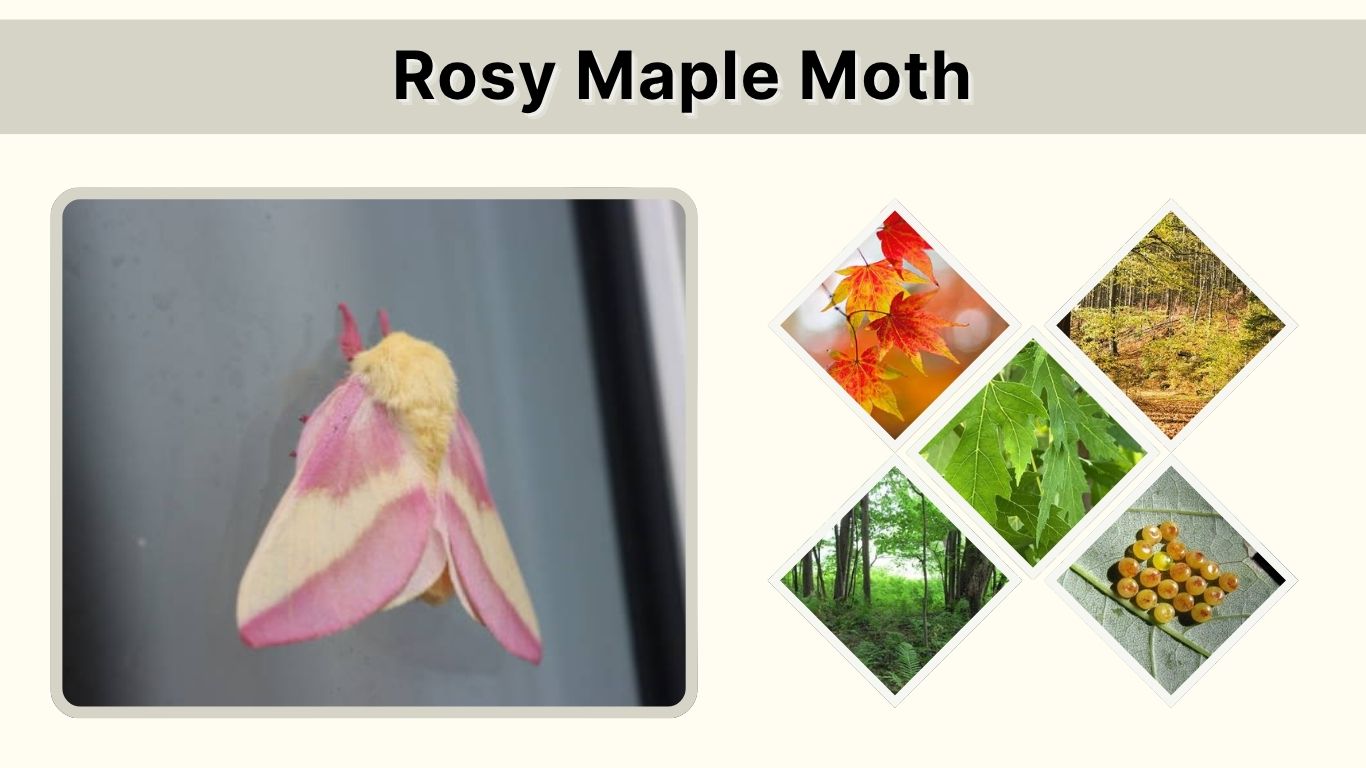
Rosy Maple Moth: Facts, Lifespan, Habitat & Life Cycle
The rosy maple moth is one of North America’s most colorful moths, instantly recognizable by its soft pink and yellow wings. Scientifically known as Dryocampa … Read More
The rosy maple moth is one of North America’s most colorful moths, instantly recognizable by its soft pink and yellow wings. Scientifically known as Dryocampa … Read More
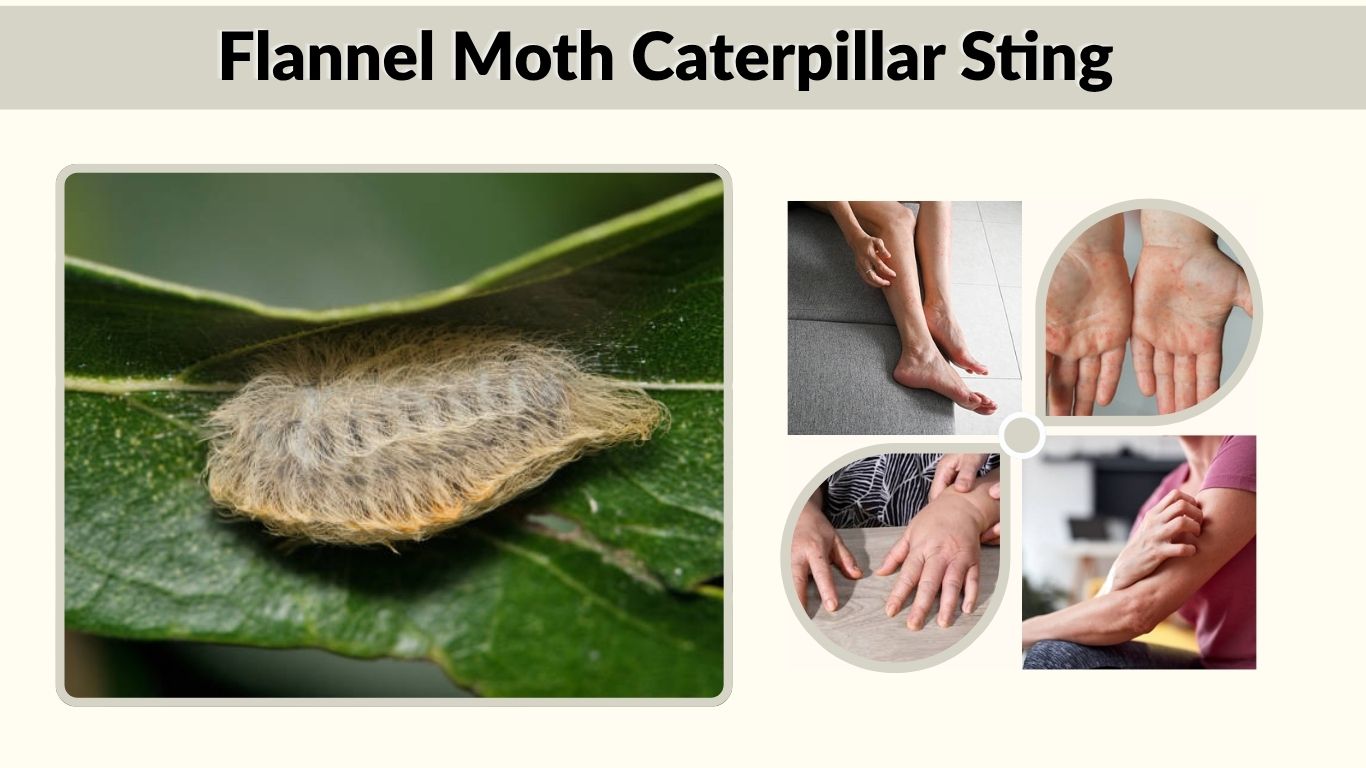
A flannel moth caterpillar sting can produce intense burning pain, redness, swelling, and a raised skin rash. The injury occurs when venomous spines hidden beneath … Read More
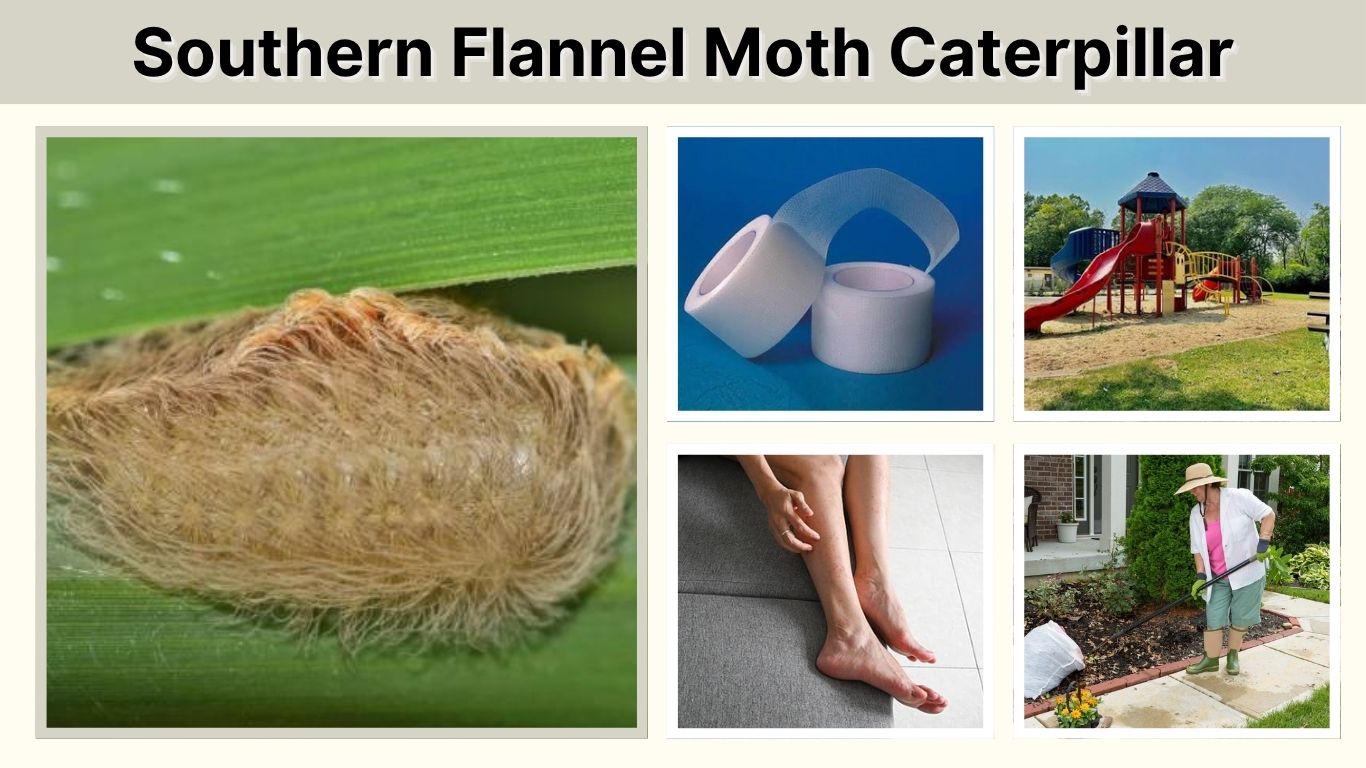
The southern flannel moth caterpillar may resemble a soft tuft of fur, but touching it can cause an intensely painful sting. Also called the puss … Read More
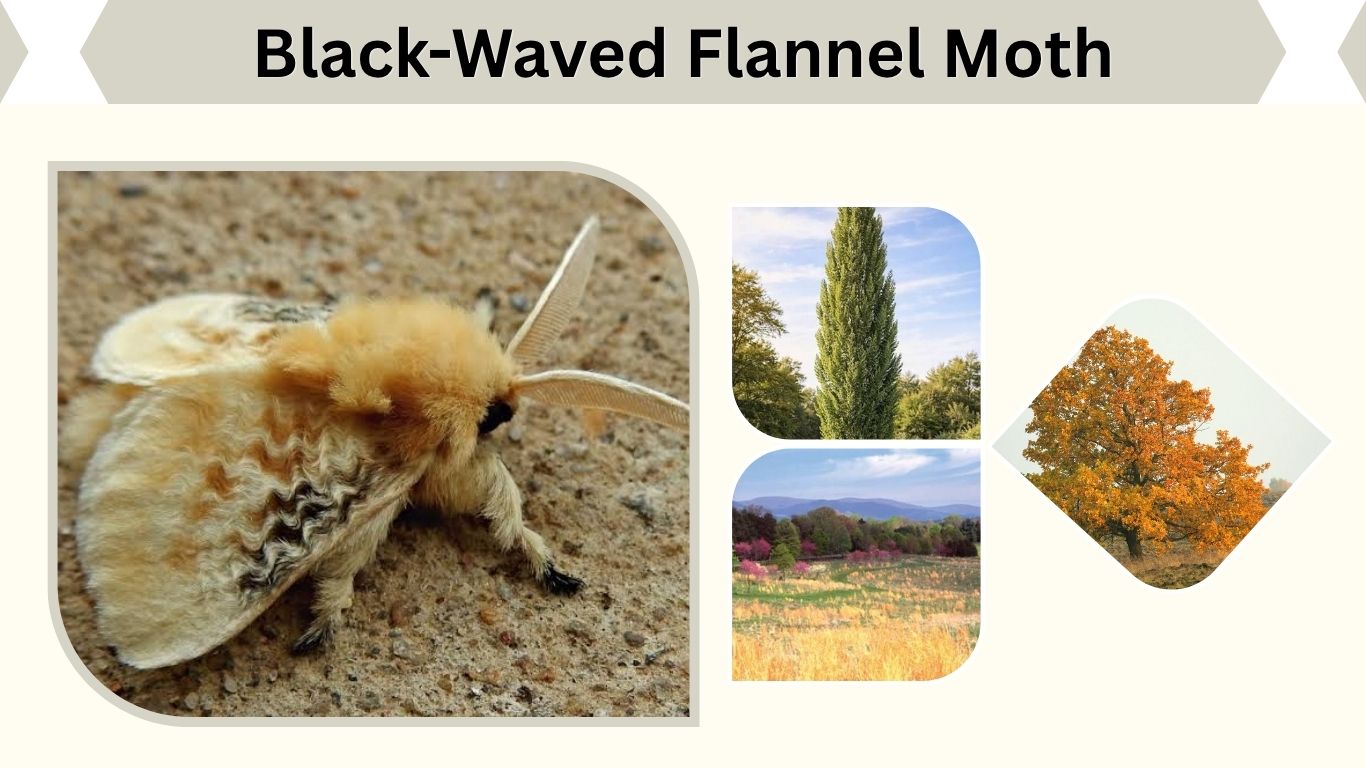
The Black-waved Flannel Moth (Megalopyge crispata) is a small, unusually furry moth found mainly across the eastern United States. Adults are pale cream to yellow … Read More
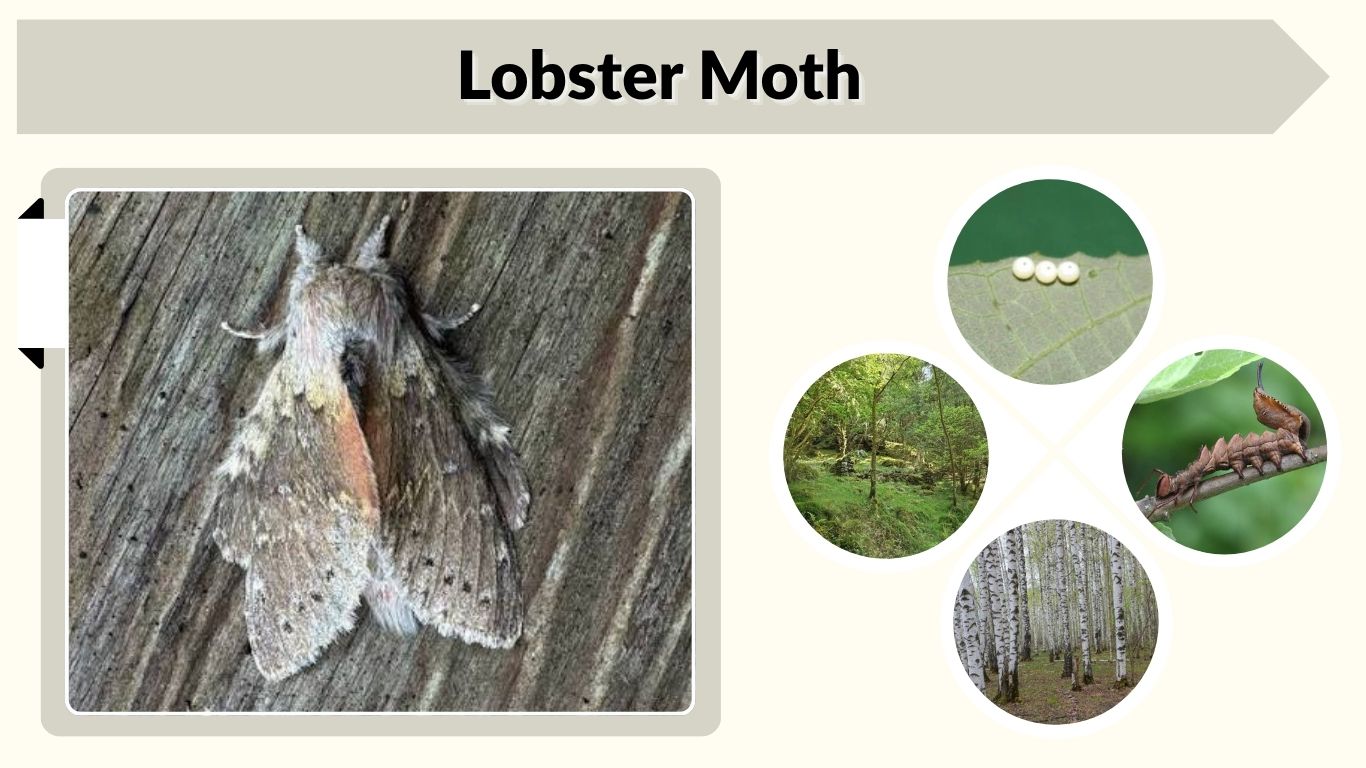
The Lobster Moth (Stauropus fagi) is an unusual woodland moth best known for its extraordinary caterpillar rather than its relatively modest-looking adult form. The larva … Read More
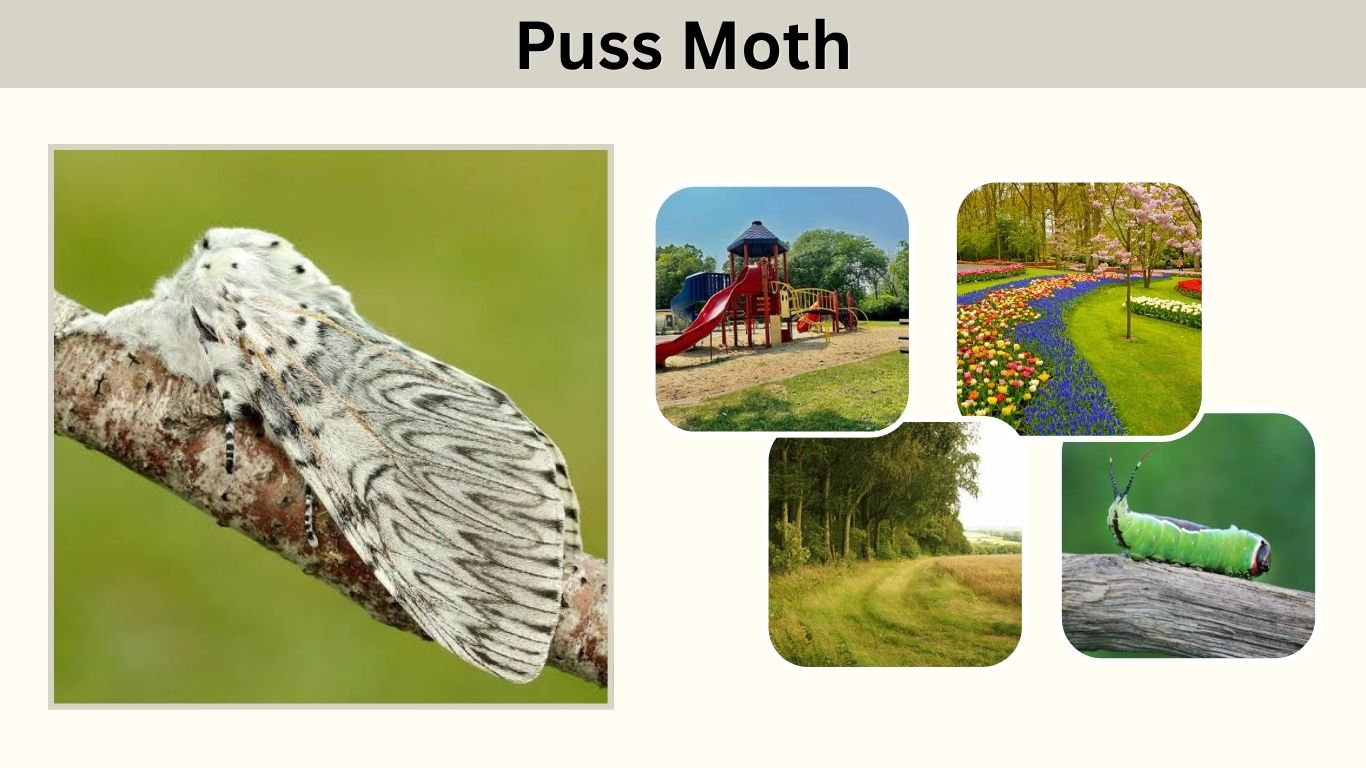
The puss moth is known for its fluffy body and an extraordinary caterpillar that looks almost like a tiny creature wearing a mask. However, the … Read More
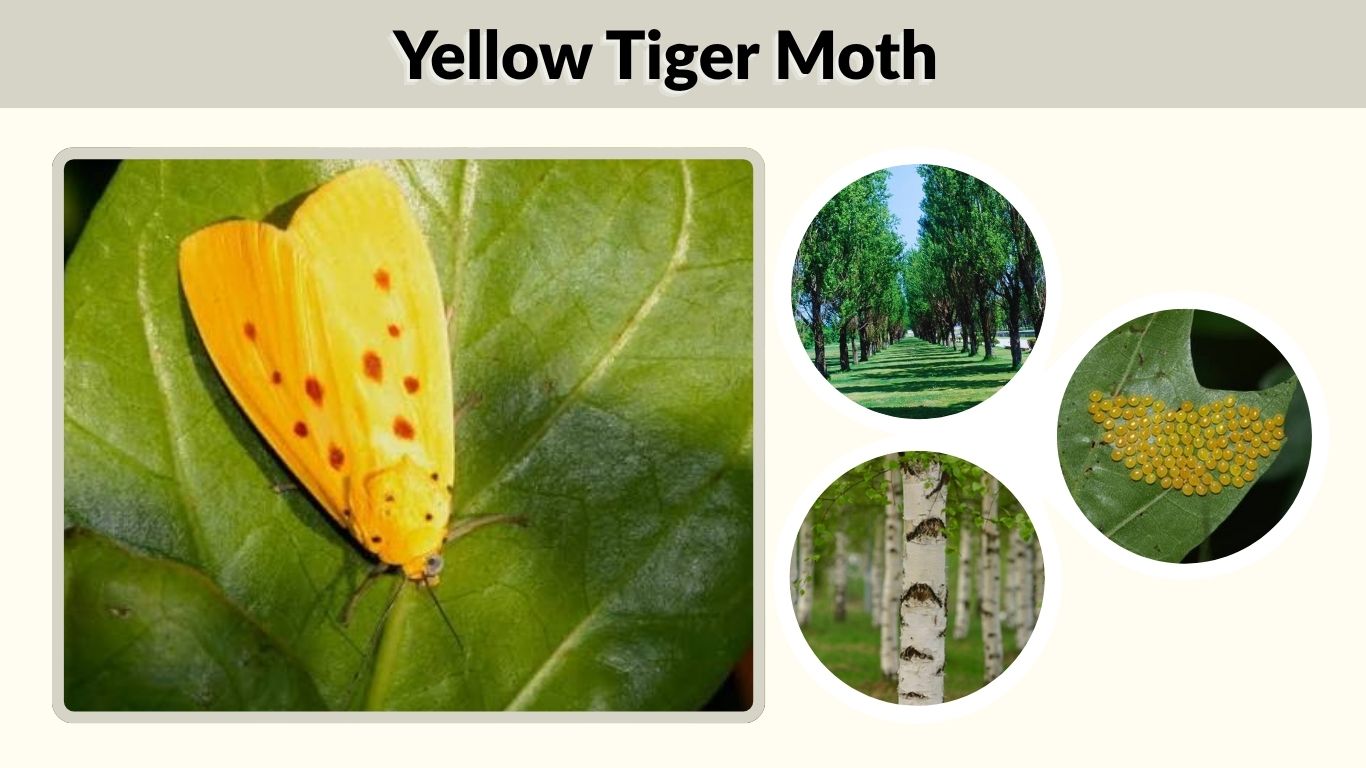
A yellow moth resting near your porch or a fuzzy caterpillar crossing a leaf can be surprisingly difficult to identify. The name yellow tiger moth … Read More
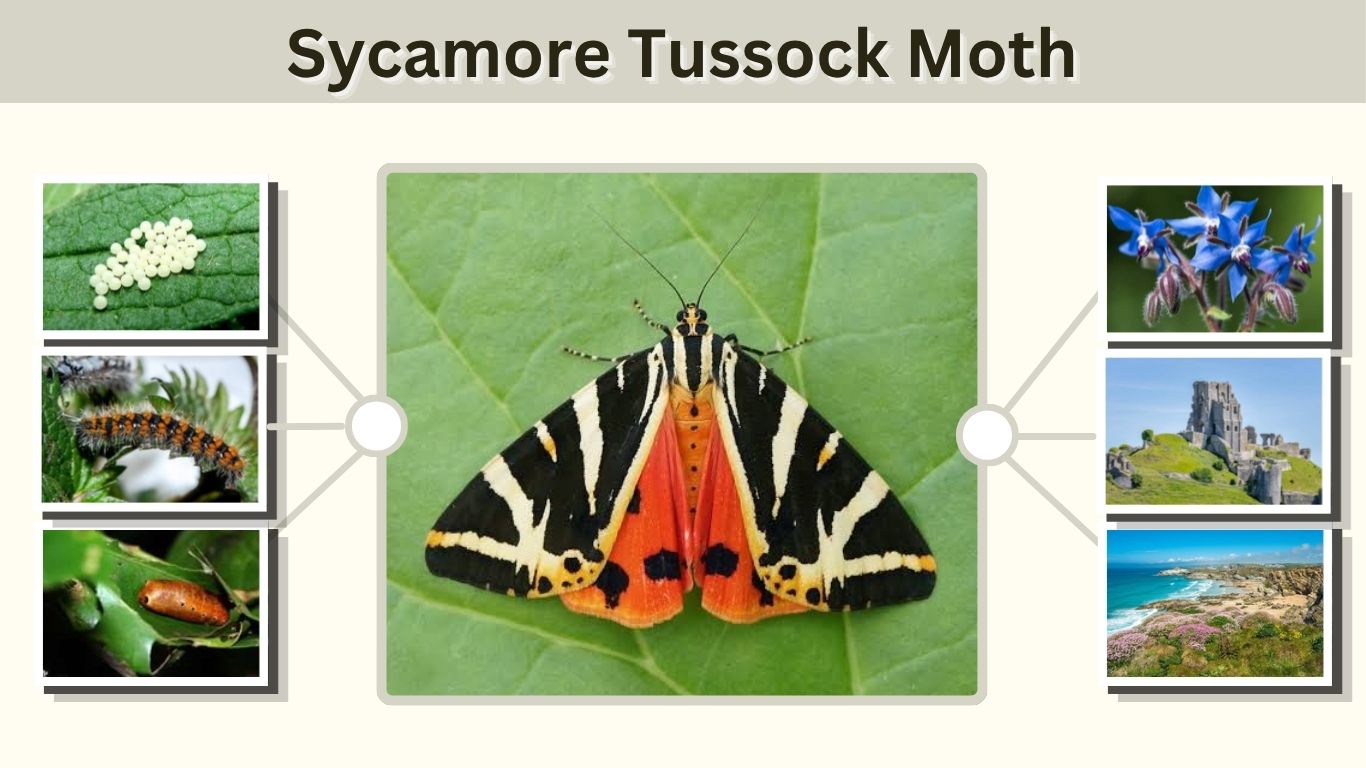
The Jersey Tiger Moth (Euplagia quadripunctaria) is a striking tiger moth recognized by bold black-and-cream forewings and brilliant orange or red hindwings. Although historically associated … Read More
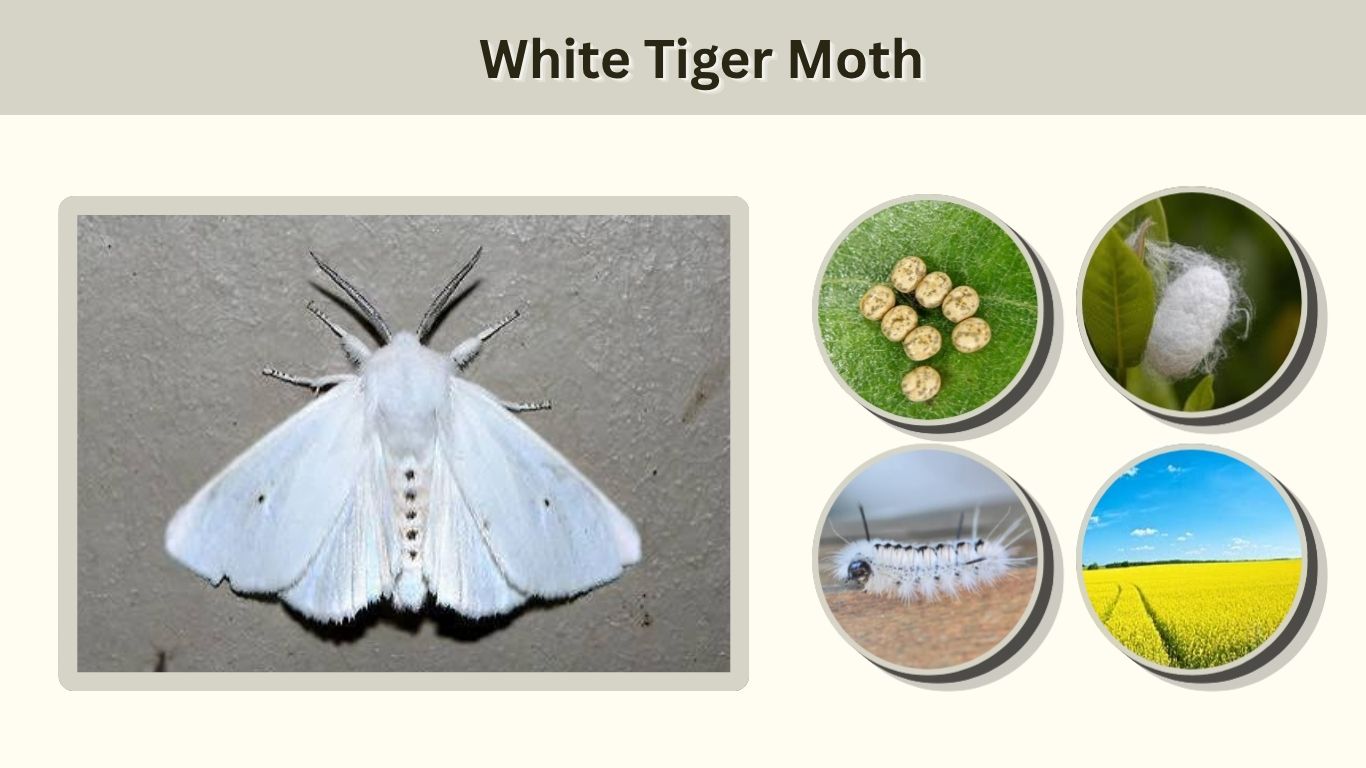
The white tiger moth, commonly associated with the Virginian Tiger Moth (Spilosoma virginica) in North America, is a pale, fuzzy moth with mostly white wings … Read More
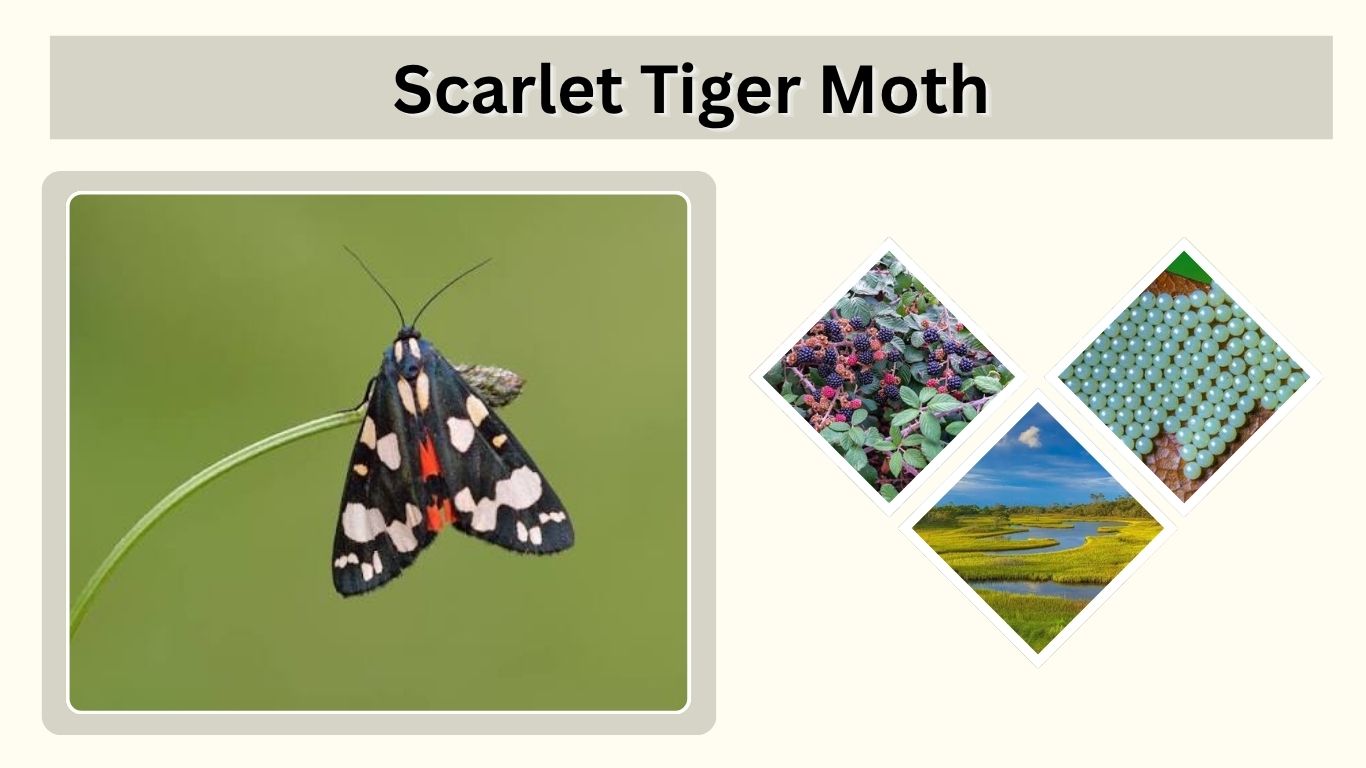
The Scarlet Tiger Moth (Callimorpha dominula) is one of Britain’s most striking day-flying moths, with metallic green-black forewings covered in cream and yellow spots and … Read More