
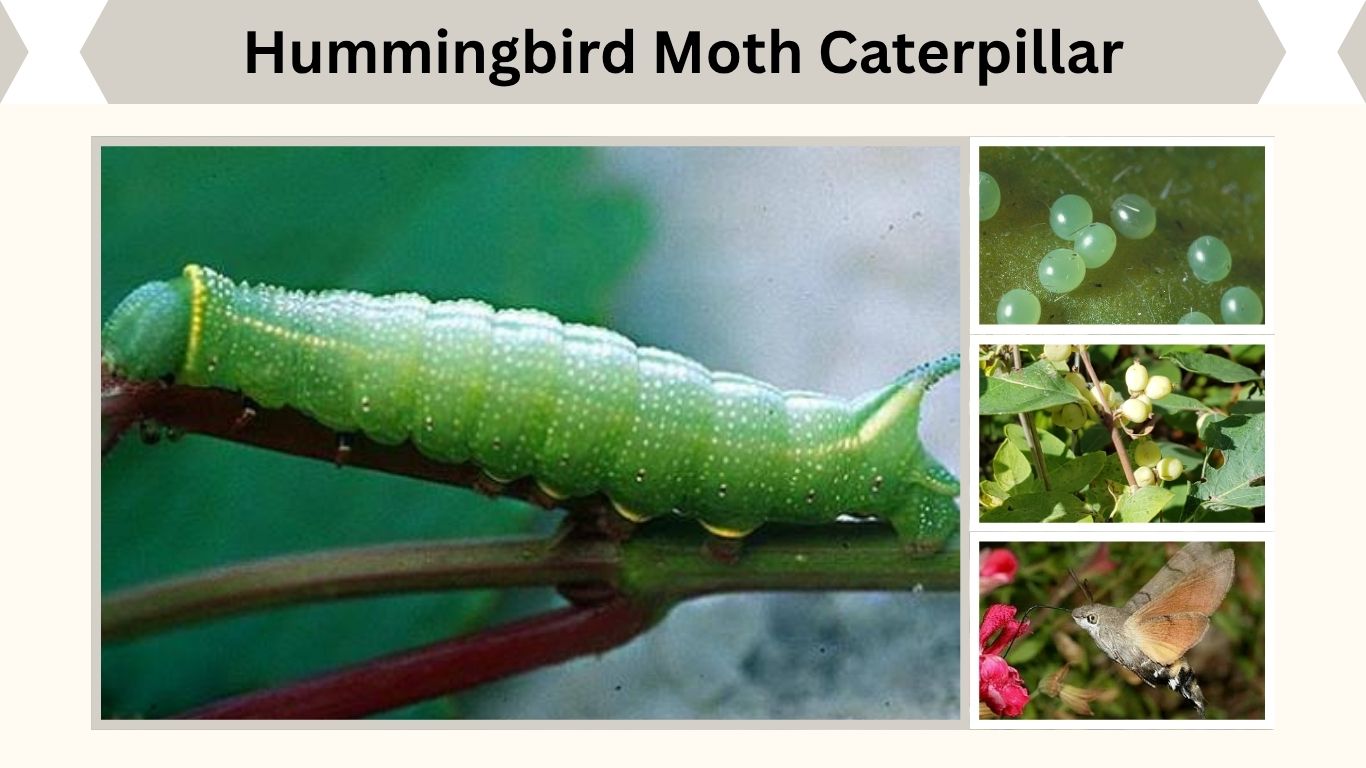
Hummingbird Moth Caterpillar: ID, Host Plants and Life Cycle
A hummingbird moth caterpillar is the larval stage of a sphinx or hawk moth that later becomes a fast-flying, nectar-feeding adult often mistaken for a … Read More
A hummingbird moth caterpillar is the larval stage of a sphinx or hawk moth that later becomes a fast-flying, nectar-feeding adult often mistaken for a … Read More
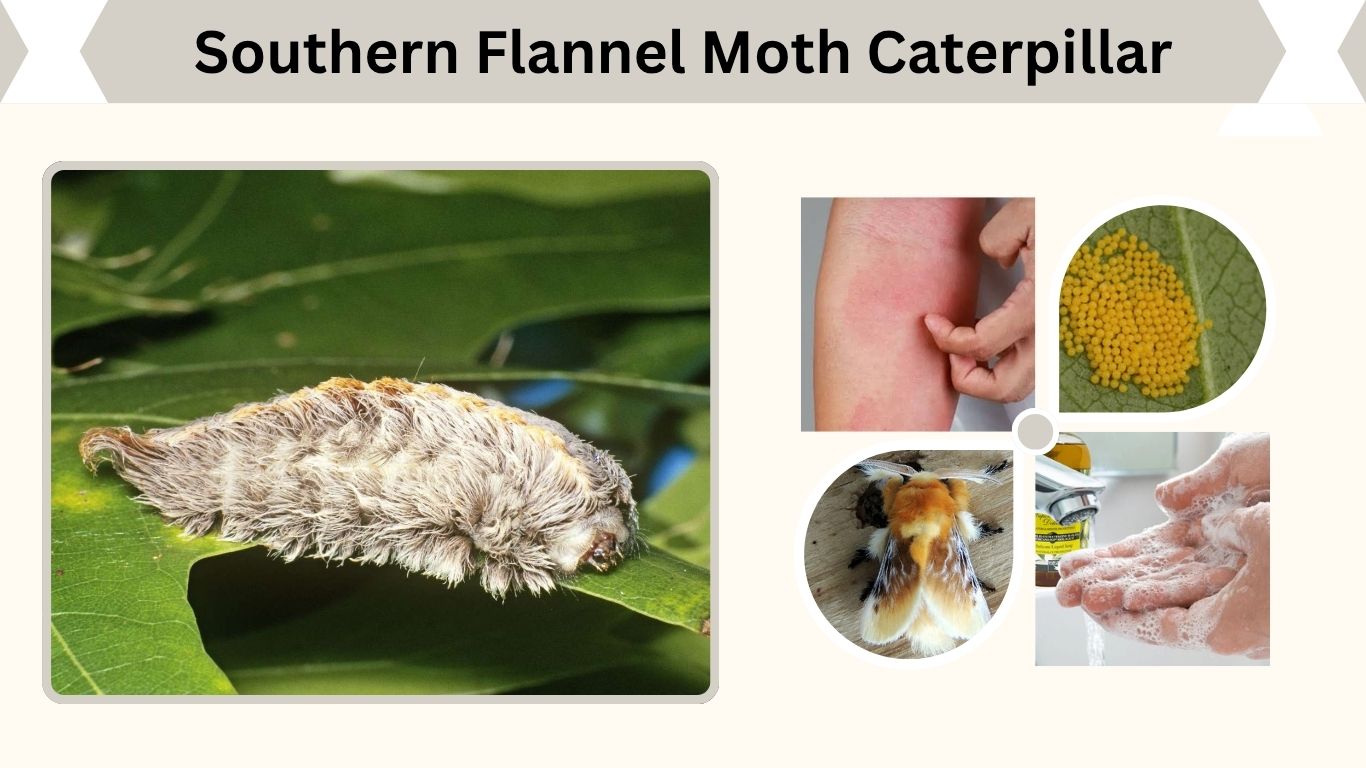
The southern flannel moth caterpillar is one of the most recognizable stinging caterpillars in the southern United States. It is also called the puss caterpillar, … Read More
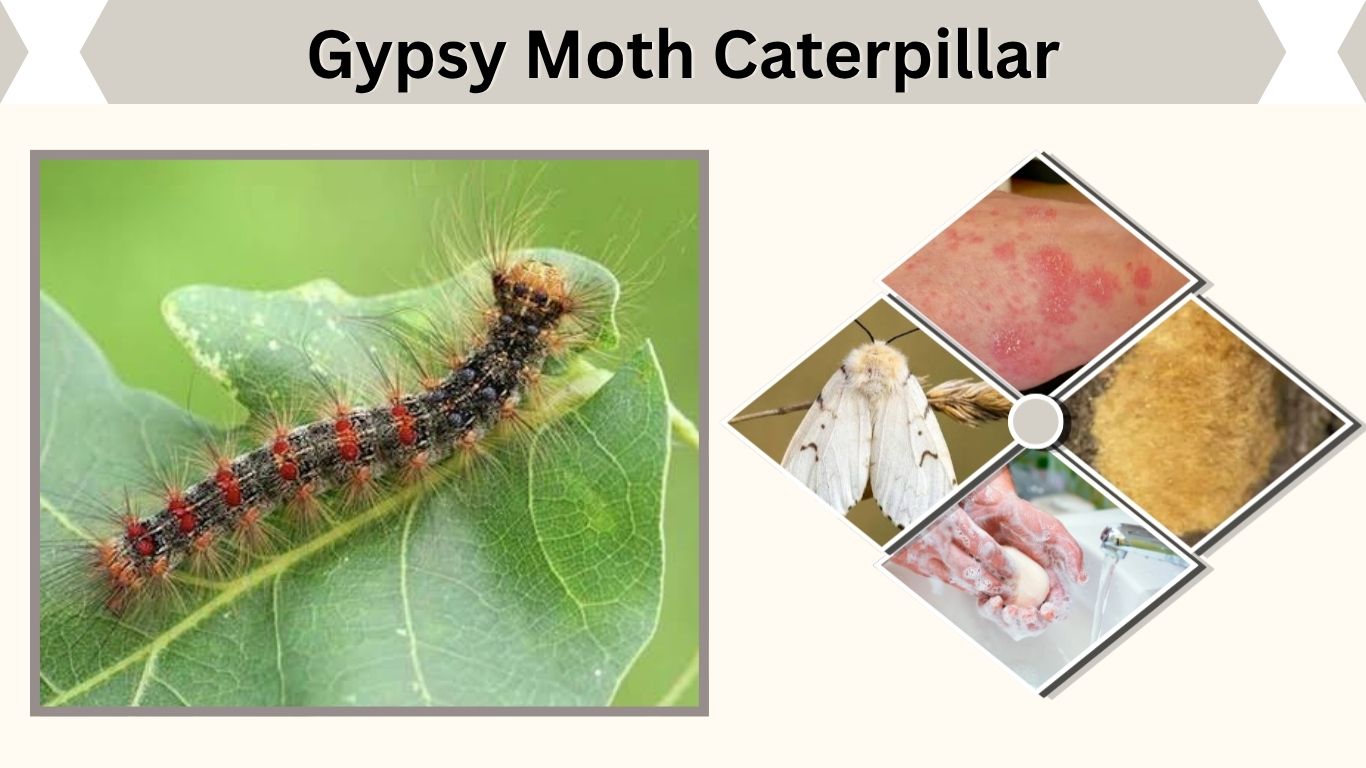
The gypsy moth caterpillar is now officially called the spongy moth caterpillar. Its scientific name is Lymantria dispar. Many people still search for “gypsy moth … Read More
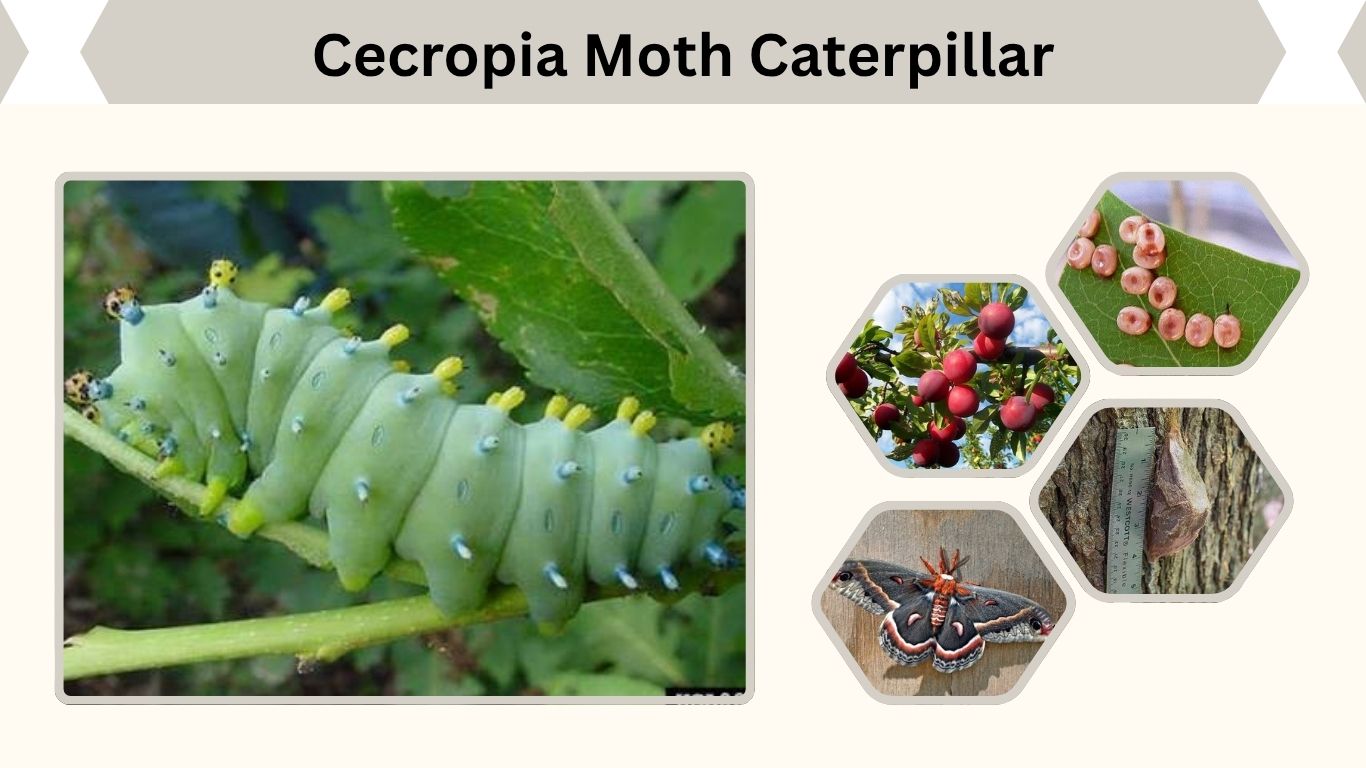
The cecropia moth caterpillar is one of the most colorful and impressive caterpillars in North America. It grows into the giant cecropia moth, the largest … Read More
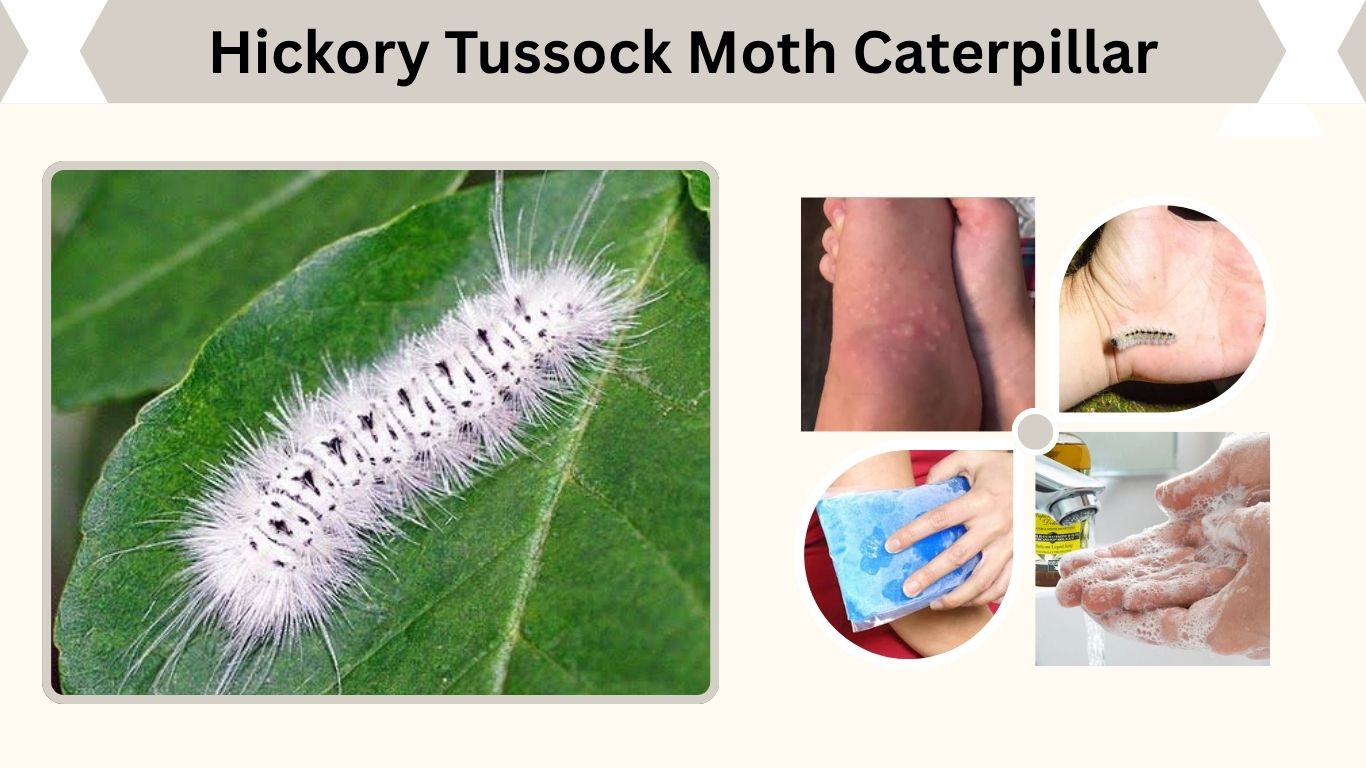
The hickory tussock moth caterpillar is a fuzzy white and black caterpillar often seen in late summer and early fall. It may look soft, but … Read More
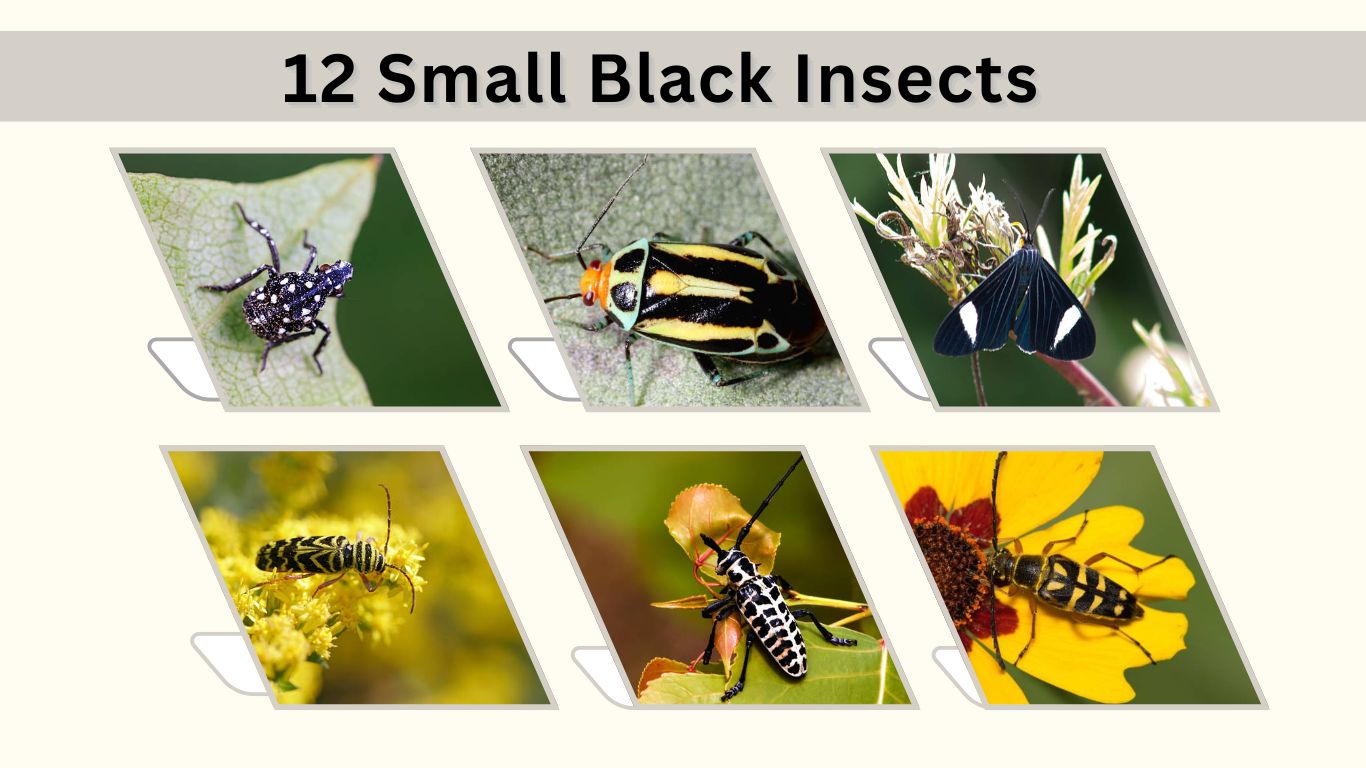
Small black insects with white stripes can be found on trees, garden plants, firewood, flowers, and sometimes inside homes. Many are beetles, while others may … Read More
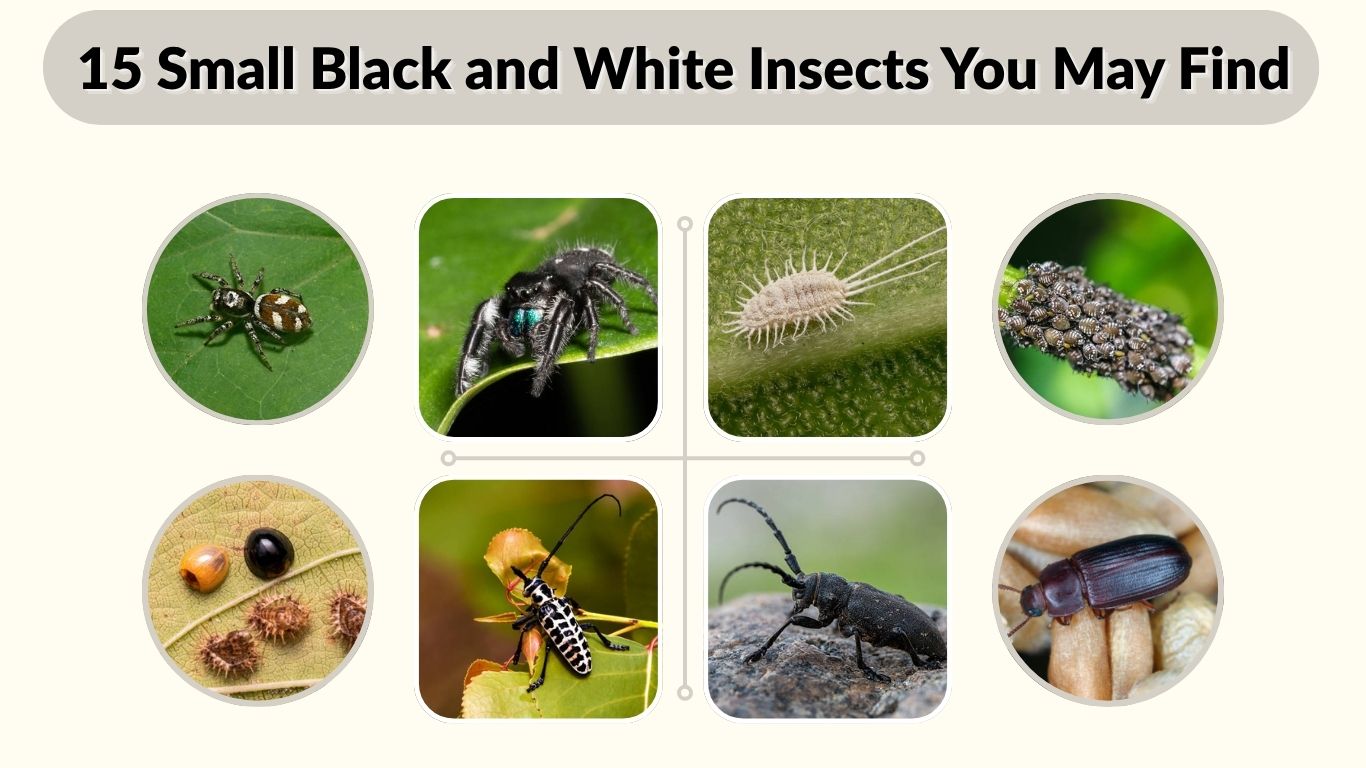
Small black and white insects can appear in homes, gardens, trees, closets, pantries, and around windows. Some are harmless outdoor visitors, while others can damage … Read More
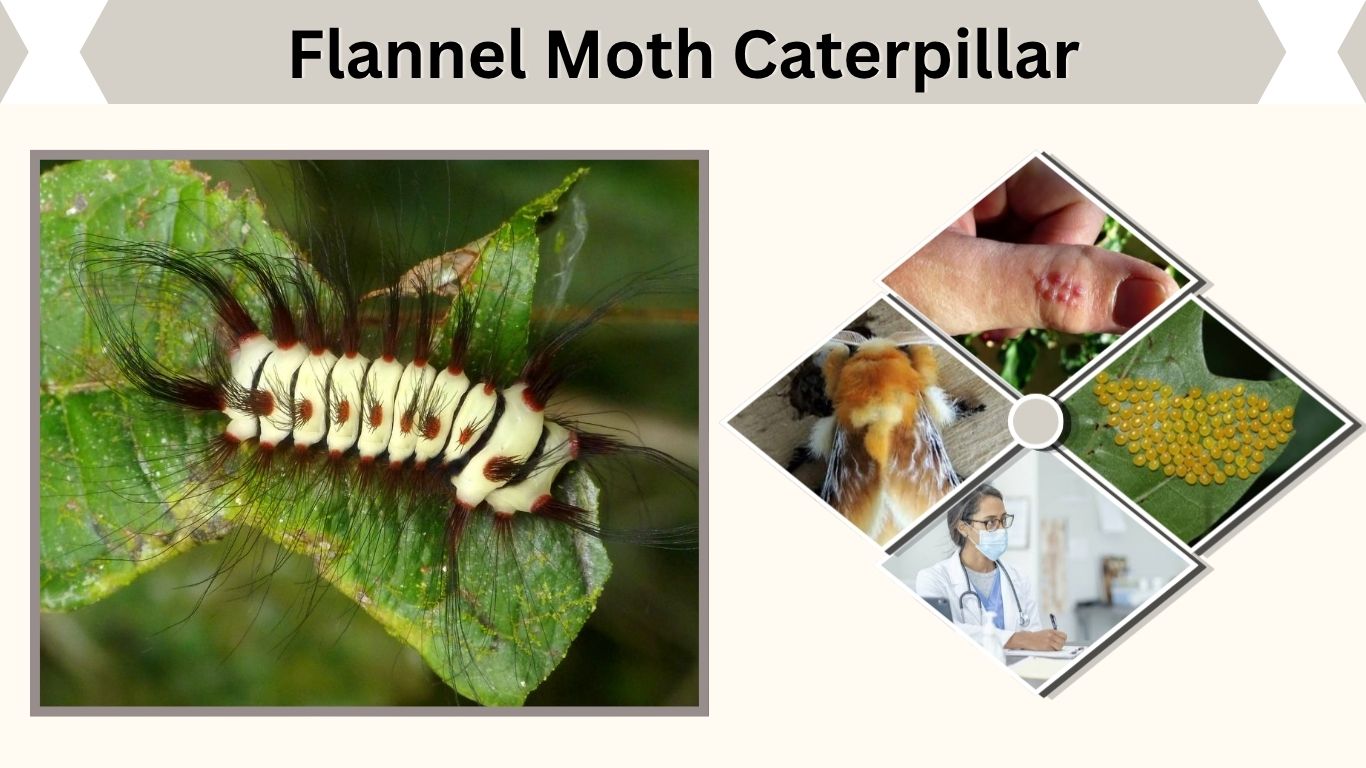
The flannel moth caterpillar looks soft, fuzzy, and almost harmless, but it is one of the stinging caterpillars people should avoid touching. The best-known species … Read More
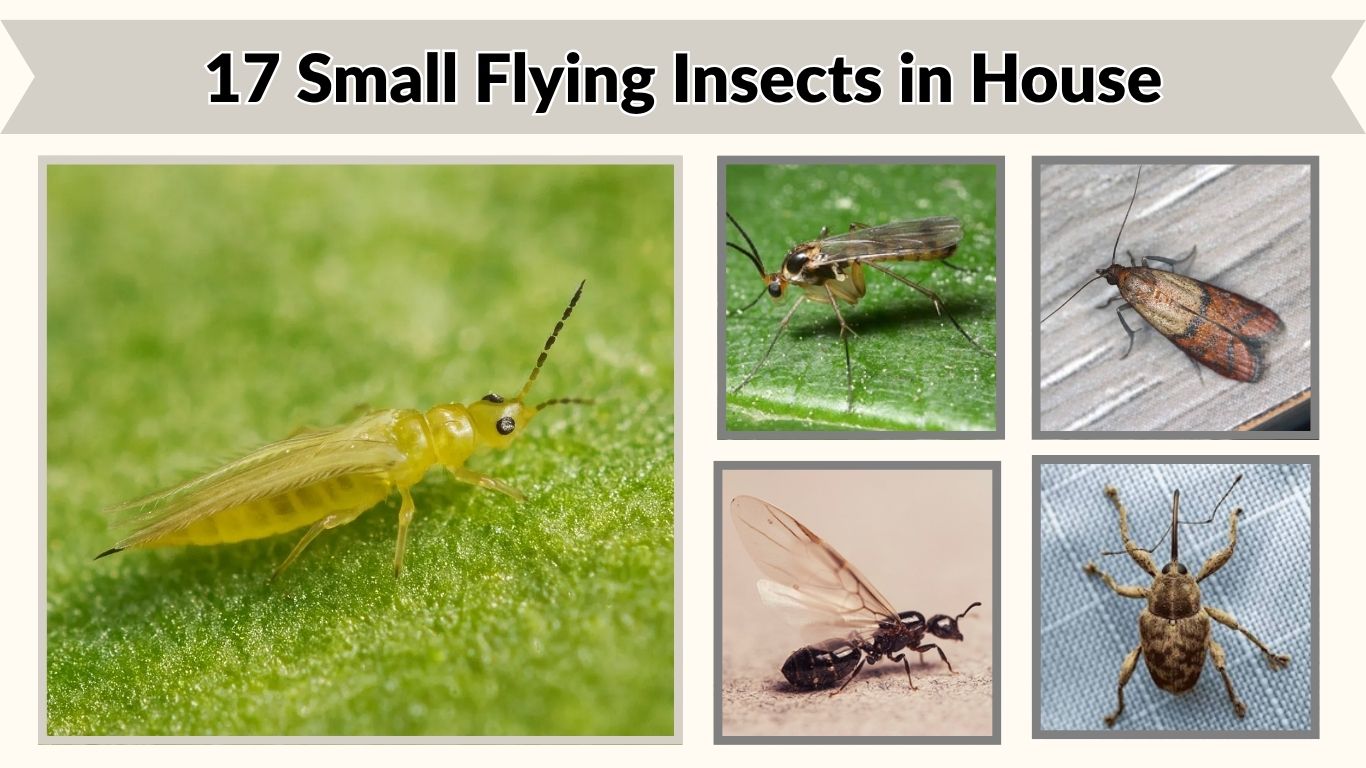
Small flying insects in house areas can appear in kitchens, bathrooms, bedrooms, drains, plants, and pantry spaces. Some are small black flying insects, while others … Read More
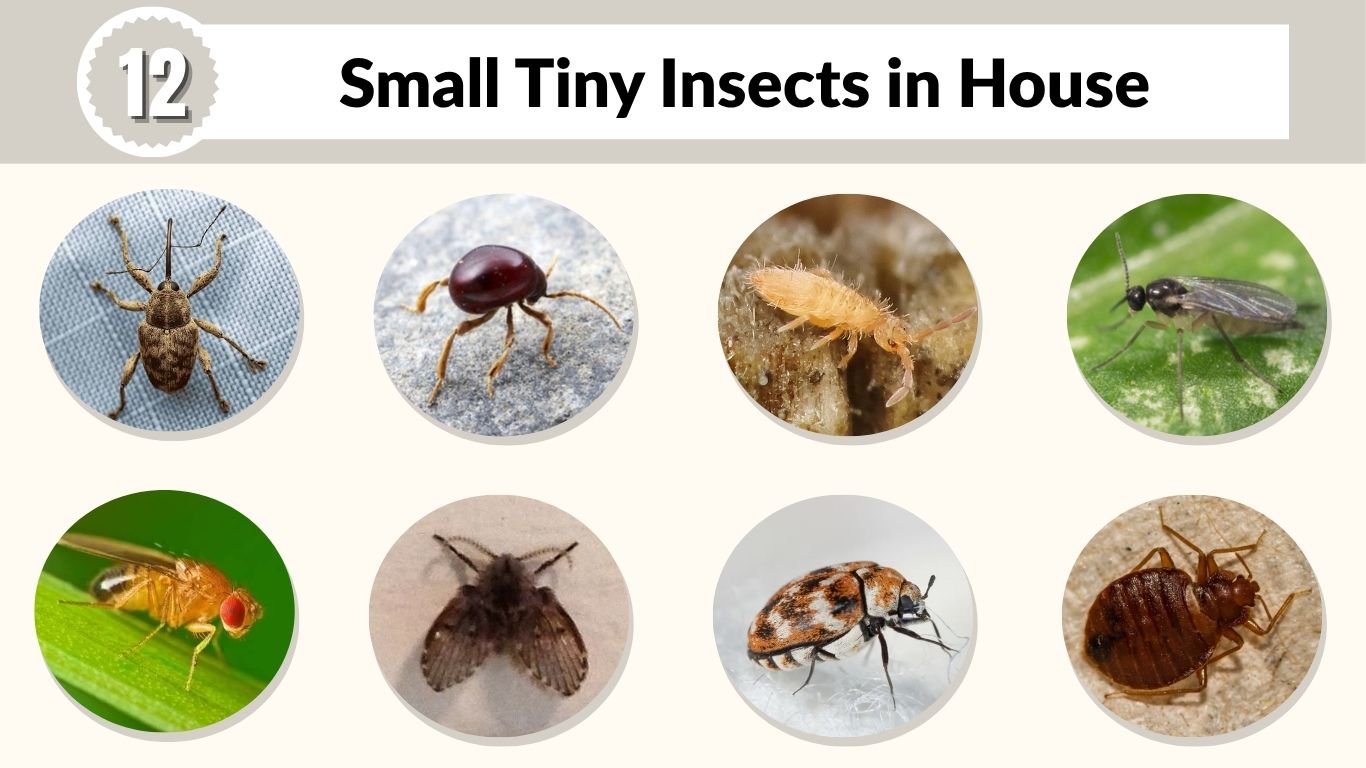
Small tiny insects in the house can appear in kitchens, bathrooms, bedrooms, storage areas, and indoor plants. Some insects come for food and moisture, while … Read More