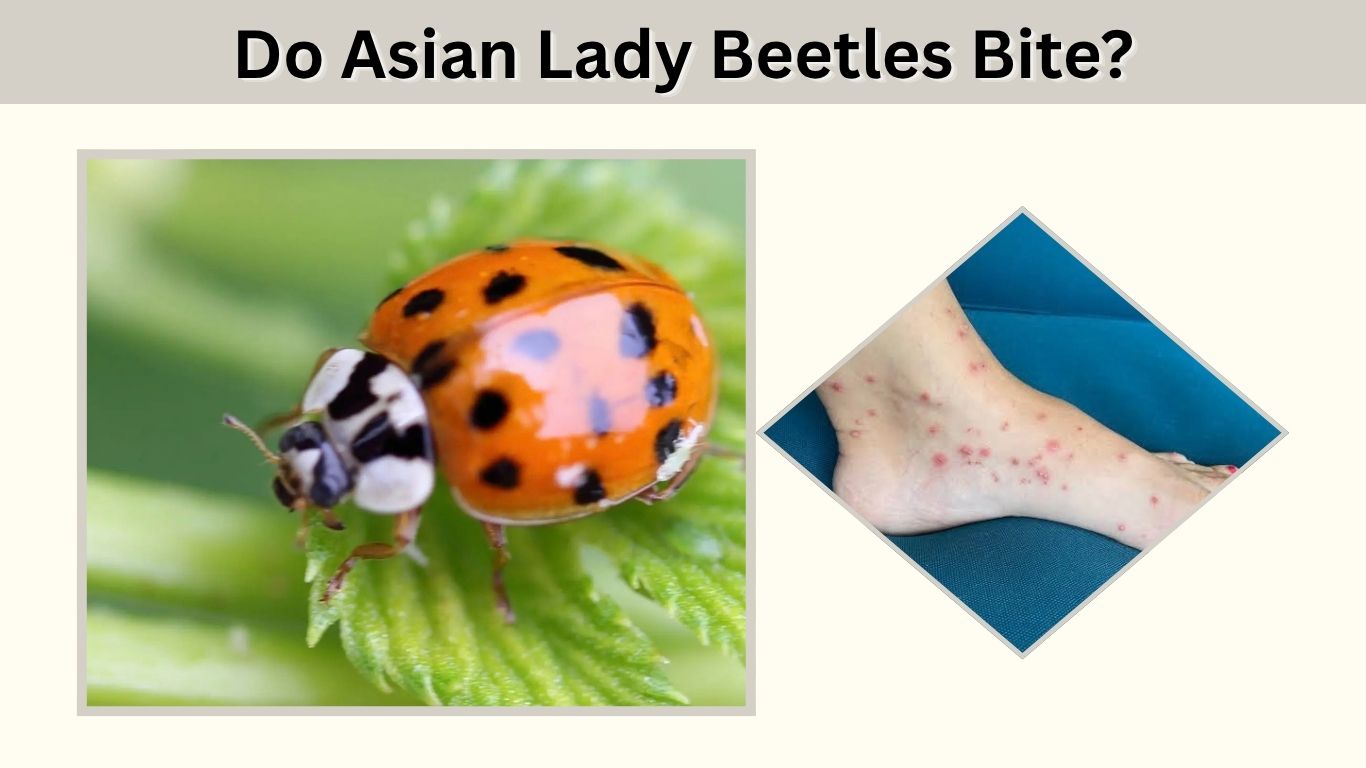
Do Asian lady beetles bite? Yes, multicolored Asian lady beetles can occasionally nip or pinch human skin, especially when they gather indoors in large numbers. However, they do not feed on blood, and their bites are generally mild. Most people notice a brief pinching sensation, slight redness, or minor irritation rather than a serious injury. Understanding why these beetles bite, what their bites look like, and how to prevent indoor infestations can help you deal with them safely and comfortably.
Do Asian Lady Beetles Bite Humans?
Asian lady beetles can bite people, but biting is not their normal feeding behavior. They are primarily predators of aphids and other small plant pests. When they land on exposed skin, however, they may use their small mouthparts to investigate the surface. The result can feel like a tiny pinch, particularly when many beetles are present indoors.
Can Asian Lady Beetles Actually Bite?
Yes. Asian lady beetles have chewing mouthparts called mandibles, which they normally use to capture and eat soft-bodied insects. These mandibles are capable of lightly pinching human skin.
Unlike mosquitoes, fleas, or bed bugs, Asian lady beetles are not blood-feeding insects. A bite is usually exploratory rather than an attempt to obtain blood. In most situations, the beetle quickly releases the skin and moves away.
Why Do Asian Lady Beetles Bite?
Researchers have observed Asian lady beetles biting or pinching exposed skin, particularly when beetles are abundant. Several factors may encourage this behavior:
- They may investigate moisture or salts on sweaty skin.
- Large indoor populations increase human-beetle contact.
- Warm conditions can make overwintering beetles more active.
- Beetles searching for food or moisture may explore exposed skin.
- Handling or trapping a beetle against the skin may trigger defensive behavior.
Asian lady beetles generally do not actively seek people to bite.
What Does an Asian Lady Beetle Bite Look Like?
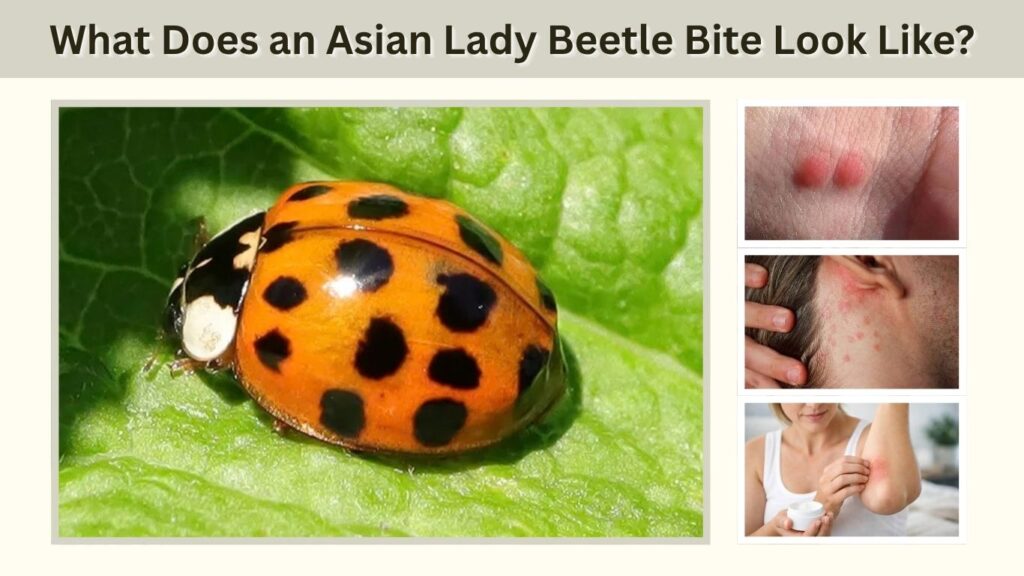
An Asian lady beetle bite is usually minor and much less noticeable than bites from blood-feeding pests. Because the beetle does not inject venom or deliberately feed on blood, visible symptoms are often limited. Skin sensitivity varies, so one person may barely notice a bite while another may develop temporary irritation.
Common Signs of a Bite
Possible symptoms include:
- A brief pinching or prickling sensation
- A tiny red spot
- Mild redness around the affected area
- Temporary itching
- Slight swelling in sensitive individuals
- Mild skin irritation lasting a short period
A single bite usually does not leave the clustered or patterned marks commonly associated with bed bugs, fleas, or mosquitoes.
Do Asian Lady Beetle Bites Hurt?
The bite can hurt slightly, but most people describe it as a quick pinch rather than significant pain. The beetle’s mouthparts are very small, so serious skin damage is unlikely.
Occasionally, a particularly sensitive person may notice lingering tenderness or itching. Repeated contact with many beetles could also make irritation more noticeable.
Do Asian Lady Beetle Bites Itch?
Some Asian lady beetle bites may itch, although itching is not experienced by everyone. Mild redness or irritation can occur where the beetle pinched the skin. The reaction is usually short-lived and does not normally require medical treatment.
How to Care for Minor Skin Irritation
For a mild reaction, basic skin care is usually enough:
- Wash the area gently with soap and water.
- Avoid scratching irritated skin.
- Apply a cool compress if redness or swelling develops.
- Keep the affected area clean.
- Monitor for unusual or worsening symptoms.
Anyone experiencing severe swelling, breathing difficulty, widespread hives, or another significant allergic reaction should seek appropriate medical attention, regardless of the suspected insect involved.
Do Asian Lady Beetles Bite at Night?
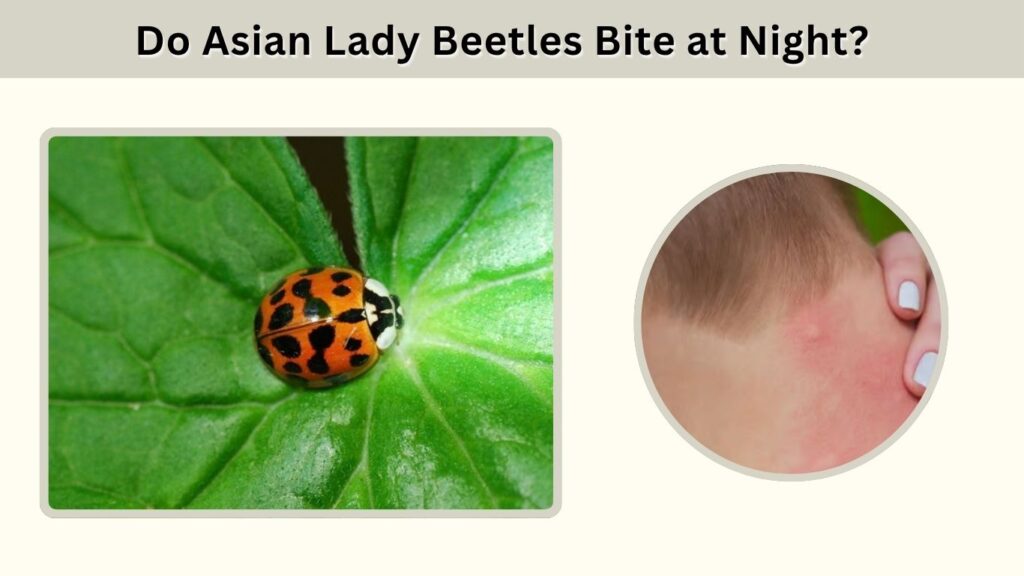
Asian lady beetles are mainly active during daylight, so they are not typical nighttime biting pests. If you repeatedly wake with unexplained bites, another insect such as a mosquito, flea, or bed bug may be a more likely cause.
Why Beetles Appear Inside Homes
Asian lady beetles frequently enter buildings during fall while searching for protected places to overwinter. Large groups can gather inside:
- Attics
- Wall cavities
- Window frames
- Door frames
- Upper floors
- Sunny rooms
- Ceilings and light fixtures
During warm winter or spring days, beetles may become active and move into living spaces. This increases the chance that one will land on a person’s skin.
Are Asian Lady Beetles Dangerous?
Asian lady beetles are generally considered nuisance insects rather than dangerous pests. Their occasional bites are usually minor, and they are not known for feeding on people. The bigger household problem is often the large number of beetles that can enter buildings during autumn.
Potential Problems Around the Home
Asian lady beetles may cause several inconveniences:
- Large numbers can gather around windows.
- Disturbed beetles may release yellow defensive fluid.
- The fluid can produce an unpleasant odor.
- Secretions may stain light-colored surfaces.
- Dead beetles can accumulate near windows or fixtures.
- Sensitive individuals may experience allergic reactions to beetle material.
They generally do not reproduce throughout the house or consume furniture, clothing, or structural wood.
Asian Lady Beetles vs. Native Ladybugs
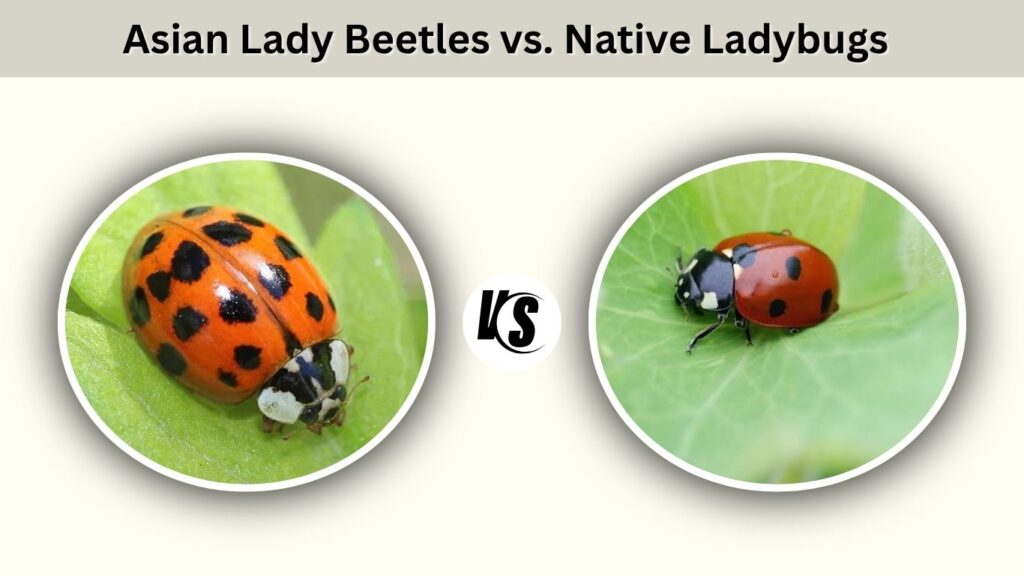
Asian lady beetles belong to the lady beetle family and closely resemble many native ladybugs. The multicolored Asian lady beetle, Harmonia axyridis, varies greatly in color and may be yellow, orange, or red, with few or many black spots.
How to Identify Asian Lady Beetles
Look for these common characteristics:
- Rounded, dome-shaped body
- Yellow, orange, or reddish wing covers
- Zero to numerous black spots
- Approximately 6–8 mm long
- Pale area behind the head
- Dark marking that may resemble an M or W
- Frequent large gatherings around buildings in fall
Color and spot number alone are not always reliable because this species varies considerably.
Do Asian Lady Beetles Bite Dogs or Other Pets?
Asian lady beetles do not normally target dogs or cats as food. However, curious pets may investigate or accidentally eat beetles when large numbers enter a home.
Pets and Asian Lady Beetles
Problems are uncommon, but pet owners should prevent animals from consuming large numbers of beetles. Their defensive secretions have an unpleasant taste and may irritate the mouth.
A pet that repeatedly paws at its mouth, drools excessively, vomits, or develops unusual symptoms after encountering insects should be evaluated by a veterinarian.
How to Prevent Asian Lady Beetles Indoors
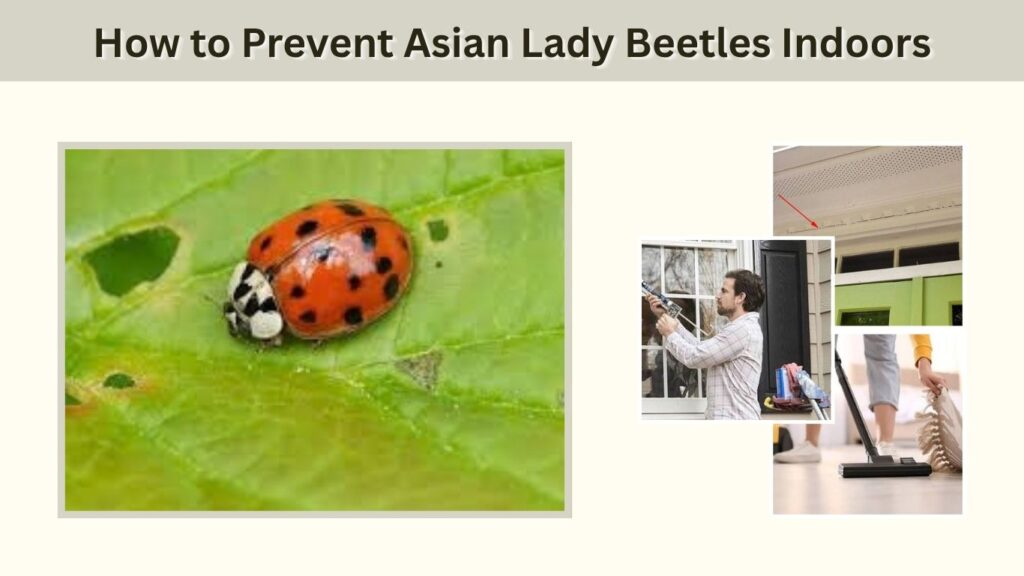
Prevention is usually easier than removing hundreds of beetles after they have entered. Asian lady beetles seek protected overwintering spaces during cooler weather, often entering through very small gaps around the outside of buildings.
Effective Prevention Tips
- Seal gaps around windows and doors.
- Repair damaged window screens.
- Caulk cracks around siding and trim.
- Seal openings around pipes and utility lines.
- Check attic and roof vents for gaps.
- Install weather stripping around exterior doors.
- Vacuum indoor beetles instead of crushing them.
- Empty the vacuum container outdoors after removal.
Crushing Asian lady beetles is best avoided because their yellow defensive fluid can stain surfaces and leave an unpleasant odor.
Asian Lady Beetle Life Cycle and Behavior
Asian lady beetles are beneficial predators outdoors because both adults and larvae consume large numbers of aphids and other soft-bodied pests. Problems usually begin only when adults enter houses in search of protected overwintering sites.
Life Cycle of Asian Lady Beetles
Females lay clusters of yellow eggs on plants where prey insects are available. The eggs hatch into elongated larvae that actively hunt aphids and other small insects. After several larval stages, they pupate on leaves or other surfaces.
Adults eventually emerge and continue feeding on insects. Multiple generations may occur under favorable conditions. As temperatures decline, adults begin gathering on sunny buildings before entering cracks and sheltered spaces where they remain through winter.
FAQs
1. Do Asian lady beetles bite people?
Yes. Asian lady beetles can occasionally pinch human skin with their mandibles, although they do not feed on blood. Most bites cause only mild, temporary discomfort.
2. What do Asian lady beetle bites look like?
A bite may appear as a tiny red spot with mild redness or irritation. Some people notice itching or slight swelling, while others show almost no visible reaction.
3. Why do Asian lady beetles bite humans?
They may investigate moisture, salts, or other substances on the skin. Biting can also occur when large numbers of beetles gather indoors and come into frequent contact with people.
4. Do Asian lady beetle bites hurt?
They can produce a noticeable pinching sensation, but significant pain is uncommon. Most reactions disappear quickly without special treatment.
5. Do Asian lady beetles cause damage inside homes?
They generally do not damage furniture, clothing, wood, or stored food. Their main problems are large indoor gatherings, unpleasant defensive odors, staining, and occasional skin irritation.