
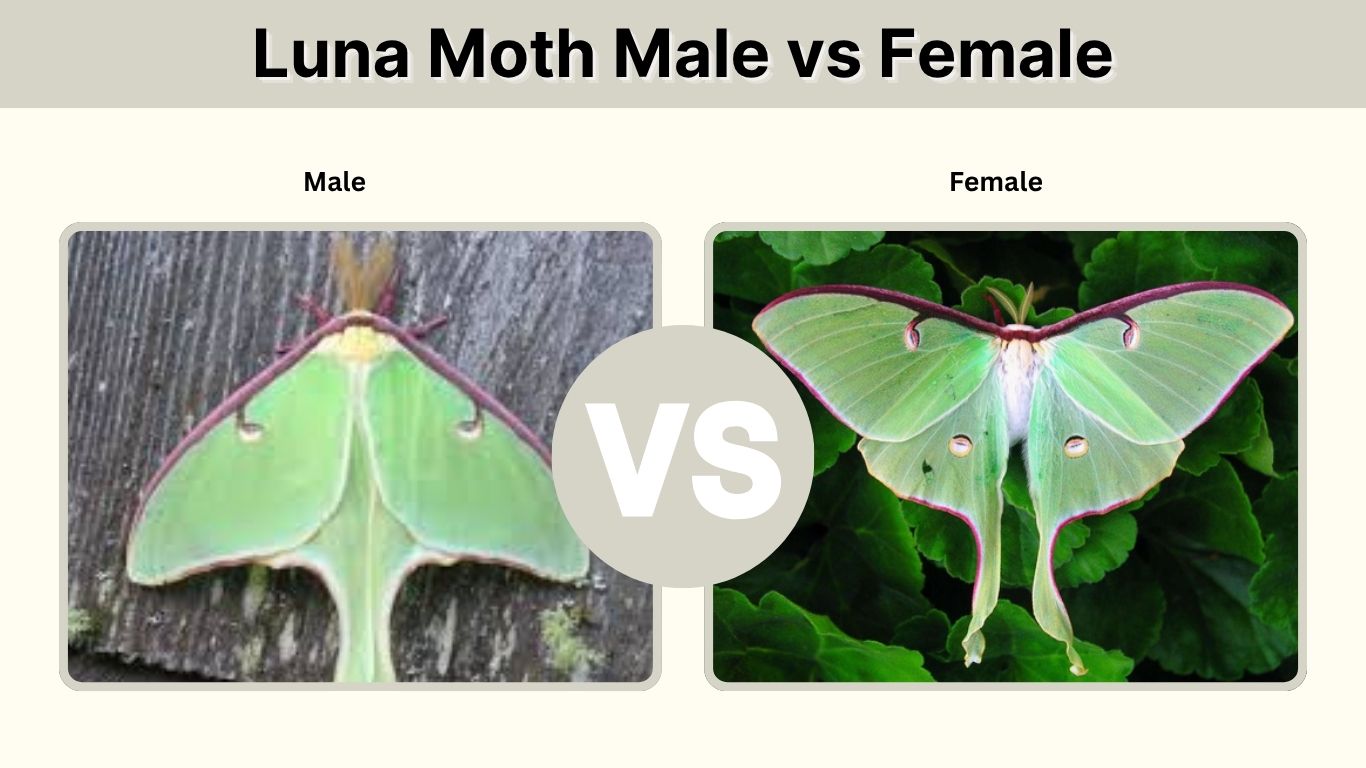
Luna Moth Male vs Female: How to Tell the Difference
Male and female luna moths look remarkably similar at first glance. Both have pale green wings, long curved tails, and prominent eyespots. However, several physical … Read More
Male and female luna moths look remarkably similar at first glance. Both have pale green wings, long curved tails, and prominent eyespots. However, several physical … Read More
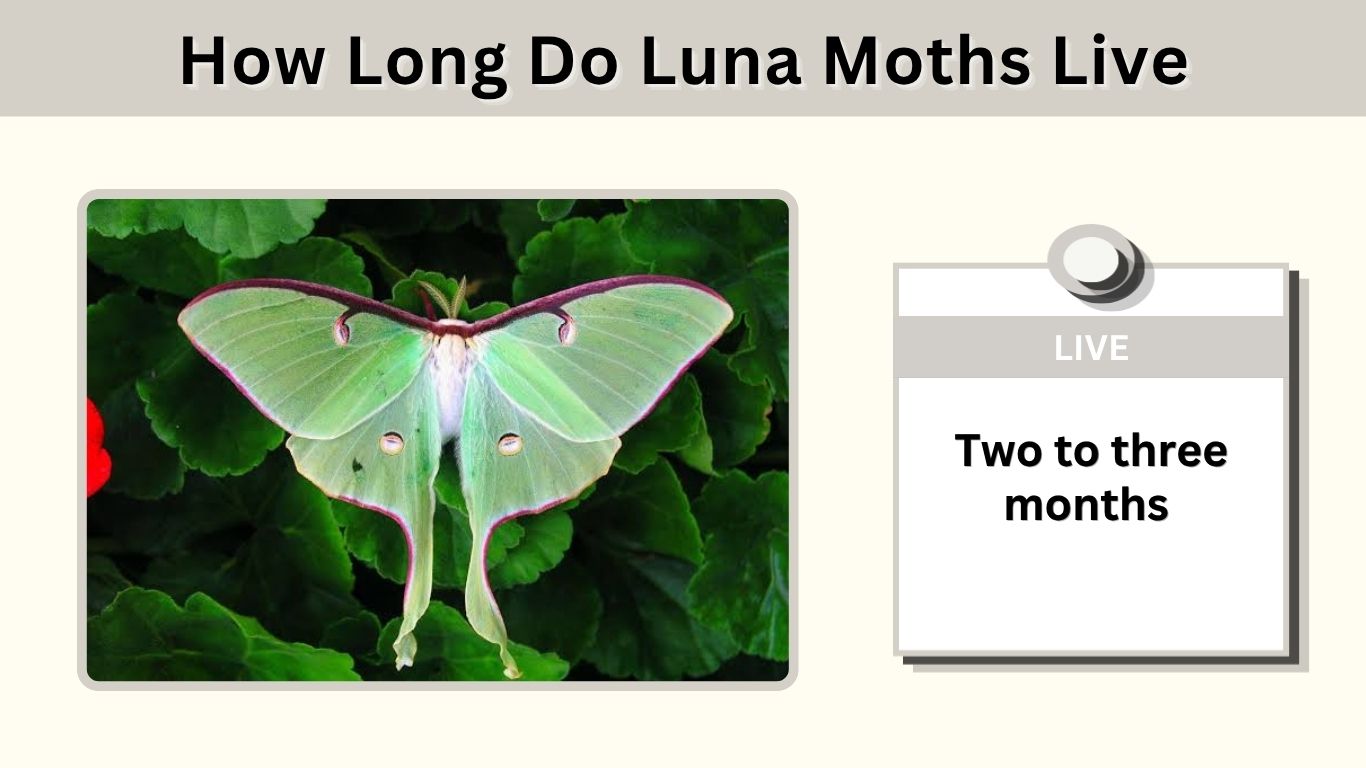
Luna moths are large, pale-green moths recognized by their long hindwing tails and striking eyespots. Although an adult luna moth usually lives for only about … Read More
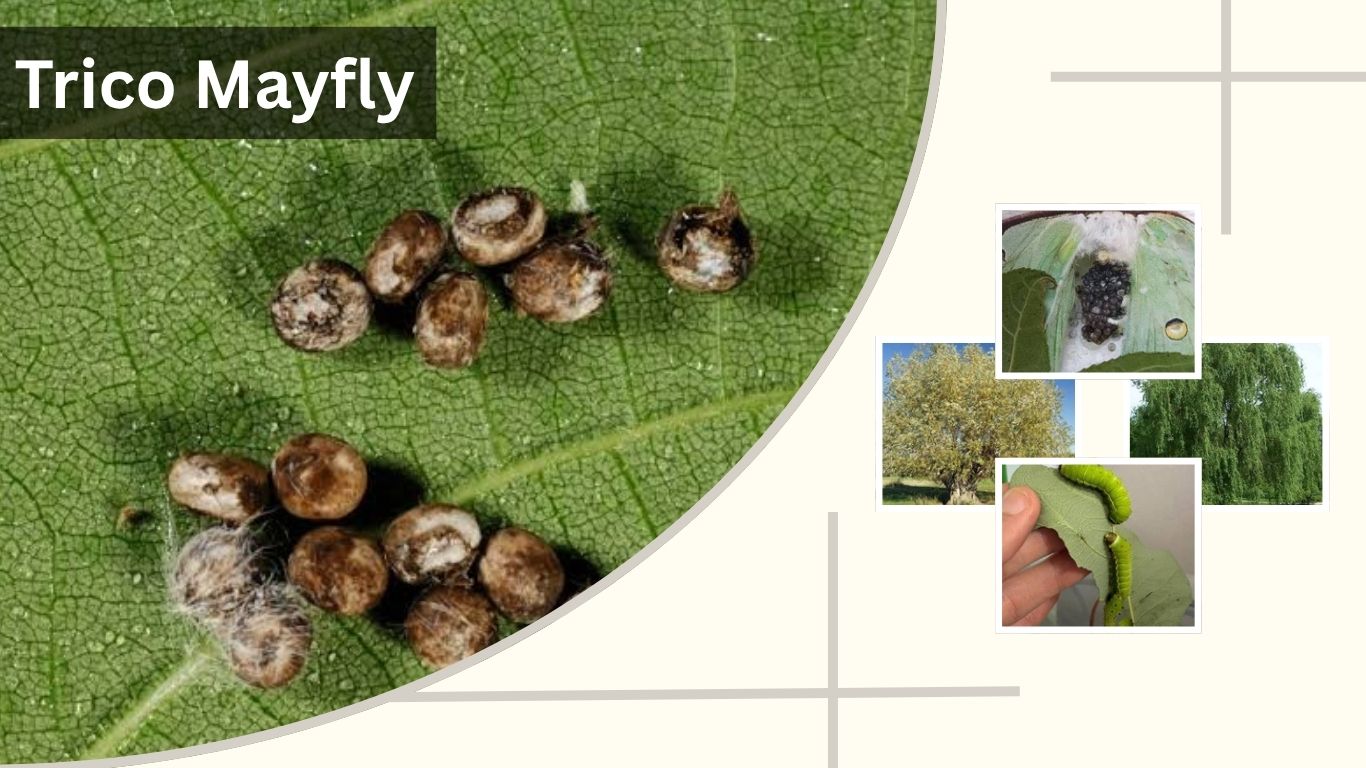
Luna moth eggs are the first stage in the life cycle of one of North America’s most recognizable moths. Female luna moths lay their eggs … Read More
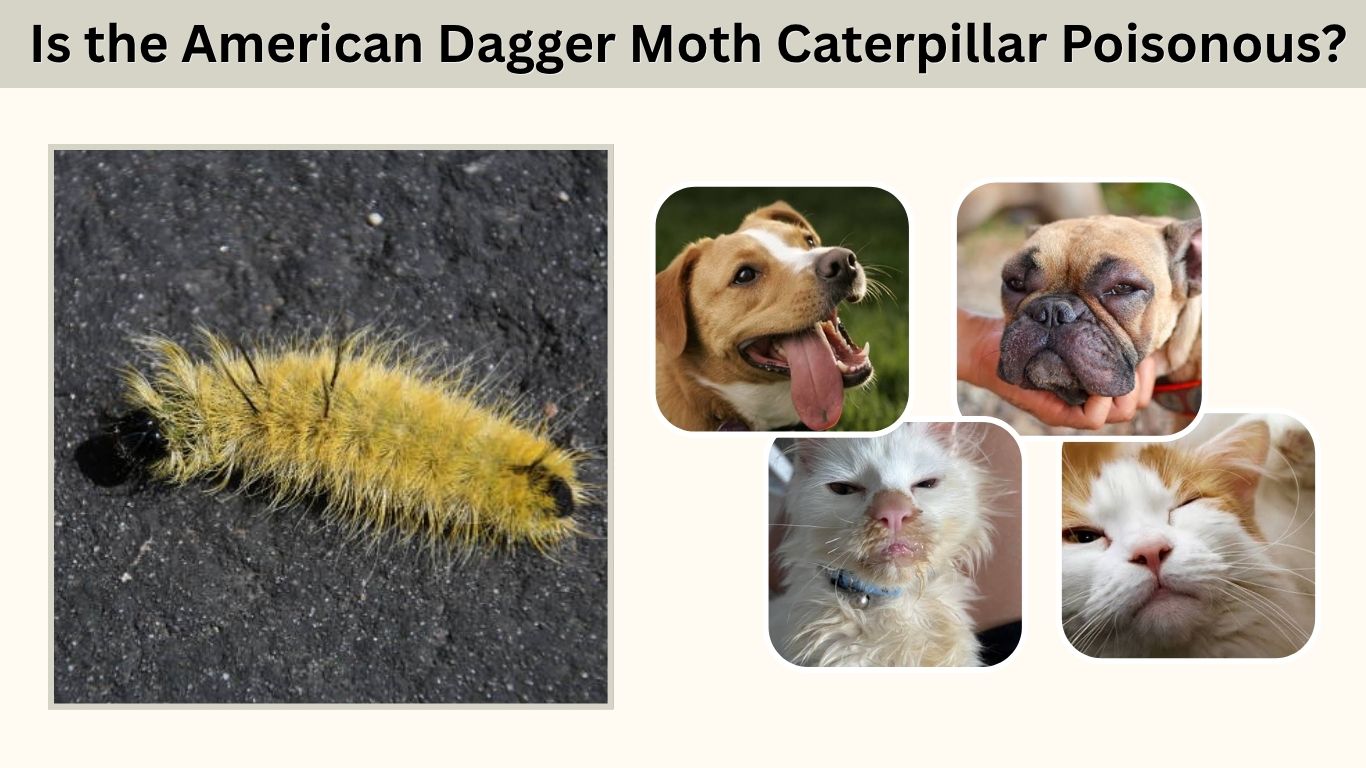
The American dagger moth caterpillar is a fuzzy yellow-and-black caterpillar that should be observed rather than handled. It is not usually considered dangerously poisonous, but … Read More
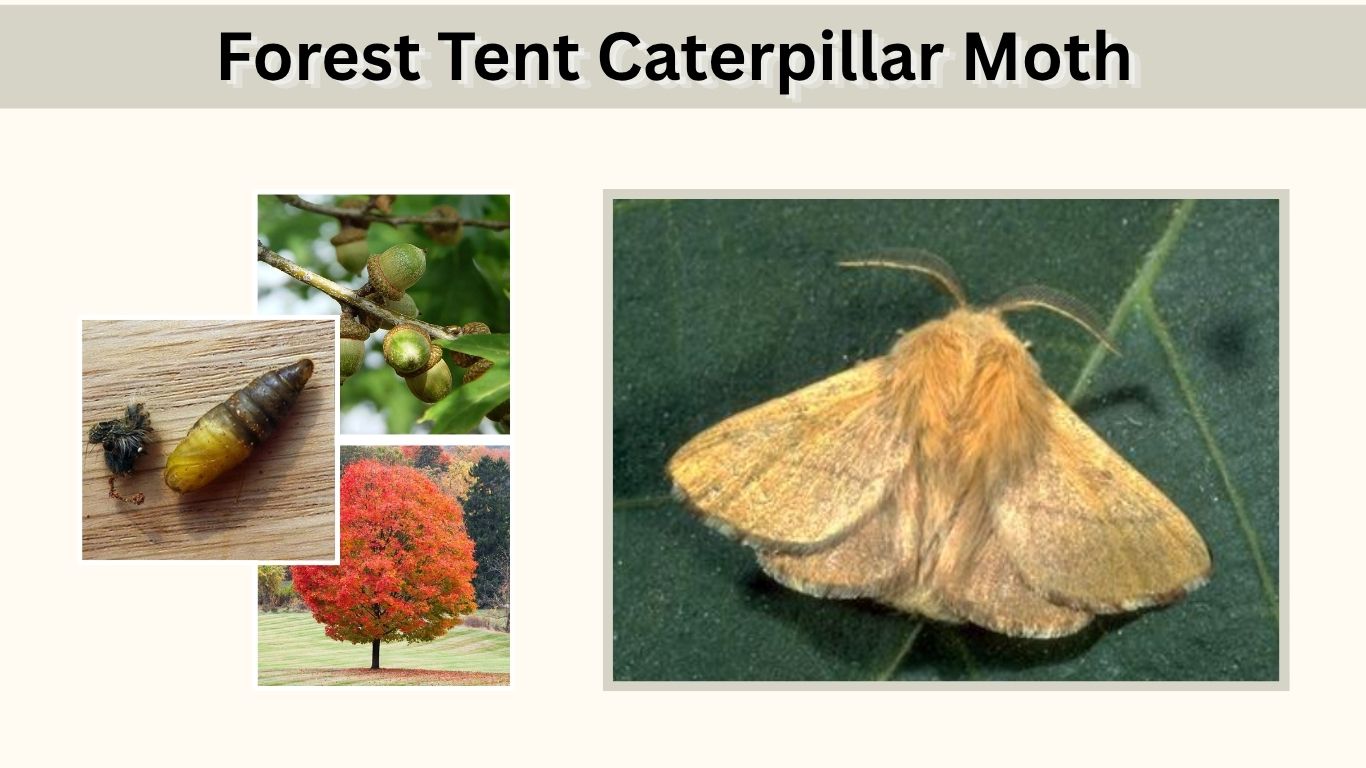
The forest tent caterpillar moth is a native North American moth best known for its leaf-eating larvae. Its scientific name is Malacosoma disstria, and it … Read More
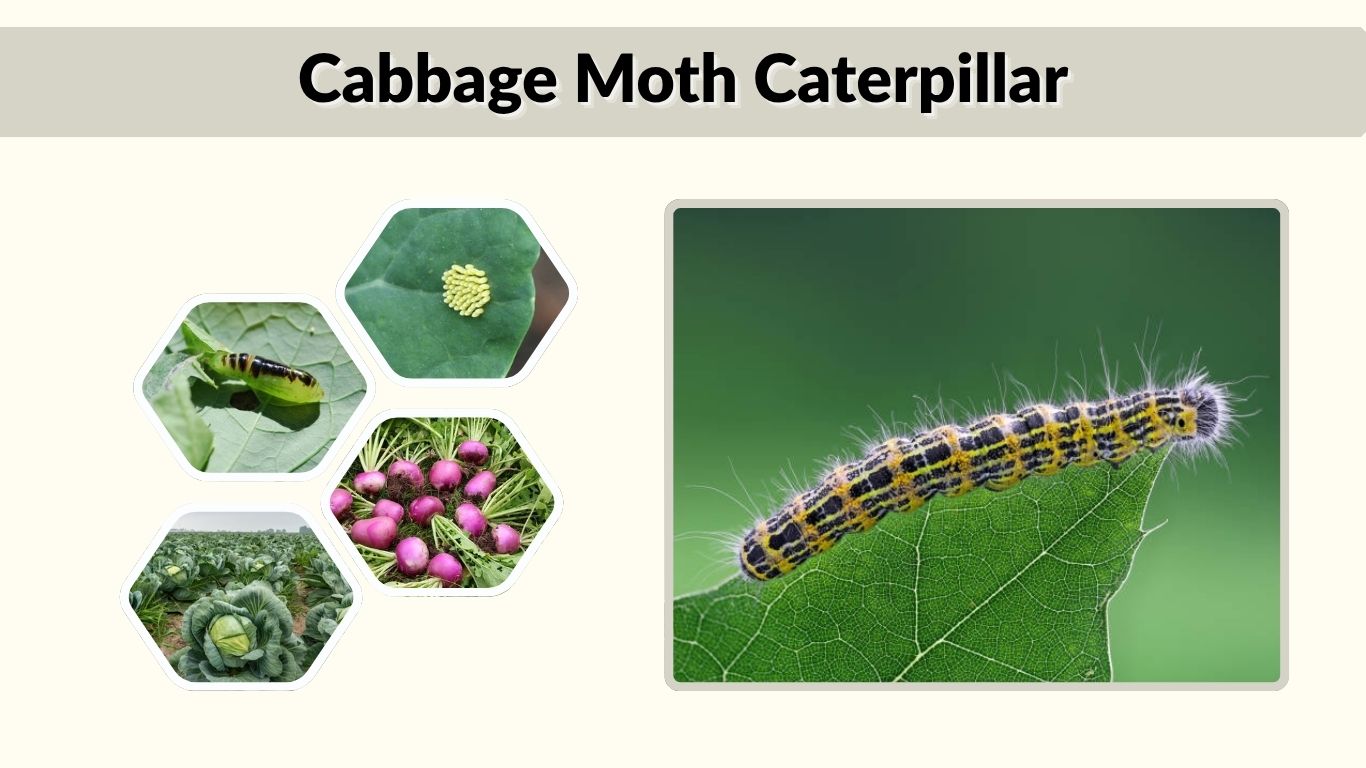
The cabbage moth caterpillar is a destructive garden pest that feeds on cabbage, broccoli, cauliflower, kale, Brussels sprouts, and other brassica crops. The name commonly … Read More
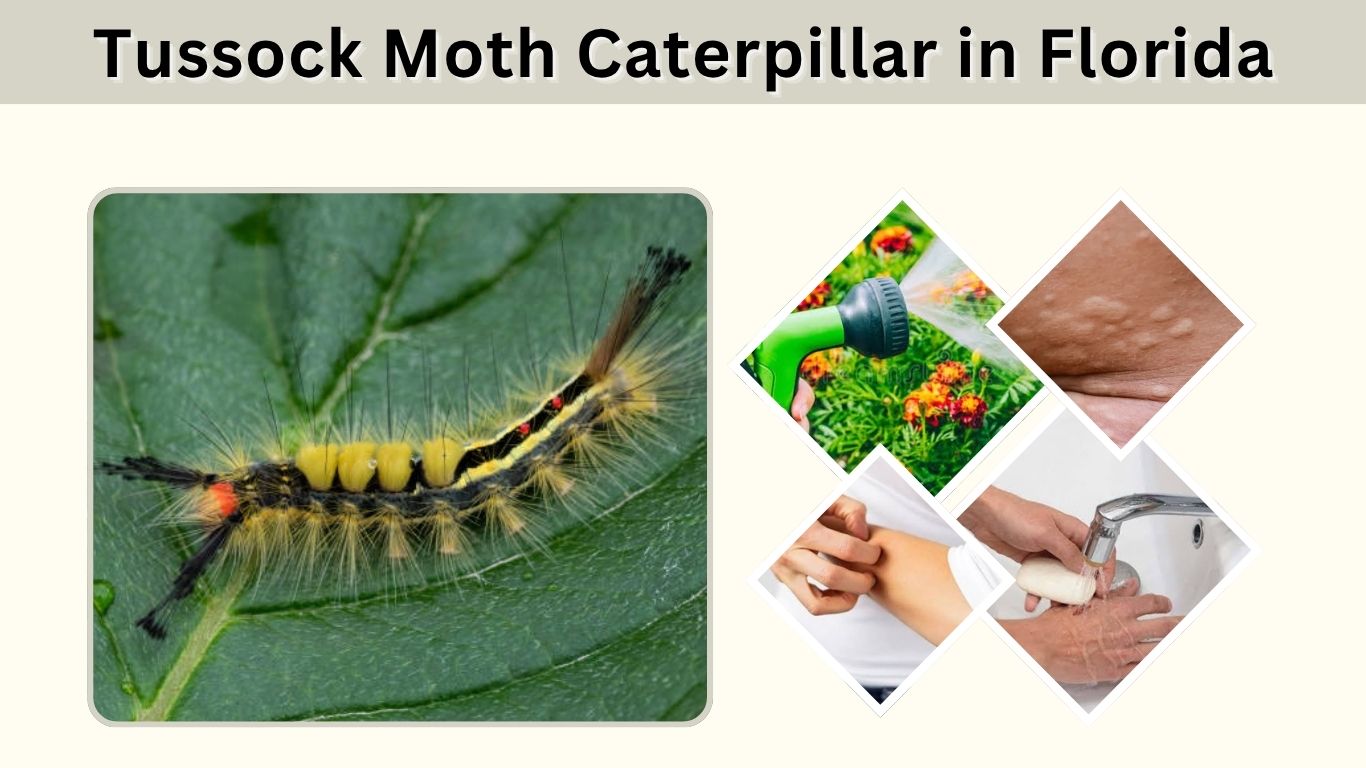
Tussock moth caterpillars are a familiar spring sight throughout Florida. These hairy larvae often feed on oak trees before crawling onto walls, patios, vehicles and … Read More
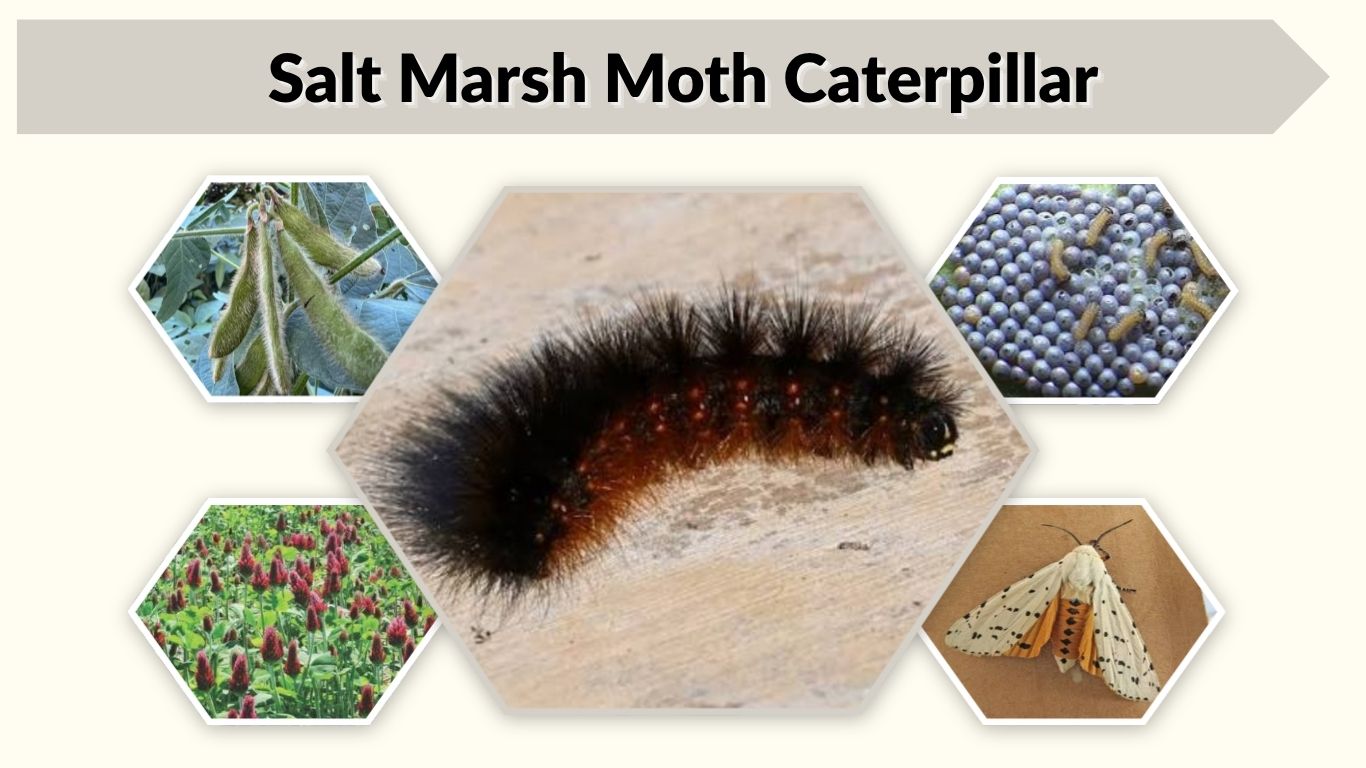
The salt marsh moth caterpillar is a large, hairy larva found across much of North America. Its scientific name is Estigmene acrea, and it eventually … Read More
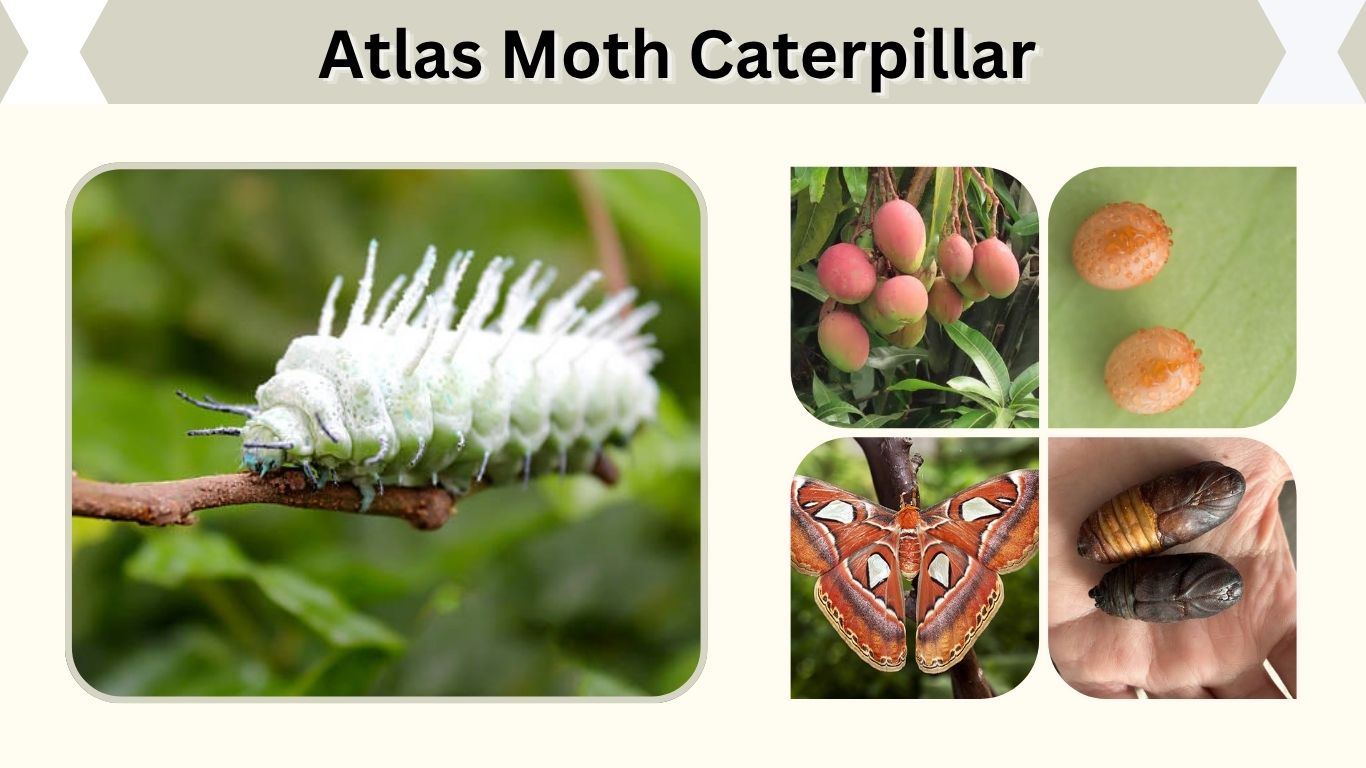
The Atlas moth caterpillar is the larval stage of Attacus atlas, one of the world’s largest moths. This enormous caterpillar has a pale green body … Read More
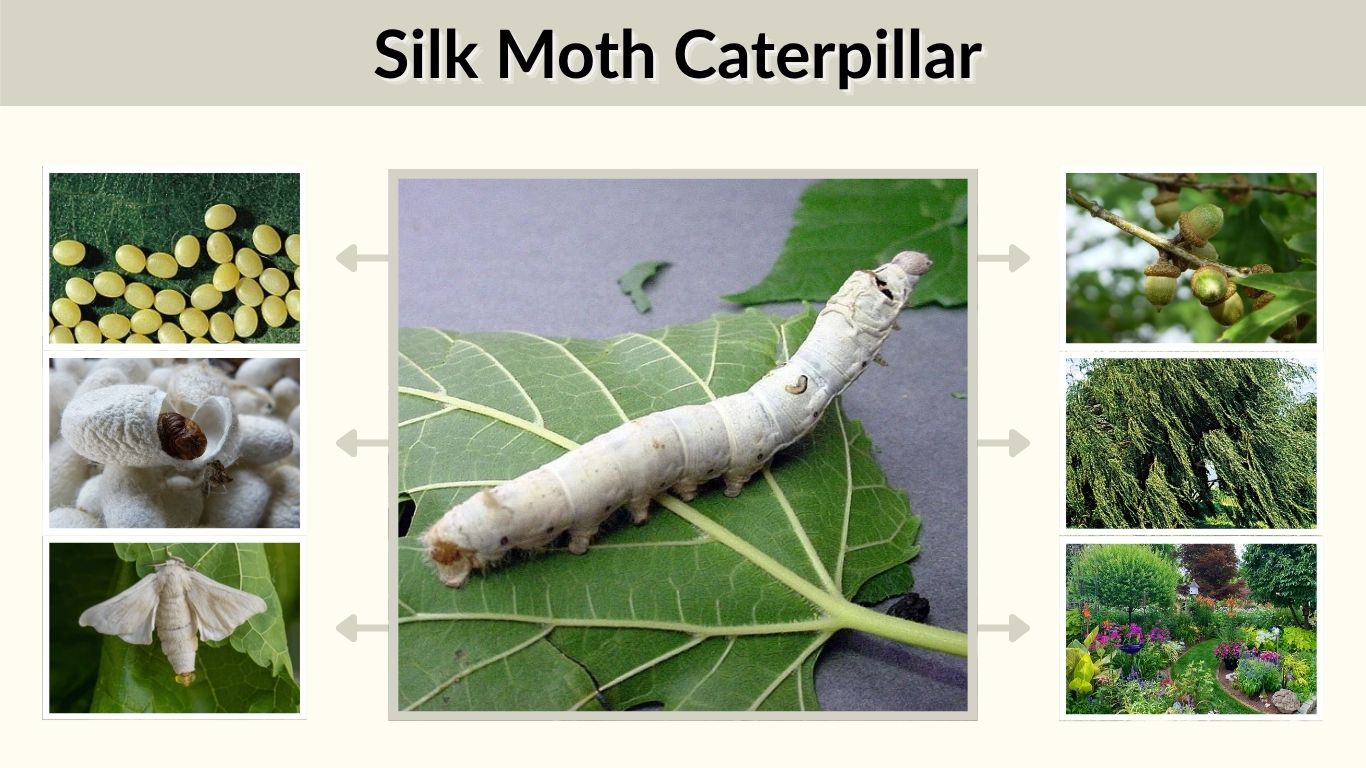
Silk moth caterpillars are leaf-eating larvae that eventually spin protective cocoons before becoming adult moths. The name can describe the domesticated silkworm used in commercial … Read More