
Protect Your Home From Common Moth Problems
We help homeowners understand moth infestations, identify warning signs, and use effective prevention methods. At MothInsects.com, we combine expert advice with detailed guides to help you keep your home clean, protected, and moth-free all year long.
Our Blog About Us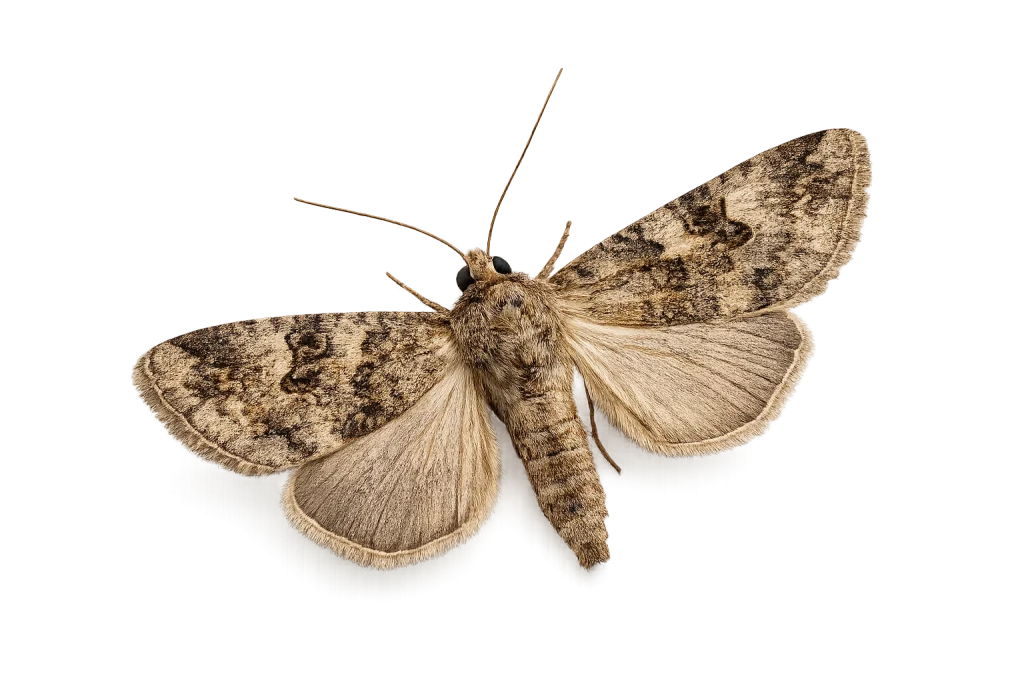
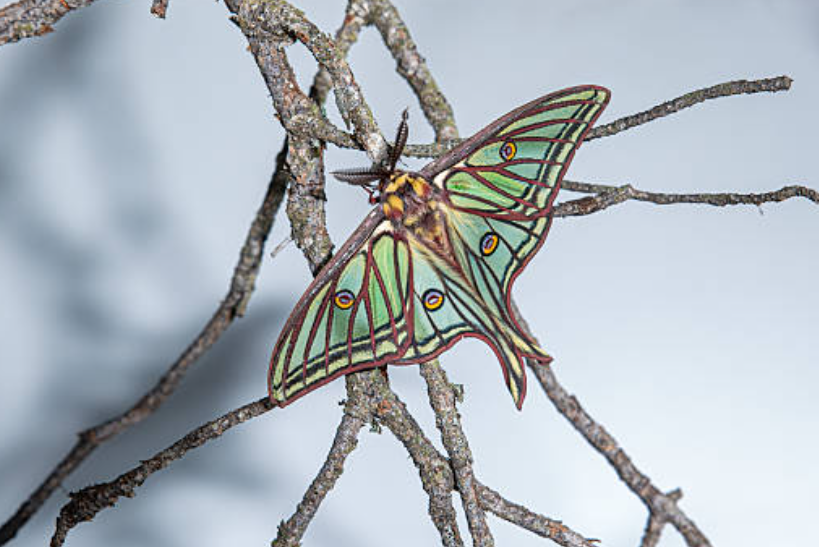
Moth Identification Guide
- Size: Small to medium depending on species.
- Body: Soft, slender body covered with tiny scales.
- Wings: Broad wings with unique colors and patterns.
- Antennae: Feather-like or thin antennae used for sensing.
- Color: Brown, gray, white, black, or brightly patterned.
- Activity: Mostly active at night and attracted to light.
Featured On


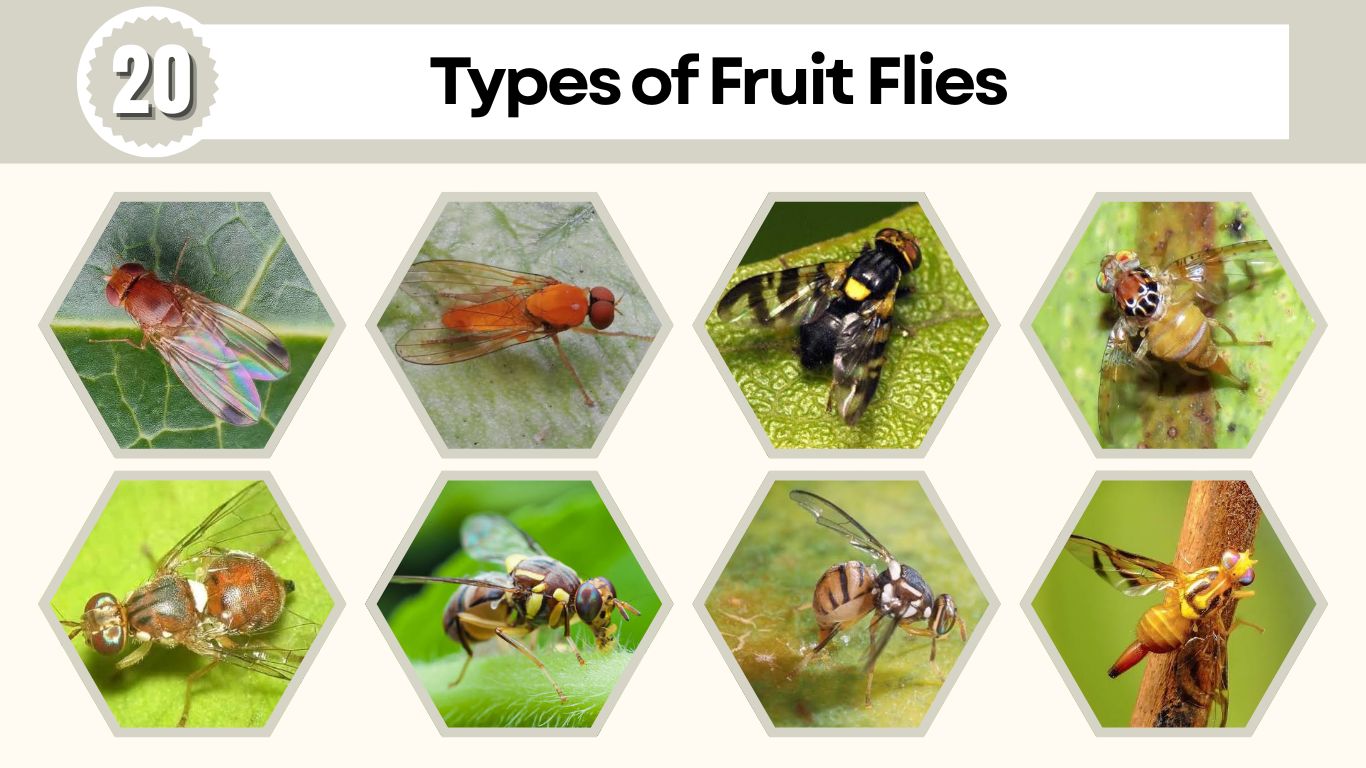
20 Types of Fruit Flies: Identification, Habitat and Facts
July 25, 2026
Fruit flies include a diverse group of insects that feed and reproduce in fruits, vegetables and other plant materials. Some species attack healthy crops by
Read more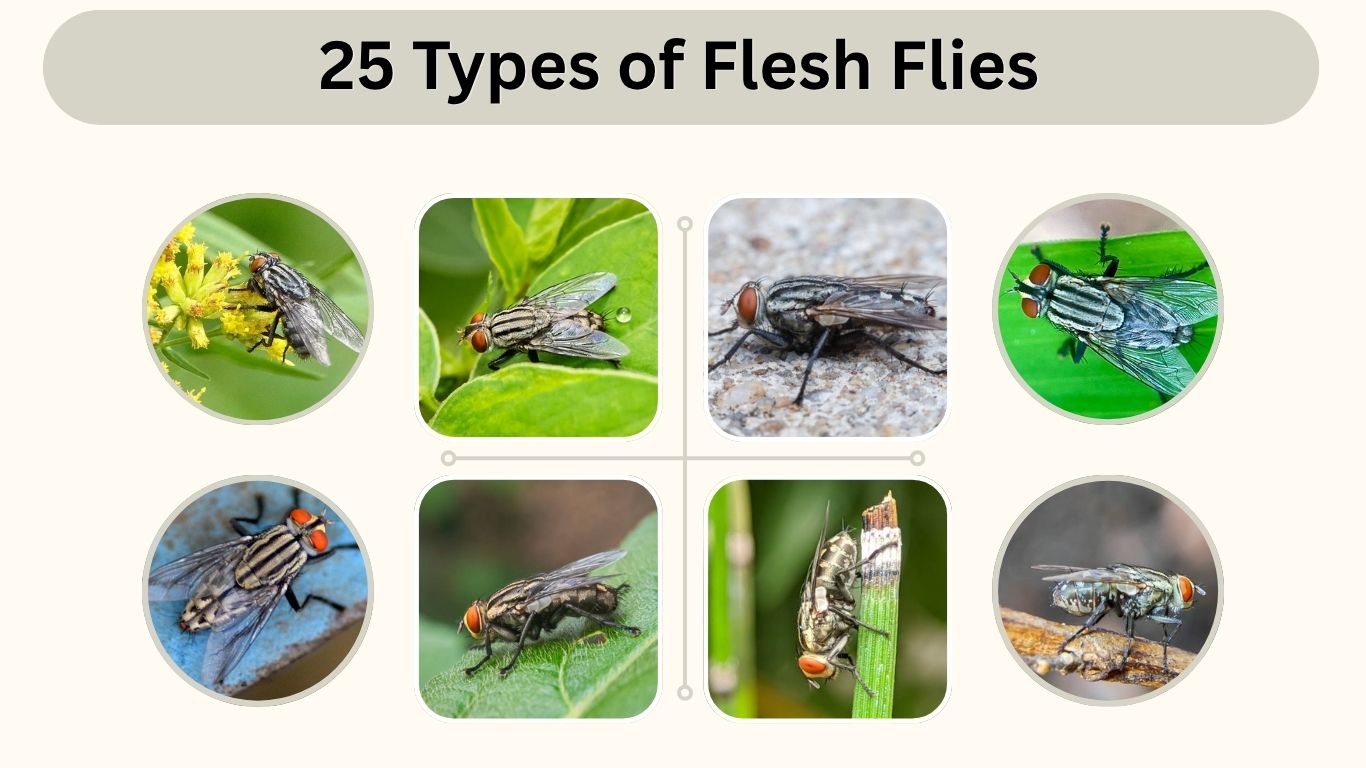
25 Types of Flesh Flies: Identification, Habitat and Diet
July 23, 2026
Flesh flies are true flies belonging to the family Sarcophagidae. Most have gray bodies, three dark thoracic stripes, red eyes, and checkered abdomens. Despite their
Read more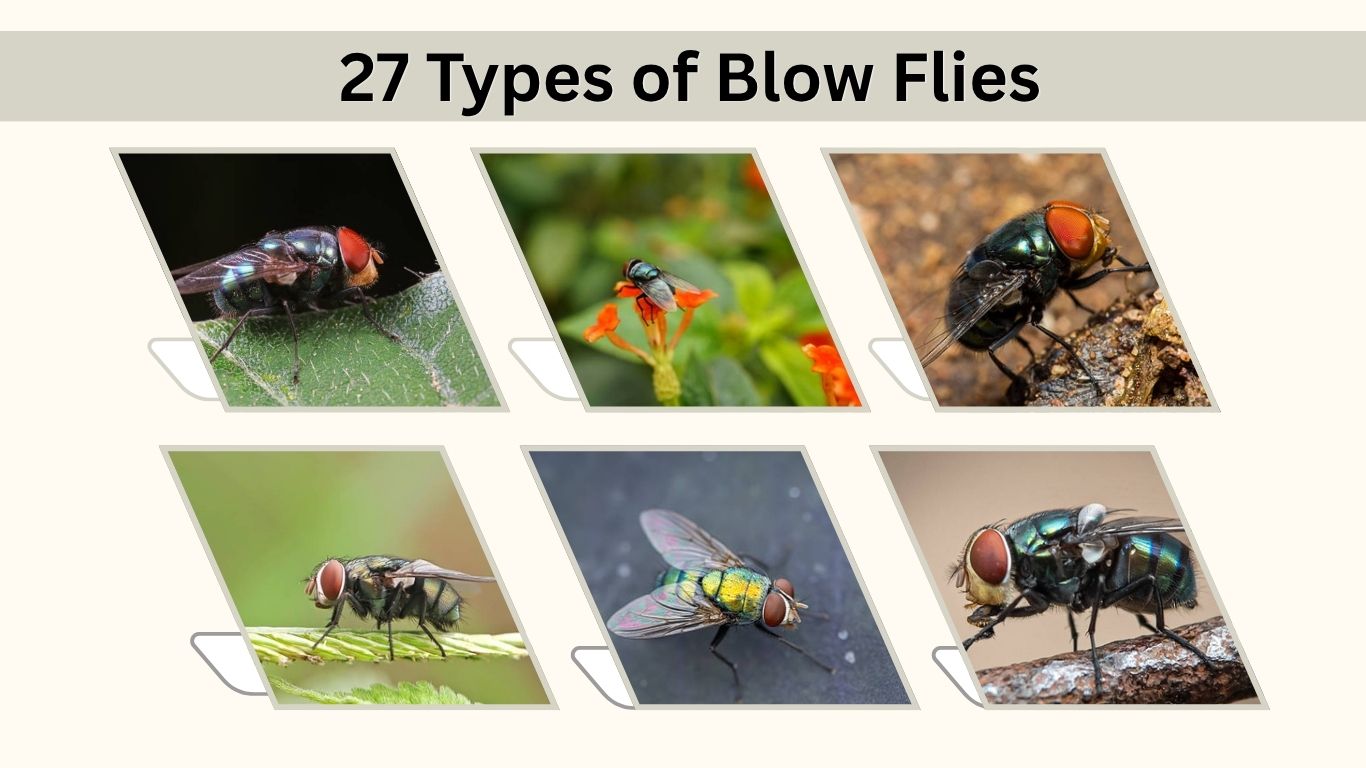
27 Types of Blow Flies: Identification, Habitat and Diet
July 23, 2026
Blow flies are true flies belonging to the family Calliphoridae. Many species have brilliant metallic-green, blue, bronze, or black bodies that make them easy to
Read more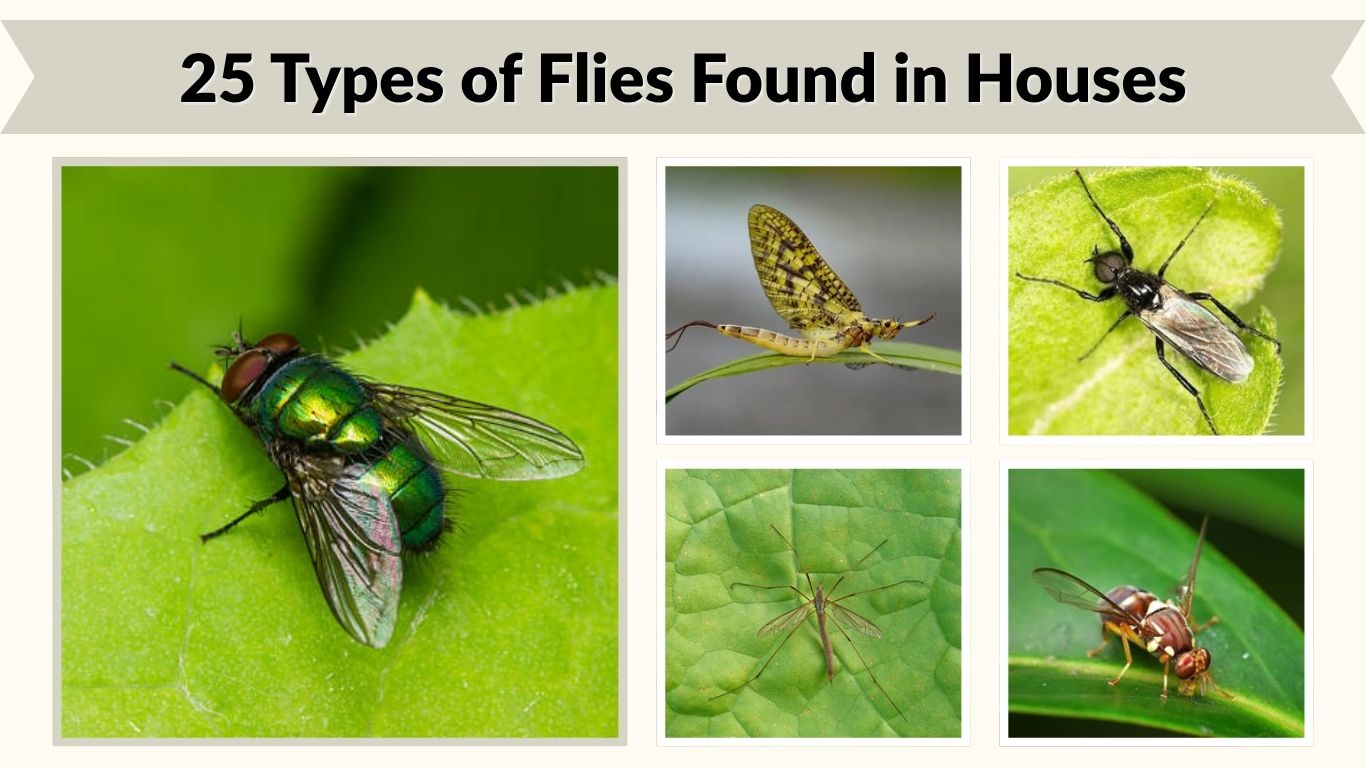
25 Types of Flies Found in Houses: Identification Guide
July 23, 2026
Many types of flies can enter houses while searching for food, moisture, warmth, or suitable breeding material. Some, such as house flies, fruit flies, and
Read more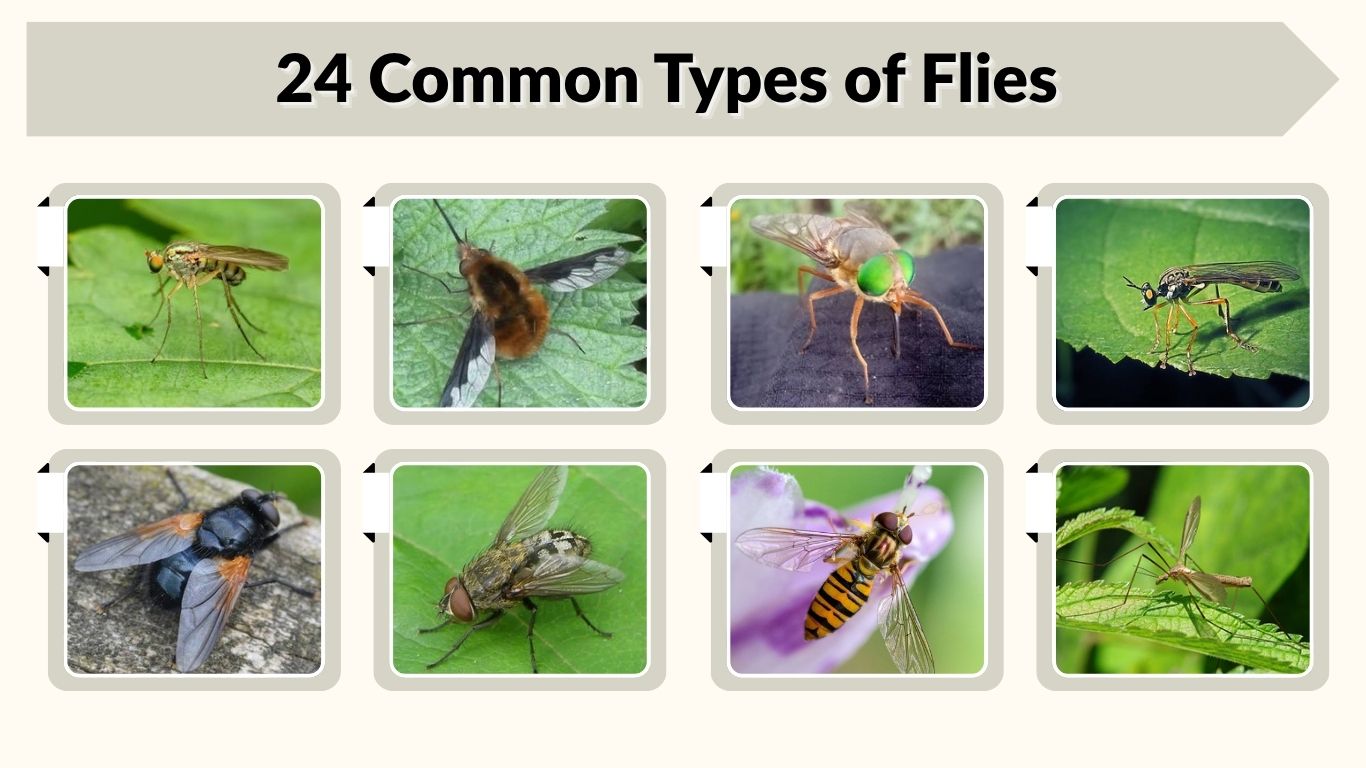
24 Common Types of Flies: Identification, Habitat and Diet
July 23, 2026
Flies are remarkably diverse insects found in homes, gardens, forests, wetlands, farms, and many other environments. While some species are annoying pests or painful blood
Read more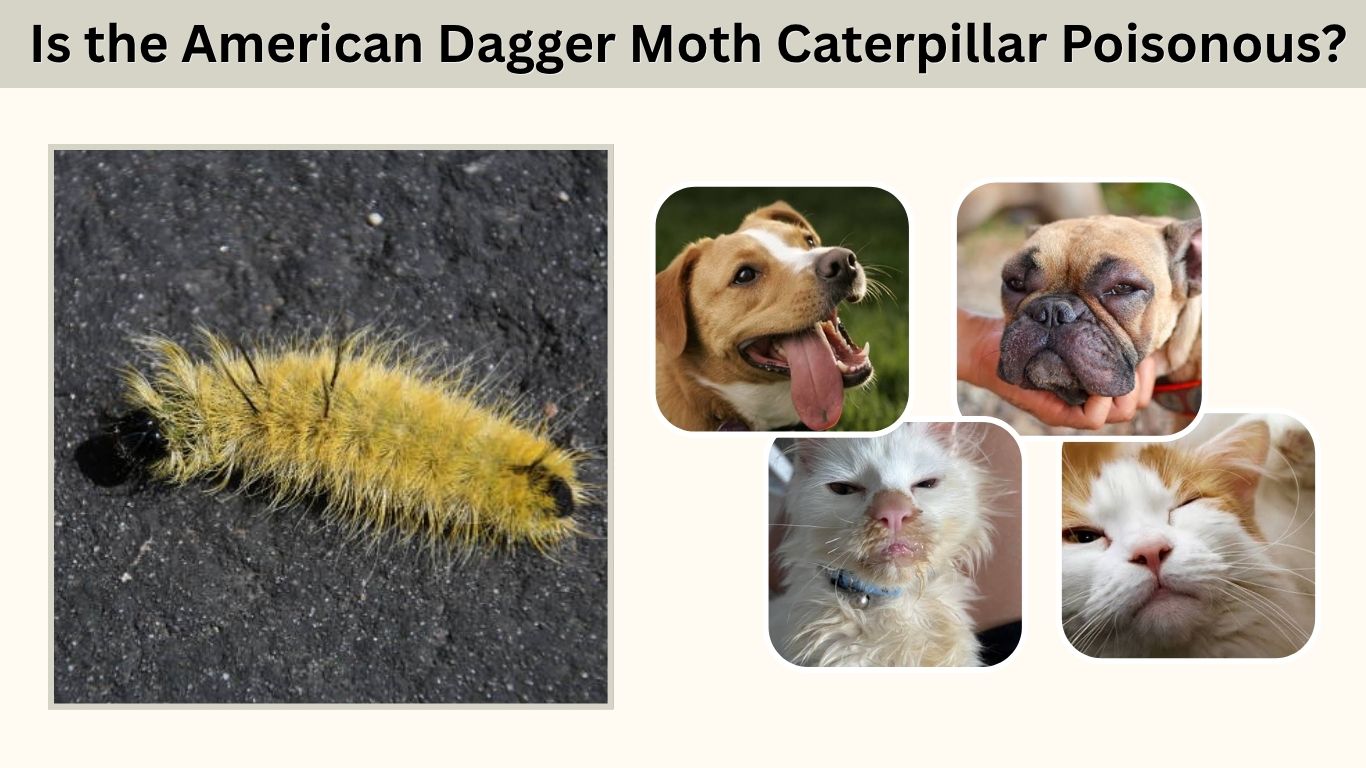
Is the American Dagger Moth Caterpillar Poisonous?
July 22, 2026
The American dagger moth caterpillar is a fuzzy yellow-and-black caterpillar that should be observed rather than handled. It is not usually considered dangerously poisonous, but
Read more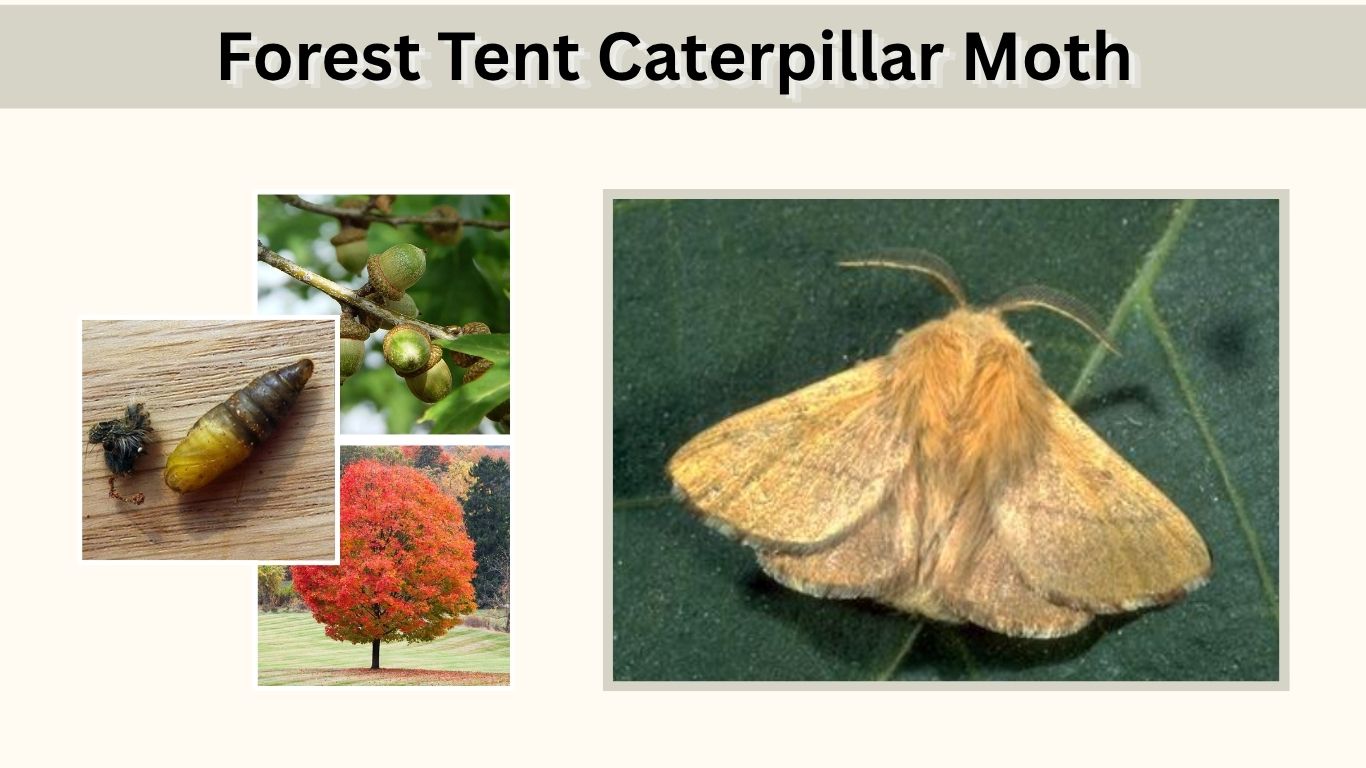
Forest Tent Caterpillar Moth: Identification, Diet and Life Cycle
July 22, 2026
The forest tent caterpillar moth is a native North American moth best known for its leaf-eating larvae. Its scientific name is Malacosoma disstria, and it
Read more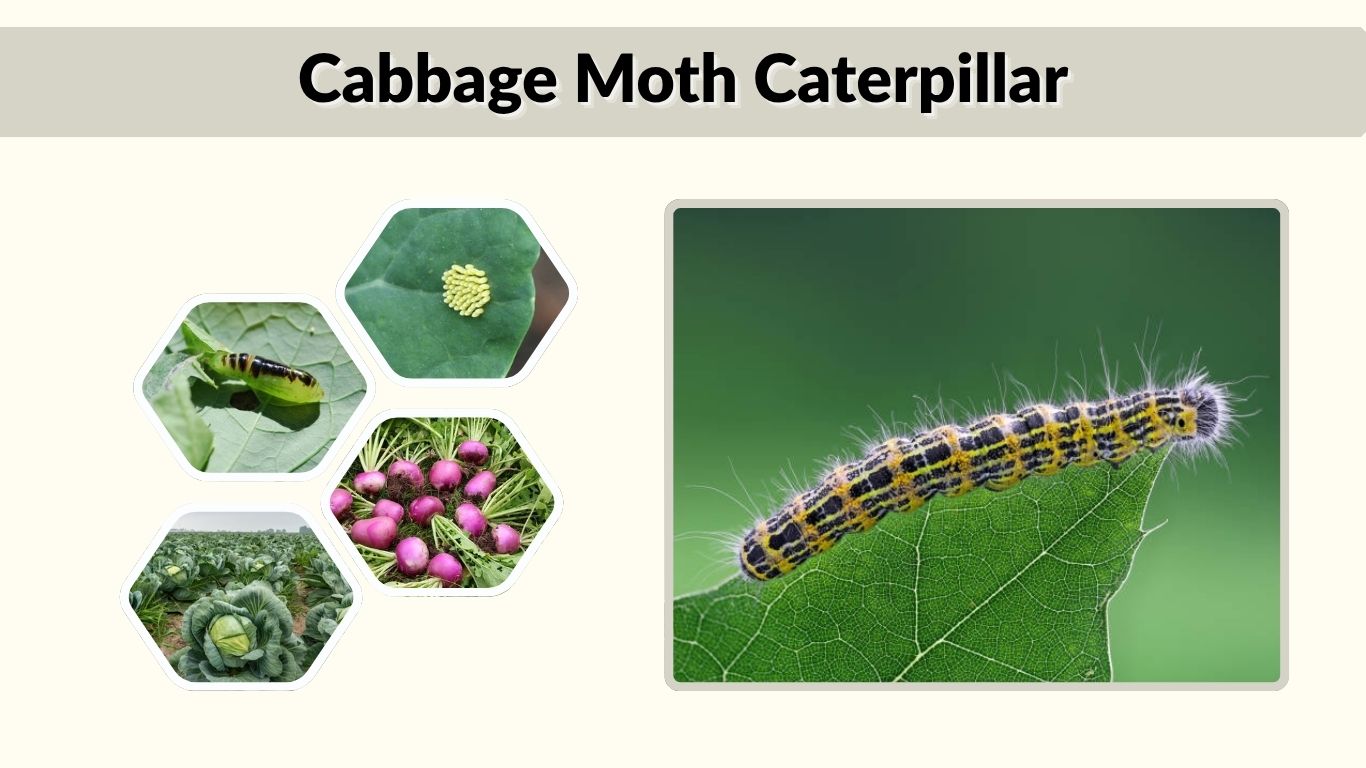
Cabbage Moth Caterpillar: Identification, Damage and Control
July 21, 2026
The cabbage moth caterpillar is a destructive garden pest that feeds on cabbage, broccoli, cauliflower, kale, Brussels sprouts, and other brassica crops. The name commonly
Read more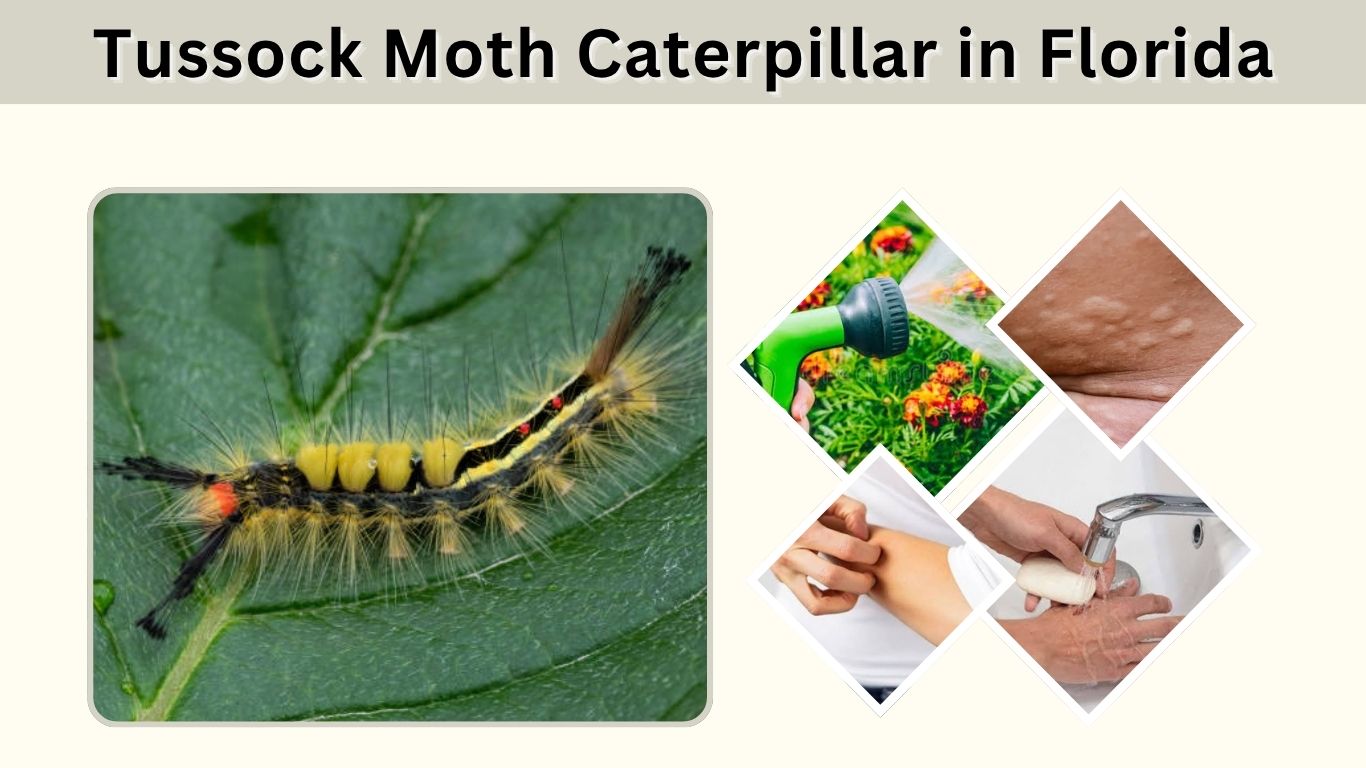
Tussock Moth Caterpillar in Florida: Rash, Season and Safety
July 21, 2026
Tussock moth caterpillars are a familiar spring sight throughout Florida. These hairy larvae often feed on oak trees before crawling onto walls, patios, vehicles and
Read more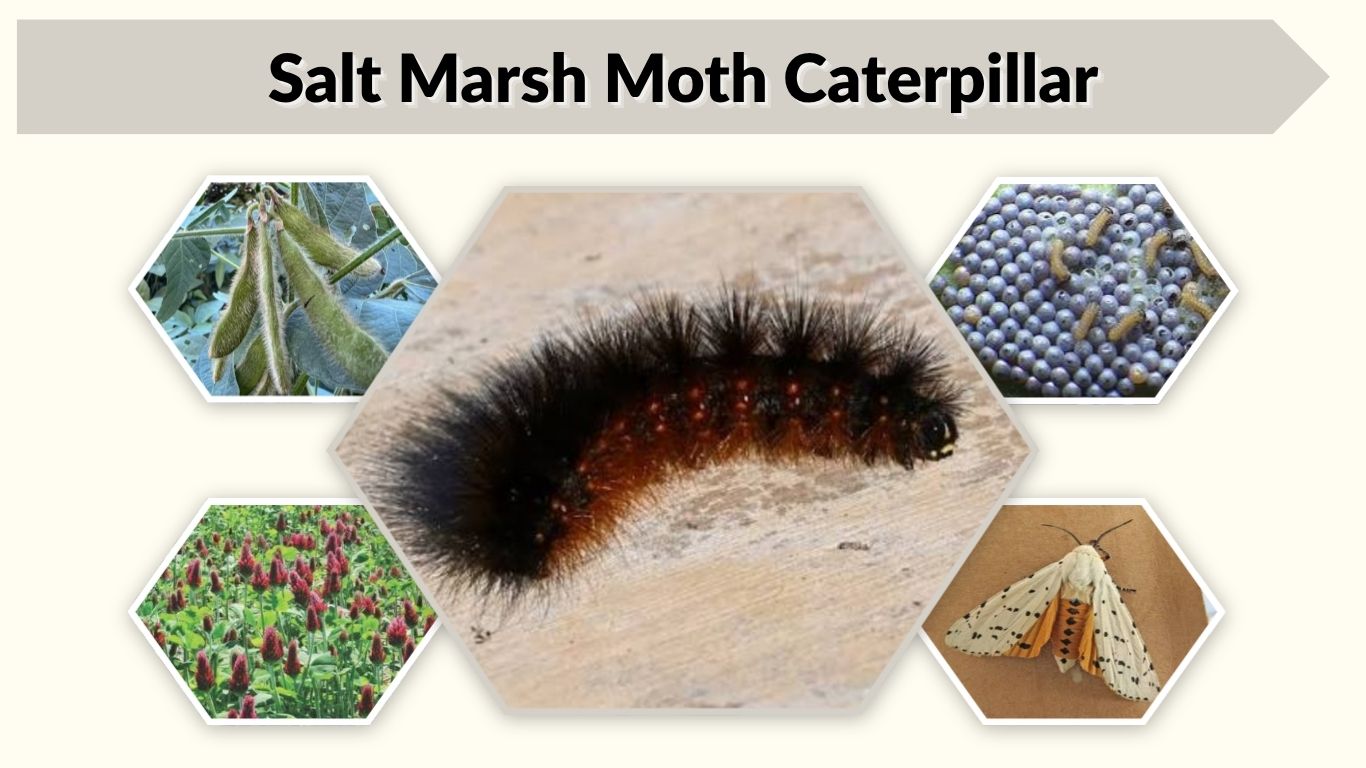
Salt Marsh Moth Caterpillar: Diet, Sting and Life Cycle
July 20, 2026
The salt marsh moth caterpillar is a large, hairy larva found across much of North America. Its scientific name is Estigmene acrea, and it eventually
Read more