
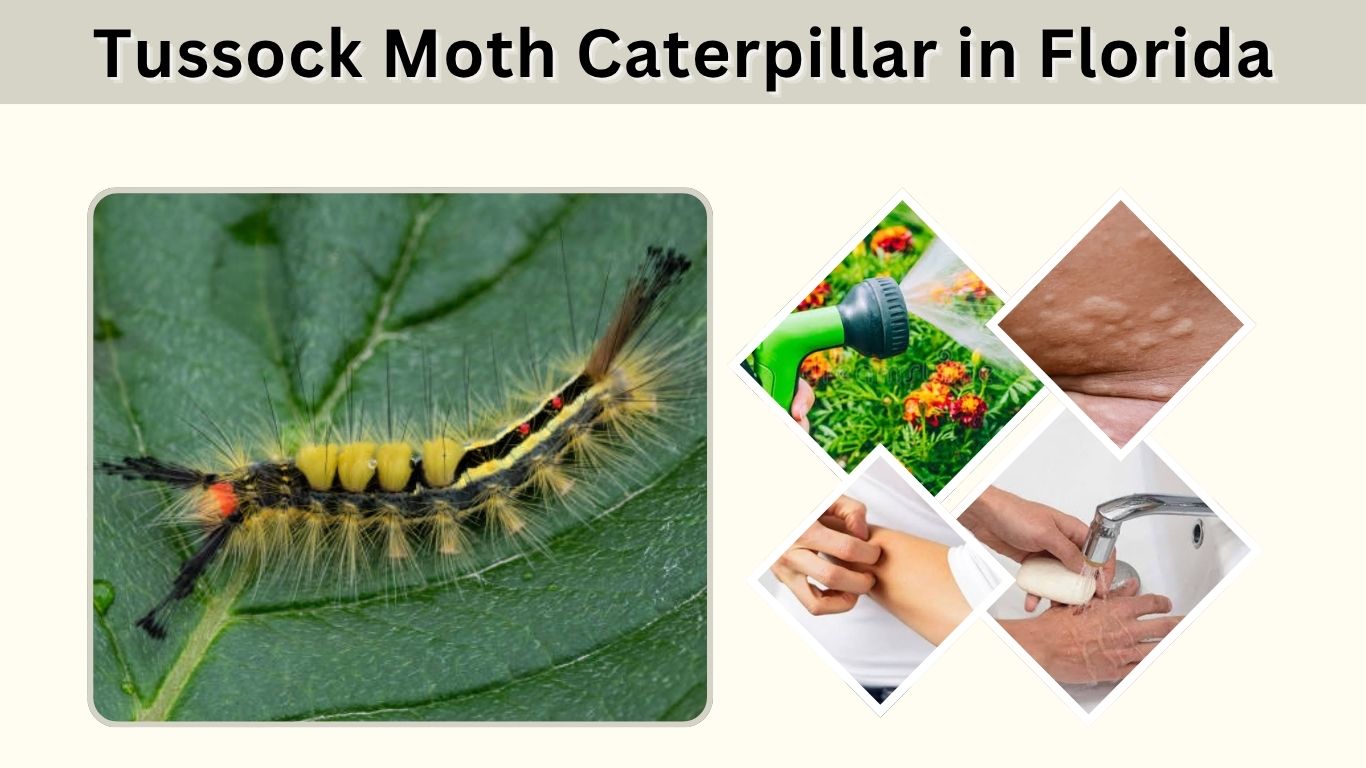
Tussock Moth Caterpillar in Florida: Rash, Season and Safety
Tussock moth caterpillars are a familiar spring sight throughout Florida. These hairy larvae often feed on oak trees before crawling onto walls, patios, vehicles and … Read More
Tussock moth caterpillars are a familiar spring sight throughout Florida. These hairy larvae often feed on oak trees before crawling onto walls, patios, vehicles and … Read More
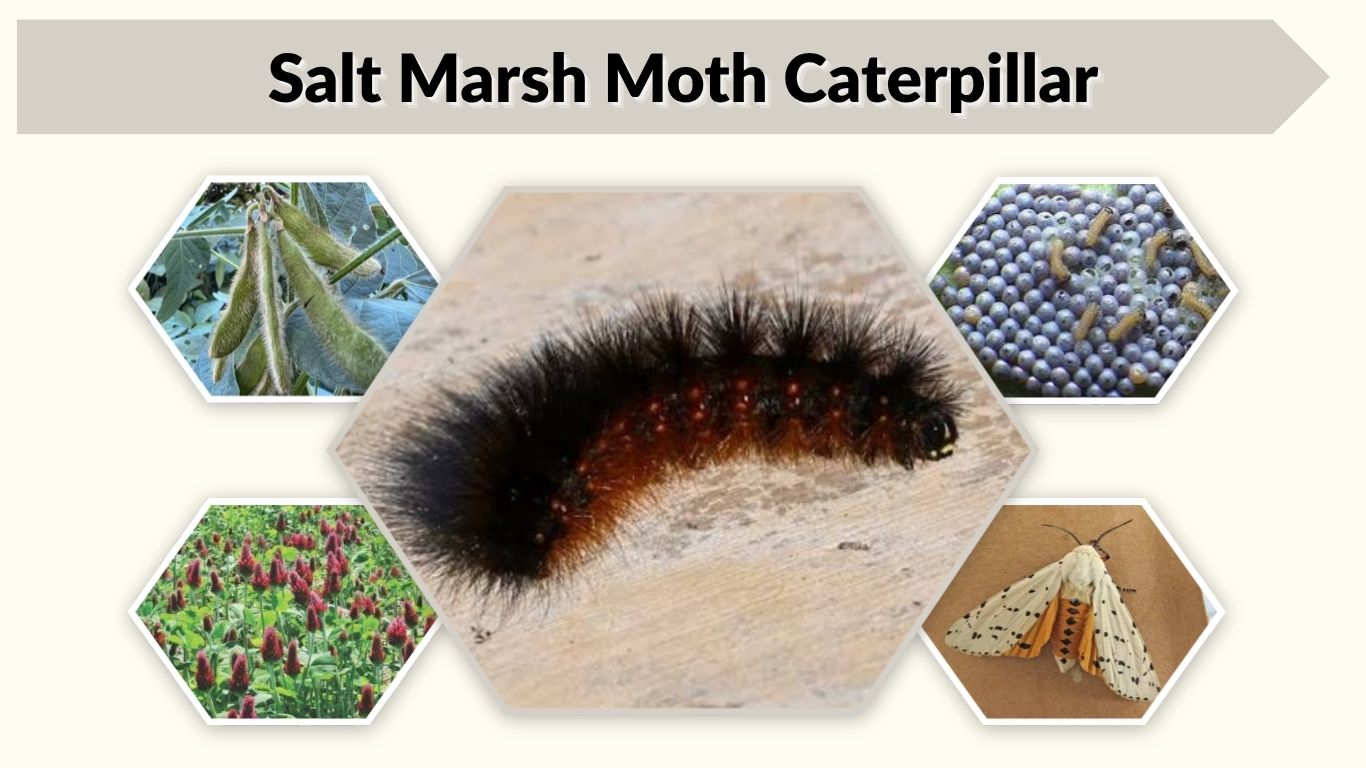
The salt marsh moth caterpillar is a large, hairy larva found across much of North America. Its scientific name is Estigmene acrea, and it eventually … Read More
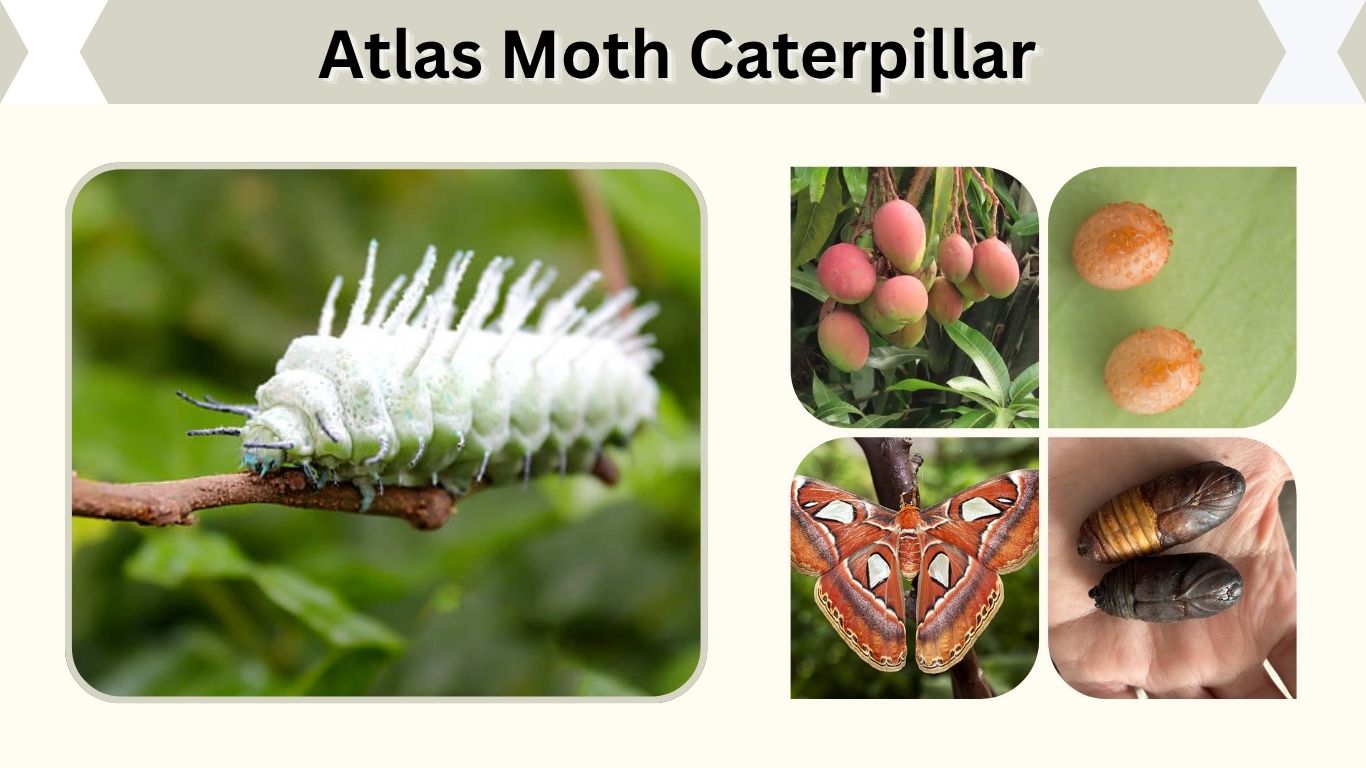
The Atlas moth caterpillar is the larval stage of Attacus atlas, one of the world’s largest moths. This enormous caterpillar has a pale green body … Read More
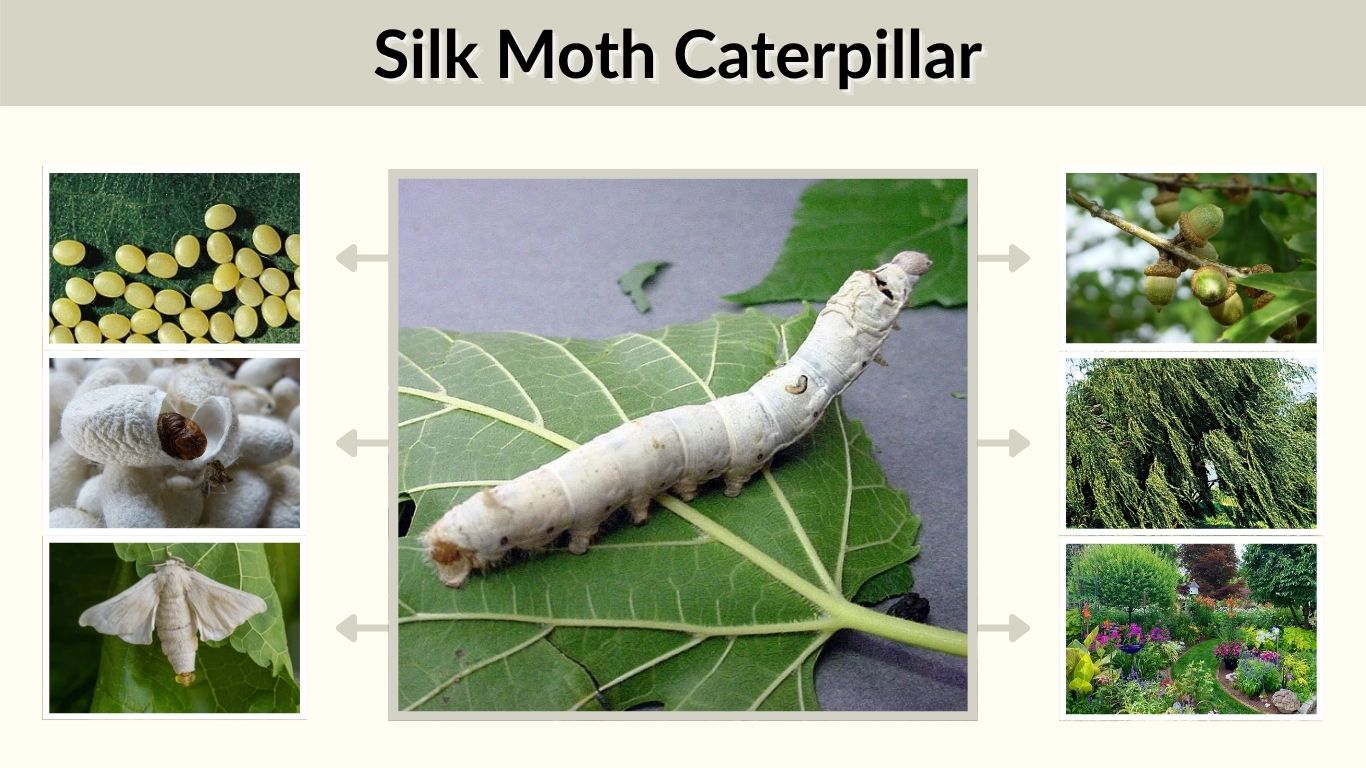
Silk moth caterpillars are leaf-eating larvae that eventually spin protective cocoons before becoming adult moths. The name can describe the domesticated silkworm used in commercial … Read More
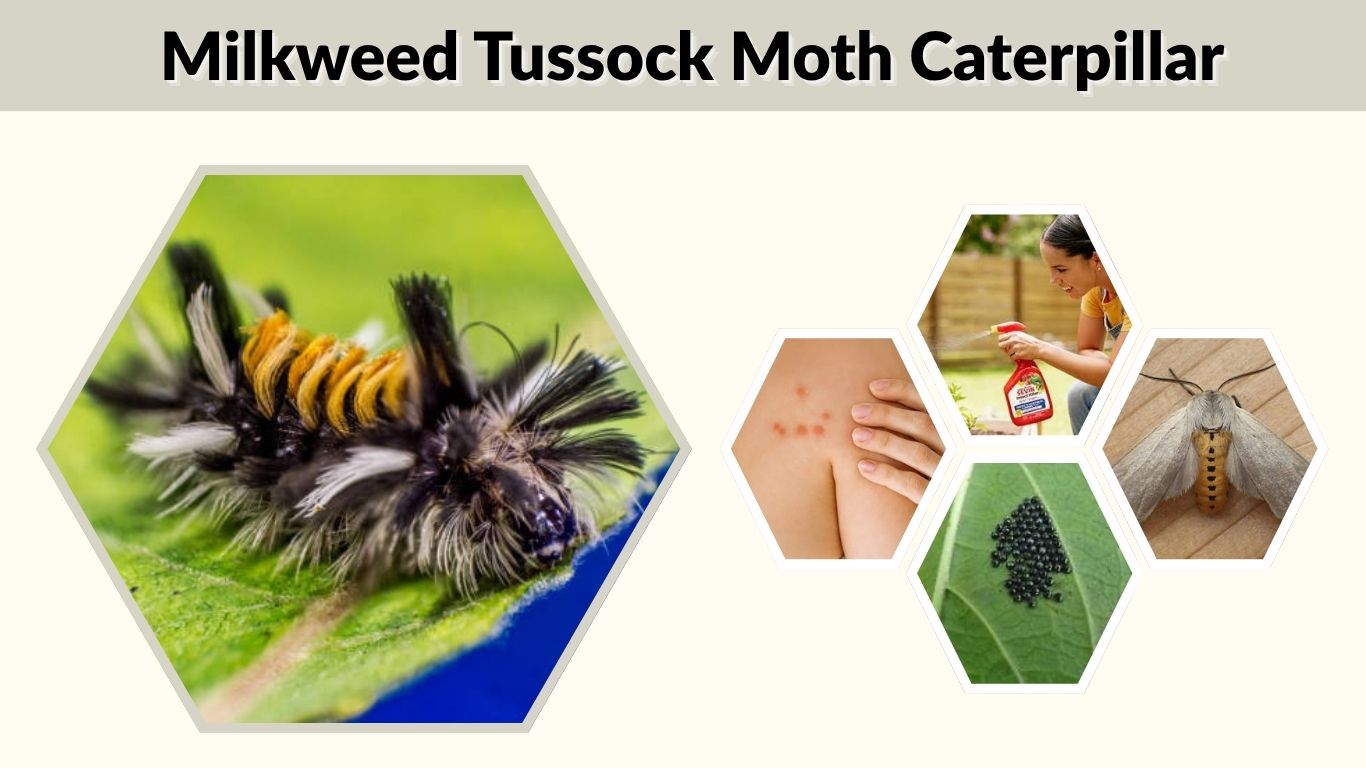
The milkweed tussock moth caterpillar (Euchaetes egle) is a shaggy, brightly colored caterpillar commonly found eating milkweed. Its black, white, and orange tufts make it … Read More
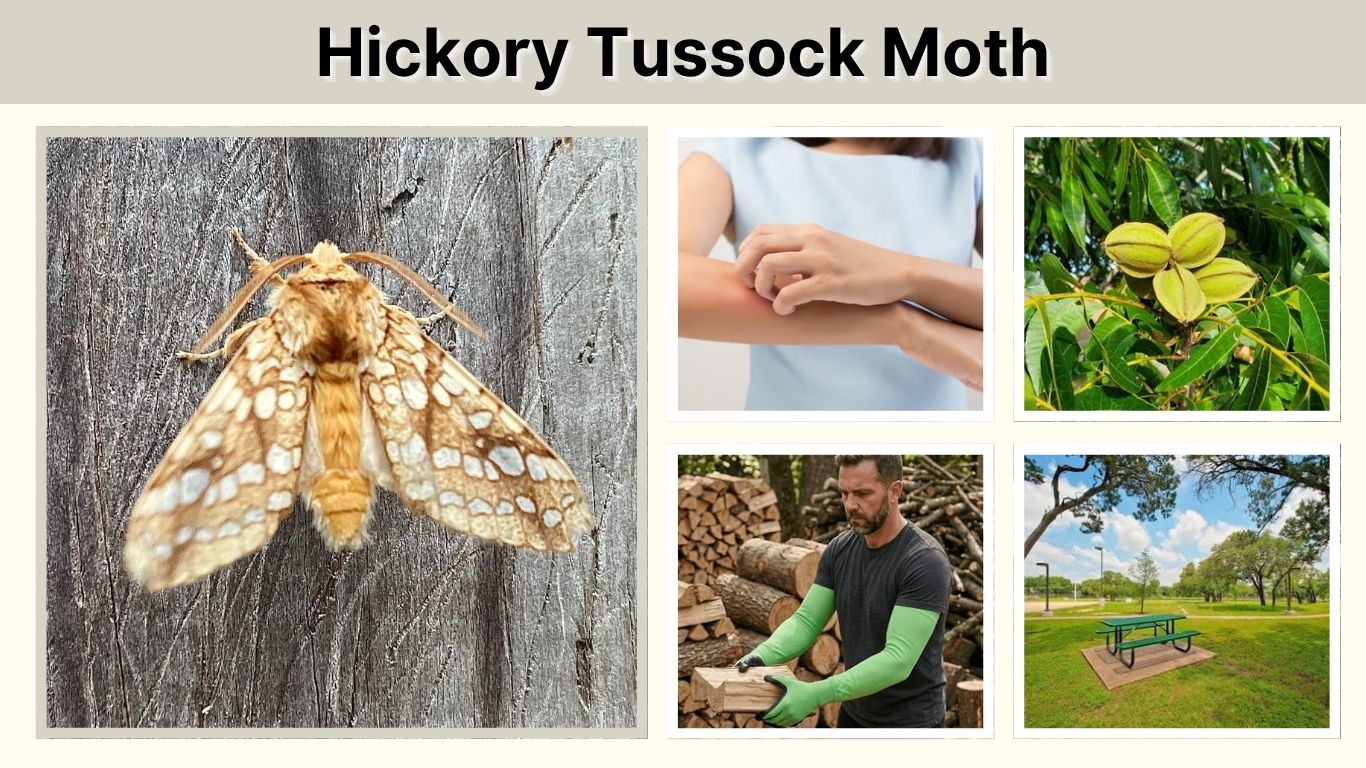
The hickory tussock moth (Lophocampa caryae), also called the hickory tiger moth, is a native North American moth best recognized during its caterpillar stage. The … Read More
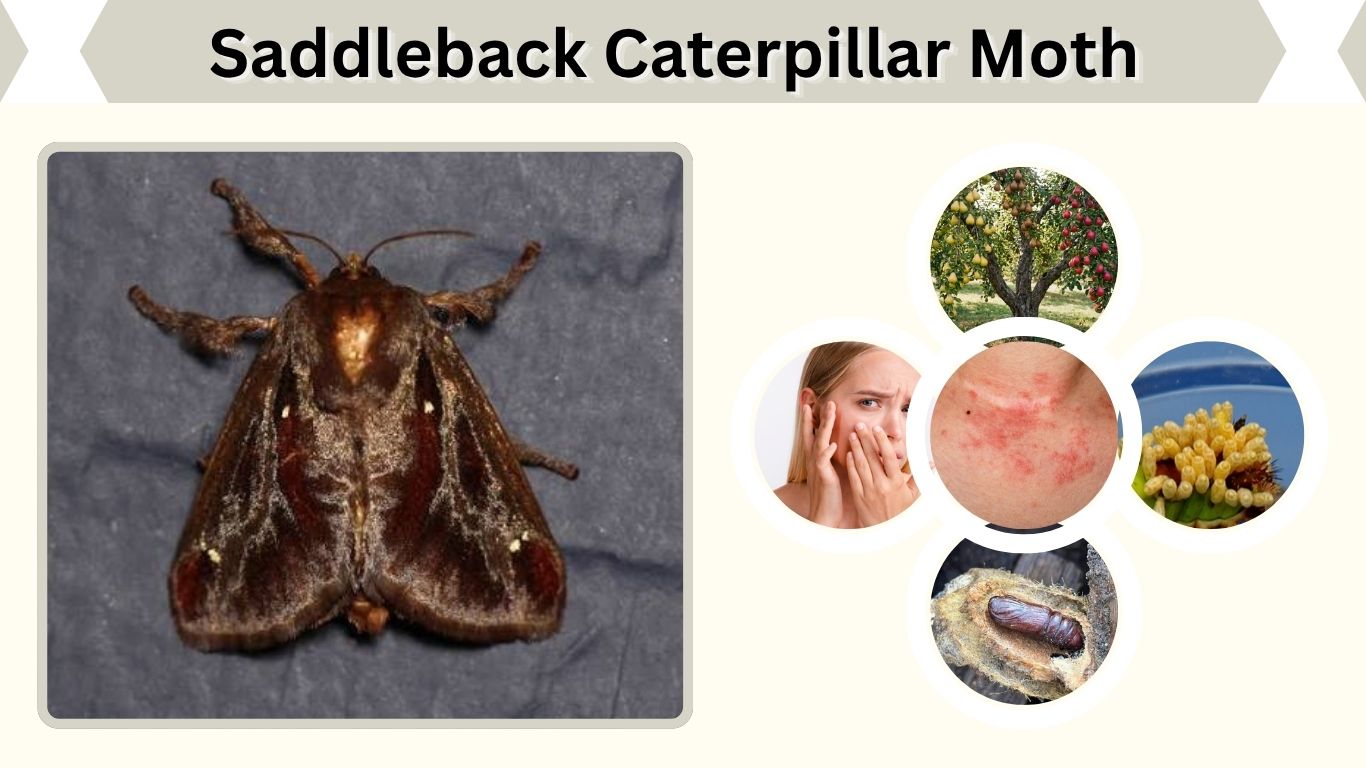
The saddleback caterpillar moth (Acharia stimulea) is best known for its brightly colored and venomous caterpillar stage. The larva has a vivid green “saddle” on … Read More
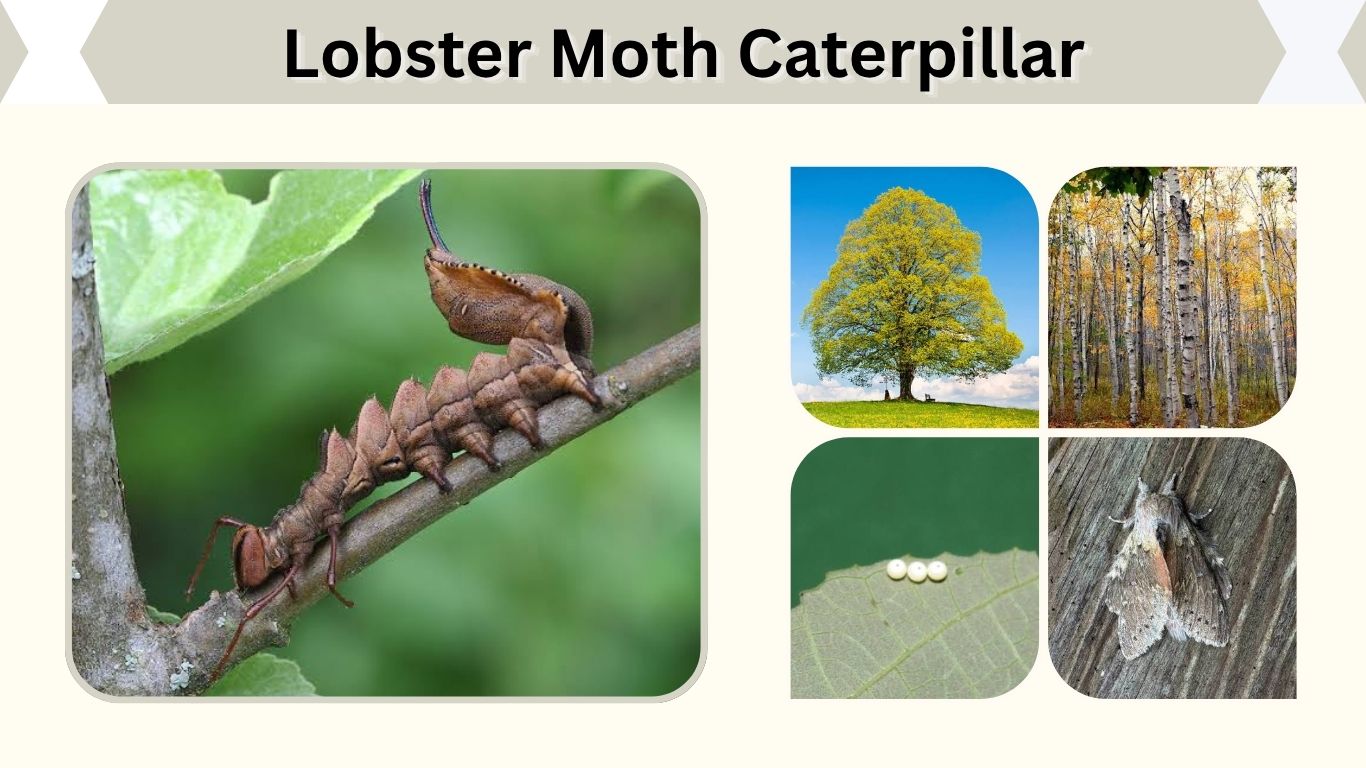
The lobster moth caterpillar is one of Europe’s most unusual-looking insects. With its oversized head, long front legs, raised tail, and angular brown body, it … Read More
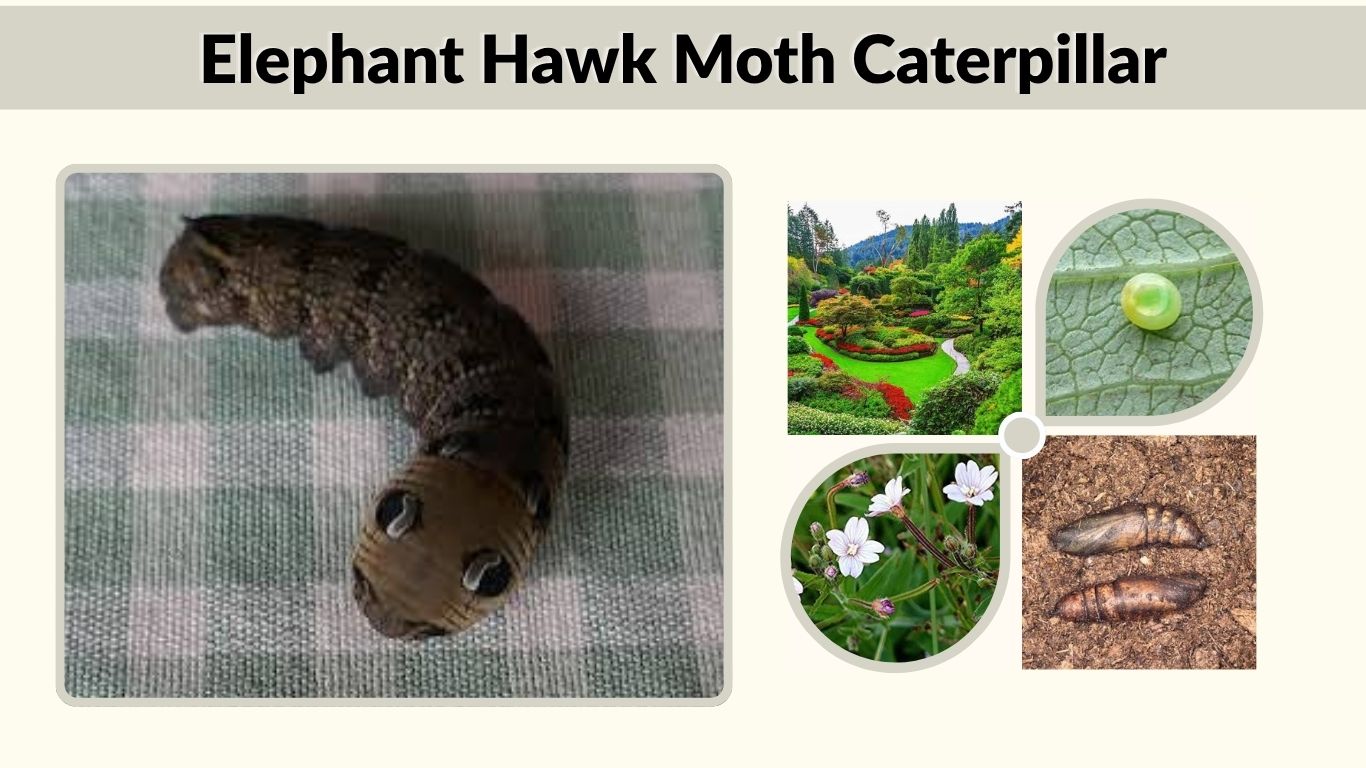
The elephant hawk moth caterpillar is one of the largest and most distinctive caterpillars found in British and European gardens. Its thick body, oversized false … Read More
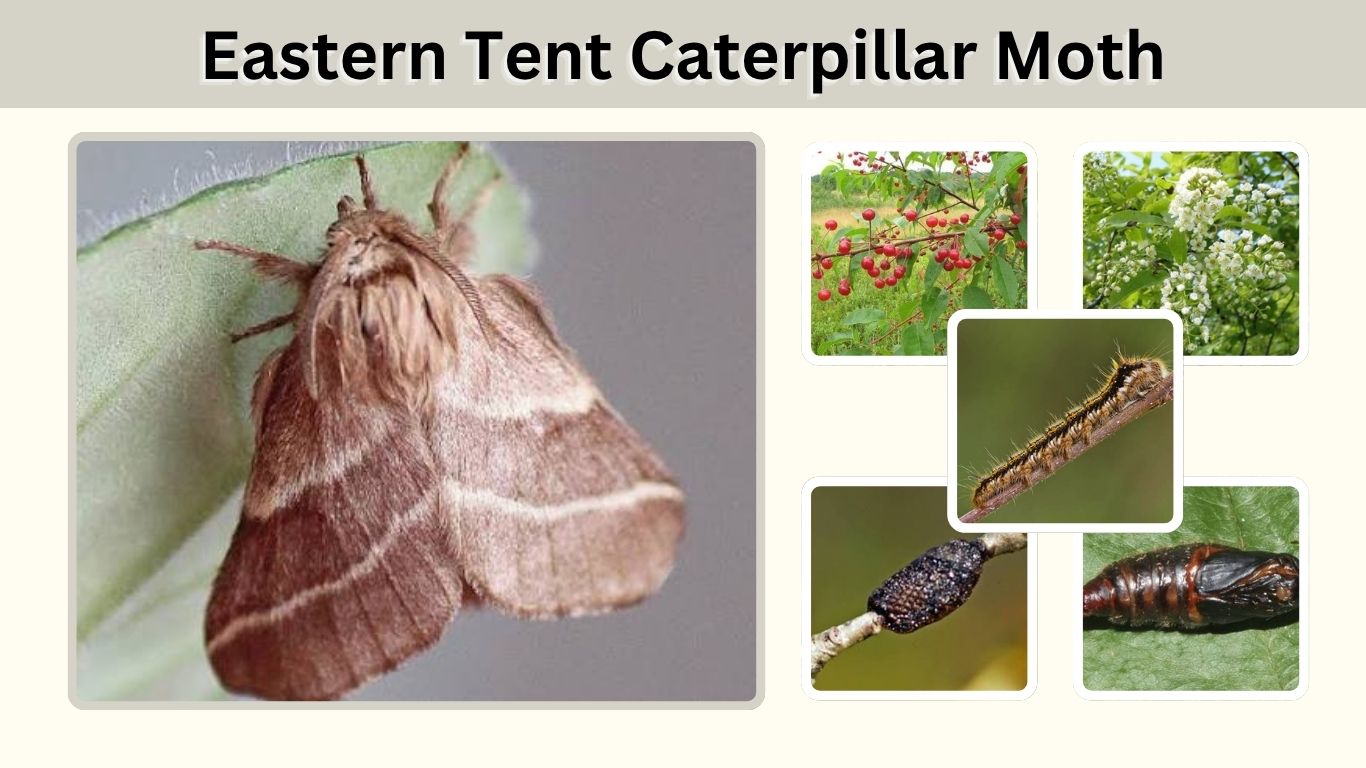
The eastern tent caterpillar moth is a native North American insect best known for the large silk tents its caterpillars build in spring. These social … Read More