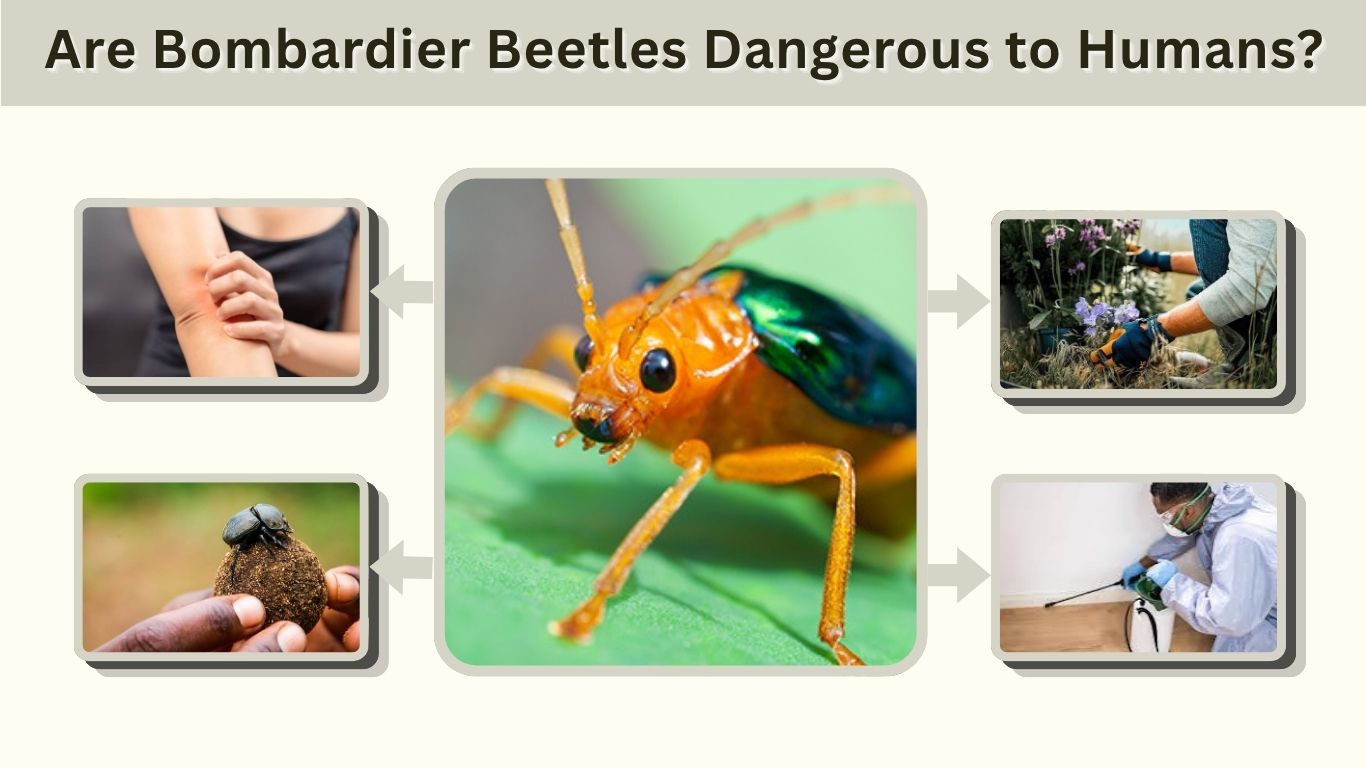
Bombardier beetles are fascinating insects known for their unusual chemical defense system. But are bombardier beetles dangerous to humans? Although these small beetles are not naturally aggressive, they can release a hot chemical spray when threatened. This defensive liquid may cause skin irritation, painful burns, or eye injuries if someone handles the beetle carelessly. Fortunately, serious encounters are uncommon. Understanding how bombardier beetles protect themselves, what their spray does to human skin, and how to respond to accidental exposure can help you stay safe around these insects.
Are Bombardier Beetles Dangerous to Humans?
Yes, bombardier beetles can be dangerous to humans, but serious injuries are uncommon. Their primary defense is a hot, irritating chemical spray released from the abdomen.
Unlike bees or wasps, bombardier beetles do not inject venom through a stinger. Instead, they defend themselves when predators or humans threaten, squeeze, or capture them.
Their spray may cause skin irritation, burns, and eye injuries. However, simply seeing or walking near a bombardier beetle does not normally present a significant danger.
Can Bombardier Beetles Hurt or Kill Humans?
Bombardier beetles can hurt humans through direct exposure to their defensive chemicals. The intensity of an injury depends on the affected body part, the amount of liquid, and the distance from the beetle.
However, bombardier beetles are not considered deadly to humans under ordinary circumstances. Their defensive spray is designed to discourage small predators rather than kill large animals.
Although fatal encounters are not a recognized risk, serious eye injuries and unusual reactions can occur.
How Do Bombardier Beetles Spray Humans?
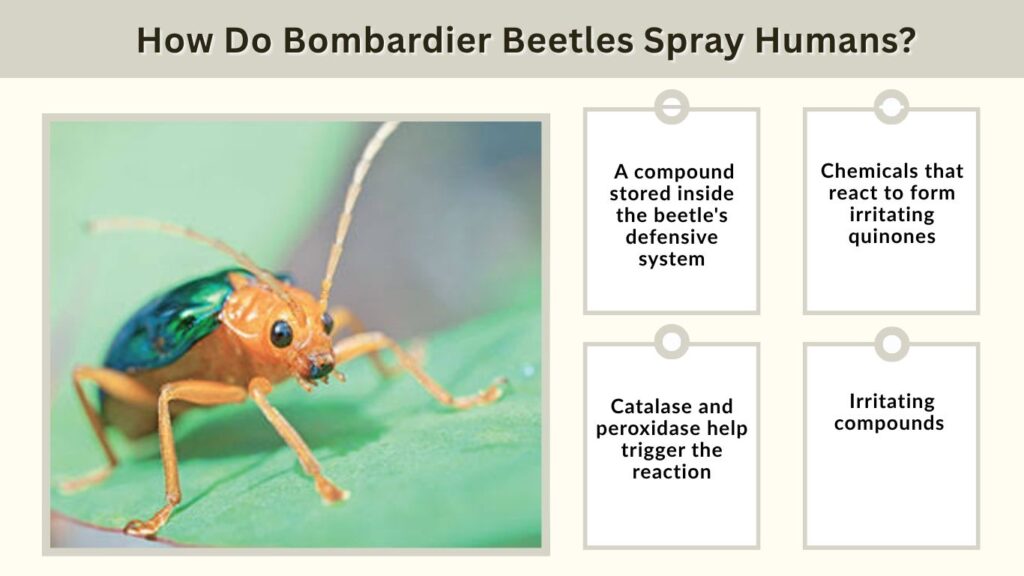
Bombardier beetles have specialized chemical chambers inside their abdomens. When threatened, they combine stored chemicals to create a rapid reaction that produces heat and pressure.
This reaction allows them to direct an irritating liquid toward a potential attacker, often accompanied by an audible popping sound.
What Chemicals Do Bombardier Beetles Spray?
The bombardier beetle’s chemical defense involves several important substances.
- Hydrogen peroxide: A compound stored inside the beetle’s defensive system.
- Hydroquinones: Chemicals that react to form irritating quinones.
- Enzymes: Catalase and peroxidase help trigger the reaction.
- Benzoquinones: Irritating compounds present in the discharged liquid.
In some species, the chemical reaction produces temperatures approaching 100°C (212°F). However, the temperature varies between species.
The heated liquid is expelled in rapid pulses, helping the beetle escape from predators.
Do Bombardier Beetles Spray Humans?
Yes, bombardier beetles may spray humans when they feel threatened. This commonly happens when someone picks up, squeezes, traps, or otherwise disturbs a beetle.
The beetle does not deliberately hunt or attack people. Its chemical discharge is a defensive response.
Some species can direct the spray toward different angles using their flexible abdominal structures. Therefore, keeping your face away from a captured beetle is particularly important.
Bombardier Beetle Spray Effects on Humans
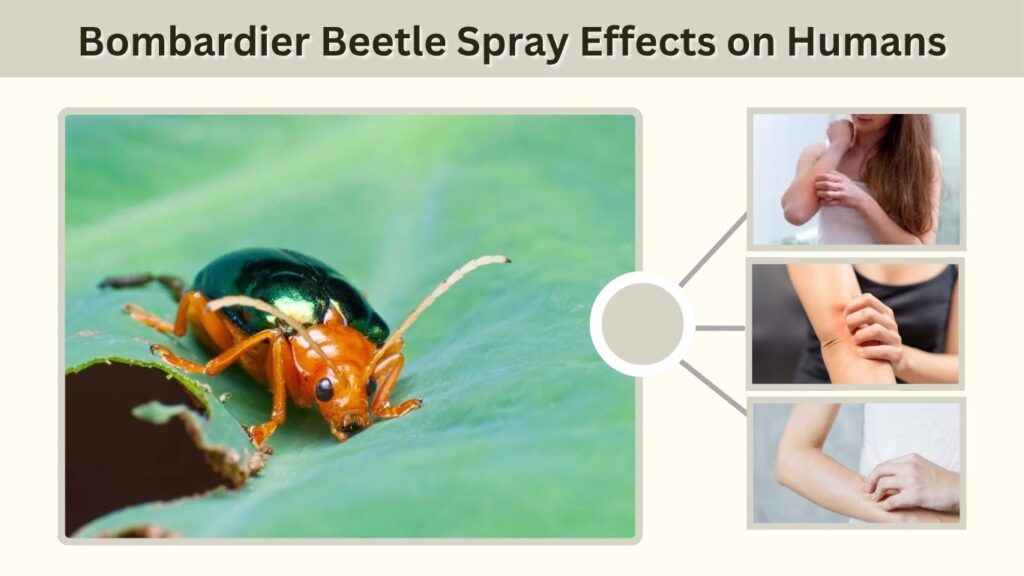
The effects of bombardier beetle spray depend on the location and severity of exposure. The liquid combines chemical irritation with heat, making direct contact potentially painful.
Most minor exposures are manageable, but sensitive body parts, especially the eyes, require greater attention.
Common Symptoms of Bombardier Beetle Spray
Possible symptoms following direct contact include:
- Burning sensation: A sudden feeling of heat or stinging on the affected skin.
- Skin redness: Irritation or inflammation where the liquid makes contact.
- Blistering: More significant exposure may produce small burns or blisters.
- Contact dermatitis: Some individuals may develop an inflammatory skin reaction.
- Eye irritation: Direct exposure can cause tearing, pain, and sensitivity to light.
Not everyone experiences these symptoms. The severity depends on the species, exposure, and individual sensitivity.
Can Bombardier Beetles Burn Human Skin?
Yes, bombardier beetles can burn human skin. Their hot chemical spray may cause thermal burns, while the irritating compounds can contribute to skin inflammation.
An accidental discharge onto the hands or fingers may produce localized discomfort. More intense exposure can result in blistering or visible skin damage.
Although severe injuries are unusual, the spray should never be deliberately tested on bare skin.
Can Bombardier Beetle Spray Damage Human Eyes?
Yes. Eye exposure is one of the most concerning risks associated with bombardier beetles.
A published medical case described an 11-year-old boy who developed eyelid burns and injuries to the cornea and conjunctiva after being sprayed by a bombardier beetle.
The child recovered after medical treatment, but the case demonstrates that the spray can cause more than temporary irritation.
Direct eye exposure requires immediate rinsing and prompt medical assessment.
What to Do if a Bombardier Beetle Sprays You

If a bombardier beetle sprays you, prompt first aid can help reduce contact with irritating chemicals.
The correct response depends on whether the liquid contacts your skin, eyes, or another sensitive area.
First Aid for Skin Exposure
Follow these steps after direct skin contact:
- Move away: Avoid further contact with the beetle.
- Rinse thoroughly: Wash the affected skin under running water for at least 15 minutes.
- Remove contamination: Take off clothing that has been sprayed and use mild soap if needed.
- Monitor symptoms: Watch for persistent burning, redness, blistering, or swelling.
Avoid applying unknown chemicals or attempting to neutralize the spray with household products.
First Aid for Eye Exposure
Eye exposure requires extra care.
- Immediately rinse the affected eye with clean, lukewarm or room-temperature running water.
- Continue rinsing for at least 15–20 minutes.
- Remove contact lenses if present and easy to remove.
- Avoid rubbing the eye or applying unprescribed medication.
- Seek prompt medical evaluation because chemical exposure may injure the eye’s surface.
Do not delay rinsing while arranging medical assistance.
When Should You Seek Medical Attention?
Medical attention is important if the spray causes severe pain, blistering, worsening redness, or extensive burns.
Any direct eye exposure should be assessed promptly, especially when accompanied by blurred vision, persistent tearing, or sensitivity to light.
Breathing difficulties, widespread swelling, or other severe reactions require emergency medical care.
Are False Bombardier Beetles Dangerous to Humans?
False bombardier beetles are ground beetles that resemble true bombardier beetles but have a different defensive chemical system.
Species such as Galerita lecontei can release irritating chemicals when disturbed. They do not use the same explosive, boiling-hot spray mechanism associated with true bombardier beetles.
Can False Bombardier Beetles Hurt Humans?
Yes, false bombardier beetles can cause discomfort through their chemical secretions.
Research on Galerita lecontei identified a defensive liquid containing a high concentration of formic acid. Direct contact with this acidic secretion may irritate sensitive skin.
Although these beetles are not typically dangerous during ordinary encounters, handling them carelessly can increase the chance of chemical exposure.
Do False Bombardier Beetles Bite Humans?
False bombardier beetles have chewing mouthparts and may potentially pinch or bite if forcibly handled.
However, their chemical defense is the more important concern. They are not blood-feeding insects and do not actively seek humans as hosts.
Avoid squeezing or trapping them against your skin to reduce the possibility of a defensive reaction.
How to Avoid Bombardier Beetle Injuries
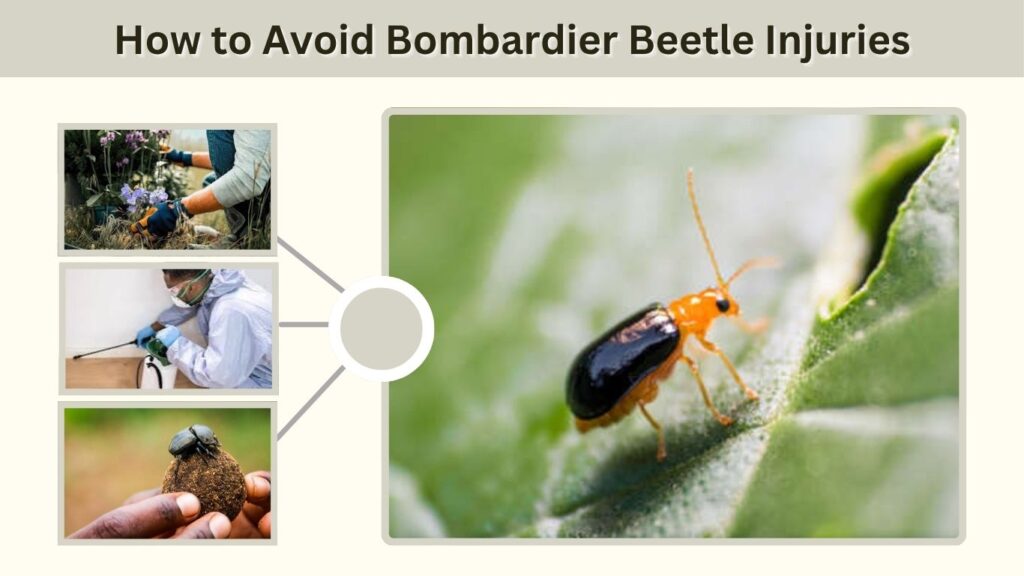
Bombardier beetles are generally beneficial ground-dwelling insects that help control other small invertebrates. They usually prefer escaping rather than confronting people.
Simple precautions can reduce accidental exposure:
- Avoid handling: Observe beetles without picking them up.
- Wear gloves: Use protective gloves when moving garden debris or stones.
- Keep insects away from your face: Never hold an unidentified beetle close to your eyes.
- Relocate carefully: If necessary, guide the beetle into a container without direct handling.
- Teach children insect safety: Explain why unfamiliar beetles should not be squeezed or collected by hand.
Bombardier beetles typically do not require pest control. Allowing them to remain in suitable outdoor habitats is generally the safest approach.
FAQs
1. Does Bombardier Beetle Spray Hurt Humans?
Yes. Bombardier beetle spray can cause burning sensations, skin irritation, and sometimes burns. The severity depends on the amount of liquid and the affected body part.
2. Can Bombardier Beetles Kill Humans?
Bombardier beetles are not considered a lethal threat to humans during ordinary encounters. However, their defensive spray can cause injuries that require medical treatment.
3. Is Bombardier Beetle Spray Acidic?
True bombardier beetles primarily discharge irritating benzoquinones rather than a simple stream of acid. Some false bombardier beetles, however, produce formic-acid-rich defensive secretions.
4. Are Bombardier Beetles Poisonous to Touch?
Bombardier beetles do not normally harm people through casual contact with their outer bodies. Their main danger comes from the defensive chemical spray they release when threatened.
5. Do Bombardier Beetles Attack Humans on Purpose?
No. Bombardier beetles do not actively seek out humans to attack. They discharge their chemicals primarily to defend themselves from perceived threats.