
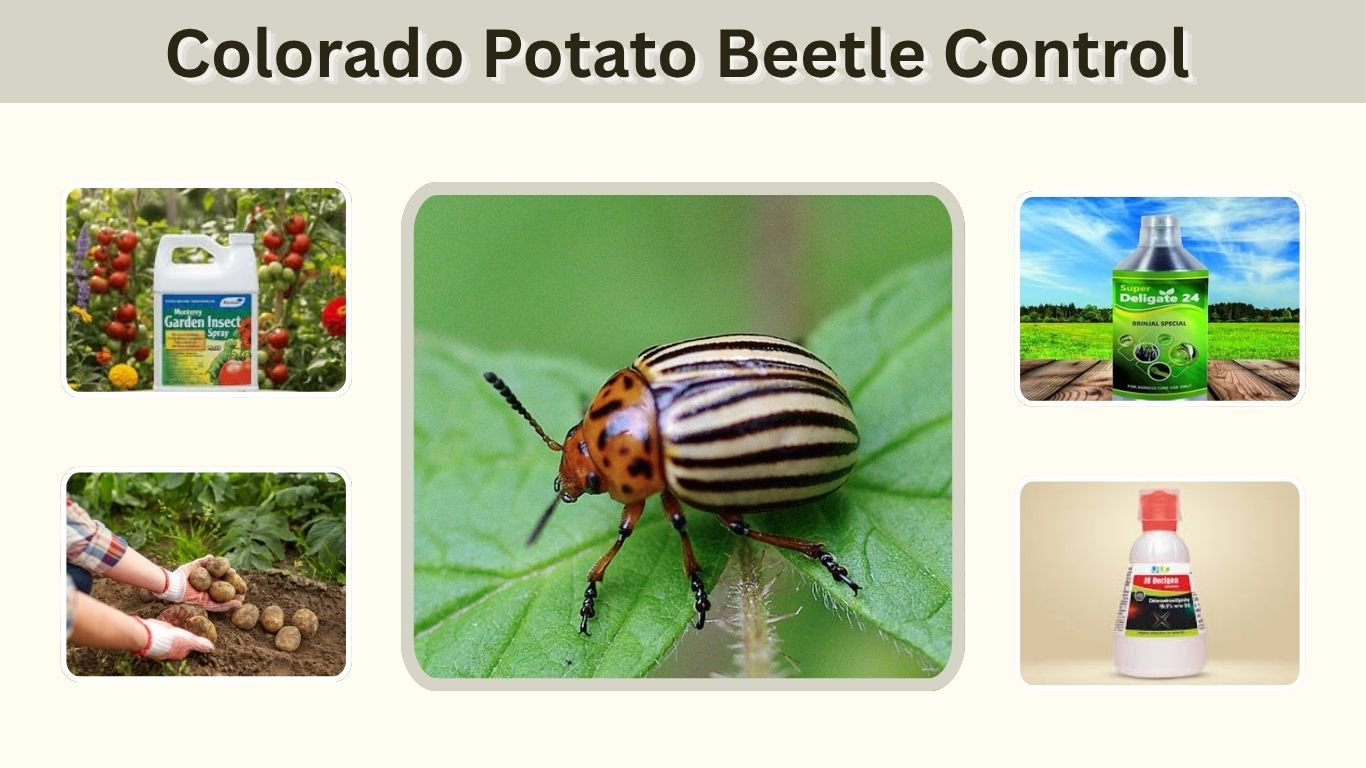
Colorado potato beetle control is essential for protecting potato plants from serious leaf damage and reduced crop yields. These yellow-and-black striped beetles feed on potato foliage, while their larvae can quickly strip leaves during the growing season. Fortunately, gardeners can manage infestations using hand removal, crop rotation, biological treatments, and carefully selected insecticides. Early treatment is particularly important because young larvae are easier to eliminate than mature beetles. This guide explains 10 effective Colorado potato beetle control methods, including organic, natural, biological, and chemical solutions.
Why Is Colorado Potato Beetle Control Important?
Colorado potato beetles (Leptinotarsa decemlineata) are among the most troublesome pests of potatoes and eggplants. Both adults and larvae chew leaves, reducing the plant’s ability to produce energy through photosynthesis.
Severe infestations can leave potato plants nearly leafless. Without timely management, this damage can reduce tuber size and overall harvest quality.
Signs Your Potato Plants Need Treatment
Look for these common infestation signs:
- Yellow-and-black striped adult beetles on leaves.
- Clusters of bright orange eggs beneath foliage.
- Reddish-orange larvae with black spots.
- Irregular holes and chewed leaf edges.
- Rapid leaf loss and exposed stems.
Potatoes may tolerate considerable early leaf damage, but they become more vulnerable when tubers begin forming. The University of Minnesota Extension notes that tolerance may decline to approximately 10% defoliation at tuber initiation.
10 Effective Colorado Potato Beetle Control Methods
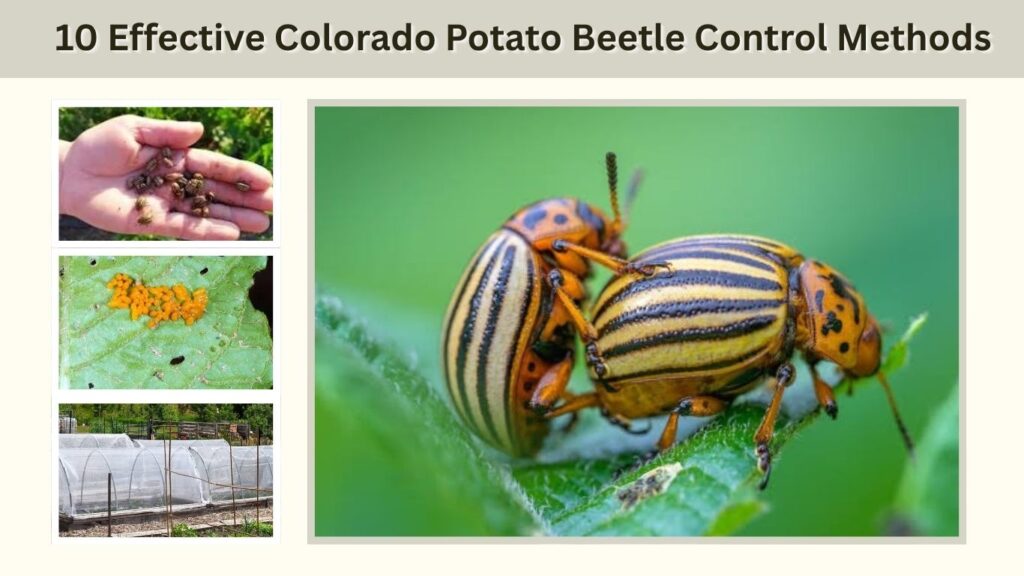
Successful Colorado potato beetle control involves combining physical, cultural, and biological approaches. No single treatment guarantees complete protection, especially because this beetle has developed resistance to many insecticides.
For small gardens, begin with manual removal and prevention. Add appropriately labeled treatments when beetle populations increase or threaten crop growth.
1. Handpick Adult Colorado Potato Beetles
Handpicking is one of the simplest ways to control Colorado potato beetles in home gardens.
Inspect potato plants regularly, particularly in spring when overwintered adults first appear. Remove visible beetles and drop them into a bucket containing soapy water.
This method is especially useful when infestations are small. Frequent inspections prevent adults from laying large numbers of eggs and producing additional larvae.
2. Remove Colorado Potato Beetle Eggs
Removing eggs is an effective way to interrupt the beetle’s reproductive cycle before larvae begin feeding.
Female beetles lay groups of yellow-orange eggs on the undersides of leaves. Carefully inspect these areas and crush egg clusters or remove affected leaf sections when necessary.
Avoid removing beneficial insect eggs accidentally. Lady beetle eggs can look similar to Colorado potato beetle eggs, although their size and coloration may differ.
3. Install Floating Row Covers
Floating row covers provide a physical barrier that prevents adult beetles from reaching young potato plants.
Install insect-proof covers immediately after planting or before overwintered adults begin emerging. Secure the edges tightly against the soil to prevent beetles from crawling underneath.
Row covers work best when plants and soil beneath them are free from existing beetles. Remove or adjust covers as needed for plant maintenance and growing conditions.
4. Practice Crop Rotation
Crop rotation helps reduce infestations by separating newly planted potatoes from areas where adult beetles overwintered.
Avoid planting potatoes, eggplants, or related nightshade crops in the same location every year.
Moving crops a short distance within a small garden may offer limited protection because adult beetles can walk or fly to new plants. Greater separation is more beneficial.
Research summarized by the University of Minnesota suggests that separating new potato fields by at least one-quarter mile from previous infested fields can reduce early infestations.
5. Remove Wild Nightshade Weeds
Wild nightshade plants can provide alternative food sources for Colorado potato beetles.
Removing susceptible weeds around potato fields and gardens helps reduce nearby host plants.
Pay particular attention to horsenettle and other wild nightshades. Identify weeds correctly before removal, since some unrelated native plants may support beneficial insects.
Weed management works best when combined with crop rotation and regular beetle monitoring.
6. Use Straw Mulch Around Potato Plants
Straw mulch can help discourage adult beetles from settling on potato plants.
A suitable mulch layer also suppresses weeds, moderates soil temperature, and helps conserve moisture.
Spread clean straw around established plants without burying the stems excessively. Monitor beneath the mulch for unwanted pests and maintain suitable soil moisture.
Field research has found that straw-mulched potatoes can experience reduced beetle colonization and egg laying.
7. Apply Neem-Based Treatments
Neem-derived insecticides are sometimes useful for controlling young Colorado potato beetle larvae.
Products containing azadirachtin can interfere with insect feeding and development. However, neem oil formulations vary, and not every product contains the same active ingredients or has equivalent effectiveness.
Select a product specifically labeled for Colorado potato beetles on potatoes. Apply according to the label, preferably while larvae are small.
Neem treatments generally become less reliable once larvae are large or infestations are severe.
8. Use Spinosad for Larvae Control
Spinosad is a naturally derived insecticide used against several garden pests, including Colorado potato beetles.
It works by affecting the insect nervous system after contact or ingestion. Young larvae are important treatment targets, although some formulations can affect older stages.
Apply only a product labeled for Colorado potato beetle control on potatoes. Avoid spraying flowering plants when bees are visiting, and follow all pollinator-protection restrictions.
Some spinosad formulations are approved for organic production, but approval varies by product. Resistance has also been reported in certain beetle populations.
9. Try Beetle-Specific Bt Products
Certain strains of Bacillus thuringiensis (Bt) can control young Colorado potato beetle larvae.
Products based on B. thuringiensis subsp. tenebrionis have been developed specifically for susceptible leaf beetles.
The larvae must consume treated foliage for the bacteria-derived toxins to work. Early applications are therefore important.
Not every Bt product controls potato beetles. Common Bt formulations intended for caterpillars may be ineffective, and beetle-specific products are not available in every market.
10. Encourage Natural Predators
Several beneficial insects feed on Colorado potato beetle eggs and larvae.
Predatory stink bugs, ground beetles, and certain lady beetles help reduce developing populations.
Protecting these natural enemies can support long-term pest management. Avoid unnecessary broad-spectrum insecticides and maintain suitable habitats for beneficial insects.
Natural predators rarely provide complete control during heavy infestations, but they can reduce pest pressure when combined with other methods.
Biological Control of Colorado Potato Beetles
Biological control uses predators, pathogens, and other living organisms to suppress pest populations.
In addition to predatory insects, the fungus Beauveria bassiana can infect Colorado potato beetles. Some commercial fungal insecticides contain this organism.
Unlike fast-acting chemical products, fungal treatments may require favorable environmental conditions and time to affect beetle populations. Their effectiveness can vary with temperature, humidity, formulation, and application quality.
Natural enemies are most valuable as part of an integrated pest management program rather than as a guaranteed standalone solution.
Chemical Control of Colorado Potato Beetles
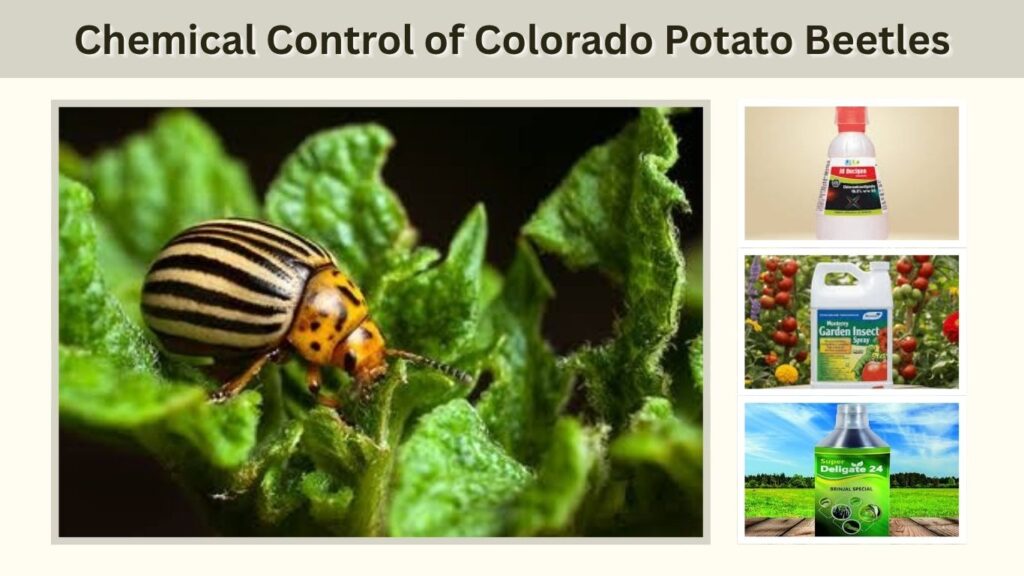
Chemical control may be necessary when large infestations threaten crop production and other methods cannot prevent significant damage.
However, choosing an effective insecticide requires consideration of resistance, treatment timing, and product registration.
Best Insecticides for Colorado Potato Beetles
Several active ingredients are used in commercial potato production, including spinosad, chlorantraniliprole, cyantraniliprole, and other registered insecticides.
The RNA-based active ingredient ledprona is another control option used in certain commercial potato production systems.
No single insecticide is universally best. Effectiveness depends on local resistance patterns, beetle development stages, and the specific product label.
How to Prevent Insecticide Resistance
Colorado potato beetles are especially capable of developing pesticide resistance.
The University of Minnesota reports resistance to more than 50 insecticide active ingredients. Repeatedly using the same chemical group can make control increasingly difficult.
Rotate insecticides with different IRAC mode-of-action group numbers when treatment is required. Do not increase rates beyond the label, and avoid unnecessary applications.
Always follow local pesticide regulations, crop labeling, protective equipment requirements, and preharvest intervals.
When Is the Best Time to Control Colorado Potato Beetle Larvae?
The most effective treatment period is generally shortly after eggs begin hatching.
Small larvae are more vulnerable to biological and chemical treatments than older larvae. Larger larvae also consume substantially more foliage, increasing potential damage before treatments take effect.
Monitor egg clusters and inspect plants frequently during warm weather. The University of Wisconsin–Madison recommends carefully timing many insecticide applications around early larval emergence and egg hatch.
Does Diatomaceous Earth Control Colorado Potato Beetles?
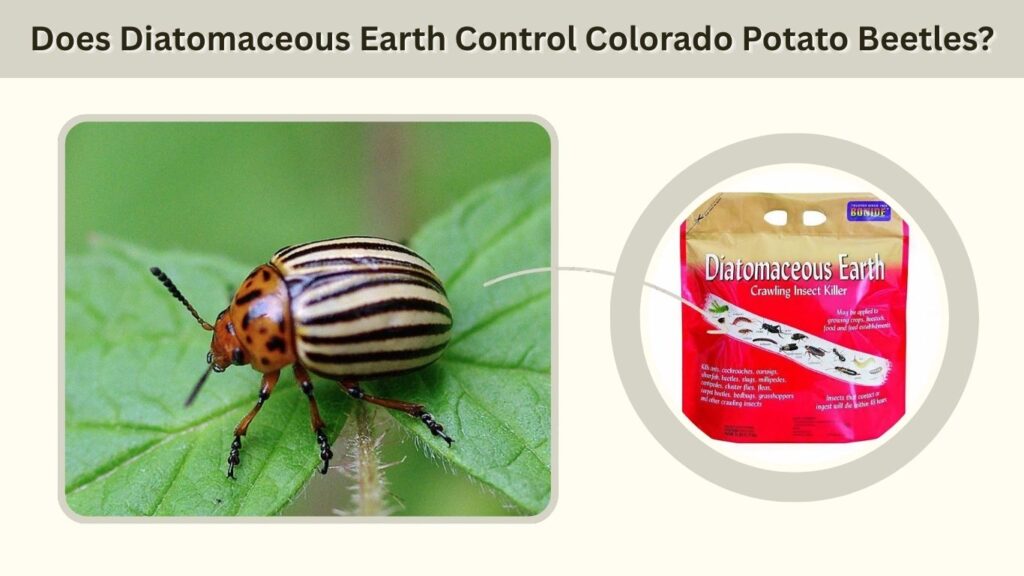
Diatomaceous earth is sometimes promoted as a natural insect-control treatment. Its abrasive and absorbent particles can damage certain insects’ protective outer layers.
However, it is generally unreliable against adult Colorado potato beetles because of their hard body coverings.
Research has found some effects against young larvae but limited success against adults. Wet conditions can further reduce effectiveness.
For most gardeners, hand removal and properly labeled larval treatments are more dependable approaches.
How to Prevent Future Colorado Potato Beetle Infestations
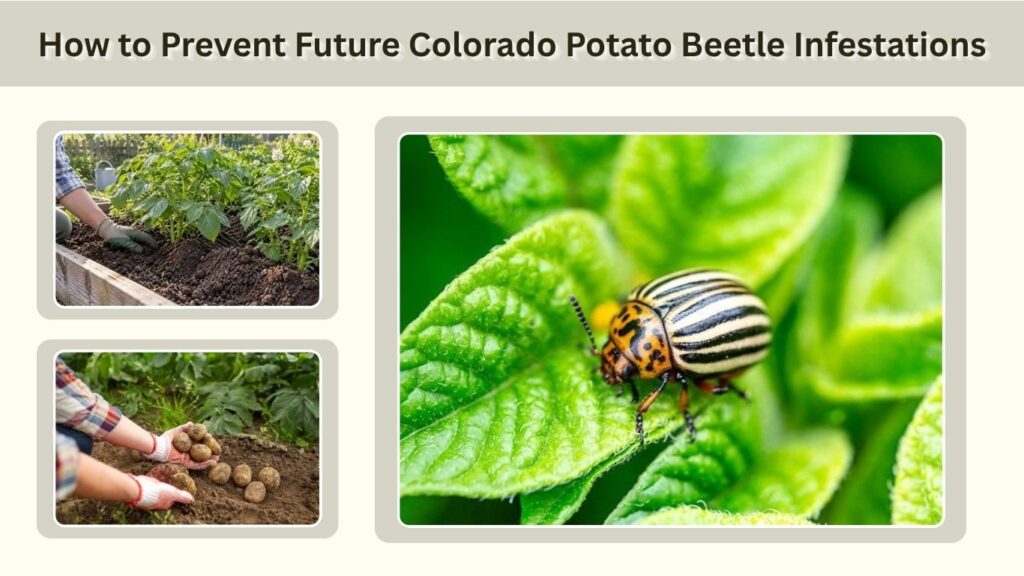
Long-term Colorado potato beetle management begins before insects appear on potato plants. Preventive practices reduce overwintering survival opportunities, limit beetle movement, and make developing infestations easier to identify.
Preventive Control Checklist
- Inspect potato plants regularly from emergence.
- Remove adult beetles before significant egg laying.
- Rotate potato crops whenever practical.
- Remove susceptible nightshade weeds.
- Protect young plants with properly installed row covers.
- Encourage beneficial predatory insects.
- Use insecticides only when necessary and rotate modes of action.
Combining these practices generally provides more reliable protection than depending on one treatment throughout the growing season.
FAQs
1. What Is the Best Way to Control Colorado Potato Beetles?
Handpicking adults, removing eggs, and targeting young larvae are effective approaches in small gardens. Crop rotation and selective insecticides can provide additional protection when pest populations increase.
2. What Kills Colorado Potato Beetles Naturally?
Hand removal, beetle-specific Bt formulations, azadirachtin, and appropriately labeled spinosad products can help. Effectiveness varies by insect growth stage, formulation, and local resistance.
3. Does Spinosad Kill Colorado Potato Beetle Larvae?
Yes. Spinosad can control Colorado potato beetle larvae when a suitable labeled formulation is applied correctly. Resistance may reduce effectiveness in some locations.
4. Can Diatomaceous Earth Kill Colorado Potato Beetles?
Diatomaceous earth may affect young larvae under suitable conditions, but it generally provides poor control of adult beetles. It should not be relied upon as the primary treatment.
5. How Often Should You Check Potato Plants for Beetles?
Inspect potato plants every few days during active beetle emergence and egg laying. Frequent monitoring helps detect small larvae before they cause severe foliage damage.
