
Protect Your Home From Common Moth Problems
We help homeowners understand moth infestations, identify warning signs, and use effective prevention methods. At MothInsects.com, we combine expert advice with detailed guides to help you keep your home clean, protected, and moth-free all year long.
Our Blog About Us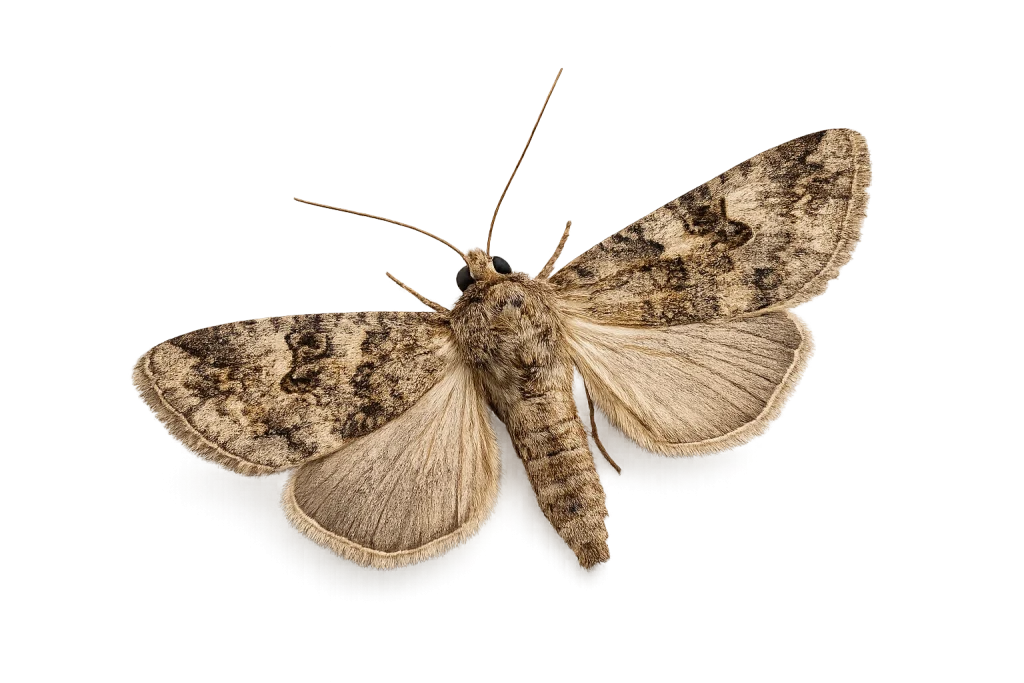
Moth Identification Guide
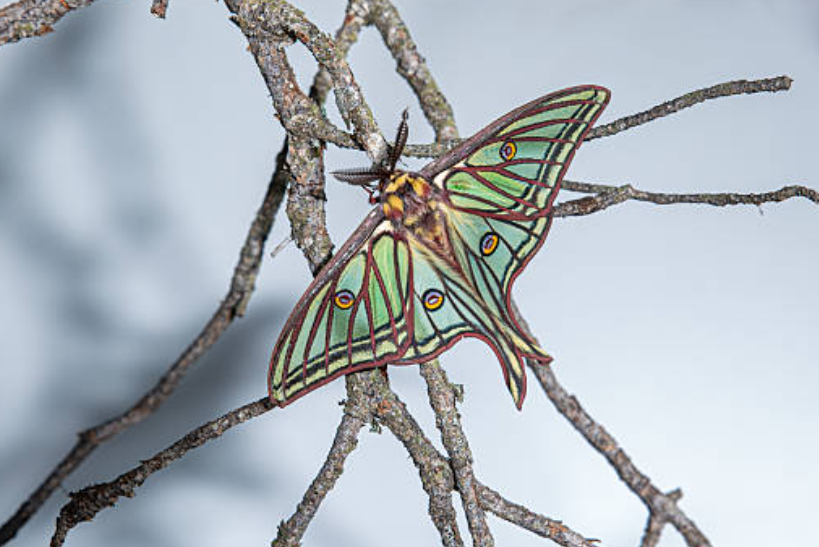
- Size: Small to medium depending on species.
- Body: Soft, slender body covered with tiny scales.
- Wings: Broad wings with unique colors and patterns.
- Antennae: Feather-like or thin antennae used for sensing.
- Color: Brown, gray, white, black, or brightly patterned.
- Activity: Mostly active at night and attracted to light.
Featured On


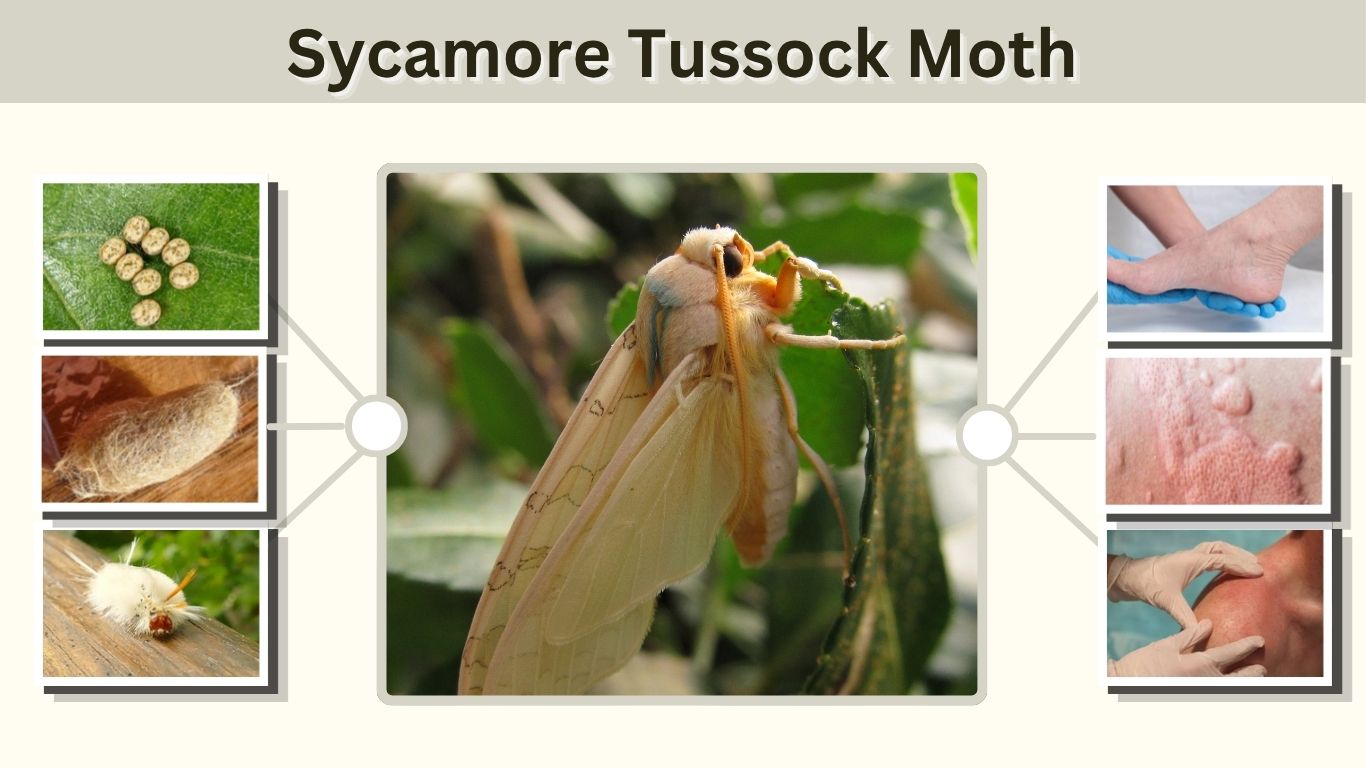
Sycamore Tussock Moth: Caterpillars, Rash, Diet & Life Cycle
August 27, 2026
The sycamore tussock moth is best recognized by its fluffy caterpillar, which carries pale hairs and distinctive orange tufts. Often found around sycamore trees, this
Read more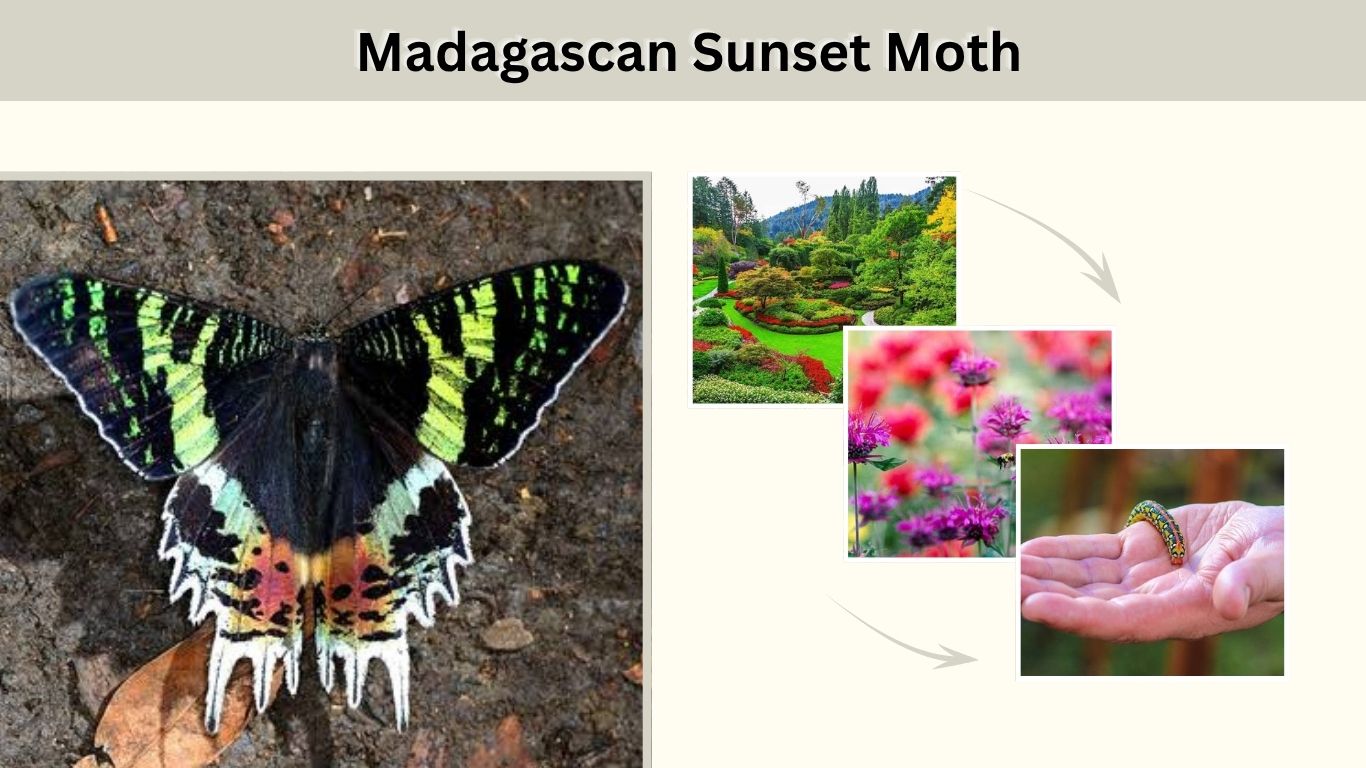
Madagascan Sunset Moth: Colors, Habitat, Diet and Life Cycle
August 27, 2026
The Madagascan sunset moth looks like a butterfly painted in metallic green, orange, blue, and red. Despite its dazzling appearance and daytime activity, it is
Read more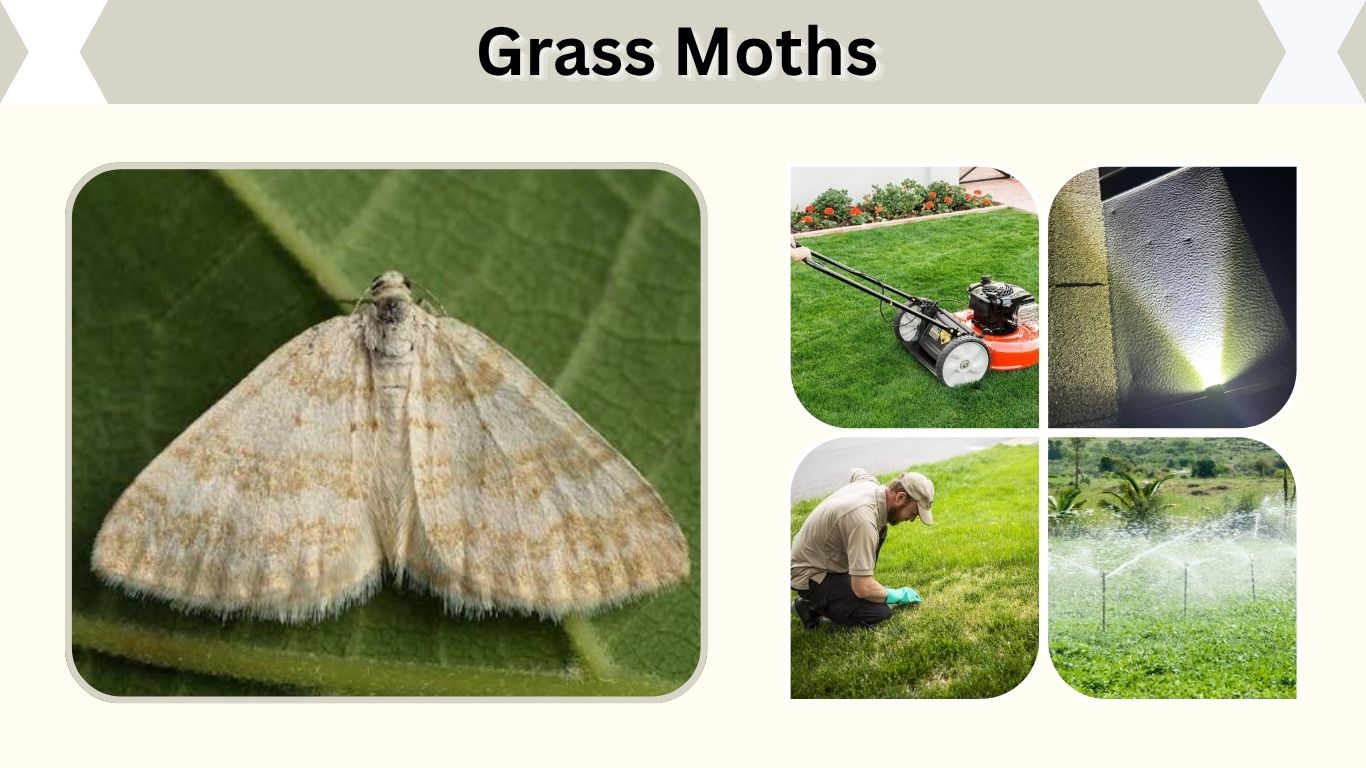
Grass Moths: Identification, Lawn Damage and Control Methods
August 27, 2026
Grass moths are the small moths that flutter up when you walk across a lawn or brush past long grass. Their sudden appearance can suggest
Read more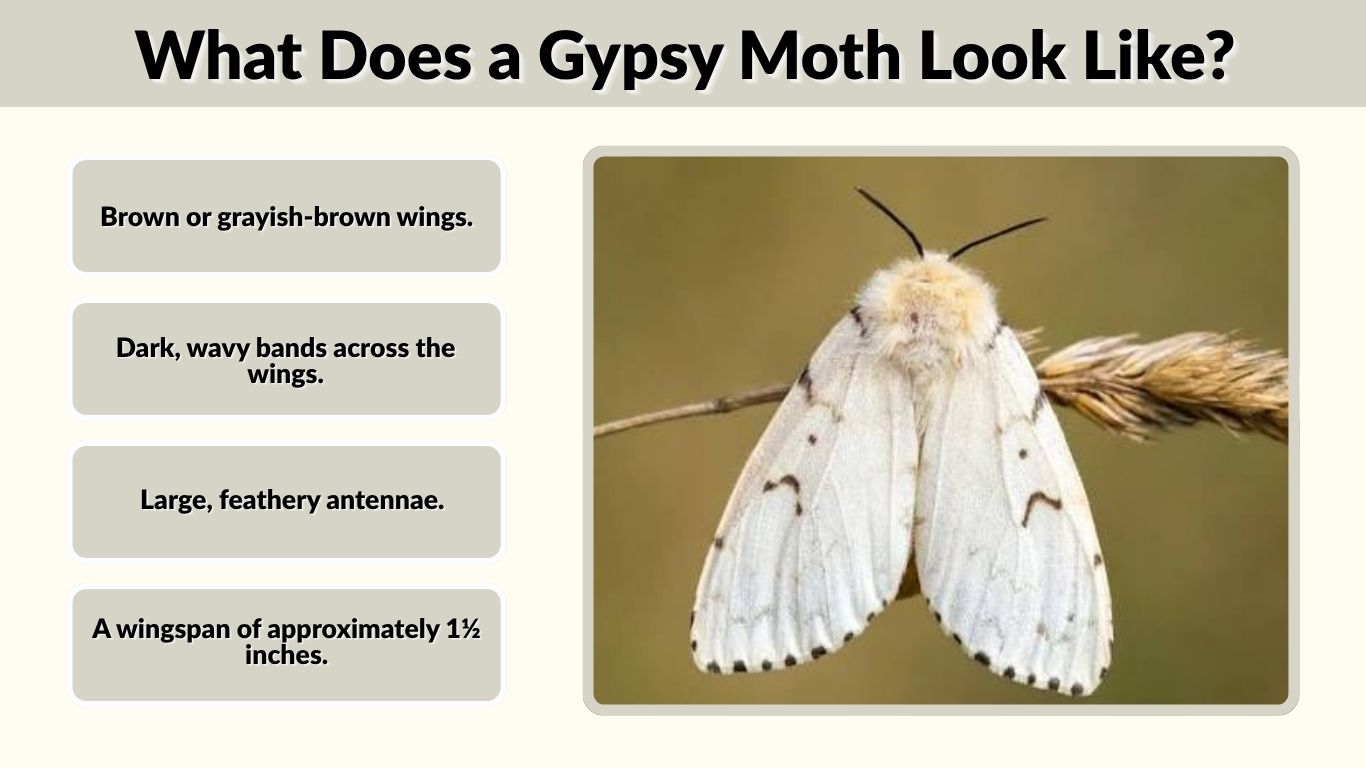
What Does a Gypsy Moth Look Like? Eggs, Larvae & Adults
August 26, 2026
A gypsy moth, now officially called a spongy moth, looks different at each stage of its development. Adult males are small and brown, while females
Read more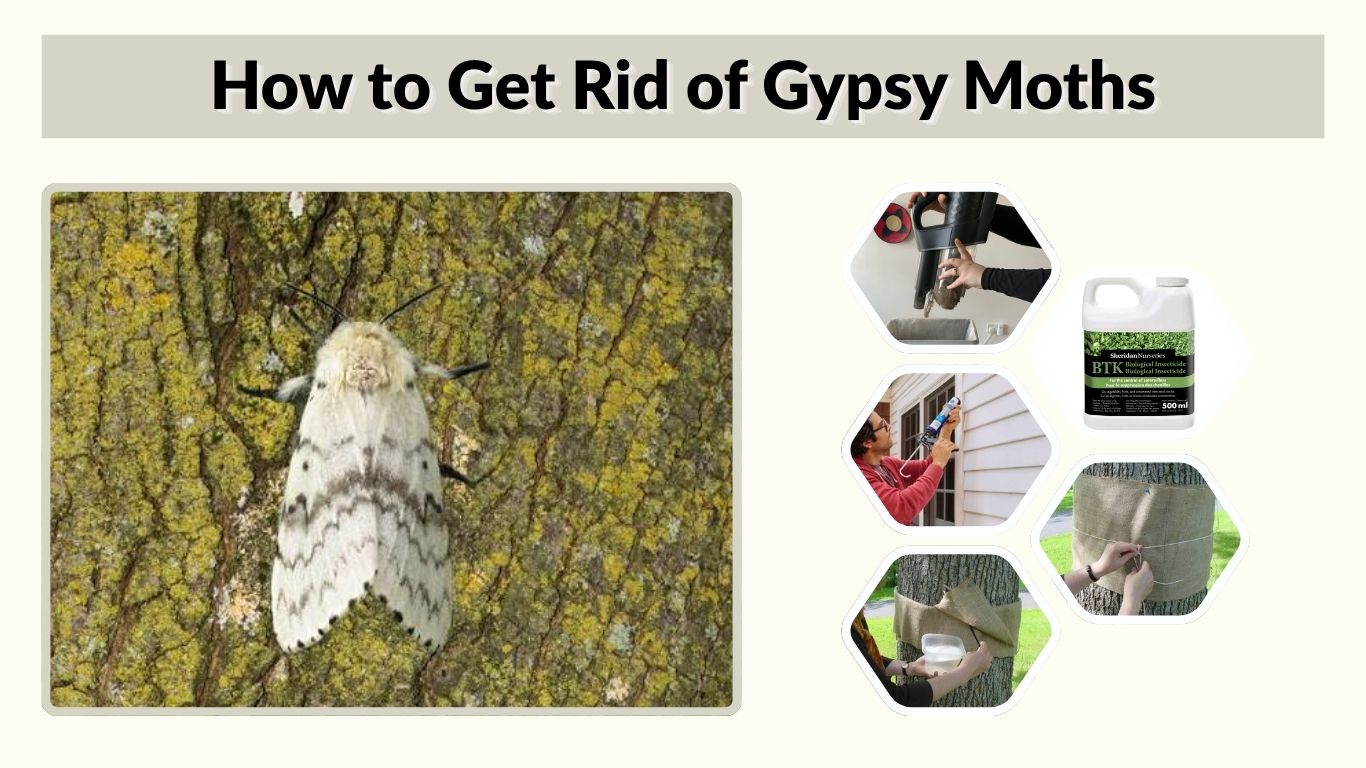
How to Get Rid of Gypsy Moths Naturally and Safely
August 26, 2026
The best way to get rid of gypsy moths—now officially called spongy moths—is to target different life stages at the correct time. Remove egg masses
Read more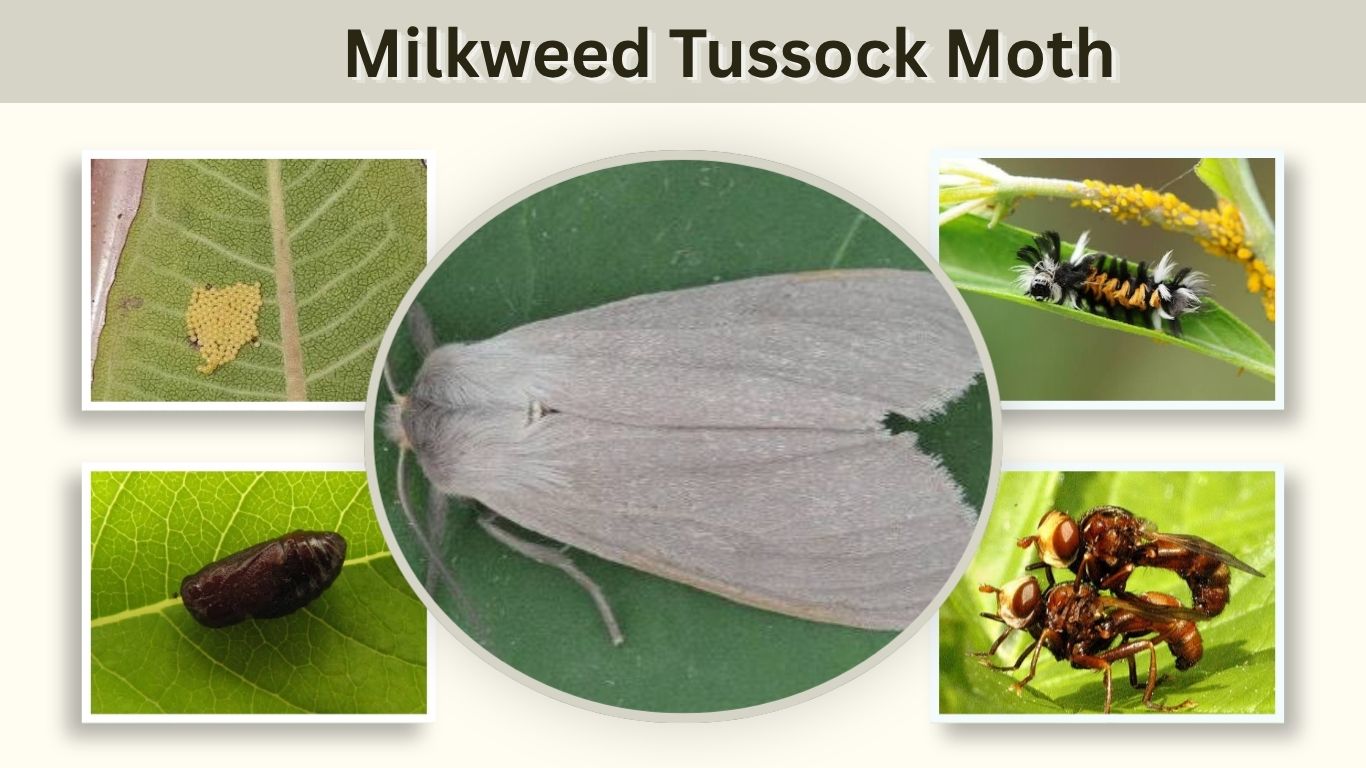
Milkweed Tussock Moth: Identification and Life Cycle
August 26, 2026
The milkweed tussock moth (Euchaetes egle) is a native North American moth best recognized by its fuzzy orange, black, and white caterpillar. Colonies feed together
Read more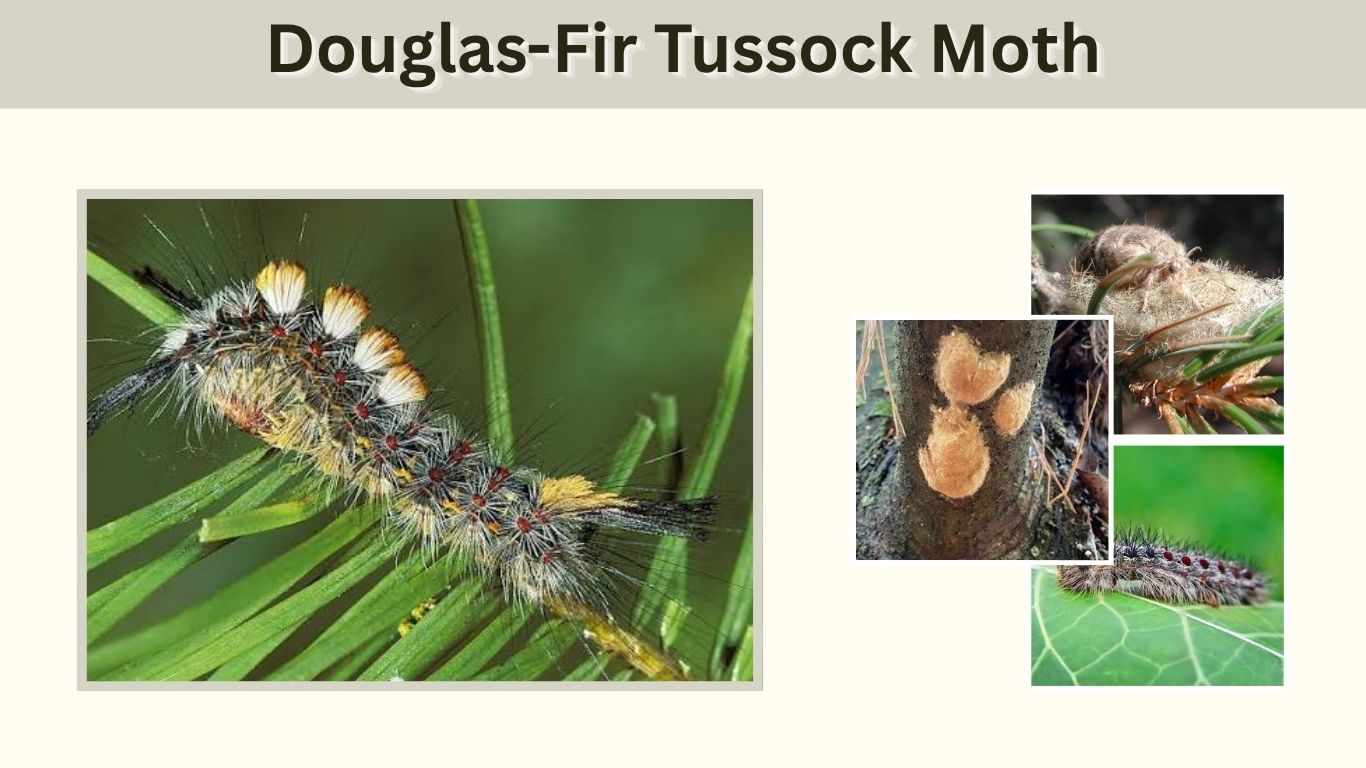
Douglas-Fir Tussock Moth: Identification, Rash, and Control
August 26, 2026
The Douglas-fir tussock moth (Orgyia pseudotsugata) is a native western North American moth whose caterpillars feed on Douglas-fir, true firs, and spruce trees. During periodic
Read more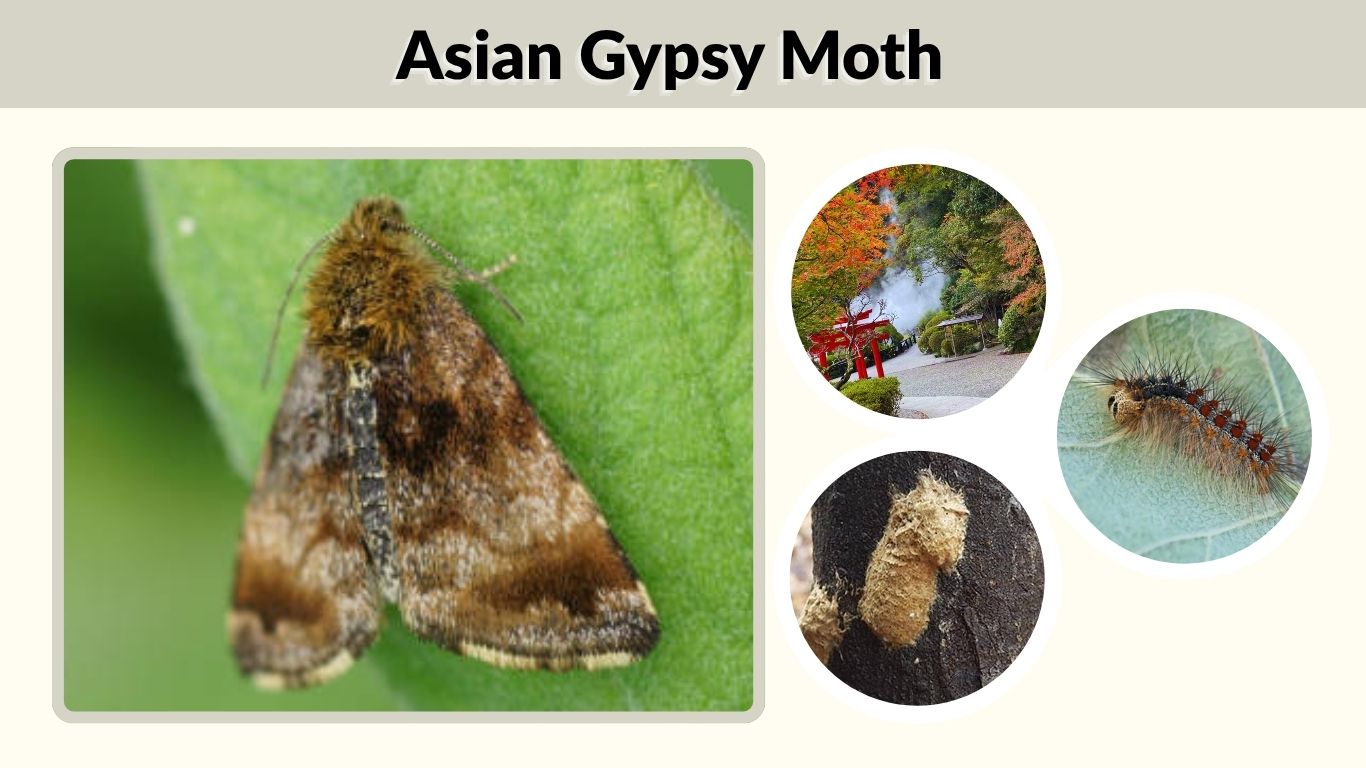
Asian Gypsy Moth: Identification, Damage and Inspection
August 25, 2026
The Asian gypsy moth is an invasive forest pest now officially called the flighted spongy moth complex. Unlike the established European spongy moth, adult Asian-form
Read more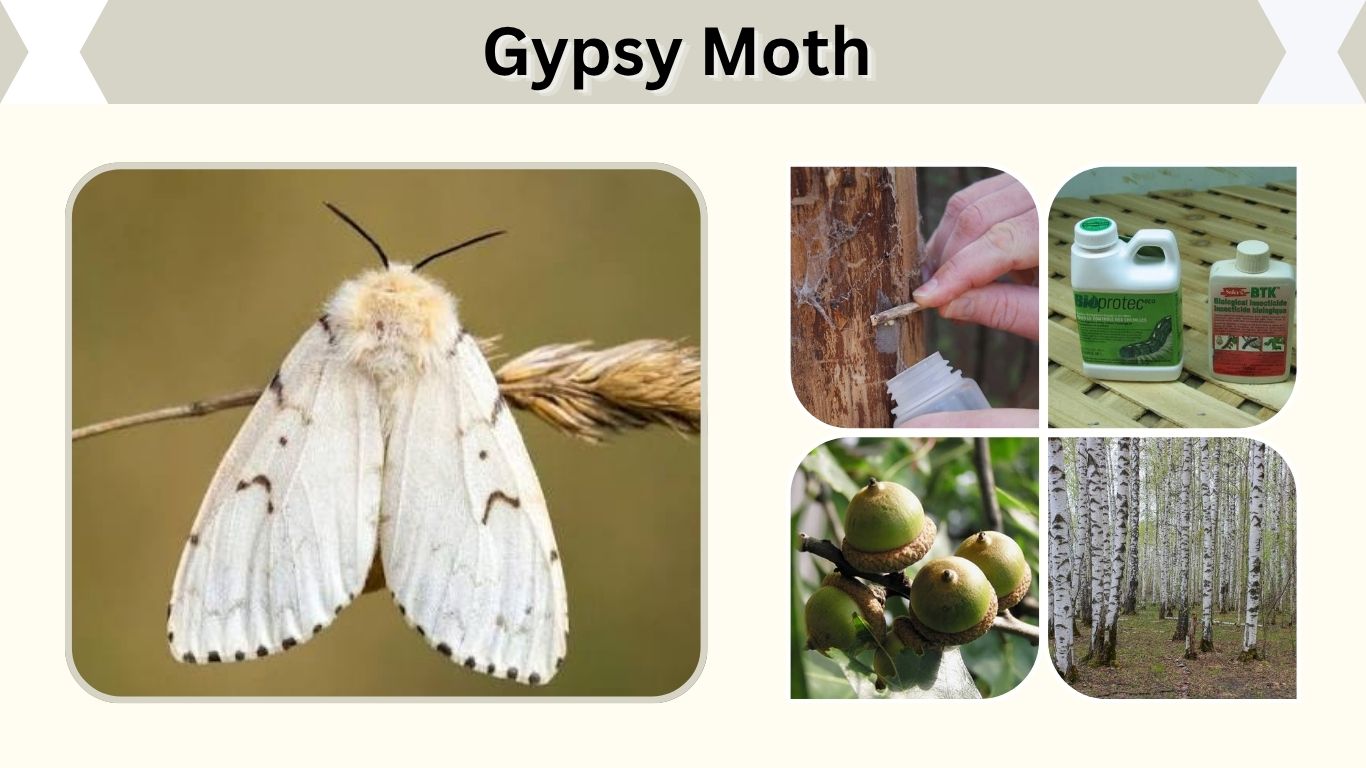
Gypsy Moth: Identification, Damage and Control Guide
August 25, 2026
The gypsy moth, now officially called the spongy moth, is an invasive insect capable of stripping leaves from entire forests. Its caterpillars feed on hundreds
Read more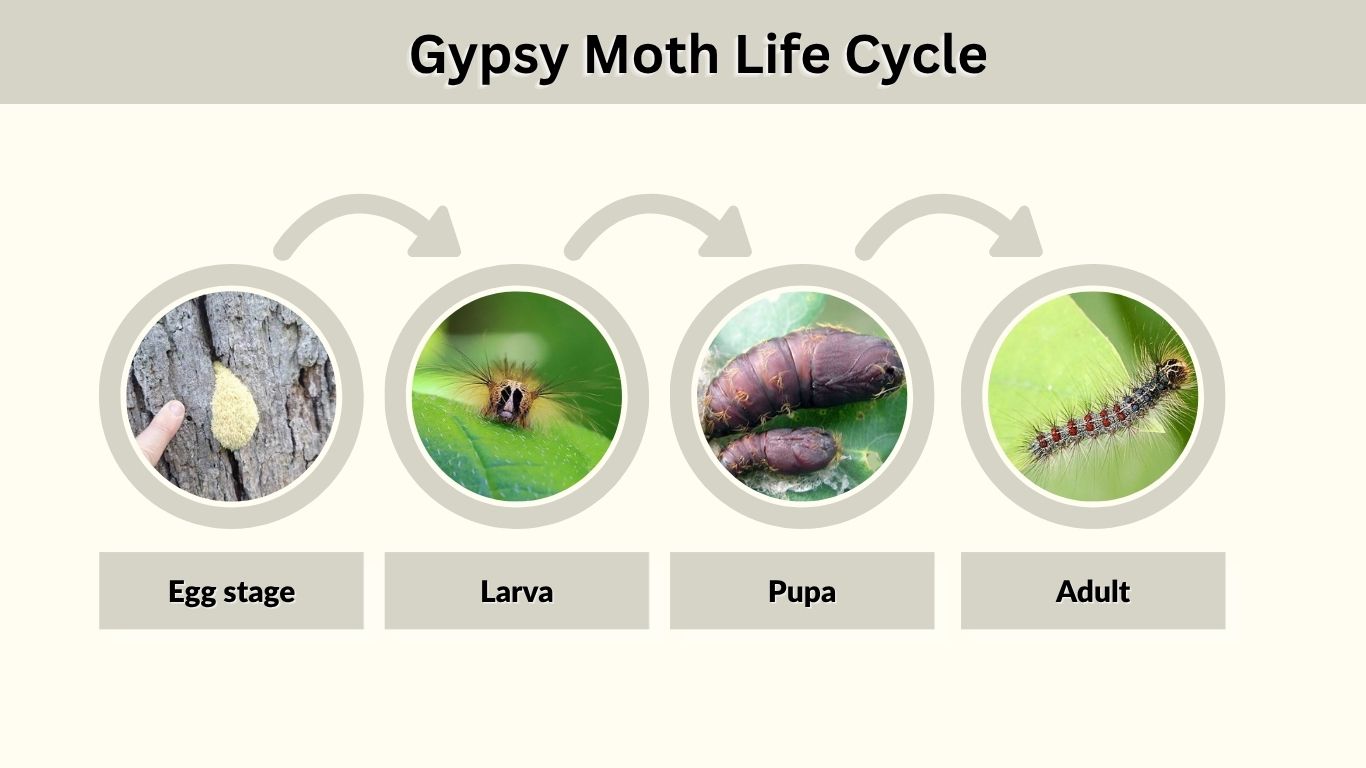
Gypsy Moth Life Cycle: From Egg to Adult Moth
August 25, 2026
The gypsy moth, now officially called the spongy moth, completes four distinct life stages: egg, larva, pupa, and adult. Although adult moths survive for only
Read more