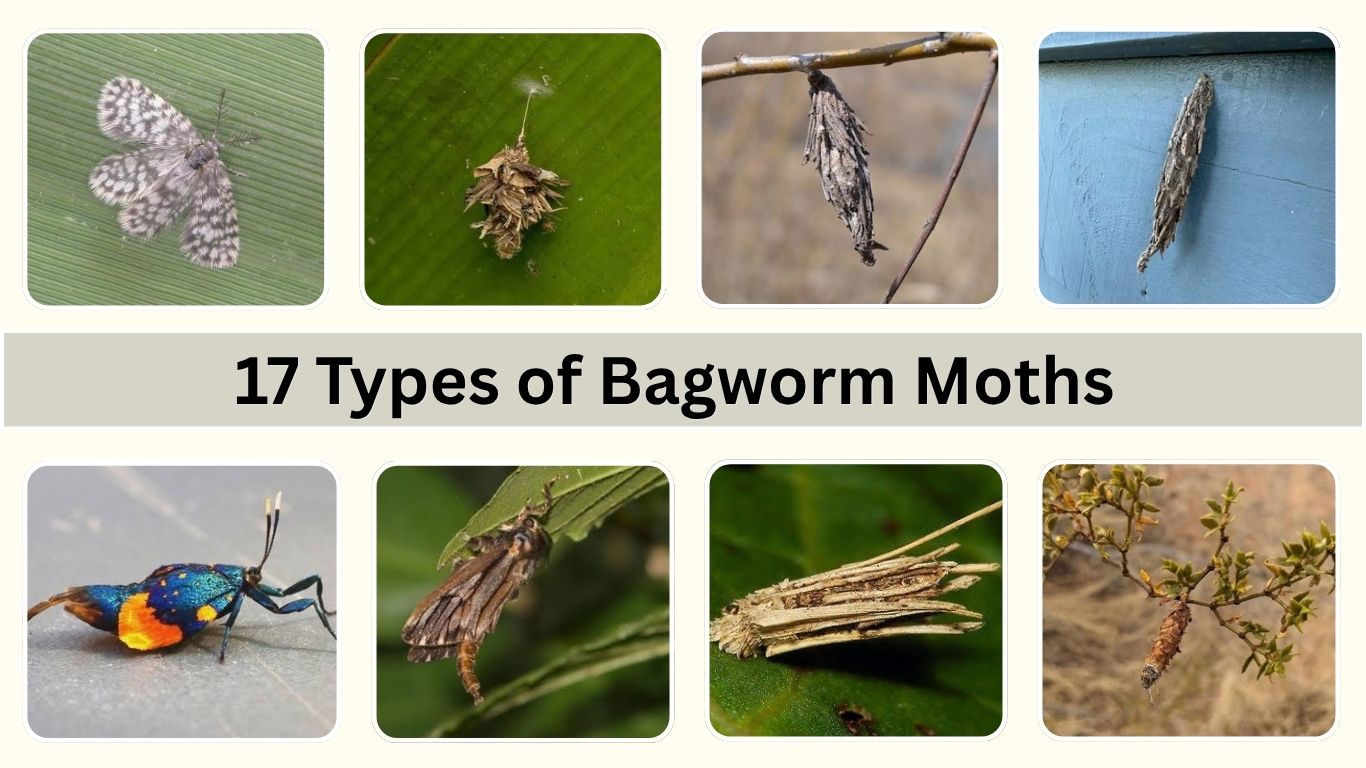
Bagworm moths are unusual insects best known for the portable cases their larvae build from silk, leaves, twigs, grass, bark, and other natural materials. These protective bags help the caterpillars stay hidden while they feed and develop. Different bagworm species live in forests, grasslands, deserts, gardens, and even coastal habitats. In this guide, you’ll discover 17 types of bagworm moths, along with their identification features, habitats, feeding behavior, distribution, and lifecycle.
1. Evergreen Bagworm Moth
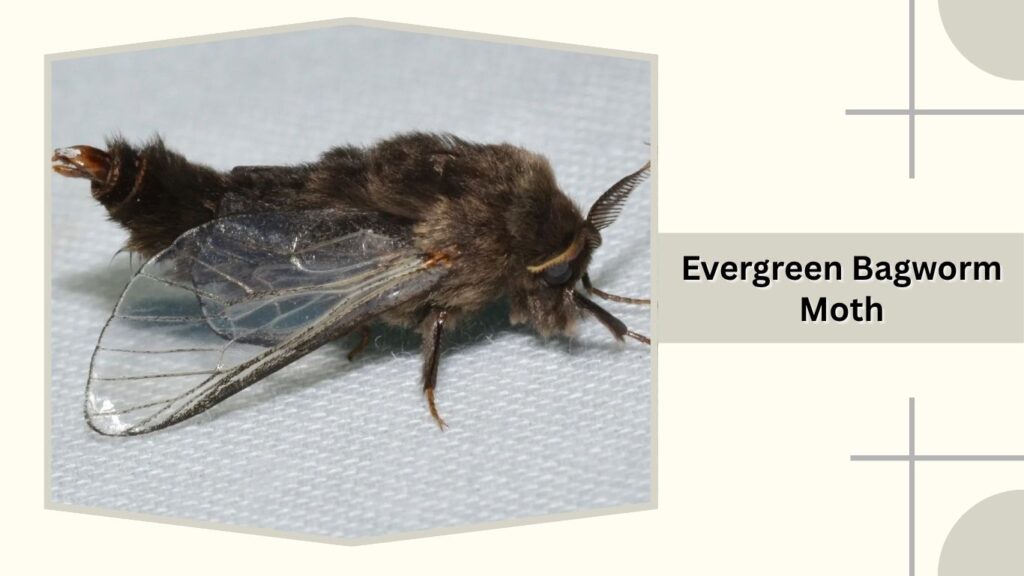
The Evergreen Bagworm Moth is one of the best-known bagworm species in North America. Its caterpillars create distinctive silk bags covered with pieces of leaves, needles, and twigs from the plants they feed on. These portable shelters help them remain camouflaged while moving and feeding. The species commonly attacks arborvitae, juniper, cedar, spruce, and several other trees and shrubs.
Identification
- Scientific name: Thyridopteryx ephemeraeformis
- Larval length: Mature caterpillars can reach about 35 mm.
- Bag appearance: Large, spindle-shaped silk case covered with pieces of host foliage.
- Larval color: Generally dark brown to purplish brown with lighter markings.
- Adult male: Dark, hairy-bodied moth with transparent wings and feathery antennae.
- Adult female: Wingless and remains inside the protective bag.
- Common host plants: Arborvitae, juniper, cedar, white pine, spruce, and other woody plants.
Habitat and Distribution
Evergreen Bagworm Moths are widely distributed through the eastern United States. They are especially common in landscaped areas, gardens, parks, windbreaks, and residential plantings containing evergreen trees and shrubs. Sunny locations with arborvitae, junipers, redcedars, or spruces can support noticeable populations. They also occur on some deciduous trees and shrubs, although damage is often most serious on needled evergreens.
Behavior and Diet
The caterpillar carries its bag wherever it feeds. It extends its head and front legs from the opening, clips foliage, and then retreats inside when disturbed. As the larva grows, it enlarges the bag and adds fresh pieces of vegetation. Feeding can cause extensive browning and defoliation, particularly on arborvitae and juniper. Severe infestations may weaken or even kill heavily damaged plants.
Lifespan and Lifecycle
Evergreen Bagworms generally produce one generation each year. Eggs overwinter inside the previous year’s female bag and hatch in late spring or early summer. Young larvae may disperse on silk threads carried by the wind before settling on plants and constructing their own bags. They feed through summer, then attach their mature bags firmly to branches and pupate. Adult males emerge and fly to females, while females remain inside their bags, mate there, lay eggs, and complete the cycle.
2. Snailcase Bagworm
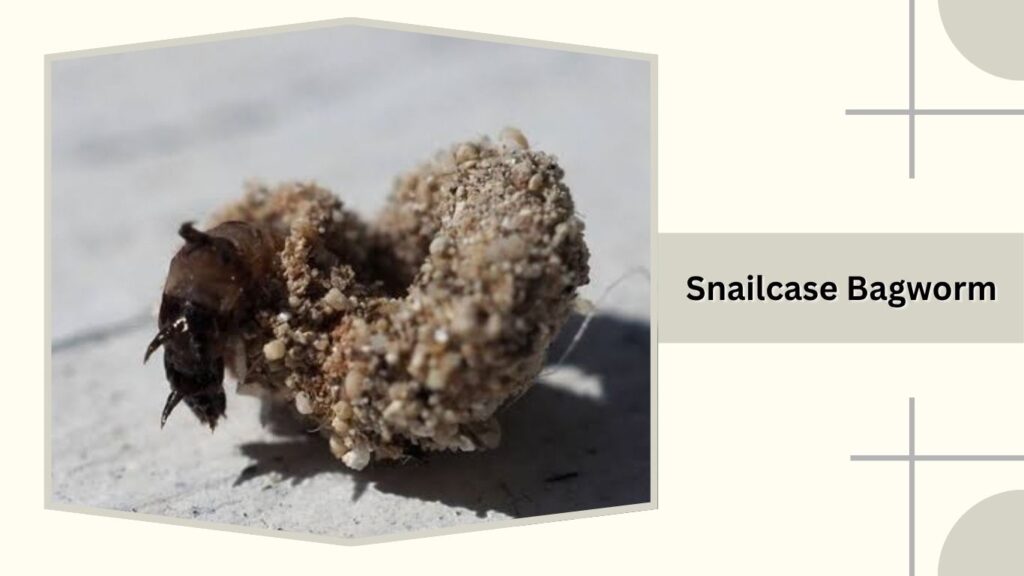
The Snailcase Bagworm is an unusual bagworm moth named for the tightly coiled case carried by its caterpillar. Instead of decorating its shelter mainly with leaves and twigs, it uses silk mixed with soil particles and other fine material, creating a case that resembles a tiny snail shell. The form established in North America reproduces without males.
Identification
- Scientific name: Apterona helicoidella
- Case shape: Distinctive spiral or snail-shell-like case
- Case material: Silk combined with soil and fine particles
- Adult female: Wingless and remains within the case
- Male: Absent in the parthenogenetic North American form
- Feeding signs: Small excavated or scraped patches on leaves
- Hosts: Numerous cultivated and wild plants
Habitat and Distribution
The Snailcase Bagworm originated in Europe and was accidentally introduced into the United States during the 1940s. It has since been reported from the Mid-Atlantic region as well as several western and interior states. It inhabits gardens, agricultural areas, landscapes, roadsides, and places around buildings. Cases are frequently attached to fences, walls, posts, tree trunks, and other firm surfaces.
Behavior and Diet
Larvae feed on a remarkably broad range of plants, including vegetables, ornamentals, fruit trees, legumes, herbs, and weeds. While feeding, the caterpillar remains protected inside its case and exposes only the front of its body. Leaf damage normally consists of small scraped areas and is usually minor, although large populations can occasionally affect cultivated plants.
Lifespan and Lifecycle
Young caterpillars overwinter within their mother’s case. During spring, they disperse on silk threads and construct their own curved cases before beginning to feed. The North American form consists of females capable of parthenogenetic reproduction, meaning eggs develop without mating. Adult females remain wingless and live within their cases, where they eventually produce the next generation.
3. Abbot’s Bagworm Moth
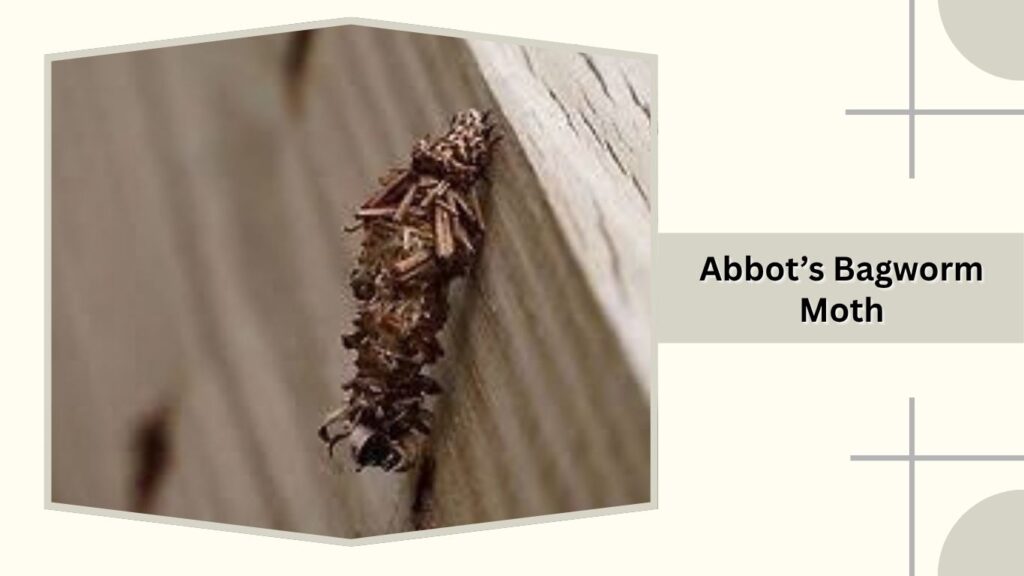
Abbot’s Bagworm Moth is a relatively large North American bagworm whose caterpillar constructs an impressive portable case covered with sticks and plant fragments. The species is particularly associated with the southeastern United States. Unlike the wingless adult female, the male develops into a recognizable winged moth and flies in search of females that remain inside their bags.
Identification
- Scientific name: Oiketicus abbotii
- Male wingspan: About 33 mm
- Larval bag: May reach roughly 69–70 mm long
- Case material: Silk covered with sticks, twigs, and vegetation
- Adult male: Winged and capable of flight
- Adult female: Wingless
- Diet: Larvae use plants from numerous families
Habitat and Distribution
Abbot’s Bagworm occurs primarily across the southeastern United States, with records extending westward to Texas. It can occur in woodlands, subtropical vegetation, gardens, parks, and landscaped areas containing suitable host plants. Records are especially numerous from Florida and other Gulf Coast states.
Behavior and Diet
The caterpillar is a generalist feeder rather than being restricted to one host tree. It moves with its bag while feeding, exposing its head and thorax to consume vegetation before retreating when disturbed. As the caterpillar grows, additional sticks and plant fragments are incorporated into the case, making it larger and more protective.
Lifespan and Lifecycle
Development takes place largely inside the bag. The larva feeds and grows while enlarging its shelter and later secures the bag before pupation. Adult males emerge with functional wings and search for females. Females remain wingless and stay within their bags, following the unusual reproductive pattern characteristic of many larger bagworm moths.
4. Nigrita Bagworm Moth
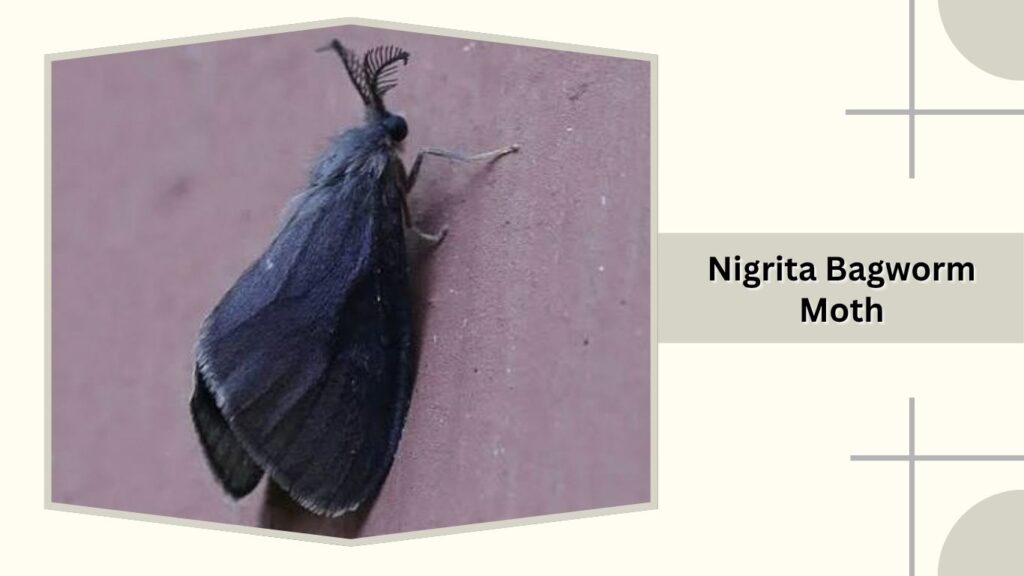
The Nigrita Bagworm Moth is a dark-colored member of the bagworm family native to the southeastern United States. Adult males are small, dark moths, whereas the larval stage lives inside a protective portable bag. Compared with well-known species such as the Evergreen Bagworm, relatively little everyday information is available about this species, although host records show that its caterpillars feed on foliage.
Identification
- Scientific name: Cryptothelea nigrita
- Family: Psychidae
- Adult male: Small and predominantly dark or blackish
- Body length: Some photographed males measure roughly 8–11 mm
- Larva: Lives within a protective bag
- Recorded hosts: Plants in Euphorbiaceae and Poaceae
- Feeding type: Leaf-feeding caterpillar
Habitat and Distribution
The species is native to the southeastern United States. Documented observations include Florida, Alabama, Texas, and other parts of the region, with occasional records farther north. Habitats are generally connected with the vegetation used by its caterpillars and may include woodland edges, gardens, subtropical landscapes, and other plant-rich environments.
Behavior and Diet
Larvae feed on leaves while remaining protected by their portable bags. Published host records include plants in the spurge and grass families, with Aleurites and Vernicia among recorded host genera. As with other bagworms, the larva can withdraw rapidly into its shelter when threatened.
Lifespan and Lifecycle
The lifecycle follows complete metamorphosis through egg, larva, pupa, and adult. Most of the visible feeding occurs during the larval stage. Once fully grown, the caterpillar uses its protective case for pupation. Adult males later emerge, while reproductive biology in bagworms generally involves much less mobile females associated closely with the larval bag.
5. Common Bagworm Moth
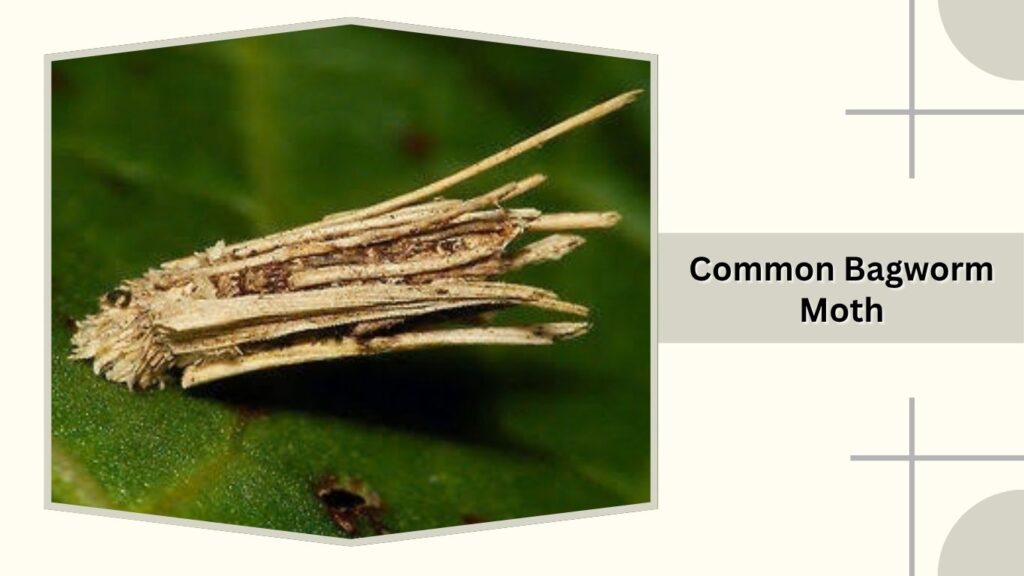
The Common Bagworm Moth is a small species whose caterpillars create cases from silk and pieces of grass or other plant material. It occurs naturally across Europe and has also become established in parts of North America. Adult males resemble small dull-brown moths, while females are wingless and grub-like, displaying the strong difference between the sexes typical of many bagworms.
Identification
- Scientific name: Psyche casta
- Male wingspan: About 12–15 mm
- Adult male: Plain, dull brown
- Adult female: Wingless and grub-like
- Larval case: Made partly from pieces of grass
- Diet: Grasses, mosses, lichens, and decaying vegetation
- Case location: Trees, foliage, fences, gates, and similar surfaces
Habitat and Distribution
The Common Bagworm occurs in a variety of habitats, particularly places containing grasses, lichens, and low-growing plants. In Britain it is widespread, although generally less frequent farther north. It was introduced into North America, where records now extend through portions of southeastern Canada and the northern and eastern United States.
Behavior and Diet
Larvae feed on grasses, mosses, lichens, low plants, and decaying vegetable material. They construct their cases using available plant fragments and may attach them to tree trunks, foliage, fences, or gates when resting or preparing to pupate. The movable case provides camouflage and allows the caterpillar to withdraw quickly when disturbed.
Lifespan and Lifecycle
Larvae spend much of their development within the case before securing it for pupation. Adult males emerge as fully winged moths, whereas adult females remain wingless. In Britain, adults are most typically seen emerging from May through July. The reproductive cycle then produces another generation of case-building caterpillars.
6. Creosote Bush Bagworm
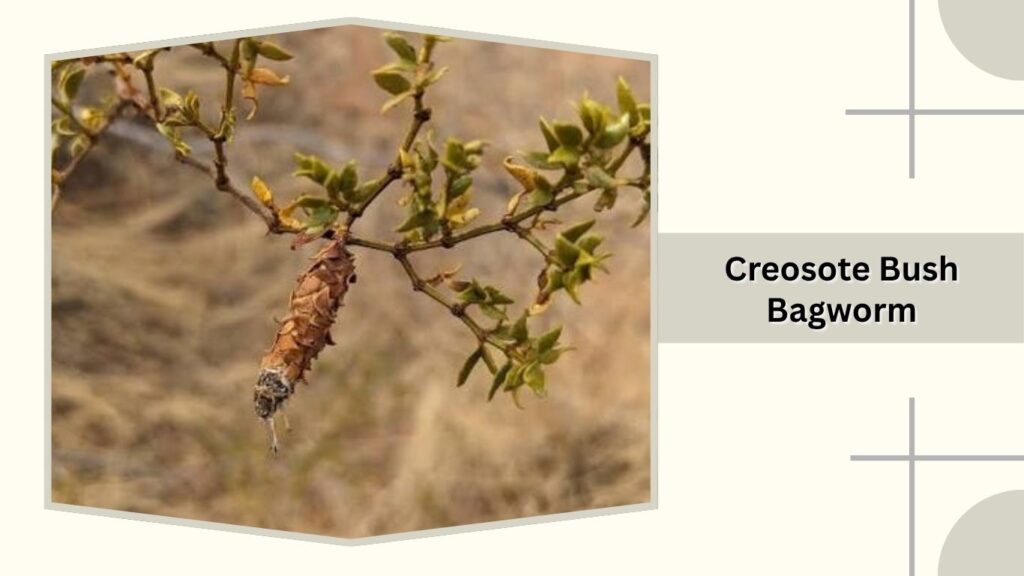
The Creosote Bush Bagworm is a desert-adapted bagworm strongly associated with creosote bush. Its larval case is decorated with pieces of the plant on which it feeds, producing excellent camouflage in dry environments. The species occurs in southwestern North America and can remain dormant for extended periods while waiting for rain and fresh vegetation to appear.
Identification
- Scientific name: Thyridopteryx meadii
- Wingspan: Approximately 20–33 mm in males
- Larval case: Roughly 30–40 mm long
- Main host: Creosote bush
- Secondary host: Mesquite has also been recorded
- Adult female: Wingless and remains in the bag
- Distribution: Southwestern United States
Habitat and Distribution
Creosote Bush Bagworms inhabit arid deserts and scrublands where creosote bush is abundant. Their documented range extends from western Texas toward the Mojave Desert of California. Hot, dry landscapes that may seem inhospitable to many moths provide suitable habitat because the caterpillar is closely adapted to desert vegetation and irregular rainfall.
Behavior and Diet
Creosote foliage is the principal food source. Caterpillars carry their plant-covered bags while moving among stems and leaves. Mesquite has also been reported as a host in Texas. One of the species’ most useful desert adaptations is its ability to remain inactive inside its case during dry periods and become active when rainfall stimulates new plant growth.
Lifespan and Lifecycle
Larvae may remain dormant for months while conditions are unfavorable. After rainfall encourages fresh creosote growth, feeding can resume. When development is complete, the caterpillar secures its case and pupates. Adult females remain wingless within their cases, whereas males emerge as winged moths that search for females.
7. Paulownia Bagworm Moth
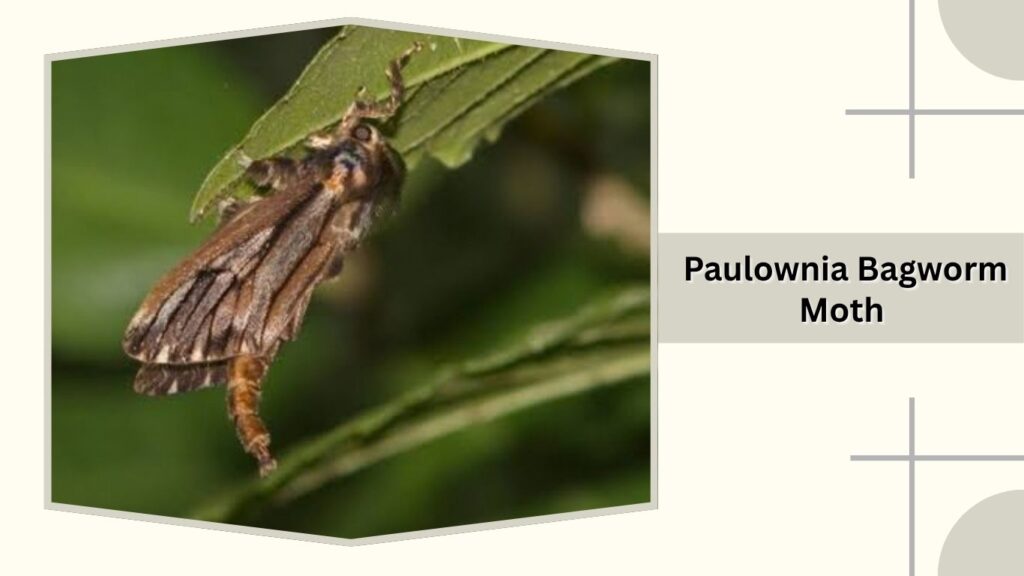
The Paulownia Bagworm Moth is a large Asian bagworm known for feeding on many trees, including princess tree or paulownia. It is an important foliage feeder in some parts of Asia and can also attack pine and other woody plants. Its caterpillars construct substantial silk cases, while adult females remain wingless and males develop functional wings.
Identification
- Scientific name: Eumeta variegata
- Older scientific usage: Clania variegata
- Female adult: Completely wingless
- Male adult: Fully winged
- Bag length: Can exceed 4–5 cm in mature larvae
- Case: Strong silk shelter carried throughout larval development
- Hosts: Paulownia, pine, bishop wood, and numerous other plants
Habitat and Distribution
The Paulownia Bagworm occurs across several parts of Asia, with records from countries including Japan, India, China and neighboring regions, as well as parts of the western Pacific. It occurs in forests, plantations, gardens, and areas containing suitable broadleaf or coniferous hosts.
Behavior and Diet
Larvae are foliage feeders and can consume leaves and young shoots. Paulownia is an important host, but the species is polyphagous and can use numerous trees. Caterpillars keep their hind portions secured inside their bags as they walk and feed, using silk footholds to help move their relatively heavy shelters.
Lifespan and Lifecycle
The species develops through egg, bag-carrying larva, pupa, and adult. In parts of China, one generation occurs annually. Once mature, caterpillars pupate within their cases. Males emerge with wings, while females remain wingless and closely associated with their bags throughout adult life.
8. Common Bag Moth
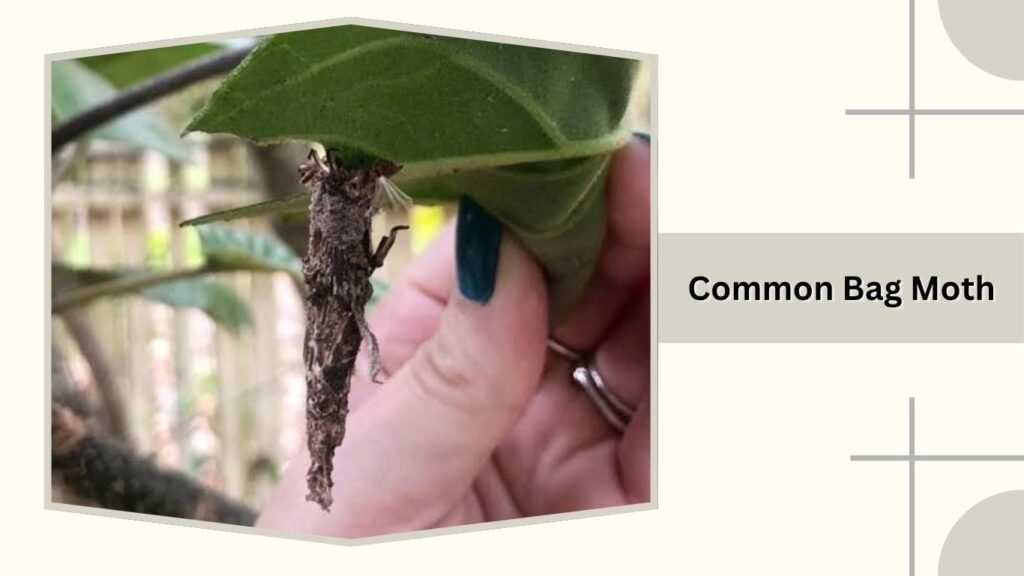
The Common Bag Moth is a distinctive New Zealand bagworm whose caterpillar carries a tough, elongated silk case decorated with pieces of vegetation. It is native to New Zealand and can be found in forests, gardens, parks, and urban environments. The winged male and wingless female look dramatically different, making its adult biology especially interesting.
Identification
- Scientific name: Liothula omnivora
- Bag length: Commonly up to about 60 mm, sometimes larger
- Bag shape: Tough, elongated or conical
- Case covering: Pieces of leaves and other host material
- Adult male: Dark, hairy, and winged
- Adult female: Wingless and grub-like
- Hosts: Numerous native and introduced trees and shrubs
Habitat and Distribution
The Common Bag Moth is endemic to New Zealand. It occurs in native forests, shrublands, gardens, parks, city streets, and other places where suitable vegetation is available. Manuka, titoki, macrocarpa, and Spanish heath are among the plants recorded as hosts.
Behavior and Diet
Caterpillars feed on the leaves of many broadleaf and coniferous plants, often feeding at night. The tough silk bag trails behind the caterpillar as it moves. When threatened, the larva withdraws rapidly into the case and closes the opening. Plant fragments attached to the surface provide effective camouflage against branches and foliage.
Lifespan and Lifecycle
Pupation occurs within the bag, often during winter. Adult males usually appear from about August through December and actively search for females. The female remains within her case, where mating occurs and eggs are subsequently laid. Newly hatched caterpillars eventually leave and construct their own portable shelters.
9. Australian Bag Moth
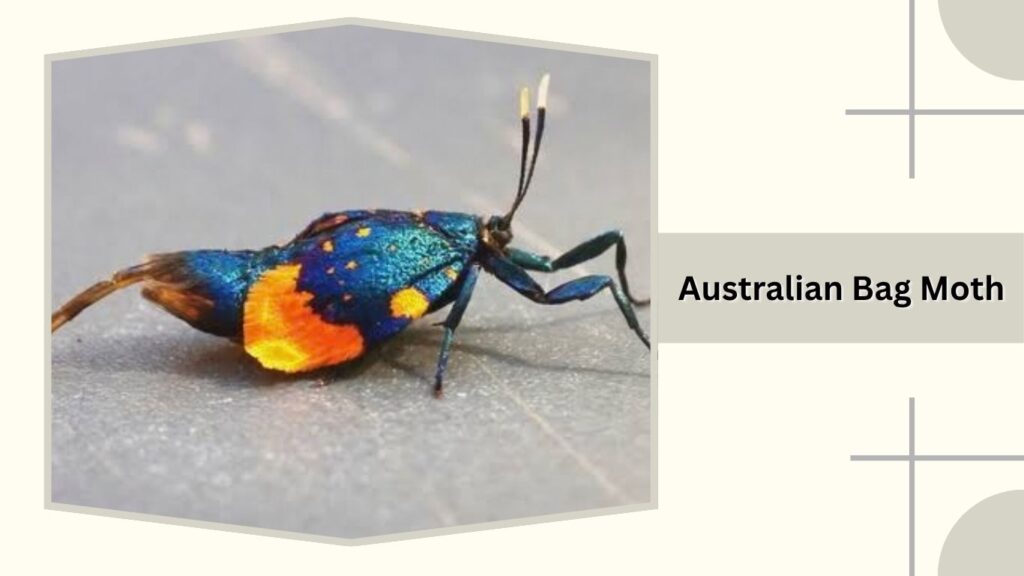
The Australian Bag Moth, also called the lichen bag moth, is a small bagworm whose caterpillars feed mainly on lichens, algae, and related growth found on trees, rocks, fences, and walls. Its soft oval case is covered with tiny fragments of lichen and debris, providing excellent camouflage. It occurs naturally in southern Australia and has also established populations in New Zealand.
Identification
- Scientific name: Cebysa leucotelus
- Other name: Lichen Bag Moth
- Larval case: Flattened, oval, and approximately 2 cm long
- Case covering: Small lichen fragments and debris
- Larval head: Dark brown and hardened
- Adult male: Winged and active
- Adult female: Flightless
- Larval food: Lichens, algae, and fungi
Habitat and Distribution
This species occurs across parts of southern Australia and has also spread to New Zealand. Caterpillars can be found on tree trunks, rocks, walls, fences, and other surfaces where lichens grow. Adults are often recorded in parks, gardens, and cities, especially in relatively warm, dry microhabitats.
Behavior and Diet
Unlike many bagworms that mainly consume fresh leaves, Australian Bag Moth caterpillars graze on lichens, algae, and fungi. The larva moves while carrying its oval case and retreats completely inside when disturbed. Fragments of its food and surroundings are attached to the outside, making the case blend closely with bark and stone surfaces.
Lifespan and Lifecycle
Larvae spend most of their development inside their protective cases. During particularly hot periods they may retreat into cooler locations and reduce feeding. Pupation occurs within the case, often toward the end of summer. Adult males emerge and actively fly in search of females, while the flightless females remain much less mobile.
10. Large Bagworm
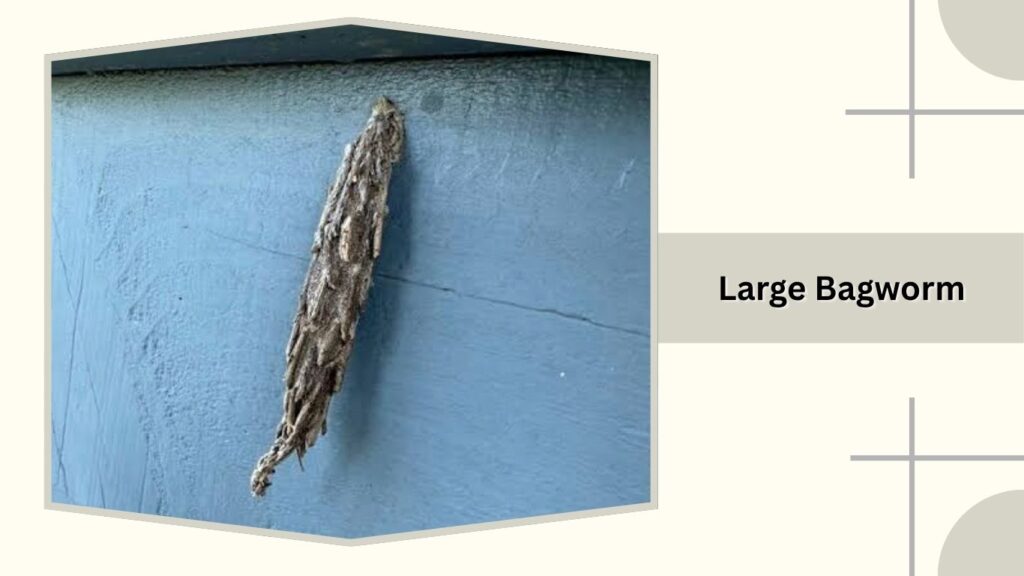
The Large Bagworm, also known as Saunders’ Case Moth, is one of the most impressive members of the bagworm family. Native to Australia, its caterpillar produces a large portable case made from silk, leaves, and carefully arranged twigs. These cases can become conspicuous on tree trunks, fences, and garden plants, particularly when the caterpillars reach full size.
Identification
- Scientific name: Metura elongatus
- Other name: Saunders’ Case Moth
- Family: Psychidae
- Case: Large, elongated structure covered with leaves and twigs
- Case length: Can become exceptionally large compared with many bagworms
- Adult male: Winged and dark-colored
- Adult female: Wingless and remains closely associated with the case
- Larvae: Large caterpillars capable of feeding on many plants
Habitat and Distribution
Large Bagworms occur through much of eastern Australia, including Tasmania. They can inhabit forests, woodland, suburban gardens, parks, and urban landscapes. Their caterpillars use a wide variety of native and introduced trees and shrubs, which helps explain why their cases may be seen in both natural vegetation and residential environments.
Behavior and Diet
The caterpillar extends its head and front legs from its case while feeding and pulls the entire shelter along as it moves. Young larvae initially attach leaves to the silk case, while older caterpillars add short twigs arranged lengthwise. The species is not restricted to a single host and has been recorded feeding on many kinds of trees and shrubs.
Lifespan and Lifecycle
Development takes place through egg, larva, pupa, and adult. The caterpillar spends most of its life inside its expanding case. When mature, it attaches the case securely and pupates inside. The winged male later emerges and seeks a female, while the female remains wingless and closely associated with her shelter throughout adult life.
11. Yellow-headed Bagworm
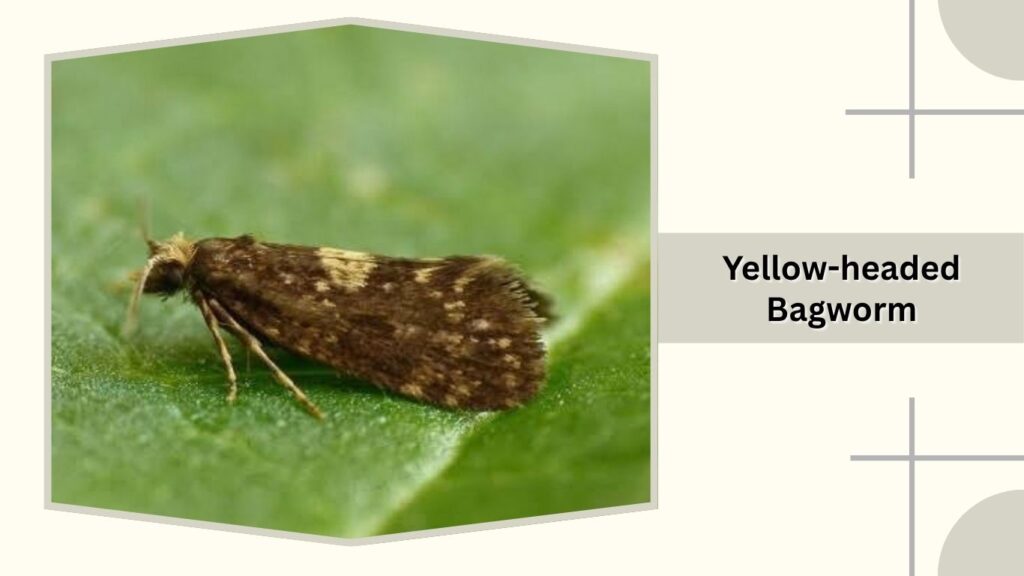
The Yellow-headed Bagworm is a small European bagworm distinguished by its unusual larval case and adult appearance. Unlike many members of the family in which females are wingless, both male and female Yellow-headed Bagworms have developed wings. Its caterpillar feeds mainly on lichens, decomposing plant material, and other organic debris rather than fresh foliage.
Identification
- Scientific name: Diplodoma laichartingella
- Wingspan: About 10–15 mm
- Head: Pale or whitish-yellow in appearance
- Adult wings: Both sexes are winged
- Larval case: Roughly triangular in cross-section
- Case materials: Plant fragments, grit, sand, and insect remains
- Diet: Lichens, decaying vegetation, and detritus
Habitat and Distribution
The Yellow-headed Bagworm occurs across parts of Britain and continental Europe. Woodland environments are particularly suitable because tree bark, lichens, organic debris, and sheltered surfaces provide both food and material for larval cases. Although historically more widespread in Britain, it is considered uncommon or locally scarce in some areas.
Behavior and Diet
Its larvae behave more like scavengers and lichen feeders than conventional leaf-eating caterpillars. They move around tree trunks and other surfaces while carrying cases decorated with tiny pieces of surrounding material. This makes the shelter difficult to distinguish from bark and debris.
Lifespan and Lifecycle
Larval development commonly takes about two years. During this extended period, the caterpillar continues feeding and enlarging its case. Once development is complete, pupation occurs inside the shelter. Adults generally appear in late spring and early summer, particularly during May and June, when mating and egg laying begin the next generation.
12. Scarce Bagworm
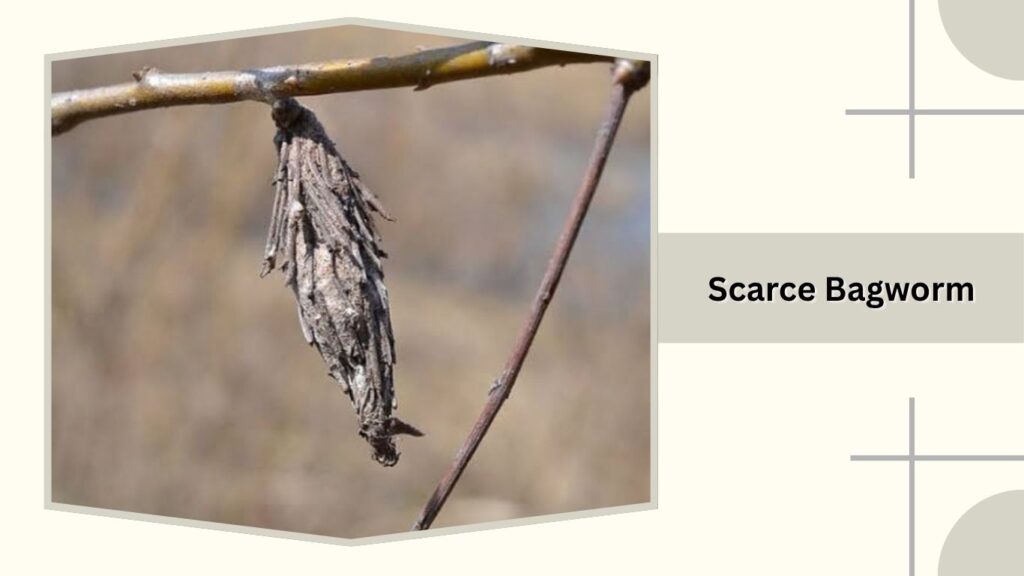
The Scarce Bagworm is a small, uncommon bagworm moth known from limited areas of Britain and continental Europe. Its larvae construct compact cases using lichens, soil, and sand, producing highly effective camouflage against bark, stones, fences, and other surfaces. Adults are rarely encountered, making larval cases an important clue when searching for this species.
Identification
- Scientific name: Bankesia conspurcatella
- Wingspan: Approximately 11–15 mm
- Adult male: Small, winged moth
- Larval case: Compact and covered with lichen, soil, and sand
- Primary food: Lichens
- Case location: Bark, rocks, fences, and similar hard surfaces
- Status: Local and scarce in Britain
Habitat and Distribution
Scarce Bagworms favor places where lichens develop abundantly. Suitable environments can include woodland edges, old trees, stone walls, fences, rocky areas, and relatively undisturbed habitats. In Britain the species is very localized, with records concentrated in particular southern localities.
Behavior and Diet
The caterpillar grazes mainly on lichens while carrying its case. Bits of sand, soil, and lichen are incorporated into the surface, causing it to blend closely with its surroundings. When inactive, larvae may attach themselves to bark, stones, or wooden structures, where the cases can easily be mistaken for natural debris.
Lifespan and Lifecycle
This species normally produces one generation each year. Larvae develop within their portable cases and eventually attach them firmly before pupation. Pupation takes place during the colder months, and adult moths generally appear between February and April. After mating, eggs give rise to another generation of case-building larvae.
13. Shining Bagworm
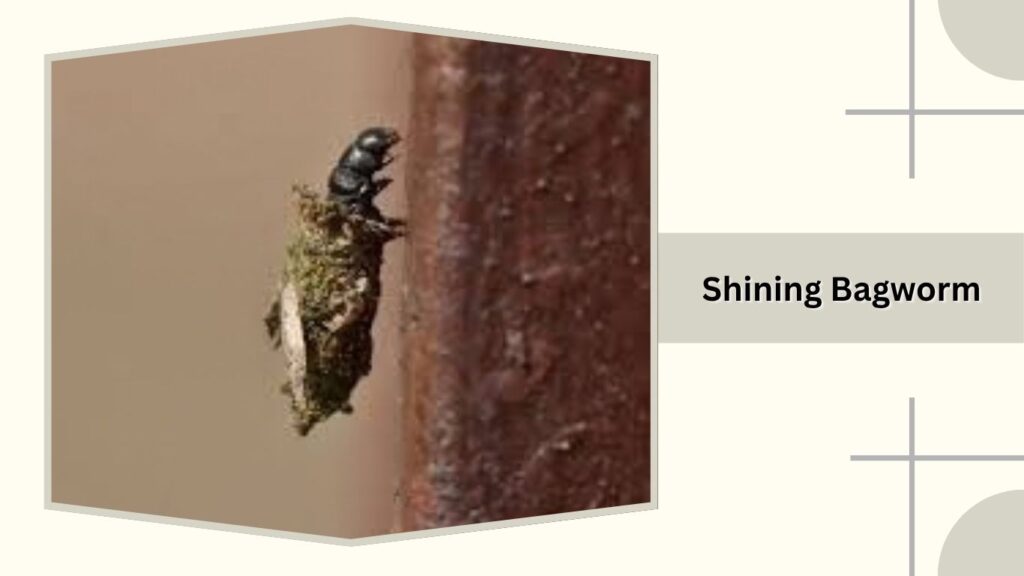
The Shining Bagworm is a small European species whose larvae build short cases decorated with pieces of bark and lichen. These shelters often project outward from tree trunks like tiny buds or short shoots, providing impressive camouflage. Adult males are winged and brown, whereas females lack functional wings and remain much less mobile.
Identification
- Scientific name: Bacotia claustrella
- Male wingspan: Around 14 mm
- Adult male: Dull brown and fully winged
- Adult female: Wingless with reduced legs
- Case length: Roughly 5–7 mm
- Case covering: Lichen and bark fragments
- Food: Lichens and algae growing on tree trunks
Habitat and Distribution
Shining Bagworms inhabit forests, gardens, parks, and other environments containing mature, lichen-covered trees. The species occurs across continental Europe but is scarce in Britain, where records are concentrated mainly in southern counties. Bark surfaces rich in algae and lichens provide both feeding opportunities and materials for constructing cases.
Behavior and Diet
The larva feeds on algae and lichens growing over tree bark. Its case is carried in an upright position and is often attached so that it resembles a small bud. This orientation helps distinguish it from some similar bagworm species. Caterpillars feed during autumn, overwinter within their cases, and become active again in spring.
Lifespan and Lifecycle
Shining Bagworms generally have one generation each year. Larvae overwinter, continue feeding into spring, and then pupate within their cases. Adults usually emerge around June and July. Males can fly, especially during warm morning conditions, whereas females remain wingless and stay closely associated with the larval case.
14. Birch Bagworm
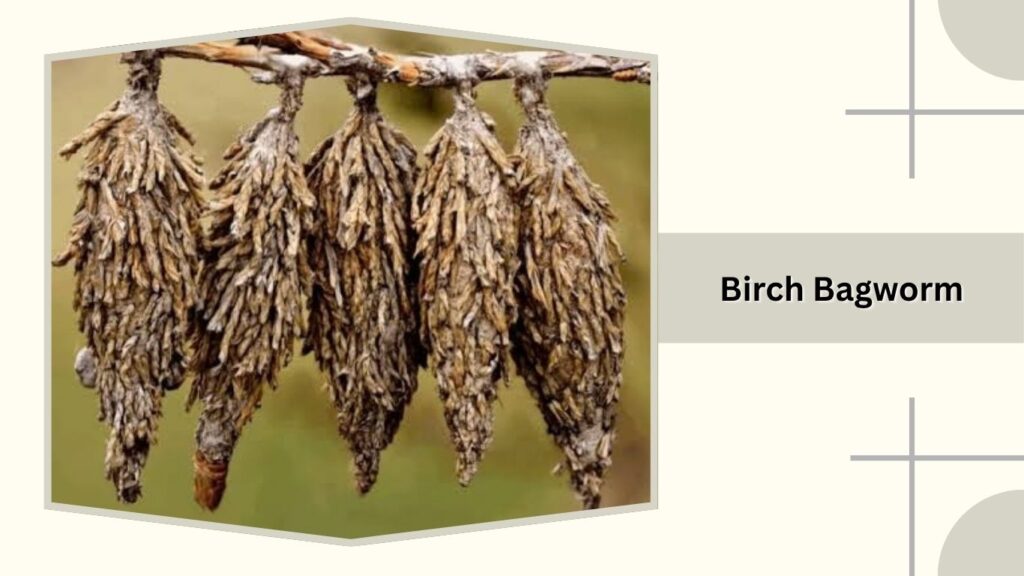
The Birch Bagworm is a small European bagworm associated with trees, lichens, and decaying vegetation. Despite its common name, its caterpillar is not restricted to eating birch leaves. Instead, it can feed on lichens, algae, dead plant material, and occasionally living leaves while carrying a small case covered with fragments collected from its surroundings.
Identification
- Scientific name: Proutia betulina
- Male wingspan: About 12 mm
- Adult male: Plain dark brown with feathered antennae
- Adult female: Wingless
- Case length: Approximately 8–10 mm
- Case materials: Bark, grass, pine needles, lichens, and plant fragments
- Food: Lichens, algae, decaying leaves, and some fresh vegetation
Habitat and Distribution
Birch Bagworms occur throughout parts of continental Europe and have a restricted distribution in Britain, particularly in southern areas. They inhabit woodland, heathland, moorland, and other environments containing suitable tree trunks. Birch, willow, and pine trees are among the surfaces where their cases may be encountered.
Behavior and Diet
Larvae spend much of their time crawling over trunks while protected inside their portable shelters. Their varied diet includes lichens and algae growing on bark as well as decomposing leaves and plant material. The use of bark, grass, needles, and lichens on the case exterior provides excellent camouflage.
Lifespan and Lifecycle
The mature caterpillar attaches its case securely to a trunk or twig before pupating. Adults usually emerge between late May and July. Winged males search for mates, whereas females remain wingless and may spend their entire adult lives inside or very close to their larval cases.
15. Scarce Grass Bagworm
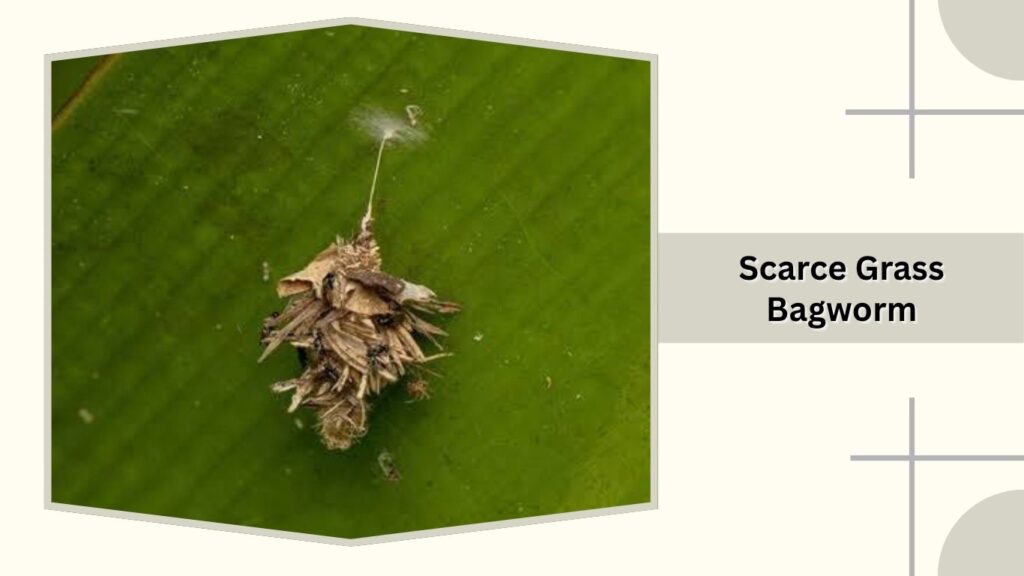
The Scarce Grass Bagworm is a European bagworm associated primarily with grasses and dry, warm habitats. Its caterpillar builds a tubular case covered lengthwise with pieces of grass stem. Adult males are small, glossy-brown moths, whereas adult females are wingless. The species can take an unusually long time to complete its larval development.
Identification
- Scientific name: Psyche crassiorella
- Male wingspan: Approximately 13–17 mm
- Adult male: Glossy brown forewings with grayish hindwings
- Adult female: Wingless
- Case length: Around 10–15 mm
- Case covering: Longitudinal grass stems
- Larvae: Dark-bodied with noticeable crossbands
- Food: Grasses, herbs, lichens, and related low vegetation
Habitat and Distribution
Scarce Grass Bagworms occur from Mediterranean regions through much of temperate Europe and extend northward into parts of Scandinavia and Britain. They favor warm, relatively dry grasslands and other open habitats. Some populations also occur at moderate elevations, including mountainous areas.
Behavior and Diet
The larva feeds on several grasses, herbs, lichens, and other low-growing organisms. Its tubular case is covered with grass fragments arranged along its length, helping it blend into grassy vegetation. Caterpillars remain protected within their cases while moving between feeding locations.
Lifespan and Lifecycle
Larval development can take one or even two years. Mature larvae pupate inside their cases, usually during May or June. Adult males typically appear from late spring into midsummer and fly in search of the wingless females. One adult generation is normally produced each year.
16. Plumed Bagworm
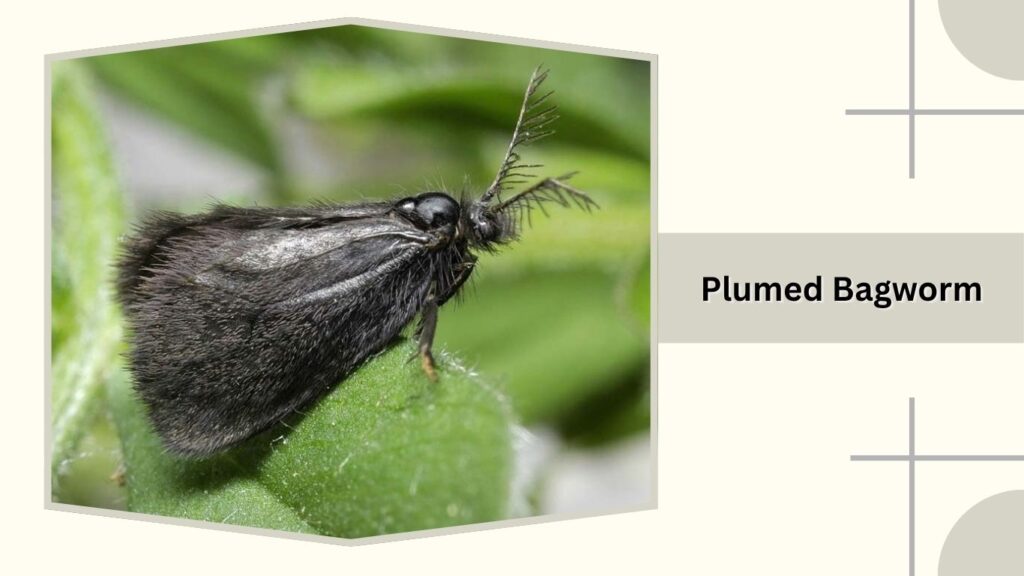
The Plumed Bagworm is a small grassland species named for the strongly feathered antennae of the adult male. These antennae are particularly conspicuous and help males detect female pheromones. Females are wingless and remain within their larval cases, while males fly actively during sunny spring and early-summer weather.
Identification
- Scientific name: Epichnopterix plumella
- Male wingspan: About 12 mm
- Adult male: Dark and covered with long hair-like scales
- Antennae: Strongly bipectinate or feather-like
- Adult female: Wingless and grub-like
- Larval case: Covered with grass fragments
- Food: Primarily grasses
Habitat and Distribution
Plumed Bagworms favor grassy habitats, open moorland, meadows, and similar areas. In Britain they are considered local and scarce, with many records concentrated in southeastern England, although they have also been recorded farther north and west as well as in Ireland.
Behavior and Diet
Caterpillars feed mainly on grasses while carrying cases resembling those made by the Common Bagworm. Adult males are particularly noticeable on warm, calm days because they fly in sunshine, often low over vegetation. Their large feathered antennae are adapted for detecting the chemical signals released by females.
Lifespan and Lifecycle
Larvae grow while protected within their grass-covered cases and later pupate inside them. Adult males generally emerge from April through June. The female remains wingless and does not leave her case. After mating, eggs develop and eventually produce young larvae that construct their own shelters and begin feeding on grasses.
17. Netted Bagworm
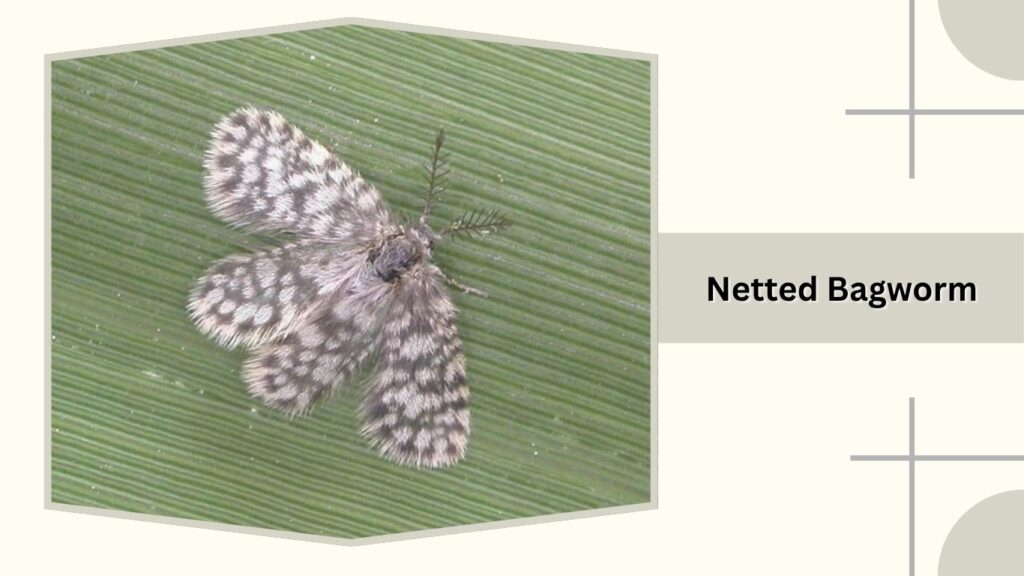
The Netted Bagworm is a highly specialized coastal species associated with saltmarsh vegetation. Adult males have a distinctive checkered or net-like wing pattern, which gives the moth its common name. Its caterpillar builds a narrow case from strips of grass stems and feeds among saltmarsh grasses, making this species much more habitat-specific than many other bagworms.
Identification
- Scientific name: Whittleia retiella
- Male wingspan: About 8–10 mm
- Adult male: Distinctive netted or checkered wing pattern
- Antennae: Strongly feathered
- Adult female: Wingless and grub-like
- Larval case: Made from thin grass stems arranged lengthwise
- Main food plant: Common saltmarsh-grass
- Habitat: Coastal saltmarsh
Habitat and Distribution
The Netted Bagworm is strongly associated with coastal saltmarshes and estuarine environments. In Britain it is particularly localized in southeastern England. Its dependence on salt-tolerant grasses limits it to areas where suitable marsh vegetation remains intact.
Behavior and Diet
Larvae feed on common saltmarsh-grass and several other grasses growing within coastal marshes. Their cases consist of long, thin sections of grass stem attached lengthwise. This construction allows the case to blend naturally with surrounding vegetation. Adult males are day-flying and are most active during calm, sunny conditions.
Lifespan and Lifecycle
Young larvae overwinter while still small and resume development as temperatures rise. When mature, they attach their cases low on grass stems and pupate inside. Adults normally emerge during May and June. The winged males search for mates, while females remain flightless and closely associated with the case throughout their adult stage.
FAQs
1. What is a bagworm moth?
A bagworm moth is a member of the family Psychidae. Its caterpillar builds a portable protective case from silk combined with leaves, twigs, grass, bark, lichen, sand, or other nearby materials. The larva carries this case while feeding and later often uses it as a shelter for pupation.
2. What do bagworm moths eat?
Bagworm larvae have different diets depending on the species. Many feed on leaves of trees, shrubs, grasses, and ornamental plants. Others specialize in lichens, algae, fungi, mosses, or decaying vegetation. Some species are broad generalists, while others depend on particular host plants or habitats.
3. Are bagworm moths harmful to plants?
Some bagworms can damage plants when their populations become large. Leaf-feeding species may cause browning, defoliation, and weakened growth, especially on evergreens such as arborvitae, juniper, cedar, and spruce. However, many bagworm species occur at low densities and cause little noticeable harm.
4. Why do bagworm caterpillars carry bags?
The bag acts as a portable shelter that protects the caterpillar from predators, weather, and environmental stress. It also provides excellent camouflage because the larva usually covers the silk case with materials from its surroundings. As the caterpillar grows, it enlarges and modifies the bag.
5. Can adult bagworm moths fly?
It depends on the species and sex. Adult males of most bagworm species develop wings and can fly in search of females. Females of many species are wingless, reduced in appearance, and remain inside or near their larval bags. However, a few bagworm species have winged females as well.