
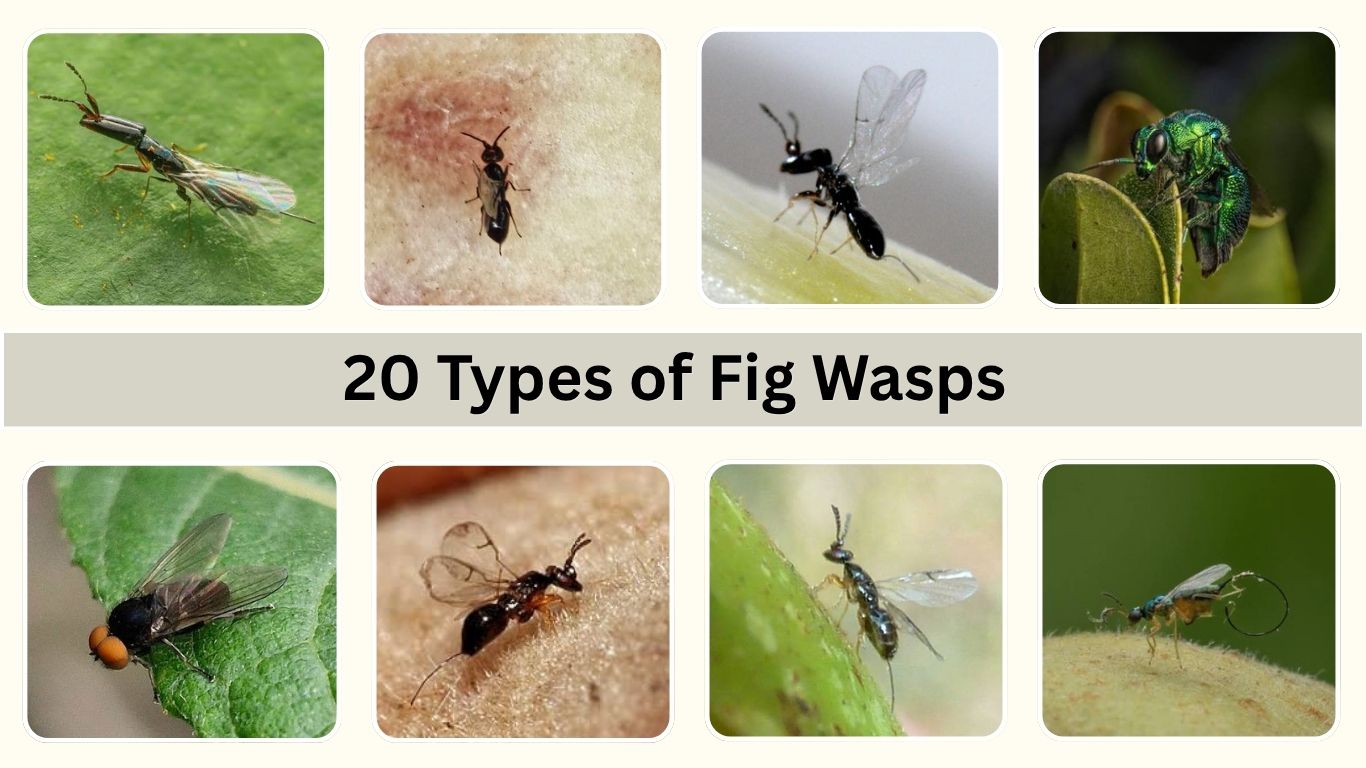
Fig wasps are tiny insects with fascinating relationships with fig trees. While some species help pollinate figs, others depend on these fruits for reproduction and survival. Found across tropical, subtropical, and Mediterranean regions, these insects play important roles in maintaining natural ecosystems. In this guide, explore 20 types of fig wasps, including their identification, habitats, behaviors, life cycles, and ecological importance.
1. Common Fig Wasp (Blastophaga psenes)
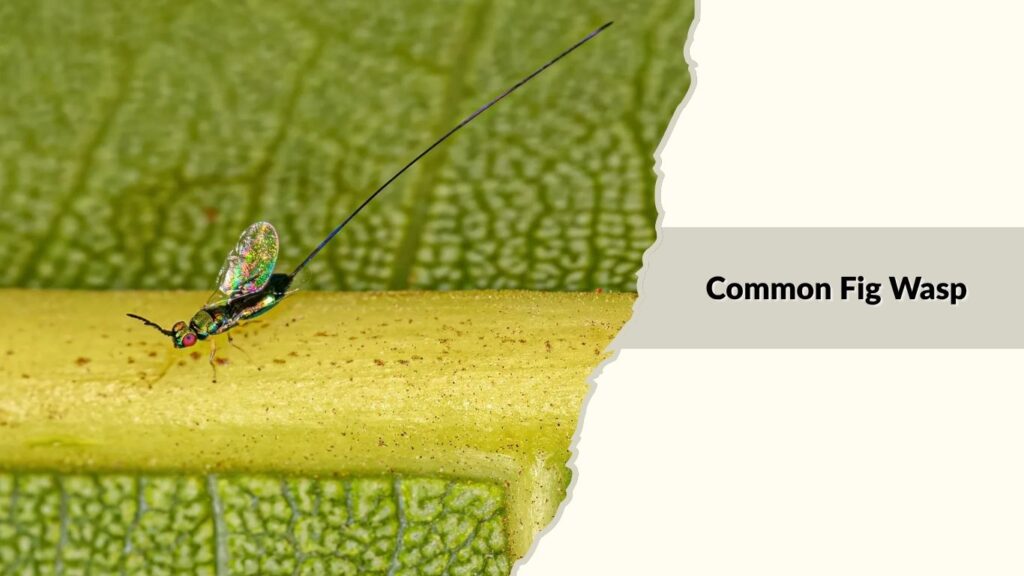
The Common Fig Wasp (Blastophaga psenes) is a tiny pollinating wasp belonging to the family Agaonidae. This fascinating insect has a close relationship with fig trees, especially Ficus carica. Unlike ordinary wasps, it spends much of its life inside developing figs. Its pollination activities help certain fig varieties produce seeds and mature fruit.
Identification
- Scientific Name: Blastophaga psenes
- Common Name: Common Fig Wasp
- Family: Agaonidae
- Size: Approximately 1–2 mm long
- Color: Dark brown to black in females; lighter in males
- Body Shape: Small, compact body with specialized antennae
- Wings: Females have wings, while males are wingless
- Host Plant: Common fig (Ficus carica)
Habitat and Distribution
Common Fig Wasps are native to the Mediterranean region and occur in other areas where suitable fig trees grow. They are found in parts of Europe, Asia, Africa, Australia, and North America. Their survival depends heavily on fig trees that provide suitable flowers for reproduction. They are particularly associated with caprifigs, which support their developing larvae.
Behavior and Life Cycle
The life cycle of the Common Fig Wasp begins when a female enters a receptive caprifig through a tiny opening called the ostiole. She lays eggs inside suitable flowers, where the larvae develop.
Male wasps emerge and mate with females inside the fig. The winged females eventually leave, carrying pollen to other figs. When they enter edible female figs, they may pollinate the flowers but cannot successfully lay eggs because the flower structures are unsuitable.
Importance in Fig Pollination
Common Fig Wasps are essential pollinators of certain fig varieties, including Smyrna figs. Their activity supports seed production and fruit development. However, many common cultivated fig varieties can produce fruit without pollination. This specialized relationship makes the Common Fig Wasp an important example of cooperation between insects and plants.
2. Blastophaga nipponica
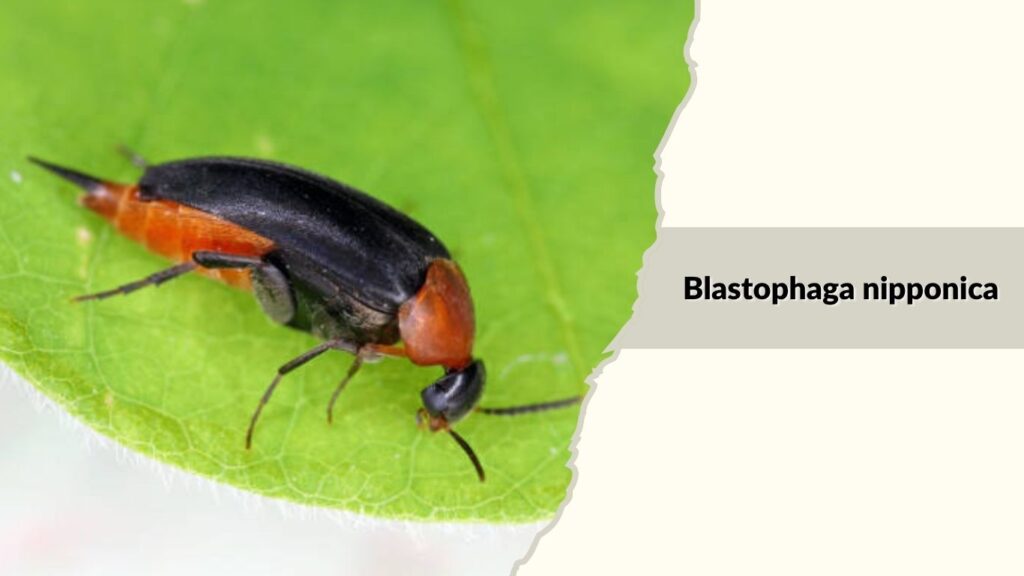
Blastophaga nipponica is a tiny pollinating fig wasp belonging to the family Agaonidae. This species maintains a close relationship with the Japanese fig tree (Ficus erecta). Like other pollinating fig wasps, it depends on developing figs for reproduction. Its specialized lifestyle makes it an important insect in the natural reproduction of its host plant.
Identification
- Scientific Name: Blastophaga nipponica
- Common Name: No widely established common name
- Family: Agaonidae
- Size: Tiny, generally only a few millimeters long
- Body Shape: Small body with specialized antennae and legs
- Wings: Females are winged; males are wingless
- Host Plant: Japanese fig (Ficus erecta)
- Distribution: Japan, Taiwan, and South Korea
Habitat and Distribution
Blastophaga nipponica occurs in East Asia, particularly where Japanese fig trees grow naturally. It has been documented in Japan, Taiwan, and South Korea. These wasps inhabit environments supporting their host trees, including wooded areas and forest edges. Their distribution is closely connected to the availability of receptive figs, which provide the enclosed flowers necessary for reproduction.
Behavior and Life Cycle
Female wasps enter receptive figs through a narrow opening called the ostiole. Once inside, they pollinate flowers and deposit eggs in suitable floral structures. The larvae develop within the fig, receiving protection and nourishment. After emerging, males mate with females before the next generation of winged females disperses to other receptive figs.
Importance in Fig Pollination
Blastophaga nipponica serves as a pollinator of Ficus erecta, helping the tree reproduce through seed production. This relationship demonstrates the remarkable ecological connection between fig trees and their pollinating insects. Without suitable host figs, these wasps cannot successfully complete their reproductive cycle.
3. Blastophaga breviventris
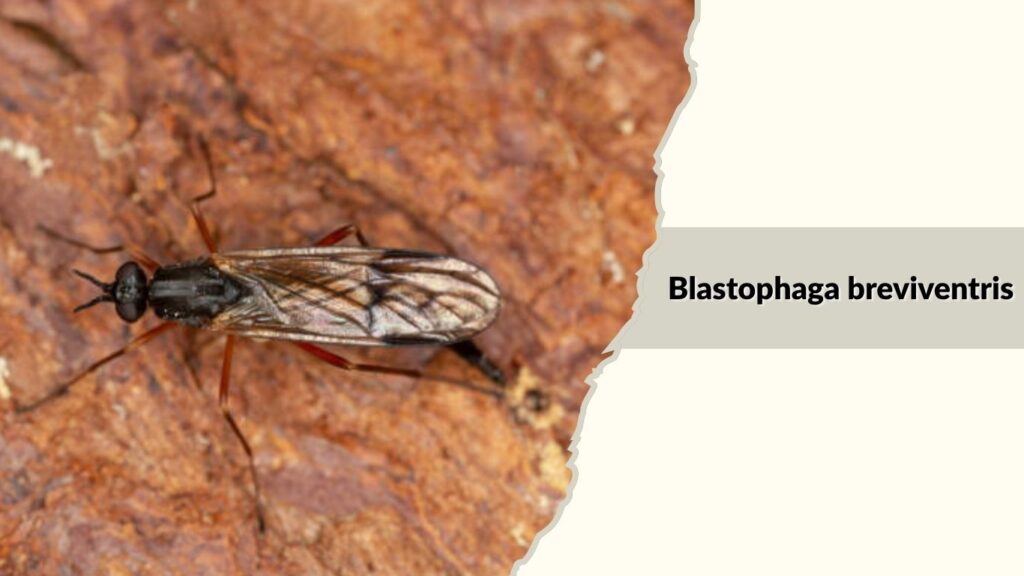
Blastophaga breviventris is a little-known fig wasp species belonging to the family Agaonidae. Originally described in 1885, this insect is associated with the diverse fig wasp fauna of India. Although its exact host fig remains unidentified in available taxonomic records, its classification makes it an interesting member of the specialized fig wasp group.
Identification
- Scientific Name: Blastophaga breviventris
- Common Name: No widely established common name
- Family: Agaonidae
- Genus: Blastophaga
- Size: Minute wasp; precise size information is limited
- Body Shape: Small, compact wasp body
- Wings: Female members of the genus are generally winged
- Known Distribution: India
- Host Plant: Not confirmed
Habitat and Distribution
Blastophaga breviventris was originally described from India, a country supporting numerous native fig tree species. Its precise habitat requirements and geographical range remain poorly documented. Fig wasps generally occur in locations where suitable host figs provide opportunities for reproduction. However, the particular fig species associated with B. breviventris has not been established in the available specialist catalogue.
Behavior and Life Cycle
Detailed observations of the life cycle of Blastophaga breviventris are limited. Like other members of its genus, it is expected to have a reproductive cycle associated with the enclosed flowers of figs. Typically, female pollinating fig wasps enter receptive figs, deposit eggs, and allow their larvae to develop within floral structures. More research is needed to confirm its particular reproductive behavior.
Ecological Importance
This species contributes to the documented diversity of fig-associated wasps in South Asia. Although its specific pollination relationship remains uncertain, studying it may improve understanding of fig wasp evolution, host specialization, and biodiversity.
4. Ceratosolen arabicus
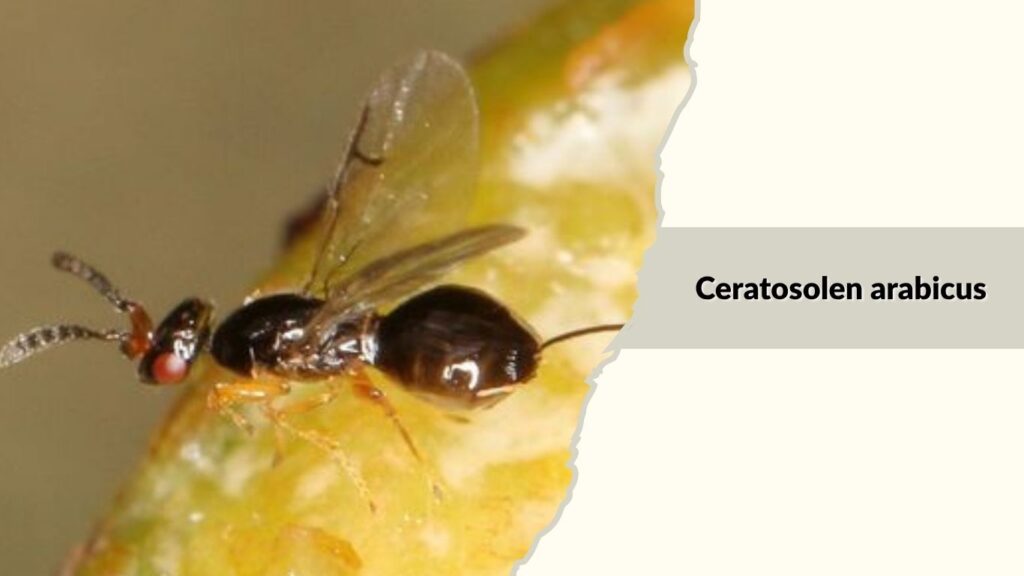
Ceratosolen arabicus is a specialized pollinating fig wasp belonging to the family Agaonidae. It is particularly associated with the sycamore fig (Ficus sycomorus), a widely distributed African fig tree. Despite its extremely small size, this insect plays an important role in fig reproduction and helps maintain the ecological relationships between fig trees and other wildlife.
Identification
- Scientific Name: Ceratosolen arabicus
- Common Name: No widely established common name
- Family: Agaonidae
- Genus: Ceratosolen
- Size: Tiny, generally a few millimeters long
- Body Shape: Compact body with specialized head structures
- Color: Typically dark-bodied in winged females
- Wings: Winged females and wingless males
- Host Plants: Ficus sycomorus and Ficus mucuso
Habitat and Distribution
Ceratosolen arabicus occurs across numerous African countries and has also been recorded in Yemen and Madagascar. It inhabits environments where sycamore figs and other suitable host trees grow, including woodland areas, riverbanks, and tropical landscapes.
Its known distribution includes Ethiopia, Kenya, Tanzania, Uganda, Nigeria, South Africa, and several other countries. The insect’s survival depends on suitable host figs being available during its reproductive period.
Behavior and Life Cycle
Female Ceratosolen arabicus wasps enter receptive figs through the ostiole to lay their eggs and pollinate flowers. Their larvae develop inside individual floral structures. Once mature, wingless males mate with females within the fig. The emerging winged females collect pollen before leaving to locate another suitable fig, continuing the reproductive cycle.
Importance in Fig Pollination
This wasp supports the reproduction of sycamore fig trees through pollination. Fig trees provide fruits consumed by birds, mammals, and numerous other animals. By contributing to successful fig seed production, Ceratosolen arabicus indirectly supports food webs and biodiversity in African ecosystems.
5. Ceratosolen capensis
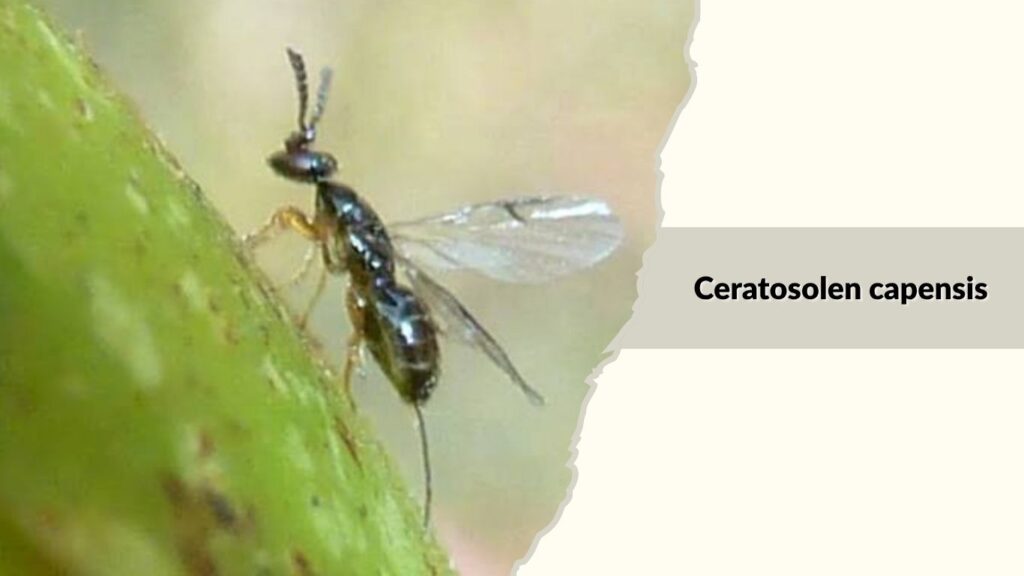
Ceratosolen capensis is a small African fig wasp recognized for its specialized relationship with Ficus sur, commonly known as the Cape fig or broom cluster fig. Belonging to the family Agaonidae, this pollinating insect completes its reproductive development inside figs. It is an important component of the natural pollination system supporting native African fig trees.
Identification
- Scientific Name: Ceratosolen capensis
- Common Name: No widely established common name
- Family: Agaonidae
- Genus: Ceratosolen
- Size: Very small, typically only a few millimeters
- Body Shape: Compact body adapted to entering figs
- Wings: Females are winged; males are wingless
- Host Plant: Ficus sur
- Distribution: Eastern and Southern Africa
Habitat and Distribution
Ceratosolen capensis occurs in several African countries, including Ethiopia, Uganda, Kenya, Tanzania, Zambia, Malawi, Zimbabwe, and South Africa. Its geographical range largely follows the distribution of its host tree, Ficus sur.
These trees commonly grow in suitable woodland, forest-edge, and riverine habitats. Interestingly, other fig wasp species pollinate the same host fig in some western African regions, demonstrating geographical variation in fig-pollinator relationships.
Behavior and Life Cycle
The reproductive cycle begins when a winged female enters a receptive fig. She pollinates flowers and deposits eggs in suitable floral tissues. Developing larvae remain protected inside the fig until they mature.
Male wasps typically emerge first, mate with females, and help create an exit route. The newly emerged females then leave the fig and search for another receptive host, allowing the cycle to continue.
Importance in Fig Pollination
Ceratosolen capensis supports the reproduction of Ficus sur through pollination. These fig trees provide food and habitat resources for numerous African animals. The wasp’s activity contributes to seed formation and helps maintain the ecological importance of native fig populations.
6. Ceratosolen fusciceps
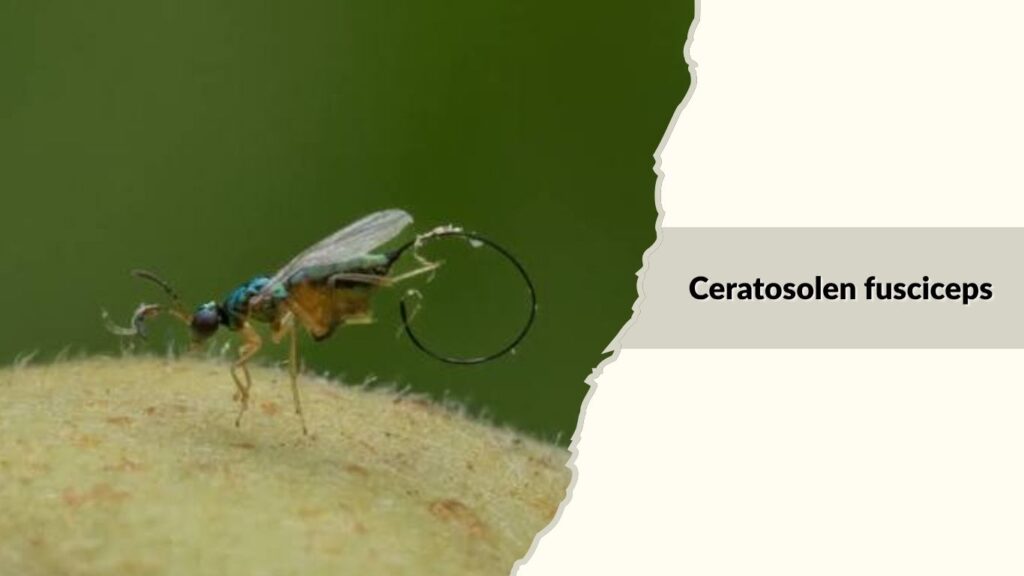
Ceratosolen fusciceps is an important pollinating fig wasp associated with the cluster fig tree (Ficus racemosa). This species belongs to the family Agaonidae and is widely studied because of its remarkable relationship with its host plant. Its life cycle involves pollination, egg-laying, and larval development within the enclosed flowers of figs.
Identification
- Scientific Name: Ceratosolen fusciceps
- Common Name: No widely established common name
- Family: Agaonidae
- Genus: Ceratosolen
- Size: Tiny, approximately a few millimeters long
- Body Shape: Small body with specialized reproductive structures
- Color: Generally dark-bodied in females
- Wings: Females have wings, while males are wingless
- Host Plant: Cluster fig (Ficus racemosa)
Habitat and Distribution
Ceratosolen fusciceps occurs in parts of tropical Asia, including India and southern China. It is associated with areas supporting Ficus racemosa, a tree commonly found in tropical forests, woodland environments, and near waterways.
The wasps depend on suitable figs for reproduction and are usually encountered around their host trees. Their population activity is closely connected to the flowering and fruiting cycles of these figs.
Behavior and Life Cycle
Female Ceratosolen fusciceps wasps enter receptive figs and actively transfer pollen to the enclosed flowers. They also deposit eggs in selected flowers, where their offspring develop.
The larvae grow inside gall-like floral structures. After reaching adulthood, wingless males emerge and mate with developing females. Males create exit openings, allowing the winged females to escape and transport pollen to new figs.
Importance in Fig Pollination
Ceratosolen fusciceps plays an essential role in the pollination and reproduction of Ficus racemosa. Its relationship with the tree is a well-studied example of mutualism, where both organisms gain reproductive benefits.
By supporting fig seed production, these wasps contribute indirectly to tropical ecosystems where cluster figs serve as food sources for birds, bats, and other wildlife.
7. Ceratosolen solmsi
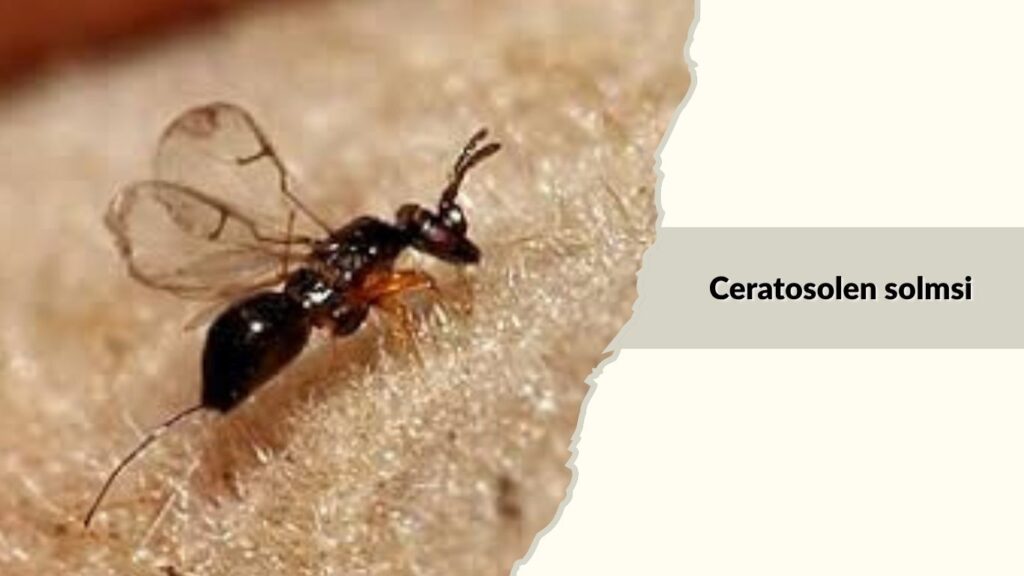
Ceratosolen solmsi is a tiny pollinating fig wasp belonging to the family Agaonidae. This species has a specialized relationship with the hairy fig tree (Ficus hispida), which provides shelter and food for its developing larvae. Its unusual reproductive behavior and close dependence on fig trees make it an important insect in tropical ecosystems.
Identification
- Scientific Name: Ceratosolen solmsi
- Common Name: No widely established common name
- Family: Agaonidae
- Genus: Ceratosolen
- Size: Very small, generally a few millimeters long
- Body Shape: Compact body with specialized mouthparts
- Wings: Females are winged; males have greatly reduced wings
- Host Plant: Hairy fig (Ficus hispida)
- Distribution: Parts of Southeast Asia
Habitat and Distribution
Ceratosolen solmsi is associated with tropical environments where hairy fig trees naturally grow. Research has confirmed its presence in southern Thailand and Indonesia. These areas provide suitable conditions for the fig trees that support its reproduction.
The wasps are closely associated with rainforest vegetation, forest margins, and other habitats containing their host plants.
Behavior and Life Cycle
Female wasps locate receptive figs using chemical signals released by the host tree. After entering through the narrow ostiole, they deposit pollen and lay eggs in suitable flowers.
The larvae develop inside the fig until adulthood. Males emerge and mate with females, which subsequently leave the fig carrying pollen to another receptive host.
Importance in Fig Pollination
Ceratosolen solmsi contributes to the reproduction of Ficus hispida by transferring pollen between figs. This interaction supports seed production and helps sustain fig populations in tropical forests.
8. Eupristina verticillata
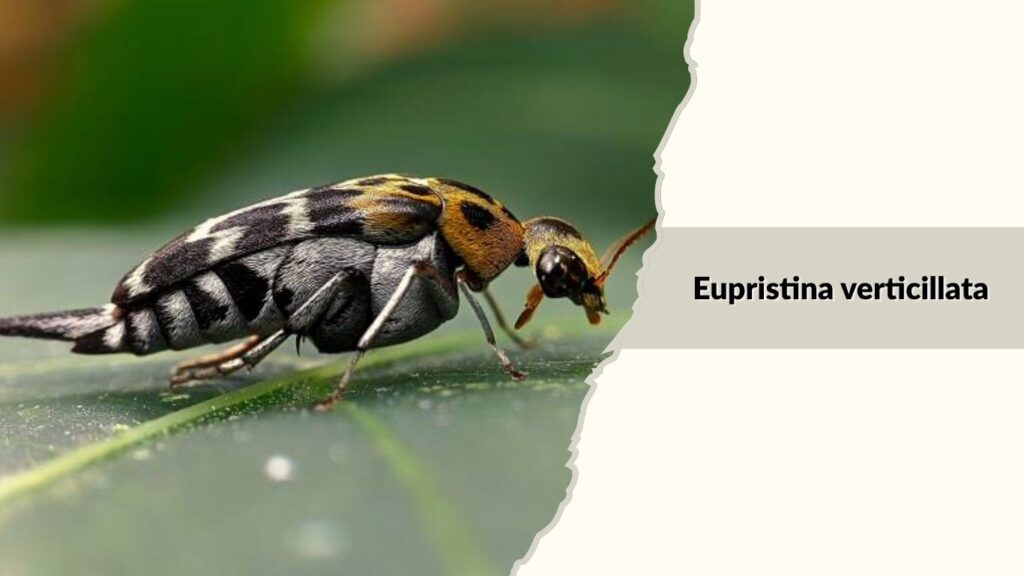
Eupristina verticillata is a specialized fig wasp known for pollinating the Chinese banyan tree (Ficus microcarpa). This small insect belongs to the family Agaonidae and plays an important role in fig reproduction. Originally associated with Asian tropical and subtropical environments, it has spread into other regions alongside its host tree.
Identification
- Scientific Name: Eupristina verticillata
- Common Name: No widely established common name
- Family: Agaonidae
- Genus: Eupristina
- Size: Approximately 1–2 mm
- Body Shape: Tiny, compact body with specialized antennae
- Color: Generally dark-colored in winged females
- Wings: Females are winged; males are wingless
- Host Plant: Chinese banyan (Ficus microcarpa)
- Distribution: Originally Asia; introduced to other regions
Habitat and Distribution
Eupristina verticillata occurs in tropical and subtropical environments where Chinese banyan trees grow. It has been recorded in Asia and introduced locations where its host has become established.
These wasps inhabit forests, parks, gardens, and urban landscapes containing suitable fig trees. Their presence enables Chinese banyan trees to reproduce through seeds outside parts of their native range.
Behavior and Life Cycle
Female wasps enter receptive figs and actively transfer pollen to the enclosed flowers. They also deposit eggs in selected floral structures, allowing larvae to develop inside the figs.
Once mature, male wasps mate with females within the fig. Newly emerged females collect pollen before dispersing to another receptive fig. Their short adult lifespan makes successful host location essential.
Importance in Fig Pollination
Eupristina verticillata is an important pollinator of Ficus microcarpa. Its activity supports seed production and helps maintain the natural reproductive cycle of Chinese banyan trees. These trees provide fruits and shelter for numerous birds and other wildlife.
9. Eupristina koningsbergeri
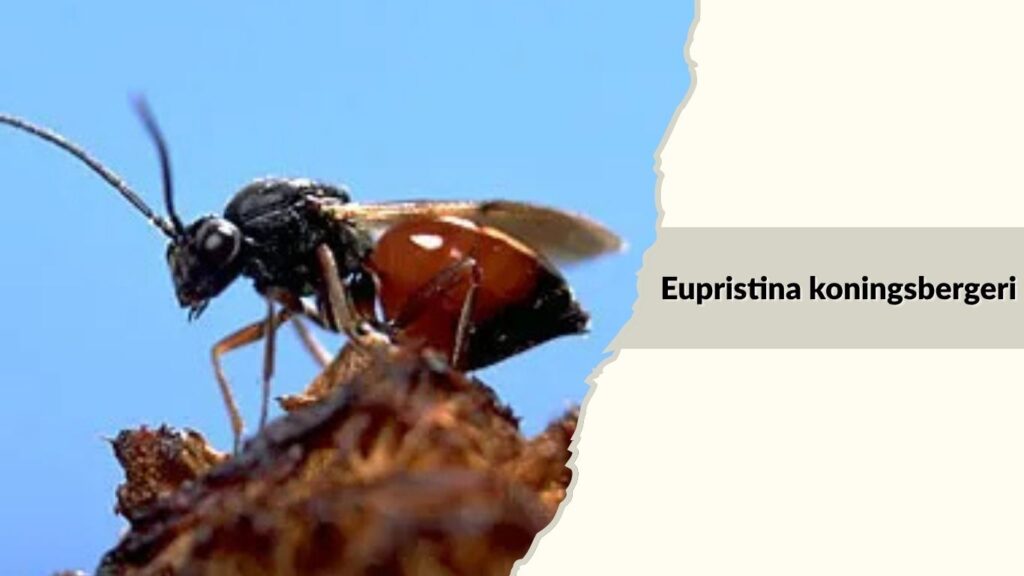
Eupristina koningsbergeri is a small pollinating fig wasp associated with the weeping fig (Ficus benjamina). It belongs to the family Agaonidae and maintains a close ecological relationship with its host tree. This species completes most of its development inside figs, where its larvae receive nourishment and protection before emerging as adults.
Identification
- Scientific Name: Eupristina koningsbergeri
- Common Name: No widely established common name
- Family: Agaonidae
- Genus: Eupristina
- Size: Very small, generally a few millimeters long
- Body Shape: Compact body with specialized pollen-carrying structures
- Wings: Females are winged; males are wingless
- Host Plant: Weeping fig (Ficus benjamina)
- Distribution: Tropical and subtropical Asia, with records from other regions
Habitat and Distribution
Eupristina koningsbergeri occurs in regions supporting natural populations of weeping fig trees. It has been studied in China, particularly in Hainan and Yunnan, and recorded in association with its host elsewhere.
These wasps are found around tropical forests, woodland edges, and landscapes containing mature Ficus benjamina trees. Their survival depends on the availability of receptive figs throughout the reproductive season.
Behavior and Life Cycle
The female wasp enters a receptive fig through a small opening and actively pollinates its enclosed flowers. Specialized pollen pockets help transport pollen between figs.
After depositing eggs, the female usually dies inside the fig. Developing larvae feed within individual floral structures until maturity. Males mate with females before the winged females emerge and disperse.
Importance in Fig Pollination
Eupristina Koningsbergeri supports the sexual reproduction of weeping fig trees. By transferring pollen between figs, it contributes to seed formation and helps maintain the ecological relationships between fig trees, insects, and fruit-eating animals.
10. Pegoscapus mexicanus
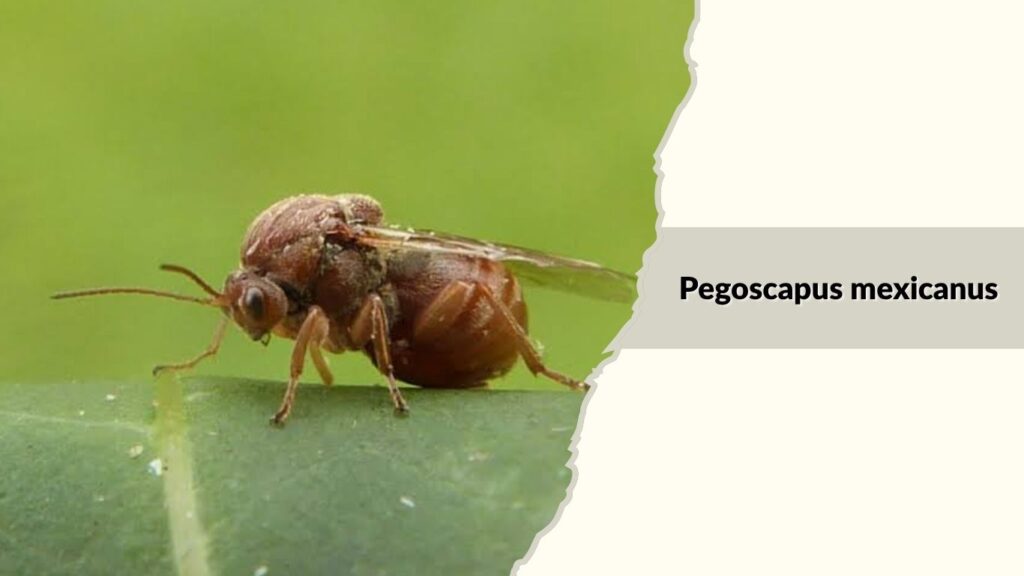
Pegoscapus mexicanus is a tiny fig wasp belonging to the family Agaonidae. It is closely associated with the Florida strangler fig (Ficus aurea), a tropical tree recognized for its spreading branches and aerial roots. This pollinating wasp plays an important role in the reproductive cycle of its host and contributes to the biodiversity of tropical American forests.
Identification
- Scientific Name: Pegoscapus mexicanus
- Common Name: No widely established common name
- Family: Agaonidae
- Genus: Pegoscapus
- Size: Minute, generally a few millimeters long
- Body Shape: Small, compact body with specialized head structures
- Color: Generally dark-colored in females
- Wings: Females are winged; males are wingless
- Host Plant: Florida strangler fig (Ficus aurea)
- Distribution: Florida, Mexico, Central America, and the Caribbean
Habitat and Distribution
Pegoscapus mexicanus occurs in tropical and subtropical regions of the Americas. It is associated with Florida strangler fig trees growing in forests, coastal hammocks, and other warm environments.
Its geographical distribution includes Florida, Mexico, and parts of Central America and the Caribbean. The wasp depends on its host tree for reproduction and larval development.
Behavior and Life Cycle
Female Pegoscapus mexicanus wasps enter receptive figs through the ostiole. Inside, they pollinate flowers and deposit eggs in suitable floral structures.
Larvae develop within the fig, feeding on plant tissue. After reaching adulthood, wingless males mate with females. The newly emerged females then collect pollen and escape through openings created by males.
Importance in Fig Pollination
Pegoscapus mexicanus contributes to the reproduction of Florida strangler fig trees. These trees provide fruits for birds, bats, and various mammals. By supporting seed production, the wasp helps maintain an important food resource within tropical and subtropical ecosystems.
11. Pegoscapus tonduzi
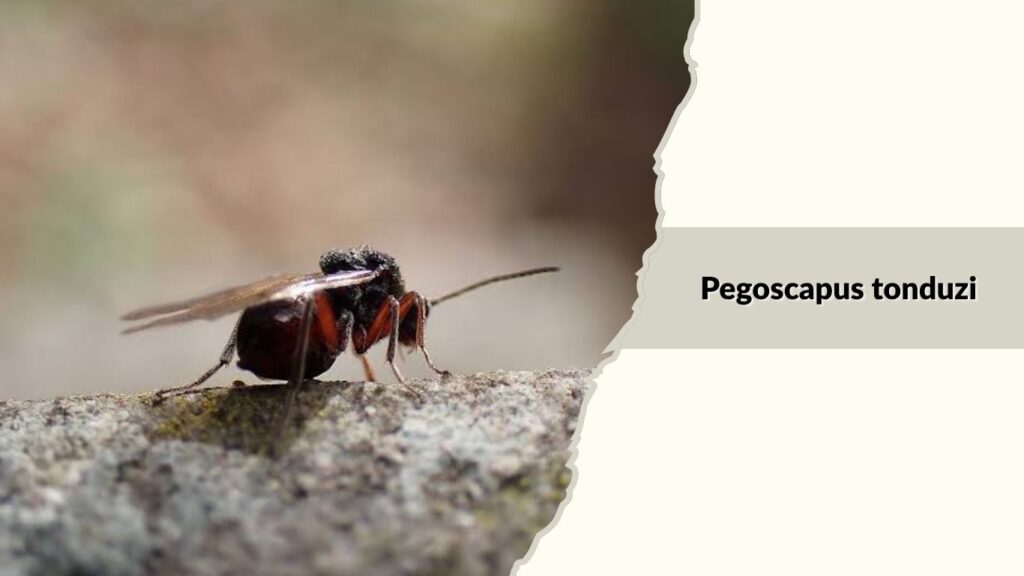
Pegoscapus tonduzi is a specialized pollinating fig wasp associated with the shortleaf fig (Ficus citrifolia). This minute insect belongs to the family Agaonidae and has a remarkable reproductive relationship with its host tree. Its life cycle takes place largely inside developing figs, making it an essential participant in the pollination and reproduction of shortleaf fig populations.
Identification
- Scientific Name: Pegoscapus tonduzi
- Common Name: No widely established common name
- Family: Agaonidae
- Genus: Pegoscapus
- Size: Tiny, approximately 1–2 mm
- Body Shape: Compact body with specialized antennae
- Color: Generally dark-bodied in winged females
- Wings: Females have wings; males are wingless
- Host Plant: Shortleaf fig (Ficus citrifolia)
- Distribution: Tropical and subtropical Americas
Habitat and Distribution
Pegoscapus tonduzi inhabits regions where shortleaf fig trees naturally grow. It has been studied in Panama and is also associated with native fig populations in southern Florida.
These wasps inhabit tropical forests, coastal vegetation, and other environments supporting mature host trees. Because adults have short lifespans, suitable receptive figs must be available for successful reproduction.
Behavior and Life Cycle
Female wasps enter receptive shortleaf figs and pollinate the enclosed flowers while laying eggs in suitable floral structures.
Their larvae develop inside the fig, where they remain protected from many environmental threats. After completing development, males emerge and mate with females. Winged females eventually leave the fig carrying pollen to new host trees.
Importance in Fig Pollination
Pegoscapus tonduzi is an important pollinator of Ficus citrifolia. Its specialized relationship supports fig seed development and the continued reproduction of shortleaf fig trees.
These trees provide fruits and habitat resources for birds, mammals, and other organisms. Consequently, the wasp contributes indirectly to maintaining biodiversity in tropical ecosystems.
12. Pegoscapus longiceps
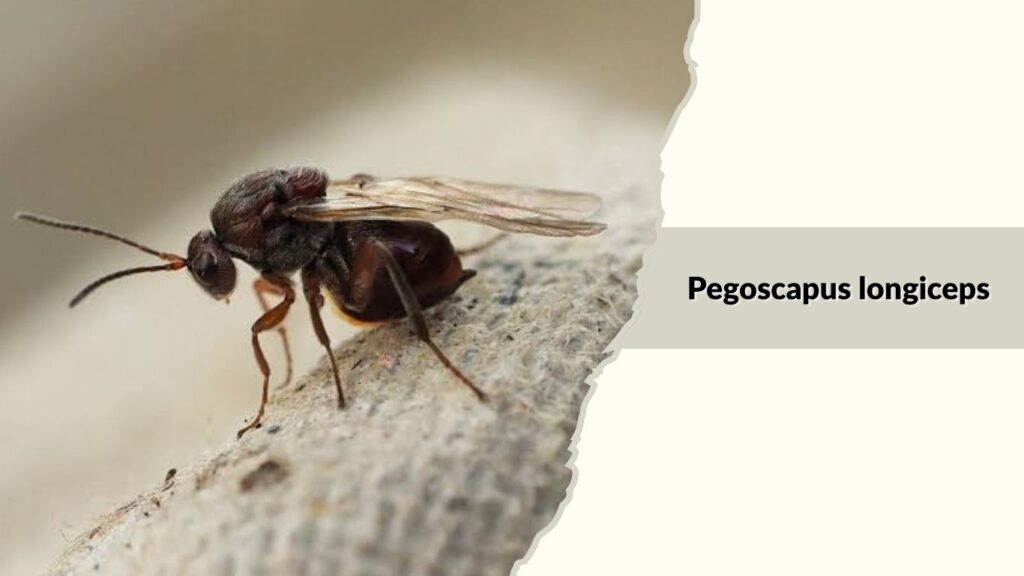
Pegoscapus longiceps is a tiny pollinating fig wasp belonging to the family Agaonidae. This species has a specialized relationship with Ficus dugandii, a tropical fig tree found in Central and South America. Like other pollinating fig wasps, it spends most of its development inside figs, where it contributes to pollination and reproduces within the enclosed flowers.
Identification
- Scientific Name: Pegoscapus longiceps
- Common Name: No widely established common name
- Family: Agaonidae
- Genus: Pegoscapus
- Size: Very small, generally a few millimeters long
- Body Shape: Compact body with specialized antennae
- Wings: Females are winged; males are wingless
- Host Plant: Ficus dugandii
- Distribution: Tropical Americas
Habitat and Distribution
Pegoscapus longiceps occurs in tropical environments where its host fig tree naturally grows. It has been documented in Panama, where Ficus dugandii provides suitable conditions for its reproduction.
These wasps are associated with forest habitats containing mature fig trees. Their survival depends on the availability of receptive figs, which provide enclosed flowers for laying eggs and supporting larval development.
Behavior and Life Cycle
Female wasps enter receptive figs through a narrow opening called the ostiole. Once inside, they transfer pollen and deposit eggs in suitable flowers.
The larvae develop within floral structures until adulthood. Wingless males emerge and mate with females before the next generation disperses. Winged females then leave their natal figs and search for suitable hosts to continue the reproductive cycle.
Importance in Fig Pollination
Pegoscapus longiceps contribute to the pollination and seed production of Ficus dugandii. This relationship helps maintain natural fig populations in tropical forests. By supporting fig reproduction, these insects indirectly benefit birds, mammals, and other wildlife that rely on figs as food.
13. Platyscapa awekei
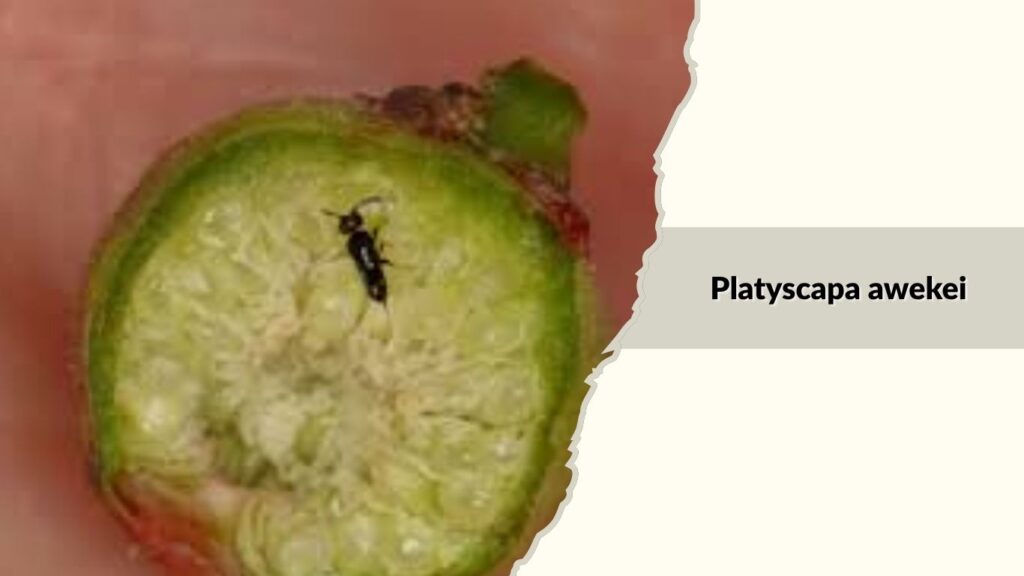
Platyscapa awekei is a specialized pollinating fig wasp belonging to the family Agaonidae. It is closely associated with Ficus salicifolia, commonly known as the wonderboom or willow-leaved fig. This tiny insect is particularly interesting because its males can compete for mates and sometimes move between figs. Its reproductive activities support the natural regeneration of African fig trees.
Identification
- Scientific Name: Platyscapa awekei
- Common Name: No widely established common name
- Family: Agaonidae
- Genus: Platyscapa
- Size: Very small, typically a few millimeters long
- Body Shape: Compact body with specialized legs and antennae
- Color: Generally dark-bodied in females
- Wings: Females are winged; males are wingless
- Host Plant: Ficus salicifolia
- Distribution: Eastern and Southern Africa and parts of the Arabian Peninsula
Habitat and Distribution
Platyscapa awekei occurs in countries including Ethiopia, Tanzania, Zimbabwe, Botswana, and South Africa. It has also been recorded in Yemen and the United Arab Emirates.
These wasps inhabit environments supporting willow-leaved fig trees, including rocky hillsides, woodland areas, and river valleys. Their distribution is closely associated with the availability of their host plant.
Behavior and Life Cycle
Female wasps enter receptive figs to pollinate flowers and lay eggs. The developing larvae remain inside the fig until they reach adulthood.
An interesting feature of this species is its male reproductive behavior. Research has shown that males may fight for mating opportunities and sometimes disperse between figs. This behavior distinguishes it from many fig wasp species whose males remain inside their natal figs.
Importance in Fig Pollination
Platyscapa awekei is an important pollinator of Ficus salicifolia. By transferring pollen between receptive figs, it supports seed formation and the reproduction of its host tree.
The resulting figs provide food resources for wildlife, making this wasp an important participant in African woodland ecosystems.
14. Platyscapa desertorum
Platyscapa desertorum is a small pollinating fig wasp recognized for its relationship with the Namaqua fig (Ficus cordata). Unlike many fig wasps associated with humid tropical forests, this species occurs in relatively dry environments of southwestern Africa. Its specialized relationship with a drought-tolerant fig tree demonstrates how pollinating insects can support plant reproduction in challenging habitats.
Identification
- Scientific Name: Platyscapa desertorum
- Common Name: No widely established common name
- Family: Agaonidae
- Genus: Platyscapa
- Size: Minute, generally a few millimeters long
- Body Shape: Compact body adapted to entering figs
- Color: Dark-bodied females
- Wings: Females are winged; males are wingless
- Host Plant: Namaqua fig (Ficus cordata subsp. cordata)
- Distribution: South Africa and Namibia
Habitat and Distribution
Platyscapa desertorum occurs in southwestern Africa, particularly in South Africa and Namibia. Its host tree commonly grows in dry, rocky landscapes, including mountainous slopes, cliffs, and sheltered valleys.
These environments experience limited rainfall and relatively harsh conditions. However, Namaqua fig trees can survive in rock crevices and other protected locations, providing reproductive habitats for their pollinating wasps.
Behavior and Life Cycle
Female Platyscapa desertorum wasps locate receptive figs and enter through their small openings. Inside, they pollinate flowers and lay eggs in suitable floral structures.
The developing larvae remain protected within the fig until they mature. After mating, newly developed females emerge and disperse to other receptive figs.
The timing of fig production is especially important in dry environments, where opportunities for reproduction may vary with environmental conditions.
Importance in Fig Pollination
Platyscapa desertorum is the recognized pollinator of the Namaqua fig. Its activity supports seed production and helps maintain fig populations in arid landscapes.
These fig trees provide food and shelter for birds, reptiles, and mammals. Consequently, the wasp contributes indirectly to biodiversity in southwestern Africa.
15. Platyscapa frontalis
Platyscapa frontalis is a little-known fig wasp belonging to the family Agaonidae. It holds taxonomic importance because it is the type species of the genus Platyscapa. Originally described from Sri Lanka, it has also been recorded in the United Arab Emirates. Although it is considered part of a group of pollinating fig wasps, its exact host relationship remains uncertain.
Identification
- Scientific Name: Platyscapa frontalis
- Common Name: No widely established common name
- Family: Agaonidae
- Genus: Platyscapa
- Size: Very small, generally a few millimeters long
- Body Shape: Compact body with specialized head structures
- Wings: Females possess functional wings
- Host Plant: Possibly sacred fig (Ficus religiosa), not confirmed
- Distribution: Sri Lanka and United Arab Emirates
Habitat and Distribution
Platyscapa frontalis was originally described from Sri Lanka and later collected in several locations across the United Arab Emirates.
Records from the UAE include Fujairah, Sharjah, and other localities where researchers collected specimens using insect traps. Its precise habitat preferences are not fully understood because available biological observations remain limited.
Behavior and Life Cycle
The reproductive behavior of Platyscapa frontalis has not been studied as extensively as that of many other fig wasps.
Like related pollinating species, it is expected to develop inside the enclosed flowers of suitable fig trees. Females would enter receptive figs, deposit eggs, and allow their larvae to mature within floral tissues.
However, further research is needed to confirm its host species and document the complete reproductive cycle.
Importance in Fig Pollination
Platyscapa frontalis is significant for understanding the classification and evolutionary history of pollinating fig wasps.
Its potential association with Ficus religiosa suggests a specialized ecological relationship, although direct confirmation is needed. Studying this species may help researchers better understand the diversity and geographical distribution of fig pollinators.
16. Kradibia cowani
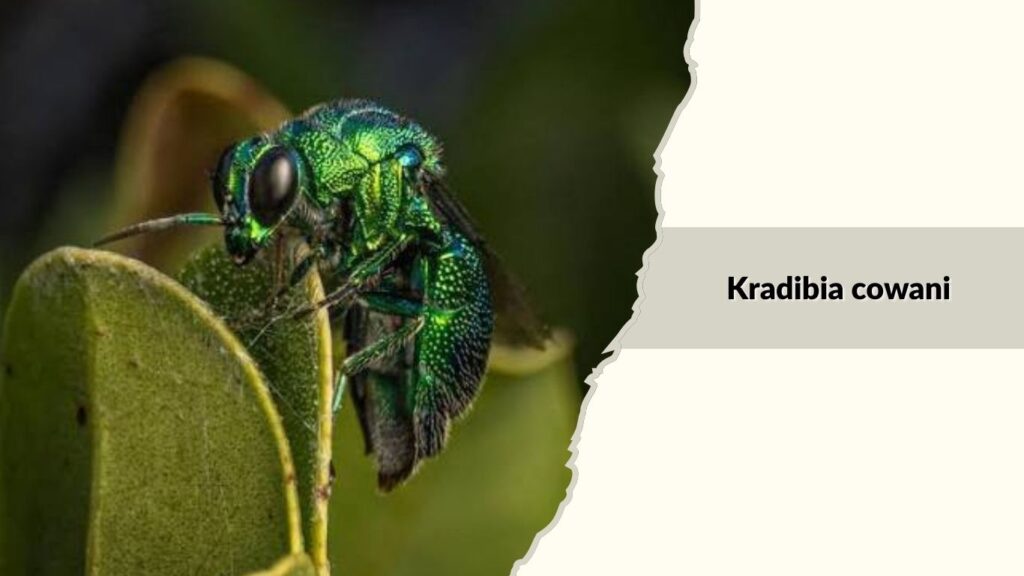
Kradibia cowani is a specialized pollinating fig wasp belonging to the family Agaonidae. This species is native to Madagascar and is closely associated with Ficus brachyclada, a fig tree found in the island’s forests. Originally described in 1883, it is particularly important in taxonomy because it serves as the type species of the genus Kradibia.
Identification
- Scientific Name: Kradibia cowani
- Common Name: No widely established common name
- Family: Agaonidae
- Genus: Kradibia
- Size: Approximately 2 mm in females
- Body Shape: Small body with specialized mouthparts and antennae
- Color: Females have dark heads and thoraxes with lighter legs and abdomens
- Wings: Females are winged; males are wingless
- Host Plant: Ficus brachyclada
- Distribution: Madagascar
Habitat and Distribution
Kradibia cowani occurs in Madagascar, where its host fig tree grows naturally. Ficus brachyclada is associated with forest understories and riverine forest habitats, occurring from low elevations to mountainous regions.
These environments provide suitable moisture and vegetation for its host tree. The wasp relies on receptive figs for its reproduction and is therefore closely connected to the distribution of Ficus brachyclada.
Behavior and Life Cycle
Female Kradibia cowani wasps enter receptive figs through the ostiole and deposit eggs inside suitable flowers while transferring pollen.
Their larvae develop within the protected interior of the fig. Once mature, males emerge and mate with females before the next generation disperses.
Winged females then leave the fig and locate receptive host figs, continuing the specialized reproductive relationship between the wasp and its host plant.
Importance in Fig Pollination
Kradibia cowani supports the reproduction of Ficus brachyclada through pollination. Its activity contributes to the formation of viable seeds and the natural regeneration of fig trees in Madagascar.
Because figs provide food for numerous animals, this tiny wasp indirectly supports forest biodiversity. Its specialized relationship also highlights the importance of protecting native fig trees and their pollinating insects.
17. Kradibia gibbosae
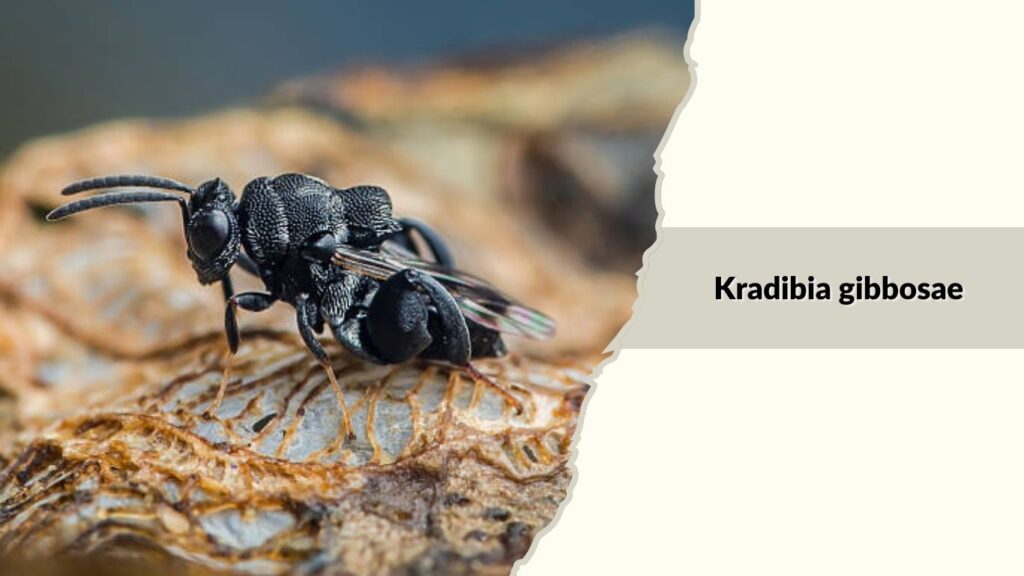
Kradibia gibbosae is a tiny pollinating fig wasp belonging to the family Agaonidae. This species has a specialized relationship with Ficus tinctoria subsp. gibbosa, a fig plant native to tropical and subtropical Asia. Despite its extremely small body, the wasp plays an important role in pollination, seed production, and the natural reproduction of its host plant.
Identification
- Scientific Name: Kradibia gibbosae
- Common Name: No widely established common name
- Family: Agaonidae
- Genus: Kradibia
- Size: Approximately 1 mm long
- Body Shape: Small, compact body with specialized mouthparts
- Color: Generally dark-bodied
- Wings: Females are winged; males are wingless
- Host Plant: Ficus tinctoria subsp. gibbosa
- Distribution: Southern China and Southeast Asia
Habitat and Distribution
Kradibia gibbosae inhabits tropical and subtropical environments where its host fig naturally grows. It has been recorded in southern China, including Hong Kong and Yunnan, and in Malaysia.
These wasps occupy forest environments, woodland edges, and other habitats containing suitable fig trees. Their survival depends on the seasonal availability of receptive figs that provide flowers for reproduction.
Behavior and Life Cycle
Female Kradibia gibbosae wasps enter receptive figs through a tiny opening called the ostiole. Inside suitable male-tree figs, they pollinate flowers and deposit eggs, allowing their larvae to develop within floral structures.
After maturation, males mate with females inside the figs. The winged females eventually emerge and disperse in search of receptive figs. When females enter figs on female trees, they pollinate flowers but cannot successfully reproduce there.
Importance in Fig Pollination
Kradibia gibbosae plays an essential role in the reproduction of Ficus tinctoria subsp. gibbosa. Its pollination activities support seed production and help maintain natural fig populations. These fig trees also provide food resources for birds and other wildlife in tropical ecosystems.
18. Tetrapus americanus
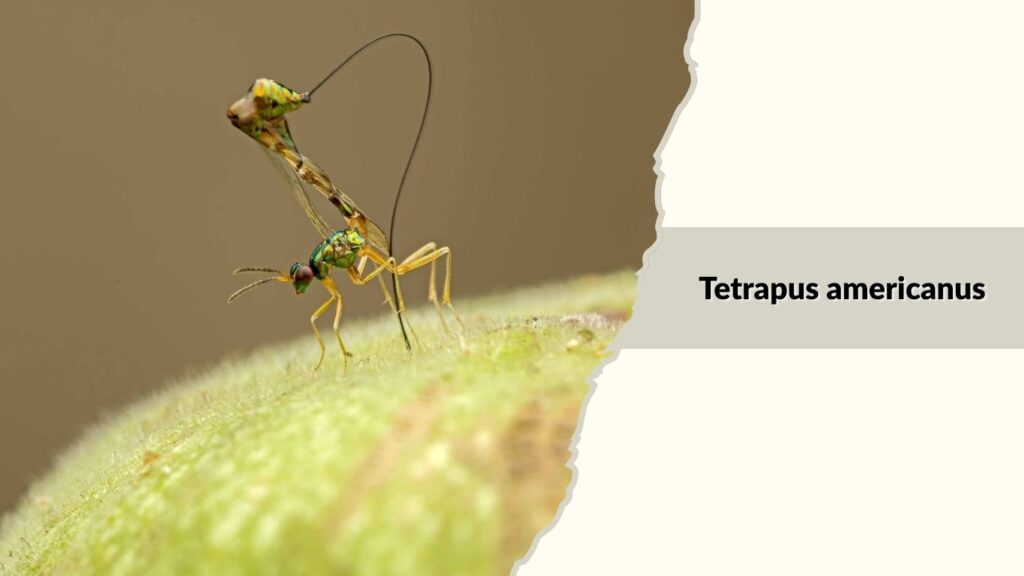
Tetrapus americanus is a specialized fig wasp belonging to the family Agaonidae. It is recognized for its close relationship with Ficus maxima, a large tropical fig tree native to the Americas. This tiny insect is responsible for pollinating its host plant and completing its reproductive development inside figs. Its ecological relationship demonstrates the remarkable evolutionary connection between fig trees and pollinating wasps.
Identification
- Scientific Name: Tetrapus americanus
- Common Name: No widely established common name
- Family: Agaonidae
- Genus: Tetrapus
- Size: Very small, generally a few millimeters long
- Body Shape: Compact body with specialized antennae and mouthparts
- Color: Generally dark-bodied in winged females
- Wings: Females are winged; males are wingless
- Host Plant: Ficus maxima
- Distribution: Central and South America
Habitat and Distribution
Tetrapus americanus occurs in tropical regions of Central and South America. Confirmed records include Brazil and Venezuela, where its host fig tree grows naturally.
The wasps inhabit tropical forests, woodland environments, and areas supporting mature Ficus maxima trees. Their populations are closely associated with host figs that provide suitable reproductive conditions.
Behavior and Life Cycle
Female Tetrapus americanus wasps enter receptive figs through the ostiole and deposit eggs inside suitable flowers. During their movements within the fig, they transfer pollen and enable fertilization.
The larvae develop inside floral structures, protected from external environmental conditions. Once mature, wingless males mate with females before the new generation leaves the fig.
The winged females then search for receptive figs, continuing the reproductive relationship.
Importance in Fig Pollination
Tetrapus americanus is an important pollinator of Ficus maxima. Its activity supports successful seed formation and the continued reproduction of this tropical tree.
The figs produced by Ficus maxima provide food for birds, monkeys, bats, and other wildlife. Therefore, this tiny wasp indirectly contributes to the stability of tropical forest food webs.
19. Pleistodontes froggatti
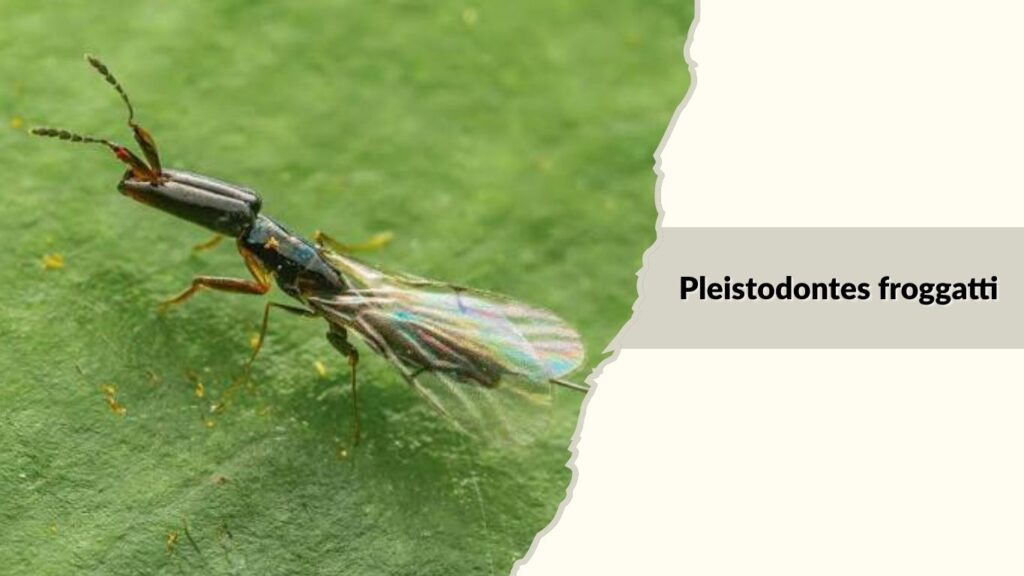
Pleistodontes froggatti is a small Australian fig wasp belonging to the family Agaonidae. It has a specialized relationship with the Moreton Bay fig (Ficus macrophylla), a large evergreen tree recognized for its impressive spreading branches and enormous root systems. This pollinating wasp is essential for the tree’s natural seed production and has become established in several regions outside Australia.
Identification
- Scientific Name: Pleistodontes froggatti
- Common Name: No widely established common name
- Family: Agaonidae
- Genus: Pleistodontes
- Size: Females approximately 3–4 mm long; males approximately 1.5 mm
- Body Shape: Small body with specialized head and antenna structures
- Color: Females exhibit black, brown, and reddish-brown coloration
- Wings: Females have wings; males are wingless
- Host Plant: Moreton Bay fig (Ficus macrophylla)
- Distribution: Australia, New Zealand, and Hawaii
Habitat and Distribution
Pleistodontes froggatti is native to Australia, particularly along the eastern coast, where Moreton Bay fig trees naturally occur. It has also established populations in New Zealand and Hawaii following the introduction of its host tree.
These wasps inhabit subtropical forests, coastal environments, urban parks, and botanical gardens containing mature Moreton Bay figs. Their presence allows planted fig trees to produce viable seeds in regions outside their native distribution.
Behavior and Life Cycle
Female Pleistodontes froggatti wasps enter receptive figs and pollinate the enclosed flowers while laying eggs.
The larvae develop inside the fig until adulthood. Wingless males emerge and mate with females before the winged females leave the fig carrying pollen.
Adult females have relatively short lifespans, making the timely discovery of suitable receptive figs essential for reproduction.
Importance in Fig Pollination
Pleistodontes froggatti is the specialized pollinator of the Moreton Bay fig. Without its pollination services, these trees generally cannot produce viable seeds through sexual reproduction.
Its activities support the regeneration of fig populations and provide indirect benefits to birds and mammals that consume their fruits.
20. Pleistodontes imperialis
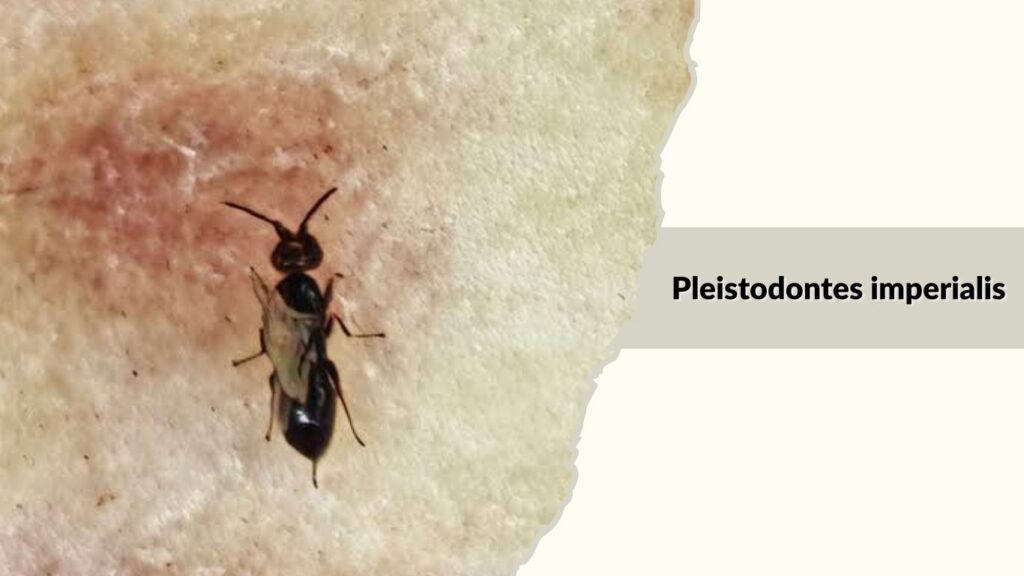
Pleistodontes imperialis is a specialized pollinating fig wasp native to Australia. It belongs to the family Agaonidae and is primarily associated with the Port Jackson fig (Ficus rubiginosa), a tree widely cultivated for its ornamental appearance. This tiny insect has attracted scientific attention because of its unusual genetic diversity and ability to pollinate certain related fig species outside its native range.
Identification
- Scientific Name: Pleistodontes imperialis
- Common Name: No widely established common name
- Family: Agaonidae
- Genus: Pleistodontes
- Size: Very small, generally a few millimeters long
- Body Shape: Compact body with specialized mouthparts and antennae
- Color: Females are commonly black, although yellow forms also occur
- Wings: Females are winged; males are wingless
- Primary Host Plant: Port Jackson fig (Ficus rubiginosa)
- Distribution: Australia and introduced populations in other regions
Habitat and Distribution
Pleistodontes imperialis naturally occurs in eastern Australia, where Port Jackson fig trees grow in coastal forests, rocky landscapes, and woodland environments.
The species has also spread beyond Australia alongside ornamental fig plantings. Research published in 2024 confirmed its presence in Greece and Cyprus, where it was found developing inside introduced Australian fig trees.
Behavior and Life Cycle
Female Pleistodontes imperialis wasps enter receptive figs and deposit eggs in suitable flowers while transferring pollen.
The larvae develop within the fig until adulthood. Wingless males mate with females and help create openings that allow the winged females to escape.
Genetic research has revealed several deeply divergent lineages within what has traditionally been identified as P. imperialis, suggesting that it represents a complex of closely related species.
Importance in Fig Pollination
Pleistodontes imperialis is the primary pollinator of Ficus rubiginosa, supporting successful seed production and tree reproduction.
Interestingly, researchers have also documented its development inside figs of Ficus watkinsiana outside Australia. This finding demonstrates that some fig wasps can reproduce using alternative host trees under suitable conditions.
FAQs
1. What Are Fig Wasps?
Fig wasps are tiny insects associated with fig trees, belonging to several families of chalcidoid wasps. Many species pollinate fig flowers, while others develop inside figs without providing pollination services. They are usually only a few millimeters long and have highly specialized relationships with particular fig tree species.
2. Do Fig Wasps Sting Humans?
Pollinating fig wasps are not dangerous to humans. Their bodies are extremely small, and they do not sting people like yellowjackets or hornets. Most spend their lives inside figs or searching for suitable host trees. They generally go unnoticed because of their tiny size and specialized lifestyle.
3. Do All Figs Have Wasps Inside Them?
No, not all figs contain wasps. Many commercially cultivated common fig varieties produce fruit without pollination through a process called parthenocarpy. Other fig varieties depend on pollinating wasps for seed development or fruit production. Even when a wasp enters a fig, it does not necessarily remain recognizable inside the mature fruit.
4. How Long Do Fig Wasps Live?
Adult fig wasps generally have very short lifespans, often lasting only one or two days, although longevity varies among species. Their immature development takes place inside figs and may last several weeks. Males typically remain within their natal figs, while winged females emerge to find new receptive figs.
5. Why Are Fig Wasps Important to the Ecosystem?
Fig wasps are important because they pollinate numerous fig tree species, enabling seed production and natural regeneration. Fig trees provide fruits for birds, bats, primates, and many other animals. By supporting fig reproduction, pollinating wasps indirectly help sustain biodiversity, food webs, and the health of tropical and subtropical ecosystems.
