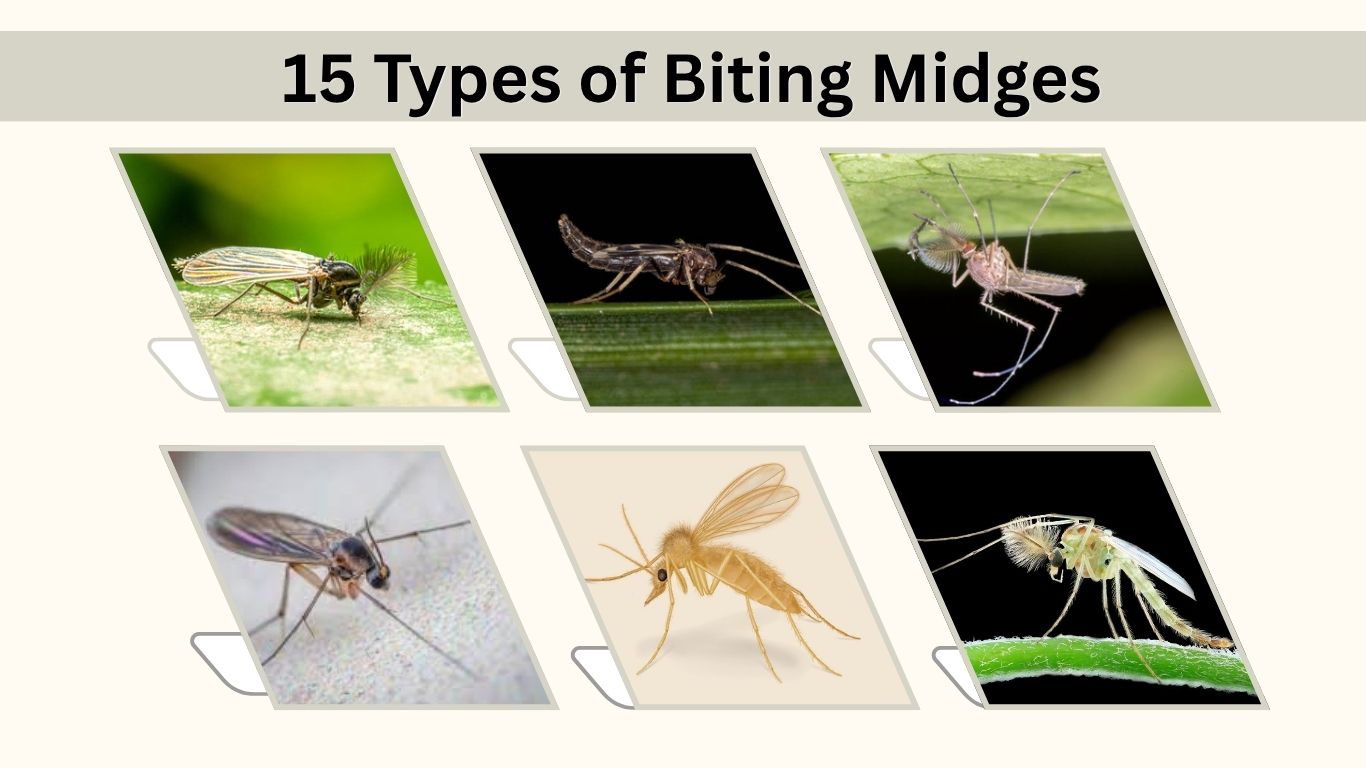
Biting midges are tiny flying insects commonly known as no-see-ums, punkies, and sand gnats. They are usually found near wetlands, beaches, forests, farms, marshes, and other damp environments. Although these insects are much smaller than mosquitoes, females of many species can deliver painful, itchy bites while feeding on humans, livestock, birds, pets, and wildlife. Different types vary in habitat, host preference, wing markings, and geographic range. This guide covers 15 common types of biting midges, including their identification, habitats, feeding behavior, and life cycles, helping readers understand these small but troublesome insects.
1. No-See-Um
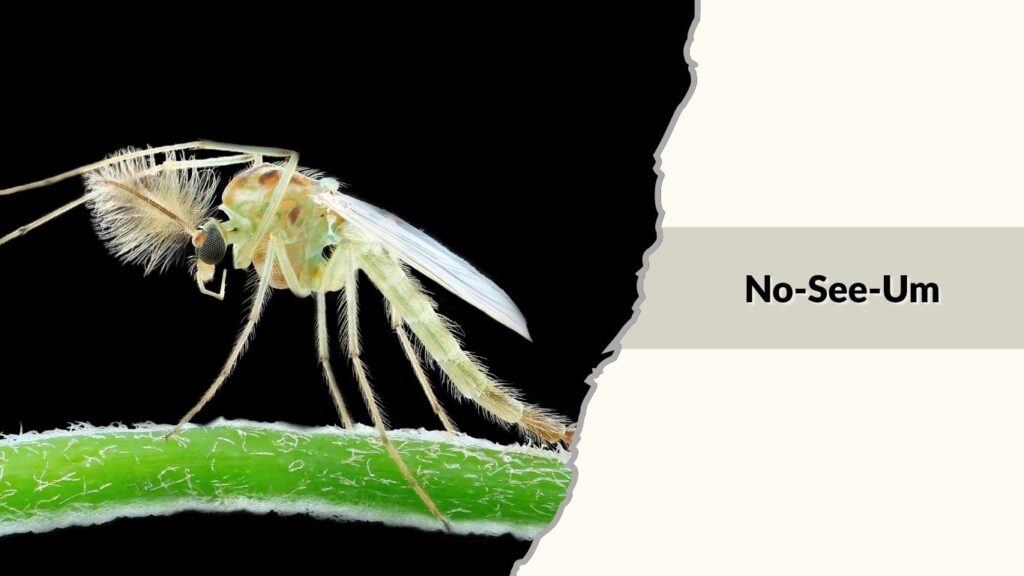
The no-see-um is a tiny biting midge known for its small size and painful bite. It belongs to the family Ceratopogonidae and is often found near wetlands, beaches, marshes, and other damp environments. These insects are so small that they can pass through ordinary window screens, making them difficult to notice before they bite.
Identification
- Usually measures about 1–3 millimeters long
- Has a gray, brown, or dark-colored body
- Possesses short legs and narrow wings
- Often has patterned or spotted wings
- Features a small, compact body
- Is much smaller than a mosquito
- May be difficult to see without close inspection
Habitat and Distribution
No-see-ums are common in warm, humid regions around the world. They often live near salt marshes, mangroves, lakes, ponds, streams, beaches, and wet soil. Some species also occur in forests, farms, and gardens.
Their larvae develop in damp sand, mud, decaying vegetation, tree holes, and waterlogged soil. Adults usually remain close to breeding areas, although wind may carry them into nearby homes and recreational spaces.
Feeding and Biting Behavior
Male no-see-ums feed on nectar and other plant sugars. Females of many species require a blood meal to produce eggs and may bite humans, livestock, pets, birds, and wildlife.
The female cuts the skin with sharp mouthparts and feeds on the blood that gathers at the surface. Bites may cause a burning sensation, intense itching, redness, and small swollen welts. They are often most active around dawn, dusk, and during calm, cloudy weather.
Life Cycle and Reproduction
Female no-see-ums lay eggs in moist soil, mud, marsh edges, or other damp areas. After hatching, the larvae feed on microorganisms, decaying organic matter, or smaller aquatic organisms.
The larvae pass through several growth stages before becoming pupae. Adults later emerge and begin searching for nectar, mates, and blood hosts. The entire life cycle may take several weeks, depending on temperature, moisture, and food availability.
2. Punkie
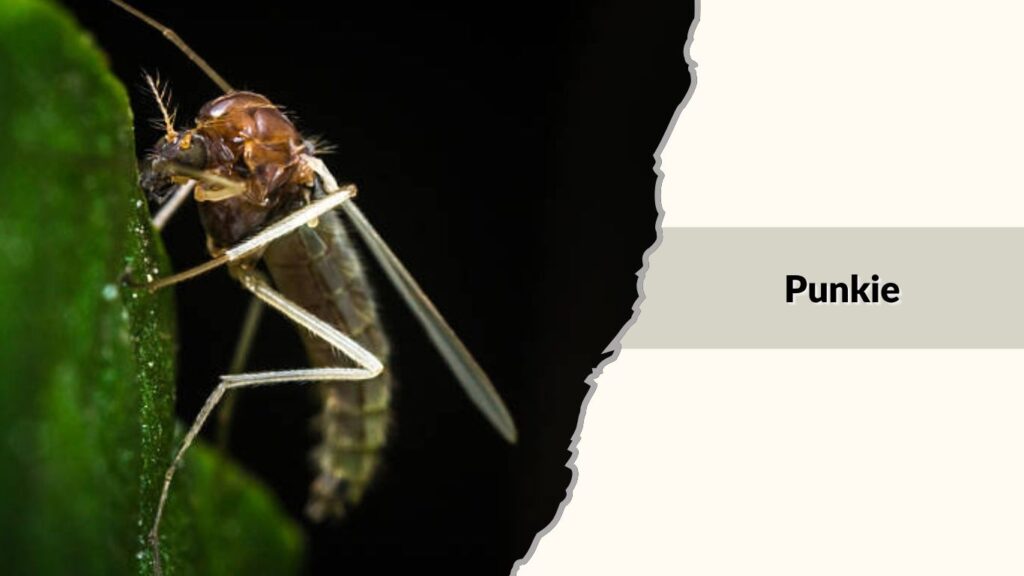
The punkie is a common name for several tiny biting midges known for their irritating bites. These insects are especially common near wetlands, forests, lakes, and marshy ground. Their small size allows them to pass through ordinary screens, and they are often most active during calm periods around sunrise and sunset.
Identification
- Usually measures about 1–3 millimeters long
- Has a dark gray, brown, or black body
- Possesses narrow wings that may have faint patterns
- Has short legs and a compact body
- Appears much smaller than a mosquito
- Can be difficult to see while flying
Habitat and Distribution
Punkies are commonly found around ponds, marshes, streams, wet forests, and damp soil. They are especially abundant in humid areas with plenty of decaying vegetation.
Their larvae develop in mud, moist organic matter, rotting plant material, and shallow water. Adults may enter campsites, gardens, homes, and outdoor gathering areas located close to their breeding sites.
Feeding and Biting Behavior
Male punkies feed mainly on nectar and plant sugars. Females of many species take blood meals from people, pets, livestock, birds, and wildlife.
Their bites often cause a sharp burning feeling followed by itching, redness, and small swollen bumps. Punkies are usually most active during dawn, dusk, cloudy weather, and calm evenings when wind speeds are low.
Life Cycle and Reproduction
Females lay eggs in wet soil, mud, marsh edges, or decaying plant matter. The larvae hatch and feed on microorganisms, organic debris, or small aquatic organisms.
After several larval stages, they develop into pupae. Adults emerge and begin feeding and mating. Their life cycle may be completed in several weeks during warm and humid conditions.
3. Sand Gnat
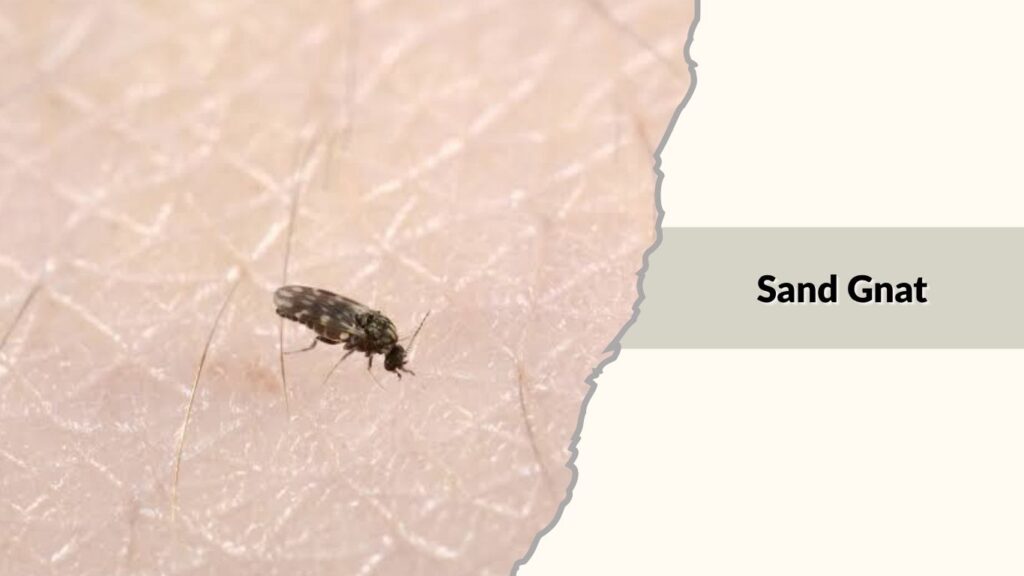
The sand gnat is a tiny biting midge often found around beaches, dunes, riverbanks, and damp sandy ground. Despite its name, it is not a true gnat in the strict scientific sense. It can be difficult to detect until it lands and bites exposed skin.
Identification
- Usually measures about 1–3 millimeters long
- Has a gray, brown, or dark body
- Features narrow, transparent wings
- Possesses short antennae and legs
- Has a small, compact appearance
- May resemble a tiny dark speck in flight
Habitat and Distribution
Sand gnats are common near coastal beaches, estuaries, riverbanks, dunes, and damp sandy soil. They may also occur around mangroves, marshes, and lake shores.
Their larvae develop in moist sand and organic debris where fungi, algae, and microorganisms are available. Adults often remain close to the ground and sheltered vegetation during windy or sunny conditions.
Feeding and Biting Behavior
Males generally feed on nectar and plant fluids. Females may take blood from humans, birds, livestock, and other animals before producing eggs.
Bites may cause an immediate sting followed by intense itching, redness, and small welts. Sand gnats are often most active in the early morning, late afternoon, and evening.
Life Cycle and Reproduction
Females place eggs in damp sand or nearby organic material. After hatching, the larvae feed on microscopic organisms and decaying debris.
The larvae pass through several stages before pupating in the same moist habitat. Adults later emerge and begin looking for sugar sources, mates, and blood hosts.
4. Five-O
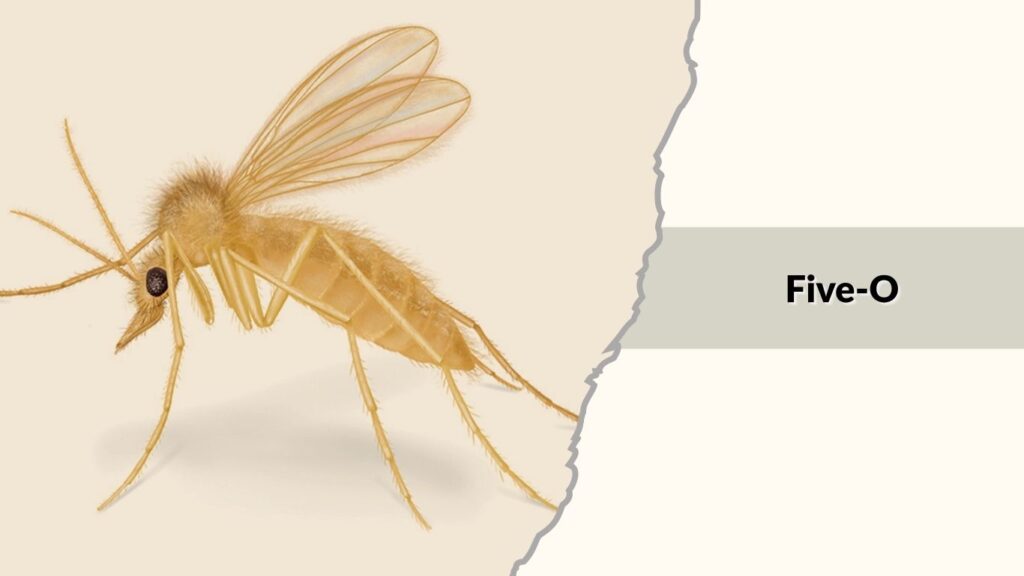
The Five-O is a regional name used for tiny biting midges that are especially active around dawn and dusk. The name is often associated with their irritating bites and sudden appearance in large numbers. They are commonly found in warm, humid coastal and wetland environments.
Identification
- Small body measuring around 1–3 millimeters
- Dark gray, black, or brown coloration
- Narrow wings that may have light markings
- Short legs and antennae
- Compact body shape
- Often appears in small swarms
Habitat and Distribution
Five-O midges are typically found near salt marshes, coastal wetlands, mangroves, tidal flats, and damp lowland areas. They may also occur around ponds, drainage channels, and wet grass.
Larvae develop in mud, moist soil, algae-rich areas, and decaying organic material. Adults may gather near homes, porches, parks, and campsites close to breeding habitats.
Feeding and Biting Behavior
Males feed on nectar, while females may require blood for egg development. They can bite humans, pets, livestock, birds, and wildlife.
Their bites often feel sharp and may produce burning, itching, redness, and swelling. They are usually most active when winds are light, especially during sunrise and sunset.
Life Cycle and Reproduction
Females lay eggs in damp mud, marsh soil, or wet organic material. The larvae feed and grow in these protected environments.
After completing several larval stages, they become pupae. Adults emerge when temperature and moisture levels are favorable. Multiple generations may occur during warm seasons.
5. Scottish Biting Midge
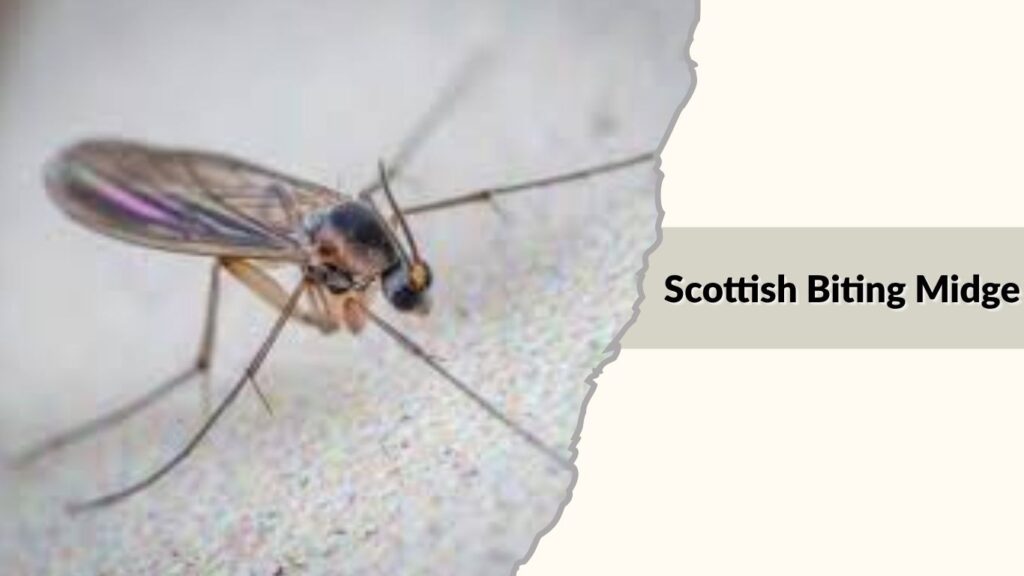
The Scottish biting midge is a tiny blood-feeding insect widely associated with the Scottish Highlands and other damp regions of northern Europe. It is famous for forming large swarms that can make outdoor activities uncomfortable, especially during warm, still summer evenings.
Identification
- Usually measures about 1–2 millimeters long
- Has a dark gray or brown body
- Possesses small, narrow wings
- Has short legs and antennae
- Appears as a tiny dark speck
- Females have cutting mouthparts
Habitat and Distribution
Scottish biting midges thrive in bogs, moorlands, forests, grasslands, and damp mountain valleys. They are especially common in areas with wet soil and high humidity.
Their larvae develop in waterlogged soil, peat, moss, and decaying plant matter. Adults often remain close to vegetation and sheltered areas where wind is limited.
Feeding and Biting Behavior
Males feed on plant sugars, while females take blood from humans, deer, livestock, and other mammals. Females use blood protein to develop their eggs.
The bite may cause a burning feeling, followed by itching and swelling. Activity is highest during calm, cloudy, and humid conditions, particularly around dawn and dusk.
Life Cycle and Reproduction
Females lay eggs in moist soil, peat, and boggy ground. The larvae feed on microorganisms and organic matter within the wet substrate.
They pass through several larval stages before pupating. Adults emerge during spring and summer, and more than one generation may develop in favorable years.
6. Highland Midge
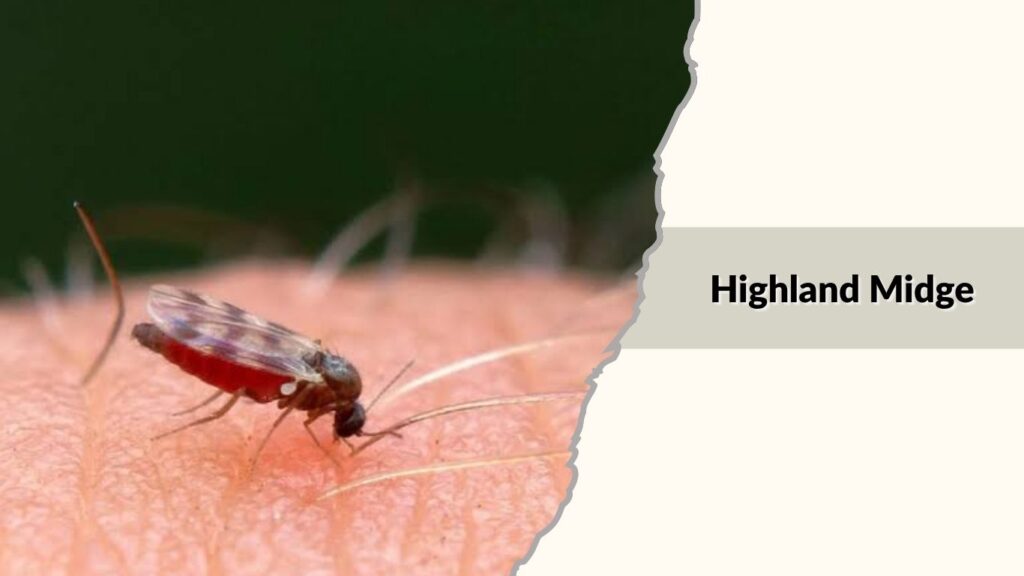
The Highland midge is one of the best-known biting midges in northern Britain. It is particularly abundant in the Scottish Highlands, where moist soil, mild temperatures, and sheltered landscapes provide ideal conditions for reproduction.
Identification
- Body length of around 1–2 millimeters
- Dark brown or gray coloration
- Short legs and antennae
- Narrow, transparent wings
- Tiny, compact body
- Difficult to see until it lands
Habitat and Distribution
Highland midges live in damp forests, peatlands, valleys, hillsides, and areas near streams and lochs. They prefer shaded, wind-protected environments.
The larvae develop in moist soil rich in decaying vegetation. Adults often gather near woodland edges, walking trails, campsites, and livestock fields.
Feeding and Biting Behavior
Male Highland midges feed on nectar and plant sugars. Females bite humans, deer, cattle, sheep, and other mammals to obtain blood for egg development.
They are usually most active during still, overcast weather. Their bites can cause strong itching, redness, and clusters of small swollen marks, particularly on the face, neck, arms, and legs.
Life Cycle and Reproduction
Females deposit eggs in damp soil or peat. The larvae remain hidden in the upper soil layers, where they feed on organic matter and microscopic organisms.
They grow through several stages before pupating. Adults emerge during warmer months, with peak populations often occurring in summer and early autumn.
7. Saltmarsh Biting Midge
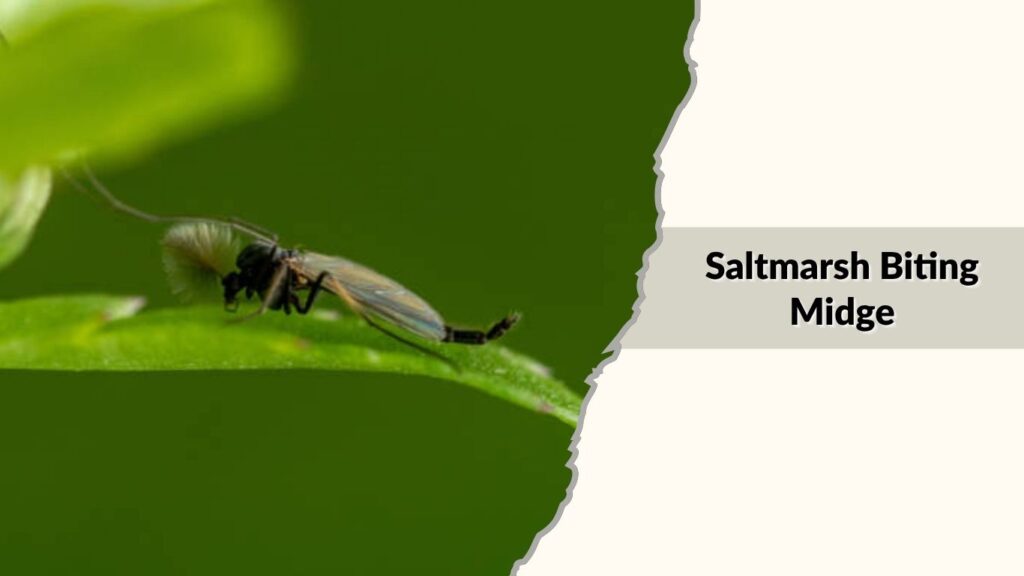
The saltmarsh biting midge is a tiny blood-feeding insect commonly found around coastal wetlands and tidal marshes. It thrives in salty or brackish environments where moist mud and decaying plant material provide suitable breeding conditions. Adults may become a serious nuisance to people living or working near coastal areas.
Identification
- Usually measures about 1–3 millimeters long
- Has a dark gray, brown, or black body
- Possesses narrow wings with faint patterns
- Features short legs and antennae
- Has a compact, delicate appearance
- Can pass through standard window screens
Habitat and Distribution
Saltmarsh biting midges are found near salt marshes, estuaries, tidal creeks, mudflats, and coastal lagoons. They often rest in grasses, reeds, shrubs, and shaded vegetation during the day.
Their larvae develop in moist saline mud containing algae, microorganisms, and decomposing organic material. Adults may spread into nearby homes, beaches, parks, and outdoor recreation areas.
Feeding and Biting Behavior
Males feed on nectar and plant sugars. Females take blood from humans, birds, livestock, and wildlife to obtain protein for egg development.
Their bites often cause a sharp burning sensation followed by itching, redness, and swollen welts. They are especially active around dawn, dusk, and during calm, humid weather.
Life Cycle and Reproduction
Females lay eggs in moist saltmarsh soil or mud. The larvae hatch and feed on microorganisms, algae, and organic debris.
After passing through several growth stages, they pupate in the same habitat. Adults emerge during warm weather, and multiple generations may develop throughout a long coastal season.
8. Coastal Biting Midge
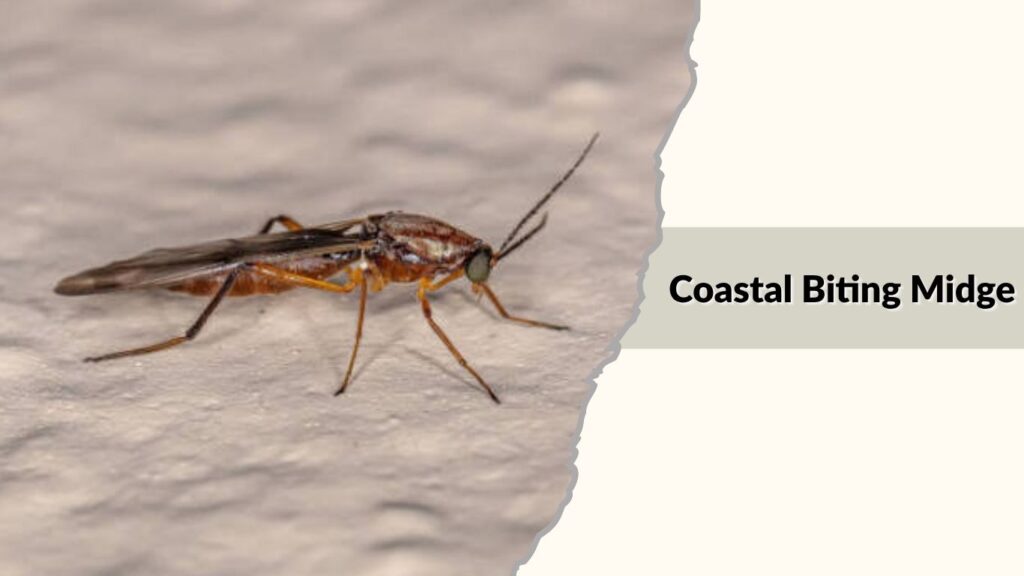
The coastal biting midge is commonly found along beaches, estuaries, dunes, and other humid seaside environments. Its tiny size makes it difficult to detect before it bites. Large populations can make coastal camping, fishing, and evening outdoor activities uncomfortable.
Identification
- Measures approximately 1–3 millimeters long
- Has a pale gray, brown, or dark-colored body
- Possesses narrow, sometimes spotted wings
- Features short legs and a compact body
- Appears smaller than most mosquitoes
- Flies close to the ground and vegetation
Habitat and Distribution
Coastal biting midges inhabit sandy beaches, mangroves, coastal marshes, tidal pools, and damp dunes. They prefer locations protected from strong winds.
Their larvae may develop in wet sand, mud, decaying seaweed, and organic material near the shoreline. Adults often remain close to their breeding areas but may enter nearby buildings.
Feeding and Biting Behavior
Both sexes feed on nectar and plant fluids. Females of biting species also seek blood from people, pets, birds, and coastal wildlife.
They usually attack exposed areas such as the ankles, legs, arms, neck, and face. Their bites can create intense itching and clusters of small red bumps.
Life Cycle and Reproduction
Females place eggs in damp coastal soil, wet sand, or decaying organic matter. The larvae feed on microorganisms and plant debris.
They later develop into pupae before emerging as adults. Warm temperatures and regular moisture can allow coastal biting midges to reproduce for much of the year.
9. Mangrove Biting Midge
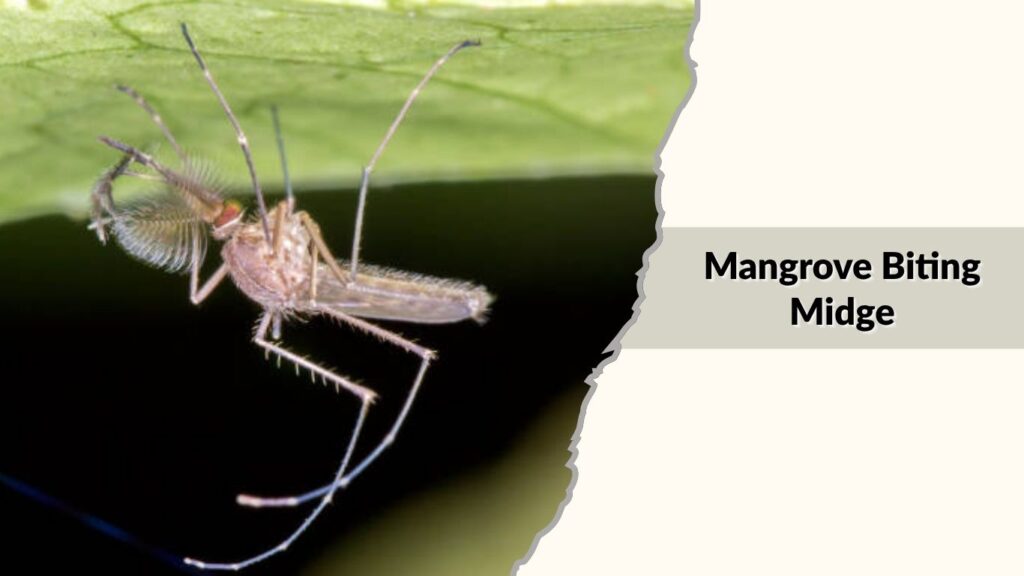
The mangrove biting midge is associated with tropical and subtropical mangrove forests. These wetlands provide abundant mud, decomposing leaves, and sheltered water, creating excellent breeding conditions. Adults may occur in large numbers near coastal communities and mangrove-lined waterways.
Identification
- Usually measures between 1 and 3 millimeters
- Has a dark brown, gray, or black body
- Possesses narrow wings with possible light markings
- Features short antennae and legs
- Has a tiny, compact body
- May appear as a small moving speck
Habitat and Distribution
Mangrove biting midges are common in mangrove swamps, tidal creeks, lagoons, estuaries, and nearby coastal forests. They often rest beneath leaves and among shaded roots.
Larvae develop in wet mangrove mud, rotting leaves, algae, and organic debris. Adults may spread into homes, resorts, fishing areas, and walking trails near mangrove habitats.
Feeding and Biting Behavior
Male mangrove midges consume nectar and plant sugars. Females may feed on humans, birds, reptiles, mammals, and other animals.
Their bites can cause a burning feeling, itching, redness, and swelling. Activity is usually highest during low-wind periods around sunrise and sunset.
Life Cycle and Reproduction
Females lay eggs in moist mud or decaying vegetation within the mangrove habitat. The larvae feed on microorganisms, fungi, and organic particles.
After completing several larval stages, they pupate and later emerge as adults. High humidity and warm temperatures may support continuous reproduction.
10. Tropical Biting Midge
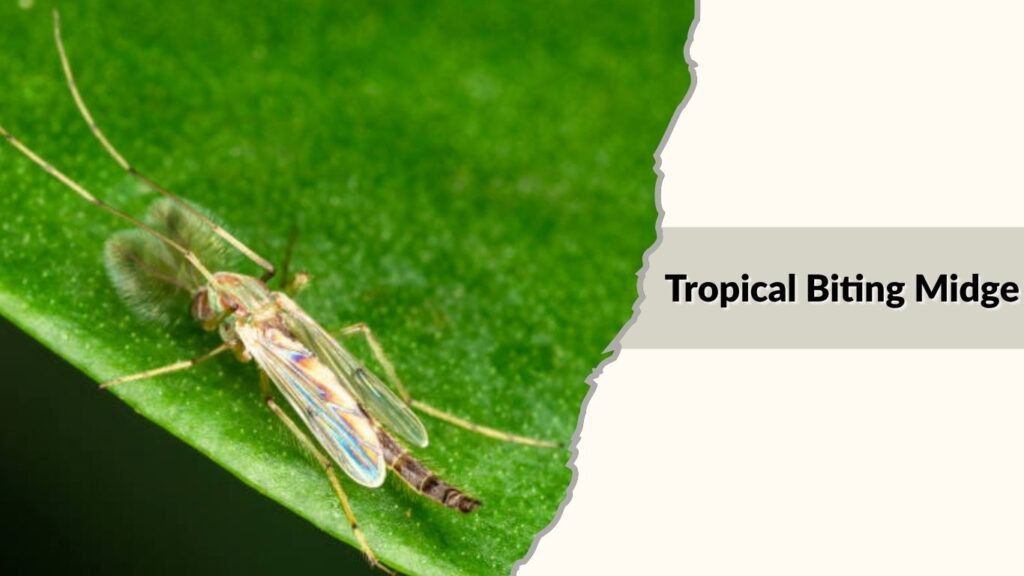
The tropical biting midge is found in warm, humid regions around the world. It occurs in forests, wetlands, farms, villages, and coastal habitats. Because tropical climates remain warm for much of the year, these midges may stay active across multiple seasons.
Identification
- Body length of about 1–3 millimeters
- Dark gray, brown, or black coloration
- Narrow wings that may have spotted patterns
- Short legs and segmented antennae
- Small, delicate body
- Easily mistaken for a tiny gnat
Habitat and Distribution
Tropical biting midges live near swamps, ponds, rivers, mangroves, forests, and wet agricultural land. They often hide in shaded vegetation during the hottest part of the day.
Their larvae develop in moist soil, mud, rotting plants, tree holes, and shallow aquatic habitats. High rainfall and humidity can lead to rapid population growth.
Feeding and Biting Behavior
Males feed on plant sugars, while females may require blood before laying eggs. Common hosts include humans, livestock, pets, birds, and wild animals.
The bites can produce painful stinging, itching, redness, and small swollen marks. Some tropical species may also transmit animal diseases or parasites.
Life Cycle and Reproduction
Females deposit eggs in damp environments rich in organic matter. The larvae feed on fungi, microorganisms, and decomposing plant material.
They pass through several larval stages before pupating. Adults may emerge throughout the year where temperature and moisture remain suitable.
11. Australian Biting Midge
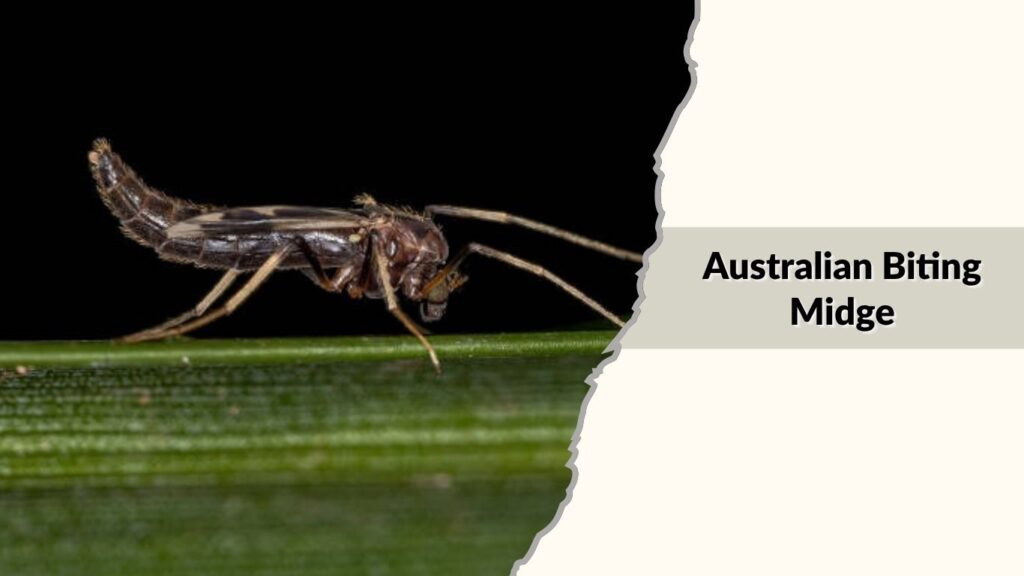
The Australian biting midge is common in many coastal and tropical regions of Australia. It is often called a sandfly locally, although it belongs to the biting midge family. These insects can become especially troublesome near estuaries, mangroves, rivers, and coastal wetlands.
Identification
- Usually measures approximately 1–3 millimeters
- Has a gray, brown, or dark body
- Possesses patterned or spotted wings
- Features short legs and antennae
- Has a compact, delicate shape
- Is small enough to pass through ordinary screens
Habitat and Distribution
Australian biting midges are commonly found around mangroves, salt marshes, tidal creeks, beaches, and inland wetlands. They prefer humid places with soft mud and decaying vegetation.
Larvae develop in moist soil, marsh mud, tree holes, and other wet organic material. Adults often move into nearby residential areas during calm weather.
Feeding and Biting Behavior
Male Australian biting midges feed on nectar. Females may bite humans, pets, livestock, birds, and wildlife.
Bites often cause immediate irritation followed by intense itching and swollen red spots. Some people may react strongly and experience discomfort for several days.
Life Cycle and Reproduction
Females lay eggs in damp mud, soil, or decaying vegetation. Larvae feed on microorganisms and organic matter before becoming pupae.
Adults emerge during warm, humid periods. Population numbers often increase after rainfall, high tides, or prolonged wet conditions.
12. Livestock Biting Midge
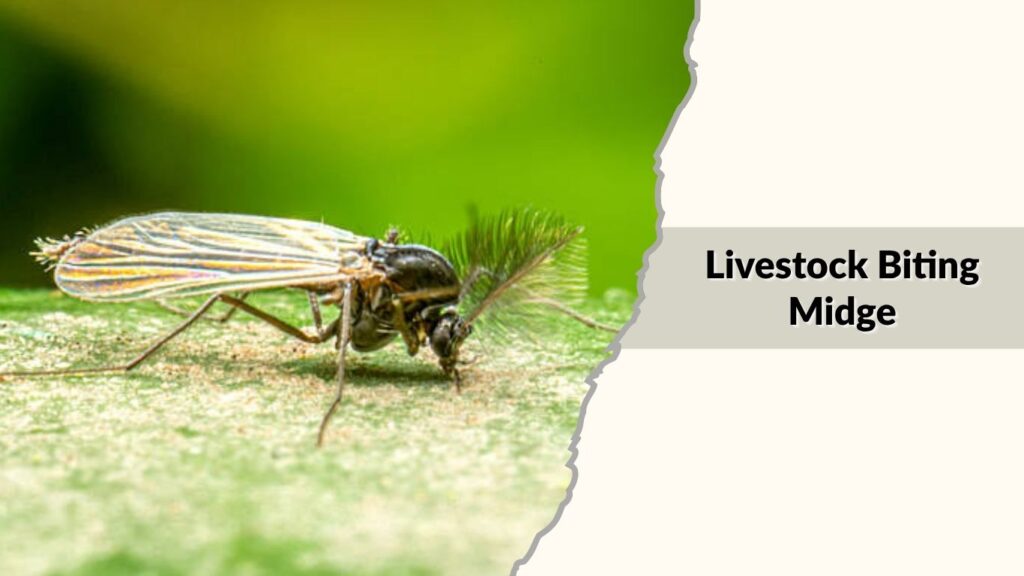
The livestock biting midge is a tiny blood-feeding insect commonly found around farms, pastures, barns, and animal shelters. Females may bite cattle, sheep, goats, horses, and other domestic animals. Heavy midge activity can cause irritation, restlessness, and reduced comfort among livestock.
Identification
- Usually measures about 1–3 millimeters long
- Has a dark gray, brown, or black body
- Possesses narrow wings with light or dark markings
- Features short legs and segmented antennae
- Has a compact body shape
- Often gathers around animal shelters and pastures
Habitat and Distribution
Livestock biting midges live near wet fields, manure-rich soil, ponds, marshes, drainage ditches, and muddy areas around farms. They often rest in grass, vegetation, barns, and shaded structures during the day.
Their larvae develop in moist soil, decaying plant matter, manure, and shallow aquatic habitats. Farms with standing moisture and organic waste may support large populations.
Feeding and Biting Behavior
Males feed on nectar and plant sugars. Females take blood from cattle, horses, sheep, goats, and other animals to produce eggs.
Bites may cause irritation, itching, swelling, and repeated skin rubbing. Some species can transmit animal viruses or parasites, making them important veterinary pests in certain regions.
Life Cycle and Reproduction
Females lay eggs in damp soil, manure, mud, or wet vegetation. Larvae feed on microorganisms and organic debris before passing through several growth stages.
They later form pupae and emerge as adults. Warm temperatures and high moisture can allow multiple generations to develop during the farming season.
13. Bird-Biting Midge
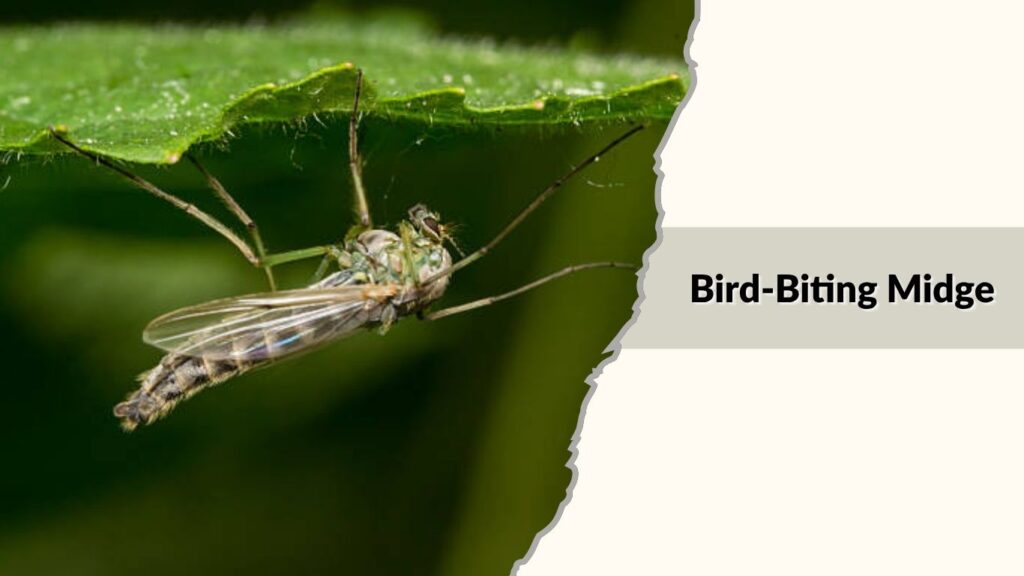
The bird-biting midge is a small biting insect that feeds mainly on domestic and wild birds. It may occur around poultry houses, wetlands, nesting sites, and bird roosts. Large numbers can disturb birds and make them restless or uncomfortable.
Identification
- Usually measures around 1–3 millimeters long
- Has a dark brown, gray, or black body
- Possesses narrow, sometimes patterned wings
- Features short legs and antennae
- Has a tiny, compact appearance
- Often gathers near bird shelters or nesting areas
Habitat and Distribution
Bird-biting midges are found near wetlands, ponds, marshes, poultry farms, forests, and coastal habitats. They often rest in vegetation, wall cracks, bird shelters, and shaded areas.
Their larvae develop in mud, moist soil, decaying leaves, tree holes, and wet organic matter. Areas with water and large bird populations may support high numbers.
Feeding and Biting Behavior
Males feed on nectar and plant fluids. Females may bite poultry, songbirds, waterfowl, and other birds to obtain blood for egg production.
They often attack areas with fewer feathers, such as around the eyes, head, legs, and under the wings. Heavy biting can cause irritation, stress, and reduced feeding activity.
Life Cycle and Reproduction
Females deposit eggs in wet soil, mud, or decaying organic material. The larvae hatch and feed on microorganisms, fungi, and small organic particles.
After several larval stages, they pupate and later emerge as adults. Their populations may rise quickly during warm and humid conditions.
14. Tree-Hole Biting Midge
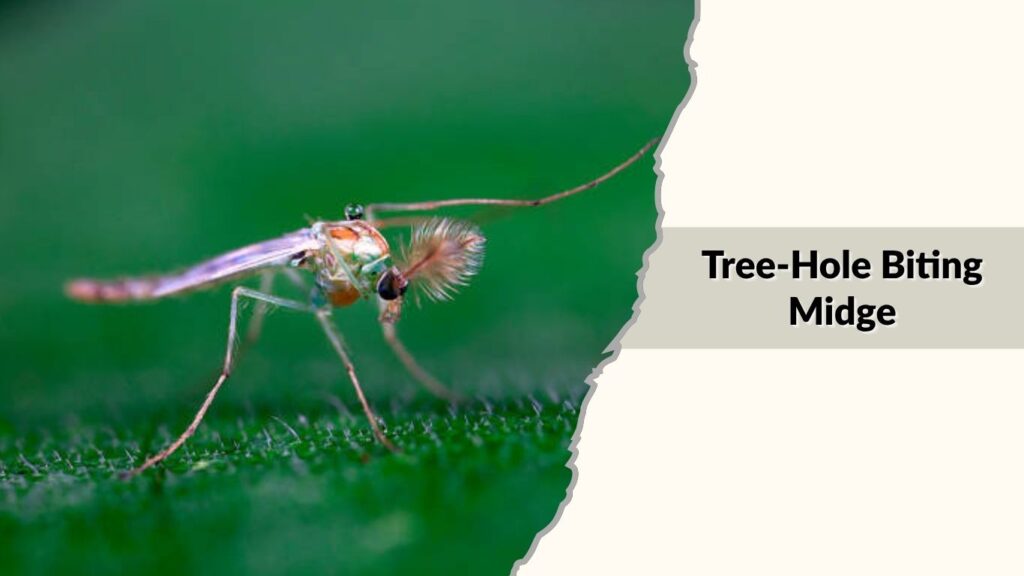
The tree-hole biting midge is associated with water-filled cavities in tree trunks, branches, and roots. These natural containers collect rainwater, leaves, and organic debris, creating suitable habitats for midge larvae.
Identification
- Body length of approximately 1–3 millimeters
- Dark gray, brown, or black coloration
- Narrow wings that may have spotted markings
- Short antennae and small legs
- Compact and delicate body
- Often found in wooded or shaded environments
Habitat and Distribution
Tree-hole biting midges are common in forests, parks, orchards, gardens, and wooded residential areas. Adults usually remain near shaded vegetation and damp tree cavities.
The larvae develop in water-filled tree holes containing decaying leaves, algae, microorganisms, and organic debris. Similar habitats may also occur in stumps and bamboo stems.
Feeding and Biting Behavior
Adult males feed on nectar and other plant sugars. Females may bite humans, birds, mammals, or reptiles, depending on the species.
Their bites can cause a small burning sensation followed by itching and redness. They are usually most active during calm, humid conditions and in shaded areas.
Life Cycle and Reproduction
Females lay eggs near the waterline or on damp organic matter inside tree cavities. Larvae feed on microorganisms and decomposing debris in the collected water.
They pass through several stages before becoming pupae. Adults emerge from the tree hole and remain close to nearby vegetation and hosts.
15. Freshwater Biting Midge
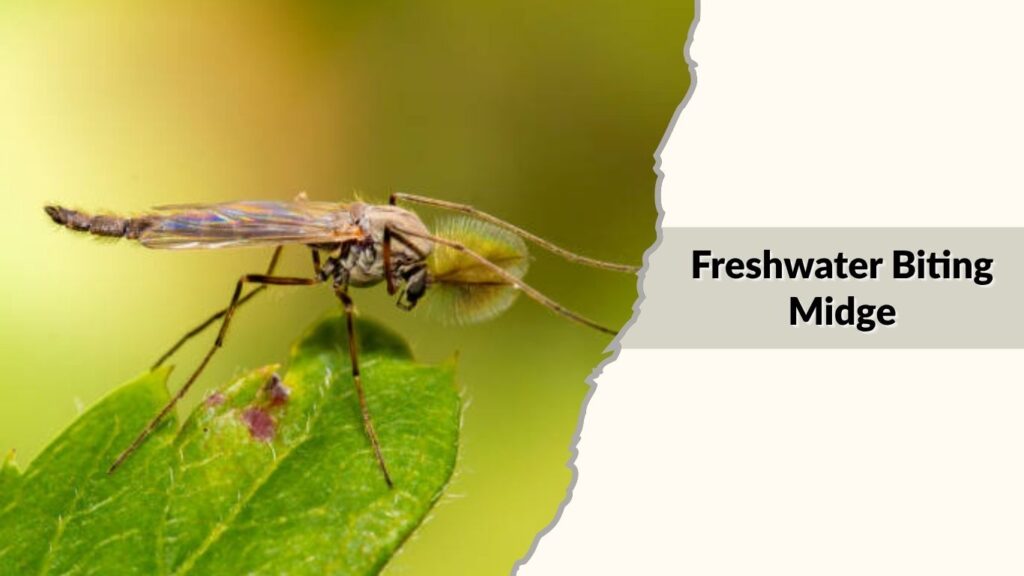
The freshwater biting midge lives around lakes, ponds, streams, marshes, and other inland water sources. While many non-biting midges also occur in freshwater habitats, females of biting species may feed on humans and animals.
Identification
- Usually measures between 1 and 3 millimeters
- Has a dark gray, brown, or black body
- Possesses narrow, clear, or patterned wings
- Features short legs and antennae
- Has a compact, delicate shape
- Often flies close to water and shoreline vegetation
Habitat and Distribution
Freshwater biting midges occur near ponds, lakes, rivers, wetlands, drainage ditches, and slow-moving streams. Adults often rest in reeds, grasses, shrubs, and shaded plants near the water.
Their larvae develop in mud, shallow water, wet soil, algae, and decomposing organic matter. Moist inland environments can support large seasonal populations.
Feeding and Biting Behavior
Males feed on nectar and plant sugars. Females may bite humans, livestock, pets, birds, and wildlife before laying eggs.
Bites often produce itching, redness, swelling, and small welts. Activity is commonly highest during dawn, dusk, and calm humid weather.
Life Cycle and Reproduction
Females place eggs in wet soil, mud, or shallow freshwater habitats. The larvae feed on microorganisms, decaying vegetation, and sometimes smaller aquatic organisms.
After several growth stages, they pupate and emerge as adults. Warm temperatures and steady moisture can support multiple generations each year.
FAQs
1. What are biting midges?
Biting midges are tiny flies belonging mainly to the family Ceratopogonidae. They are often called no-see-ums, punkies, or sand gnats. Most measure only 1–3 millimeters long and are commonly found near wetlands, marshes, beaches, forests, farms, and other damp environments.
2. Do all biting midges bite humans?
No, only females of blood-feeding species bite humans or animals. They require protein from blood to develop their eggs. Male biting midges feed on nectar and plant sugars. Some female species prefer birds, livestock, reptiles, or wildlife rather than people.
3. What do biting midge bites look like?
Biting midge bites usually appear as small red bumps or swollen welts. They may cause an immediate burning sensation followed by intense itching, tenderness, and redness. Several bites often occur close together because midges may gather in groups around exposed skin.
4. When are biting midges most active?
Biting midges are generally most active around dawn and dusk, especially during warm, humid, and windless weather. Some species may also bite during cloudy daytime conditions. Their activity often increases after rainfall, high tides, or prolonged wet weather.
5. How can you prevent biting midge bites?
Wear long sleeves, trousers, socks, and closed shoes in infested areas. Apply a suitable insect repellent to exposed skin and clothing, and use fine-mesh screens or bed nets. Avoid marshes, mangroves, and damp shorelines during peak activity when possible.