
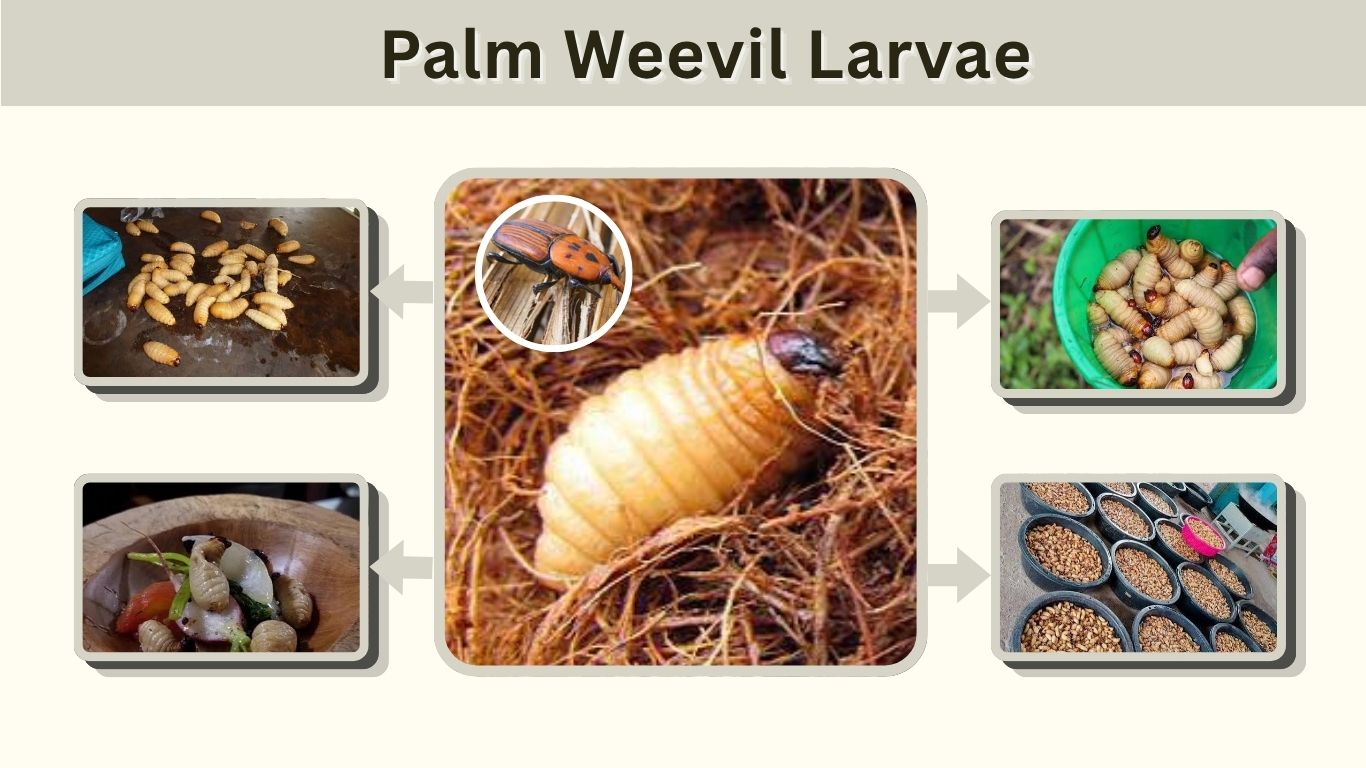
Palm weevil larvae are large, creamy-white grubs that develop inside palm trees, feeding on soft plant tissues. Although some species are destructive agricultural pests, their larvae are also valued as traditional foods in parts of Africa, Asia, and South America. These insects contain protein, fat, and several important nutrients, making them interesting for food production and insect farming. Understanding palm weevil larvae identification, life cycle, diet, nutritional benefits, and farming practices helps explain their ecological importance, agricultural impact, and growing role in alternative food systems.
What Are Palm Weevil Larvae?
Palm weevil larvae are the immature stages of beetles belonging to the genus Rhynchophorus. These insects develop inside palm trunks, crowns, or other suitable plant tissues. They have soft, segmented bodies and powerful chewing mouthparts that allow them to consume fibrous plant material.
Palm Weevil Larvae Identification
Common identifying characteristics include:
- Body Color: Creamy-white, pale yellow, or slightly orange.
- Body Shape: Thick, curved, and cylindrical.
- Head: Dark brown with strong chewing mandibles.
- Legs: Completely legless.
- Body Texture: Soft, fleshy, and visibly segmented.
- Size: Mature larvae of several species reach approximately 5 centimeters.
- Habitat: Internal tissues of palm trunks, crowns, and leaf bases.
Palm Weevil Larvae vs. Ordinary Grubs
Palm weevil larvae resemble certain other beetle grubs but differ in their habitat and body structure.
Many scarab beetle grubs have three pairs of small legs, while palm weevil larvae are legless.
Their large brown head capsules and association with palm tissues provide additional identification clues.
Common Types of Palm Weevil Larvae
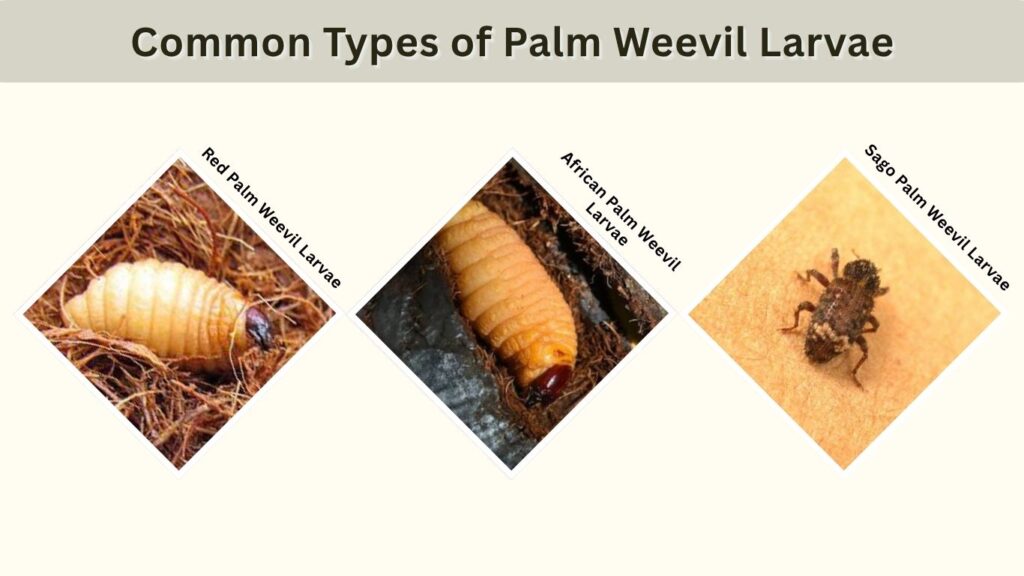
Several palm weevil species produce large larvae, but their geographic distribution, economic importance, and traditional uses differ. Some are important pests of coconut and date palms, while others are harvested or cultivated as edible insects.
Red Palm Weevil Larvae
The red palm weevil (Rhynchophorus ferrugineus) produces large, creamy-yellow larvae that tunnel through palm crowns and trunks.
This species is a serious agricultural pest in Asia, the Middle East, and Mediterranean regions.
Its larvae can destroy internal growing tissues and eventually kill infested palm trees.
African Palm Weevil Larvae
African palm weevil larvae belong to the species Rhynchophorus phoenicis.
They are commonly consumed in parts of West and Central Africa, particularly in countries such as Ghana and Nigeria.
Their nutritional value and traditional importance have encouraged research into controlled commercial production.
South American and Sago Palm Weevil Larvae
South American palm weevil larvae (Rhynchophorus palmarum) are traditionally eaten in several Amazonian communities.
Sago palm weevil larvae are also consumed in parts of Southeast Asia and the Pacific.
The term “sago grub” can refer to larvae from different Rhynchophorus species depending on the region.
Palm Weevil Larvae Life Cycle
Palm weevils undergo complete metamorphosis through egg, larva, pupa, and adult stages. Development varies depending on species, temperature, and food availability. The larval stage is particularly important because it is responsible for most feeding damage to palm tissues.
Eggs and Larval Development
Female palm weevils deposit eggs in soft palm tissues, damaged areas, or natural crevices.
After hatching, larvae begin consuming surrounding plant material. They grow through several stages, shedding their outer skin as their bodies increase in size.
The developing larvae create tunnels filled with chewed fibers and waste.
Pupal and Adult Stages
Mature larvae construct protective cocoons from palm fibers.
Inside these cocoons, they transform into pupae before emerging as adult beetles.
Development may take several months, depending on the species and environmental conditions.
What Do Palm Weevil Larvae Eat?
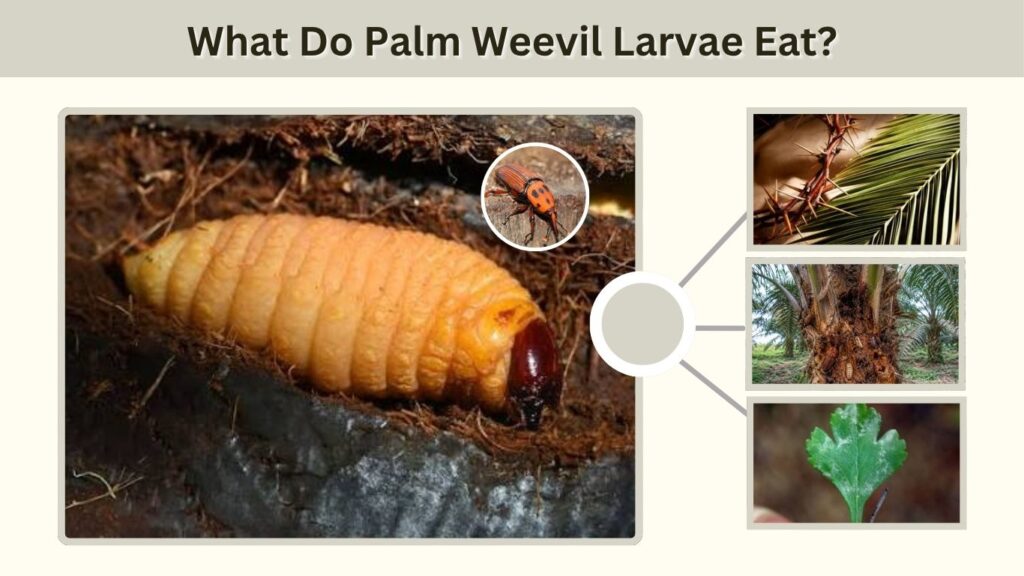
Palm weevil larvae feed primarily on soft, nutrient-rich tissues inside palm plants. Their powerful mandibles allow them to break down fibrous material as they grow. Feeding preferences vary among species and influence both their agricultural impact and potential for controlled cultivation.
Natural Diet and Feeding Habits
Their natural diet includes tender palm trunk tissues, palm crowns, leaf bases, and decomposing palm material.
Some species develop inside coconut palms, oil palms, date palms, or sago palms.
Larvae obtain moisture and nutrients directly from these plant tissues.
Are Palm Weevil Larvae Edible?
Yes, several palm weevil species produce larvae traditionally consumed as food. They are particularly important in certain African, Amazonian, and Southeast Asian communities. Their preparation methods vary considerably across cultures.
Traditional Palm Weevil Larvae Food
Palm weevil larvae are traditionally prepared by roasting, frying, boiling, or cooking in stews.
In parts of Ghana and Nigeria, African palm weevil larvae are valued as local delicacies.
South American communities also consume palm weevil grubs, sometimes preparing them over open fires.
Their flavor is frequently described as rich, fatty, and nutty, although taste varies with preparation.
Palm Weevil Larvae Nutrition and Benefits
Palm weevil larvae contain several nutrients, including:
- Protein: Supports normal tissue maintenance and growth.
- Fat: Provides concentrated dietary energy.
- Iron: Contributes to normal red blood cell production.
- Zinc: Supports immune function and metabolism.
- Other minerals: Nutritional composition depends on species and diet.
Protein and fat levels vary substantially between fresh and dried larvae. Their nutritional value should therefore be assessed using the specific species and preparation method.
Palm Weevil Larvae Farming and Production
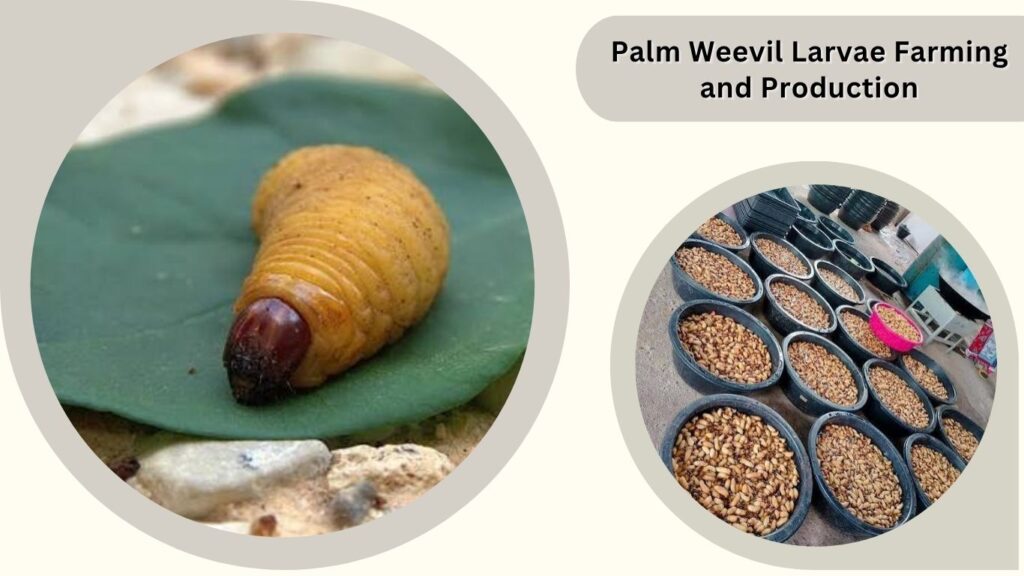
Palm weevil larvae farming has attracted interest because edible insects can provide an alternative source of animal protein. Traditional harvesting involves collecting larvae from palm tissues, while modern research explores more controlled production systems. African palm weevil farming has received particular attention in Ghana.
How Palm Weevil Larvae Farming Works
Commercial production generally involves several important considerations:
- Species selection: Identify locally permitted, edible palm weevil species.
- Rearing environment: Use secure facilities designed to prevent insect escape.
- Suitable feed: Provide clean, approved plant-based substrates.
- Growth monitoring: Observe larval development and feeding activity.
- Hygiene management: Maintain sanitary conditions and monitor contamination.
- Harvesting: Collect larvae at an appropriate developmental stage.
- Processing: Follow established food safety procedures before consumption or sale.
Palm Weevil Larvae Farming Project Report
A farming project report should evaluate the proposed species, local regulations, production facilities, feed availability, labor requirements, and market demand.
Financial planning should consider construction expenses, operating costs, production losses, and potential sales revenue.
Research in Ghana has demonstrated that container-based rearing of African palm weevil larvae is possible using agricultural by-products.
However, farming invasive palm pests may be prohibited in some locations. Production should proceed only with appropriate authorization and strict containment.
Are Palm Weevil Larvae Safe to Eat?
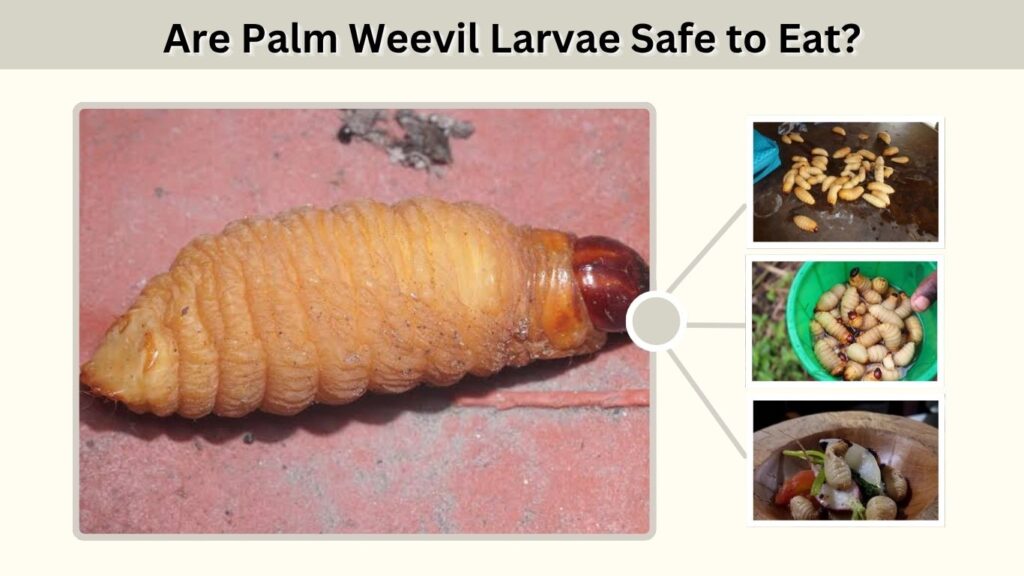
Edible palm weevil larvae can provide nutrients, but food safety depends on proper identification, hygienic production, and adequate cooking. Wild-harvested larvae may contain harmful microorganisms, contaminants, or pesticide residues.
Food Safety Precautions
Important considerations include:
- Obtain larvae from reputable, legally operated suppliers.
- Avoid larvae collected from pesticide-treated palm trees.
- Use clean equipment and food-grade processing materials.
- Cook larvae thoroughly rather than eating them raw.
- Store prepared food at appropriate temperatures.
- Avoid consumption if you have a relevant insect or shellfish allergy without medical advice.
People allergic to crustaceans or dust mites may experience cross-reactive allergic responses to edible insects.
Do Palm Weevil Larvae Damage Palm Trees?
Palm weevil larvae can cause severe damage to coconut, date, and ornamental palms.
They create tunnels within internal tissues, weakening structural components and sometimes destroying the growing point.
Affected trees may develop yellowing leaves, crown damage, fibrous debris, and unpleasant odors.
Severe infestations can lead to crown collapse or tree death.
Early identification and professional pest management are essential because internal damage is difficult to reverse.
FAQs
1. What Are Palm Weevil Larvae?
Palm weevil larvae are soft-bodied, legless grubs that develop inside palm trees. They belong to various Rhynchophorus species and feed on internal plant tissues. Some species are major agricultural pests, while others are traditionally collected or farmed as edible insects.
2. Are Palm Weevil Larvae Good for Eating?
Certain palm weevil larvae are traditionally consumed and contain protein, fat, and minerals. However, nutritional quality depends on species and diet. Proper cooking, hygienic handling, and sourcing from approved suppliers are essential for reducing food safety risks.
3. How Are Palm Weevil Larvae Farmed?
Palm weevil larvae farming involves controlled rearing using suitable plant-based substrates. Producers manage breeding, feeding, hygiene, and harvesting under secure conditions. Farming should only involve legally permitted species because escaped palm weevils can threaten agricultural and ornamental palm trees.
4. What Do Palm Weevil Larvae Taste Like?
Cooked palm weevil larvae are often described as rich, fatty, or slightly nutty. Their flavor and texture depend on the species, feeding substrate, and cooking method. Roasting and frying produce different textures compared with boiling or stewing.
5. Can Palm Weevil Larvae Kill Palm Trees?
Yes, destructive palm weevil larvae can kill palm trees by tunneling through internal tissues and damaging the growing crown. Severe infestations weaken the tree and may prevent new leaf development. Early detection provides the best opportunity for successful management.
