
Protect Your Home From Common Moth Problems
We help homeowners understand moth infestations, identify warning signs, and use effective prevention methods. At MothInsects.com, we combine expert advice with detailed guides to help you keep your home clean, protected, and moth-free all year long.
Our Blog About Us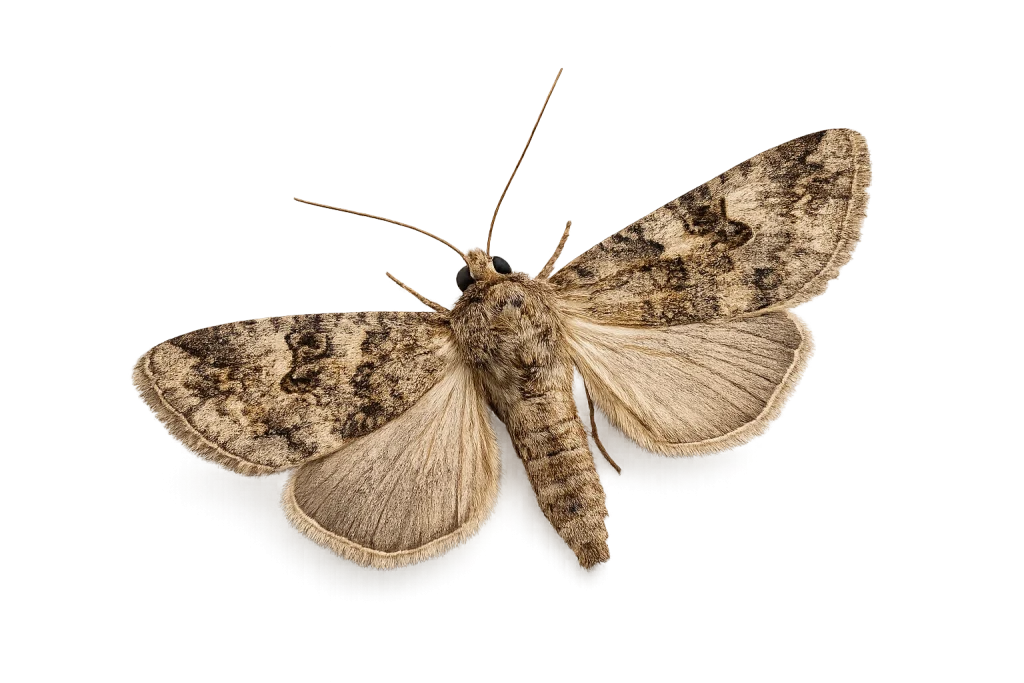
Moth Identification Guide
- Size: Small to medium depending on species.
- Body: Soft, slender body covered with tiny scales.
- Wings: Broad wings with unique colors and patterns.
- Antennae: Feather-like or thin antennae used for sensing.
- Color: Brown, gray, white, black, or brightly patterned.
- Activity: Mostly active at night and attracted to light.
Featured On


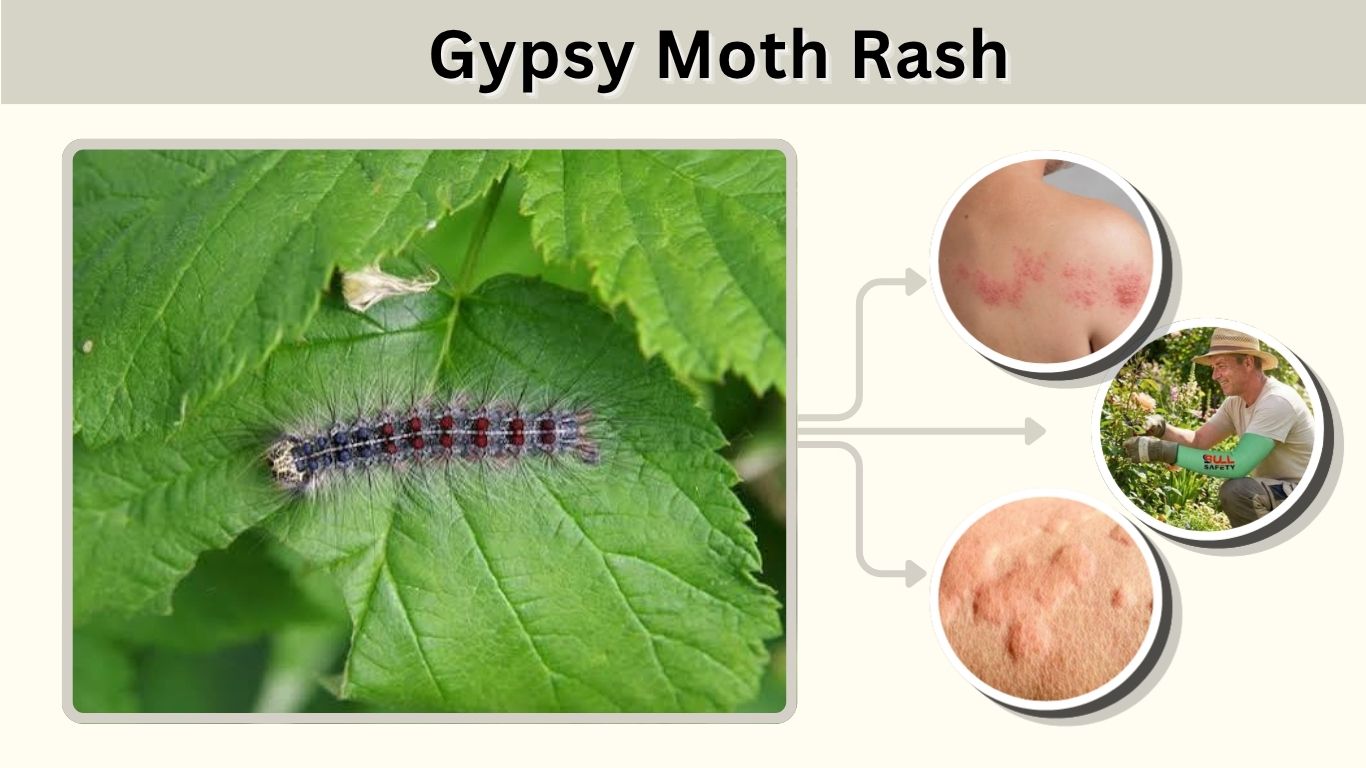
Gypsy Moth Rash: Symptoms, Treatment and Duration
August 25, 2026
Gypsy moth rash is an itchy skin reaction caused by contact with the microscopic hairs of gypsy moth caterpillars, now officially called spongy moth caterpillars.
Read more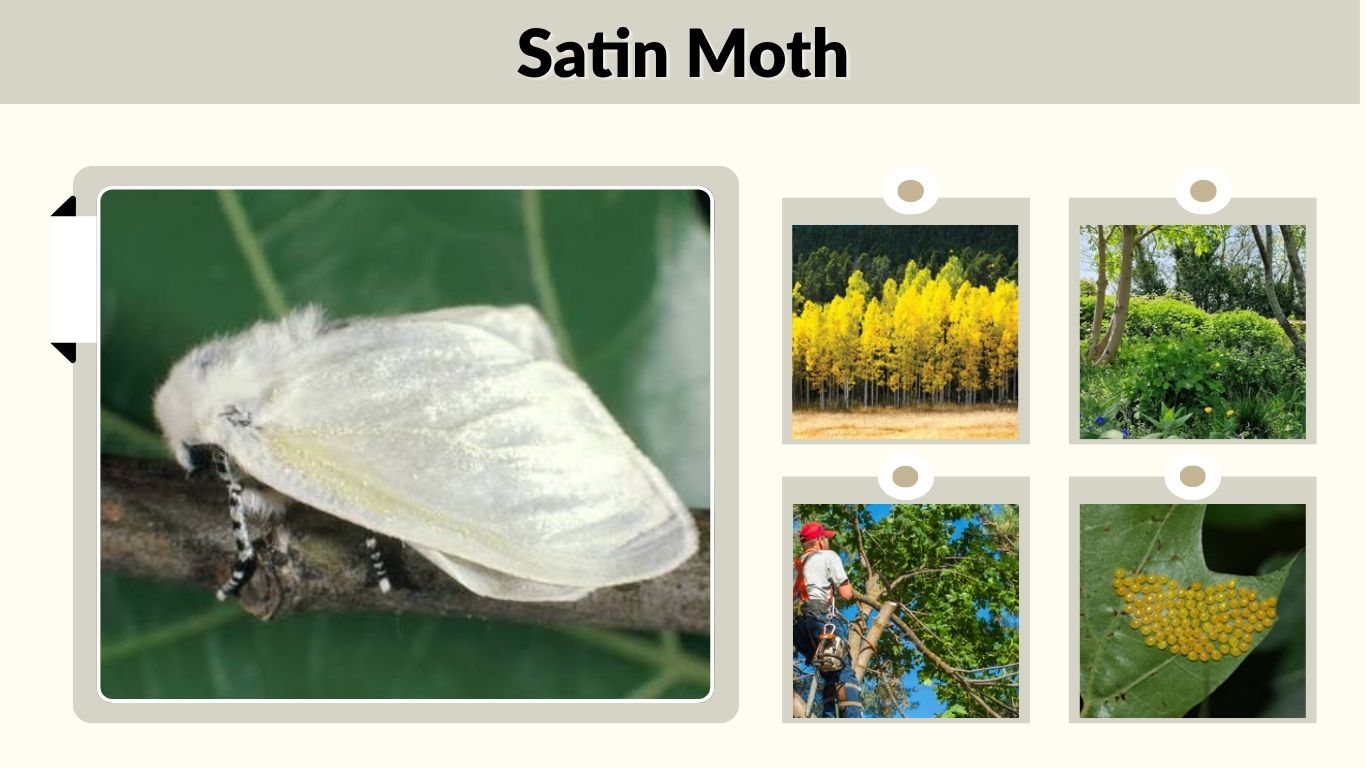
Satin Moth: Identification, Caterpillar, Diet & Life Cycle
August 24, 2026
The satin moth, commonly called the white satin moth, is a striking white moth known scientifically as Leucoma salicis. Adults have silky white wings, a
Read more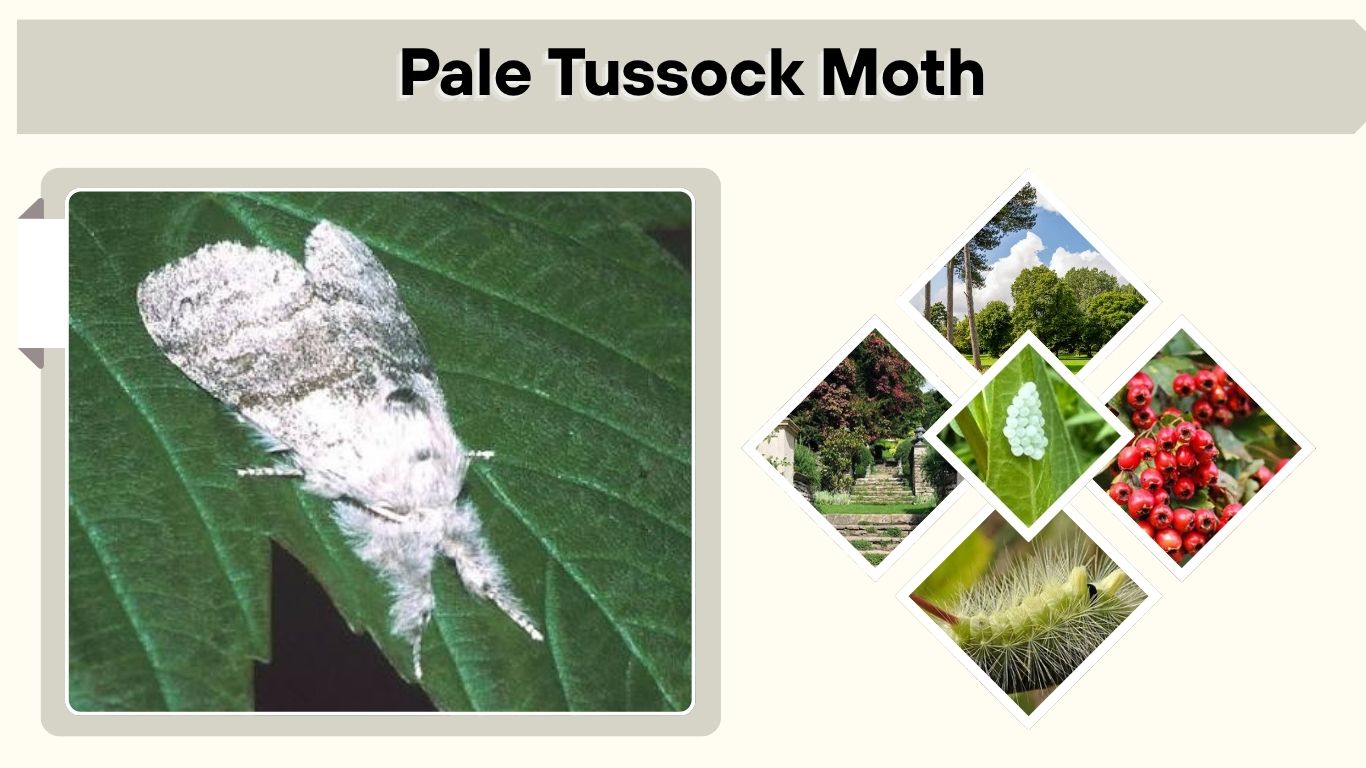
Pale Tussock Moth: Caterpillar, Rash, Diet & Life Cycle
August 24, 2026
The pale tussock moth (Calliteara pudibunda) is a distinctive moth found across the UK, Ireland, and much of Europe. Adults are pale gray to whitish,
Read more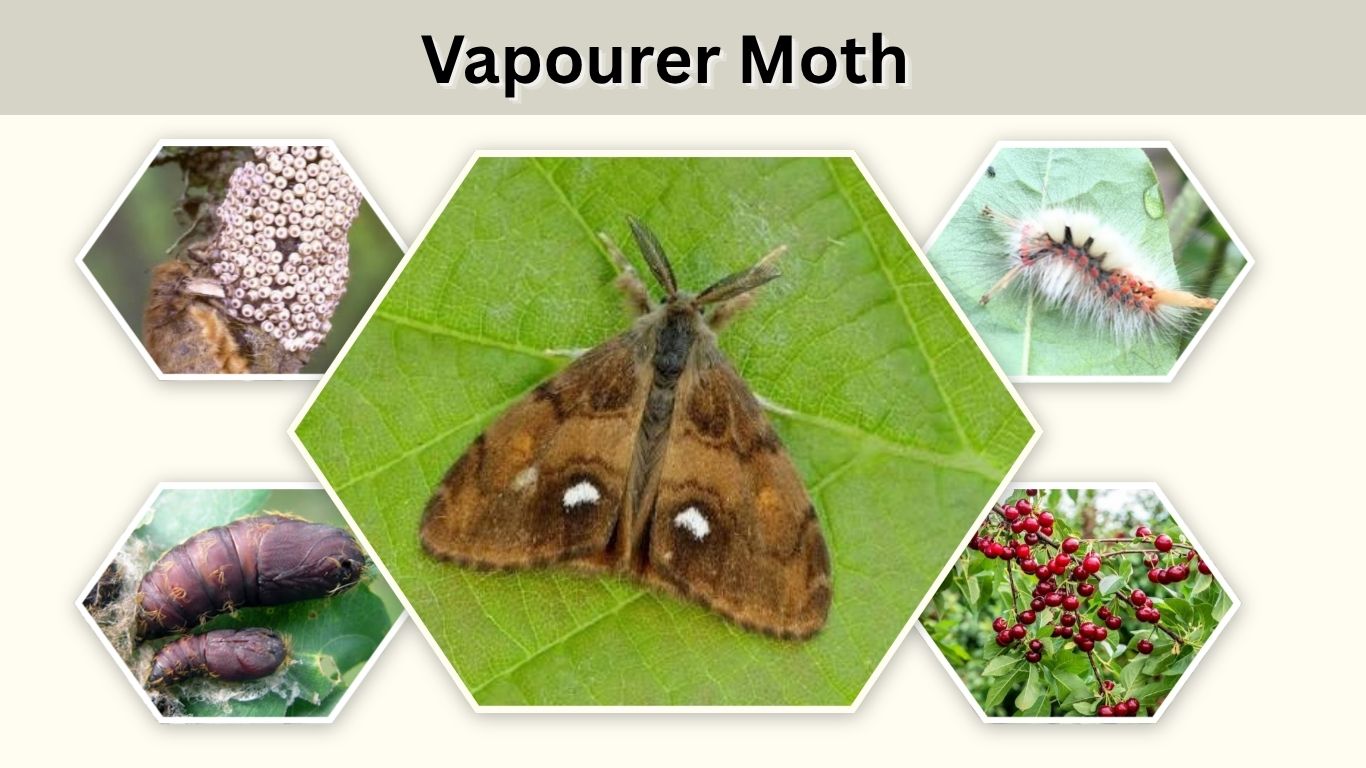
Vapourer Moth: Caterpillar, Life Cycle, and Safety
August 24, 2026
The vapourer moth (Orgyia antiqua), also called the rusty tussock moth, is known for its brightly colored, hairy caterpillar and unusual wingless female. It occurs
Read more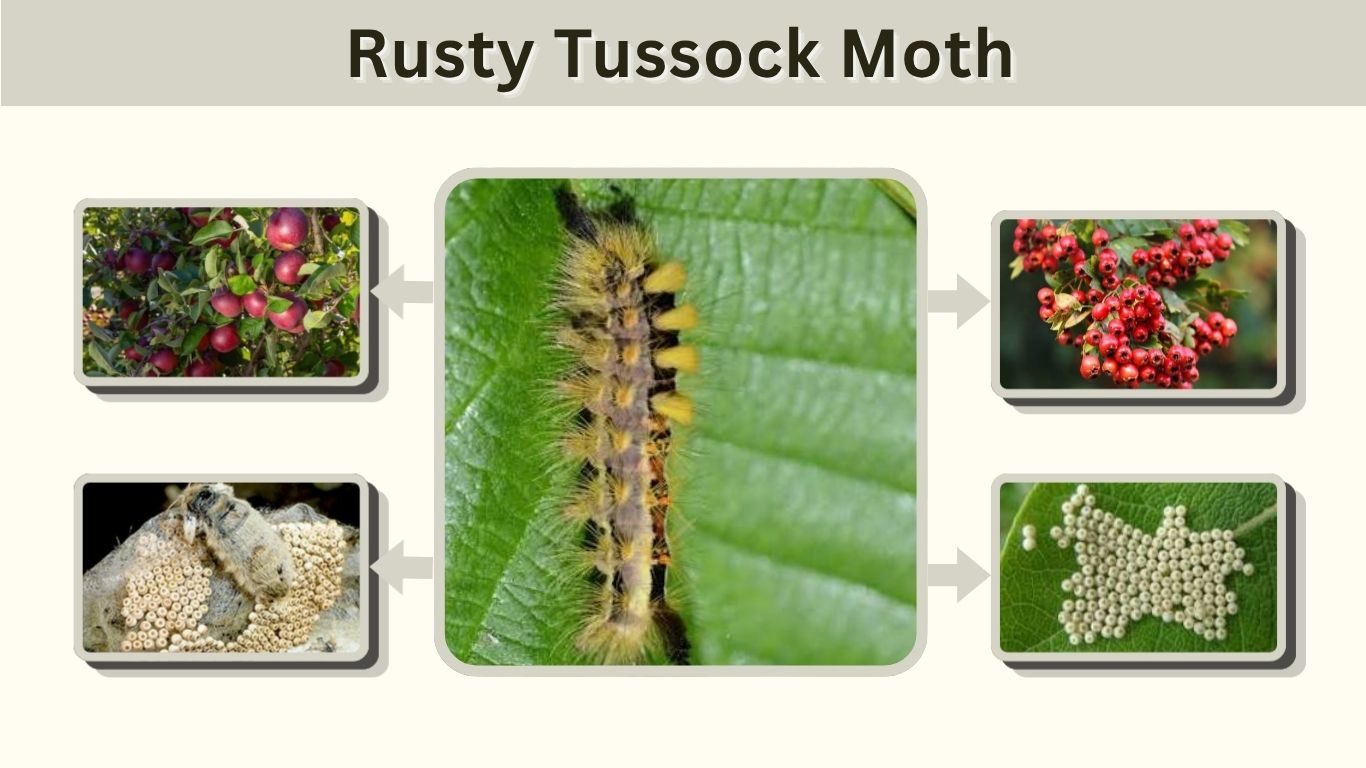
Rusty Tussock Moth: Caterpillar, Rash, and Life Cycle
August 24, 2026
The rusty tussock moth (Orgyia antiqua) is a distinctive species found across the UK, Europe, parts of Asia, Canada, and the United States. It is
Read more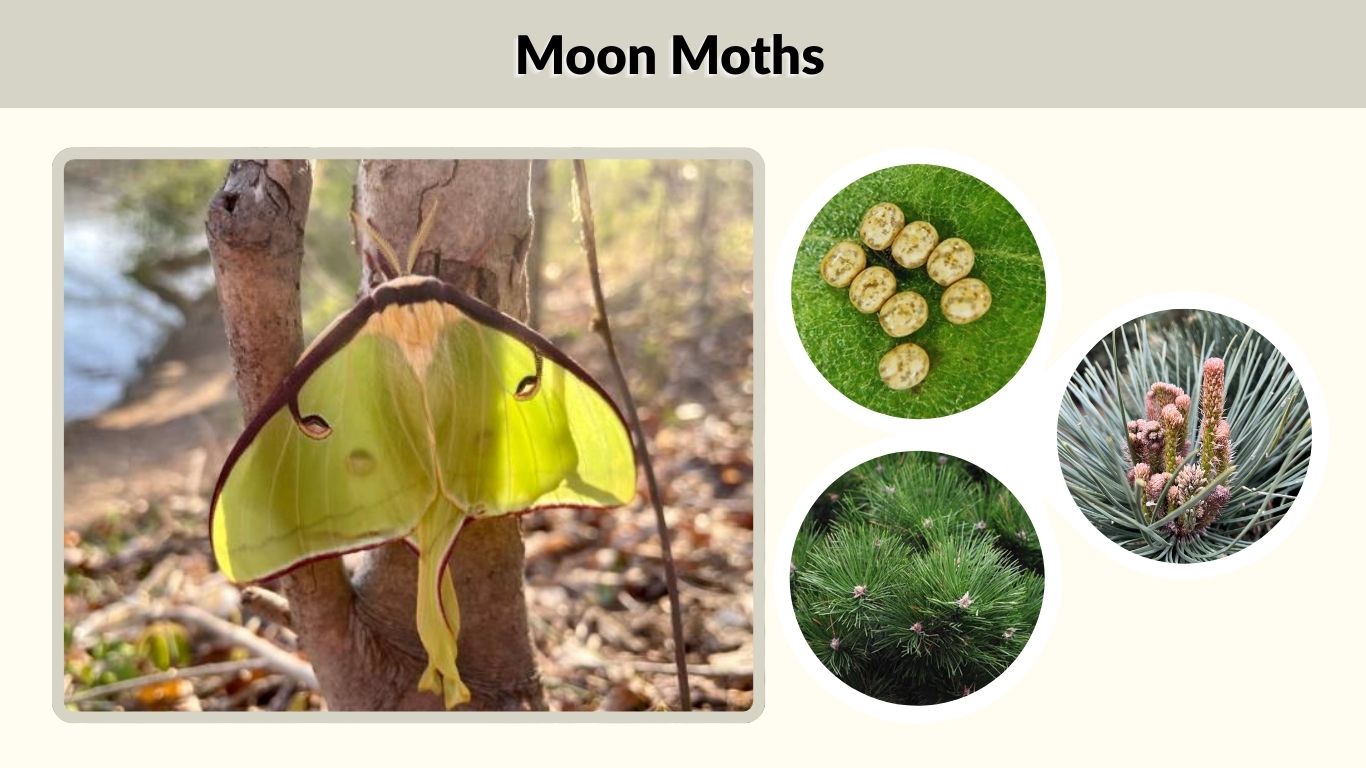
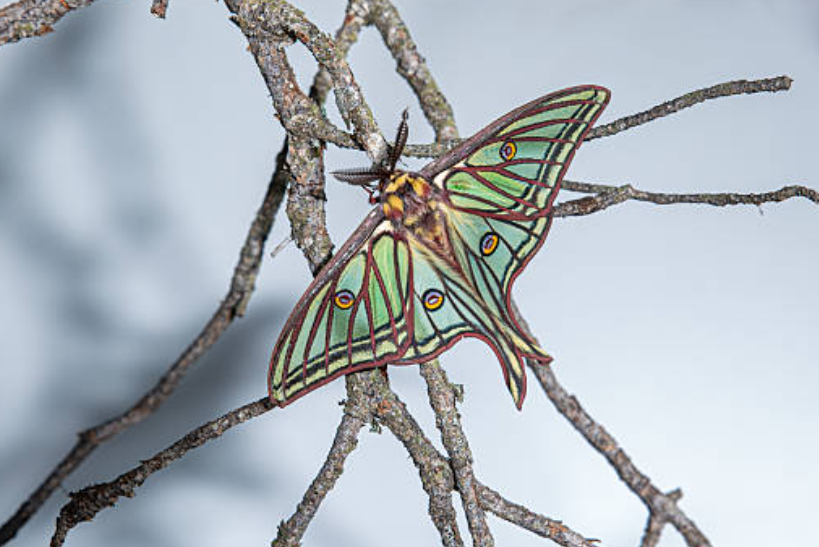
Moon Moths: Types, Facts, Diet, Lifespan & Moon Navigation
August 23, 2026
Moon moths are among the most striking giant silk moths, known for their pale green or yellow-green wings, dramatic hindwing tails, and large eyespots. The
Read more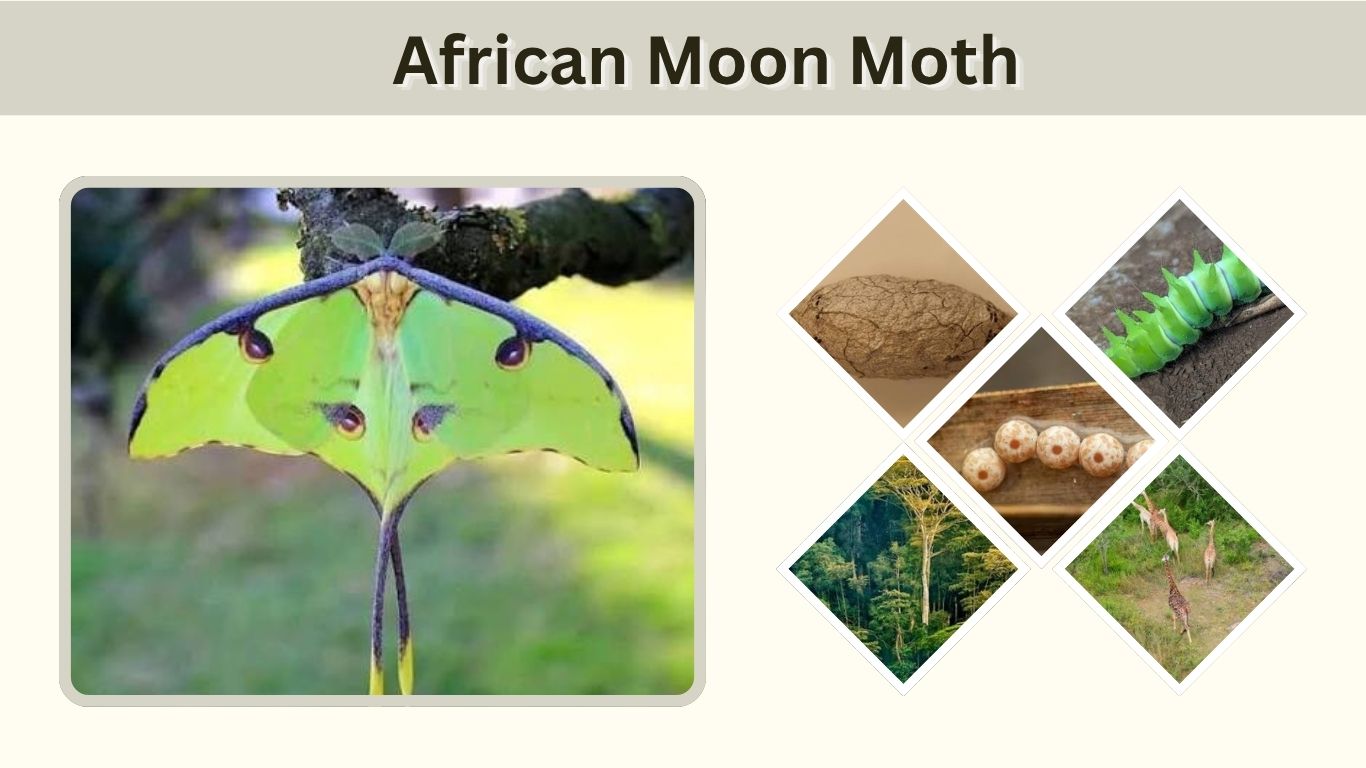
African Moon Moth: Identification, Caterpillar, Diet, and Life Cycle
August 23, 2026
The African moon moth (Argema mimosae) is a spectacular giant silk moth native to eastern and southern Africa. Recognizable by its green wings, prominent eyespots,
Read more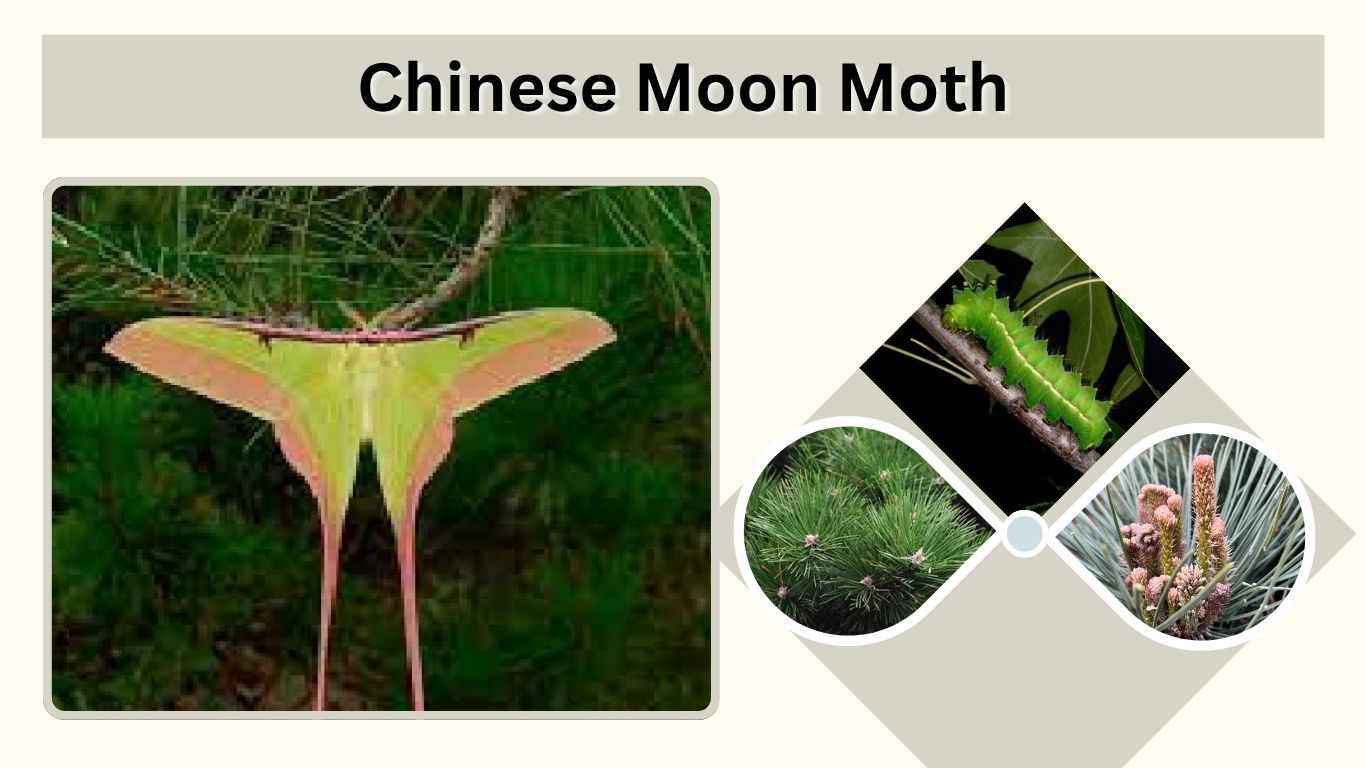
Chinese Moon Moth: Caterpillar, Size, Lifespan, and Facts
August 23, 2026
The Chinese moon moth (Actias dubernardi), also called the Chinese luna moth, is a spectacular giant silk moth native to China. Its pale green to
Read more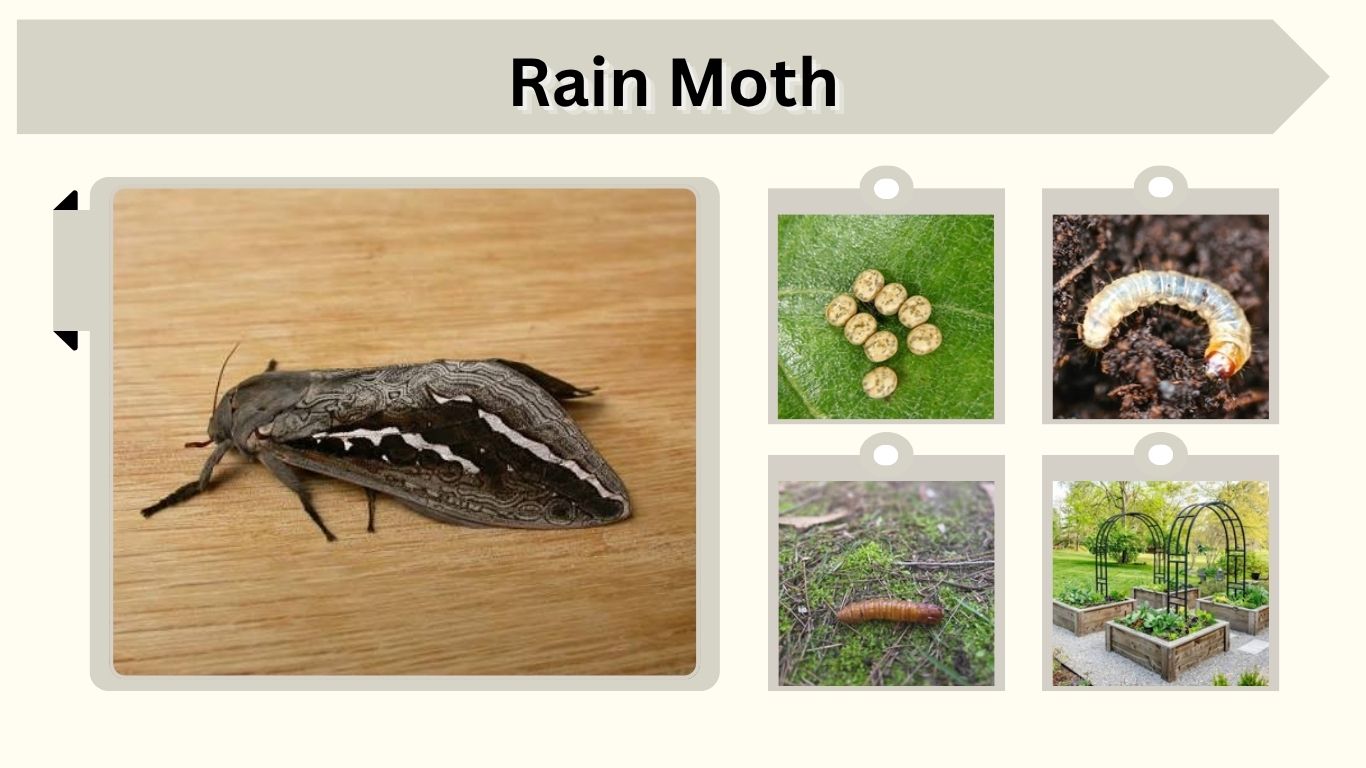
Rain Moth: Size, Caterpillar, Cocoon, Life Cycle and Facts
August 23, 2026
The rain moth is one of Australia’s most impressive large moths, famous for suddenly appearing after soaking autumn rains. The species commonly associated with this
Read more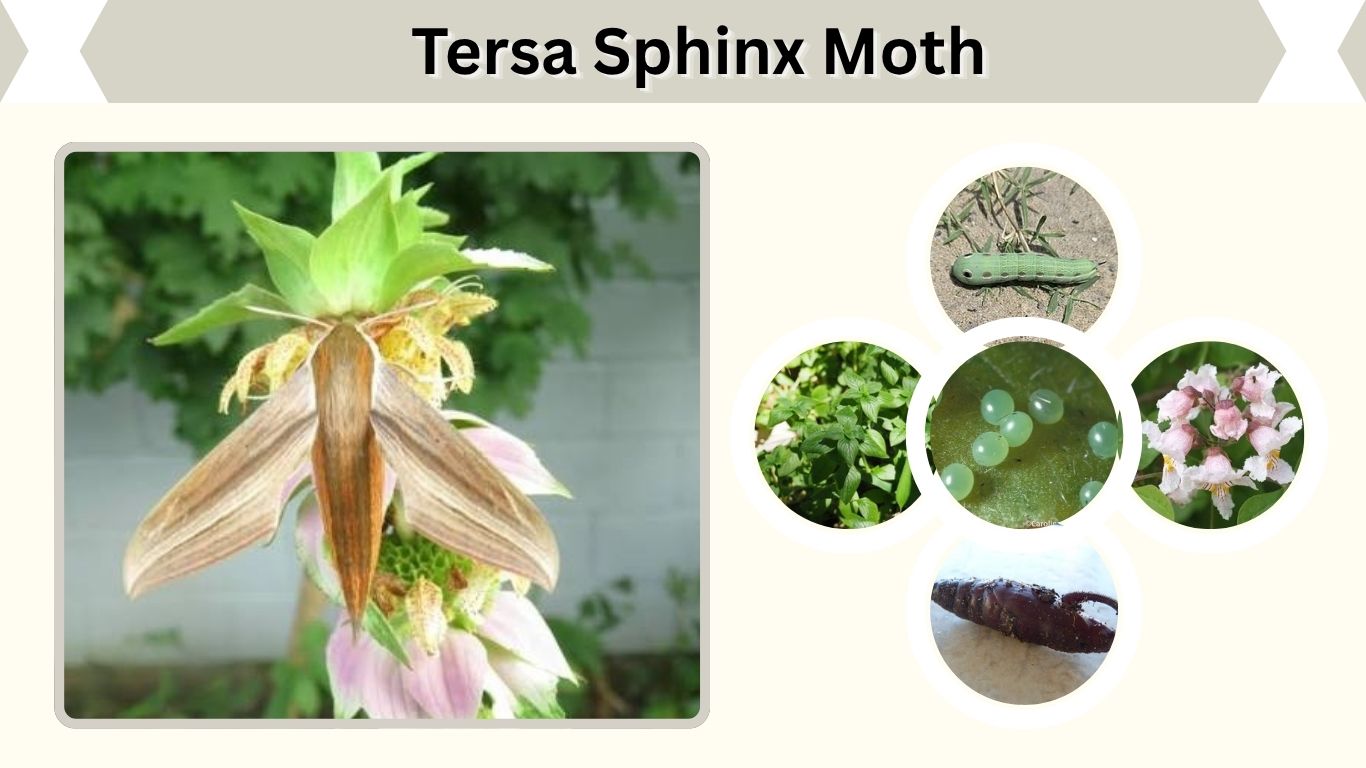
Tersa Sphinx Moth: Caterpillar, Life Cycle, Facts & Safety
August 22, 2026
The Tersa Sphinx Moth (Xylophanes tersa) is a striking member of the sphinx moth family, famous for its streamlined adult shape and caterpillar covered with
Read more