
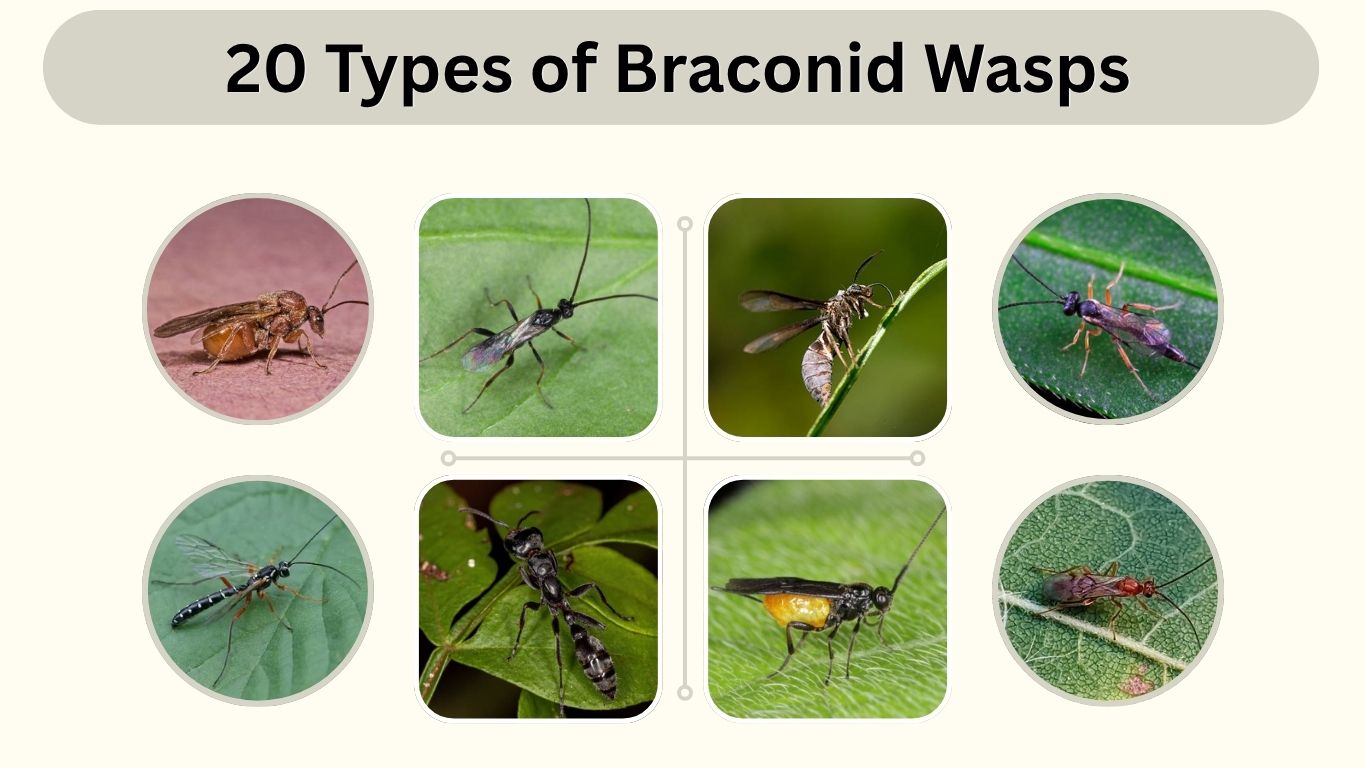
Braconid wasps are fascinating parasitic insects that play an essential role in controlling garden and agricultural pests. With thousands of species worldwide, these tiny wasps vary in size, color, habitat, and behavior. Most are harmless to humans but deadly to their insect hosts, including caterpillars, aphids, and flies. In this guide, we’ll explore 20 types of Braconid wasps, highlighting their identification features, habitats, life cycles, and importance in nature.
1. Hornworm Parasitoid Wasp (Cotesia congregata)
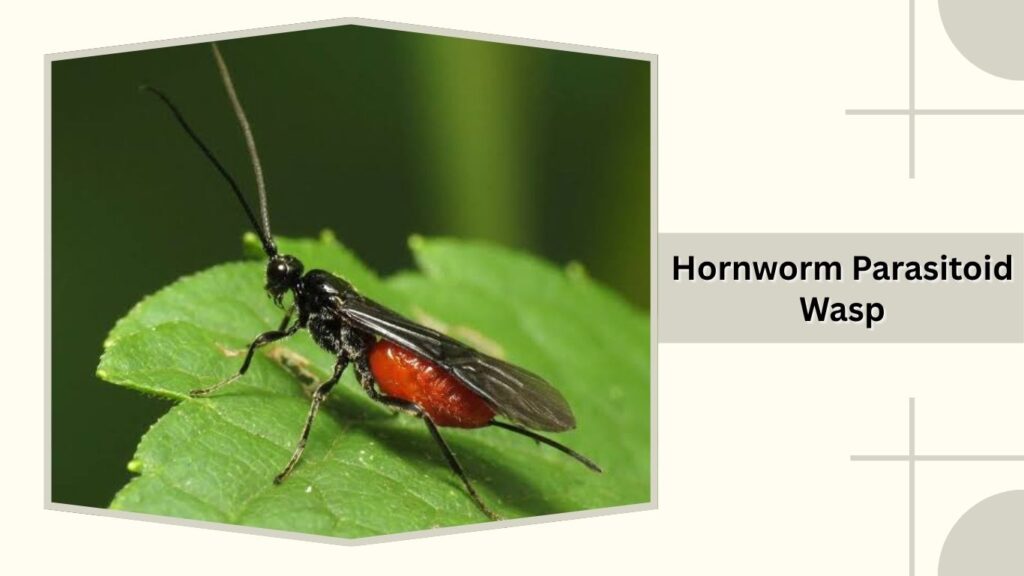
The Hornworm Parasitoid Wasp is a tiny parasitic wasp belonging to the Braconidae family. It is commonly found in gardens and agricultural areas throughout eastern North America. This beneficial insect helps control hornworm caterpillars that damage tomato, tobacco, and other plants.
Identification
- Scientific Name: Cotesia congregata
- Family: Braconidae
- Size: Approximately 2–3 mm long
- Color: Mostly black with pale yellow wing bases
- Wings: Transparent with dark markings
- Antennae: Long, slender, and black
- Distinctive Feature: White, rice-shaped cocoons attached to hornworm caterpillars
Habitat and Distribution
Hornworm Parasitoid Wasps inhabit gardens, agricultural fields, and natural vegetation across eastern North America. They are particularly common around tomato and tobacco plants, where their preferred caterpillar hosts feed. Adult wasps also visit flowers for nectar.
Life Cycle and Behavior
Female wasps inject eggs directly into living hornworm caterpillars. After hatching, the larvae feed internally for approximately one to two weeks. They eventually emerge through the caterpillar’s skin and spin small white cocoons on its body. Adult wasps later emerge from these cocoons.
Importance in Nature
These wasps provide natural pest control by reducing hornworm populations. They are harmless to humans and beneficial to gardeners. Leaving parasitized caterpillars undisturbed allows more adult wasps to emerge and protect nearby plants.
2. Cabbage White Parasitoid Wasp (Cotesia glomerata)
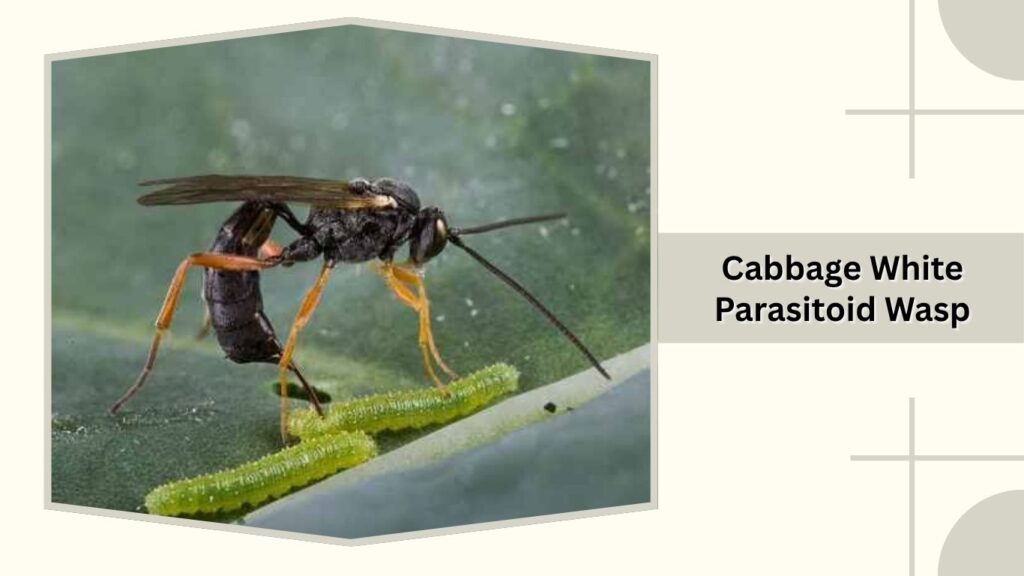
The Cabbage White Parasitoid Wasp is a small beneficial insect belonging to the Braconidae family. It primarily attacks caterpillars of cabbage white butterflies, helping protect cabbage, broccoli, cauliflower, and other vegetables. This species is widely distributed and plays an important role in natural pest management.
Identification
- Scientific Name: Cotesia glomerata
- Family: Braconidae
- Size: Approximately 3–7 mm long
- Color: Mostly black with yellowish-brown legs
- Wings: Transparent with delicate veins
- Antennae: Long, slender, and dark
- Distinctive Feature: Clusters of small yellow cocoons near parasitized caterpillars
Habitat and Distribution
Cabbage White Parasitoid Wasps inhabit vegetable gardens, agricultural fields, and areas containing cruciferous plants. Originally occurring across parts of Eurasia, they have also become established in North America. Adults frequently visit flowers to obtain nectar and search for suitable caterpillar hosts.
Life Cycle and Behavior
Female wasps deposit multiple eggs inside young cabbage white caterpillars. Their larvae develop internally, feeding on host tissues. After approximately two to three weeks, the larvae emerge and spin yellow silken cocoons near the weakened caterpillar.
Importance in Nature
These beneficial wasps naturally reduce populations of cabbage-feeding caterpillars. They are particularly valuable in vegetable gardens because they help limit leaf damage without requiring chemical pest control.
3. Lady Beetle Parasitoid Wasp (Dinocampus coccinellae)
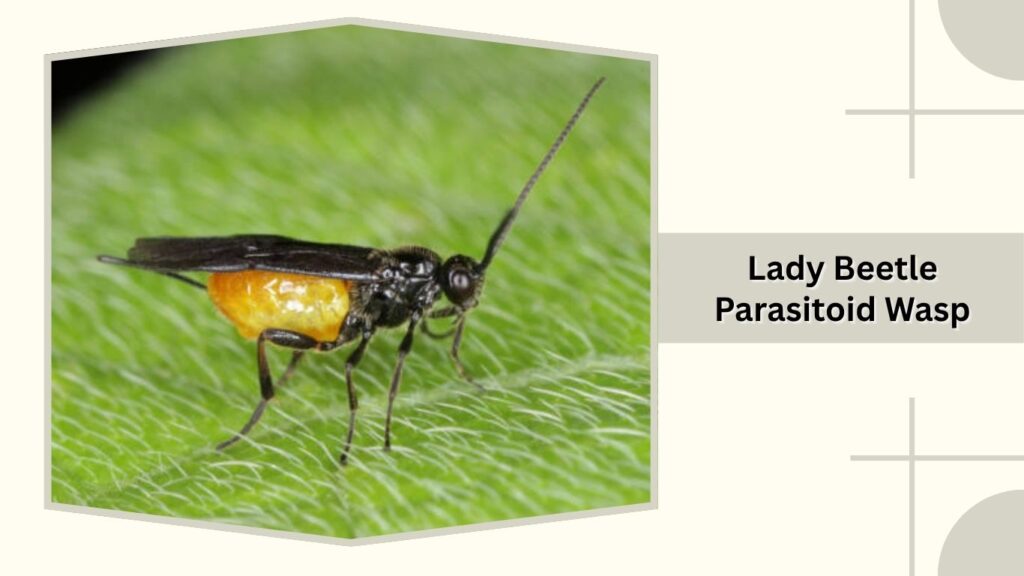
The Lady Beetle Parasitoid Wasp is a fascinating member of the Braconidae family. Unlike many parasitoid wasps that attack caterpillars, this species targets lady beetles. It is especially recognized for its unusual ability to influence the behavior of its living host during development.
Identification
- Scientific Name: Dinocampus coccinellae
- Family: Braconidae
- Size: Approximately 3–4 mm long
- Color: Dark brown to black, with reddish-brown legs
- Wings: Clear and delicately veined
- Antennae: Long, thin, and dark-colored
- Distinctive Feature: A small cocoon positioned underneath a living lady beetle
Habitat and Distribution
Lady Beetle Parasitoid Wasps occur across many parts of the world. They inhabit gardens, grasslands, agricultural fields, and wooded environments where lady beetles are abundant. Adult females actively search vegetation for suitable hosts.
Life Cycle and Behavior
A female deposits an egg inside a lady beetle using her ovipositor. The developing larva consumes host nutrients before emerging and spinning a cocoon beneath the beetle. The weakened host often remains above the cocoon, providing protection against predators.
Importance in Nature
This species demonstrates a remarkable example of host manipulation. Although it contributes to natural ecological interactions, parasitizing lady beetles can also reduce populations of these beneficial aphid predators. Interestingly, some lady beetles survive and recover after the adult wasp emerges.
4. Armyworm Mummy Wasp (Aleiodes laphygmae)
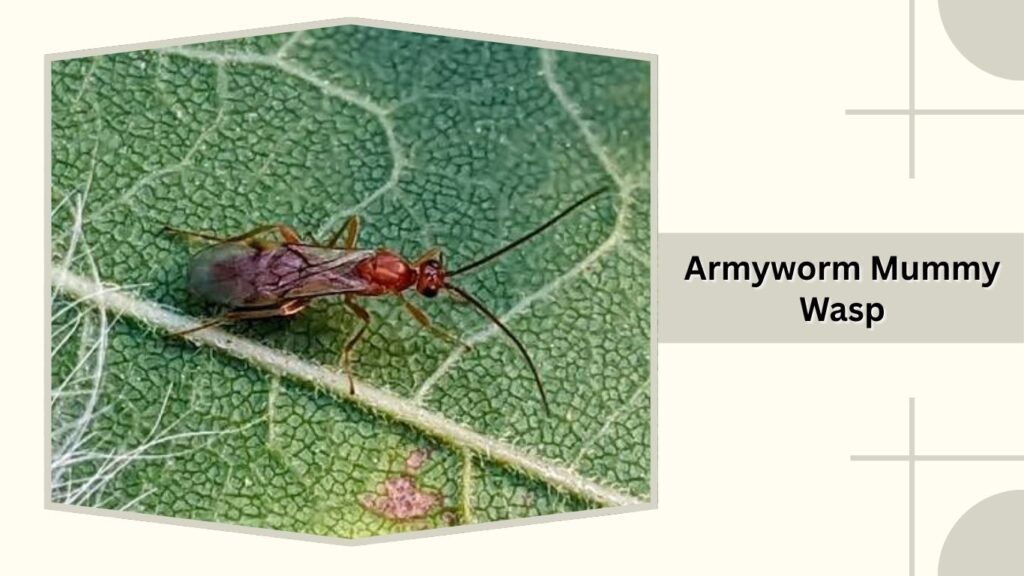
The Armyworm Mummy Wasp is a small parasitoid wasp belonging to the Braconidae family. It attacks young armyworm caterpillars, including species that damage corn, grasses, and agricultural crops. Its name comes from its unusual habit of transforming dead host caterpillars into hardened mummies.
Identification
- Scientific Name: Aleiodes laphygmae
- Family: Braconidae
- Size: Approximately 4–5 mm long
- Color: Honey-yellow body
- Wings: Transparent with darker wing markings
- Antennae: Brown with approximately 33–35 segments
- Distinctive Feature: Produces small, hardened caterpillar mummies
Habitat and Distribution
Armyworm Mummy Wasps inhabit grassy meadows, agricultural fields, and open vegetation across parts of North and Central America. They are particularly associated with environments supporting armyworm caterpillars, including cornfields, pastures, and grasslands.
Life Cycle and Behavior
Female wasps lay eggs inside young armyworm caterpillars. After hatching, the larvae develop within their hosts while consuming internal tissues. Eventually, the infected caterpillars die and become hardened mummies. The parasitoid pupates inside the preserved host body before emerging as an adult.
Importance in Nature
These wasps contribute to natural armyworm population control. By parasitizing young caterpillars, they may reduce feeding damage before the pests reach their most destructive growth stages. Their presence supports ecological balance in agricultural and grassland environments.
5. Tent Caterpillar Mummy Wasp (Aleiodes malacosomatos)
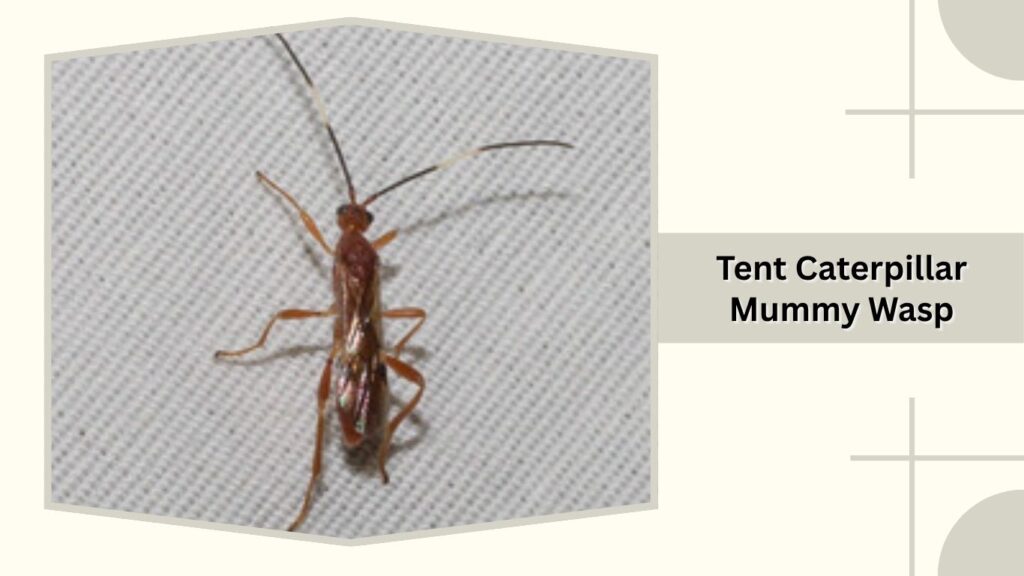
The Tent Caterpillar Mummy Wasp is a beneficial parasitoid belonging to the Braconidae family. It specializes in attacking tent caterpillars, which commonly feed on the leaves of deciduous trees. This species helps regulate caterpillar populations in forests, woodlands, and suburban landscapes.
Identification
- Scientific Name: Aleiodes malacosomatos
- Family: Braconidae
- Size: Approximately 5 mm long
- Color: Yellowish-orange with dark markings on the thorax
- Wings: Transparent with brownish markings
- Antennae: Long, slender, and segmented
- Distinctive Feature: Hardened caterpillar mummies found in or near silken tents
Habitat and Distribution
Tent Caterpillar Mummy Wasps occur in North American forests and wooded areas where tent caterpillars are present. They are commonly associated with deciduous trees such as cherry, apple, oak, and other plants supporting their caterpillar hosts.
Life Cycle and Behavior
Females deposit eggs inside young tent caterpillars. The developing larvae consume host tissues internally while allowing the caterpillars to remain alive temporarily. Eventually, the hosts die and become hardened mummies. The wasps complete their development inside these remains before emerging.
Importance in Nature
These parasitoids help regulate eastern and forest tent caterpillar populations. Their activity contributes to natural forest pest management by reducing the number of caterpillars that survive to adulthood.
6. Appleworm Mummy Wasp (Aleiodes nolophanae)
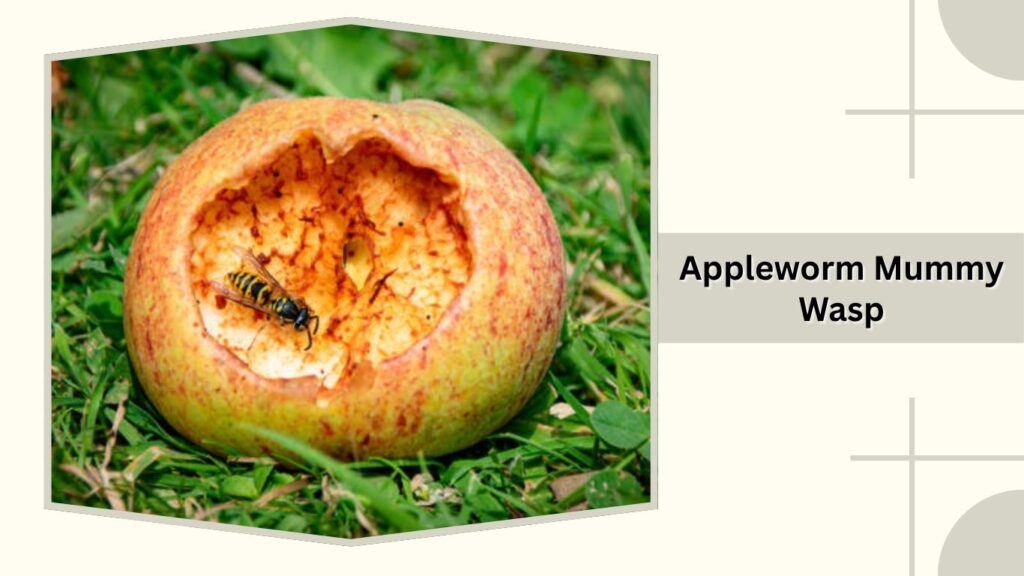
The Appleworm Mummy Wasp is a small parasitoid species belonging to the Braconidae family. It attacks several moth caterpillars, including the many-spotted appleworm. This insect is recognized for its ability to transform caterpillar hosts into dry, hardened mummies during its development.
Identification
- Scientific Name: Aleiodes nolophanae
- Family: Braconidae
- Size: Approximately 5–6 mm long in females
- Color: Honey-yellow body
- Wings: Transparent with darker central wing markings
- Antennae: Brown and slender, with numerous segments
- Distinctive Feature: Creates hardened caterpillar mummies during reproduction
Habitat and Distribution
Appleworm Mummy Wasps inhabit eastern North America. They are associated with low-growing vegetation, woodland edges, and small trees, including apple and boxelder. Their presence depends largely on the availability of suitable moth caterpillars.
Life Cycle and Behavior
Female wasps deposit eggs inside living caterpillars. Their larvae develop internally, gradually consuming host tissues. After completing development, they cause the caterpillar body to harden into a mummy. Pupation occurs within this protective structure, and the adult wasp eventually emerges through an opening.
Importance in Nature
Appleworm Mummy Wasps help regulate populations of several leaf-feeding moth caterpillars. Their parasitic behavior contributes to biodiversity and supports natural pest regulation in gardens, woodlands, and agricultural landscapes.
7. Stigmata Mummy Wasp (Aleiodes stigmator)
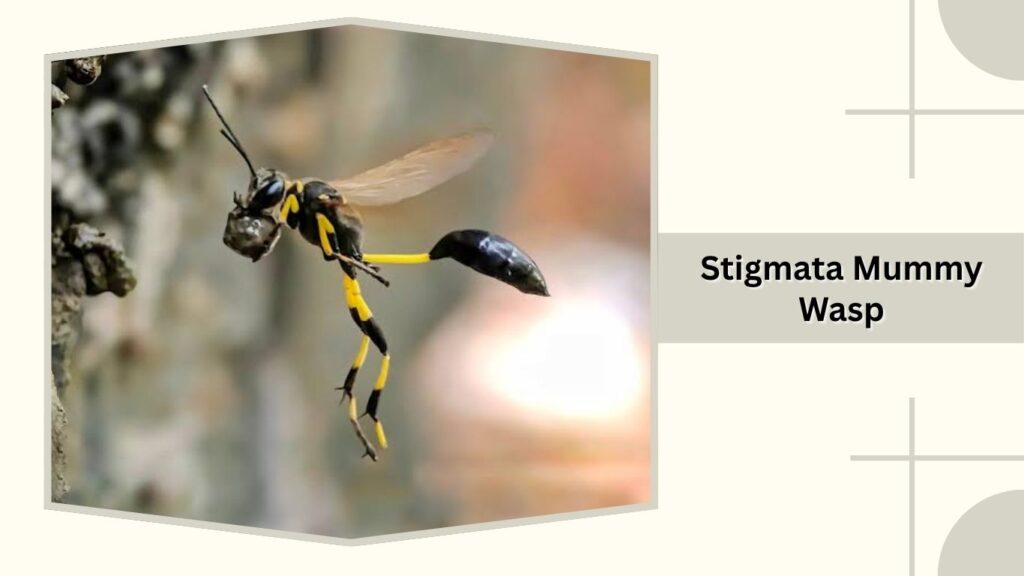
The Stigmata Mummy Wasp is a small parasitoid wasp belonging to the Braconidae family. It is known for its unusual reproductive behavior and the multiple exit holes left in the bodies of parasitized caterpillars. This species helps regulate moth populations in natural ecosystems.
Identification
- Scientific Name: Aleiodes stigmator
- Family: Braconidae
- Size: Approximately 4–5 mm long
- Color: Mostly honey-yellow with dark brown or black markings
- Wings: Transparent with visible veins
- Antennae: Long, slender, and segmented
- Distinctive Feature: Comb-like claws and multiple emergence holes in host mummies
Habitat and Distribution
Stigmata Mummy Wasps are widely distributed across Canada and the northern United States. They are commonly associated with wetlands, particularly areas containing cattails and willow trees. Adults are generally observed during warmer months, with emergence often occurring in late summer and early autumn.
Life Cycle and Behavior
Female wasps deposit eggs inside caterpillars, including certain dagger moth and underwing moth species. Unlike most Aleiodes wasps, several larvae can develop within a single host. After consuming internal tissues, they transform the caterpillar into a hardened mummy and eventually emerge through separate openings.
Importance in Nature
These wasps contribute to natural population control of leaf-feeding moth caterpillars. Their unusual group development makes them particularly interesting to researchers studying parasitoid reproduction and insect ecology.
8. Saint Hyacinth Mummy Wasp (Aleiodes sanctihyacinthi)
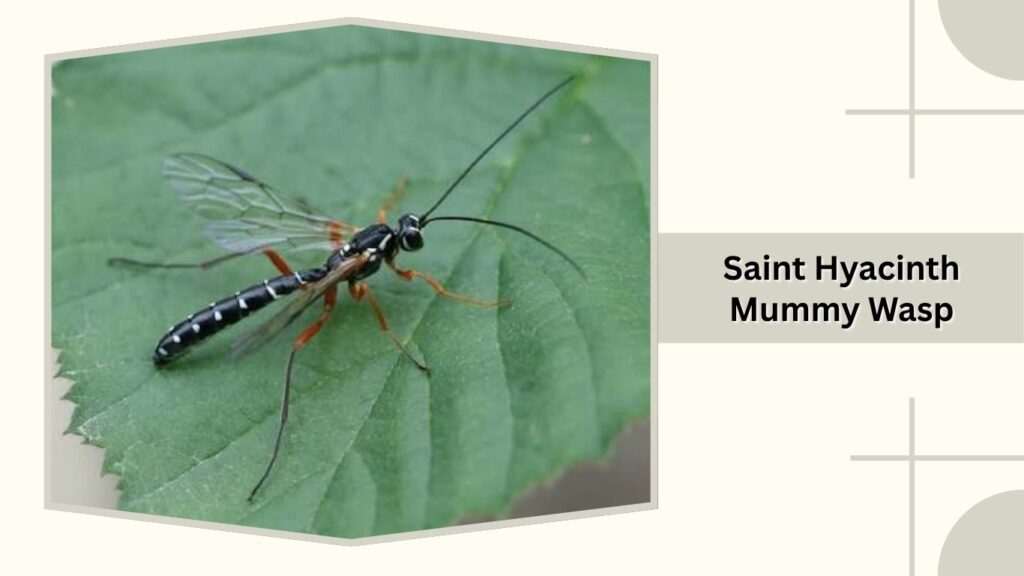
The Saint Hyacinth Mummy Wasp is a beneficial parasitoid wasp belonging to the Braconidae family. It primarily attacks fall webworm caterpillars, which construct large silken nests on deciduous trees. Its common name refers to Saint-Hyacinthe, Quebec, where the species was originally discovered.
Identification
- Scientific Name: Aleiodes sanctihyacinthi
- Family: Braconidae
- Size: Approximately 4.5–5.5 mm long
- Color: Orange and black body
- Wings: Transparent with a dark brown pterostigma
- Antennae: Long, containing approximately 46–48 segments
- Distinctive Feature: Rough head surface and hairy caterpillar mummies
Habitat and Distribution
Saint Hyacinth Mummy Wasps inhabit forests, woodland edges, and tree-covered areas across northeastern North America, extending into parts of the western United States. They are closely associated with deciduous trees such as maple, oak, apple, and walnut, where fall webworms commonly feed.
Life Cycle and Behavior
Females lay eggs inside young fall webworm caterpillars. The developing larvae consume host tissues internally, eventually killing their hosts and creating hardened mummies. These mummies are frequently discovered inside the webworms’ silk shelters.
Importance in Nature
This species provides natural biological control of fall webworms, which can defoliate ornamental and forest trees. By parasitizing caterpillars, these wasps help maintain ecological balance and reduce insect damage.
9. Smith’s Banded Mummy Wasp (Aleiodes smithi)
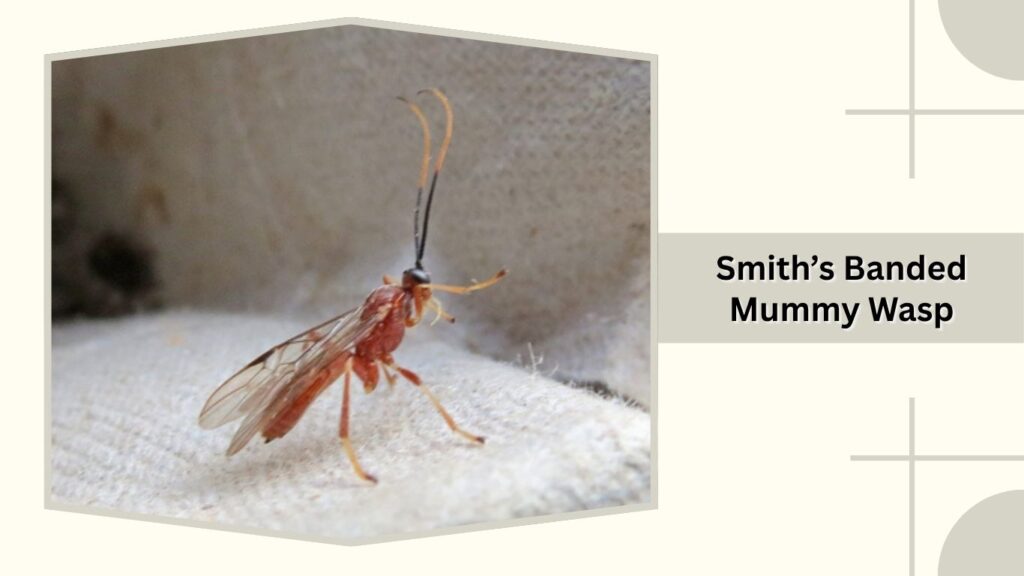
Smith’s Banded Mummy Wasp is a distinctive parasitoid species belonging to the Braconidae family. It is recognized for the noticeable white band on its otherwise dark antennae. This unusual marking helps distinguish it from other closely related mummy wasps found throughout eastern North America.
Identification
- Scientific Name: Aleiodes smithi
- Family: Braconidae
- Size: Approximately 6–8 mm long
- Color: Mostly honey-yellow with occasional brown markings
- Wings: Transparent with delicate veins
- Antennae: Black with a white band containing 5–12 segments
- Distinctive Feature: Clearly visible white antennal band
Habitat and Distribution
Smith’s Banded Mummy Wasps occur throughout eastern North America, including parts of Ontario, Massachusetts, Florida, Wisconsin, and Missouri. Their known caterpillar hosts suggest an association with wooded and vegetated habitats where moth larvae develop.
Life Cycle and Behavior
Female wasps deposit eggs inside susceptible caterpillars, including Lascoria ambigualis. After hatching, the larvae develop internally and eventually kill their hosts. The remaining caterpillar skin becomes a dark, hardened mummy approximately 1 cm long.
The developing wasp pupates inside this protective casing before emerging as an adult.
Importance in Nature
These wasps are natural enemies of moth caterpillars and contribute to insect population regulation. Their distinctive antennal markings also make them valuable for identification and biodiversity studies.
10. Smooth-headed Mummy Wasp (Aleiodes politiceps)
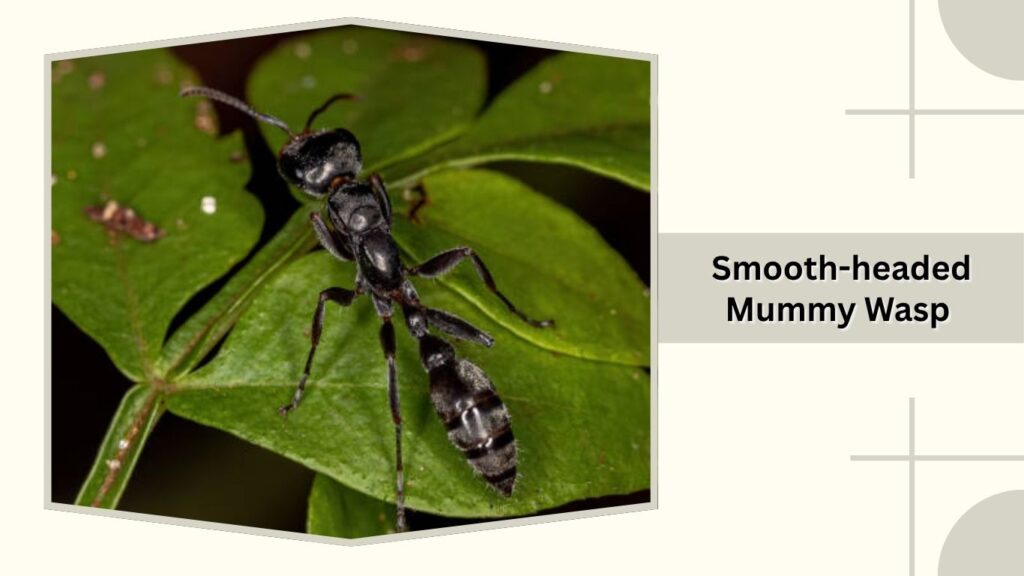
The Smooth-headed Mummy Wasp is a parasitoid species belonging to the Braconidae family. It is recognized for its bright orange body, contrasting dark wings, and distinctive head features. Unlike many closely related species, its unusual coloration makes it relatively easy to identify without specialized equipment.
Identification
- Scientific Name: Aleiodes politiceps
- Family: Braconidae
- Size: Relatively large compared with many other Aleiodes species
- Color: Bright orange body with black markings on the legs
- Wings: Dark brown to black
- Antennae: Long, slender, and segmented
- Distinctive Feature: Smooth head and contrasting dark wings
Habitat and Distribution
Smooth-headed Mummy Wasps occur across parts of the southeastern United States, from Virginia to Florida and westward into Arkansas and Texas. They have also been recorded in Costa Rica.
Their preferred habitats include grassy meadows, low vegetation, and forest understories. Adults are primarily nocturnal and are frequently attracted to artificial lights.
Life Cycle and Behavior
Females parasitize moth caterpillars, including green cutworms and armyworm moth larvae. Their developing offspring feed internally before causing the host caterpillar to harden into a protective mummy. The adult wasp eventually emerges after completing development.
Importance in Nature
These wasps help regulate caterpillar populations in grasslands and forest ecosystems. Their activity supports natural biological control and contributes to the diversity of insect predators and parasitoids.
11. Granular Mummy Wasp (Aleiodes granulatus)
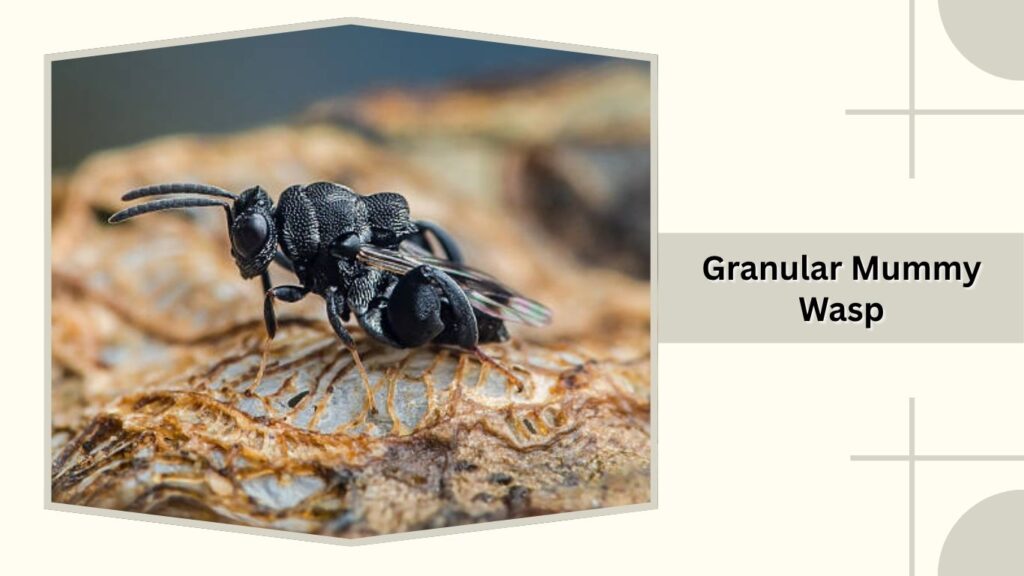
The Granular Mummy Wasp is a small parasitoid insect belonging to the Braconidae family. It receives its name from the distinctive grain-like texture covering parts of its head and thorax. This species is found in eastern North America and is recognized by its contrasting black, orange, and yellow coloration.
Identification
- Scientific Name: Aleiodes granulatus
- Family: Braconidae
- Size: Approximately 4.5–5 mm long
- Color: Black head with orange and black abdominal segments
- Wings: Transparent with a two-colored pterostigma
- Antennae: Yellowish with approximately 45–50 segments
- Distinctive Feature: Extensive granular surface texture on the head and thorax
Habitat and Distribution
Granular Mummy Wasps occur in eastern Canada and the eastern United States, ranging from New Brunswick southward to North Carolina and westward to Wisconsin and Ohio. Their precise habitat preferences remain poorly documented.
Life Cycle and Behavior
Like other members of the genus Aleiodes, this species is believed to develop inside moth caterpillars. The typical mummy-wasp life cycle involves a larva feeding internally, killing its host, and pupating inside the hardened caterpillar remains.
However, the specific reproductive biology and confirmed host relationships of Aleiodes granulatus remain insufficiently studied.
Importance in Nature
Granular Mummy Wasps belong to a group of insects involved in regulating caterpillar populations. Their ecological significance requires further research, especially regarding host preferences, seasonal activity, and potential contributions to natural pest management.
12. Quebec Mummy Wasp (Aleiodes quebecensis)
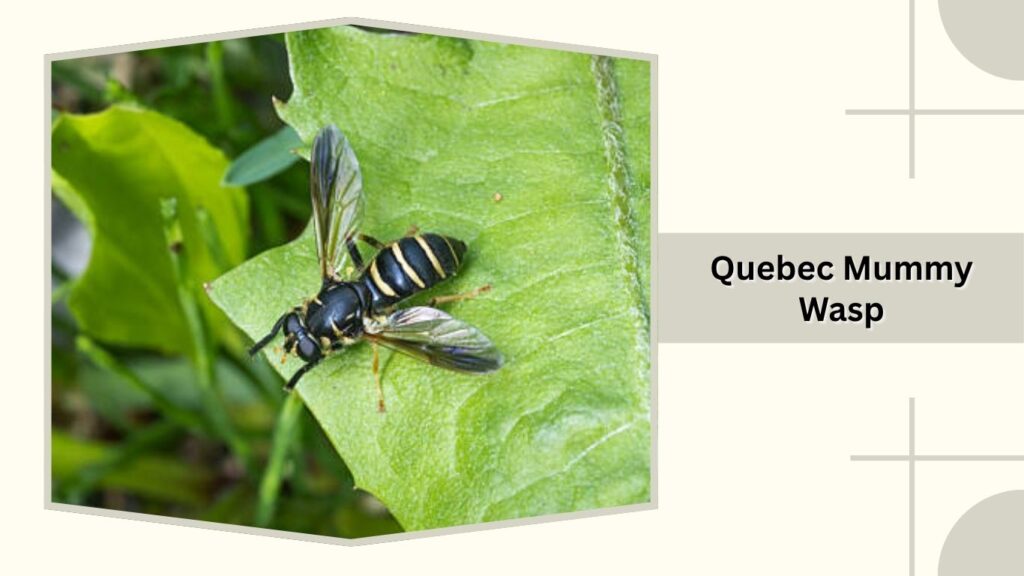
The Quebec Mummy Wasp is a parasitoid species belonging to the Braconidae family. Originally discovered in Quebec, Canada, this insect is recognized for its honey-yellow body and distinctive pale-colored hind feet. It primarily attacks young dagger moth caterpillars and plays an important role in forest ecosystems.
Identification
- Scientific Name: Aleiodes quebecensis
- Family: Braconidae
- Size: Approximately 6–8 mm long
- Color: Honey-yellow to light brown
- Wings: Transparent with a distinctive curved hind-wing vein
- Antennae: Dark near the base and pale toward the tips
- Distinctive Feature: Bright yellowish-white hind feet and hardened caterpillar mummies
Habitat and Distribution
Quebec Mummy Wasps inhabit deciduous forests, wooded landscapes, and areas containing broadleaf trees. They occur throughout parts of North America, from southern Canada to Florida and westward to the Pacific Northwest. Adults are generally active between June and August.
Life Cycle and Behavior
Females deposit eggs inside young dagger moth caterpillars, particularly species belonging to the genus Acronicta. Their larvae develop internally, eventually killing their hosts and forming hardened mummies attached to leaves or twigs. Adults are often active at night.
Importance in Nature
These wasps naturally regulate populations of leaf-feeding caterpillars. Their parasitic behavior contributes to healthy forest ecosystems and helps maintain ecological balance among insects.
13. False Terminal Mummy Wasp (Aleiodes pseudoterminalis)
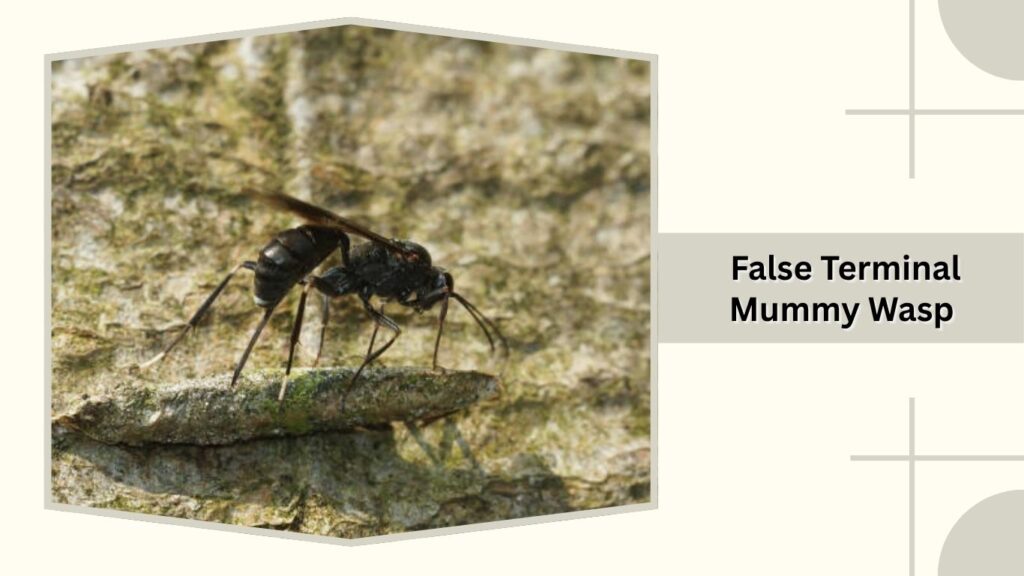
The False Terminal Mummy Wasp is a slender parasitoid wasp belonging to the Braconidae family. It closely resembles the Terminal Mummy Wasp but has distinctive differences in abdominal coloration and leg markings. This species primarily parasitizes moth caterpillars in eastern North America.
Identification
- Scientific Name: Aleiodes pseudoterminalis
- Family: Braconidae
- Size: Approximately 7–8 mm long
- Color: Black thorax with reddish-orange and black abdominal segments
- Wings: Transparent with a light brown tint
- Antennae: Long, threadlike, and brown
- Distinctive Feature: Black second abdominal segment and black tips on the front and middle femora
Habitat and Distribution
False Terminal Mummy Wasps occur in southern Canada and the eastern United States. They are associated with woodland edges, forest vegetation, and habitats supporting noctuid moth caterpillars. Their distribution extends from parts of eastern Canada southward into Virginia and Tennessee.
Life Cycle and Behavior
Female wasps deposit eggs inside caterpillars of the lost sallow moth (Eupsilia devia). The developing larvae consume host tissues internally until the caterpillars die. Their bodies become hardened mummies that protect the immature wasps during pupation.
Importance in Nature
These parasitoids help regulate populations of their moth hosts. Although relatively uncommon, they contribute to insect biodiversity and provide researchers with valuable information about parasitoid-host relationships.
14. Terminal Mummy Wasp (Aleiodes terminalis)
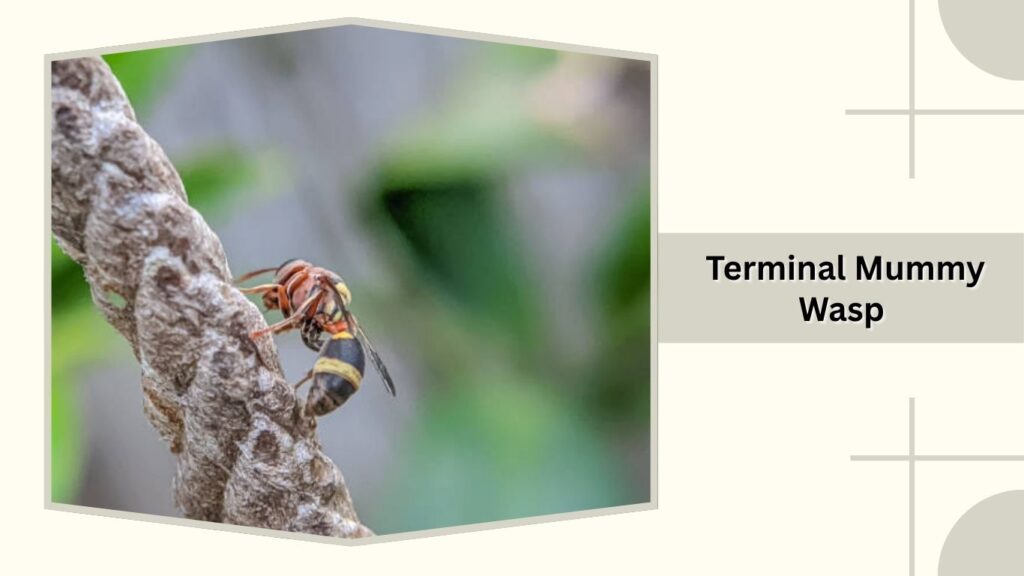
The Terminal Mummy Wasp is a parasitoid species belonging to the Braconidae family. It is relatively common in eastern North America and is recognized for its contrasting orange and black body. Like other mummy wasps, it develops inside living moth caterpillars before transforming their remains into protective cases.
Identification
- Scientific Name: Aleiodes terminalis
- Family: Braconidae
- Size: Approximately 5–8 mm long
- Color: Black thorax with orange and black abdomen
- Wings: Transparent with slightly brownish veins
- Antennae: Long, threadlike, and dark
- Distinctive Feature: First two visible abdominal segments are orange, while the last segments are predominantly black
Habitat and Distribution
Terminal Mummy Wasps inhabit fields, forest edges, and vegetated landscapes throughout eastern North America. Their range extends westward into parts of the Great Plains. Adults are often active at night and may be attracted to artificial lights.
Life Cycle and Behavior
Females lay eggs inside living owlet moth caterpillars. The larvae gradually consume their hosts, ultimately killing them and forming hardened mummies. Pupation occurs inside these protective remains. Several generations can develop during a single growing season.
Importance in Nature
These wasps help regulate populations of noctuid moth caterpillars. Their presence supports natural biological control and contributes to balanced insect communities in agricultural and natural habitats.
15. Aphid Parasitoid Wasp (Aphidius colemani)
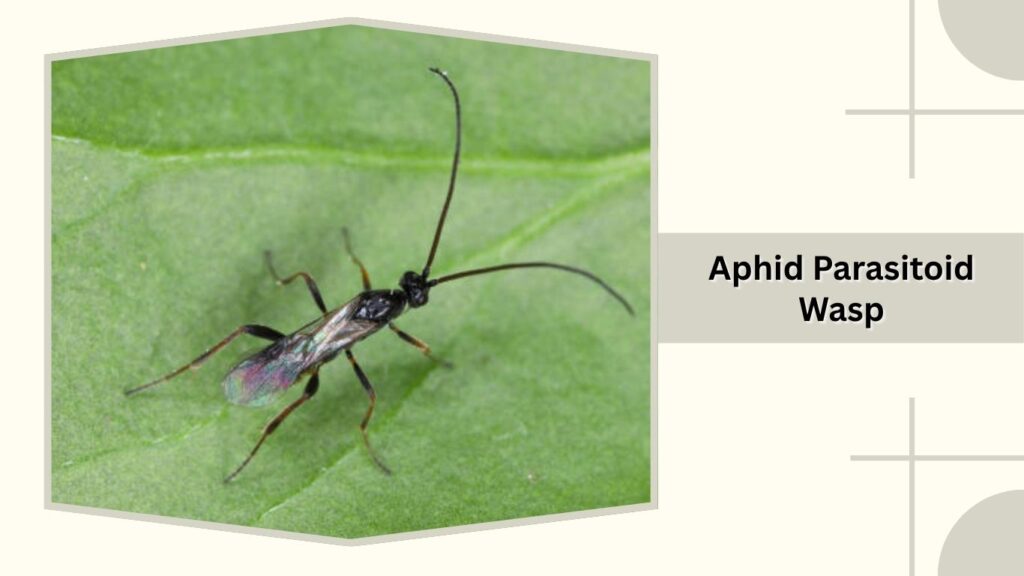
The Aphid Parasitoid Wasp is a tiny beneficial insect belonging to the Braconidae family. Aphidius colemani is one of several species commonly described as aphid parasitoid wasps. It primarily attacks small aphids that damage vegetables, ornamental plants, and greenhouse crops.
Identification
- Scientific Name: Aphidius colemani
- Family: Braconidae
- Size: Approximately 2 mm long
- Color: Dark brown to black with lighter-colored legs
- Wings: Transparent with delicate veins
- Antennae: Long, slender, and segmented
- Distinctive Feature: Produces swollen, tan-colored aphid mummies with circular exit holes
Habitat and Distribution
Aphid Parasitoid Wasps occur in agricultural fields, home gardens, greenhouses, and ornamental landscapes. They are widely used in biological pest management, particularly where green peach aphids and melon aphids are problematic.
Life Cycle and Behavior
Female wasps deposit individual eggs inside living aphids. The larvae hatch and gradually consume the insects internally. After approximately one week, the affected aphids become swollen and hardened. Adult parasitoids eventually emerge through small circular openings.
Importance in Nature
These wasps are valuable natural enemies of aphids. Gardeners and commercial growers use them to reduce aphid infestations without relying entirely on chemical insecticides. Their effectiveness makes them important insects in integrated pest management.
16. Cabbage Aphid Parasitoid Wasp (Diaeretiella rapae)
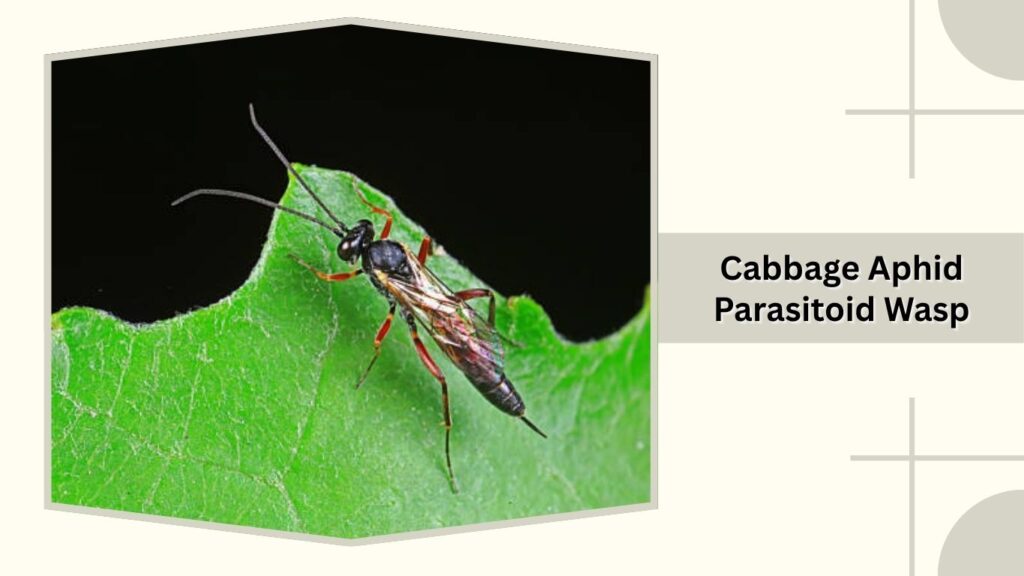
The Cabbage Aphid Parasitoid Wasp is a small beneficial insect belonging to the Braconidae family. It primarily attacks cabbage aphids, which damage broccoli, cauliflower, cabbage, and other cruciferous vegetables. This species plays an important role in natural pest management in agricultural environments.
Identification
- Scientific Name: Diaeretiella rapae (also classified as Aphidius rapae)
- Family: Braconidae
- Size: Approximately 2 mm long
- Color: Dark brown to black with yellowish-brown legs
- Wings: Transparent with delicate veins
- Antennae: Long, thin, and segmented
- Distinctive Feature: Produces bronze-colored, dome-shaped aphid mummies
Habitat and Distribution
Cabbage Aphid Parasitoid Wasps are distributed worldwide and commonly occur in vegetable gardens, agricultural fields, and areas containing brassica crops. They are particularly associated with cabbage aphid colonies found on young leaves and growing shoots.
Life Cycle and Behavior
Female wasps lay eggs inside living aphids. The larvae feed internally, eventually killing their hosts and forming hardened mummies. Under favorable conditions, development from egg to adult can take approximately 9–15 days.
Importance in Nature
These wasps help reduce cabbage aphid populations and limit crop damage. They are valuable natural enemies in vegetable production, although severe infestations may require additional pest management methods.
17. Pea Aphid Parasitoid Wasp (Aphidius ervi)
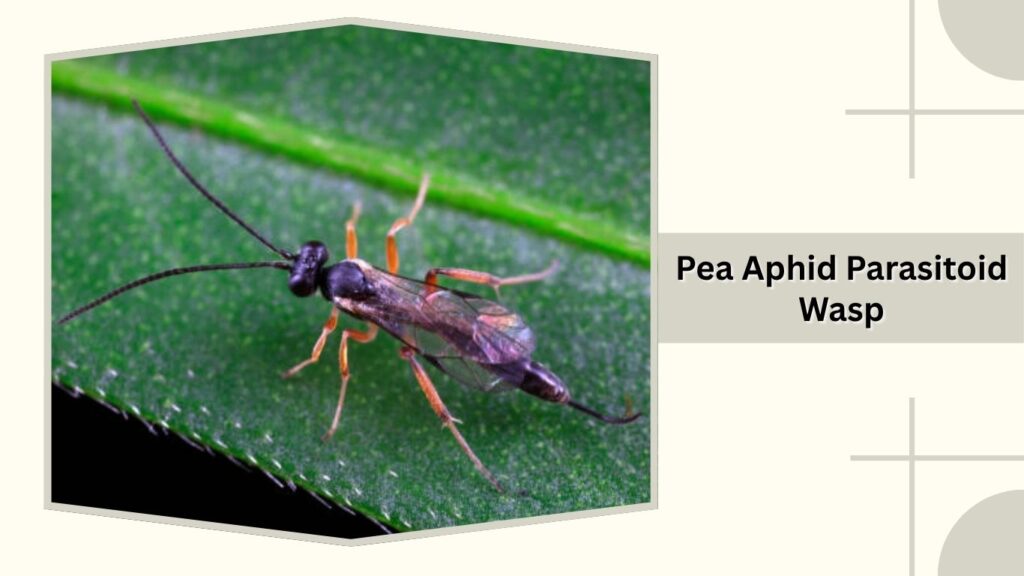
The Pea Aphid Parasitoid Wasp is a tiny beneficial insect belonging to the Braconidae family. It primarily attacks pea aphids and several other aphid species that damage agricultural crops. This wasp is especially valuable for protecting peas, beans, alfalfa, and other leguminous plants from aphid infestations.
Identification
- Scientific Name: Aphidius ervi
- Family: Braconidae
- Size: Approximately 3 mm long
- Color: Black body with brownish legs
- Wings: Transparent with reduced wing venation
- Antennae: Long, slender, with 17–18 segments in females
- Distinctive Feature: Produces swollen, golden-brown aphid mummies
Habitat and Distribution
Pea Aphid Parasitoid Wasps occur across Europe, North America, and other regions where suitable aphid hosts are present. They inhabit agricultural fields, vegetable gardens, greenhouses, and grasslands. Adults frequently search pea plants and other vegetation for aphid colonies.
Life Cycle and Behavior
Female wasps deposit individual eggs inside living aphids. After hatching, the larvae consume their hosts internally. The affected aphids eventually become swollen, hardened mummies. Adult wasps emerge through circular openings after completing their development.
Importance in Nature
These wasps provide natural control of pea aphids, potato aphids, and other agricultural pests. They are widely used in integrated pest management because they help reduce aphid populations while limiting the need for chemical insecticides.
18. Spongy Moth Parasitoid Wasp (Cotesia melanoscelus)
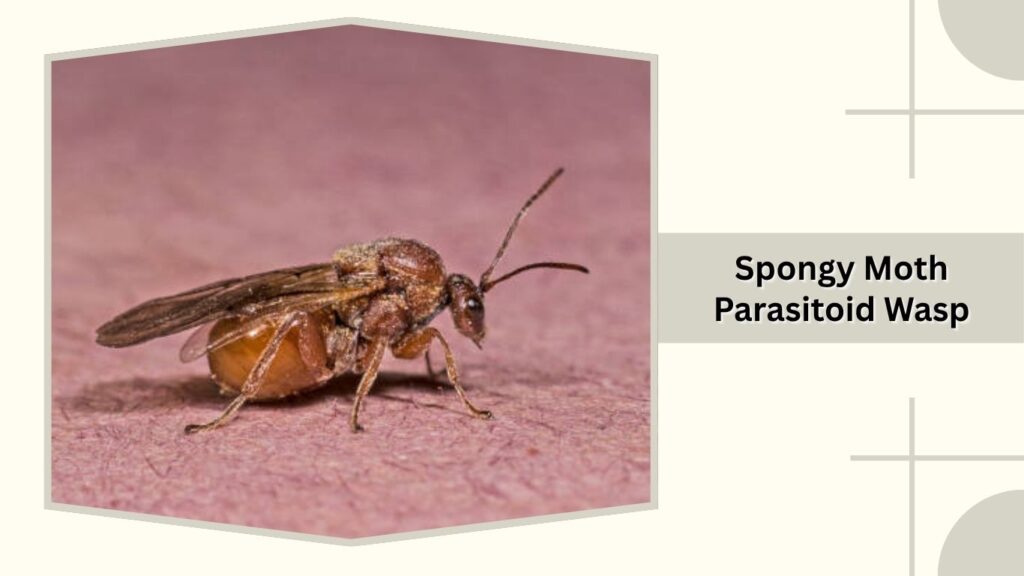
The Spongy Moth Parasitoid Wasp is a small beneficial insect belonging to the Braconidae family. It primarily attacks spongy moth caterpillars, which can severely damage forest trees through extensive leaf feeding. This parasitoid was introduced from Europe into North America to help control invasive spongy moth populations.
Identification
- Scientific Name: Cotesia melanoscelus
- Family: Braconidae
- Size: Approximately 2–3 mm long
- Color: Predominantly black with lighter-colored legs
- Wings: Transparent with delicate venation
- Antennae: Long, slender, and dark
- Distinctive Feature: Produces a small white cocoon near the parasitized caterpillar
Habitat and Distribution
Spongy Moth Parasitoid Wasps inhabit deciduous forests, woodland edges, and tree-covered environments. They occur in Europe and established populations in eastern North America. Their presence is closely associated with spongy moth caterpillars feeding on oak, maple, birch, and other trees.
Life Cycle and Behavior
Females deposit eggs inside young spongy moth caterpillars. The developing larvae consume host tissues internally before emerging and spinning small silken cocoons. The parasitoid pupates within its cocoon and eventually emerges as an adult.
Importance in Nature
These wasps help suppress spongy moth populations by killing developing caterpillars before adulthood. Although they cannot completely prevent forest defoliation, they contribute to natural biological control and support healthier forest ecosystems.
19. Oriental Fruit Fly Parasitoid Wasp (Diachasmimorpha longicaudata)
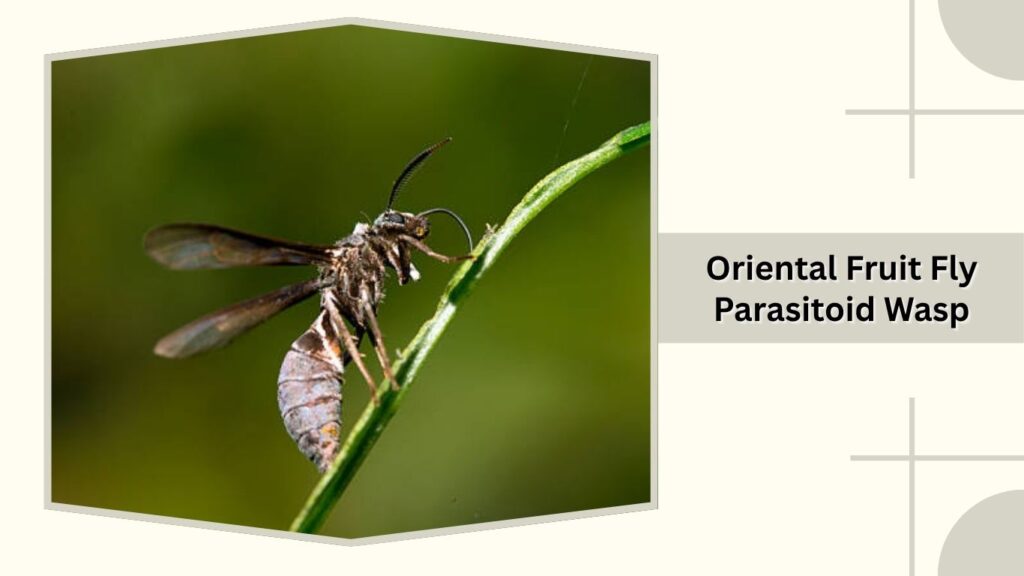
The Oriental Fruit Fly Parasitoid Wasp is a beneficial insect belonging to the Braconidae family. It attacks fruit fly larvae, including the oriental fruit fly, which damages mangoes, guavas, citrus, and other fruits. This species is widely studied for its potential to control agricultural fruit pests.
Identification
- Scientific Name: Diachasmimorpha longicaudata
- Family: Braconidae
- Size: Approximately 3–5.5 mm long
- Color: Reddish-brown body with darker markings
- Wings: Transparent with visible veins
- Antennae: Long, slender, and dark toward the tips
- Distinctive Feature: Female possesses a long ovipositor extending beyond her abdomen
Habitat and Distribution
Oriental Fruit Fly Parasitoid Wasps occur in tropical and subtropical environments, particularly around orchards and fruit-growing regions. Originally associated with parts of Asia, they have been introduced into other areas, including Hawaii and Florida, for biological pest management.
Life Cycle and Behavior
Female wasps locate fruit fly larvae developing inside fruits. Using their elongated ovipositors, they deposit eggs directly into the larvae. The parasitoid develops internally, allowing the host to reach its pupal stage before killing it. An adult wasp eventually emerges from the fly’s puparium.
Importance in Nature
These wasps naturally reduce populations of oriental fruit flies and other fruit-infesting species. They are important biological control agents in fruit production systems and can complement other integrated pest management strategies.
20. Flour Moth Parasitoid Wasp (Habrobracon hebetor)
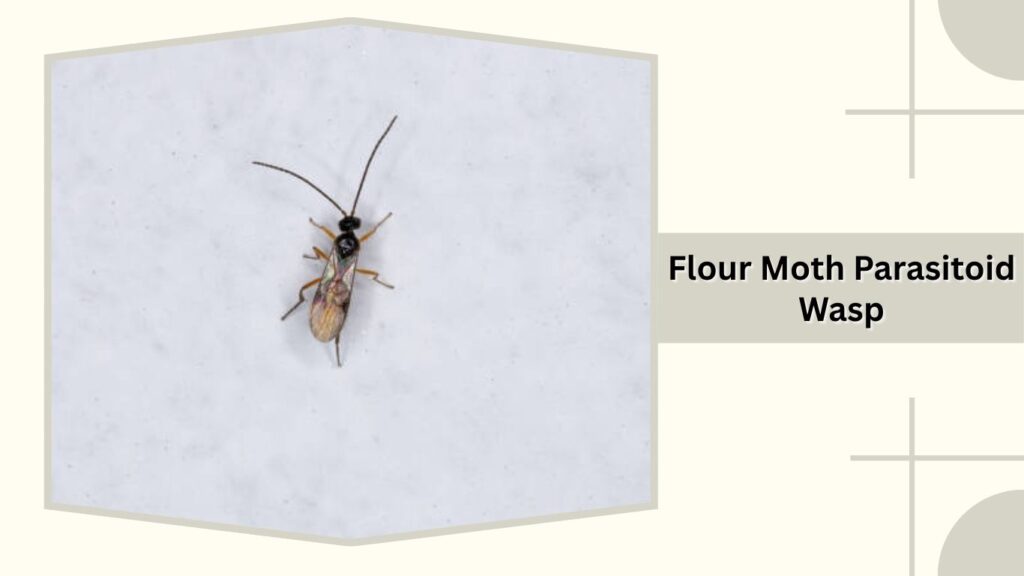
The Flour Moth Parasitoid Wasp is a small insect belonging to the Braconidae family. It is also known scientifically as Bracon hebetor in some classifications. This species attacks moth caterpillars that infest stored grains, flour, dried fruits, and other food products, making it an important natural enemy of storage pests.
Identification
- Scientific Name: Habrobracon hebetor
- Family: Braconidae
- Size: Approximately 2–4 mm long
- Color: Yellowish-brown to reddish-brown with darker markings
- Wings: Transparent with delicate veins
- Antennae: Long, thin, and segmented
- Distinctive Feature: Paralyzes moth caterpillars before depositing eggs on their bodies
Habitat and Distribution
Flour Moth Parasitoid Wasps occur worldwide and inhabit grain storage facilities, warehouses, food-processing environments, and agricultural areas. They are commonly associated with Mediterranean flour moths, Indianmeal moths, and other stored-product moth species.
Life Cycle and Behavior
Female wasps inject venom into moth caterpillars, causing paralysis. They then deposit eggs externally on the immobilized hosts. After hatching, the larvae feed on the caterpillars before spinning silken cocoons and pupating.
Under favorable temperatures, development can be completed in approximately 10–12 days.
Importance in Nature
These wasps help suppress moth populations in grain-storage environments. Their ability to attack multiple stored-product pests makes them valuable candidates for biological control programs.
FAQs
1. What are Braconid wasps?
Braconid wasps are small parasitic wasps belonging to the family Braconidae. Most species develop as parasitoids of other insects, including caterpillars, aphids, beetle larvae, and flies. They are important natural enemies of agricultural pests and contribute to ecological balance by regulating insect populations in gardens, forests, and agricultural landscapes.
2. Are Braconid wasps dangerous to humans?
Most Braconid wasps are harmless to humans. They generally do not defend nests or attack people like social wasps. Females use their ovipositors primarily for laying eggs in or on insect hosts. They are beneficial insects, and gardeners should avoid disturbing or unnecessarily killing them.
3. What do Braconid wasps eat?
Adult Braconid wasps commonly consume nectar, honeydew, and other sugary substances, although feeding habits vary between species. Their larvae develop by feeding on or inside insect hosts such as caterpillars, aphids, and fruit flies. This parasitic development helps control pest populations naturally in agricultural and forest environments.
4. Where do Braconid wasps live?
Braconid wasps occur worldwide in gardens, forests, grasslands, agricultural fields, and tropical ecosystems. Some species also inhabit greenhouses and stored-product environments. Their distribution depends largely on the availability of suitable host insects. Many are most active during warmer seasons when caterpillars, aphids, and other hosts are abundant.
5. How do Braconid wasps help control pests?
Braconid wasps control pests by depositing eggs inside or on other insects. Their developing larvae consume host tissues, eventually killing the pests. Different species attack caterpillars, aphids, fruit flies, and stored-product moths. They are important components of biological pest management because they can reduce pest populations without directly damaging crops.
