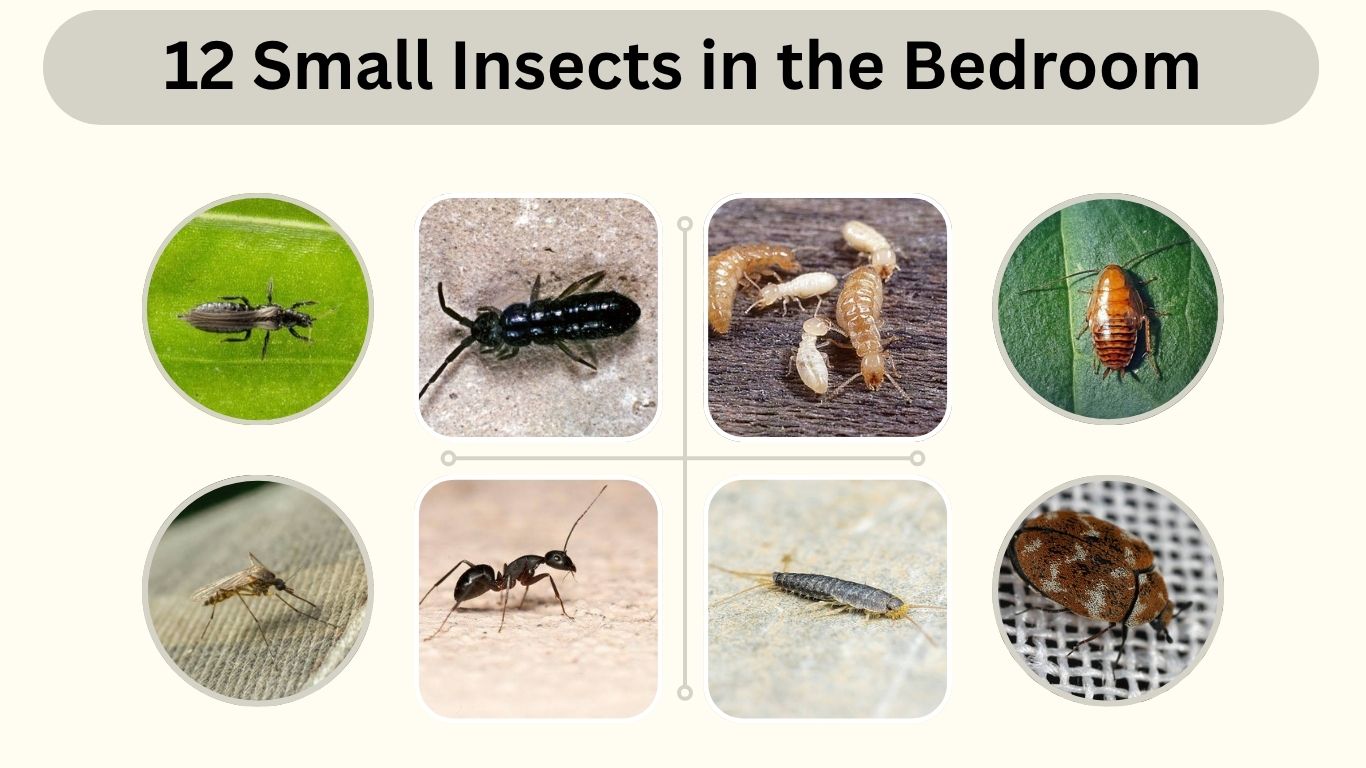
Finding tiny insects in your bedroom can be uncomfortable, especially when you are unsure whether they bite, damage fabrics, or indicate a hidden infestation. Common bedroom insects include bed bugs, fleas, carpet beetles, silverfish, ants, mosquitoes, and several other small pests. Some are attracted to warmth and blood, while others prefer moisture, fabrics, plants, or food crumbs. Learning how to identify each insect, where it hides, and what signs it leaves behind can help you choose the right control method and prevent the problem from becoming more serious.
1. Bed Bug
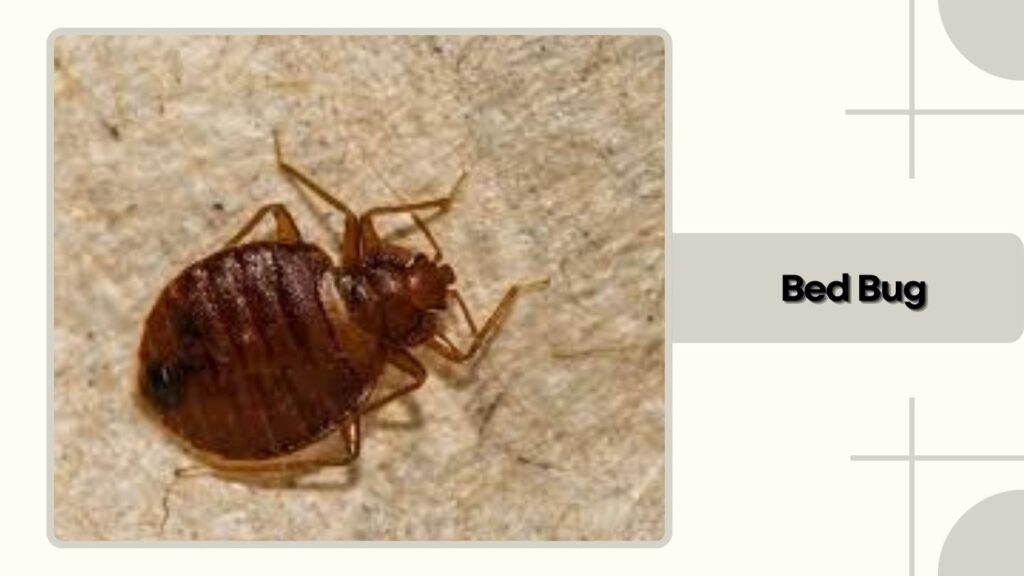
Bed bugs are among the most common small insects found in bedrooms. They hide close to sleeping areas and come out mainly at night to feed on human blood. Although they do not usually spread disease, their bites can cause itching, redness, and discomfort.
Identification
- Small, flat, oval-shaped body
- Reddish-brown color
- About the size of an apple seed
- Six legs and two short antennae
- Swollen and darker after feeding
Where Bed Bugs Hide
Bed bugs usually hide in mattress seams, bed frames, headboards, box springs, and cracks in nearby furniture. They may also live behind wallpaper, electrical outlets, baseboards, curtains, and picture frames. Their flat bodies allow them to squeeze into very narrow spaces.
Signs of Bed Bugs
Common signs include small blood spots on sheets, dark droppings around mattress seams, shed skins, and tiny white eggs. Some people also notice itchy bites arranged in lines or clusters. A sweet, musty odor may appear when the infestation becomes severe.
How to Control Bed Bugs
Wash bedding and clothing in hot water and dry them using high heat. Vacuum the mattress, bed frame, carpets, and nearby cracks carefully. Mattress encasements can help trap remaining insects. Large infestations often require professional pest control because bed bugs are difficult to eliminate completely.
2. Flea
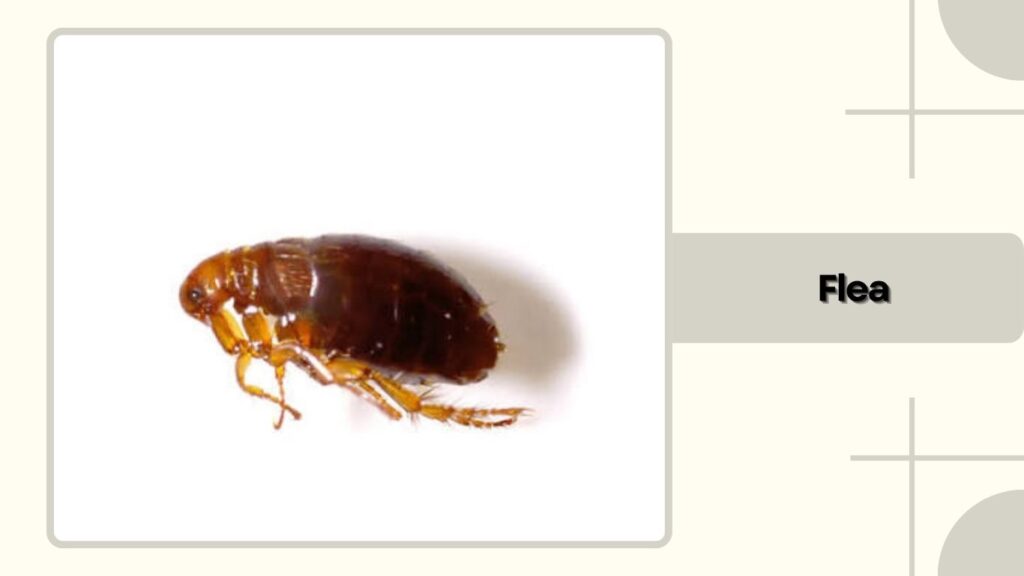
Fleas are tiny, wingless insects that may enter bedrooms on pets, clothing, or used furniture. They feed on blood and can jump long distances compared with their body size. Fleas often hide in carpets, bedding, pet beds, and cracks near the floor.
Identification
- Very small, usually 1–3 millimeters long
- Dark brown or reddish-brown body
- Narrow, flattened body shape
- Powerful back legs for jumping
- Difficult to crush with fingers
Where Fleas Hide
Fleas commonly hide in carpets, rugs, mattress edges, floor cracks, and upholstered furniture. Bedrooms with cats or dogs are especially vulnerable. Flea eggs may fall from pets and develop in hidden areas where dust, hair, and organic debris collect.
Signs of Fleas
Flea bites usually appear as small, itchy red bumps, often around the ankles and lower legs. Pets may scratch frequently or develop irritated skin. You may also notice tiny black specks, called flea dirt, on bedding, carpets, or pet fur.
How to Control Fleas
Wash bedding, blankets, and pet bedding in hot water. Vacuum carpets, furniture, and floor edges every day during an infestation. Treat pets with a veterinarian-approved flea product. Because eggs and larvae may survive, repeated cleaning and treatment are often necessary.
3. Carpet Beetle
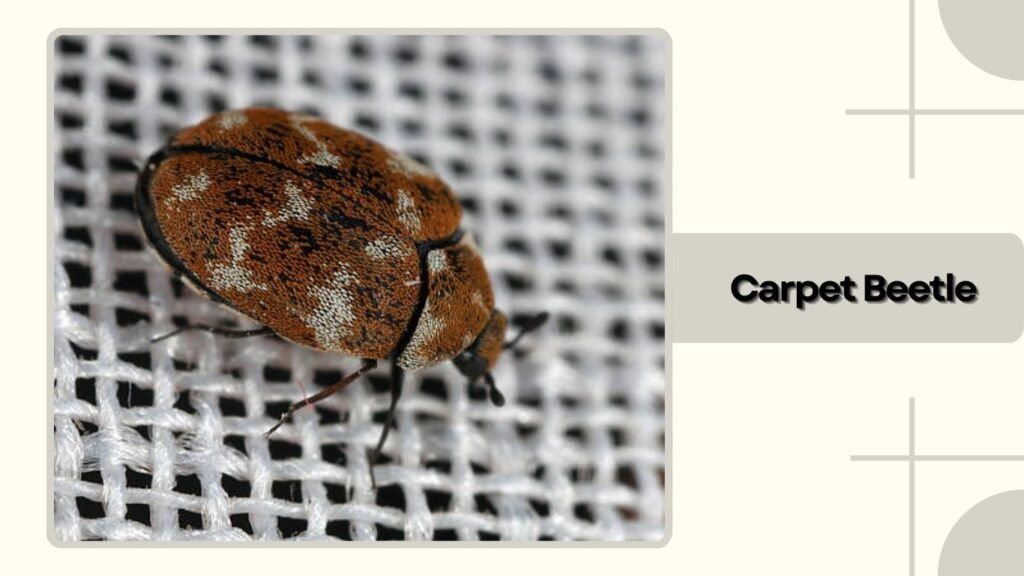
Carpet beetles are small household insects that often appear near windows, carpets, closets, and bedroom furniture. Adult beetles feed mainly on pollen, but their larvae can damage wool, feathers, fur, leather, and other natural materials stored indoors.
Identification
- Adults are round or oval-shaped
- Usually 2–5 millimeters long
- Black, brown, white, or mottled patterns
- Larvae are hairy and brown
- Slow-moving compared with fleas
Where Carpet Beetles Hide
Carpet beetle larvae hide beneath carpets, along baseboards, inside closets, under beds, and in stored clothing. They prefer quiet, dark areas containing natural fibers, pet hair, dead insects, or lint. Adults may be found near sunny windows.
Signs of Carpet Beetles
Common signs include irregular holes in clothing, damaged carpet edges, shed larval skins, and small hairy larvae. Unlike bed bugs, carpet beetles do not feed on blood. However, larval hairs may irritate sensitive skin and cause an itchy rash.
How to Control Carpet Beetles
Vacuum carpets, closets, furniture, and baseboards thoroughly. Wash or dry-clean affected clothing and store valuable fabrics in sealed containers. Remove lint, pet hair, and dead insects. Severe infestations may require an insecticide labeled for carpet beetle control.
4. Silverfish
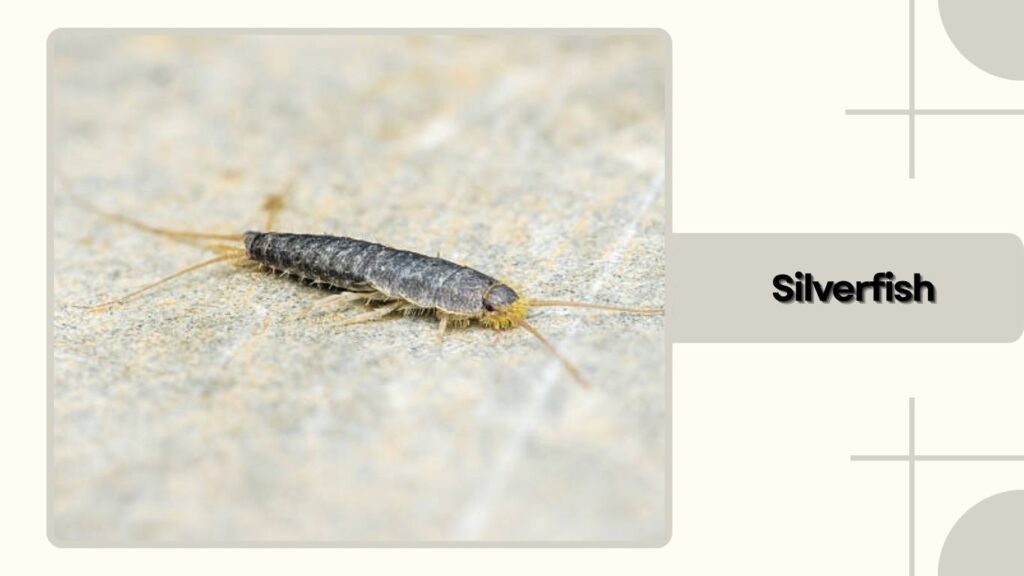
Silverfish are small, wingless insects with silvery scales and a fish-like movement. They prefer dark, humid areas and may enter bedrooms through wall gaps, bathrooms, closets, or storage boxes. They are harmless to people but can damage household materials.
Identification
- Silver or gray, teardrop-shaped body
- Usually 12–19 millimeters long
- Three long tail-like bristles
- Long antennae
- Fast, wiggling movement
Where Silverfish Hide
Silverfish hide beneath furniture, inside closets, behind baseboards, under wallpaper, and in cardboard boxes. They are more common in damp bedrooms or rooms connected to bathrooms. During the day, they remain hidden and usually become active at night.
Signs of Silverfish
You may notice small holes, yellow stains, or surface damage on books, wallpaper, photographs, and clothing. Silverfish also leave tiny black droppings and shed skins. Seeing them regularly often indicates excessive moisture or several hidden insects.
How to Control Silverfish
Reduce humidity with ventilation or a dehumidifier. Repair leaking pipes and seal cracks around walls, floors, and windows. Remove cardboard clutter and store books or clothing in dry containers. Sticky traps can help monitor and reduce small silverfish populations.
5. Booklouse
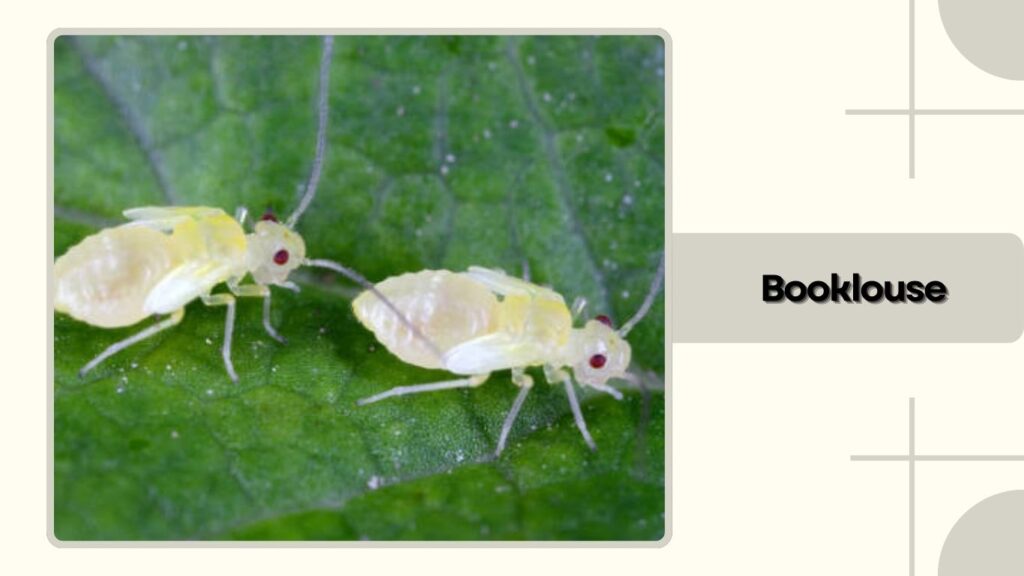
Booklice are extremely small, soft-bodied insects that thrive in humid rooms. Despite their name, they are not true lice and do not bite people. They feed on mold, fungi, starch, and microscopic organic material found around books, wallpaper, furniture, and stored items.
Identification
- Usually less than 2 millimeters long
- Pale white, gray, or light brown
- Soft body with a relatively large head
- Long, thin antennae
- May be wingless or have small wings
Where Booklice Hide
Booklice commonly hide in old books, cardboard boxes, wallpaper seams, window frames, and damp wooden furniture. They are especially common in bedrooms with poor ventilation, high humidity, or mold growth. Newly built homes may also attract them while materials remain damp.
Signs of Booklice
You may see tiny pale insects crawling across walls, shelves, books, or windowsills. Large numbers often indicate hidden moisture or mold. Booklice do not damage people or pets, but they may contaminate stored food and delicate paper materials.
How to Control Booklice
Lower indoor humidity below 50 percent when possible. Improve ventilation, remove mold, and dry damp areas thoroughly. Discard heavily infested cardboard or paper items. Vacuum shelves and cracks, then store books and dry goods in sealed containers.
6. Ant
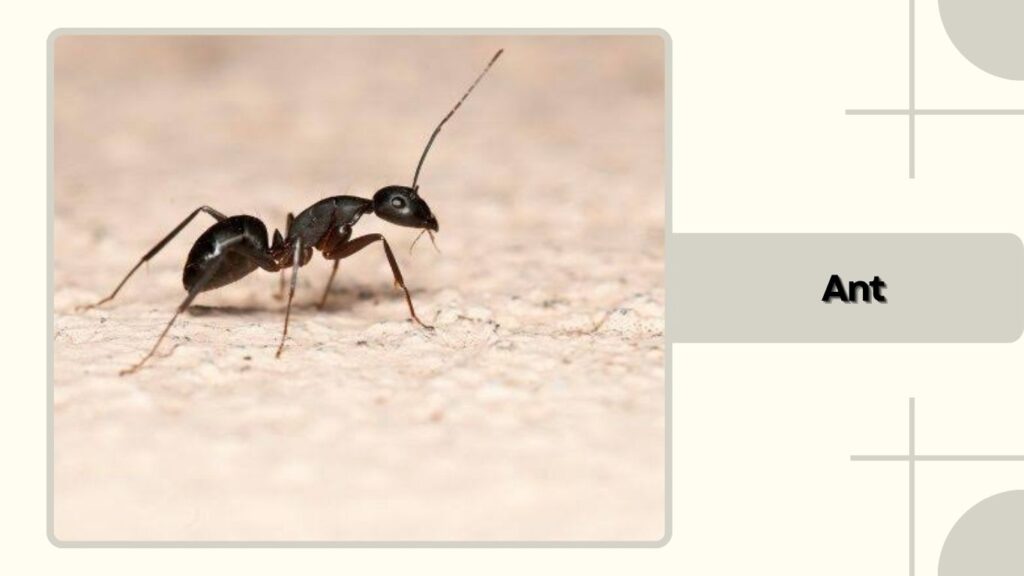
Ants often enter bedrooms while searching for food, water, or shelter. Even a few crumbs, sugary drinks, pet food, or moisture can attract them. Different ant species vary in size and color, but most follow visible trails between their nest and a food source.
Identification
- Three distinct body sections
- Narrow waist between abdomen and chest
- Six legs
- Bent or elbowed antennae
- Black, brown, red, or yellow coloration
Where Ants Hide
Ants may hide inside wall voids, baseboards, window frames, electrical outlets, and furniture cracks. They often enter through small gaps around doors and windows. Some species nest outdoors and travel inside, while others may establish colonies within the building.
Signs of Ants
The clearest sign is a trail of workers moving toward food or water. You may also notice small piles of soil or debris near cracks. Winged ants indoors can indicate a mature colony nearby, especially when several appear at once.
How to Control Ants
Remove food crumbs, empty drink containers, and pet food from the bedroom. Wipe ant trails with soapy water and seal entry gaps. Ant baits are usually more effective than spraying visible workers because the bait can be carried back to the colony.
7. Mosquito
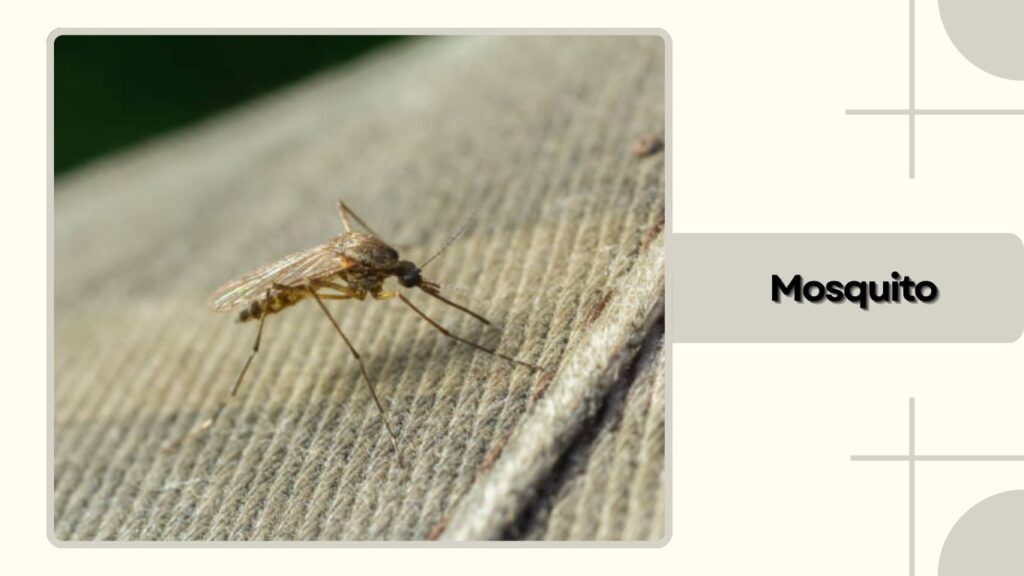
Mosquitoes are small flying insects that often enter bedrooms through open windows, doors, or damaged screens. Female mosquitoes feed on blood and may bite people while they sleep. Their buzzing sound and itchy bites can make them especially annoying at night.
Identification
- Slender body with long legs
- Narrow wings covered with tiny scales
- Long, needle-like mouthpart
- Usually gray, brown, or black
- Commonly 3–6 millimeters long
Where Mosquitoes Hide
Mosquitoes may rest on walls, curtains, ceilings, under furniture, or behind hanging clothes. They prefer dark and quiet places during the day. Indoor mosquitoes may also remain close to bathrooms, plant pots, or other damp areas.
Signs of Mosquitoes
A high-pitched buzzing sound near the ears is one of the most obvious signs. Bites usually cause raised, itchy, red bumps. Some people may develop larger swollen areas, especially after repeated bites or sensitivity to mosquito saliva.
How to Control Mosquitoes
Install or repair window screens and keep doors closed during peak mosquito hours. Remove standing water from plant saucers, containers, and nearby outdoor areas. Bed nets, fans, and approved insect repellents can reduce bites while sleeping.
8. Clothes Moth
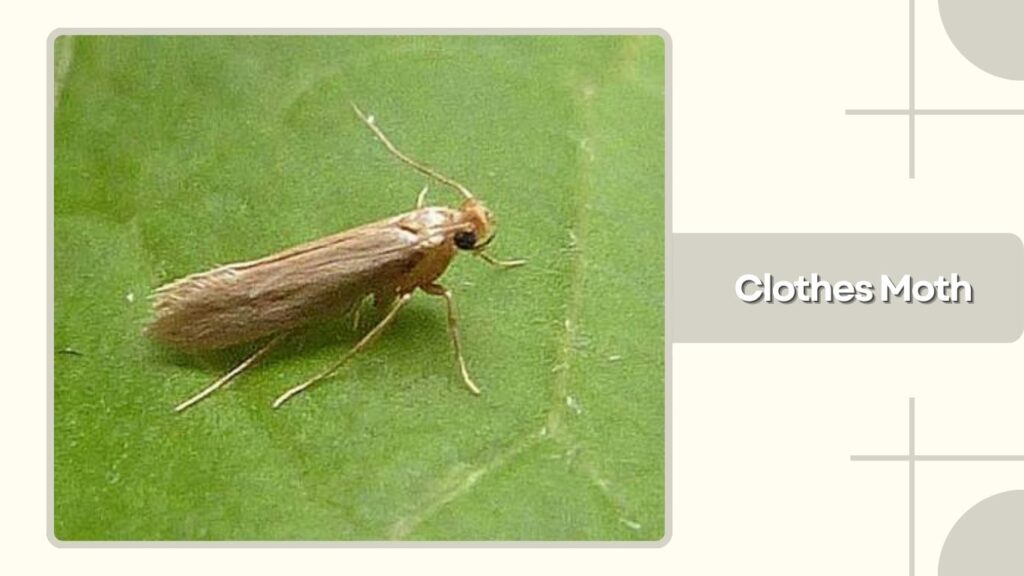
Clothes moths are small, pale moths that may appear in bedrooms, wardrobes, and closets. Adult moths do not damage fabrics directly, but their larvae feed on wool, silk, fur, feathers, and other animal-based materials.
Identification
- Small, narrow body
- Pale beige, cream, or golden color
- Usually about 6–8 millimeters long
- Wings fold closely against the body
- Larvae are small, white, and worm-like
Where Clothes Moths Hide
Clothes moths prefer dark, undisturbed areas such as wardrobes, drawers, storage boxes, and the underside of carpets. Their larvae may hide in clothing folds, furniture seams, or fabric that has not been moved for a long time.
Signs of Clothes Moths
Small irregular holes in sweaters, blankets, carpets, or other natural fabrics are common signs. You may also notice silky webbing, larval cases, shed skins, or tiny white larvae. Damage often appears in hidden parts of stored clothing.
How to Control Clothes Moths
Wash or dry-clean affected fabrics and vacuum closets, drawers, carpets, and furniture. Store clean clothing in airtight containers or garment bags. Remove lint, hair, and old fabric debris. Pheromone traps can help monitor adult moth activity.
9. Cockroach Nymph
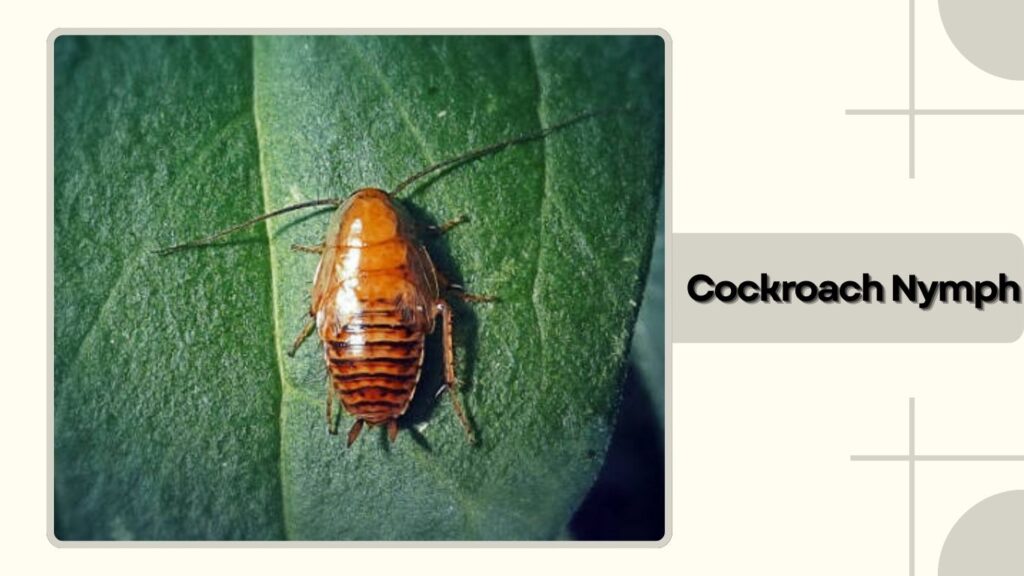
Cockroach nymphs are young cockroaches that resemble smaller versions of adults. They are wingless and often hide in dark, warm, and humid areas. Finding nymphs in a bedroom may indicate that cockroaches are breeding somewhere inside the home.
Identification
- Small, oval, flattened body
- Six spiny legs
- Long antennae
- Brown, tan, or nearly black
- No developed wings
Where Cockroach Nymphs Hide
Cockroach nymphs may hide behind baseboards, under furniture, inside wall cracks, electrical outlets, drawers, and cardboard boxes. Bedrooms near kitchens or bathrooms may be more vulnerable because cockroaches need regular access to water and food.
Signs of Cockroach Nymphs
Signs include small droppings that resemble black pepper, shed skins, egg cases, and a musty odor. You may also see nymphs running quickly when lights are turned on. Their presence often suggests a nearby hidden infestation.
How to Control Cockroach Nymphs
Remove food, drink containers, cardboard, and clutter from the bedroom. Vacuum cracks and clean surfaces regularly. Seal gaps around walls, pipes, and windows. Gel baits and bait stations are generally more effective than spraying individual cockroaches.
10. Termite
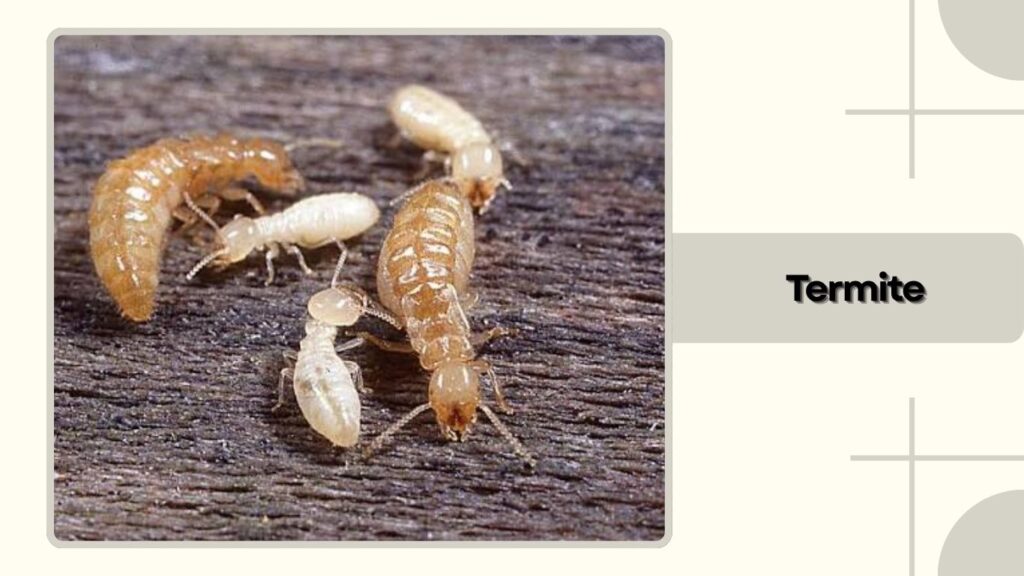
Termites are small insects that feed on wood and other materials containing cellulose. They may appear in bedrooms when wooden furniture, flooring, walls, or structural timbers become infested. Termites usually remain hidden, so visible insects can signal an established colony.
Identification
- Soft, pale cream or light brown body
- Straight antennae
- Broad waist
- Workers are usually wingless
- Swarmers have four equal-sized wings
Where Termites Hide
Termites live inside wood, walls, floors, furniture, and underground colonies. They may enter bedrooms through cracks in foundations or wooden structures. Some species build mud tubes along walls, baseboards, or other surfaces to travel safely.
Signs of Termites
Hollow-sounding wood, bubbling paint, discarded wings, mud tubes, and small piles of droppings may indicate termites. Damaged furniture may appear normal outside while becoming weak and hollow inside. Swarming termites near windows are another warning sign.
How to Control Termites
Avoid storing damp wood or cardboard near bedroom walls. Repair moisture problems and keep wooden furniture dry. Because termites can cause serious structural damage, professional inspection and treatment are usually recommended rather than relying on household sprays.
11. Springtail
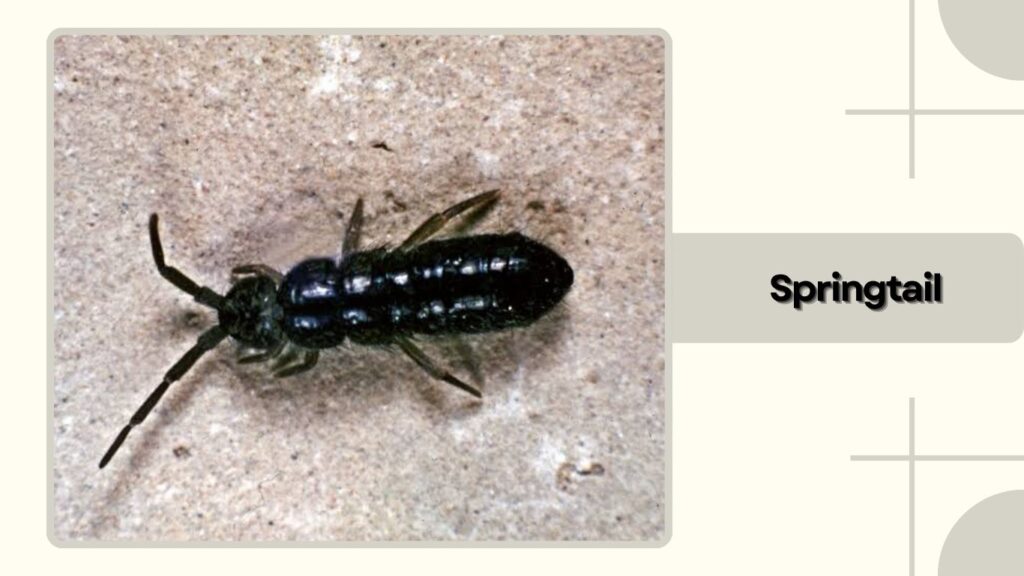
Springtails are tiny insects commonly associated with damp soil, mold, and excessive moisture. They may enter bedrooms from bathrooms, basements, outdoor soil, or indoor plant pots. Springtails do not bite people and are generally considered harmless nuisance insects.
Identification
- Usually 1–3 millimeters long
- White, gray, brown, or black
- Elongated or rounded body
- Six small legs
- Jump suddenly when disturbed
Where Springtails Hide
Springtails gather around damp windowsills, baseboards, carpets, plant pots, and areas affected by leaks or condensation. They feed on mold, algae, fungi, and decaying organic material. Large groups often appear where moisture remains consistently high.
Signs of Springtails
You may notice clusters of tiny insects jumping across floors, walls, or windowsills. Their sudden jumping behavior helps separate them from fleas, although springtails do not feed on blood. Frequent sightings usually indicate a moisture problem nearby.
How to Control Springtails
Reduce humidity, improve ventilation, and repair leaks. Allow houseplant soil to dry slightly between waterings and remove mold or decaying material. Vacuum visible insects and seal gaps around windows and baseboards. Moisture control is the most effective long-term solution.
12. Thrips
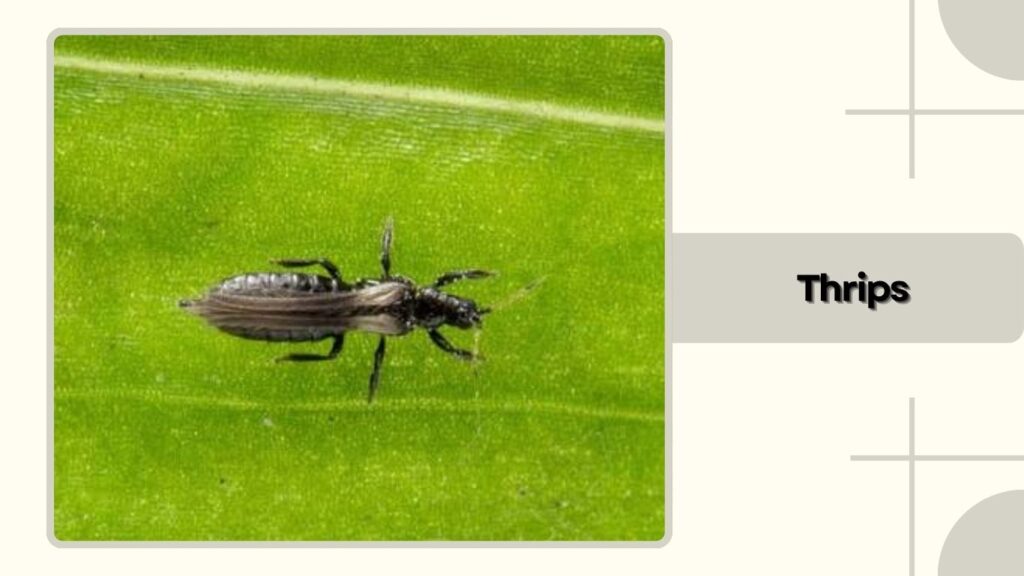
Thrips are very small, slender insects that usually live on plants. They may enter bedrooms through open windows, cut flowers, clothing, or indoor plants. Although they mainly feed on plant tissue, some species may occasionally land on or lightly irritate human skin.
Identification
- Extremely narrow, elongated body
- Usually 1–2 millimeters long
- Yellow, brown, or black color
- Short antennae
- Narrow wings with fringed edges
Where Thrips Hide
Thrips are often found on houseplants, flowers, windowsills, curtains, and walls. They may hide around leaf folds, flower buds, or the underside of leaves. Bright light can attract them toward bedroom windows and lamps.
Signs of Thrips
Indoor plants may develop silver streaks, pale spots, curled leaves, or tiny black droppings. You may also see narrow insects crawling across light-colored surfaces. Thrips do not establish typical bedroom infestations unless suitable plants are present.
How to Control Thrips
Inspect indoor plants and isolate any that appear infested. Wash leaves with water and remove badly damaged plant material. Sticky traps can capture adults. Keep windows screened and avoid bringing heavily infested flowers or plants into the bedroom.