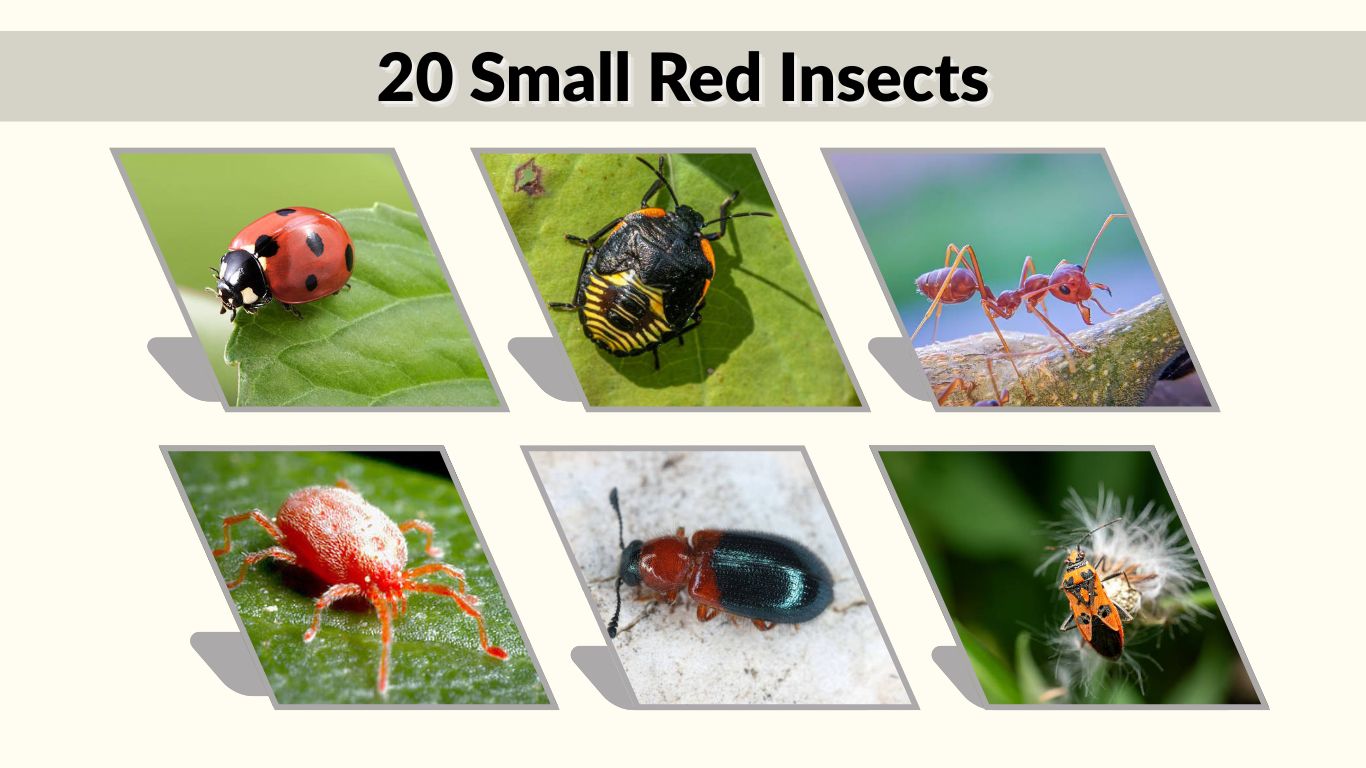
Small red insects can appear on plants, concrete, walls, beds, pets, and inside the house. Some are harmless garden visitors, while others may bite, sting, damage plants, or infest stored food. Correct identification depends on the insect’s size, markings, number of legs, wings, movement, and the location where it was found. Common possibilities include clover mites, boxelder bugs, red aphids, spider mites, chiggers, fire ants, red flour beetles, lady beetles, and red paper wasps. This guide covers 20 common small red insects, their key features, typical habitats, warning signs, and practical control methods.
1. Clover Mite
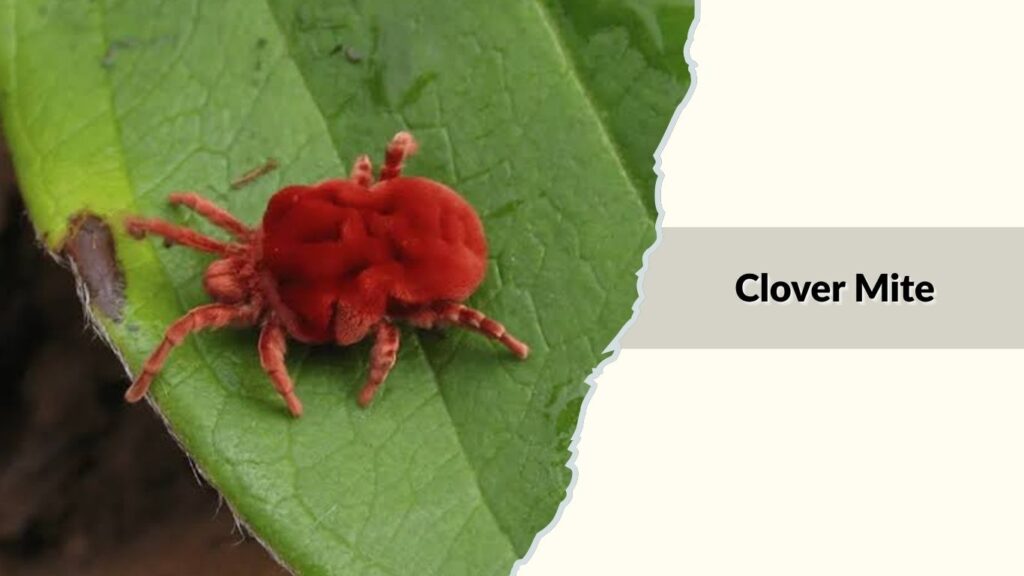
The clover mite is a small red insect often seen on windowsills, walls, concrete, patios, and garden plants. Its bright red color and tiny size make it easy to notice, especially when many gather together. Clover mites do not bite people or damage household items, but they can become a nuisance when they enter homes.
Identification
Clover mites are extremely small, usually less than 1 mm long. They have oval, reddish-brown to bright red bodies and eight legs, which means they are technically mites rather than true insects. Their front pair of legs is unusually long and may look like antennae.
Where They Are Found
These mites commonly live in lawns, gardens, flower beds, and areas with thick vegetation. Indoors, they may appear around windows, doors, curtains, and sunny walls. They are also often seen as small red insects on concrete.
Signs of an Infestation
The clearest sign is seeing many very small red insects crawling near windows or exterior walls. When crushed, they may leave a red stain on paint, fabric, or furniture. They do not reproduce indoors in large numbers.
How to Get Rid of Them
Vacuum visible mites instead of crushing them. Seal cracks around windows and doors, trim vegetation away from the house, and avoid overfertilizing lawns near foundations. Reducing moisture and creating a plant-free border can help prevent future entry.
2. Boxelder Bug
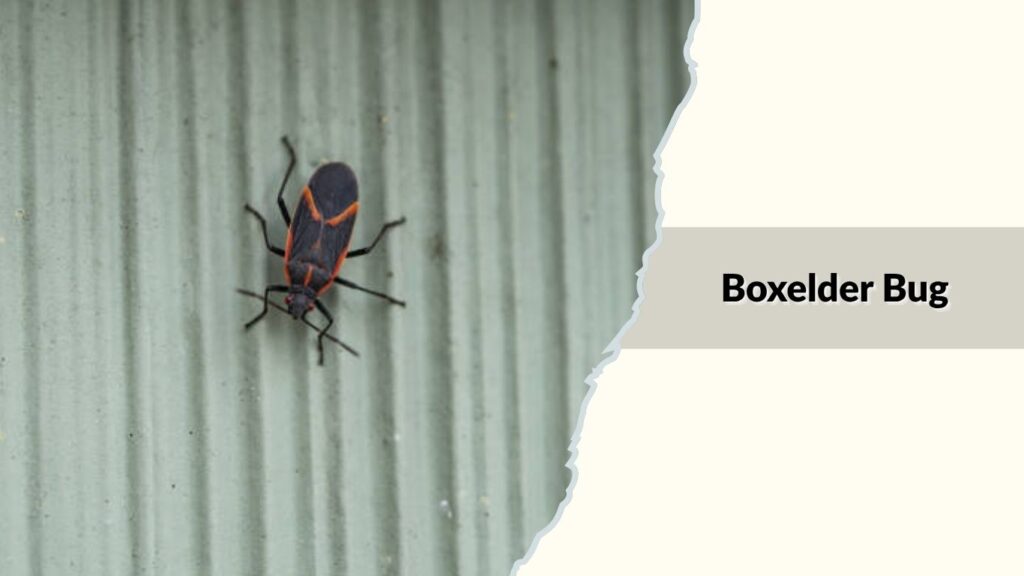
The boxelder bug is a small black and red insect often found on trees, exterior walls, windows, and sunny areas around homes. Large groups may gather in fall before moving indoors for shelter. They do not usually bite or cause serious damage, but they can become an annoying household pest.
Identification
Adult boxelder bugs are about 11–14 mm long with black bodies, red or orange lines on the wings, and red markings along the sides. Young nymphs are smaller and often appear as small bright red insects with dark legs and developing black wing pads.
Where They Are Found
These insects are closely associated with boxelder, maple, and ash trees. Outdoors, they gather on trunks, leaves, concrete, and warm walls. Indoors, they may hide in attics, wall gaps, basements, and around windows during colder weather.
Signs of an Infestation
Common signs include groups of small red and black insects on sunny walls or near doors and windows. Indoors, they may crawl across curtains, floors, and furniture. When crushed, they can leave reddish stains and produce an unpleasant odor.
How to Get Rid of Them
Vacuum indoor bugs instead of crushing them. Seal cracks around windows, doors, siding, and foundations. Repair screens and remove boxelder seeds or leaf debris near the house. Exterior treatment may help when large numbers repeatedly gather.
3. Scarlet Lily Beetle
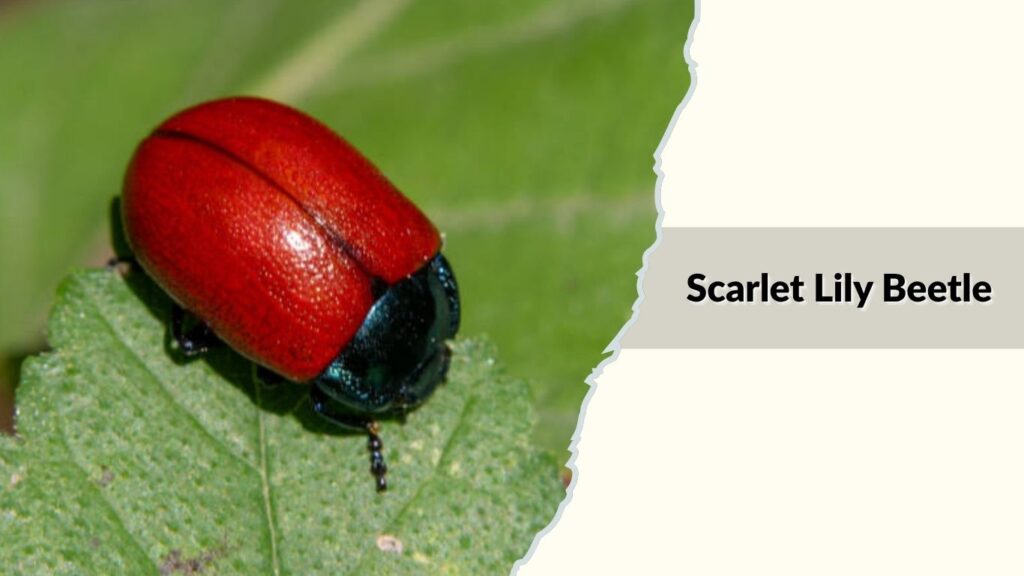
The scarlet lily beetle is a small bright red insect commonly found on lilies and related garden plants. Its vivid red body makes it easy to spot, but both adults and larvae can cause serious leaf damage. Heavy infestations may strip plants of foliage and weaken flowers during the growing season.
Identification
Adult scarlet lily beetles are about 6–9 mm long with smooth, shiny red wing covers, a black head, black legs, and black antennae. Their narrow oval bodies help distinguish them from rounder ladybugs. The larvae are orange-brown and often cover themselves with dark waste material for protection.
Where They Are Found
These beetles are most often seen on true lilies, fritillaries, and nearby garden plants. Adults may hide beneath leaves, along stems, or in soil around the base of host plants. They are especially active during spring and early summer.
Signs of an Infestation
Typical signs include irregular holes, chewed leaf edges, damaged flower buds, and small red insects on plants. Larvae may appear as dark, slimy-looking lumps on leaves. Severe feeding can leave lily stems nearly bare.
How to Get Rid of Them
Inspect lilies regularly and handpick adults, larvae, and eggs. Drop them into soapy water and remove badly damaged leaves. Neem oil or insecticidal soap may help control young larvae when applied carefully.
4. Red Milkweed Beetle
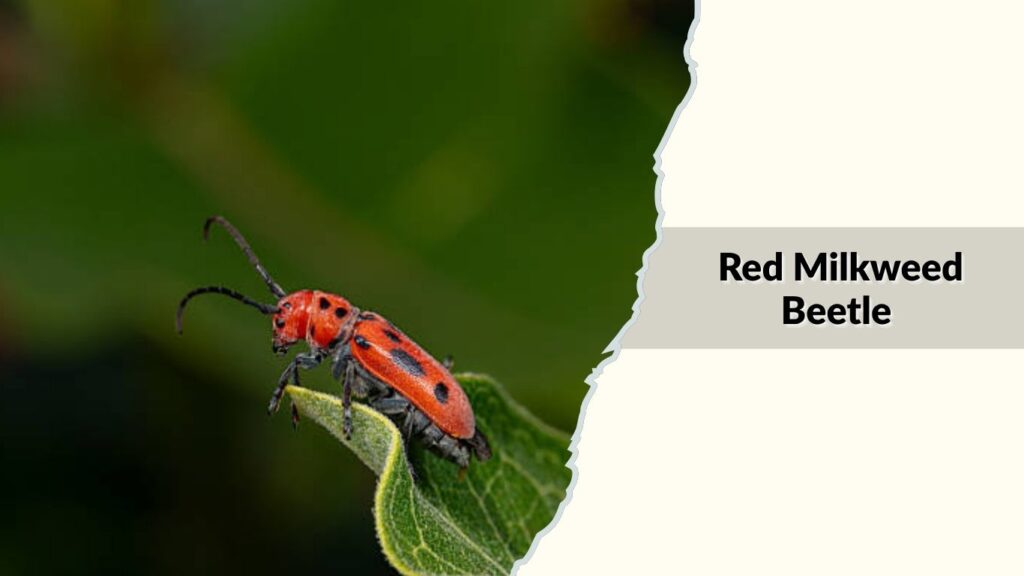
The red milkweed beetle is a small red insect with black spots commonly found on milkweed plants. Its vivid coloring makes it easy to notice in gardens and meadows. Adults mainly feed on milkweed leaves, stems, and flowers, but they rarely cause enough damage to threaten healthy plants.
Identification
Adult red milkweed beetles are about 8–15 mm long with bright red or orange-red wing covers marked by black spots. They have a black head, black legs, and long black antennae. Their elongated bodies distinguish them from round red lady beetles.
Where They Are Found
These beetles live almost exclusively around milkweed plants in gardens, fields, roadsides, and open woodland edges. Adults are most active during warm weather and may rest on leaves, stems, flowers, or seed pods.
Signs of Their Presence
You may notice a small red and black insect crawling on milkweed or feeding along leaf edges. Minor holes, scraped stems, and chewed flower parts may be visible, but serious plant damage is uncommon.
How to Manage Them
Control is rarely necessary because red milkweed beetles are usually harmless to established plants. Handpick them if numbers become excessive. Avoid broad-spectrum pesticides, especially on milkweed used by monarch butterfly caterpillars and other beneficial insects.
5. Cardinal Beetle
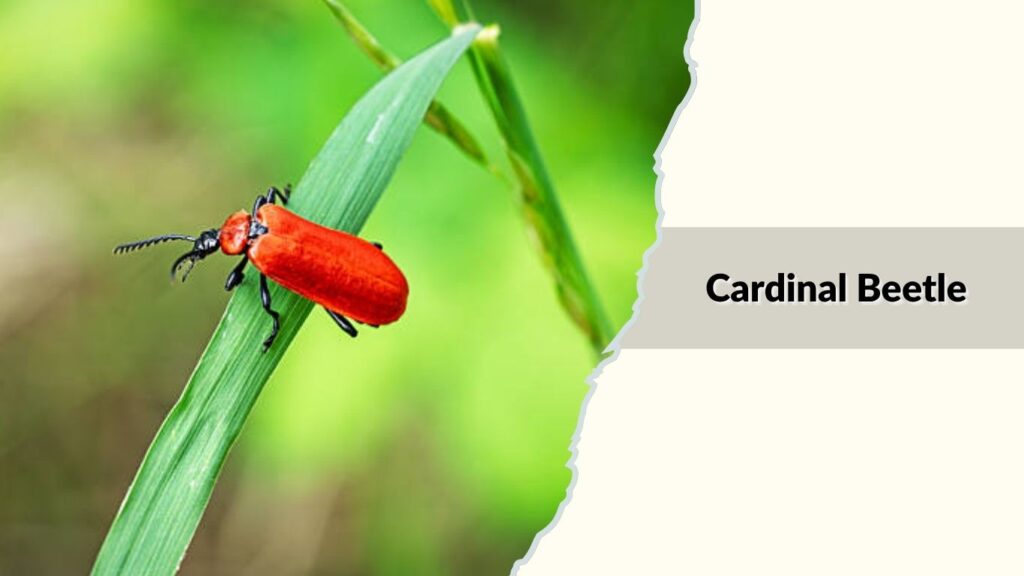
The cardinal beetle is a small red insect often found on tree trunks, flowers, woodland plants, and garden vegetation. Its bright red body makes it easy to recognize, while its larvae live beneath loose bark and feed on other small insects. Adults are harmless and may help reduce pest populations.
Identification
Adult cardinal beetles are usually 10–20 mm long with elongated bodies, vivid red wing covers, and black legs. Depending on the species, the head may be red or black. Their bodies are flatter and more slender than those of ladybugs.
Where They Are Found
These beetles are commonly seen in gardens, woodlands, parks, and hedgerows. Adults may rest on flowers, leaves, logs, or tree bark during warm weather. Their larvae develop under decaying bark and inside rotting wood.
Signs of Their Presence
You may notice a small bright red insect crawling on wood, flowers, or tree trunks. Cardinal beetles do not normally infest homes, bite people, or damage healthy plants. They are usually solitary rather than found in large groups.
How to Manage Them
No control is usually needed because cardinal beetles are beneficial predators. Gently move any beetle found indoors back outside. Avoid unnecessary pesticide use and leave some decaying wood in suitable garden areas to support their larvae.
6. Red Aphid
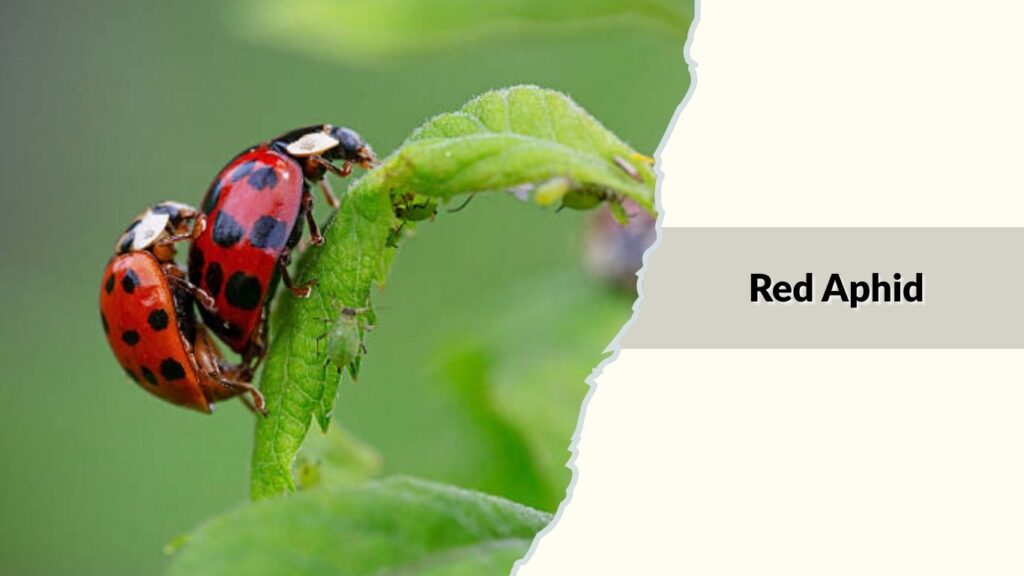
The red aphid is a small red insect on plants that feeds by sucking sap from tender leaves, stems, and flower buds. These pests often gather in colonies and can weaken plants when present in large numbers. They may also produce sticky honeydew that encourages black sooty mold.
Identification
Red aphids are usually 1–3 mm long with soft, pear-shaped bodies. Their color ranges from pinkish red to dark red, and some adults may have clear wings. Two small tube-like structures, called cornicles, project from the rear of the abdomen.
Where They Are Found
These insects are commonly found on vegetables, flowers, fruit trees, shrubs, and ornamental plants. They usually cluster on new growth, leaf undersides, buds, and young stems where plant tissue is easiest to pierce.
Signs of an Infestation
Common signs include curled or yellowing leaves, distorted growth, sticky surfaces, and groups of very small red insects on plant stems. Ants may also appear because they are attracted to the sweet honeydew aphids produce.
How to Get Rid of Them
Spray affected plants with a strong stream of water to knock aphids off. Remove heavily infested leaves and apply insecticidal soap or neem oil when necessary. Encourage ladybugs and lacewings, which naturally feed on aphids.
7. Red Spider Mite
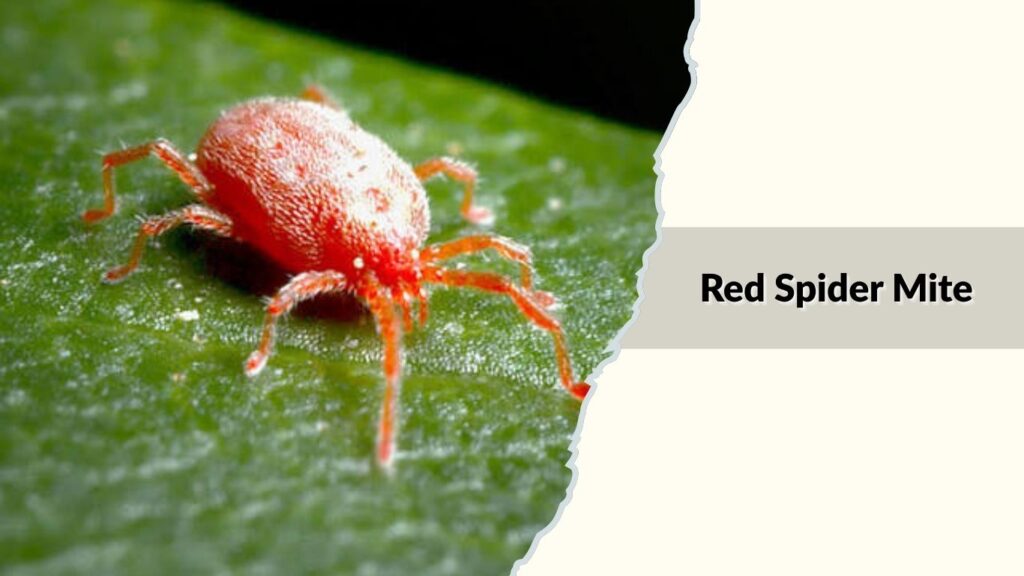
The red spider mite is a very small red insect on plants that feeds by piercing leaves and sucking out plant fluids. Although it is technically a mite rather than an insect, it is commonly described as a tiny red bug. Large infestations can weaken plants, discolor foliage, and reduce healthy growth.
Identification
Red spider mites are usually less than 1 mm long with oval red, orange, or reddish-brown bodies. Adults have eight legs and are difficult to see without magnification. Fine silk webbing on leaves and stems is one of their most recognizable features.
Where They Are Found
These mites commonly attack houseplants, vegetables, fruit trees, flowers, and shrubs. They prefer warm, dry conditions and usually gather on the undersides of leaves, where they remain protected while feeding.
Signs of an Infestation
Common signs include pale spots, yellowing leaves, dry foliage, fine webbing, and clusters of small red insects on plants. Heavily infested leaves may turn brown and fall early.
How to Get Rid of Them
Rinse plants thoroughly with water, especially beneath the leaves. Remove badly damaged foliage and increase humidity around indoor plants. Insecticidal soap or horticultural oil can help control mites when applied repeatedly.
8. Chigger
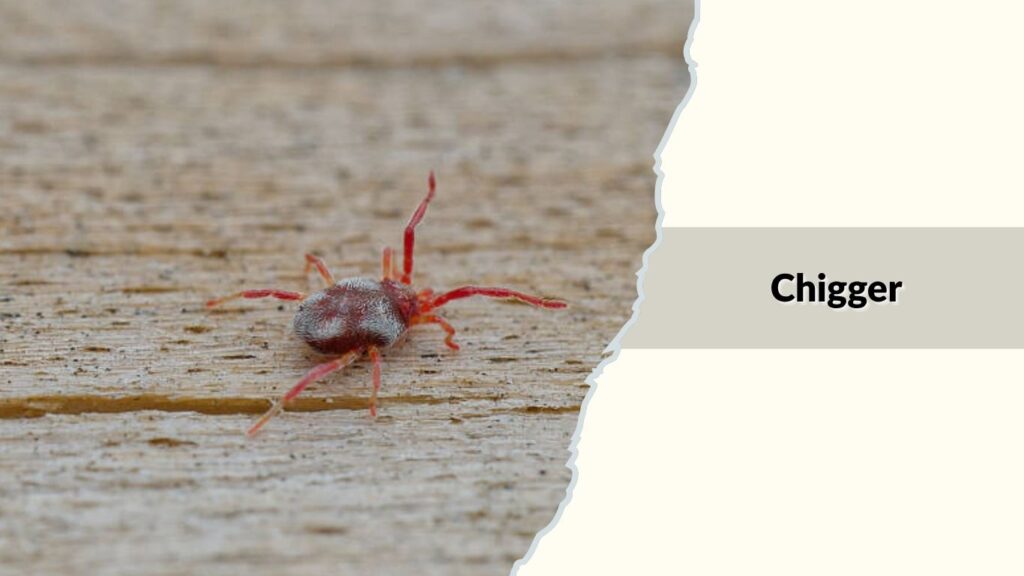
A chigger is a small red biting insect commonly found in grass, weeds, gardens, and wooded areas. Chiggers are actually the larvae of certain mites rather than true insects. They attach to the skin temporarily and can cause intensely itchy red bumps, especially around ankles, waistlines, and areas beneath tight clothing.
Identification
Chiggers are extremely small, usually less than 0.3 mm long, and may appear bright red, orange, or yellow. They have six legs during the larval stage and are difficult to see without magnification. Adult mites are larger, have eight legs, and generally do not bite humans.
Where They Are Found
These mites prefer humid areas with tall grass, dense vegetation, leaf litter, and low shrubs. They are common in gardens, parks, fields, and woodland edges during warm weather. Chiggers may also attach to dogs and other animals outdoors.
Signs of Chigger Bites
Bites often appear as clusters of small red dots on the skin accompanied by severe itching. The irritation may begin several hours after exposure. Chiggers frequently bite around sock lines, waistbands, armpits, and behind the knees.
How to Prevent and Treat Bites
Wear long clothing, use insect repellent, and avoid sitting directly in tall grass. Shower and wash clothing after outdoor activity. Calamine lotion, cool compresses, or anti-itch cream may help relieve symptoms. Avoid scratching, as broken skin can become infected.
9. Fire Ant
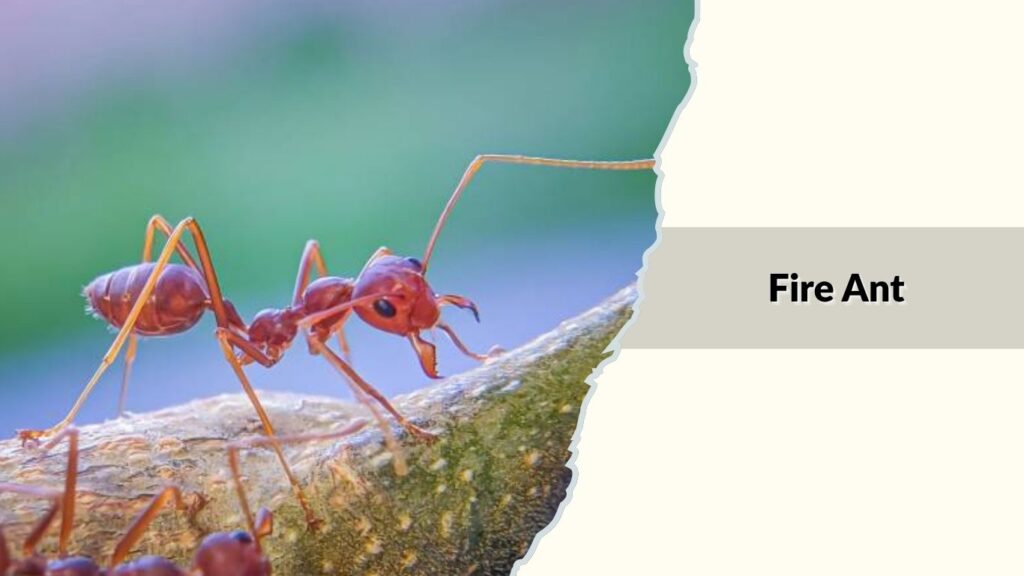
The fire ant is a small red insect known for its painful sting and aggressive behavior. These ants often build large soil mounds in lawns, gardens, fields, and around buildings. When disturbed, many workers may swarm quickly and sting repeatedly, causing burning pain, itching, and small red bumps.
Identification
Fire ants are usually 2–6 mm long and range from reddish brown to dark red. Workers vary in size within the same colony. They have elbowed antennae, narrow waists, and darker abdomens. Their mounds often lack a visible central entrance.
Where They Are Found
Fire ants prefer sunny, open areas with loose soil. Nests may appear in lawns, gardens, parks, pastures, beside sidewalks, and near foundations. During wet weather, they may move into electrical boxes, sheds, or homes.
Signs of an Infestation
Common signs include loose soil mounds, trails of ants, and clusters of small red insect bites after accidental contact. Stings often form itchy red welts that may develop small white pustules within a day.
How to Get Rid of Them
Avoid disturbing active mounds. Use labeled fire ant bait around affected areas and apply mound treatments when necessary. Keep children and pets away during treatment. Seek medical help immediately if stings cause breathing difficulty, dizziness, facial swelling, or another severe allergic reaction.
10. Velvet Ant
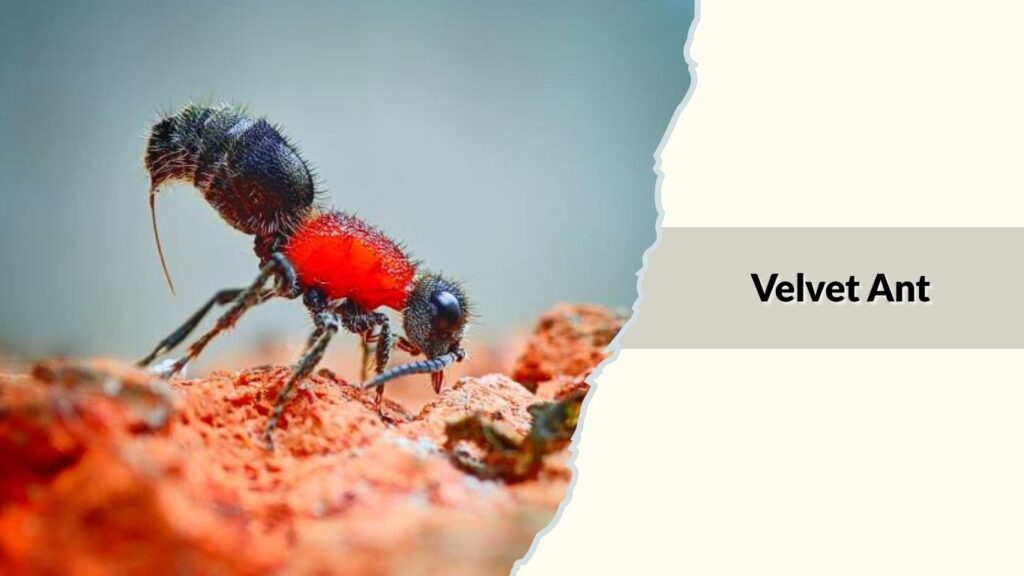
The velvet ant is a small red and black insect often seen crawling across dry soil, lawns, gardens, and sandy areas. Despite its name, it is actually a wingless female wasp. Velvet ants are usually solitary and do not infest homes, but females can deliver an extremely painful sting when handled or trapped against the skin.
Identification
Velvet ants have dense, velvety hairs covering their bodies. Many species are bright red, orange, black, or patterned with contrasting bands. Females are wingless and resemble large fuzzy ants, while males have wings and look more like typical wasps.
Where They Are Found
These insects are commonly found in open fields, gardens, woodland edges, and sandy ground. Females wander across the soil searching for nests of ground-dwelling bees and wasps, where they lay their eggs.
Signs of Their Presence
You may notice a small red insect with black legs moving quickly across bare ground. Velvet ants are usually seen alone rather than in groups. They do not damage plants, wood, fabrics, or stored food.
How to Manage Them
Do not touch or pick up a velvet ant. Keep children and pets away and gently guide the insect outdoors if it enters a building. Pesticide treatment is rarely necessary because these wasps are solitary and temporary visitors.
11. Firebug
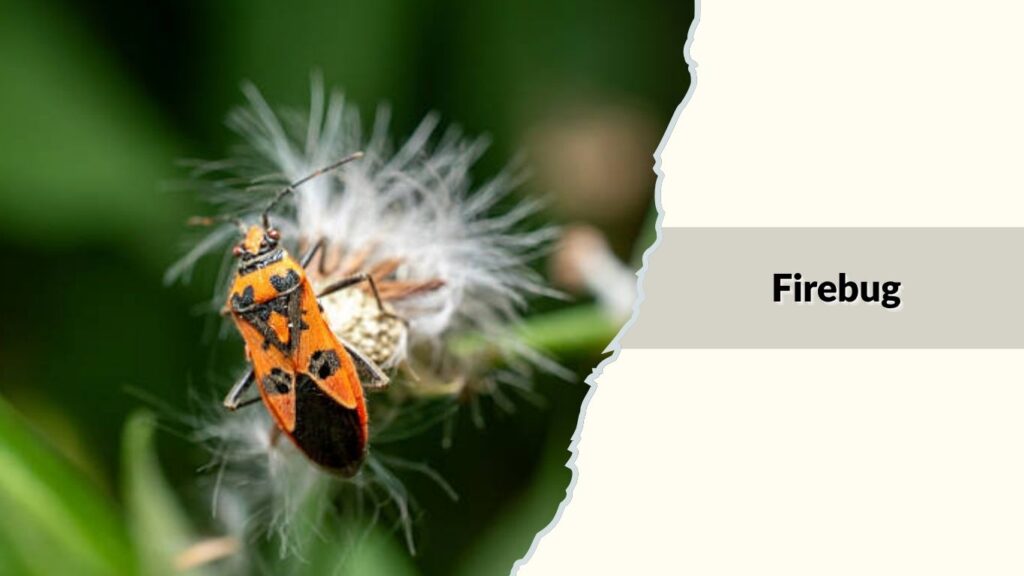
The firebug is a small red and black insect commonly found in gardens, parks, woodland edges, and around tree trunks. Its bold coloring makes it easy to recognize. Firebugs mainly feed on seeds, fallen fruit, and plant material, and they usually do not cause serious damage to healthy plants.
Identification
Adult firebugs are about 8–12 mm long with oval, flattened bodies. They have bright red wing covers marked with distinctive black spots and triangular patterns. Their heads, legs, and antennae are black. Young nymphs are smaller and may appear mostly red with fewer dark markings.
Where They Are Found
Firebugs often gather near lime trees, hibiscus, mallows, and other seed-producing plants. They prefer warm, sunny areas and may cluster on walls, tree bark, concrete, or leaf litter in large groups.
Signs of Their Presence
The most obvious sign is seeing groups of small black and red insects around plants or sunny surfaces. They may feed on fallen seeds and occasionally pierce soft plant tissue, but major garden damage is uncommon.
How to Manage Them
Control is rarely necessary. Sweep or vacuum firebugs that enter the house and release them outdoors. Remove fallen seeds and plant debris near foundations. Avoid broad-spectrum pesticides unless large numbers are causing noticeable plant damage.
12. Assassin Bug Nymph
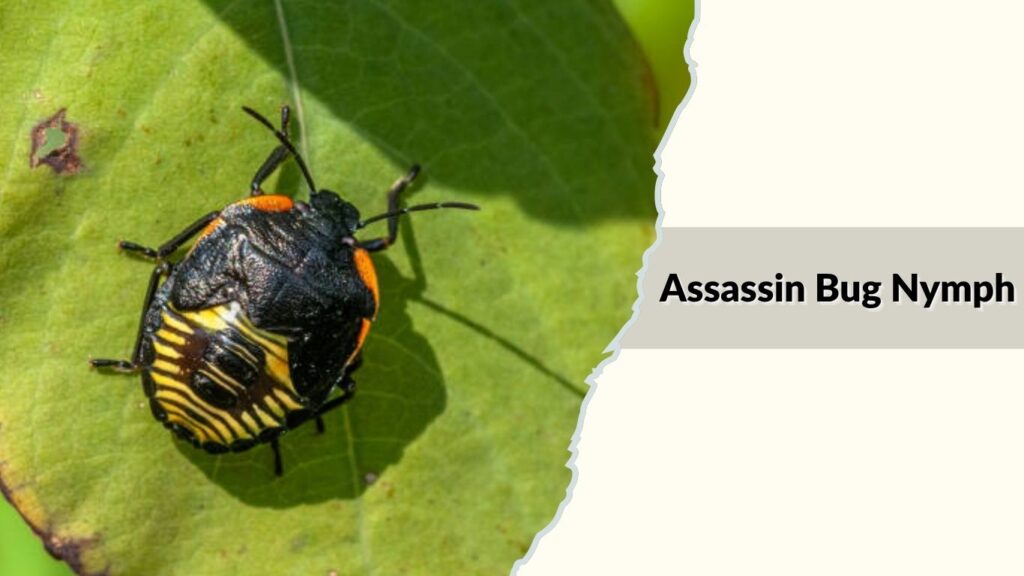
An assassin bug nymph is a small red and black insect often found on garden plants, tree bark, walls, and outdoor furniture. These young predatory insects feed on aphids, caterpillars, and other small pests. They are beneficial in gardens, but they can deliver a painful bite if handled carelessly.
Identification
Assassin bug nymphs usually have slender bodies, long legs, and a narrow head with a curved beak beneath it. Many species are bright red or orange with black legs, wing pads, or markings. Their bodies become darker as they mature.
Where They Are Found
These nymphs commonly live on flowers, vegetables, shrubs, and trees where prey is abundant. They may also wander onto patios, windows, and exterior walls. Occasionally, one may enter a house through an open door or window.
Signs of Their Presence
You may notice a small insect with a red body and black legs stalking other insects on plants. Assassin bug nymphs are usually seen alone and do not form colonies. Their presence often indicates that aphids or other garden pests are nearby.
How to Manage Them
Avoid touching them with bare hands. Gently move indoor individuals outside using a container. Pesticide treatment is usually unnecessary because assassin bugs help control harmful insects naturally.
13. Red Cotton Stainer Bug
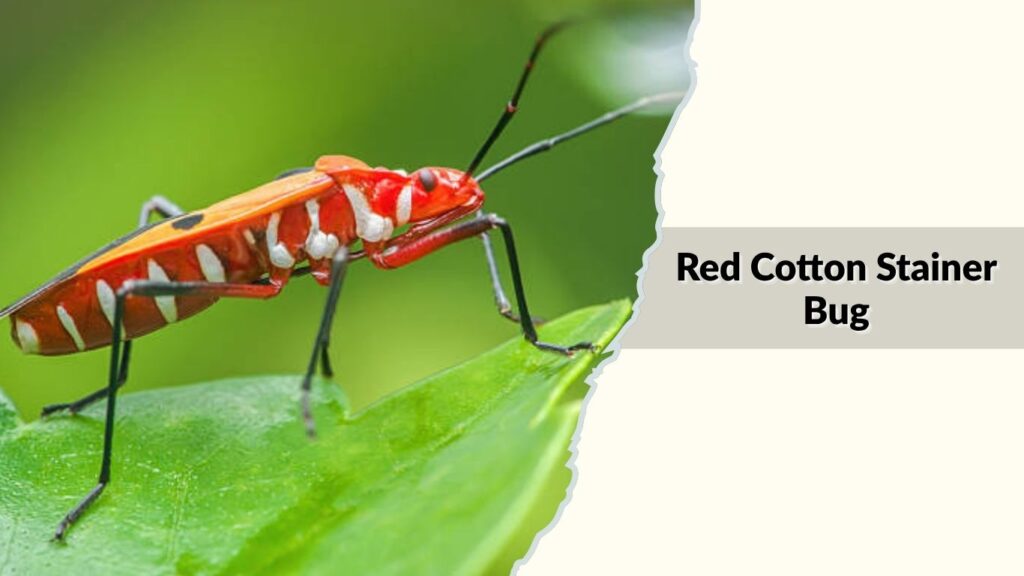
The red cotton stainer bug is a small red and black insect commonly found on cotton, hibiscus, okra, and other plants in the mallow family. It feeds on seeds, fruits, and developing plant tissue by piercing them with its mouthparts. Large populations may reduce seed quality and leave yellow or brown stains on cotton fibers.
Identification
Adult red cotton stainer bugs are usually 10–15 mm long with slender red or orange bodies, black markings, and long dark legs. Depending on the species, the wings may have black tips or pale bands. Young nymphs are smaller, wingless, and often appear bright red.
Where They Are Found
These bugs live in warm gardens, farms, fields, and tropical or subtropical areas. They are commonly seen on cotton bolls, hibiscus seed pods, okra, and fallen fruit. Groups may gather around mature seeds and plant debris.
Signs of an Infestation
Signs include damaged seeds, discolored fruit, reduced plant quality, and clusters of small red insects on plants. Cotton fibers may become stained when feeding introduces microorganisms into developing bolls.
How to Get Rid of Them
Remove fallen seeds, damaged pods, and plant debris. Handpick visible bugs and drop them into soapy water. Keep weeds controlled and inspect vulnerable plants regularly. Insecticidal soap may help manage young nymphs when populations become heavy.
14. Red-Shouldered Bug
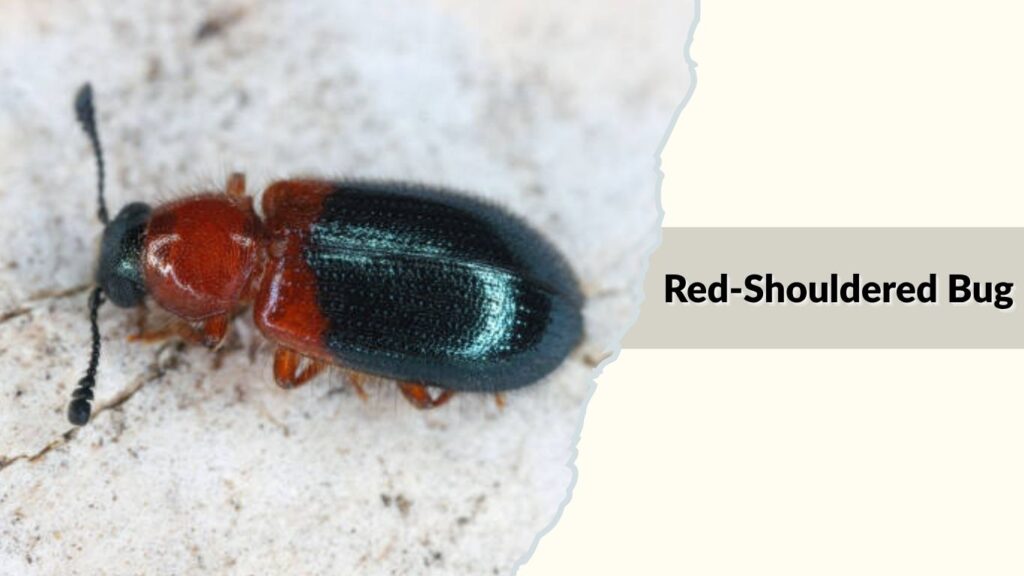
The red-shouldered bug is a small black and red insect commonly found around trees, gardens, walls, and sunny outdoor surfaces. It is closely related to the boxelder bug and often gathers in groups. These insects are mostly a nuisance and usually do not cause serious damage to people, pets, or healthy plants.
Identification
Adult red-shouldered bugs are about 10–13 mm long with dark gray or black bodies and reddish-orange markings along the shoulders and wing edges. Nymphs are smaller, wingless, and often appear as small bright red insects with darker heads and legs.
Where They Are Found
These bugs are often associated with soapberry, golden rain, maple, and related trees. They may gather on trunks, fallen seeds, concrete, fences, and exterior walls. During cooler weather, some move indoors through cracks around windows and doors.
Signs of Their Presence
Common signs include clusters of small red and black insects on sunny walls, tree bark, or around seed-producing plants. Indoors, they may crawl near windows and curtains. Large groups can leave stains if crushed.
How to Manage Them
Vacuum indoor bugs rather than crushing them. Seal gaps, repair screens, and remove fallen seeds near the house. Outdoor control is rarely needed unless large numbers repeatedly enter the home.
15. Leaf-Footed Bug Nymph
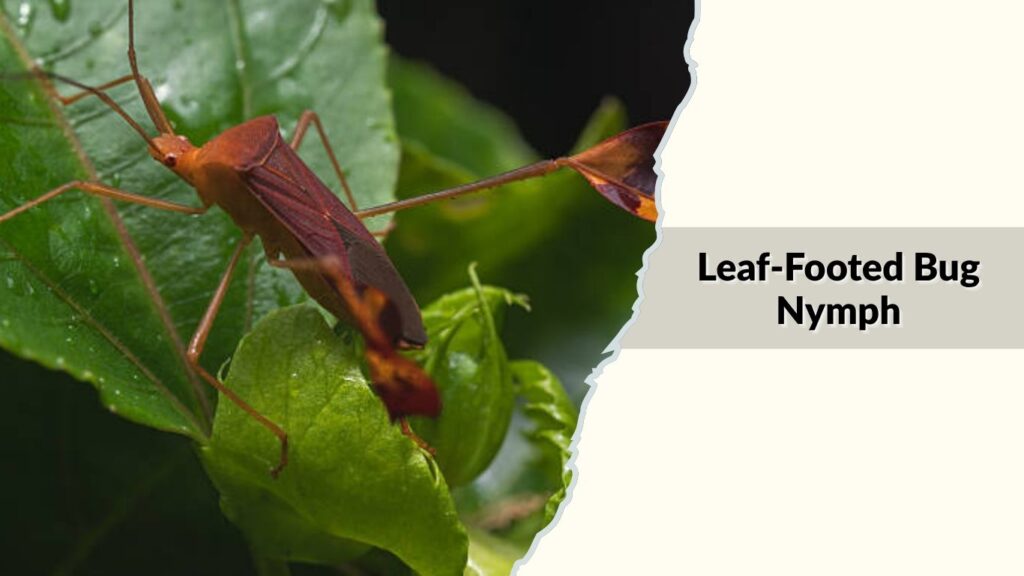
A leaf-footed bug nymph is a small red insect often found on vegetables, fruits, flowers, and garden plants. Young nymphs may appear bright red or orange with black legs, making them easy to confuse with assassin bugs. They feed by piercing plant tissue and sucking juices from developing seeds, fruit, and stems.
Identification
Leaf-footed bug nymphs usually have slender red or orange bodies, long black legs, and dark antennae. They do not yet have fully developed wings or the widened, leaf-like hind legs seen in adults. Small nymphs often gather in groups shortly after hatching.
Where They Are Found
These insects commonly live on tomatoes, citrus, pomegranates, squash, beans, sunflowers, and ornamental plants. They are usually seen on stems, fruit clusters, seed heads, and leaf undersides during warm weather.
Signs of an Infestation
Common signs include clusters of small red insects on plants, discolored fruit, sunken feeding spots, deformed seeds, and damaged flower buds. Heavy feeding may cause young fruit to drop early or develop unevenly.
How to Get Rid of Them
Handpick nymphs and drop them into soapy water. Remove egg clusters and heavily infested plant parts. Keep weeds and garden debris under control. Insecticidal soap may help manage young nymphs before they mature.
16. Red Seed Bug
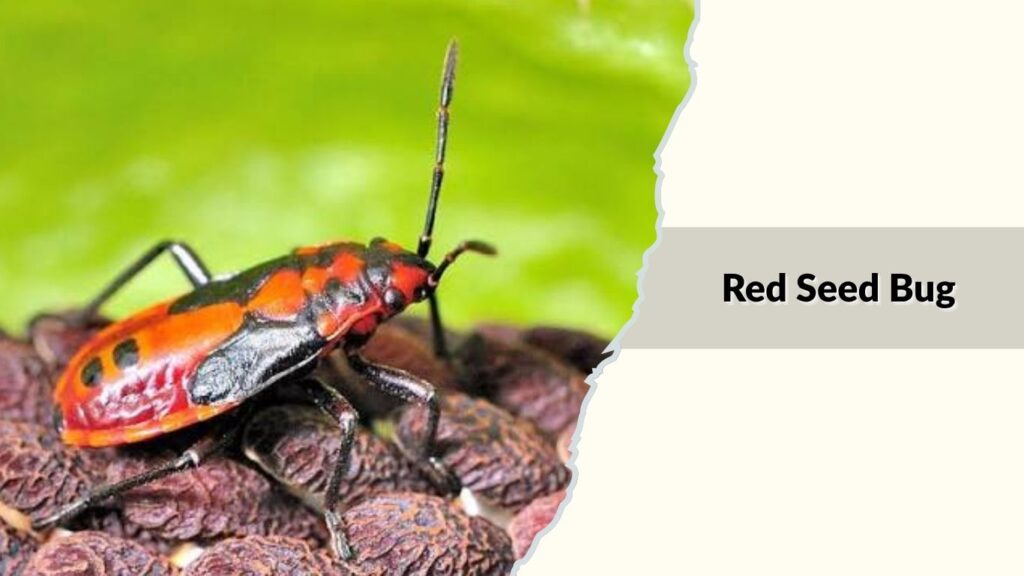
The red seed bug is a small red and black insect commonly found around seed-producing plants, gardens, fields, and sunny outdoor surfaces. These bugs feed mainly on fallen seeds and developing seed pods. They rarely cause serious damage, but large groups can become a nuisance when they gather near homes or enter through small gaps.
Identification
Adult red seed bugs are usually 8–12 mm long with elongated red, orange, and black bodies. Their wings often display bold dark markings, while the legs and antennae are usually black. Young nymphs are smaller, wingless, and may appear mostly bright red.
Where They Are Found
These insects commonly live around weeds, grasses, flowers, and trees that produce abundant seeds. They may gather beneath plants, in leaf litter, on walls, or on concrete warmed by the sun.
Signs of Their Presence
You may notice groups of small red insects outside feeding on fallen seeds or resting on walls. They may also appear as small red insects on concrete. Indoor sightings usually occur when they accidentally enter through doors or windows.
How to Manage Them
Remove fallen seeds and plant debris near the house. Sweep or vacuum bugs that enter indoors and seal gaps around doors, windows, and siding. Pesticide treatment is rarely needed unless large numbers repeatedly invade the home.
17. Red Flour Beetle
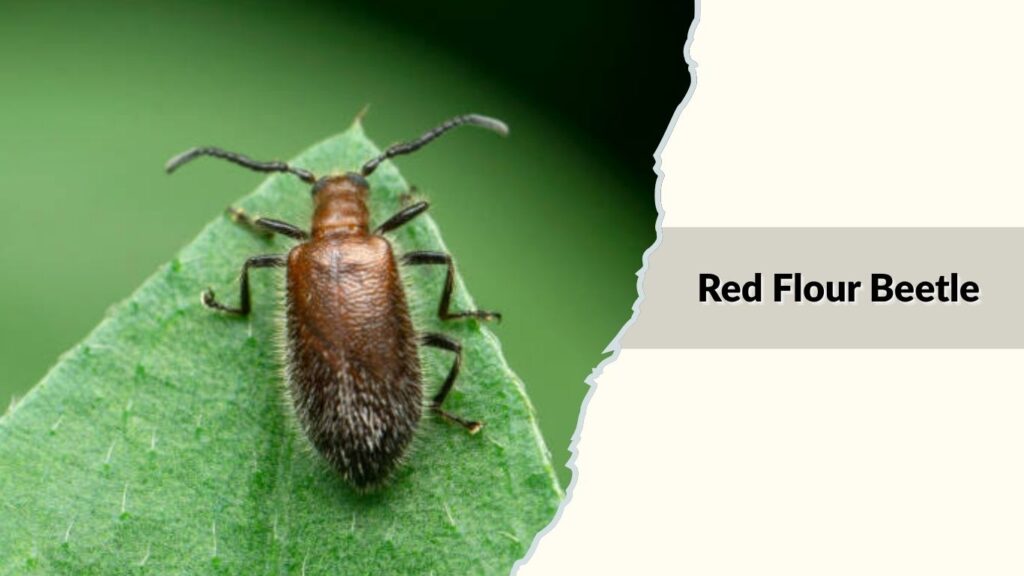
The red flour beetle is a small red insect in the house commonly found in kitchens, pantries, mills, and stored-food areas. It mainly infests flour, cereal, pasta, spices, pet food, and other dry products. Although it does not bite, it can contaminate food and spread quickly between opened packages.
Identification
Adult red flour beetles are about 3–4 mm long with narrow, flattened, reddish-brown bodies. They have clubbed antennae, visible heads, and hard wing covers. Adults have wings and may sometimes appear as small red flying insects in the house.
Where They Are Found
These beetles usually hide inside flour bags, cereal boxes, pantry cracks, and food-storage containers. They prefer warm conditions and are often found in products that have remained undisturbed for long periods.
Signs of an Infestation
Common signs include tiny reddish-brown beetles crawling through dry food, unpleasant odors, damaged packaging, and powdery debris. Infested flour may become discolored or develop a stale taste.
How to Get Rid of Them
Discard contaminated food and inspect nearby packages carefully. Vacuum pantry shelves, corners, and cracks before wiping them clean. Store flour, grains, spices, and pet food in airtight containers to prevent reinfestation.
18. Firebug Nymph
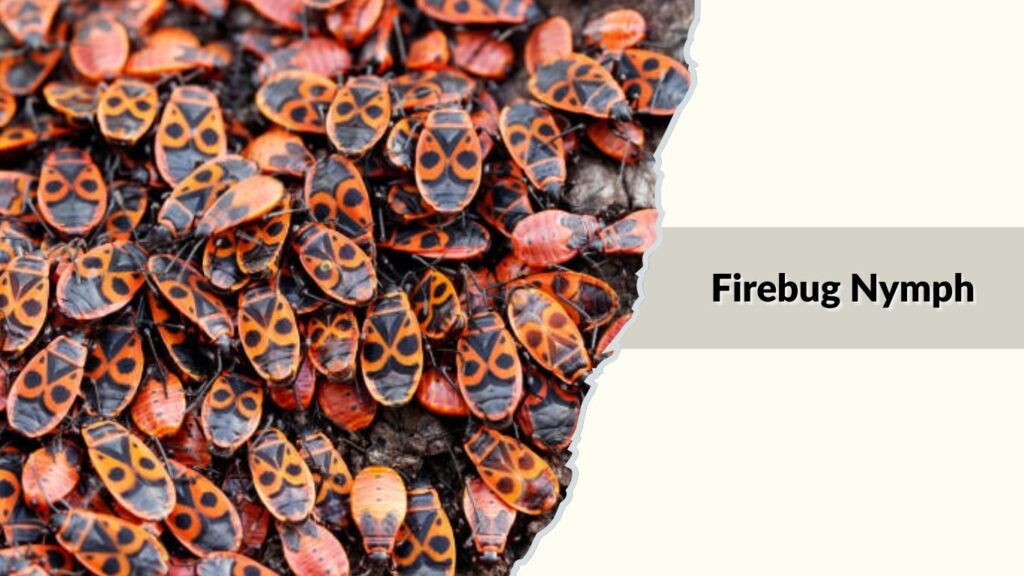
A firebug nymph is a small bright red insect commonly found in gardens, parks, and around tree trunks. These immature bugs often gather in groups and feed mainly on fallen seeds and plant material. Their vivid red color can make them look alarming, but they do not sting, bite people, or usually cause serious plant damage.
Identification
Firebug nymphs are smaller than adults and have rounded, wingless bodies. They are mostly bright red or orange-red with black heads, legs, antennae, and developing wing pads. Their markings become darker and more defined as they grow.
Where They Are Found
These nymphs commonly live beneath lime trees, hibiscus, mallows, and other seed-producing plants. They may gather in leaf litter, around fallen seeds, on concrete, tree bark, fences, and sunny garden walls.
Signs of Their Presence
The main sign is seeing clusters of very small red insects moving together outdoors. They may gather in large numbers around plant debris or warm surfaces. Minor feeding marks may appear on seeds or soft plant material, but damage is usually limited.
How to Manage Them
Remove fallen seeds, dead leaves, and plant debris to reduce food and shelter. Sweep or vacuum nymphs that enter the house and release them outdoors. Pesticide treatment is rarely necessary unless unusually large numbers become a persistent nuisance.
19. Red Paper Wasp
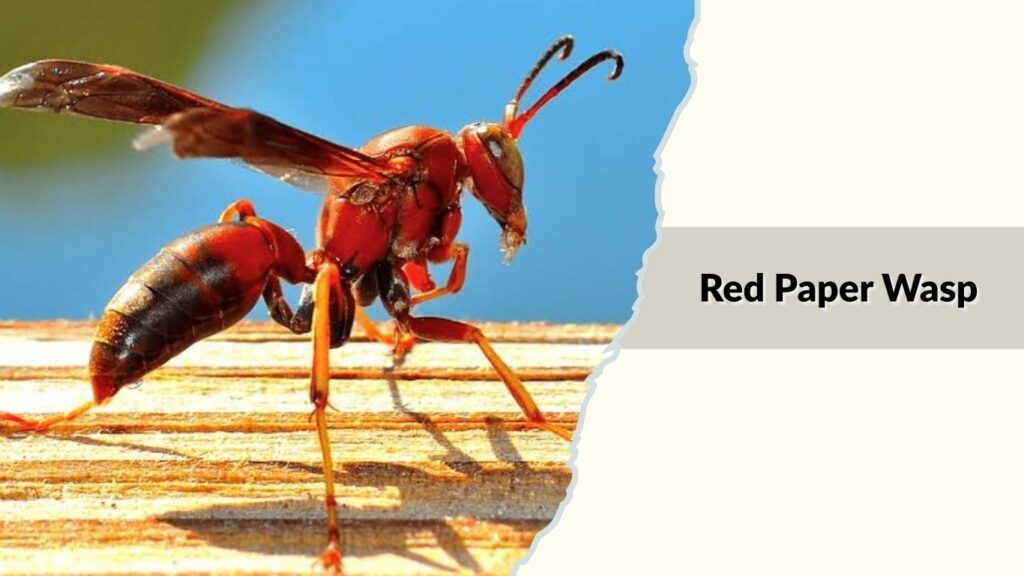
The red paper wasp is a small red wasp-like insect commonly seen around gardens, roof eaves, fences, sheds, and porches. These social wasps build open, umbrella-shaped paper nests and help control caterpillars and other garden pests. However, they can sting when their nest is disturbed.
Identification
Red paper wasps usually have slender reddish-brown bodies, narrow waists, long legs, and smoky wings. Some species have black markings on the head, thorax, or abdomen. Their legs often hang below the body during flight, helping distinguish them from other wasps.
Where They Are Found
These wasps often build nests under roof overhangs, porch ceilings, window frames, branches, sheds, and outdoor furniture. They prefer sheltered locations protected from rain and strong wind.
Signs of Their Presence
Common signs include a small red flying insect repeatedly visiting the same area and an exposed paper comb attached by a single stalk. Several wasps flying around one spot usually indicate an active nest nearby.
How to Manage Them
Avoid approaching or striking the nest. Keep children and pets away from the area. Small nests in low-risk locations may be left alone, but nests near doors or walkways should be removed by a pest-control professional, especially if anyone nearby has a sting allergy.
20. Red Lady Beetle
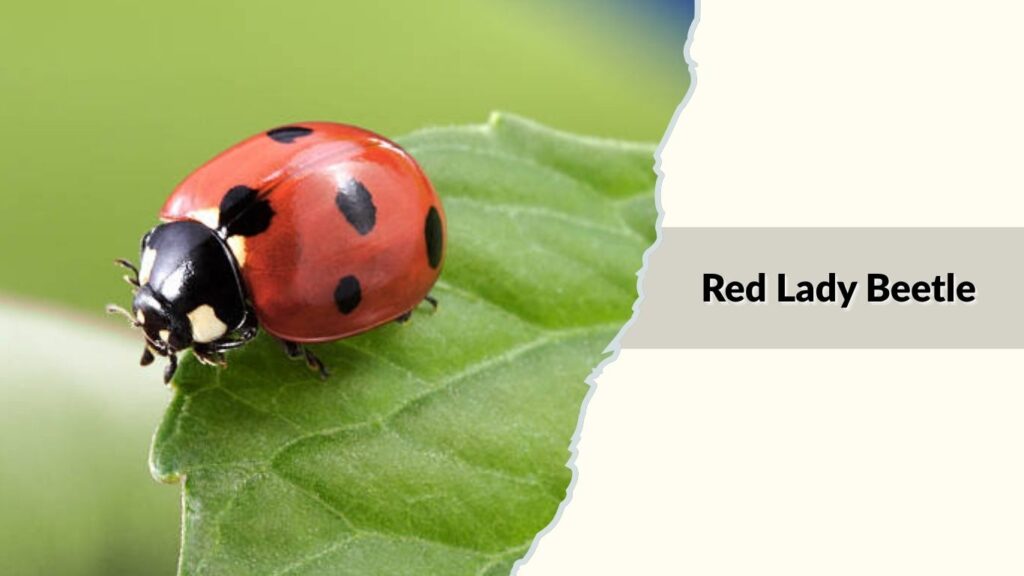
The red lady beetle, commonly called a red ladybug, is a small red insect with black spots often found on garden plants, trees, windows, and walls. Most species are beneficial because they feed on aphids, scale insects, mites, and other plant pests. They may enter homes in groups during cooler weather.
Identification
Adult red lady beetles are usually 4–10 mm long with rounded, dome-shaped bodies. Their wing covers may be bright red or orange with black spots, although the number and pattern vary by species. They have short antennae, black legs, and a dark head.
Where They Are Found
These beetles commonly live on flowers, vegetables, shrubs, fruit trees, and crops where aphids are present. Indoors, they may gather around windows, attics, ceilings, and sunny walls while seeking winter shelter.
Signs of Their Presence
You may notice a small bright red insect crawling on leaves or window glass. Lady beetles do not damage food, fabrics, or wood. Large indoor groups may release a yellowish fluid with a noticeable odor when disturbed.
How to Manage Them
Vacuum indoor lady beetles gently and release them outside when possible. Seal cracks around doors, windows, siding, and rooflines. Avoid crushing them, as they may stain surfaces. Outdoor pesticide treatment is rarely necessary because they are helpful natural predators.
FAQs
What is the most common small red insect?
Clover mites are among the most common tiny red insects found around homes. They often crawl on windowsills, concrete, exterior walls, and garden plants. Other possibilities include red spider mites, firebug nymphs, red aphids, and young boxelder bugs.
What are the small red insects on plants?
Small red insects on plants may be red aphids, spider mites, scarlet lily beetles, leaf-footed bug nymphs, or red milkweed beetles. Look for webbing, leaf discoloration, chewed holes, sticky honeydew, or groups feeding along stems and leaf undersides.
Do small red insects bite people?
Some small red insects and mites can bite or sting, including chiggers, fire ants, assassin bugs, velvet ants, and red paper wasps. Clover mites, lady beetles, aphids, firebugs, and most plant-feeding beetles generally do not bite people.
Why are small red insects appearing inside my house?
Small red insects may enter through cracks around windows, doors, siding, and foundations. Clover mites, boxelder bugs, lady beetles, and red-shouldered bugs often move indoors for shelter, while red flour beetles may originate from infested pantry products.
How do I get rid of very small red insects?
First identify where they are coming from. Vacuum indoor insects, seal entry gaps, inspect stored food, reduce vegetation near the foundation, and treat affected plants with water, insecticidal soap, or horticultural oil. Avoid crushing clover mites because they can leave red stains.