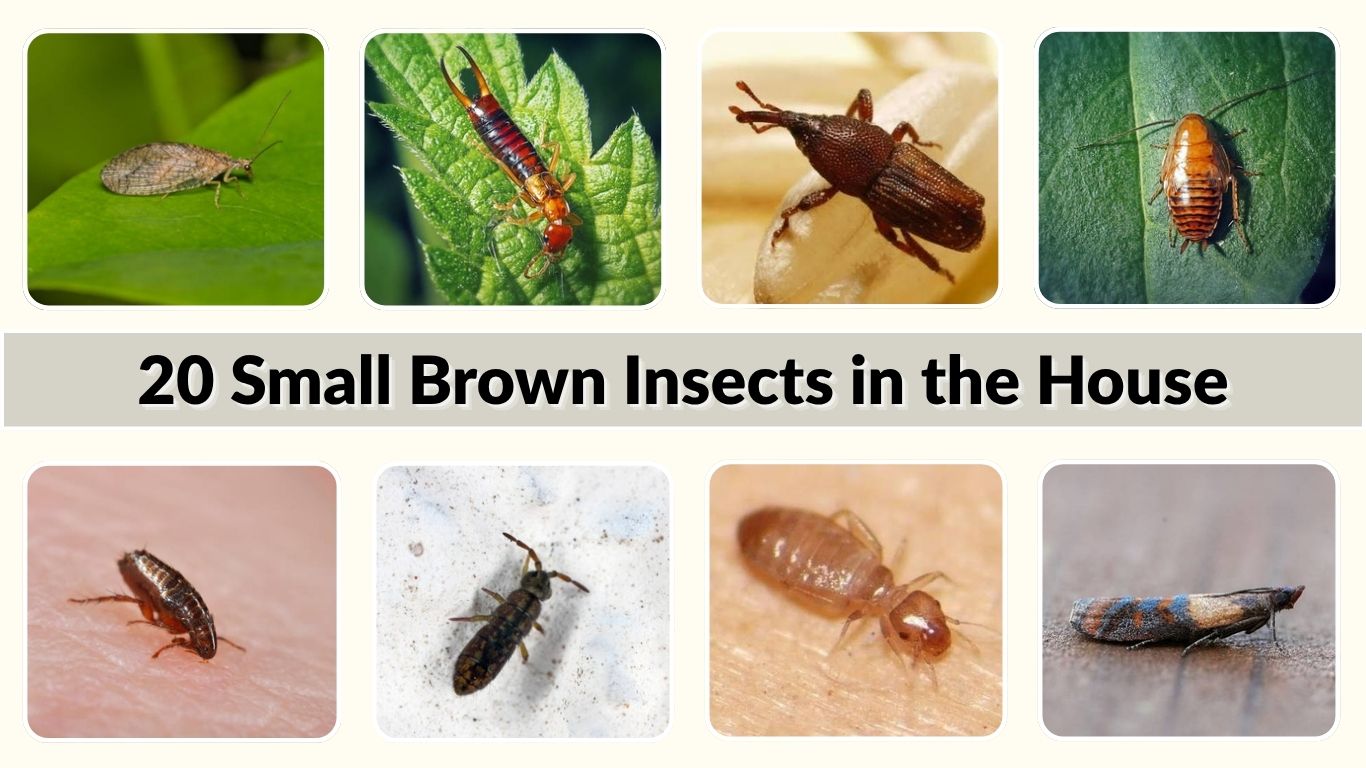
Small brown insects can appear in kitchens, bathrooms, bedrooms, pantries, houseplants, and stored fabrics. Some fly, jump, bite, or damage food, while others are harmless visitors that enter accidentally. Identifying a small brown insect requires checking its size, body shape, antennae, wings, movement, and the exact place where it was found. Common possibilities include drugstore beetles, carpet beetles, fruit flies, springtails, fleas, bed bugs, cockroach nymphs, pantry weevils, and flying ants. This guide covers 20 common small brown insects, their identification features, typical hiding places, infestation signs, and practical methods for removing them.
1. Drugstore Beetle
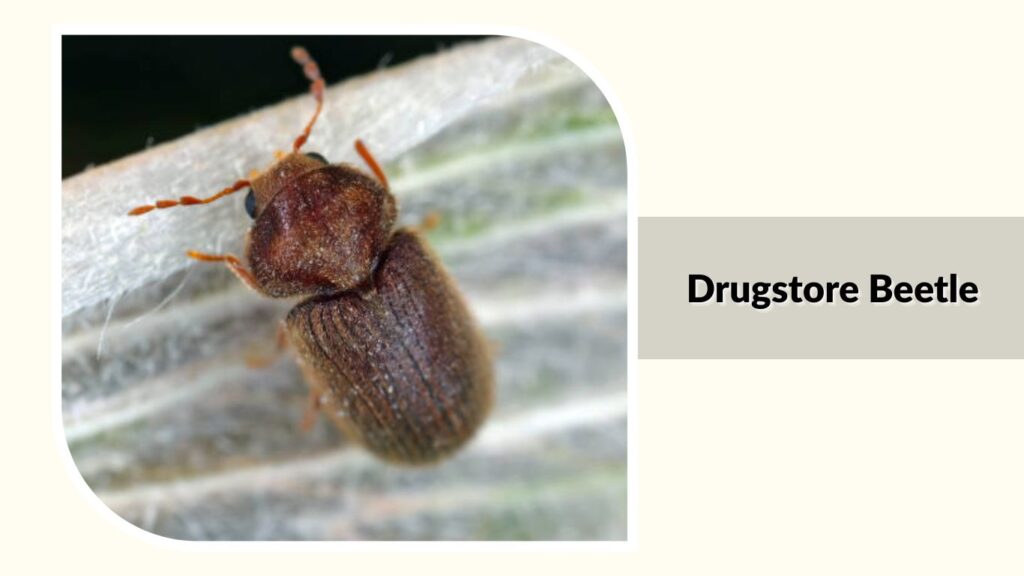
The drugstore beetle is a common small brown insect in the house, especially in kitchens and food-storage areas. Its tiny size and hard shell often make it look like a seed or a small brown ladybug-like insect. Although it does not bite, it can damage stored foods and spread quickly if ignored.
Identification
Drugstore beetles are usually 2–3.5 mm long with an oval, reddish-brown body. Their wing covers have fine lines, and their heads are partly hidden beneath the rounded thorax. They have short, clubbed antennae and a hard outer shell.
Where They Are Found
These beetles are commonly found in kitchens, cupboards, pantries, bedrooms, and storage rooms. They infest flour, cereals, spices, pet food, dried herbs, biscuits, and even medicines. Adults may also appear near windows because they are attracted to light.
Signs of an Infestation
Common signs include tiny holes in food packaging, powdery food debris, larvae inside dry products, and small brown flying insects in the house. You may also notice beetles crawling on shelves or walls.
How to Get Rid of Them
Discard infested food immediately and vacuum pantry shelves thoroughly. Clean cracks and corners, then store dry food in airtight containers. Check unopened packages because larvae can chew through thin cardboard and plastic.
Here is the next section in the same format.
2. Cigarette Beetle
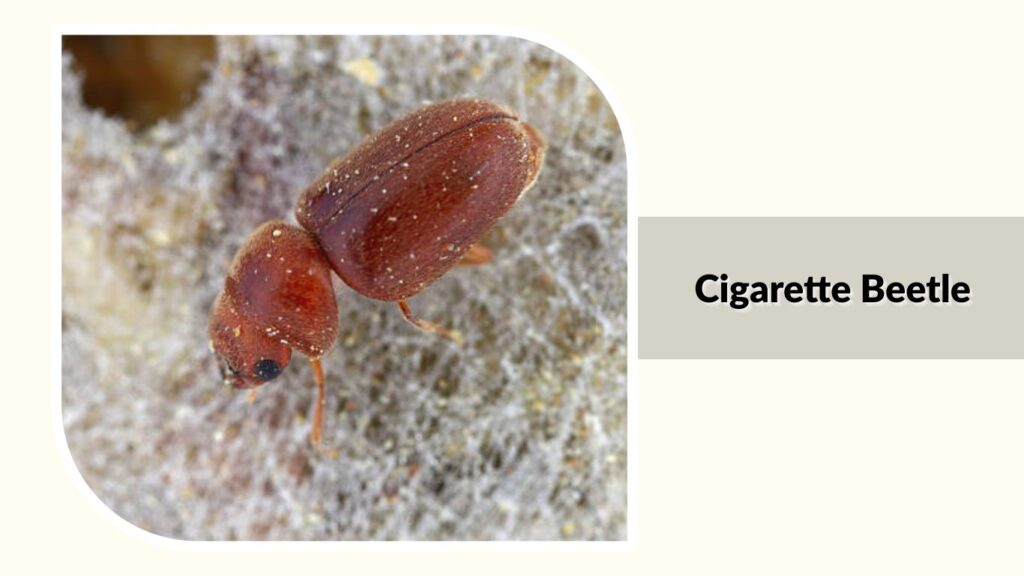
The cigarette beetle is another small brown insect commonly found indoors. Despite its name, it doesn’t just infest tobacco products. This tiny beetle also attacks dried foods, spices, herbs, pet food, and decorative plant materials. Because adults can fly, homeowners often mistake them for small brown flying insects in the house.
Identification
Adult cigarette beetles measure about 2–3 mm long and have a light brown to reddish-brown, oval-shaped body. Unlike the drugstore beetle, their wing covers are smooth without distinct grooves. They also have serrated antennae and a hump-backed appearance that hides the head when viewed from above.
Where They Are Found
Cigarette beetles are most often found in kitchens, pantries, food storage cabinets, warehouses, and grocery stores. They thrive in warm, dry places where dried goods are stored. Adults may also be seen flying around lights or windows, especially during warmer months.
Signs of an Infestation
You may notice tiny beetles crawling inside cupboards, damaged food packages with small holes, larvae feeding inside stored products, or small brown insects with wings flying near pantry shelves. Fine powder or web-like debris inside food containers is another common sign.
How to Get Rid of Them
Throw away all infested food and inspect nearby packages for hidden beetles or larvae. Vacuum shelves, cracks, and cabinet corners thoroughly before wiping them clean. Store flour, cereals, spices, pet food, and other dry goods in airtight containers to prevent future infestations. Sticky traps can help monitor adult beetles, while keeping storage areas cool and dry makes them less likely to return.
3. Carpet Beetle
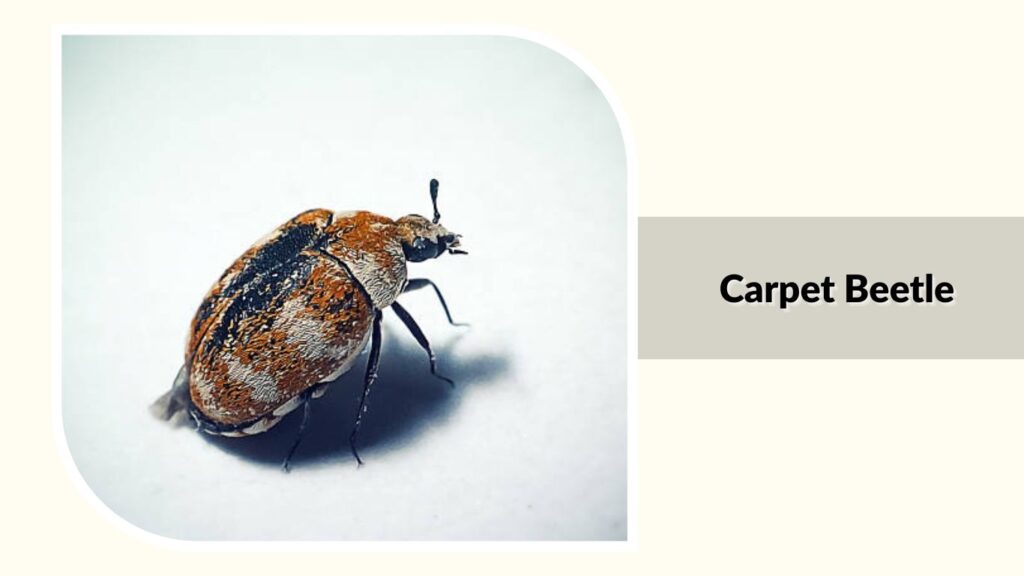
The carpet beetle is a small brown insect in the house that often appears near windows, carpets, closets, and upholstered furniture. Adult beetles usually feed on pollen outdoors, but their larvae can damage natural fabrics, stored clothing, feathers, fur, and other animal-based materials inside the home.
Identification
Adult carpet beetles are usually 2–5 mm long with round or oval bodies. Depending on the species, they may look brown, black, or mottled with white, yellow, and brown scales. The larvae are elongated, brown, and covered with noticeable hairs or bristles.
Where They Are Found
Carpet beetles commonly hide in closets, bedrooms, under furniture, along baseboards, and inside air vents. They may also infest stored wool, silk, blankets, rugs, taxidermy, pet hair, and dead insects. Adults are often found on windowsills because they are attracted to light.
Signs of an Infestation
Signs include irregular holes in clothing, shed larval skins, hairy larvae, and small brown insects crawling near fabrics. Damage usually appears in dark, undisturbed areas rather than on frequently used items. Adults may also be mistaken for small brown ladybug-like insects.
How to Get Rid of Them
Vacuum carpets, furniture edges, closets, and baseboards thoroughly. Wash or dry-clean affected fabrics and store valuable clothing in sealed containers. Remove pet hair, lint, and dead insects, as these provide food for the larvae.
4. Brown House Moth
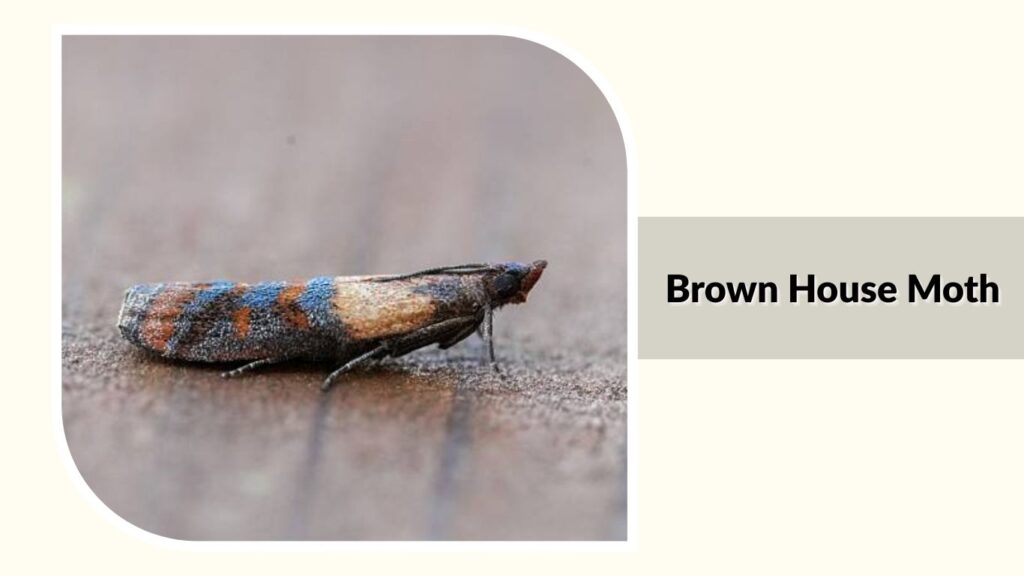
The brown house moth is a small brown flying insect commonly found in homes, warehouses, and storage areas. Its larvae feed on a wide range of organic materials, including natural fabrics, dried food, feathers, fur, and dead insects. Adults are usually harmless, but the larvae may damage clothing, carpets, and stored products.
Identification
Adult brown house moths are about 8–14 mm long, with narrow brown wings marked by darker spots. Their bodies are slender, and they have long antennae. The larvae are cream-colored with brown heads and often live inside silken tubes or webbing made from food and fabric fibers.
Where They Are Found
These moths prefer dark, quiet, and humid areas. They may hide in wardrobes, attics, basements, cupboards, under furniture, and along carpet edges. They can also appear in kitchens where dried food, cereals, pet food, or stored seeds are available.
Signs of an Infestation
Common signs include small holes in clothing, silken webbing, shed larval skins, and tiny caterpillar-like larvae. Homeowners may also notice small brown winged insects in the house flying slowly near walls, closets, or storage boxes.
How to Get Rid of Them
Vacuum closets, carpets, shelves, and hidden corners thoroughly. Wash or dry-clean affected fabrics and discard badly infested food. Store clothing and dry goods in airtight containers. Reducing humidity and regularly cleaning undisturbed areas can help prevent another infestation.
5. Booklouse
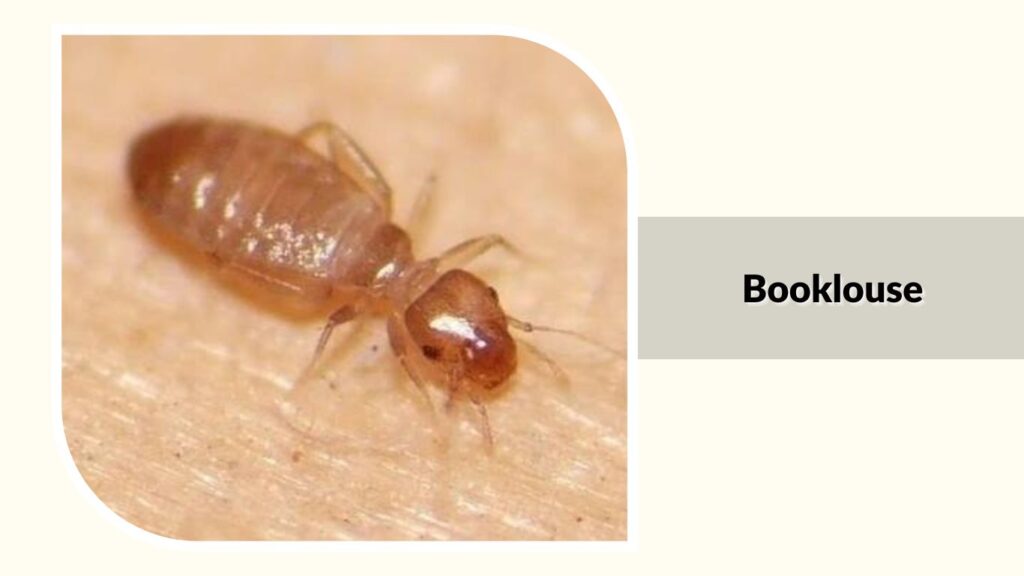
A booklouse is a very small brown insect commonly found in humid rooms, bathrooms, kitchens, bookshelves, and storage boxes. Despite its name, it is not a true louse and does not live on people or pets. Booklice mainly feed on mold, fungi, starch, and tiny organic particles.
Identification
Booklice are usually 1–2 mm long with soft, pale brown, gray, or nearly transparent bodies. They have relatively large heads and long antennae. Most indoor species are wingless, although some outdoor species have wings. Their tiny size often makes them look like moving dust.
Where They Are Found
These insects prefer damp, warm areas with poor ventilation. They may appear around old books, wallpaper, cardboard boxes, windowsills, pantry shelves, stored grains, and bathroom walls. They are especially common where mold or moisture is present.
Signs of an Infestation
You may notice numerous tiny insects crawling across paper, shelves, walls, or food packaging. Booklice do not bite, sting, or damage furniture, but large numbers usually indicate excessive humidity or hidden mold growth.
How to Get Rid of Them
Reduce indoor humidity with ventilation, fans, or a dehumidifier. Fix leaks, remove mold, discard heavily infested food, and clean shelves thoroughly. Store books, cereals, flour, and dry goods in cool, dry places and sealed containers.
6. Fungus Gnat
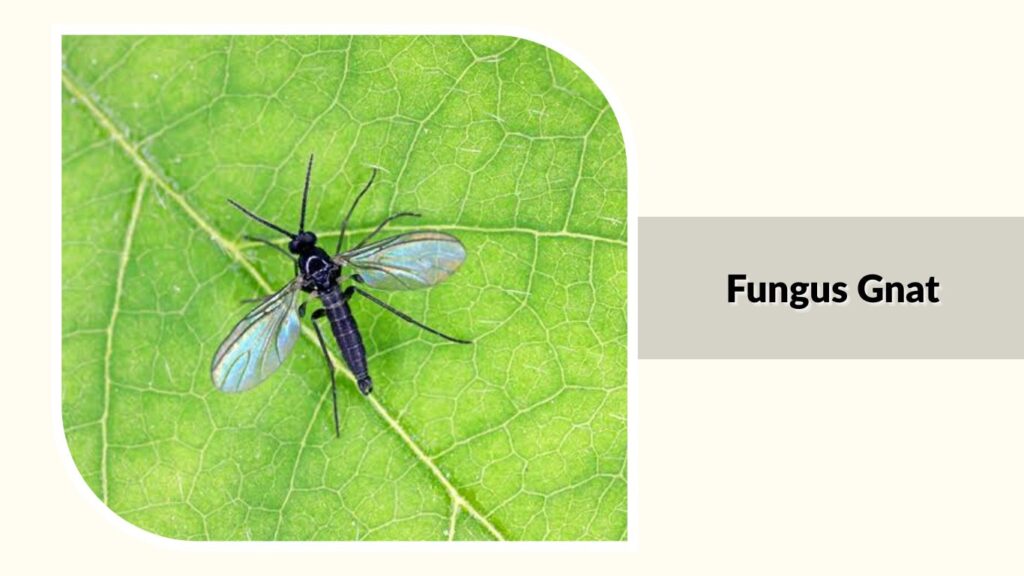
A fungus gnat is a small brown flying insect often found around houseplants, windows, and damp indoor areas. Adults are mostly a nuisance, but their larvae live in moist soil and feed on fungi, decaying plant material, and sometimes tender plant roots. Large infestations may weaken seedlings and young plants.
Identification
Adult fungus gnats are about 2–4 mm long with slender dark brown bodies, long legs, and long antennae. Their clear or smoky wings make them resemble tiny mosquitoes. The larvae are small, translucent, worm-like creatures with shiny black heads.
Where They Are Found
Fungus gnats are commonly seen in kitchens, bathrooms, greenhouses, and rooms containing potted plants. They are especially attracted to overwatered soil, wet compost, drainage trays, and decaying organic matter. Adults may gather near windows or fly around lamps.
Signs of an Infestation
Typical signs include small brown flying insects in the house, gnats hovering above plant pots, and larvae moving in the top layer of moist soil. Plants may grow slowly, wilt, or develop damaged roots when larval numbers are high.
How to Get Rid of Them
Allow the top layer of potting soil to dry between waterings. Remove decaying leaves and empty standing water from plant trays. Yellow sticky traps can catch adults, while replacing heavily infested soil may reduce larvae. Avoid overwatering to prevent future infestations.
7. Drain Fly
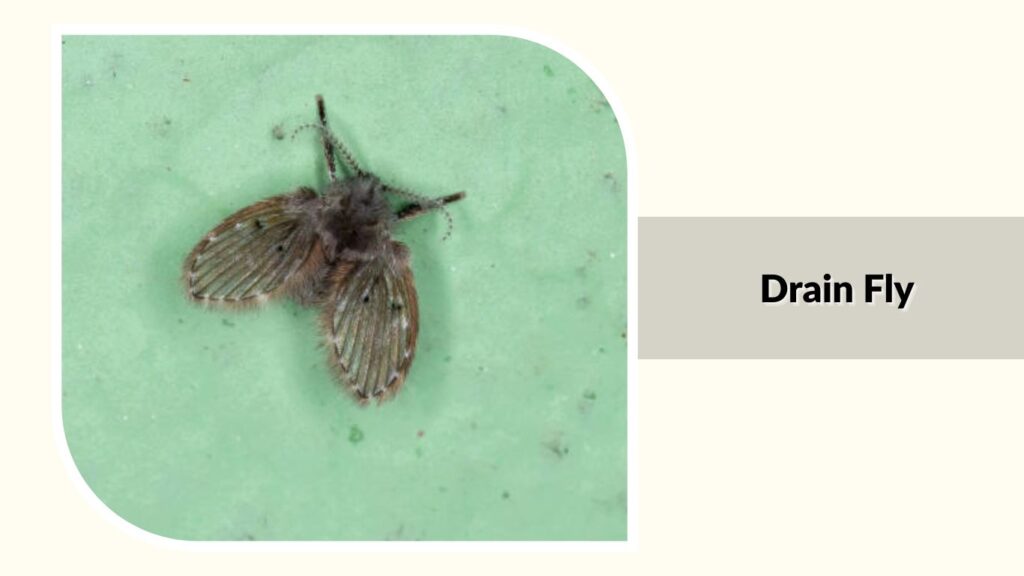
The drain fly is a small brown flying insect in the house that usually appears around sinks, showers, bathtubs, and floor drains. It is also called a moth fly because its fuzzy wings give it a moth-like appearance. Adults are harmless, but their presence often indicates organic buildup inside a drain.
Identification
Adult drain flies are about 2–5 mm long with broad, hairy wings and fuzzy gray-brown bodies. Their wings are held roof-like over the body when resting. They fly weakly and often make short, hopping movements rather than traveling far.
Where They Are Found
Drain flies are common in bathrooms, kitchens, basements, and laundry rooms. Their larvae develop in slimy organic material inside drains, sewage pipes, wet mop buckets, and other damp areas containing decaying matter.
Signs of an Infestation
You may notice small brown insects in the bathroom resting on walls near sinks or showers. Adults often appear at night, while larvae remain hidden inside drain buildup. Several flies returning daily usually suggests an active breeding site.
How to Get Rid of Them
Scrub the inside of affected drains with a stiff brush to remove slime and debris. Flush the drain with hot water and use an enzyme-based drain cleaner when needed. Repair leaks, clean overflow openings, and eliminate standing water to prevent their return.
8. Phorid Fly
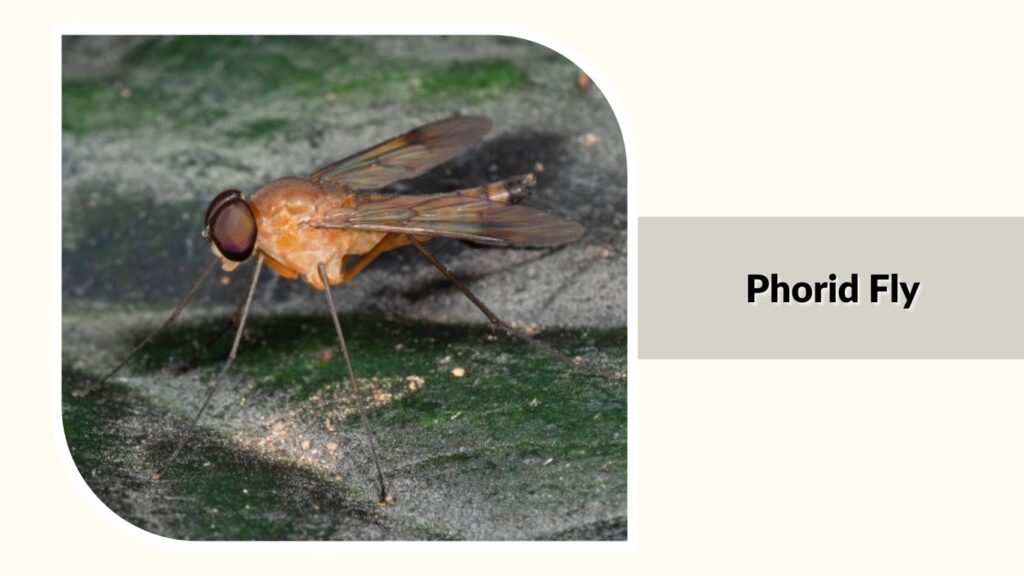
The phorid fly is a small brown flying insect often found in kitchens, bathrooms, drains, garbage areas, and damp indoor spaces. It is sometimes called a scuttle fly because it usually runs quickly across surfaces instead of flying away. Large numbers may indicate decaying organic matter or a hidden plumbing problem.
Identification
Adult phorid flies are about 2–4 mm long with tan, brown, or dark-colored bodies. They have a noticeably hump-backed appearance, short antennae, and clear wings. Their rapid, jerky running movement helps distinguish them from fruit flies and fungus gnats.
Where They Are Found
Phorid flies commonly breed in drains, leaking pipes, garbage disposals, spoiled food, pet waste, and decaying plant or animal material. They may appear as small brown insects in the kitchen or bathroom, especially where moisture and organic debris collect.
Signs of an Infestation
Common signs include tiny flies running across counters, sinks, walls, or windows. Adults may gather near drains and trash bins. Persistent activity after cleaning can suggest a hidden breeding source beneath floors, inside walls, or around damaged sewer lines.
How to Get Rid of Them
Remove spoiled food, clean trash containers, and scrub drains thoroughly. Repair leaking pipes and eliminate standing water. Use sticky traps to monitor adults, but focus on locating and removing the breeding material for lasting control.
9. Fruit Fly
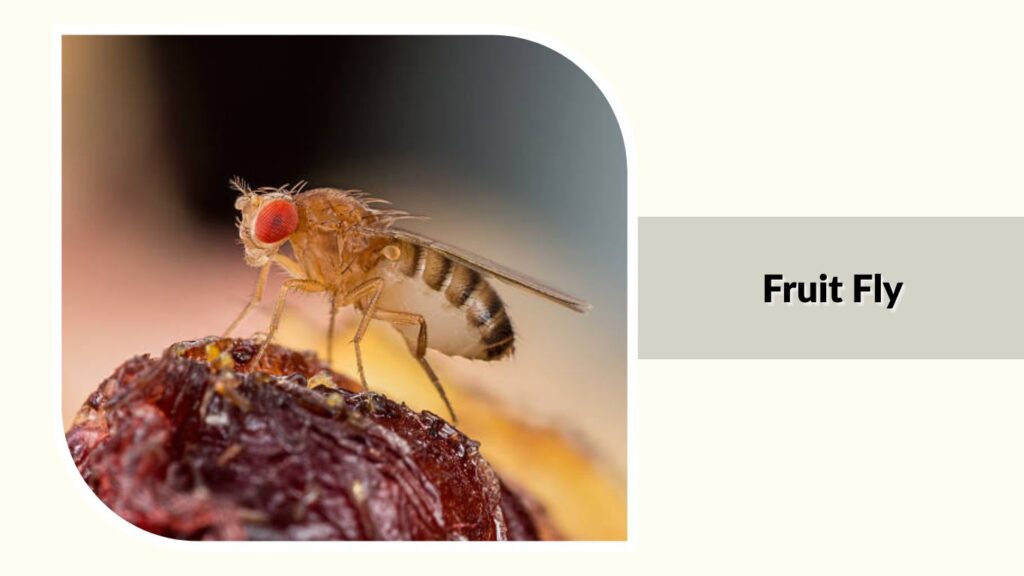
The fruit fly is a small brown flying insect in the house commonly seen around ripe fruit, kitchen drains, trash bins, and recycling containers. These tiny flies reproduce quickly in fermenting organic material. Although they do not usually bite, a small problem can become a noticeable infestation within only a few days.
Identification
Adult fruit flies are about 2–4 mm long with tan or light brown bodies, clear wings, and prominent red or dark eyes. They have short antennae and rounded abdomens. Their slow hovering flight around fruit bowls helps distinguish them from faster phorid flies.
Where They Are Found
Fruit flies are most common in kitchens, restaurants, pantries, and food-storage areas. They breed in overripe fruit, spilled juice, dirty drains, empty bottles, compost bins, and moist food residue hidden under appliances.
Signs of an Infestation
Typical signs include small brown flying insects in the kitchen, especially near bananas, tomatoes, onions, or garbage. You may also see tiny larvae inside rotting produce or notice adults gathering around sink drains and recycling containers.
How to Get Rid of Them
Discard overripe produce and clean spills immediately. Wash recycling containers, empty trash frequently, and scrub drains to remove fermenting residue. Store fruit in the refrigerator or sealed containers. Vinegar traps can catch adults, but removing breeding sources is essential for complete control.
10. Springtail
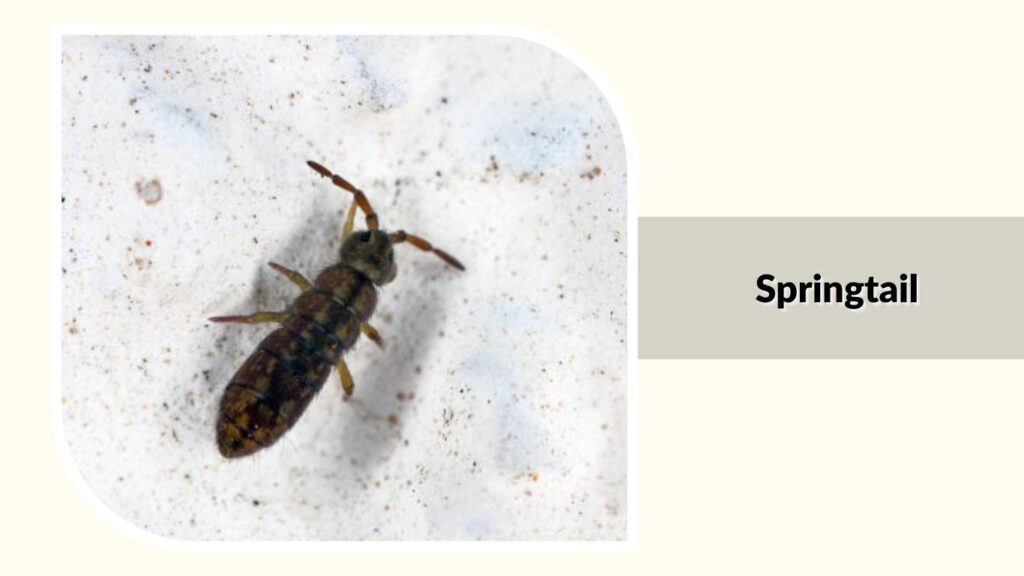
A springtail is a small brown jumping insect commonly found in bathrooms, kitchens, basements, houseplant soil, and other damp areas. These tiny insects do not bite or damage household materials. However, large numbers usually indicate excessive moisture, mold growth, or decaying organic matter nearby.
Identification
Springtails are usually 1–3 mm long with narrow, soft bodies that may appear brown, gray, black, or white. Most have long antennae and no wings. A forked structure beneath the abdomen allows them to suddenly jump when disturbed.
Where They Are Found
These insects prefer moist environments and may gather around sinks, bathtubs, windows, leaking pipes, damp walls, and plant pots. Outdoors, they live in wet soil, leaf litter, mulch, compost, and decaying wood.
Signs of an Infestation
The clearest sign is seeing numerous small brown insects in the bathroom or kitchen that jump when touched. They may also appear around windowsills, floor drains, or overwatered houseplants. Their presence often increases after heavy rain or during humid weather.
How to Get Rid of Them
Reduce moisture by fixing leaks, improving ventilation, and using a dehumidifier. Allow plant soil to dry between waterings and remove mold or decaying material. Vacuum visible springtails and seal gaps around windows, doors, and foundations to prevent entry.
11. Flea
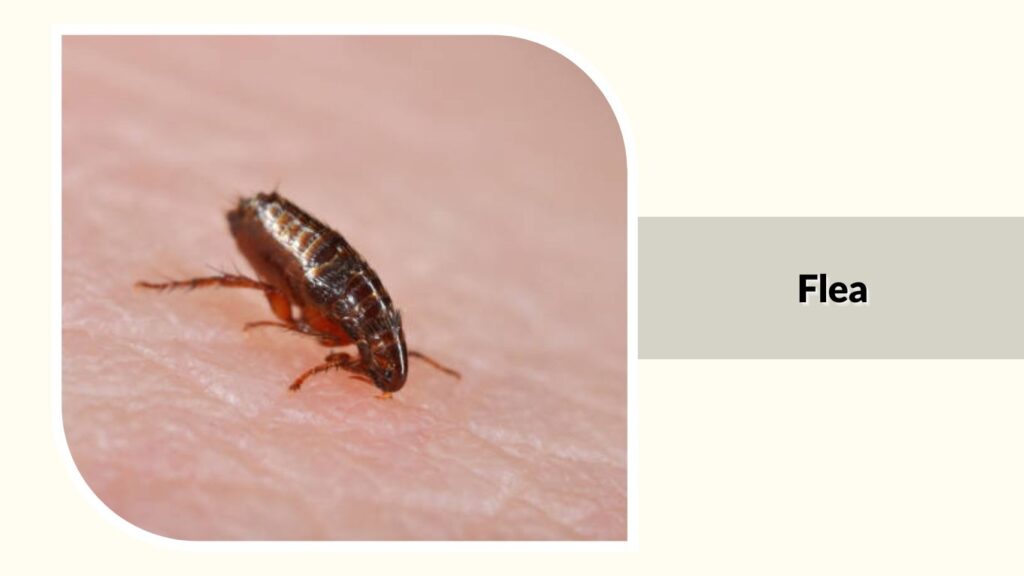
A flea is a small brown jumping insect that may be found on beds, carpets, furniture, pets, and clothing. Fleas feed on blood and can bite both animals and humans. Their strong jumping ability and flattened bodies allow them to move quickly through fur, fabric, and narrow household spaces.
Identification
Adult fleas are usually 1.5–3 mm long with dark reddish-brown, wingless bodies. They are flattened from side to side and have powerful hind legs for jumping. Fleas are difficult to crush and often move rapidly when disturbed.
Where They Are Found
Fleas commonly live on cats, dogs, and other warm-blooded animals. Indoors, they may hide in pet bedding, carpets, floor cracks, upholstered furniture, and bedrooms. Eggs can fall from pets and develop in surrounding areas.
Signs of an Infestation
Common signs include itchy red bites, pets scratching frequently, and tiny dark insects jumping from carpets or bedding. Flea dirt may appear as black specks in pet fur. A flea may also be mistaken for a small brown insect in bed.
How to Get Rid of Them
Treat all pets with veterinarian-approved flea control. Wash bedding in hot water, vacuum carpets and furniture thoroughly, and empty the vacuum outdoors. Repeat cleaning regularly because eggs and pupae may continue developing after adult fleas are removed.
12. Bed Bug
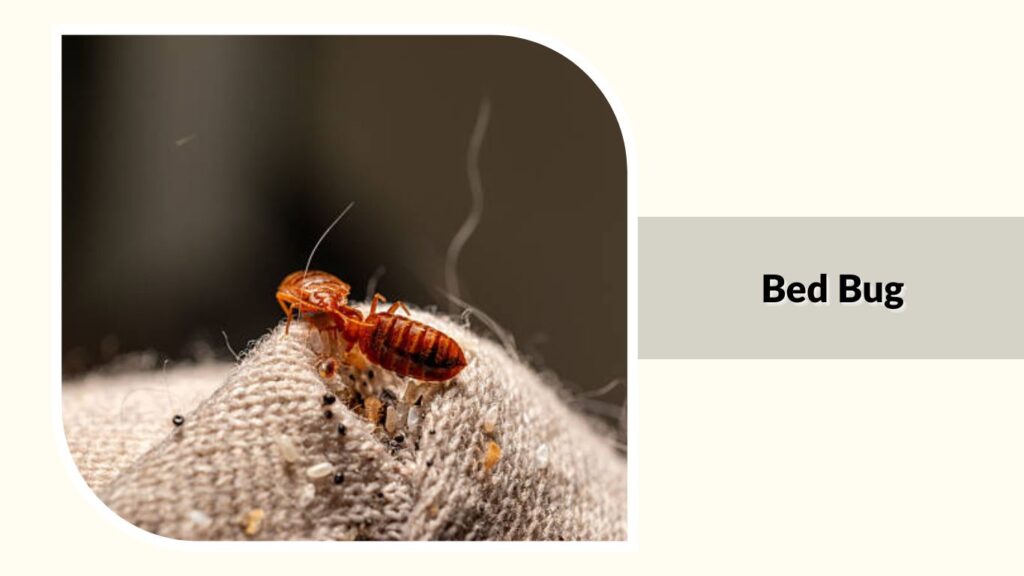
A bed bug is a small flat brown insect commonly found in mattresses, bed frames, upholstered furniture, and cracks near sleeping areas. Bed bugs feed on blood, usually at night, and can spread through luggage, clothing, and used furniture. They do not fly or jump, but they crawl quickly.
Identification
Adult bed bugs are about 4–7 mm long with oval, flattened, reddish-brown bodies. After feeding, they become darker, rounder, and more swollen. Young bed bugs are smaller and lighter in color, while their eggs are tiny, white, and difficult to see.
Where They Are Found
Bed bugs usually hide in mattress seams, headboards, box springs, baseboards, electrical outlets, and furniture joints. They may also be found in hotels, apartments, dormitories, and public transportation where people frequently come and go.
Signs of an Infestation
Common signs include itchy bites, dark fecal spots, shed skins, blood stains on sheets, and a brown small insect on the bed. A sweet or musty odor may develop when the infestation becomes severe.
How to Get Rid of Them
Wash and dry bedding on high heat, vacuum hiding places, and use mattress encasements. Reduce clutter and inspect nearby furniture carefully. Because bed bugs are difficult to eliminate, professional pest control is often the most reliable solution.
13. German Cockroach Nymph
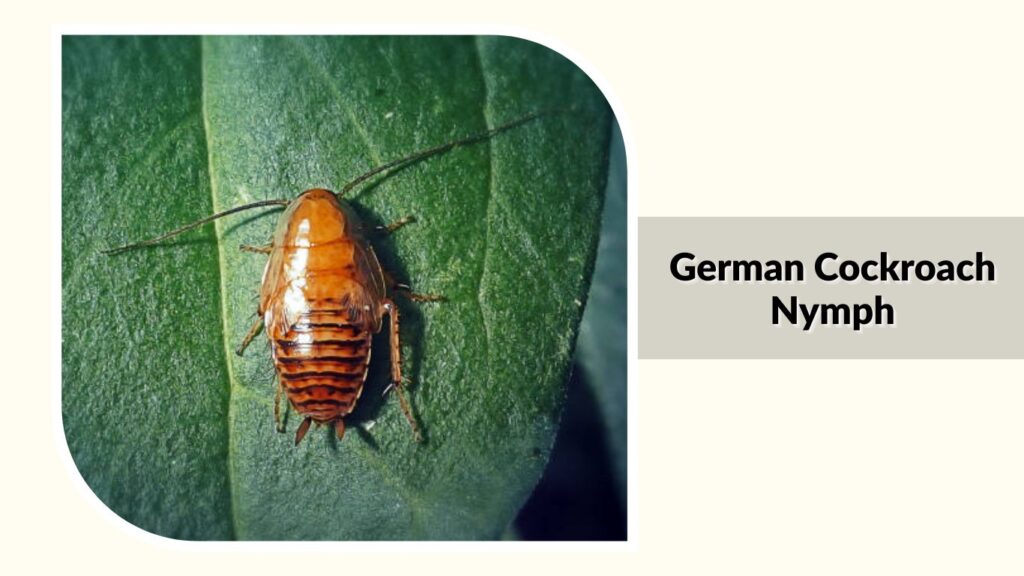
A German cockroach nymph is a small brown insect in the house commonly found in kitchens, bathrooms, and other warm, humid areas. These immature cockroaches do not have fully developed wings, but they can move quickly and hide in narrow cracks. Their presence often suggests an active indoor infestation.
Identification
German cockroach nymphs are usually 3–12 mm long, depending on their age. They have oval, flattened bodies, long antennae, and dark brown coloring with a lighter stripe running down the back. Young nymphs may be mistaken for small beetles or bed bugs.
Where They Are Found
These insects usually hide behind refrigerators, under sinks, inside cabinets, around dishwashers, and near plumbing. They prefer places where food, water, and warmth are readily available. At night, they may crawl across counters, floors, and bathroom walls.
Signs of an Infestation
Common signs include droppings that resemble black pepper, egg cases, unpleasant odors, and small brown insects in the kitchen. Seeing nymphs during the daytime may indicate a large infestation or overcrowded hiding areas.
How to Get Rid of Them
Clean crumbs and grease, repair leaks, and store food in sealed containers. Use cockroach gel bait near cracks and hiding places. Vacuum visible insects and seal gaps around cabinets, pipes, walls, and appliances to reduce shelter.
14. Brown-Banded Cockroach
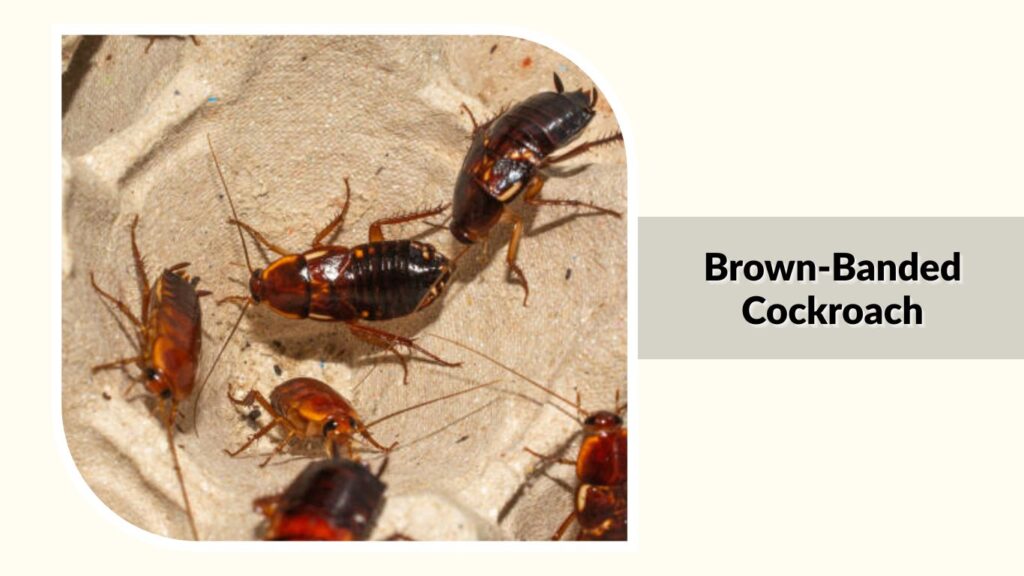
The brown-banded cockroach is a small brown insect in the house that prefers warm, dry areas rather than damp spaces. It may hide in bedrooms, living rooms, cabinets, electronics, and furniture. Unlike some other cockroaches, it can spread far beyond kitchens and bathrooms.
Identification
Adult brown-banded cockroaches are about 10–14 mm long with light brown bodies. Two pale bands run across the wings and abdomen, giving the species its name. Nymphs are smaller, wingless, and have more noticeable brown and cream-colored bands.
Where They Are Found
These cockroaches often hide behind picture frames, inside closets, beneath furniture, near ceilings, and in electrical appliances. They may also appear as small brown insects in bedrooms, especially where warmth and food crumbs are available.
Signs of an Infestation
Signs include droppings that look like dark specks, shed skins, egg cases attached to furniture, and cockroaches moving at night. Adults may occasionally fly, so they can resemble small brown winged insects in the house.
How to Get Rid of Them
Vacuum hiding areas, remove food crumbs, and store food in sealed containers. Apply gel bait in cabinets, furniture joints, and appliance gaps. Seal cracks, reduce clutter, and inspect warm upper areas where these cockroaches commonly hide.
15. Flying Ant
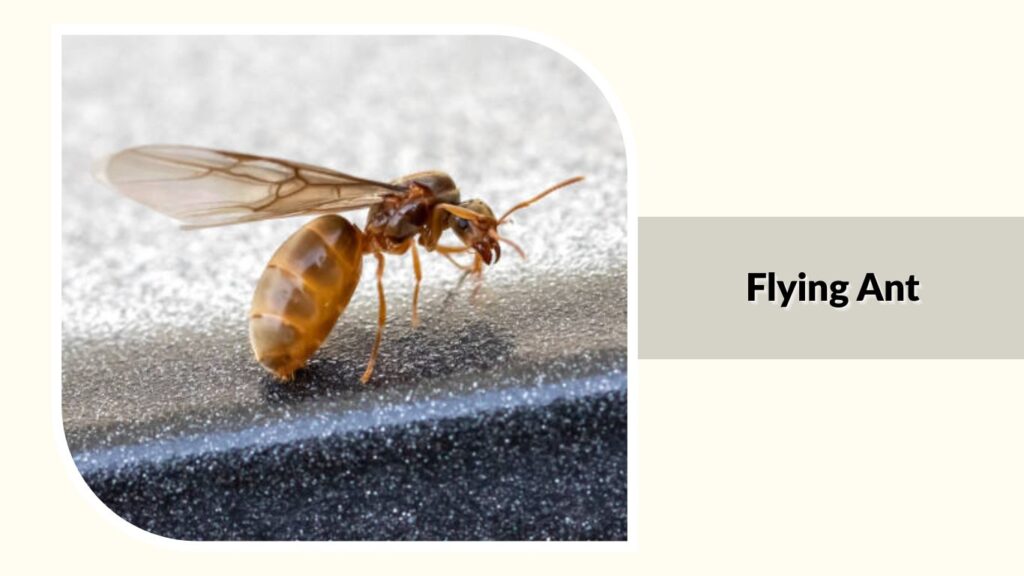
A flying ant is a small brown insect with wings that may suddenly appear indoors near windows, doors, lights, or damp wood. These insects are reproductive ants that leave established colonies to mate and form new nests. A few flying ants may enter accidentally, but many indoors can indicate a nearby colony.
Identification
Flying ants usually have elbowed antennae, narrow waists, and two pairs of wings. Their front wings are larger than the rear wings. Depending on the species, they may appear light brown, reddish brown, black, or dark brown.
Where They Are Found
They are commonly seen around windowsills, wall gaps, attics, basements, kitchens, and bathrooms. Some species nest outdoors in soil, while carpenter ants may establish colonies in damp or damaged wood inside a house.
Signs of an Infestation
Common signs include small brown flying insects in the house, discarded wings near windows, and ants emerging from cracks or wooden areas. Repeated indoor swarms may suggest a nest inside a wall, roof space, or window frame.
How to Get Rid of Them
Vacuum visible ants and discarded wings, then seal entry points around windows and doors. Repair moisture-damaged wood and fix leaks. Ant bait can help eliminate the colony, while professional inspection may be necessary when swarms continue appearing indoors.
16. Termite Swarmer
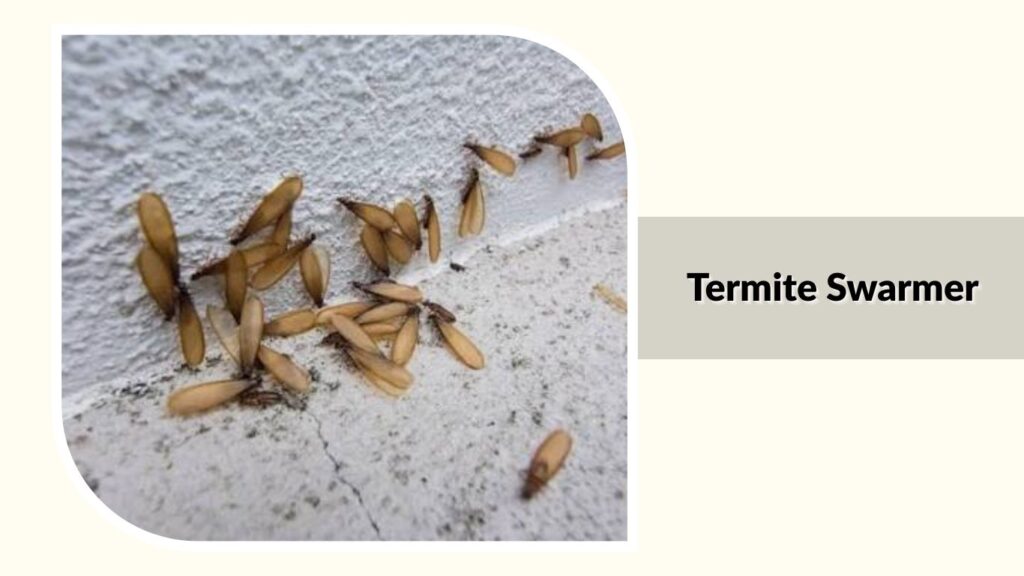
A termite swarmer is a small brown winged insect that may appear indoors near windows, doors, lights, or wooden structures. Swarmers are reproductive termites that leave mature colonies to establish new ones. Finding several inside the house can be an early warning sign of a nearby termite infestation.
Identification
Termite swarmers are usually 6–10 mm long with straight antennae, broad waists, and two pairs of equal-length wings. Their bodies may be light brown, dark brown, or nearly black. After swarming, they often shed their fragile wings.
Where They Are Found
These insects commonly appear near windowsills, basements, crawl spaces, attics, and areas containing damp or damaged wood. Subterranean termites usually emerge from soil, while drywood termites may swarm directly from wooden structures.
Signs of an Infestation
Common signs include small brown flying insects in the house, piles of discarded wings, mud tubes, hollow-sounding wood, and damaged wooden surfaces. Indoor swarms often suggest that a colony is already established nearby.
How to Get Rid of Them
Vacuum visible swarmers and save a sample for identification. Repair leaks, reduce wood-to-soil contact, and remove damp timber. Because swarmers may signal hidden structural damage, a professional termite inspection is usually the safest and most effective response.
17. Rice Weevil
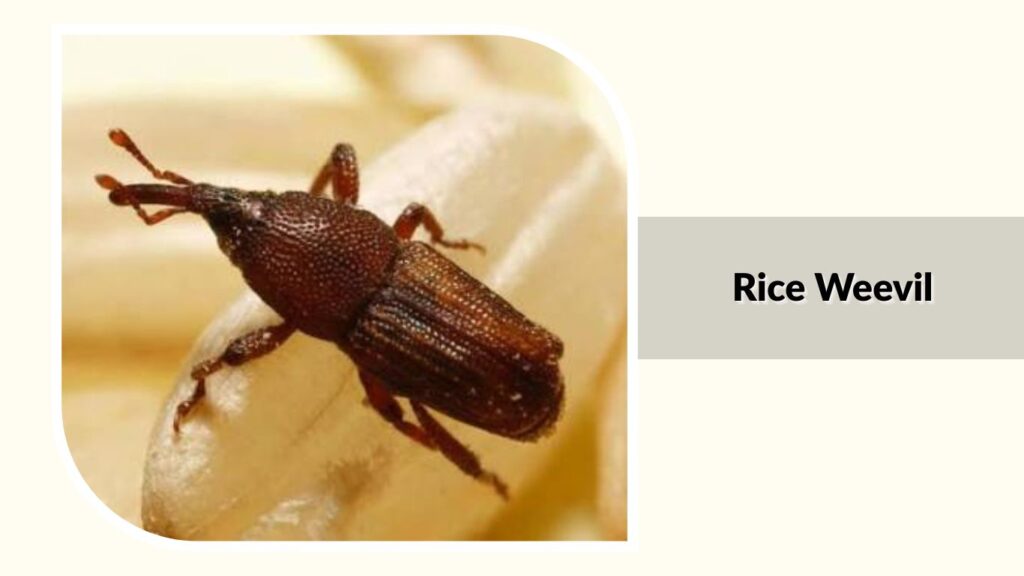
The rice weevil is a small brown insect commonly found in kitchens, pantries, and stored grain products. It attacks rice, wheat, corn, pasta, seeds, and cereals. Adults have wings and can fly, so they may appear as small brown flying insects in the house near cupboards or food containers.
Identification
Adult rice weevils are about 2–4 mm long with dark brown or reddish-brown bodies. They have a long, curved snout and four lighter spots on their wing covers. Their hard, oval bodies make them look like tiny brown beetles.
Where They Are Found
Rice weevils live inside bags or containers of rice, flour, grains, birdseed, pet food, and dry pasta. Females lay eggs inside individual kernels, where the larvae remain hidden while feeding and developing.
Signs of an Infestation
Signs include tiny beetles crawling through stored food, small holes in grains, powdery debris, and insects flying near pantry shelves. Infested rice may appear hollow, damaged, or unusually dusty.
How to Get Rid of Them
Discard heavily infested food and inspect all nearby dry goods. Vacuum pantry shelves, cracks, and corners thoroughly. Store rice, grains, cereals, and pet food in airtight containers. Freezing newly purchased grain products for several days can also kill hidden eggs and larvae.
18. Grain Beetle
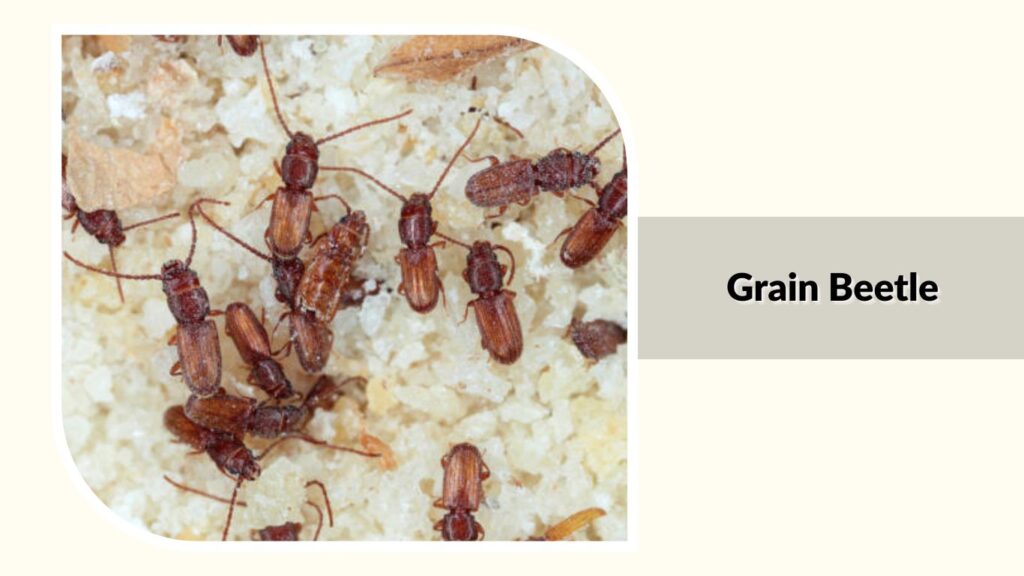
A grain beetle is a small brown insect commonly found in pantries, kitchens, warehouses, and stored food containers. Several species infest flour, cereals, pasta, rice, pet food, nuts, and other dry products. Although they do not bite, they can contaminate food and spread quickly between packages.
Identification
Most grain beetles are about 2–4 mm long with narrow, flattened, reddish-brown bodies. They have visible antennae and hard wing covers. Some species, such as the sawtoothed grain beetle, have small tooth-like projections along the sides of the thorax.
Where They Are Found
These beetles usually hide inside opened food packages, cupboard cracks, shelf corners, and grain-storage containers. They are especially common in warm areas where dry goods remain undisturbed for long periods.
Signs of an Infestation
You may notice small brown insects in the kitchen, beetles crawling through flour or cereal, damaged packaging, and powdery food debris. Adults can move between packages, so several products may become infested at once.
How to Get Rid of Them
Discard contaminated food and inspect all nearby dry goods carefully. Vacuum shelves, corners, and cracks, then wipe the area clean. Store flour, cereal, rice, pasta, and pet food in airtight containers to prevent another infestation.
19. Earwig
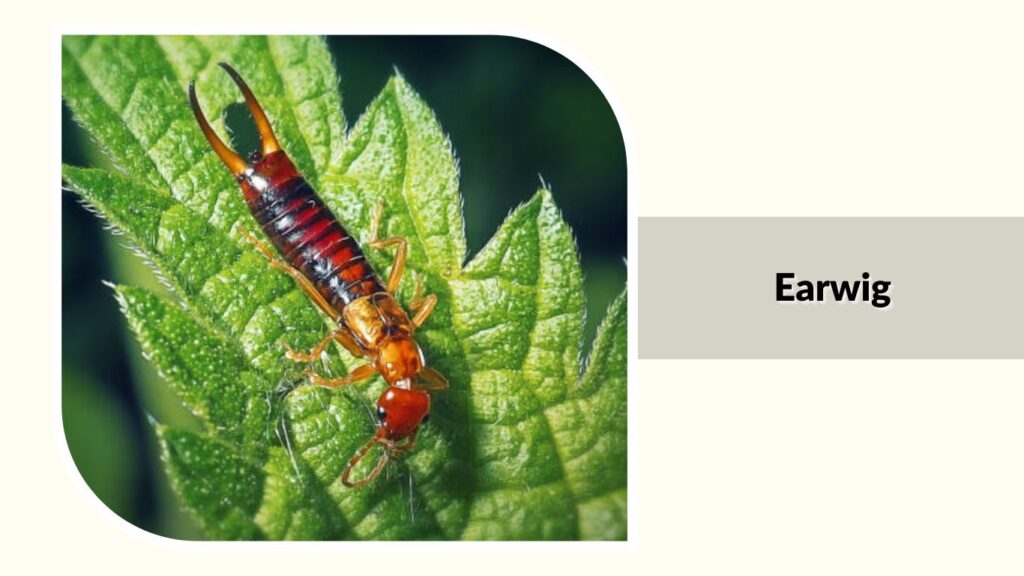
An earwig is a small brown insect with pincers commonly found in bathrooms, basements, kitchens, gardens, and other damp places. Although its pincers can look threatening, earwigs are generally harmless to people. They mainly feed on decaying plant material, small insects, and soft garden plants.
Identification
Earwigs are usually 6–25 mm long with flattened, reddish-brown bodies, long antennae, and curved pincers at the end of the abdomen. Some adults have folded wings, but they rarely fly. Males typically have more curved pincers than females.
Where They Are Found
These insects prefer dark, moist hiding places such as under sinks, flowerpots, mulch, stones, boards, and damp cardboard. Indoors, they may enter bathrooms, laundry rooms, basements, or kitchens through cracks and gaps.
Signs of an Infestation
You may notice earwigs crawling at night, hiding beneath damp objects, or appearing as small brown insects in the bathroom. In gardens, they may chew irregular holes in leaves, flowers, seedlings, and ripe fruit.
How to Get Rid of Them
Reduce moisture, repair leaks, and remove wet leaves or debris near the house. Seal gaps around doors, windows, and foundations. Vacuum indoor earwigs and use traps made from rolled newspaper or shallow containers of oil outdoors.
20. Brown Lacewing
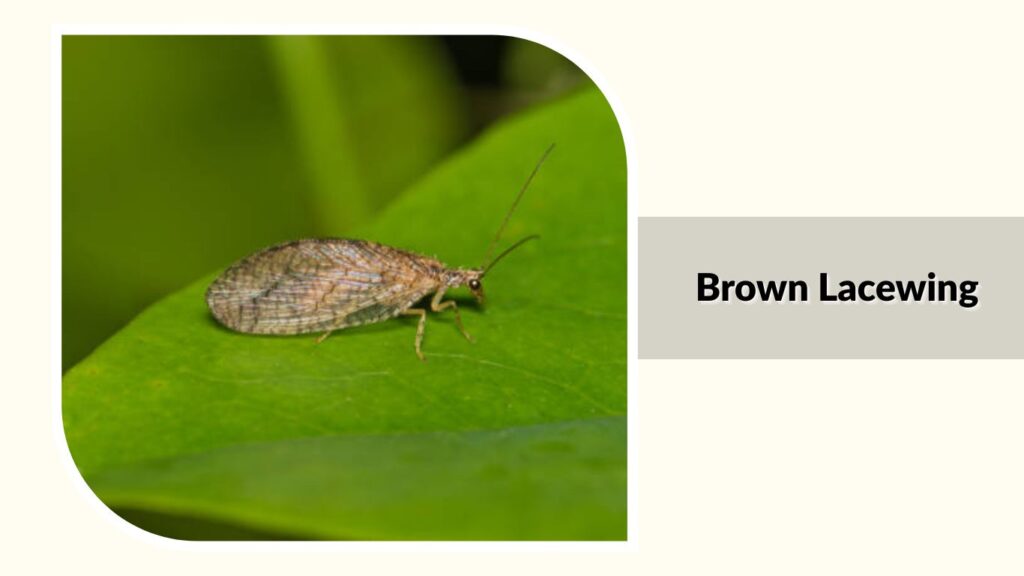
The brown lacewing is a small brown flying insect often found near windows, lights, gardens, and houseplants. Unlike many indoor pests, it is beneficial because both adults and larvae feed on aphids, mites, scale insects, and other soft-bodied pests. It may enter homes accidentally, especially during warm weather.
Identification
Adult brown lacewings are usually 6–12 mm long with slender brown bodies, long antennae, and two pairs of clear, net-veined wings. Their wings rest roof-like over the body. The larvae are narrow, active predators with curved mouthparts and may resemble tiny alligator-shaped insects.
Where They Are Found
Brown lacewings are commonly found on trees, shrubs, flowering plants, and garden crops. Indoors, they may appear near windows, curtains, lamps, or potted plants after being attracted to light.
Signs of Their Presence
You may notice a small brown insect with wings resting on walls or windows. Unlike pantry beetles or moths, brown lacewings do not infest food, fabrics, or wood. Their presence is usually temporary and does not indicate an indoor infestation.
How to Remove Them
Gently capture the insect in a cup and release it outdoors. Repair window screens, seal small gaps, and reduce unnecessary outdoor lighting near doors. Pesticide treatment is rarely needed because brown lacewings are harmless and helpful garden predators.
FAQs
What is the most common small brown insect found in a house?
Common possibilities include drugstore beetles, cigarette beetles, carpet beetles, booklice, fleas, and cockroach nymphs. Identification depends on the insect’s size, body shape, movement, location, and whether it can fly or jump.
Why are small brown flying insects appearing indoors?
Small brown flying insects often come from stored food, drains, houseplant soil, damp wood, or outdoor nests. Fruit flies, fungus gnats, drain flies, pantry beetles, flying ants, and termite swarmers are common examples.
What are the small brown insects found in bathrooms?
Small brown insects in bathrooms may be drain flies, springtails, booklice, cockroach nymphs, or earwigs. These pests are usually attracted to moisture, mold, organic buildup, leaking pipes, or poor ventilation.
How can I identify a small brown insect in my bed?
Check whether the insect is flat, oval, jumping, or hairy. Bed bugs are flat and crawl, fleas jump, and carpet beetle larvae are hairy. Also inspect bedding for bites, dark spots, shed skins, or damaged fabric.
How do I get rid of small brown insects in the house?
Identify and remove the source first. Discard infested food, vacuum cracks and furniture, wash bedding, clean drains, reduce moisture, store dry goods in sealed containers, and repair leaks. Persistent infestations may require professional pest control.