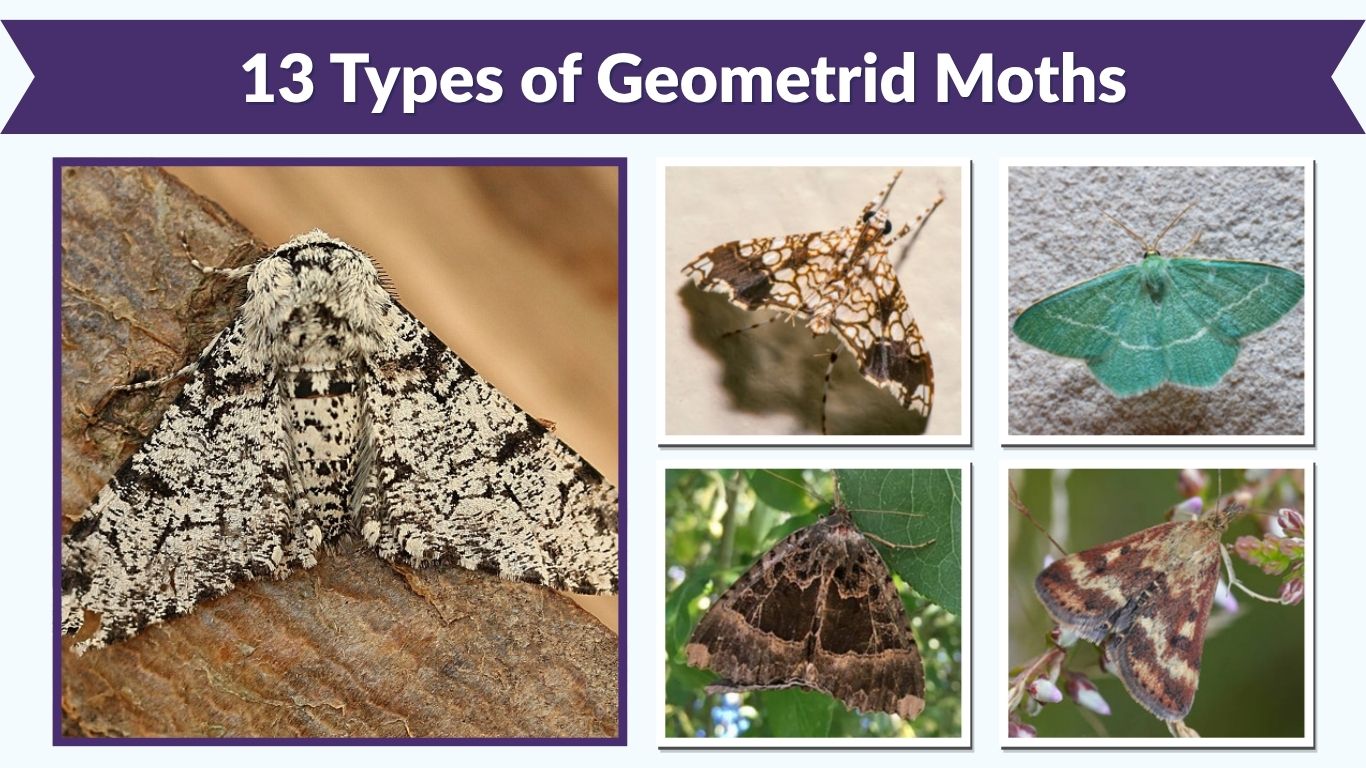
Geometrid moths are a diverse family of moths known for their slender bodies, delicate wings, and the looping movement of their caterpillars, often called inchworms. Found across Europe, Asia, and North America, they inhabit woodlands, gardens, and hedgerows. Their caterpillars feed on a variety of deciduous trees, playing a crucial role in forest and garden ecosystems. This guide explores 13 common types of Geometrid moths, highlighting their identification, habitat, behavior, diet, and life cycle to help enthusiasts and researchers better understand and appreciate these fascinating insects.
1. Winter Moth
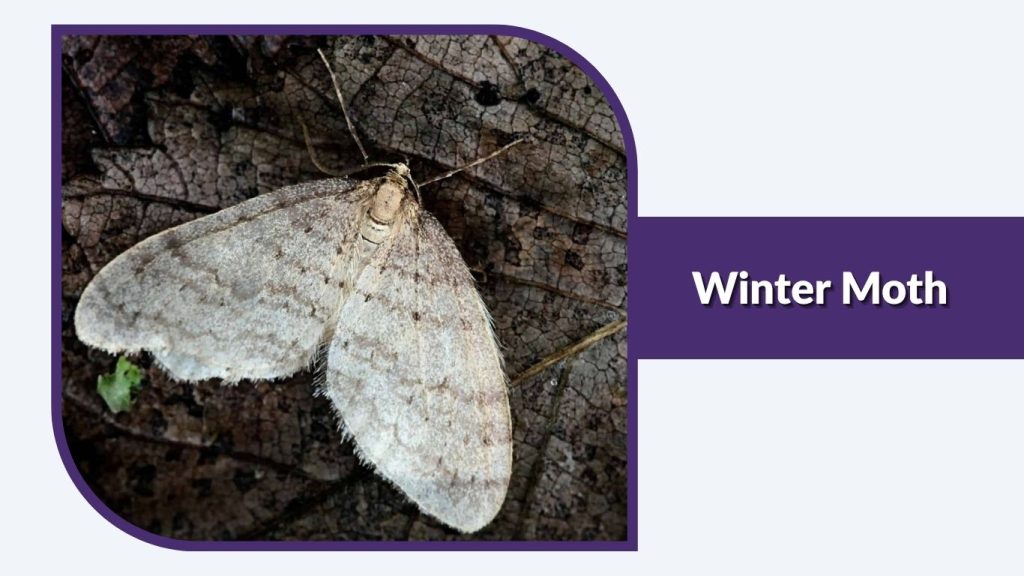
The Winter Moth is a small, nocturnal moth known for emerging in late autumn and early winter, often when most other moths are inactive. It is considered a pest in many regions because its caterpillars feed on the leaves of fruit trees and hardwoods. Understanding its appearance, habitat, behavior, and life cycle is important for gardeners and researchers monitoring forest and orchard health.
Identification
- Wingspan: 20–28 mm
- Color: Light brown or gray with subtle cross lines on the wings
- Antennae: Males have feathered antennae, females are more slender
- Distinctive Features: Males fly while females are often wingless or weak fliers
Habitat and Distribution
Winter Moths are commonly found in Europe and North America. They inhabit deciduous forests, orchards, and suburban gardens, especially areas with fruit trees such as apple and cherry. They thrive in temperate climates and are most active during colder months when predation is lower.
Behavior and Diet
The adult moth is primarily nocturnal, with males flying in search of females. Caterpillars feed on buds and leaves of deciduous trees, which can lead to defoliation in orchards and forests. They are considered an agricultural pest due to their damage to fruit crops.
Life Cycle
Winter Moths undergo complete metamorphosis. Eggs are laid on tree bark in late fall and overwinter. Caterpillars emerge in early spring to feed on young leaves. Pupation occurs in the soil, and adults emerge in late autumn to repeat the cycle.
2. Peppered Moth
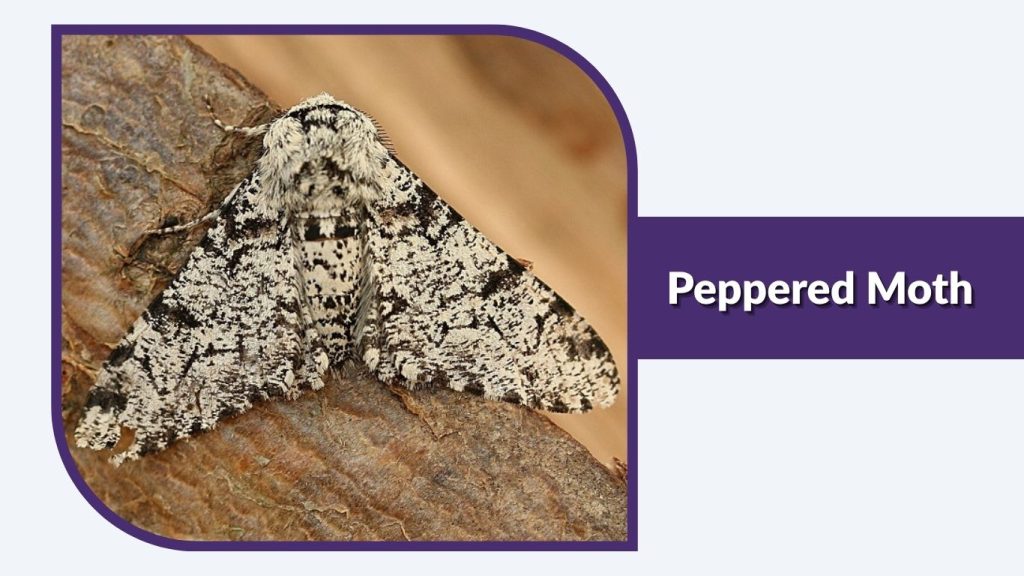
The Peppered Moth is famous for its role in studies of natural selection and industrial melanism. It is a medium-sized moth that is primarily active at night and is often found resting on tree trunks during the day. Its coloration helps it camouflage against lichen-covered surfaces, providing protection from predators. Understanding its identification, habitat, diet, and life cycle highlights both its ecological importance and evolutionary significance.
Identification
- Wingspan: 45–55 mm
- Color: Light gray with black speckles (typical form); dark melanic form also exists
- Antennae: Thread-like in both sexes
- Distinctive Features: Speckled wing pattern resembling pepper grains, which provides camouflage
Habitat and Distribution
Peppered Moths are native to Europe but have been introduced to North America. They prefer woodlands, parks, and suburban areas with plenty of trees, especially birch and oak. Their populations thrive where lichens grow on tree bark, which aids their camouflage.
Behavior and Diet
Adults are nocturnal and attracted to light. Caterpillars feed on leaves of birch, willow, and other deciduous trees. The moth’s color morphs demonstrate adaptation to environmental pollution levels, with darker forms prevailing in industrial regions.
Life Cycle
The species undergoes complete metamorphosis. Eggs are laid on tree bark in summer and hatch into caterpillars that feed throughout spring. Pupation occurs in leaf litter or soil, and adults emerge in late spring or early summer, repeating the cycle.
3. Scalloped Hazel
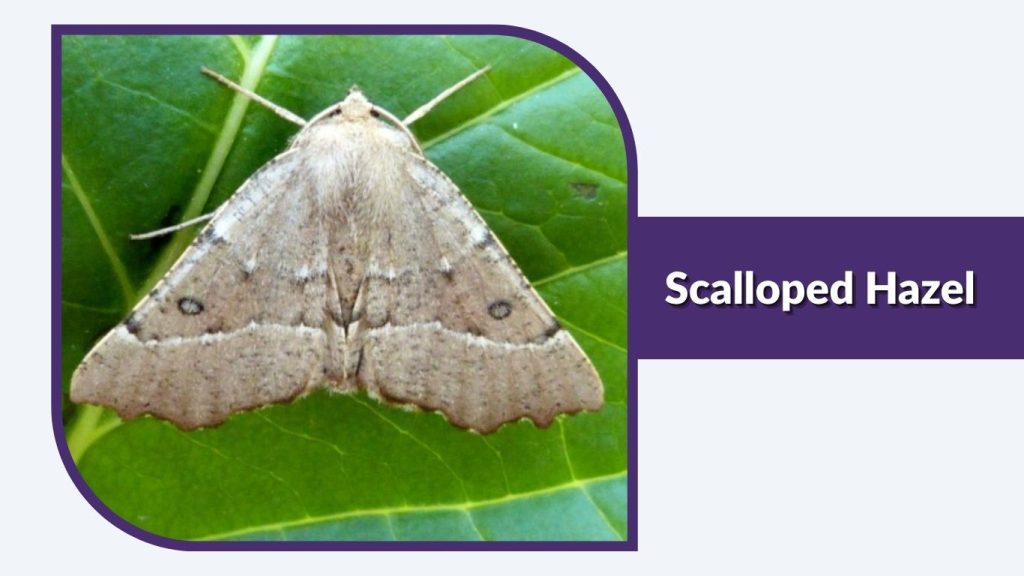
The Scalloped Hazel is a small Geometrid moth known for its delicate, scalloped wing edges and muted coloration. It is nocturnal and primarily active in early spring, often one of the first moths to emerge after winter. Caterpillars of this species feed on the leaves of deciduous trees and shrubs, making it an important part of woodland ecosystems. Understanding its identification, habitat, diet, and life cycle helps in monitoring forest biodiversity.
Identification
- Wingspan: 28–35 mm
- Color: Light brown or beige with fine darker lines forming a scalloped pattern
- Antennae: Thread-like in both sexes
- Distinctive Features: Scalloped wing margins and subtle cross-lines for camouflage
Habitat and Distribution
Scalloped Hazel moths are found throughout Europe and parts of Asia. They inhabit deciduous woodlands, hedgerows, and gardens where hazel, oak, and birch trees are abundant. They are typically seen near their larval host plants and prefer sheltered, temperate environments.
Behavior and Diet
Adults are nocturnal and attracted to light, remaining hidden during the day. Caterpillars feed on the young leaves of hazel, oak, and birch, contributing to the natural pruning of foliage. The moth plays a role in the food web, serving as prey for birds and small mammals.
Life Cycle
The Scalloped Hazel undergoes complete metamorphosis. Eggs are laid on host plants and overwinter. Larvae emerge in early spring to feed on new leaves. Pupation occurs in soil or leaf litter, with adults emerging to mate and lay eggs for the next generation.
4. Small Engrailed
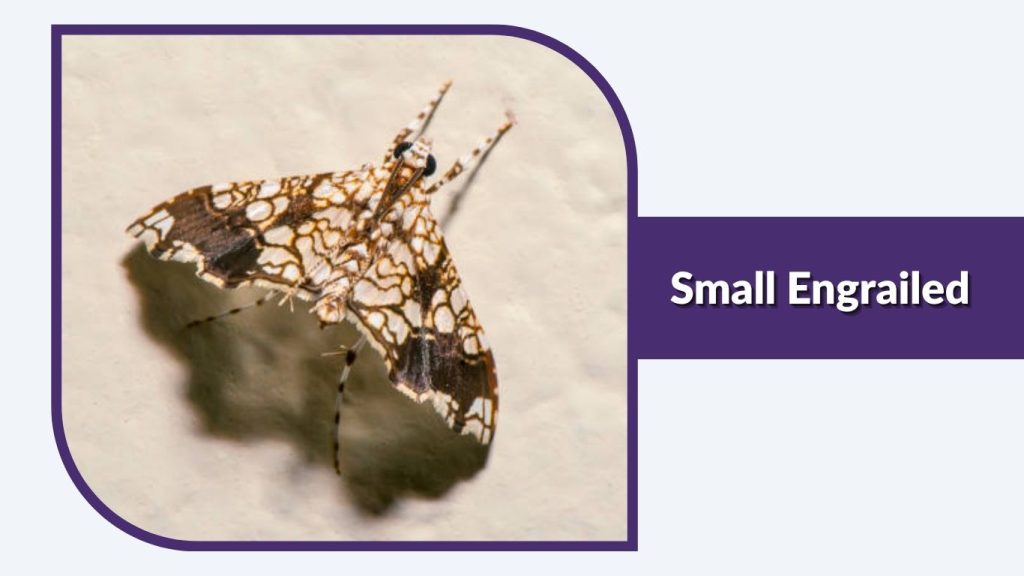
The Small Engrailed is a widespread Geometrid moth recognized for its subtle patterning and muted brownish-gray coloration. Active at night, it is commonly found in woodlands, hedgerows, and gardens. Caterpillars feed on various deciduous trees and shrubs, making this moth an integral part of forest ecosystems. Studying its identification, habitat, behavior, and life cycle provides insight into its ecological role and helps in monitoring local moth populations.
Identification
- Wingspan: 30–35 mm
- Color: Light brown to gray with fine wavy lines across the wings
- Antennae: Thread-like in both sexes
- Distinctive Features: Wavy cross-lines on forewings forming a subtle engrailed pattern
Habitat and Distribution
Small Engrailed moths are common throughout Europe and parts of Asia. They inhabit deciduous forests, woodland edges, and gardens. Their populations are closely tied to the availability of host plants like oak, hawthorn, and birch, where caterpillars can feed and develop.
Behavior and Diet
Adults are nocturnal and attracted to light, remaining hidden during daylight hours. Caterpillars feed on leaves of deciduous trees and shrubs, sometimes causing minor defoliation. The moth also serves as prey for birds, bats, and predatory insects, contributing to the local food web.
Life Cycle
The Small Engrailed completes a full metamorphosis. Eggs are laid on the leaves of host plants, overwintering until spring. Larvae feed on young foliage before pupating in soil or leaf litter. Adults emerge to mate and continue the cycle, often producing one or two generations per year depending on climate.
5. Oak Beauty
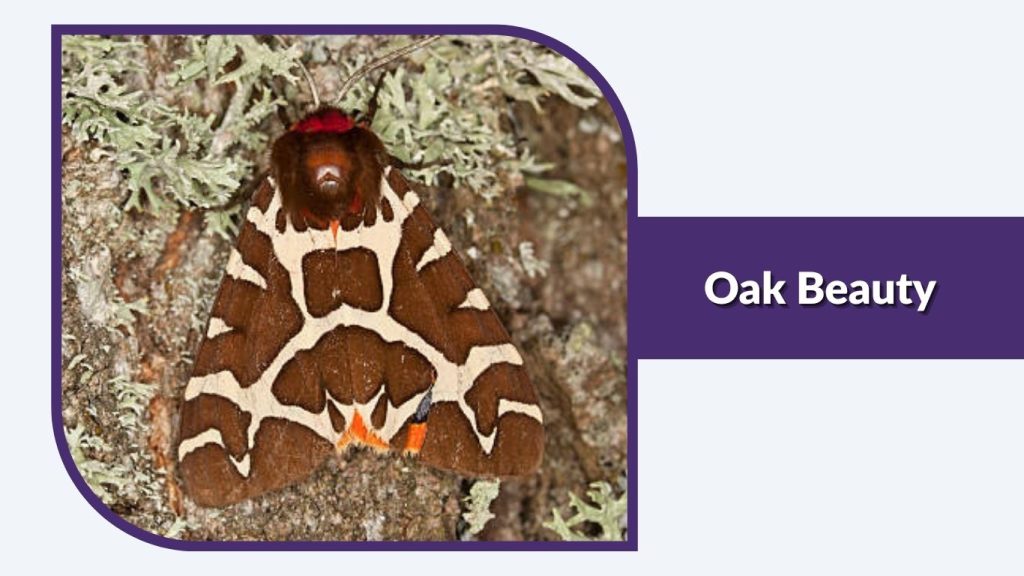
The Oak Beauty is a medium-sized Geometrid moth notable for its mottled brown wings, which provide excellent camouflage against tree bark. It is primarily nocturnal and can be found in woodlands, parks, and gardens where oak and other deciduous trees are present. The caterpillars feed on the leaves of these trees, making the species important for forest ecology and biodiversity. Understanding its identification, habitat, behavior, and life cycle helps in studying moth populations.
Identification
- Wingspan: 40–50 mm
- Color: Brown with wavy and mottled patterns for camouflage
- Antennae: Thread-like in both sexes
- Distinctive Features: Mottled forewings resembling oak bark
Habitat and Distribution
Oak Beauty moths are widespread across Europe and parts of Asia. They prefer deciduous forests, woodlands, and gardens where host trees such as oak, birch, and hazel are abundant. They often rest on tree trunks during the day, blending into their surroundings.
Behavior and Diet
Adults are nocturnal and attracted to light sources at night. Caterpillars feed on the leaves of oak, birch, and hazel, playing a role in natural foliage cycling. They are an essential part of the food web, serving as prey for birds, bats, and other predators.
Life Cycle
The Oak Beauty undergoes complete metamorphosis. Eggs are laid on leaves and overwinter, hatching in spring. Larvae feed on foliage and then pupate in leaf litter or soil. Adults emerge to mate and lay eggs, completing the cycle, typically producing one generation per year.
6. Common Emerald
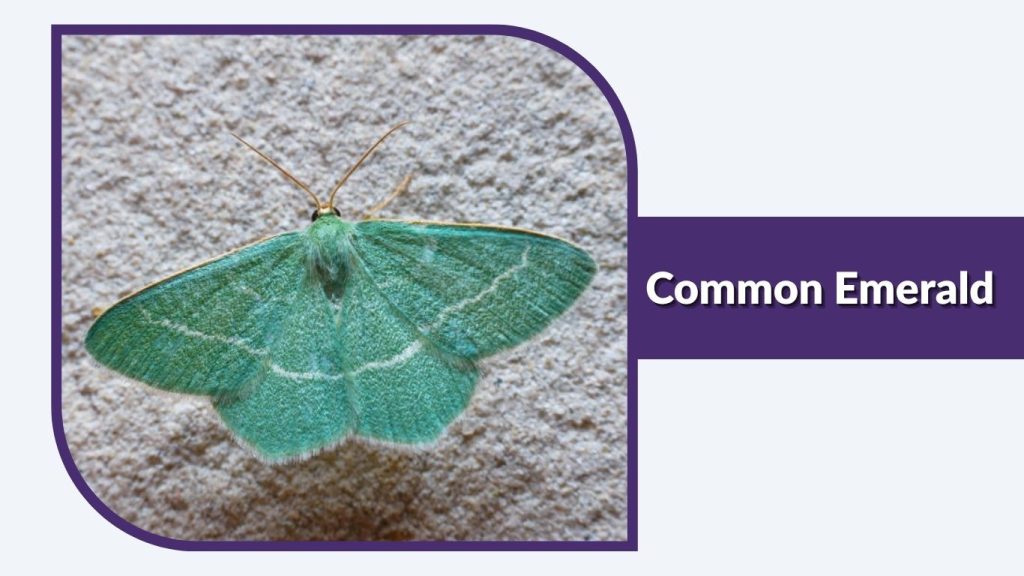
The Common Emerald is a striking Geometrid moth recognized for its bright green wings and delicate patterns. It is nocturnal and commonly found in woodlands, gardens, and hedgerows. Its caterpillars feed on a variety of deciduous trees and shrubs, contributing to forest ecosystem dynamics. Understanding its identification, habitat, behavior, and life cycle is important for enthusiasts and researchers monitoring moth populations and biodiversity.
Identification
- Wingspan: 30–40 mm
- Color: Bright green with fine white or yellow cross-lines
- Antennae: Thread-like in females, slightly feathered in males
- Distinctive Features: Vibrant green color with delicate, wavy lines
Habitat and Distribution
The Common Emerald is widely distributed across Europe and parts of Asia. It prefers deciduous forests, woodland edges, and hedgerows where host plants like hawthorn, oak, and birch are abundant.
Behavior and Diet
Adults are nocturnal and are attracted to light sources. Caterpillars feed on the leaves of host plants, usually camouflaging against foliage to avoid predators. They play an important role in nutrient cycling and serve as food for birds and other insects.
Life Cycle
The species undergoes complete metamorphosis. Eggs are laid on leaves and hatch in spring. Caterpillars feed and grow before pupating in soil or leaf litter. Adults emerge in late spring or summer, mate, and lay eggs to continue the cycle.
7. March Moth
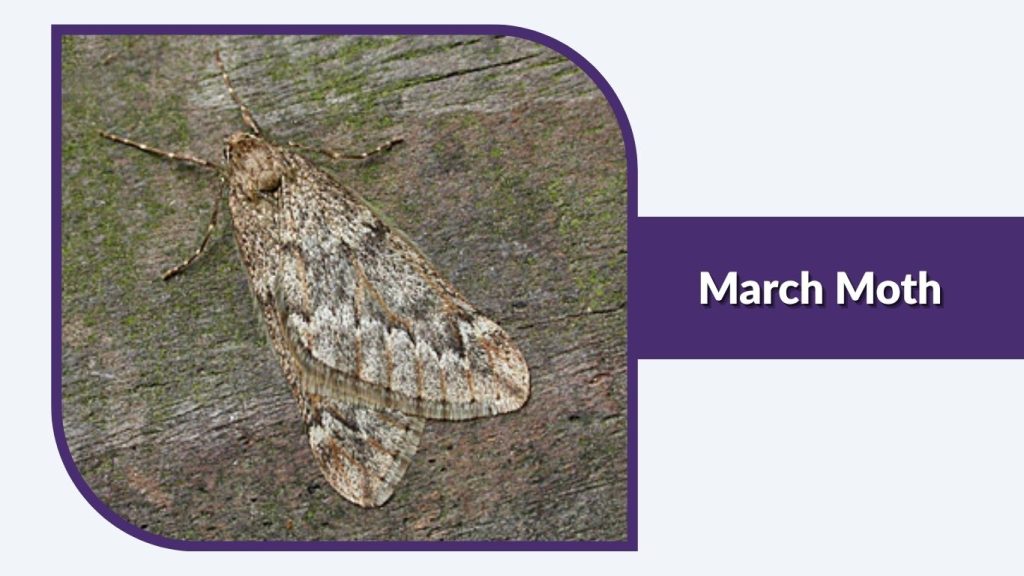
The March Moth is one of the earliest Geometrid moths to emerge in the year, often appearing in late winter or early spring. Its subtle brown or gray coloration allows it to blend with tree bark. Caterpillars feed on the leaves of deciduous trees, making it an important species in woodland ecosystems. Understanding its identification, habitat, behavior, and life cycle provides insight into its ecological role and seasonal activity.
Identification
- Wingspan: 20–28 mm
- Color: Light brown or gray with faint cross-lines
- Antennae: Males have feathered antennae; females’ antennae are thread-like
- Distinctive Features: Early emergence in the year and small size
Habitat and Distribution
March Moths are found throughout Europe and parts of Asia. They inhabit deciduous woodlands, gardens, and hedgerows, often resting on tree trunks during the day. They thrive in temperate climates and areas with abundant host trees.
Behavior and Diet
Adults are nocturnal and weak fliers, with males actively searching for females. Caterpillars feed on the leaves of oak, birch, and other deciduous trees, sometimes causing minor defoliation. They provide a food source for birds and other predators.
Life Cycle
The March Moth completes a full metamorphosis. Eggs are laid in late autumn and overwinter. Caterpillars emerge in early spring, feed on young leaves, and pupate in soil or leaf litter. Adults emerge to mate and lay eggs, beginning the cycle anew.
8. Engrailed Moth
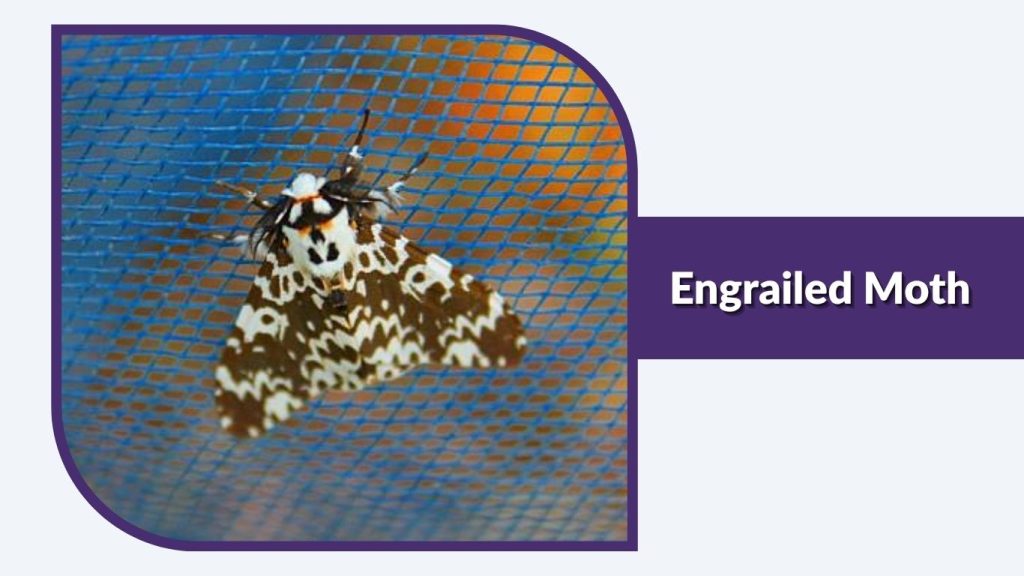
The Engrailed Moth is a medium-sized Geometrid moth known for its subtle yet distinctive wing patterns. Active at night, it is commonly found in woodlands, hedgerows, and gardens. Its caterpillars feed on a variety of deciduous trees and shrubs, contributing to the health and balance of forest ecosystems. Studying its identification, habitat, behavior, and life cycle helps in understanding local moth biodiversity.
Identification
- Wingspan: 35–40 mm
- Color: Gray to brown with fine wavy lines forming a scalloped pattern
- Antennae: Thread-like in females, slightly feathered in males
- Distinctive Features: Wavy lines across the forewings creating an “engrailed” appearance
Habitat and Distribution
The Engrailed Moth is widespread across Europe and parts of Asia. It prefers deciduous forests, woodland edges, and gardens, often resting on tree trunks or fences during the day.
Behavior and Diet
Adults are nocturnal and attracted to artificial light. Caterpillars feed on the leaves of oak, hawthorn, and birch trees. They are important prey for birds, bats, and predatory insects, making them an integral part of the food web.
Life Cycle
The Engrailed Moth undergoes complete metamorphosis. Eggs are laid on host plants and overwinter. Larvae feed on young leaves in spring, pupate in soil or leaf litter, and adults emerge to mate and continue the cycle.
9. Maple Looper
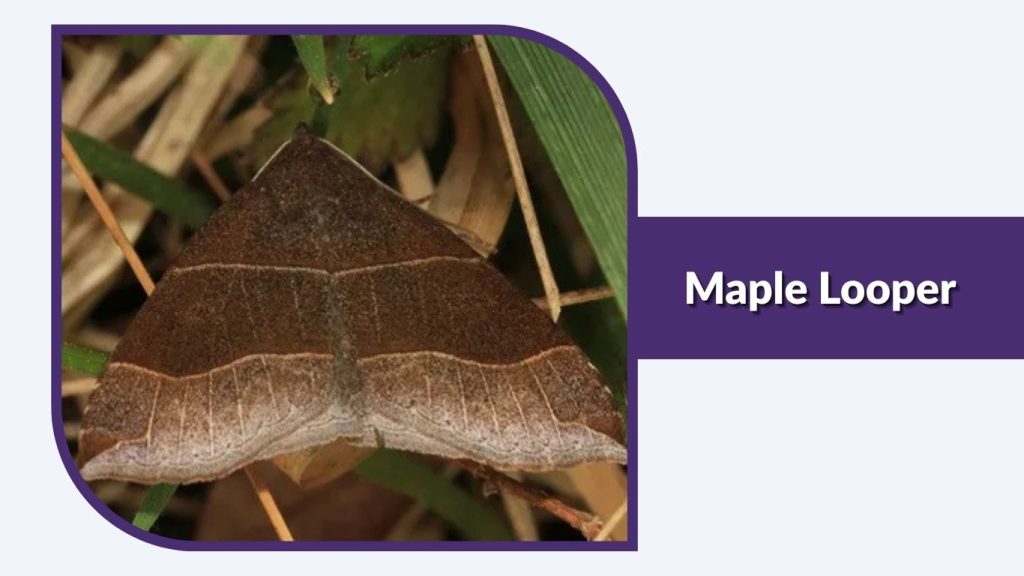
The Maple Looper is a Geometrid moth named for its caterpillars’ looping movement and preference for maple trees. Active at night, it is commonly found in deciduous forests and suburban areas with maples. Its caterpillars feed on foliage, sometimes causing minor defoliation, making it important for monitoring forest and garden health. Understanding its identification, habitat, behavior, and life cycle provides insight into its ecological role.
Identification
- Wingspan: 30–38 mm
- Color: Light brown to gray with wavy, subtle lines
- Antennae: Thread-like in females; males may have slightly feathered antennae
- Distinctive Features: Looping caterpillar movement and subtle forewing patterns
Habitat and Distribution
Maple Loopers are common across Europe, North America, and parts of Asia. They inhabit deciduous forests, parks, and gardens, particularly where maple trees are abundant. Caterpillars stay near host plants, while adults are nocturnal fliers.
Behavior and Diet
Adults are nocturnal and drawn to lights at night. Caterpillars feed primarily on maple leaves, though they may occasionally consume other deciduous foliage. Their feeding helps maintain natural foliage cycles, and they serve as prey for birds and predatory insects.
Life Cycle
Maple Loopers undergo complete metamorphosis. Eggs are laid on maple leaves in late summer and overwinter. Caterpillars emerge in spring, feeding on new leaves before pupating in soil or leaf litter. Adults emerge to mate and lay eggs for the next generation.
10. Pug Moth
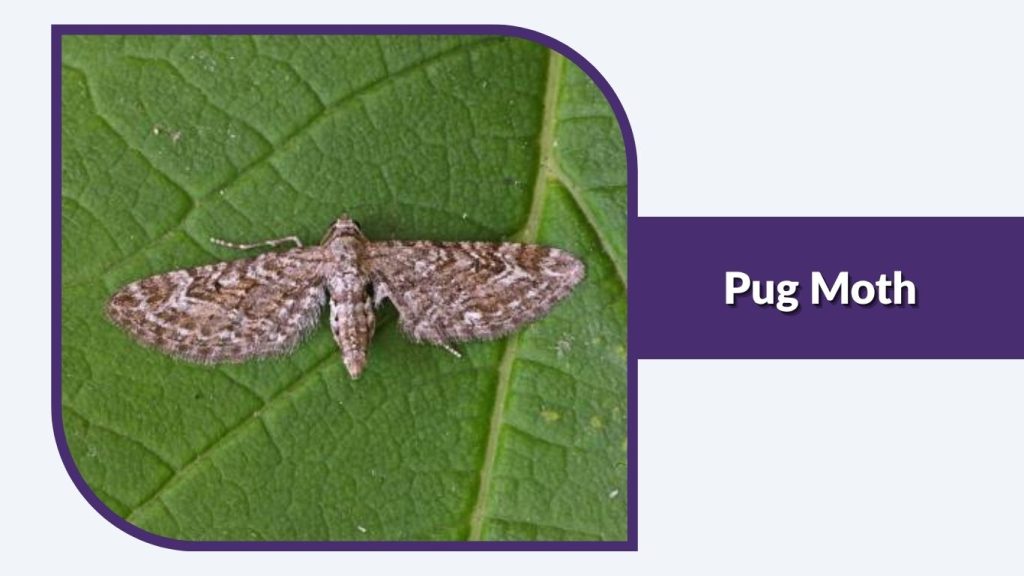
The Pug Moth is a small Geometrid moth known for its compact size and subtle wing patterns. It is nocturnal and commonly found in gardens, woodlands, and hedgerows. Caterpillars feed on a variety of deciduous plants, playing a role in maintaining healthy vegetation. Understanding its identification, habitat, behavior, and life cycle is important for entomologists and hobbyists studying local moth populations.
Identification
- Wingspan: 18–25 mm
- Color: Brown or gray with faint, wavy lines
- Antennae: Thread-like in both sexes
- Distinctive Features: Small, compact body with subtle markings
Habitat and Distribution
Pug Moths are widespread across Europe and parts of Asia. They inhabit gardens, hedgerows, and woodlands where host plants such as hawthorn, cherry, and oak are abundant. Adults often rest on tree trunks and shrubs during the day.
Behavior and Diet
Adults are nocturnal and attracted to artificial lights. Caterpillars feed on leaves of deciduous trees and shrubs. They are preyed upon by birds, small mammals, and predatory insects, contributing to the local ecosystem.
Life Cycle
The Pug Moth completes a full metamorphosis. Eggs are laid on host plant leaves and hatch in spring. Larvae feed on young foliage, pupate in soil or leaf litter, and adults emerge to mate and lay eggs for the next generation.
11. Willow Beauty
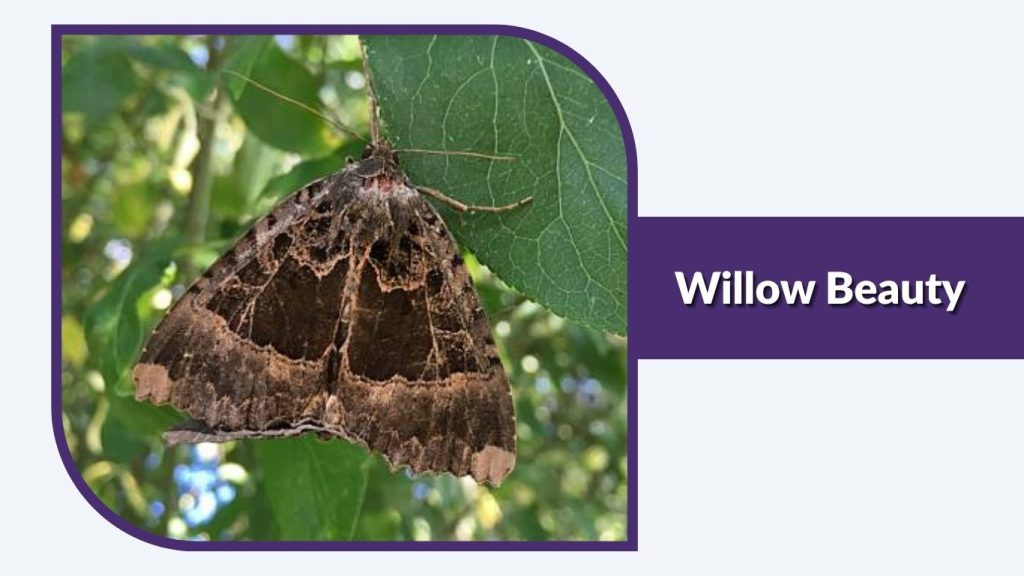
The Willow Beauty is a medium-sized Geometrid moth known for its delicate brown and pinkish patterns. It is nocturnal and commonly found in woodlands, gardens, and wetlands where willow and other deciduous trees grow. Its caterpillars feed on leaves, contributing to ecosystem balance. Understanding its identification, habitat, behavior, and life cycle helps monitor local moth populations and maintain forest and garden health.
Identification
- Wingspan: 35–42 mm
- Color: Brown with pink or purplish tones and subtle wavy lines
- Antennae: Thread-like in females; slightly feathered in males
- Distinctive Features: Pinkish shading and wavy wing lines
Habitat and Distribution
Willow Beauty moths are widespread across Europe and parts of Asia. They inhabit deciduous forests, wetlands, and gardens, especially near willow and alder trees. They are often seen resting on tree trunks during the day.
Behavior and Diet
Adults are nocturnal and attracted to lights. Caterpillars feed on leaves of willow, alder, and other deciduous trees. They are prey for birds, bats, and predatory insects, forming a key part of the local food web.
Life Cycle
Willow Beauty undergoes complete metamorphosis. Eggs are laid on leaves and overwinter. Caterpillars emerge in spring, feed on foliage, then pupate in soil or leaf litter. Adults emerge to mate and continue the cycle.
12. Brimstone Moth
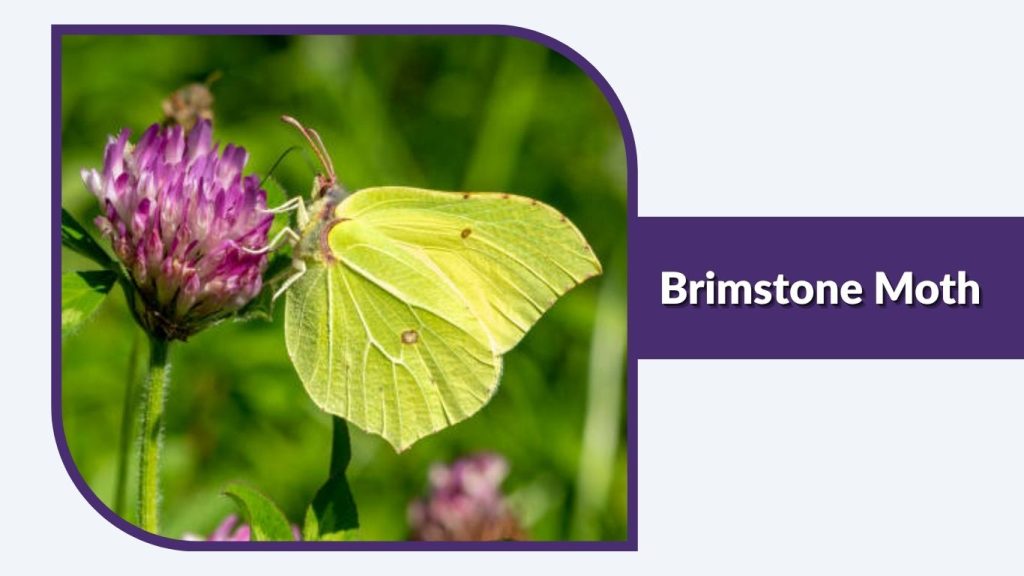
The Brimstone Moth is a Geometrid moth named for its bright yellow coloring, reminiscent of brimstone. It is nocturnal and commonly found in woodlands, gardens, and hedgerows. Caterpillars feed on a variety of deciduous trees, helping regulate leaf growth. Understanding its identification, habitat, behavior, and life cycle is important for entomologists and moth enthusiasts studying biodiversity and seasonal patterns.
Identification
- Wingspan: 30–40 mm
- Color: Bright yellow with subtle cross-lines and wavy markings
- Antennae: Thread-like in females; slightly feathered in males
- Distinctive Features: Vivid yellow wings with faint markings
Habitat and Distribution
Brimstone Moths are widespread in Europe and parts of Asia. They inhabit woodlands, gardens, and hedgerows where host plants like willow, birch, and alder are abundant. Adults often rest on tree trunks or foliage during the day.
Behavior and Diet
Adults are nocturnal and attracted to lights at night. Caterpillars feed on leaves of deciduous trees such as willow and alder. They serve as prey for birds and other insects, making them an important part of the ecosystem.
Life Cycle
The Brimstone Moth undergoes complete metamorphosis. Eggs are laid on host plant leaves and overwinter. Caterpillars emerge in spring, feed on foliage, pupate in soil or leaf litter, and adults emerge to mate and continue the cycle.
13. Barred Umber
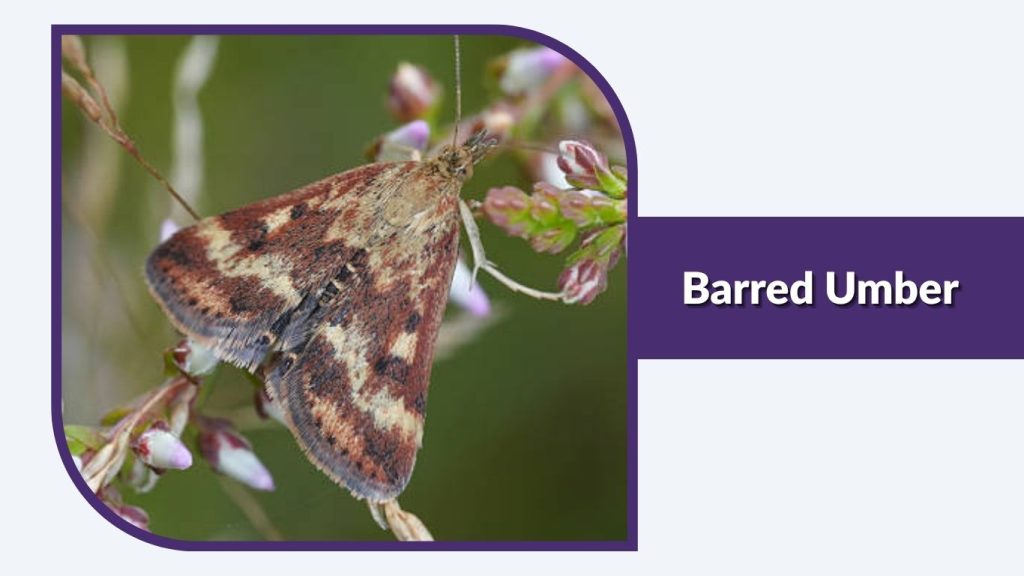
The Barred Umber is a medium to large Geometrid moth known for its brown wings marked with dark, transverse bars. It is nocturnal and commonly found in woodlands, gardens, and hedgerows. Its caterpillars feed on a variety of deciduous trees, playing an important role in forest ecology. Understanding its identification, habitat, behavior, and life cycle helps researchers and enthusiasts monitor moth populations effectively.
Identification
- Wingspan: 40–50 mm
- Color: Brown with dark transverse bars across the wings
- Antennae: Thread-like in females; males slightly feathered
- Distinctive Features: Prominent dark bars on forewings for camouflage
Habitat and Distribution
Barred Umber moths are widespread across Europe and parts of Asia. They inhabit deciduous forests, gardens, and hedgerows, often resting on tree trunks or fence posts during the day. They thrive where host plants such as oak, birch, and willow are present.
Behavior and Diet
Adults are nocturnal and attracted to lights. Caterpillars feed on the leaves of deciduous trees, contributing to natural leaf pruning. They are prey for birds, bats, and other predators, forming a vital part of the ecosystem.
Life Cycle
Barred Umber undergoes complete metamorphosis. Eggs are laid on host plant leaves and overwinter. Caterpillars emerge in spring, feeding on foliage, before pupating in soil or leaf litter. Adults emerge to mate and continue the cycle, typically producing one generation per year.
FAQs
What do Geometrid moths eat?
Adult Geometrid moths primarily feed on nectar, while their caterpillars feed on the leaves of deciduous trees and shrubs such as oak, birch, willow, and hazel.
Are Geometrid moths harmful to humans?
No, they are harmless. Geometrid moths do not bite or sting, and their primary impact is on foliage, not people.
How long do Geometrid moths live?
Adults typically live a few weeks, while the complete life cycle from egg to adult can last several months depending on the species and environmental conditions.
Where are Geometrid moths found?
Geometrid moths are widespread across Europe, Asia, and North America. They are commonly found in woodlands, hedgerows, gardens, and areas with abundant host plants.
How can you identify a Geometrid moth?
Identification is based on wingspan, wing patterns, coloration, and body structure. Caterpillars are often “loopers,” moving in a characteristic inchworm fashion, which is distinctive for many Geometrid species.