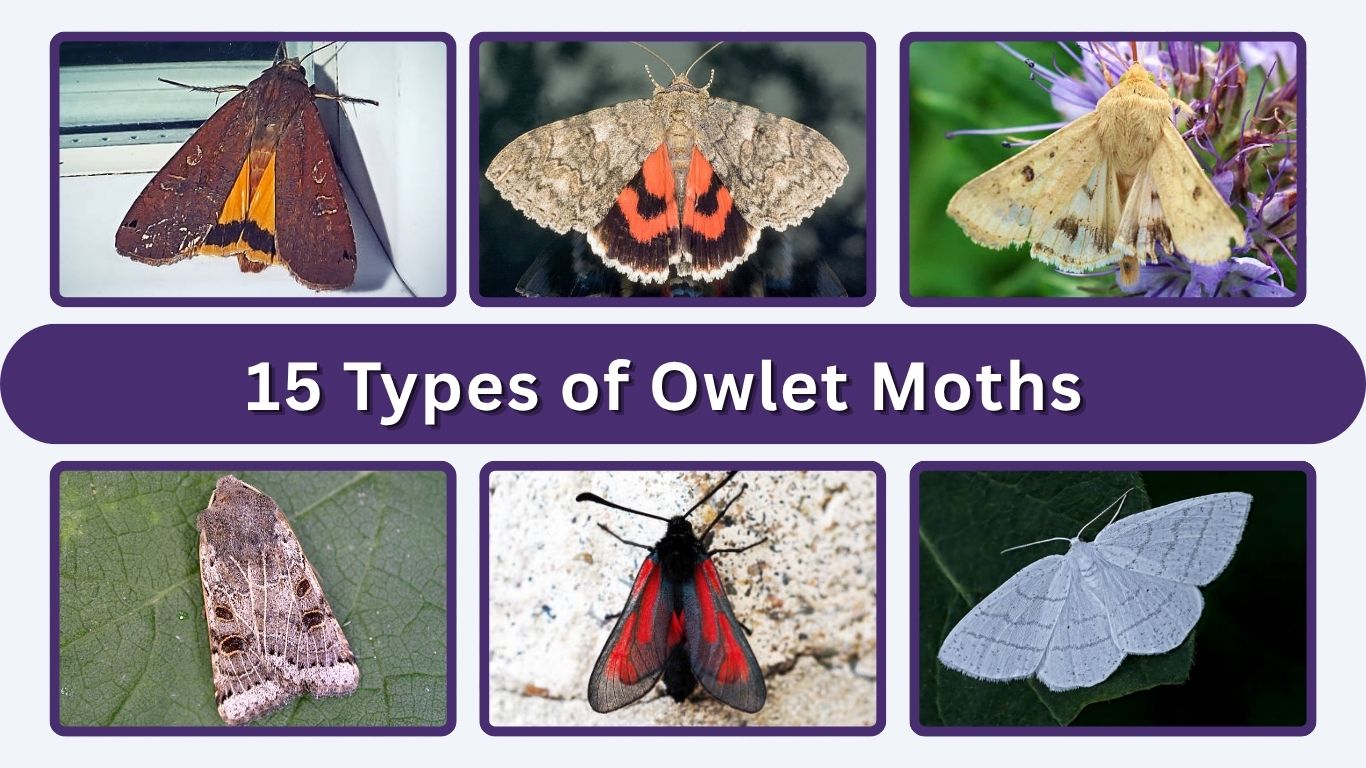
Owlet moths are one of the largest and most diverse groups of moths in the world. These nighttime insects are known for their excellent camouflage, colorful hidden wings, and important role in ecosystems. Some species are harmless pollinators, while others are famous agricultural pests that damage crops and garden plants. From the brightly colored Red Underwing to the destructive Fall Armyworm Moth, owlet moths display an impressive variety of shapes, colors, and behaviors. Learning about these fascinating insects can help nature lovers, gardeners, and wildlife enthusiasts better understand their importance in the natural world.
1. Large Yellow Underwing
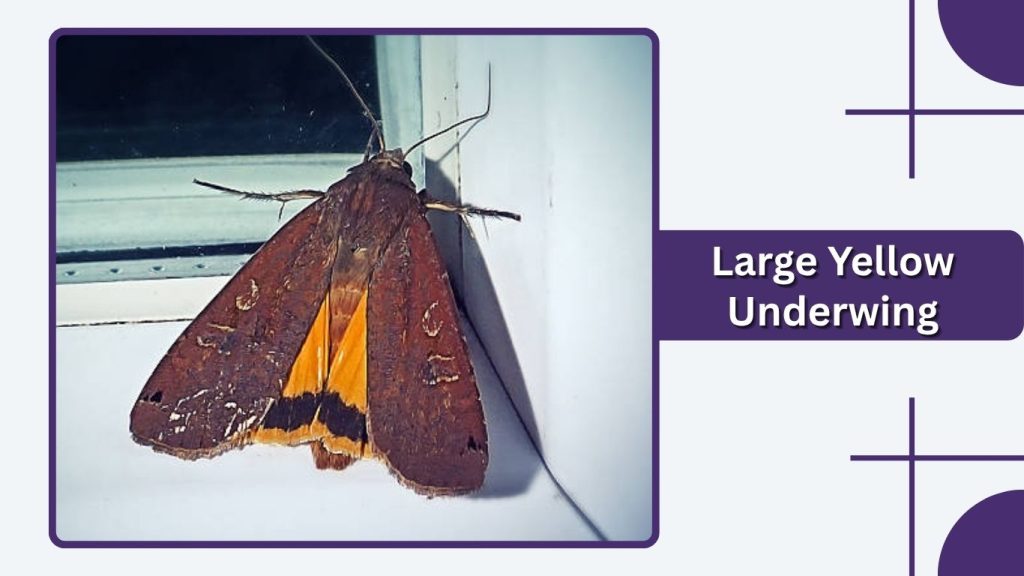
The Large Yellow Underwing is one of the most widespread owlet moths found across Europe and North America. It is known for its dull brown forewings that hide bright orange-yellow hindwings with black bands. This moth is active at night and is commonly attracted to lights during late summer and autumn.
Identification
- Wingspan ranges from 45 to 60 mm
- Forewings are brown or gray with complex markings
- Hindwings are bright yellow-orange with a thick black border
- Body is stout and covered with fine hairs
- Caterpillars are known as winter cutworms
Habitat and Distribution
The Large Yellow Underwing lives in gardens, grasslands, farmland, forests, and urban areas. It is native to Europe, Asia, and North Africa but has also spread widely across North America. The species adapts well to different environments and is commonly seen near outdoor lights during warm months.
Behavior and Diet
Adult moths feed on nectar, overripe fruit, and tree sap. They are nocturnal and hide during the day in vegetation or leaf litter. Caterpillars feed on grasses and low-growing plants, often becoming agricultural pests when populations increase.
Lifecycle
Females lay eggs in late summer on grasses or low plants. The caterpillars hatch and feed through autumn and spring before pupating in soil. Adult moths emerge during summer and remain active until early fall. The species usually completes one generation each year.
2. Black Cutworm Moth
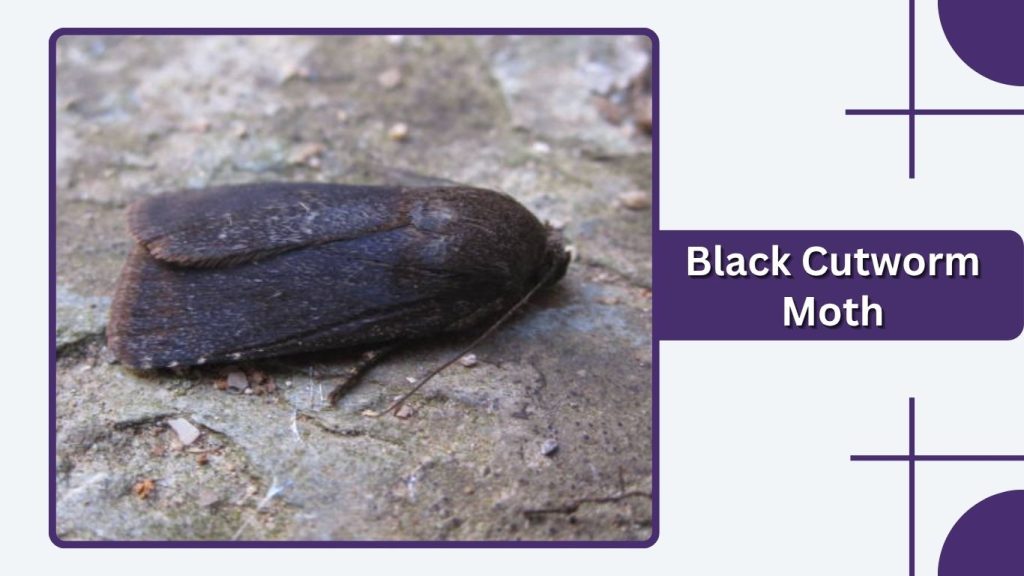
The Black Cutworm Moth is a common owlet moth known for its destructive caterpillars that damage crops and garden plants. Adults are dark and plain-looking, while the larvae are notorious agricultural pests. This species is active mainly during spring and summer and migrates long distances in some regions.
Identification
- Wingspan ranges from 40 to 50 mm
- Forewings are dark brown to blackish with pale markings
- Hindwings are lighter gray or white
- Body appears thick and smooth
- Caterpillars are greasy-looking and dark gray to black
Habitat and Distribution
Black Cutworm Moths are found across North America, Europe, Asia, and parts of Africa. They prefer open habitats such as farmland, gardens, meadows, and grassy fields. Adults are often attracted to lights at night and may travel great distances during migration seasons.
Behavior and Diet
Adult moths feed on flower nectar and other sugary substances. The caterpillars feed on many crops including corn, lettuce, tomatoes, and grasses. Larvae cut young plants near the soil surface, which gives them the name “cutworm.” They are mostly active during nighttime hours.
Lifecycle
Females lay eggs on low vegetation and weeds. After hatching, the caterpillars feed for several weeks before burrowing into the soil to pupate. Adults emerge afterward and begin mating soon after. In warmer climates, the species can produce multiple generations each year.
3. Fall Armyworm Moth
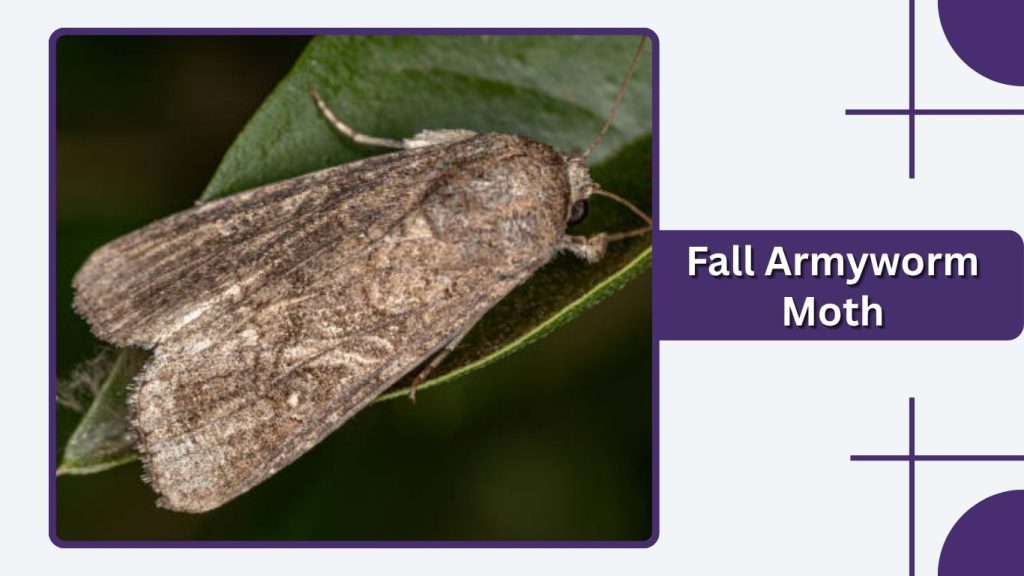
The Fall Armyworm Moth is a highly adaptable owlet moth best known for its destructive caterpillars. These larvae attack a wide variety of crops and can spread rapidly across large areas. Native to the Americas, the species has expanded into Africa, Asia, and Australia in recent years.
Identification
- Wingspan ranges from 32 to 40 mm
- Male forewings are gray-brown with white spots and patterns
- Female forewings are more plain and darker
- Hindwings are pale silver-white
- Caterpillars vary from green to brown with striped bodies
Habitat and Distribution
Fall Armyworm Moths live in agricultural regions, grasslands, gardens, and open fields. They are widely distributed throughout the Americas and have become invasive in many other parts of the world. The species thrives in warm climates where food plants are abundant.
Behavior and Diet
Adults feed mainly on nectar and are active at night. The caterpillars consume corn, rice, sorghum, cotton, and many vegetable crops. Large groups of larvae may move together across fields, giving rise to the name “armyworm.” Feeding damage can become severe during outbreaks.
Lifecycle
Females lay clusters of eggs on leaves covered with protective scales. Caterpillars hatch within days and feed heavily for several weeks. Mature larvae pupate in the soil before emerging as adults. The full lifecycle can be completed quickly in warm weather, allowing several generations per year.
4. Cotton Bollworm Moth

The Cotton Bollworm Moth is a widespread owlet moth known for its highly destructive larvae. It attacks many important crops and is considered a major agricultural pest in several countries. The adult moth is active at night and is capable of long-distance migration.
Identification
- Wingspan ranges from 30 to 40 mm
- Forewings are yellowish-brown with darker markings
- Hindwings are pale with broad dark borders
- Body is slender and lightly hairy
- Caterpillars can be green, brown, yellow, or reddish
Habitat and Distribution
Cotton Bollworm Moths are found across Asia, Africa, Europe, Australia, and parts of the Americas. They inhabit farmland, grasslands, gardens, and open countryside. The species prefers warm climates and areas with abundant flowering and crop plants.
Behavior and Diet
Adult moths feed on nectar from flowers and are mainly nocturnal. Caterpillars feed on cotton, tomatoes, corn, peppers, beans, and many other crops. The larvae bore into fruits, buds, and seed heads, causing major agricultural losses when populations become large.
Lifecycle
Females lay eggs singly on leaves, buds, or flowers of host plants. After hatching, caterpillars feed actively for several weeks before pupating in the soil. Adults emerge shortly afterward and begin breeding again. Multiple generations can occur annually in warmer regions.
5. Sweetheart Underwing
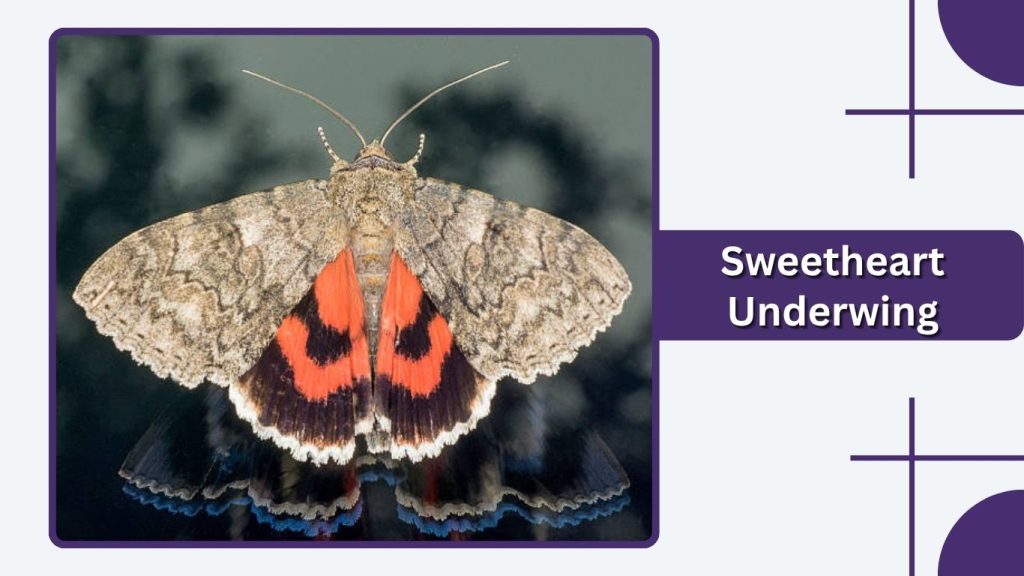
The Sweetheart Underwing is a striking owlet moth recognized for the bright red patch hidden beneath its dark forewings. Although its upper wings provide excellent camouflage, the colorful hindwings become visible during flight. This moth is commonly active during late summer and early autumn.
Identification
- Wingspan ranges from 42 to 52 mm
- Forewings are gray-brown with bark-like patterns
- Hindwings are orange-red with black markings
- A heart-shaped red patch is visible on the hindwings
- Body is thick and covered with short hairs
Habitat and Distribution
Sweetheart Underwings are found across Europe and parts of Asia. They inhabit woodlands, hedgerows, gardens, parks, and forest edges. The moth prefers areas with deciduous trees where its caterpillars can find suitable food sources.
Behavior and Diet
Adults are nocturnal and often visit lights at night. They feed on nectar, tree sap, and sugary liquids from ripe fruit. Caterpillars feed mainly on oak, willow, poplar, and other deciduous trees. During the day, adults rest against tree bark where they remain well camouflaged.
Lifecycle
Females lay eggs on tree bark or branches during late summer. Caterpillars hatch in spring and feed on leaves until fully grown. Pupation takes place in leaf litter or soil, and adults emerge during summer. The species usually produces one generation each year.
6. Green Fruitworm Moth

The Green Fruitworm Moth is a common owlet moth whose caterpillars feed on fruit trees and ornamental plants. While the adult moth appears fairly plain, the larvae can become serious pests in orchards during heavy infestations. This species is mostly active in spring and early summer.
Identification
- Wingspan ranges from 35 to 45 mm
- Forewings are gray-brown with faint dark markings
- Hindwings are pale gray to whitish
- Body is stout and lightly hairy
- Caterpillars are bright green with white stripes along the sides
Habitat and Distribution
Green Fruitworm Moths are found throughout North America in forests, orchards, gardens, and suburban areas. They are especially common in regions with apple, cherry, pear, and oak trees. Adults often rest on bark or leaves during daylight hours.
Behavior and Diet
Adult moths feed on nectar and other sugary substances at night. Caterpillars feed on leaves, flower buds, and developing fruits of many trees and shrubs. Heavy feeding may damage fruit crops and reduce harvest quality in orchards.
Lifecycle
Females lay eggs on leaves or branches in spring. Caterpillars hatch and feed for several weeks before dropping to the ground to pupate in the soil. Adults emerge later in the season to mate and lay eggs. Most populations produce one generation per year.
7. Copper Underwing

The Copper Underwing is a large owlet moth known for the shiny copper-orange color hidden beneath its dark forewings. Its upper wings provide strong camouflage against tree bark, making the moth difficult to spot during the day. Adults are commonly seen from late summer into autumn.
Identification
- Wingspan ranges from 55 to 70 mm
- Forewings are brown or gray with subtle patterns
- Hindwings display a bright copper-orange color
- Body is thick and furry
- Antennae are simple and moderately long
Habitat and Distribution
Copper Underwings are found across Europe and parts of western Asia. They live in woodlands, gardens, parks, orchards, and hedgerows. The species prefers habitats with plenty of deciduous trees and shrubs where caterpillars can feed.
Behavior and Diet
Adults are nocturnal and frequently visit sugary foods such as tree sap, ripe fruit, and nectar. They are strongly attracted to light sources at night. Caterpillars feed on oak, elm, raspberry, hawthorn, and several other trees and shrubs.
Lifecycle
Females lay eggs during late summer on host plants. Caterpillars hatch in spring and feed on fresh leaves through early summer. Once fully grown, they pupate in the soil or leaf litter. Adult moths emerge later in summer and remain active into autumn.
8. The Hebrew Character Moth
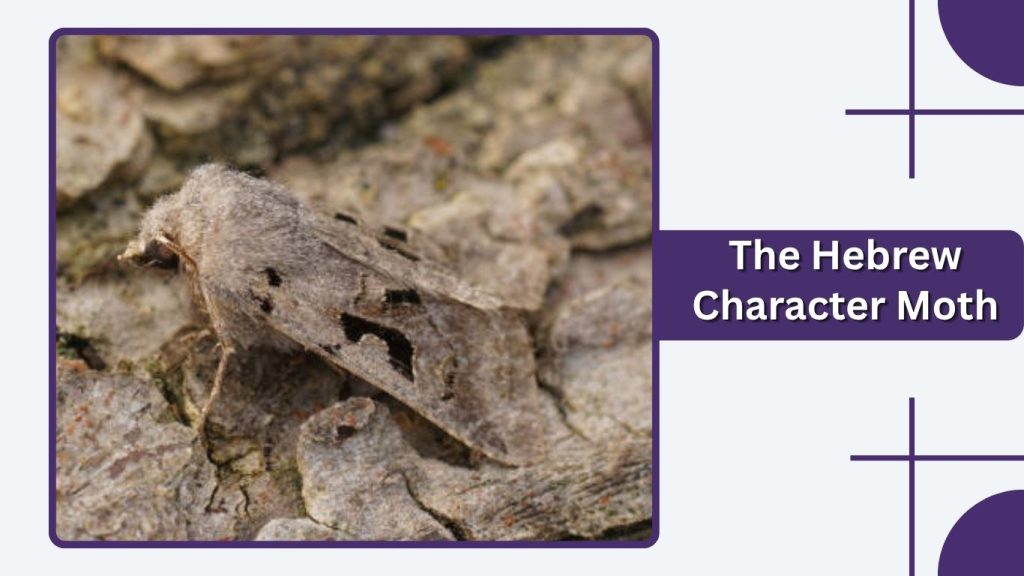
The Hebrew Character Moth is a distinctive owlet moth named after the dark wing marking that resembles a Hebrew letter. It is a common species in many regions and is frequently attracted to lights at night. Its muted wing colors help it blend into bark and dead leaves during the daytime.
Identification
- Wingspan ranges from 38 to 48 mm
- Forewings are gray-brown with darker central markings
- A black mark resembles a Hebrew character on each forewing
- Hindwings are pale gray with darker edges
- Body is stout and covered with fine hairs
Habitat and Distribution
The Hebrew Character Moth occurs across Europe, Asia, and parts of North America. It inhabits gardens, forests, meadows, farmland, and urban parks. The species adapts well to different environments and is commonly seen in both rural and suburban areas.
Behavior and Diet
Adults are active at night and often feed on nectar from flowers. They are also strongly attracted to artificial lights. Caterpillars feed on a wide range of herbaceous plants, grasses, and shrubs, making the species highly adaptable in different habitats.
Lifecycle
Females lay eggs on host plants during spring and summer. Caterpillars feed for several weeks before pupating in the soil. Adults emerge later in the season and begin breeding soon afterward. In warmer regions, the species may produce more than one generation annually.
9. Angle Shades Moth
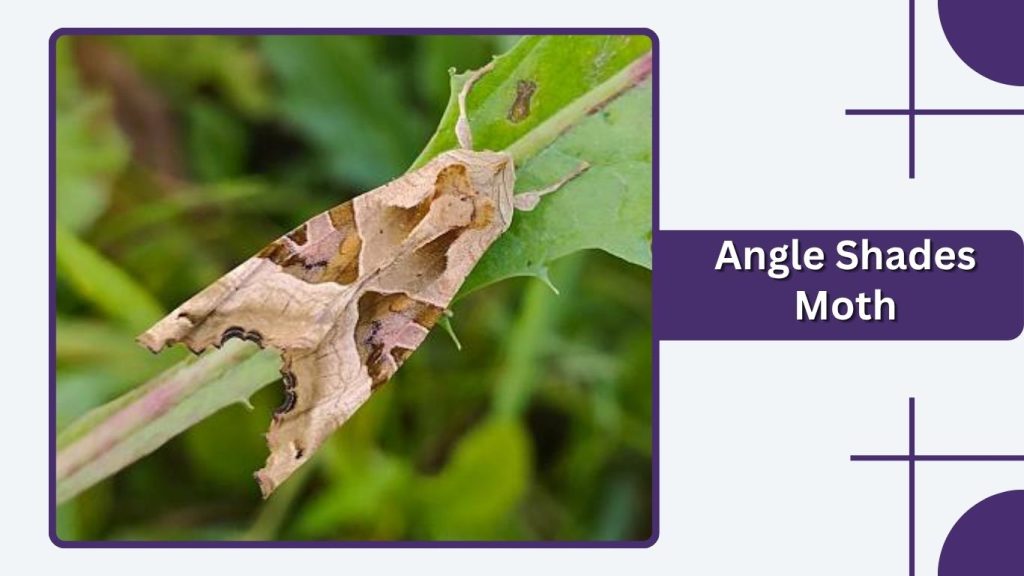
The Angle Shades Moth is a unique owlet moth recognized for its sharply folded wings and leaf-like appearance. Its unusual wing shape helps it blend perfectly with dried leaves and vegetation. This moth is active mainly at night and can often be found resting in gardens and woodland areas during the day.
Identification
- Wingspan ranges from 45 to 55 mm
- Forewings are deeply angled with pointed edges
- Wing colors include brown, tan, cream, and reddish shades
- Hindwings are pale orange-brown
- Body is slender with a tufted thorax
Habitat and Distribution
Angle Shades Moths are found across Europe, Asia, and parts of North America. They inhabit gardens, forests, hedgerows, meadows, and parks. The species prefers areas with dense vegetation where camouflage provides protection from predators.
Behavior and Diet
Adults are nocturnal and frequently visit flowers for nectar. They are also attracted to lights at night. Caterpillars feed on many herbaceous plants including dock, nettle, hops, and various garden flowers. The larvae are active feeders and grow quickly in warm conditions.
Lifecycle
Females lay eggs on low plants and vegetation. Caterpillars hatch and feed for several weeks before forming pupae in leaf litter or soil. Adults emerge later in the season and may overwinter in mild climates. Several generations can occur each year depending on the region.
10. Beautiful Golden Y Moth
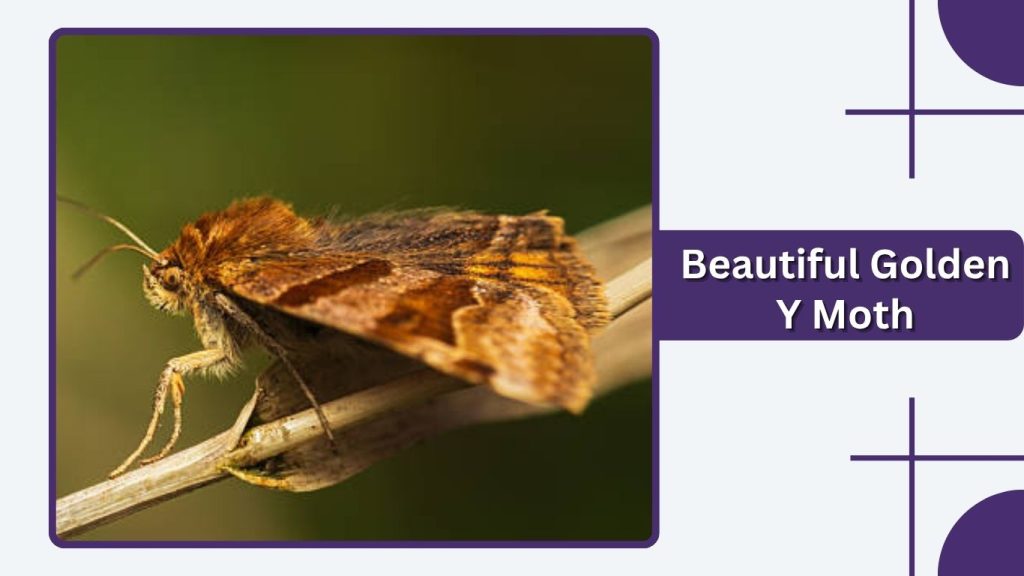
The Beautiful Golden Y Moth is a colorful owlet moth admired for the metallic golden marking on its forewings. Its bright patterns and active nighttime behavior make it one of the more noticeable members of the owlet moth family. The species is commonly associated with warm habitats and flowering plants.
Identification
- Wingspan ranges from 30 to 38 mm
- Forewings are dark brown with a shiny golden Y-shaped mark
- Hindwings are pale brown with darker borders
- Body is slender and smooth
- Antennae are thin and moderately long
Habitat and Distribution
Beautiful Golden Y Moths are found in parts of Europe, Asia, and North Africa. They inhabit gardens, grasslands, agricultural areas, and woodland edges. The species is more common in warmer climates where flowering plants are abundant throughout the season.
Behavior and Diet
Adults are active at night and feed on nectar from flowers. They are fast fliers and often visit gardens after sunset. Caterpillars feed on low-growing herbaceous plants and weeds. The moth’s metallic wing marking may help distract predators during flight.
Lifecycle
Females lay eggs on the leaves of host plants. Caterpillars hatch and feed until fully grown before pupating among leaves or in soil. Adults emerge during warm months and quickly begin mating. In suitable climates, the species can produce multiple generations each year.
11. Luna Underwing

The Luna Underwing is a large and beautifully patterned owlet moth known for its reddish-orange hindwings hidden beneath dark forewings. It is mostly active during autumn and is commonly attracted to lights at night. Its bark-like camouflage allows it to remain hidden during the daytime.
Identification
- Wingspan ranges from 40 to 55 mm
- Forewings are dark brown or gray with fine markings
- Hindwings are orange-red with dark borders
- Body is thick and furry
- Wings have a slightly scalloped outer edge
Habitat and Distribution
Luna Underwings are found across Europe and parts of western Asia. They inhabit forests, woodlands, gardens, orchards, and hedgerows. The species is especially common in areas containing oak and other deciduous trees.
Behavior and Diet
Adults are nocturnal and often visit sugary substances such as nectar, sap, and ripe fruit. They are frequently attracted to porch lights and illuminated windows. Caterpillars feed mainly on oak leaves but may also consume other deciduous tree foliage.
Lifecycle
Females lay eggs on host trees during autumn. Caterpillars hatch in spring and feed throughout early summer before pupating in soil or leaf litter. Adults emerge later in summer and remain active into fall. The species usually completes one generation annually.
12. Catocala Relicta
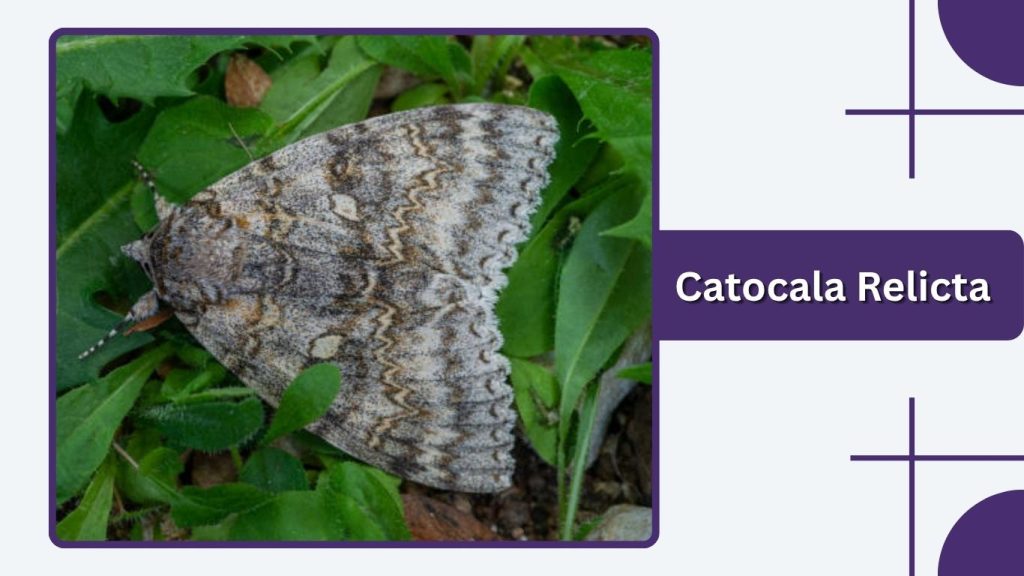
The Catocala Relicta, commonly called the White Underwing, is a striking owlet moth famous for its contrasting black-and-white hindwings. Its forewings resemble tree bark, providing excellent camouflage while resting on trunks. This species is mostly active at night and is highly valued by moth enthusiasts for its bold appearance.
Identification
- Wingspan ranges from 65 to 85 mm
- Forewings are pale gray with dark bark-like markings
- Hindwings are white with broad black bands
- Body is thick and covered with soft hairs
- Wings have a smooth but slightly scalloped edge
Habitat and Distribution
Catocala Relicta is found mainly in North America, especially in forests containing birch, aspen, and poplar trees. It inhabits woodlands, forest edges, and occasionally suburban parks with suitable host plants. The moth is most common in cooler northern regions.
Behavior and Diet
Adults are nocturnal and rest on tree trunks during the day where their camouflage keeps them hidden. They feed on tree sap, fermented fruit, and other sugary substances. Caterpillars feed primarily on leaves of birch, poplar, willow, and aspen trees.
Lifecycle
Females lay eggs on bark or branches before winter. Eggs overwinter and hatch in spring when fresh leaves appear. Caterpillars feed through spring and early summer before pupating in sheltered areas. Adults emerge during mid to late summer and remain active into early autumn.
13. Red Underwing Moth

The Red Underwing Moth is one of the largest and most colorful owlet moths in Europe. Its bright red hindwings remain hidden beneath gray bark-like forewings until disturbed. When flying, the vivid colors may startle predators, helping the moth escape danger.
Identification
- Wingspan ranges from 65 to 90 mm
- Forewings are gray with dark wavy patterns
- Hindwings are bright red with bold black bands
- Body is thick and furry
- Antennae are simple and dark colored
Habitat and Distribution
Red Underwing Moths are widely distributed across Europe, Asia, and parts of North Africa. They inhabit woodlands, parks, gardens, orchards, and forest edges. The species is especially common in areas with mature deciduous trees such as willow and poplar.
Behavior and Diet
Adults are nocturnal and commonly feed on tree sap, fermented fruit, and sugary liquids. They often rest flat against tree bark during daylight hours. Caterpillars feed mainly on willow and poplar leaves, though they may use other deciduous trees as food sources.
Lifecycle
Females lay eggs on bark or branches during summer. Caterpillars hatch in spring and feed on fresh leaves for several weeks. Pupation occurs in bark crevices or leaf litter before adults emerge later in summer. The species generally produces one generation each year.
14. Spotted Cutworm Moth
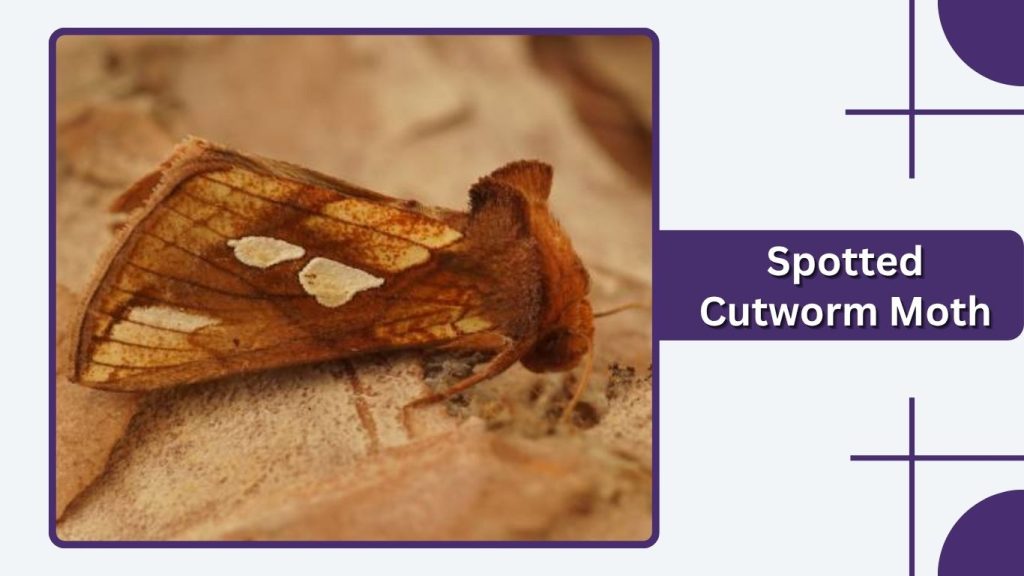
The Spotted Cutworm Moth is a common owlet moth recognized for the dark spots and streaks on its forewings. Its caterpillars are known agricultural pests that feed on many garden and field crops. Adults are active mainly at night and are frequently attracted to outdoor lights.
Identification
- Wingspan ranges from 35 to 45 mm
- Forewings are brown or gray with dark spots and lines
- Hindwings are pale gray or whitish
- Body is stout and lightly hairy
- Caterpillars are smooth, gray-brown, and striped
Habitat and Distribution
Spotted Cutworm Moths are found throughout North America and parts of Europe. They inhabit agricultural land, grasslands, gardens, forests, and suburban areas. The species adapts well to disturbed habitats where host plants are abundant.
Behavior and Diet
Adults feed on nectar and sugary liquids during nighttime hours. Caterpillars feed on vegetables, grains, grasses, and ornamental plants. The larvae often hide in soil during the day and emerge at night to chew stems and leaves near ground level.
Lifecycle
Females lay eggs on low vegetation or plant debris. Caterpillars hatch and begin feeding soon afterward, passing through several growth stages before pupating underground. Adults emerge later in the season to reproduce. The species may produce more than one generation annually in warmer climates.
15. Cabbage Looper Moth

The Cabbage Looper Moth is a well-known owlet moth whose caterpillars are common pests of vegetable crops. The adult moth is easily recognized by the silvery figure-eight mark on its wings. This species is active at night and is widely distributed across many agricultural regions.
Identification
- Wingspan ranges from 30 to 38 mm
- Forewings are mottled brown or gray
- A silver or white figure-eight mark appears on each forewing
- Hindwings are pale brown with darker edges
- Caterpillars are green and move with a looping motion
Habitat and Distribution
Cabbage Looper Moths are found across North America, Europe, Asia, and other temperate regions. They inhabit gardens, farmland, greenhouses, and open grassy habitats. The species thrives in areas where leafy vegetables and cultivated crops are grown.
Behavior and Diet
Adults feed on flower nectar and are mostly active after sunset. Caterpillars feed heavily on cabbage, broccoli, lettuce, spinach, and many other plants. The larvae chew irregular holes in leaves and can seriously damage crops during large infestations.
Lifecycle
Females lay eggs singly on the underside of leaves. Caterpillars hatch within days and feed continuously while growing through several stages. Pupation occurs in thin cocoons attached to plants. Adults emerge soon afterward, and several generations may develop each year in warm climates.
FAQs
What are owlet moths?
Owlet moths are members of the family Noctuidae, one of the largest moth families in the world. Most species are active at night and have dull-colored forewings that help them blend into bark, leaves, or soil during the daytime.
Are owlet moths harmful to humans?
Owlet moths are generally harmless to humans. Adult moths do not bite or sting. However, the caterpillars of some species, such as cutworms and armyworms, can become serious agricultural pests that damage crops and garden plants.
What do owlet moths eat?
Adult owlet moths usually feed on nectar, tree sap, overripe fruit, and other sugary liquids. Their caterpillars feed on leaves, grasses, crops, flowers, and shrubs depending on the species and available food sources.
Why are some owlet moths brightly colored underneath?
Many owlet moths have hidden bright hindwings that remain concealed while resting. When disturbed, the sudden flash of red, orange, or yellow colors may confuse or scare predators, giving the moth time to escape.
Where can owlet moths usually be found?
Owlet moths live in forests, gardens, grasslands, farmland, wetlands, and urban areas. They are commonly attracted to outdoor lights at night and are found on every continent except Antarctica.