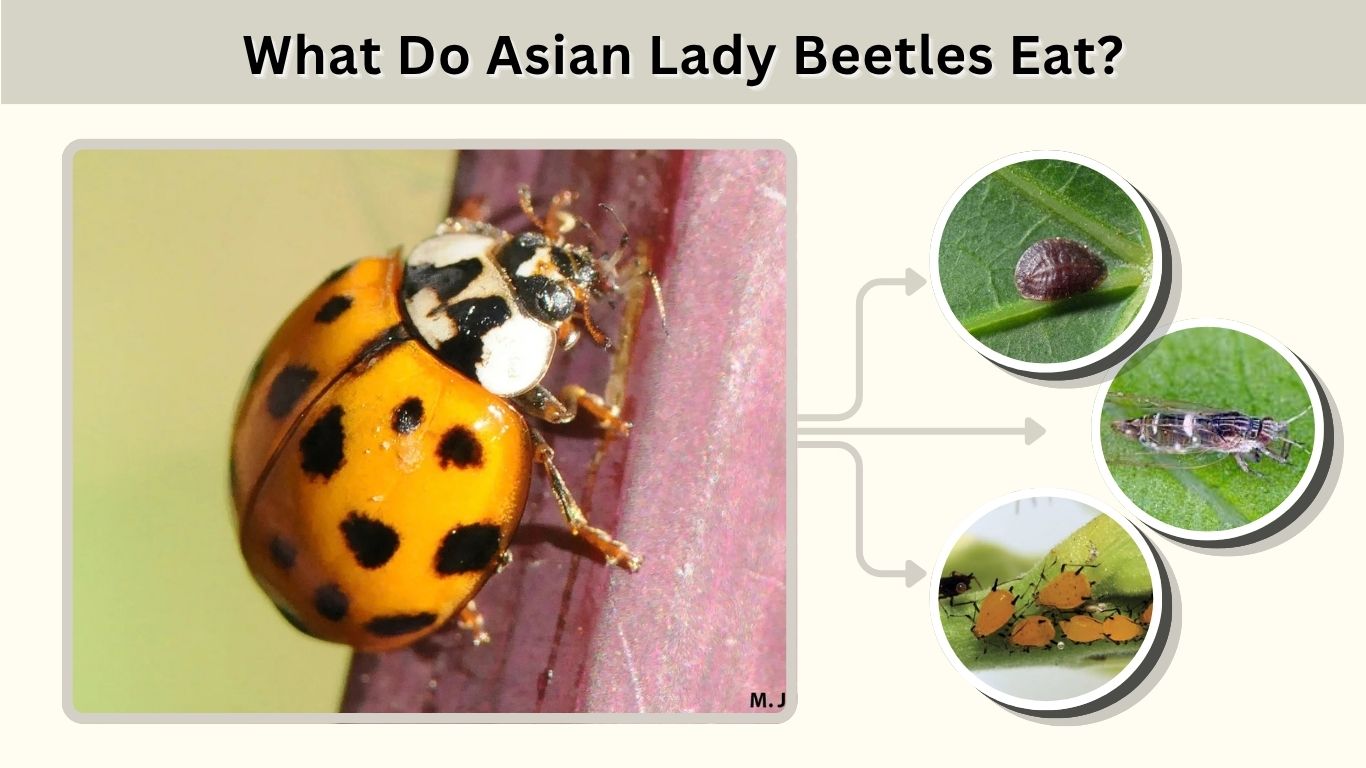
Asian lady beetles are colorful insects known for their appetite for garden pests, especially aphids. But what do Asian lady beetles eat when their favorite insects become scarce? These beetles consume various soft-bodied insects, insect eggs, pollen, and occasionally fruits. Their feeding habits also change with the seasons, particularly when they enter homes during winter. Understanding their natural diet helps explain why they are beneficial in gardens but sometimes troublesome indoors. This guide explores 10 common foods Asian lady beetles eat, their drinking habits, and seasonal feeding behavior.
What Do Asian Lady Beetles Eat? 10 Best Foods
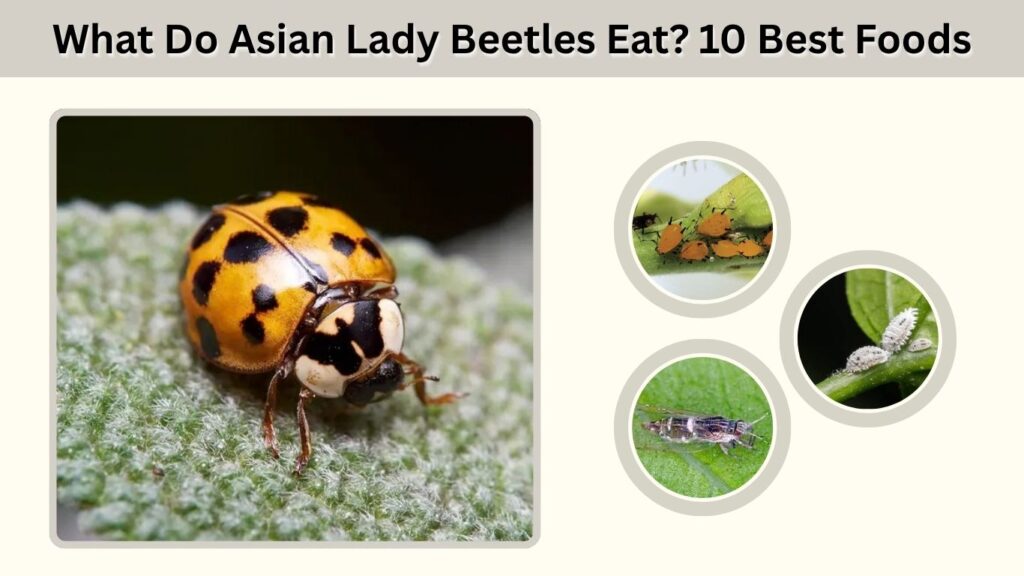
Asian lady beetles (Harmonia axyridis), also called multicolored Asian lady beetles, are primarily predatory insects belonging to the family Coccinellidae. Both adults and larvae feed on small insects, especially those that damage garden plants. However, their diet is flexible, allowing them to consume alternative foods when preferred prey becomes unavailable. Here are 10 natural food sources they commonly use.
1. Aphids
Aphids are the primary and most important food source for Asian lady beetles. These tiny, soft-bodied insects feed on plant sap and frequently gather on leaves, stems, and tender shoots.
Asian lady beetles actively hunt aphids on roses, vegetables, fruit trees, and other plants. Both adults and larvae consume them.
Under favorable conditions, a single adult can eat more than 100 aphids in a day, although actual consumption varies depending on prey size, temperature, and availability.
Their strong appetite makes them effective natural predators of aphid infestations in gardens and agricultural fields.
2. Scale Insects
Scale insects are another important food source for Asian lady beetles. These small pests attach themselves to plant stems, branches, and leaves, where they feed on sap.
Asian lady beetles are particularly effective at consuming vulnerable scale insects that lack thick protective coverings.
They use their chewing mouthparts to capture and eat suitable prey, helping reduce pest populations on ornamental plants and fruit trees.
Scale insects become especially useful alternative prey when aphid populations decline.
3. Psyllids
Psyllids are tiny, jumping, sap-feeding insects commonly found on trees, shrubs, and agricultural crops.
Asian lady beetles hunt psyllids, particularly their less-mobile immature stages. These insects provide nutrients needed for growth and reproduction.
Some psyllid species damage plants by feeding on leaves and transmitting plant diseases.
By consuming psyllids, Asian lady beetles can contribute to natural pest management in orchards and other cultivated landscapes.
4. Spider Mites
Spider mites are extremely small arachnids that feed on plant cells, often causing yellow spots, discoloration, and weakened leaves.
Asian lady beetles occasionally consume spider mites when suitable prey is available.
Their larvae may encounter mites while searching leaves for aphids and other insects.
Although Asian lady beetles can feed on mites, specialized predatory mites are generally more reliable for controlling serious spider mite infestations.
Spider mites represent an alternative food source rather than the beetles’ preferred diet.
5. Whiteflies
Whiteflies are small, winged insects that gather on the undersides of leaves and feed on plant sap.
Asian lady beetles can prey on whiteflies, particularly their eggs and immature stages.
These pests frequently infest vegetables, ornamental plants, and greenhouse crops. Large populations can weaken plants and produce sticky honeydew.
Asian lady beetles may help reduce whitefly populations, although their effectiveness depends on prey accessibility and the presence of other food sources.
6. Thrips
Thrips are tiny, slender insects that feed on flowers, leaves, and developing plant tissues.
Asian lady beetles sometimes consume thrips, particularly vulnerable immature individuals.
Thrips can damage vegetables, flowers, and ornamental plants by scraping plant surfaces and feeding on released cell contents.
Although thrips are not the beetles’ primary prey, they can provide an alternative food source when aphids become scarce.
Research has documented Asian lady beetles feeding on different thrips species under suitable conditions.
7. Insect Eggs
Insect eggs are another food source for Asian lady beetles. Their small size and limited mobility make them accessible to hungry predators.
Asian lady beetles may consume moth eggs, butterfly eggs, and eggs belonging to other insect species.
These eggs provide concentrated nutrients that support growth and survival.
By consuming insect eggs, beetles can prevent some plant-feeding insects from developing into damaging larvae.
However, their feeding is not limited to pest species, meaning they may also consume eggs belonging to beneficial insects.
8. Small Insect Larvae
Asian lady beetles sometimes consume small caterpillars, beetle larvae, and other vulnerable immature insects.
They are also known to attack the eggs and larvae of other lady beetle species, including native species.
This behavior is called intraguild predation and can contribute to competition between introduced Asian lady beetles and native predators.
When food becomes scarce, Asian lady beetles may even consume eggs or smaller larvae of their own species.
Although this provides additional nutrients, it can negatively affect populations of other beneficial insects.
9. Flower Pollen and Nectar
Although Asian lady beetles primarily eat insects, they can also obtain nutrients from flowers.
Adults occasionally consume pollen and nectar, particularly when suitable insect prey becomes less abundant.
Pollen contains proteins, fats, and other nutrients, while nectar provides sugars that can support energy requirements.
Flower-derived foods may help adults survive periods of limited prey availability.
However, most Asian lady beetles depend heavily on animal prey for successful development and reproduction. Pollen and nectar should therefore be considered supplementary foods rather than their main diet.
10. Ripe and Damaged Fruits
Asian lady beetles sometimes feed on ripe or damaged fruits, especially during late summer and autumn.
Commonly affected fruits include grapes, apples, pears, peaches, and raspberries.
These beetles generally prefer fruit that has already been damaged by birds, insects, or other causes.
When aphid populations decline, they may move toward exposed fruit juices and soft fruit tissues.
Their presence can create problems for fruit growers, particularly vineyards, where beetles accidentally harvested with grapes may affect wine quality.
What Do Asian Lady Beetles Eat in My House?
Asian lady beetles commonly enter houses during autumn while searching for protected places to survive winter. However, finding these insects indoors does not necessarily mean they are looking for food. Their normal prey is generally unavailable inside buildings. Instead, they gather around windows, attics, wall cavities, and other sheltered locations as temperatures decline.
Do Asian Lady Beetles Eat Household Food?
Asian lady beetles do not normally eat household foods such as bread, rice, flour, clothing, or wooden furniture.
Unlike pantry beetles, they do not establish breeding populations in stored food products.
Their natural diet consists primarily of living insects and occasional plant-derived foods.
When trapped indoors, they may move around searching for moisture or an escape route, but they generally cannot obtain sufficient nourishment from household environments.
Why Do They Gather Around Windows?
Asian lady beetles are attracted to light and warmth, particularly after becoming active during mild winter weather.
This explains why homeowners frequently discover them crawling around sunny windows and walls.
Their presence usually indicates overwintering activity rather than an indoor food infestation.
Removing them with a vacuum and sealing exterior entry points can help prevent repeated problems.
What Do Asian Lady Beetles Eat in Winter?
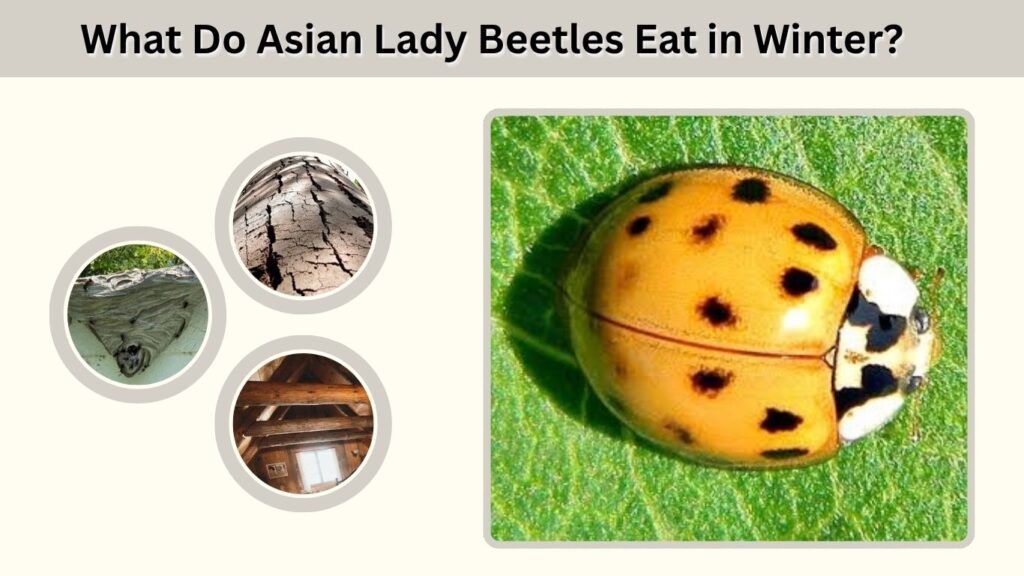
Asian lady beetles behave differently during winter than they do in spring and summer. As temperatures decrease, adults seek protected overwintering locations and become relatively inactive. Their metabolism slows, reducing the energy required for survival. Rather than hunting insects regularly, they rely mainly on energy reserves accumulated before the cold season.
Do Asian Lady Beetles Eat During Winter?
Asian lady beetles generally do not feed while dormant during winter.
Instead, they survive by conserving stored energy in sheltered locations such as tree crevices, attics, and wall voids.
Warm indoor temperatures or sunny winter afternoons can temporarily reactivate them.
However, finding suitable prey indoors is difficult, and beetles that remain active for extended periods may exhaust their reserves.
When spring arrives, surviving adults return outdoors and resume feeding on aphids and other available insects.
What Do Asian Lady Beetles Eat and Drink?
Asian lady beetles obtain nutrients and moisture from several natural sources. Their insect prey supplies proteins, fats, and water, while plant-derived foods can provide additional sugars and moisture. Like other terrestrial insects, they must maintain proper hydration to survive. Their access to liquid varies according to habitat, temperature, and seasonal conditions.
Where Do Asian Lady Beetles Get Water?
Asian lady beetles obtain much of their moisture from the insects and soft foods they consume.
They may also drink accessible water droplets or moisture found on vegetation.
Nectar and damaged fruit can provide additional liquid when available.
During cold weather, their reduced activity helps conserve energy and limits normal feeding requirements.
Although beetles may investigate damp indoor surfaces, providing water or food inside a house is not an effective long-term solution to an infestation.
Are Asian Lady Beetles Beneficial or Harmful?
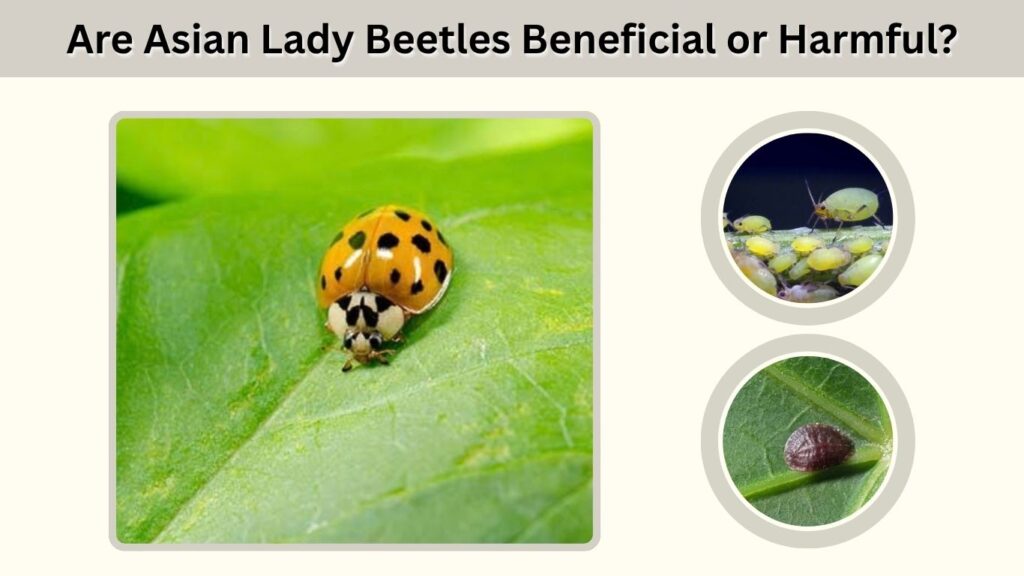
Asian lady beetles have both positive and negative ecological effects. Their ability to consume large numbers of aphids and other plant pests makes them valuable predators in many gardens and agricultural systems. However, they are also an introduced species in North America, where they can compete with native lady beetles and sometimes become household pests.
Benefits and Potential Problems
Asian lady beetles help reduce aphid populations and can limit damage caused by certain soft-bodied plant pests.
Their feeding habits may reduce the need for some pest-control treatments when natural predator populations are sufficient.
However, they may also consume native lady beetle eggs and larvae, compete for food, and gather in large numbers inside buildings.
They occasionally damage exposed fruit tissue and can be troublesome during grape harvesting.
Therefore, their presence can be beneficial for pest control while creating ecological and household management challenges.
FAQs
1. Do Asian lady beetles eat plants?
Asian lady beetles do not normally feed on healthy plant leaves or stems. Their primary diet consists of aphids and other small insects. However, they occasionally consume pollen, nectar, and damaged fruit when animal prey becomes scarce.
2. Do Asian lady beetles eat other ladybugs?
Yes. Asian lady beetles sometimes consume the eggs and larvae of other lady beetle species. They can also eat eggs and smaller larvae of their own species, especially when suitable prey is limited.
3. How many aphids can an Asian lady beetle eat per day?
An adult Asian lady beetle can consume more than 100 aphids per day under favorable conditions. The actual number depends on the beetle’s age, temperature, prey size, and food availability.
4. Can Asian lady beetles survive without food?
Yes, Asian lady beetles can survive periods without feeding, particularly during winter dormancy. However, their survival depends on environmental conditions and stored energy reserves. Warm, active beetles generally use energy faster than dormant individuals.
5. Do Asian lady beetles eat mosquitoes?
Mosquitoes are not a typical food source for Asian lady beetles. These beetles mainly hunt small insects living on plants, particularly aphids and other slow-moving prey. Flying mosquitoes are generally unsuitable targets for their usual hunting behavior.