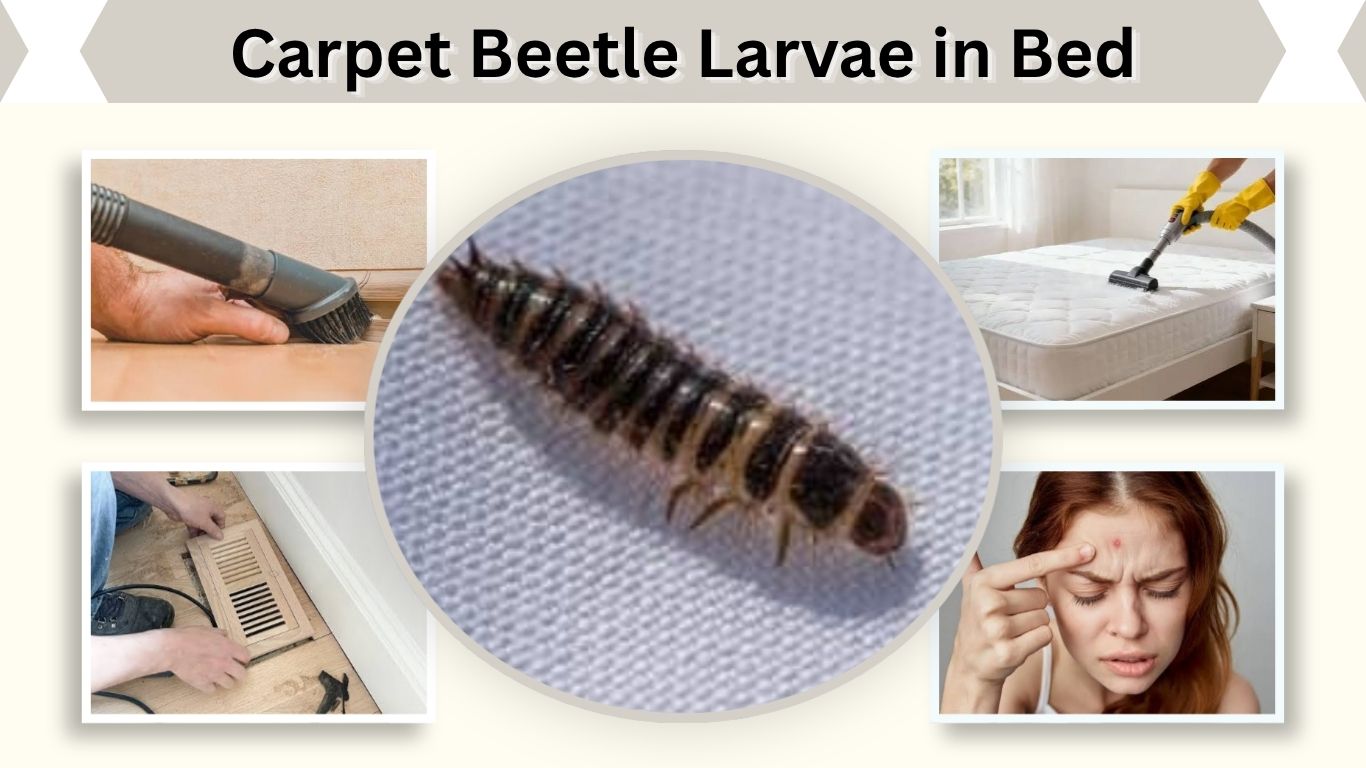
Finding a small, hairy larva on your bed can be alarming, especially when you suspect bed bugs. Carpet beetle larvae sometimes wander onto mattresses, sheets, and bed frames while searching for food or a sheltered place to molt. Unlike bed bugs, they do not feed on human blood. However, their bristly hairs may irritate sensitive skin, and their presence can indicate an infestation in bedding, carpets, clothing, or nearby accumulations of lint and pet hair.
Why Are Carpet Beetle Larvae in Your Bed?
Carpet beetle larvae do not seek people as a food source. They feed primarily on materials containing animal proteins, as well as lint, hair, dead insects, and certain stored foods. A larva found on a bed may have crawled from an infested item or a hidden breeding site nearby.
Common Sources Around a Bed
Inspect the bedroom for:
- Wool blankets, rugs, and clothing
- Feather or down pillows and comforters
- Felt, fur, silk, leather, or animal-hair products
- Pet hair beneath furniture
- Lint along baseboards and carpet edges
- Dead insects near windows or light fixtures
- Upholstered furniture and stored fabric
- Bird or rodent nests in attics or wall spaces
Carpet beetle larvae often remain in quiet, dark areas where fabrics, hair, and debris are left undisturbed. Carpet edges, closet corners, air vents, the underside of furniture, and spaces beneath beds are especially important inspection points.
A larva on the sheets does not necessarily mean it is living inside the mattress. Carpet beetle larvae are mobile and may travel considerable distances from their original food source.
What Do Carpet Beetle Larvae Look Like?
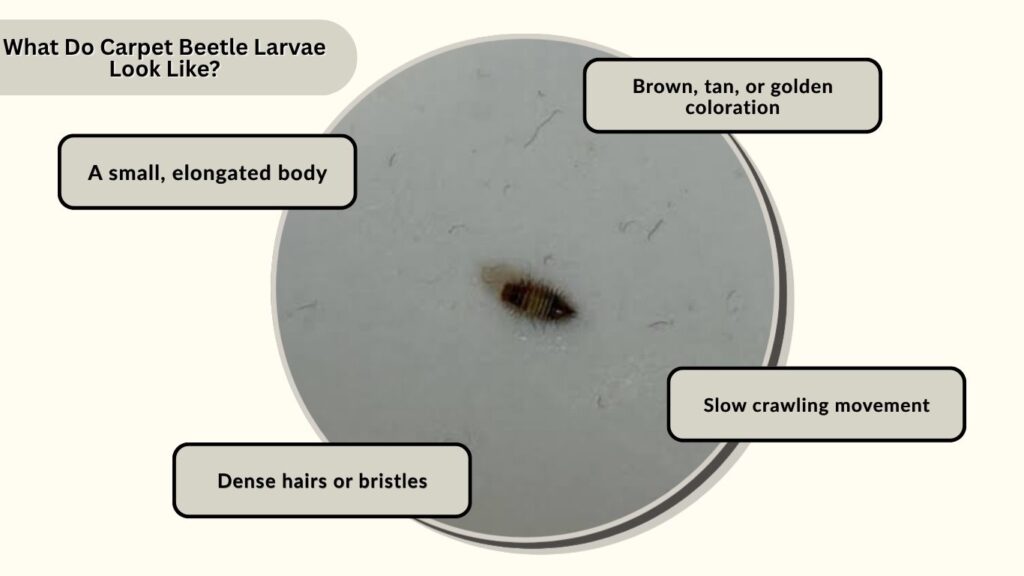
Carpet beetle larvae are generally elongated, brown or reddish brown, and densely covered with hairs or bristles. Depending on the species, they may look slightly tapered or carrot-shaped and have a noticeable tuft of longer hairs at the rear.
Identification Features
A carpet beetle larva usually has:
- A small, elongated body
- Brown, tan, or golden coloration
- Visible bands or body segments
- Dense hairs or bristles
- A tapered rear or head end
- One or more tufts of longer hairs
- Six small legs near the front
- Slow crawling movement
Black carpet beetle larvae can grow longer than some other species. They are generally golden to dark brown, with an elongated, tapered body and a long tuft of hairs extending from the rear.
You may also find empty larval skins. These look like dry, hollow, hairy shells and may accumulate near the material on which the larvae have been feeding.
Carpet Beetle Larvae vs. Bed Bug Nymphs
Bed bugs do not have a larval stage. Their immature forms are called nymphs, and they resemble smaller, paler versions of adult bed bugs.
Young bed bugs are translucent or whitish yellow when unfed. They have six visible legs and a smooth, flattened, oval body. After feeding, the abdomen becomes darker and more elongated because it contains blood.
| Feature | Carpet Beetle Larva | Bed Bug Nymph |
| Body shape | Elongated and tapered | Flat and oval |
| Surface | Hairy or bristly | Mostly smooth |
| Color | Tan, brown, or banded | Pale yellow to reddish after feeding |
| Food | Natural fibers and organic debris | Blood |
| Movement | Slow crawler | More active runner |
| Common evidence | Hairy shed skins and fabric damage | Dark droppings, blood spots, eggs, and flat skins |
| Bites people | No | Yes |
Bed bug evidence may include rusty blood stains, tiny dark fecal spots, pale eggs, yellowish shed skins, and living bugs hidden around mattress seams, box springs, headboards, and bed frames.
Carpet beetle evidence is more likely to include hairy larvae, bristly shed skins, and irregular damage to wool, feathers, fur, silk, felt, or similar materials.
Do Carpet Beetle Larvae Bite?
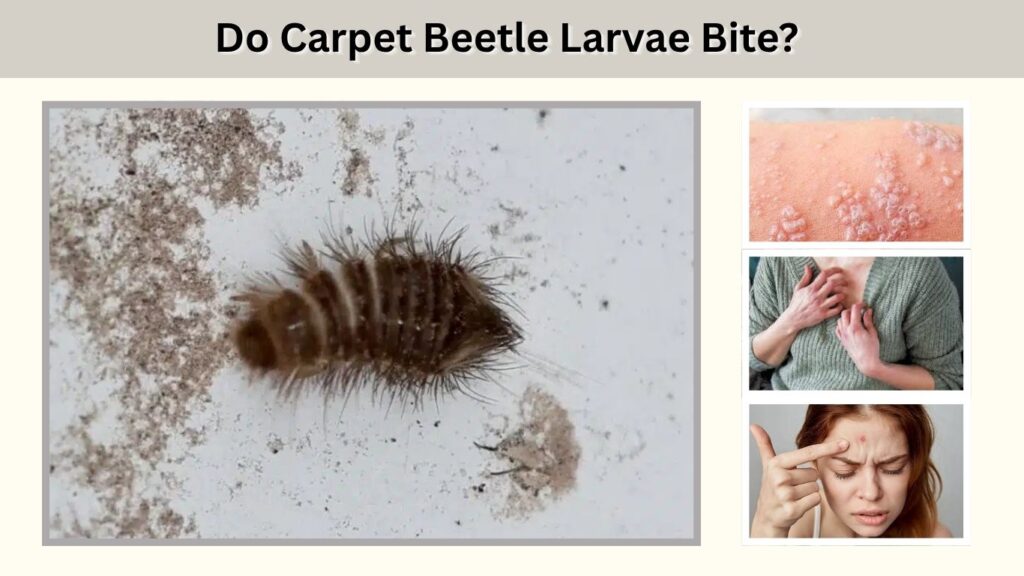
Carpet beetle larvae do not bite people and do not feed on blood. However, their microscopic hairs can cause an allergic skin reaction in some individuals.
Carpet beetle dermatitis may produce:
- Intense itching
- Small red or discolored bumps
- A scattered or patchy rash
- Blister-like eruptions
- Eye or respiratory irritation in sensitive people
The irritation results from contact with larval hairs or shed skins rather than a true bite. This explains why someone may develop a rash even though no blood-feeding insect is found.
Skin marks alone cannot reliably identify the pest. A healthcare professional can evaluate a persistent, severe, blistering, or infected-looking rash, while an extension office or pest professional can identify a collected insect specimen.
How to Get Rid of Carpet Beetle Larvae in a Bed
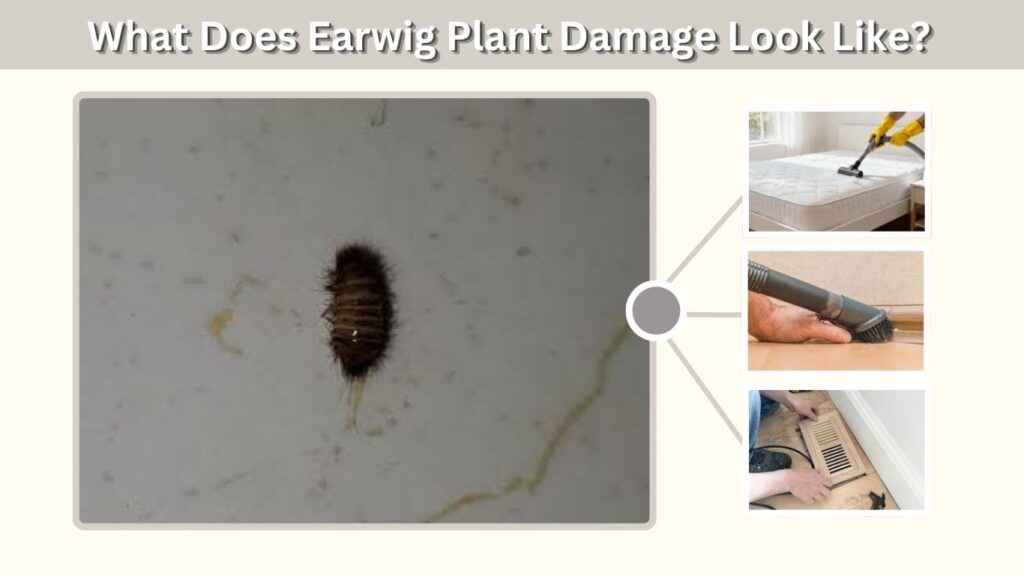
Removing the larva from the sheet is not enough. Long-term control depends on locating and eliminating the material supporting the infestation.
1. Remove and Clean the Bedding
Strip sheets, pillowcases, blankets, mattress protectors, and removable covers from the bed. Place them directly into bags or containers so larvae and hairs are not spread through the house.
Launder washable items according to their care labels. Dry-clean susceptible items that cannot be washed. Hot laundering, dry-cleaning, and dryer heat can kill carpet beetle eggs and larvae when the fabric can safely tolerate the treatment.
Do not spray bedding, pillows, or clothing with a household insecticide unless the product label specifically permits that use. University of Kentucky guidance advises against applying insecticides directly to infested clothing or bedding.
2. Vacuum the Bed and Surrounding Area
Vacuum the following areas carefully:
- Mattress seams and edges
- Bed-frame joints and cracks
- Underneath the mattress and box spring
- Carpet edges and baseboards
- Beneath the bed and nearby furniture
- Closets, vents, and floor cracks
- Upholstered furniture near the bed
Vacuuming removes larvae, shed hairs, skins, lint, pet hair, and other food materials. Empty the vacuum outdoors into a sealed bag or clean the collection container immediately.
3. Find the Breeding Source
Examine wool clothing, blankets, rugs, feather-filled items, pet bedding, stored fabrics, dried flowers, taxidermy, and pantry goods. Also check for dead insects or animal nests in attics, chimneys, vents, and wall spaces.
Look for larvae, hairy shed skins, small holes, threadbare patches, or loose fibers. Clean salvageable items and discard heavily damaged materials in sealed bags.
4. Store Vulnerable Materials Properly
After cleaning, place wool, silk, fur, feathers, and other susceptible items in tightly sealed containers or bags. Clothing should be washed or dry-cleaned before long-term storage because body oils and food stains can make it more attractive to fabric pests.
5. Use Pesticides Only When Necessary
Cleaning and source removal are the most important control measures. Insecticides alone will not eliminate carpet beetles when larvae still have access to food. Foggers or “bug bombs” are not considered effective carpet beetle control.
A product labeled for carpet beetles may sometimes be applied to cracks, carpet edges, baseboards, or other non-bedding areas. Follow the label exactly and keep treatments away from sleeping surfaces, clothing, food, children, and pets.
When to Call a Pest-Control Professional
Professional inspection may be appropriate when larvae continue appearing after thorough cleaning, several rooms are affected, the breeding source cannot be located, or the infestation may originate inside walls, ducts, chimneys, or inaccessible animal nests.
Professional identification is also valuable when you cannot determine whether the insect is a carpet beetle larva or a bed bug nymph. Treating for the wrong pest wastes time and may allow the real infestation to spread. The EPA recommends confirming bed bug identification before beginning control because many household insects resemble them.
FAQs
Do carpet beetle larvae live in mattresses?
They may hide around seams or beneath a mattress, but mattresses are not usually their primary food source. Larvae are more likely to feed on nearby wool, feathers, down, hair, lint, dead insects, or soiled natural-fiber materials.
Why did I find a carpet beetle larva on my sheet?
The larva may have wandered from a rug, blanket, pillow, closet, upholstered item, or accumulation of lint beneath the bed. Finding one larva does not prove the mattress is infested, but the surrounding bedroom should be inspected carefully.
Can carpet beetle larvae cause bed bug-like bites?
They do not bite. Their detachable hairs may cause an itchy allergic rash that can be mistaken for insect bites. Look for hairy larvae and shed skins rather than relying on skin symptoms to identify the problem.
Do carpet beetle larvae eat bed bugs?
No. Carpet beetle larvae are scavengers that consume fabrics and organic materials rather than hunting bed bugs. Finding carpet beetle larvae does not control or rule out a separate bed bug infestation.
Are essential oils enough to eliminate carpet beetle larvae?
Essential oils should not replace source removal, laundering, vacuuming, and proper storage. Successful control depends mainly on locating the infested material and removing the food, larvae, eggs, and shed skins supporting the infestation.