
Protect Your Home From Common Moth Problems
We help homeowners understand moth infestations, identify warning signs, and use effective prevention methods. At MothInsects.com, we combine expert advice with detailed guides to help you keep your home clean, protected, and moth-free all year long.
Our Blog About Us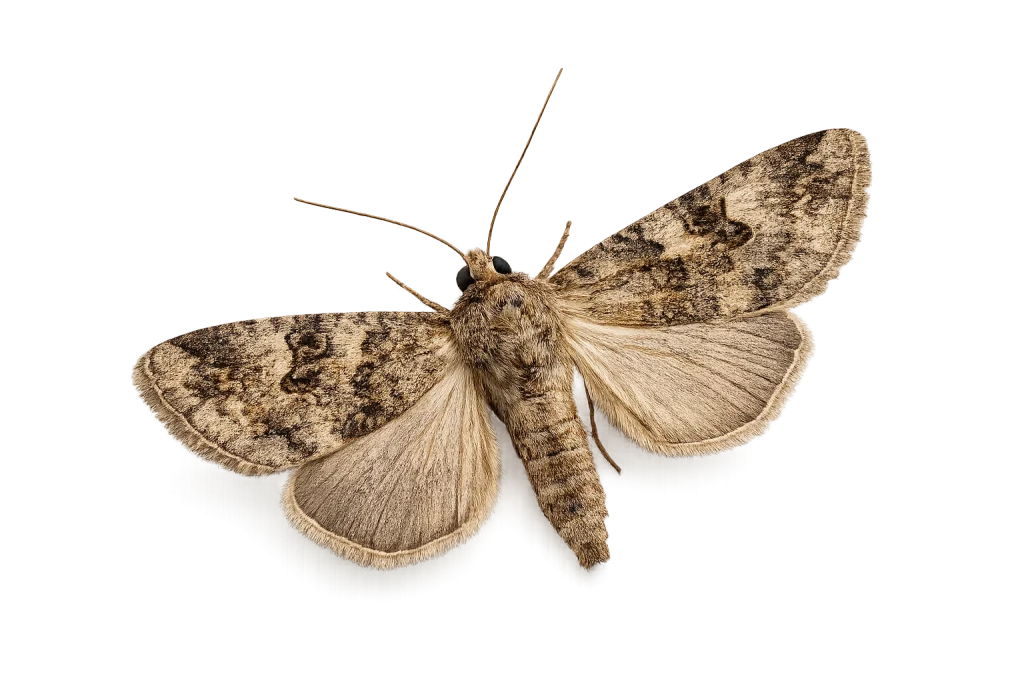
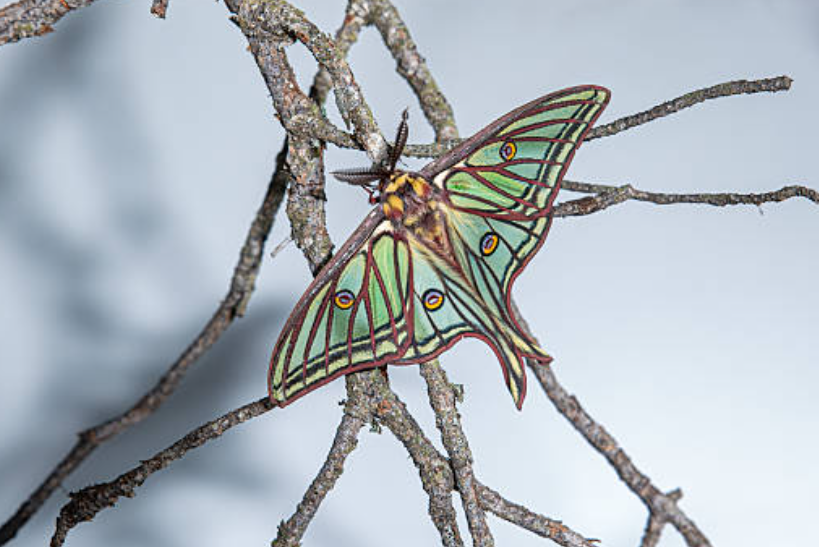
Moth Identification Guide
- Size: Small to medium depending on species.
- Body: Soft, slender body covered with tiny scales.
- Wings: Broad wings with unique colors and patterns.
- Antennae: Feather-like or thin antennae used for sensing.
- Color: Brown, gray, white, black, or brightly patterned.
- Activity: Mostly active at night and attracted to light.
Featured On


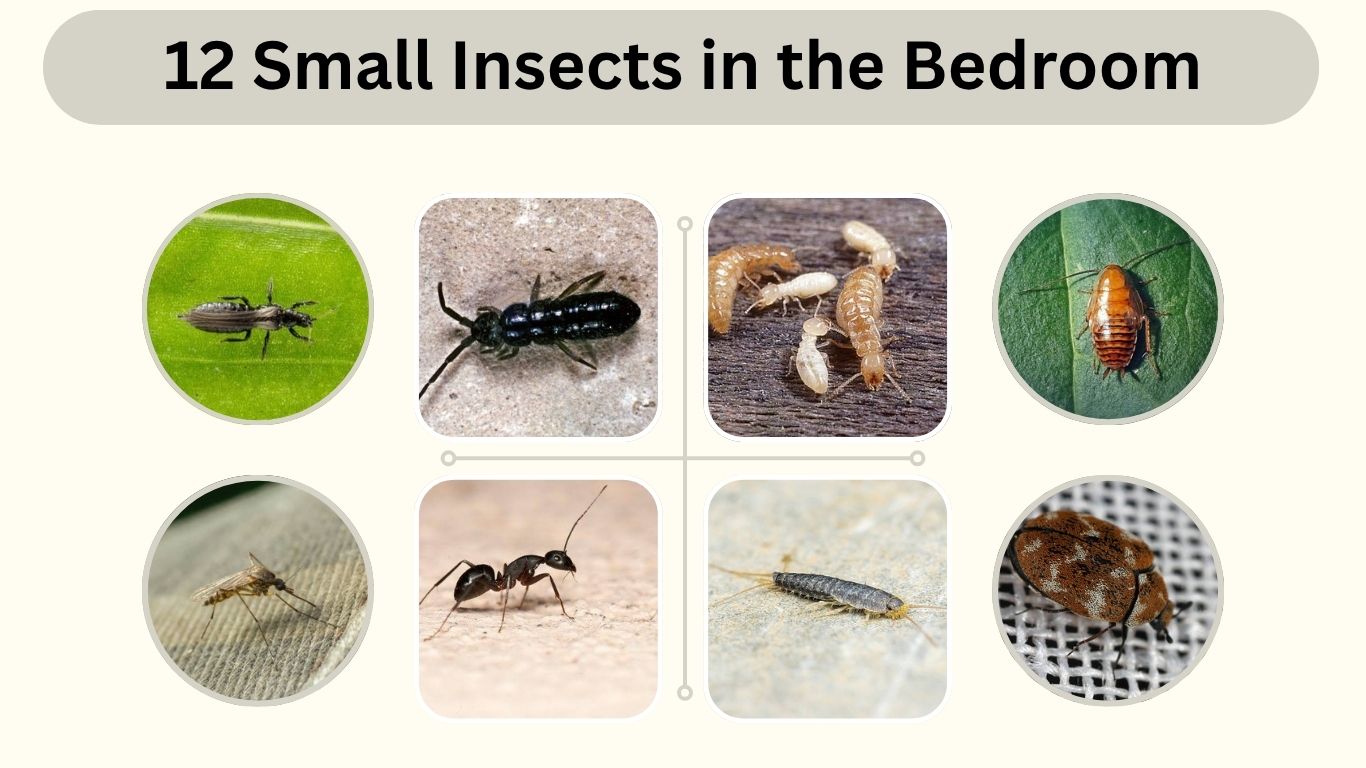
12 Small Insects in the Bedroom: Identification and Control
July 14, 2026
Finding tiny insects in your bedroom can be uncomfortable, especially when you are unsure whether they bite, damage fabrics, or indicate a hidden infestation. Common
Read more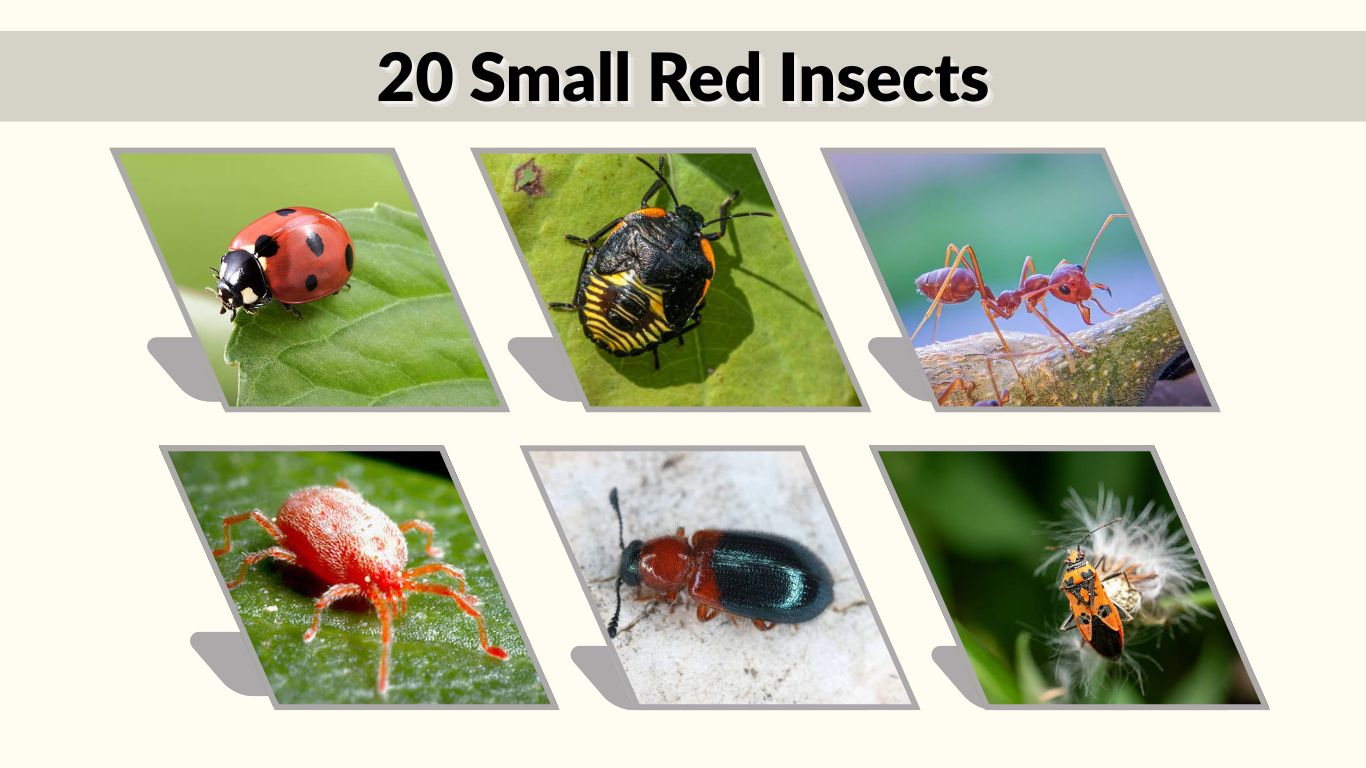
20 Small Red Insects: Identification with Pictures
July 13, 2026
Small red insects can appear on plants, concrete, walls, beds, pets, and inside the house. Some are harmless garden visitors, while others may bite, sting,
Read more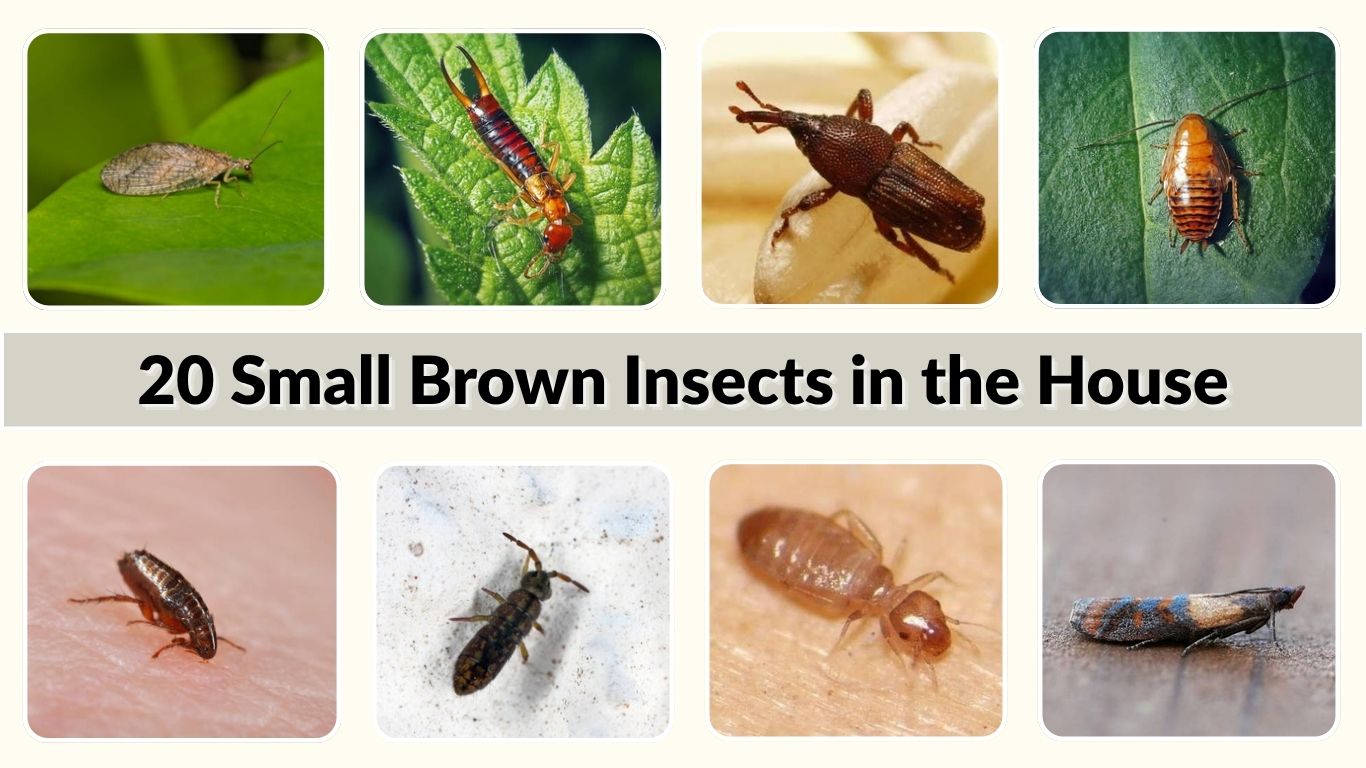
20 Small Brown Insects in the House: Identification with Pictures
July 13, 2026
Small brown insects can appear in kitchens, bathrooms, bedrooms, pantries, houseplants, and stored fabrics. Some fly, jump, bite, or damage food, while others are harmless
Read more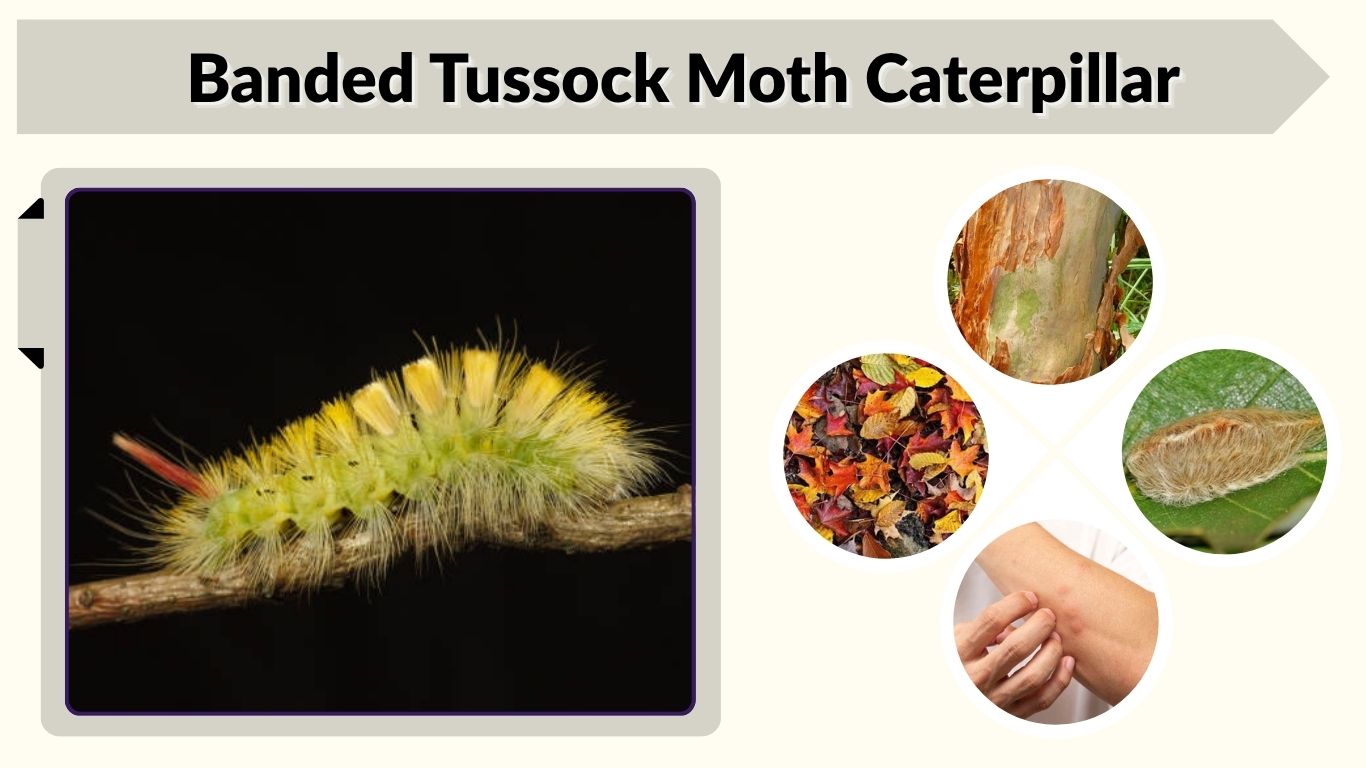
Banded Tussock Moth Caterpillar: Identification, Diet, Cocoon, and Care
July 12, 2026
The banded tussock moth caterpillar is a fuzzy, pale-colored larva commonly seen on hardwood trees, fences, sidewalks, decks, and outdoor furniture. Its long hairs and
Read more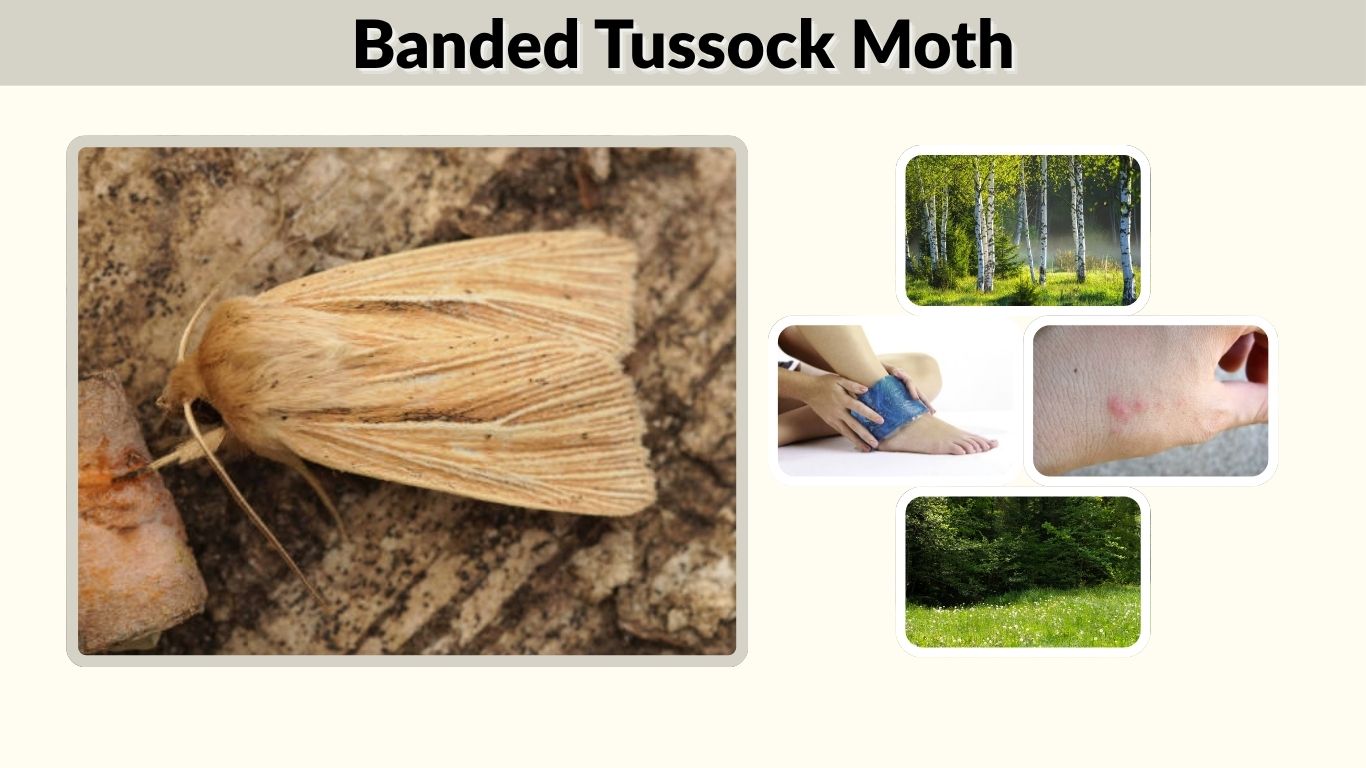
Banded Tussock Moth: Identification, Life Cycle, and Safety
July 12, 2026
The banded tussock moth is a pale, attractive moth commonly found near deciduous forests, gardens, and suburban landscapes. Its fuzzy caterpillar is much more noticeable
Read more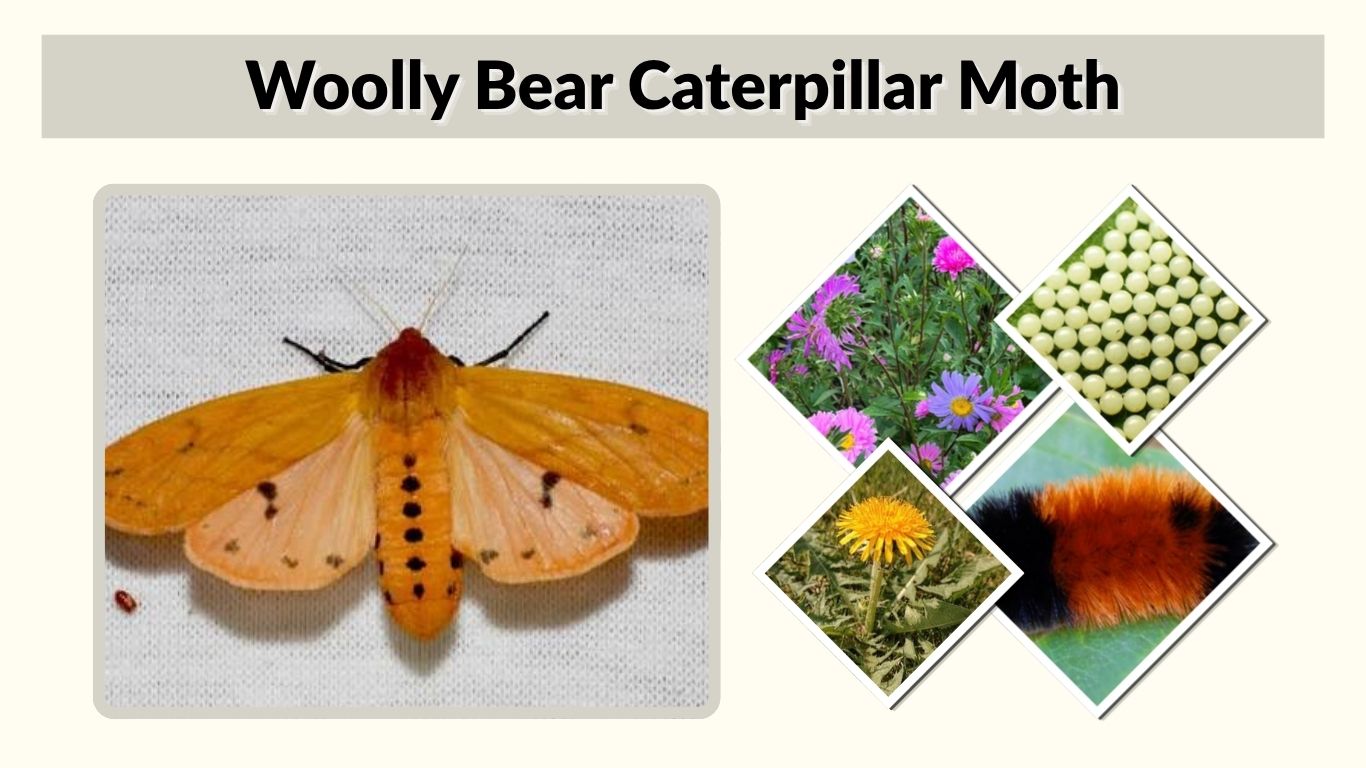
Woolly Bear Caterpillar Moth: Identification and Life Cycle
July 11, 2026
The familiar woolly bear caterpillar eventually becomes the Isabella tiger moth, a pale orange or tan moth scientifically named Pyrrharctia isabella. The caterpillar is best
Read more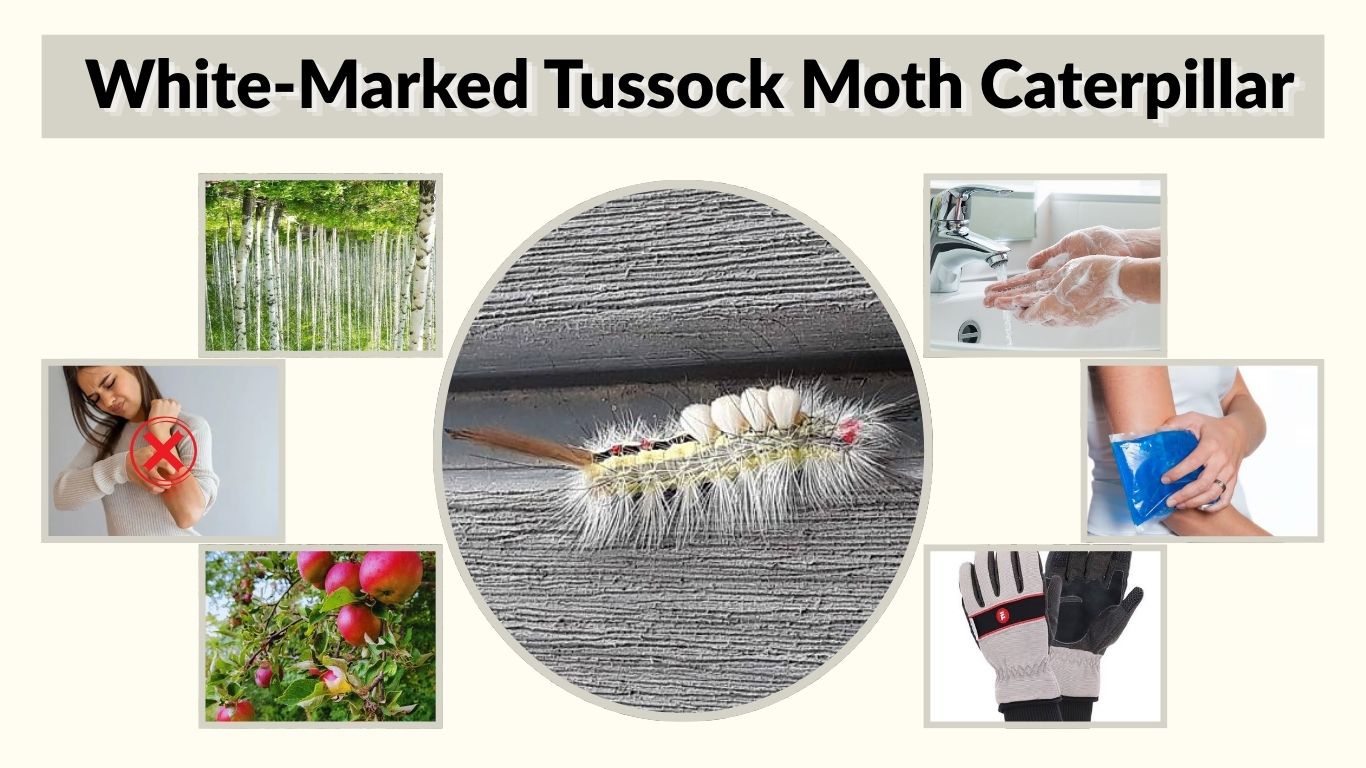
White-Marked Tussock Moth Caterpillar: Risks and Control
July 11, 2026
The white-marked tussock moth caterpillar (Orgyia leucostigma) is a distinctive, hairy caterpillar found mainly across eastern North America. Its colorful red head, four pale back
Read more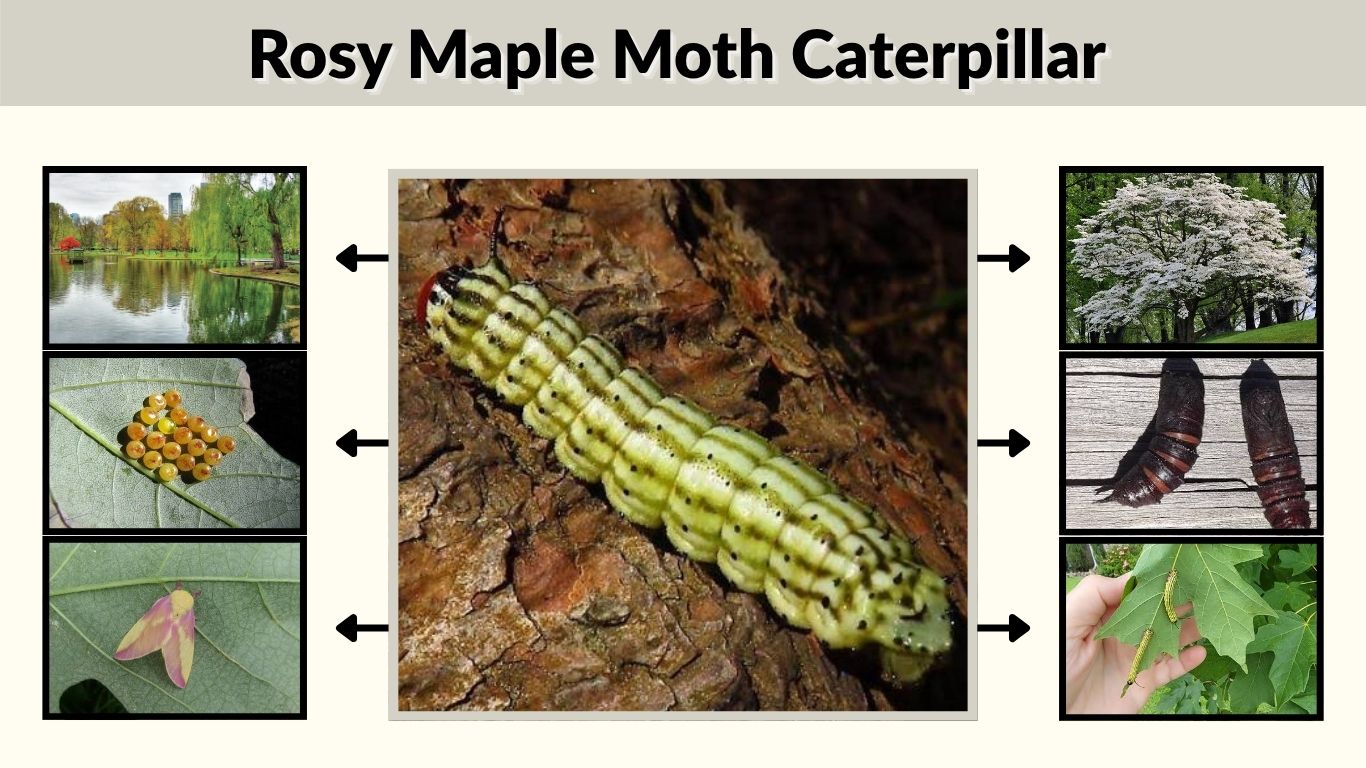
Rosy Maple Moth Caterpillar: ID, Host Plants & Safety
July 9, 2026
The rosy maple moth caterpillar is the larval stage of the colorful rosy maple moth, Dryocampa rubicunda. It is often called the greenstriped mapleworm because
Read more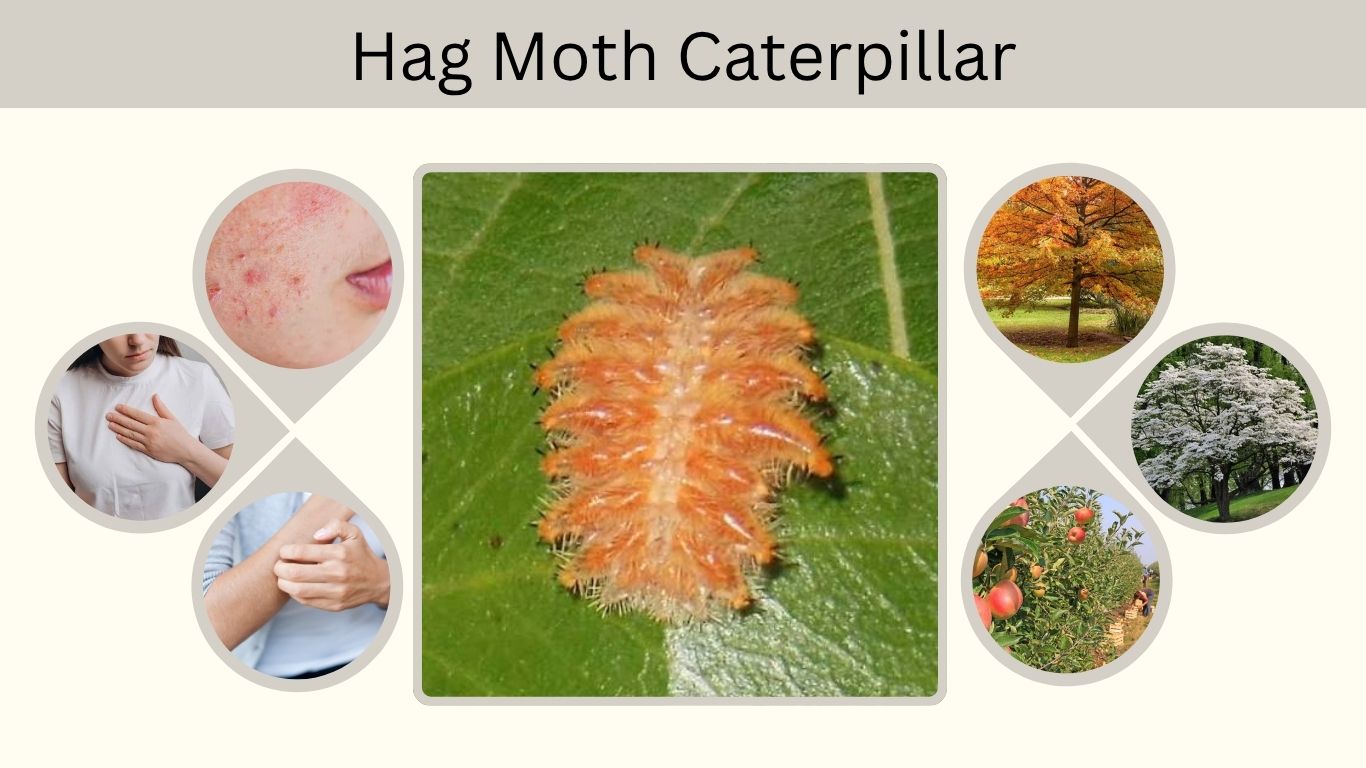
Hag Moth Caterpillar: Sting, Rash, First Aid and Life Cycle
July 9, 2026
The hag moth caterpillar is one of the strangest-looking caterpillars in eastern North America. It is also called the monkey slug because it moves like
Read more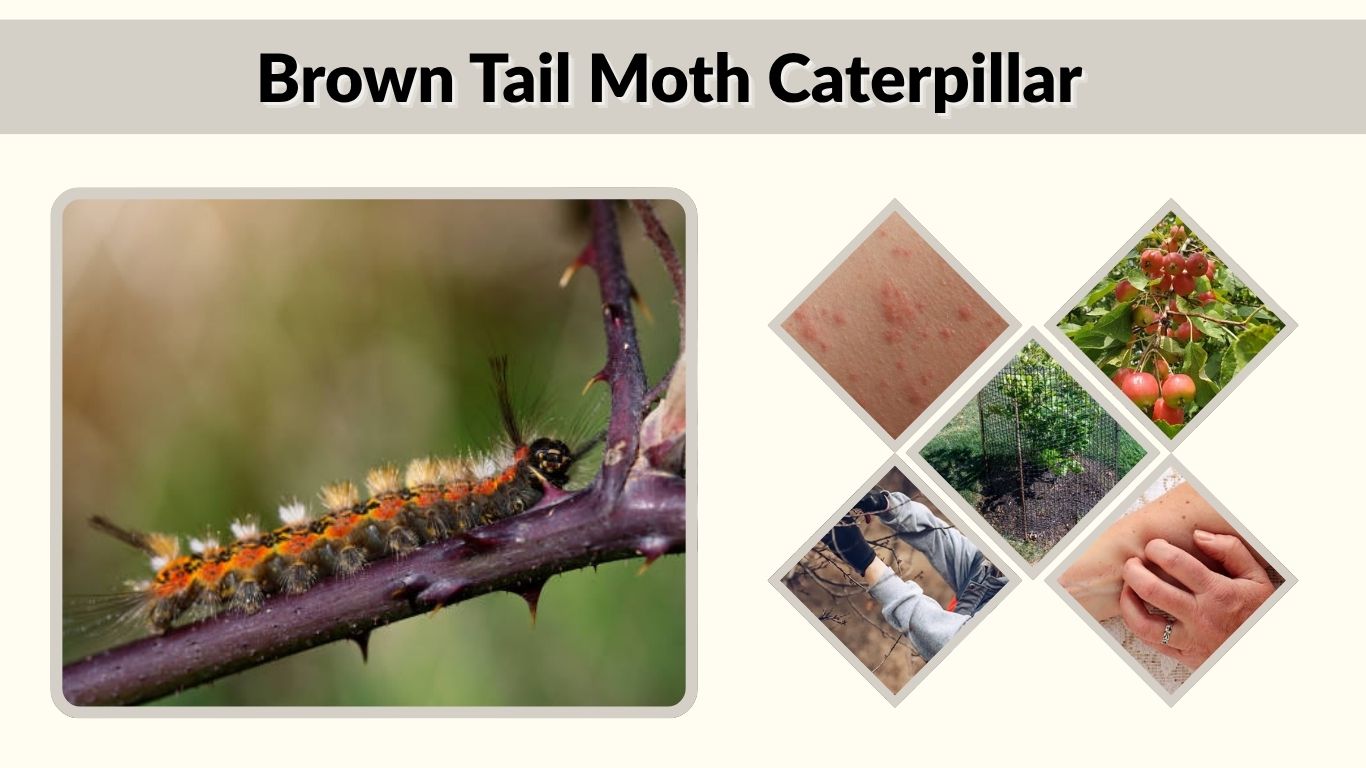
Brown Tail Moth Caterpillar: Rash, ID, Nest & Control
July 8, 2026
The brown tail moth caterpillar, also written as browntail moth caterpillar or brown-tail moth caterpillar, is best known for its toxic hairs. These tiny hairs
Read more