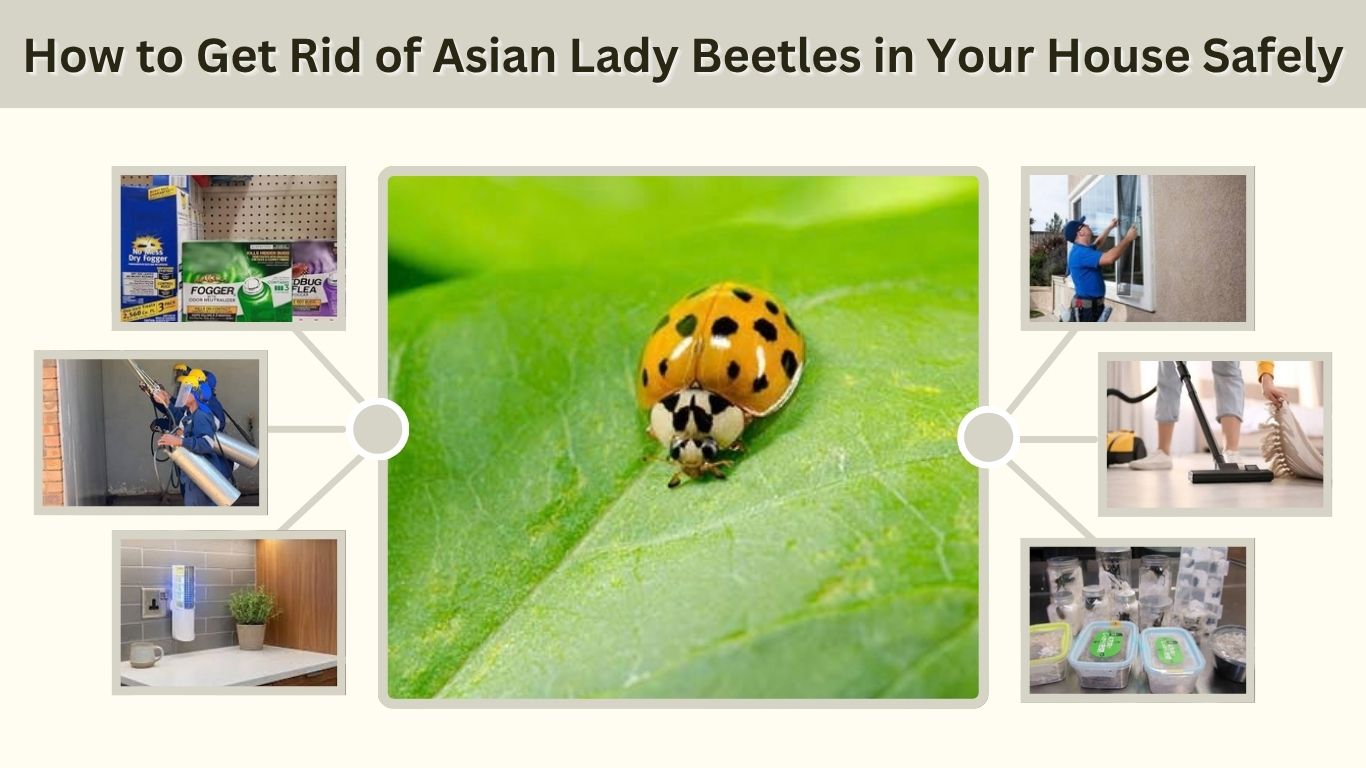
Asian lady beetles can quickly become a frustrating household problem, especially during fall and winter when they gather around windows, walls, and ceilings. Although these colorful insects are beneficial outdoors, large numbers inside your home can create unpleasant odors, stains, and occasional bites. Fortunately, you can remove them without relying on harsh chemicals. Understanding how to get rid of Asian lady beetles in your house involves safe removal, finding entry points, and preventing future invasions. This guide explains practical ways to control these unwanted indoor visitors.
How to Get Rid of Asian Lady Beetles in Your House
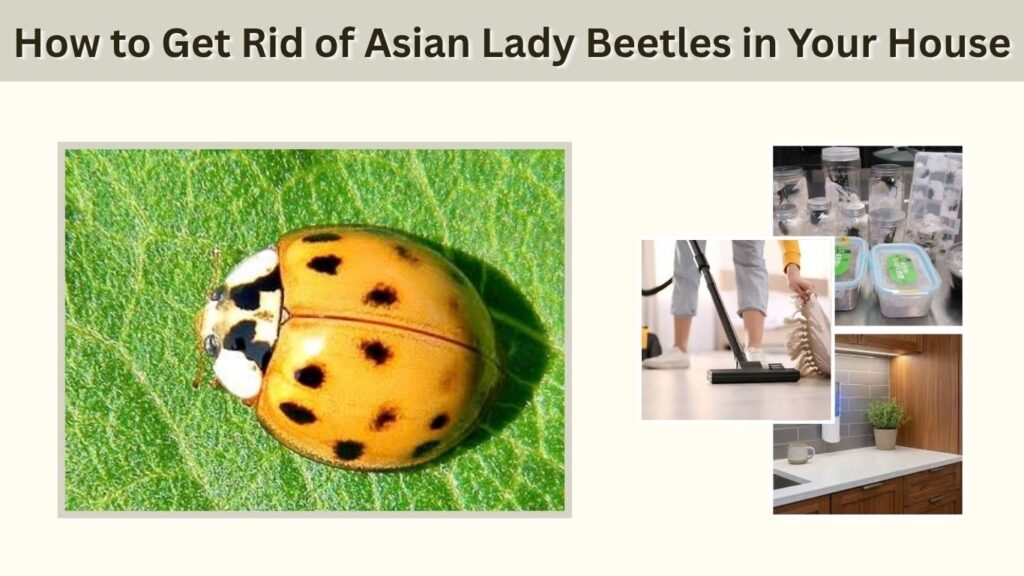
The most effective way to remove Asian lady beetles is through physical removal and preventive maintenance. Unlike cockroaches or ants, these beetles do not normally reproduce indoors. They enter buildings mainly to find winter shelter. Removing visible insects and sealing access points can significantly reduce the problem without exposing your household to unnecessary insecticides or chemical treatments.
1. Vacuum Up Asian Lady Beetles
Vacuuming is one of the easiest and most effective ways to remove Asian lady beetles from indoor spaces. It allows you to collect numerous insects without crushing them against walls or furniture.
Follow these steps:
- Use a vacuum cleaner with a hose attachment to reach walls, ceilings, and window frames.
- Gently collect beetles from corners, curtains, and other gathering locations.
- Consider fitting a nylon stocking inside the hose to capture insects separately.
- Empty the vacuum container or remove the collection bag promptly to prevent beetles from escaping.
- Clean the equipment if an unpleasant odor remains after removal.
Regular vacuuming is particularly useful during winter when beetles repeatedly emerge from hidden spaces.
2. Capture Individual Beetles With a Container
If only a few Asian lady beetles are present, you can collect them using a small container and a piece of stiff paper.
Carefully place the container over an insect and slide the paper underneath. Move the captured beetle to a sheltered outdoor location when weather conditions are suitable.
This method avoids crushing the insect and reduces the likelihood of releasing its defensive chemicals.
It works especially well for beetles resting on windows, furniture, or other accessible surfaces.
3. Use Indoor Light Traps
Asian lady beetles are attracted to light, making indoor light traps a possible option for managing repeated activity.
Commercial traps designed for lady beetles can collect insects moving toward illuminated areas. Some models use light sources combined with collection compartments.
Position the trap in rooms where beetles are frequently observed, following the manufacturer’s instructions.
However, light traps cannot eliminate insects hidden inside walls or prevent additional beetles from entering through exterior openings.
4. Avoid Crushing or Spraying Beetles Indoors
Crushing Asian lady beetles can release a yellowish-orange defensive fluid that produces an unpleasant smell and may stain fabrics, walls, and furniture.
Indoor insecticide sprays and aerosol foggers are generally unnecessary. They may kill exposed beetles but do little to stop others emerging from hidden spaces.
Physical removal is usually the safer and more practical approach.
How to Keep Asian Lady Beetles Out of Your House
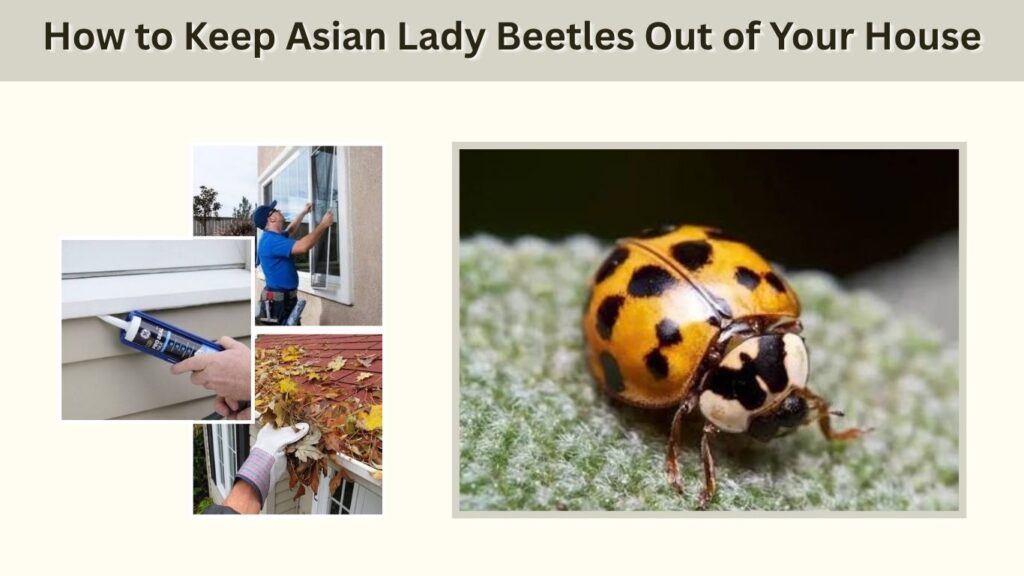
Preventing entry is the most reliable long-term solution for controlling Asian lady beetles. These insects often gather on warm, sunlit exterior walls before entering small gaps around doors, windows, siding, and rooflines. Because they can fit through surprisingly narrow openings, effective prevention requires careful inspection and sealing. Ideally, complete these improvements before their autumn migration begins.
5. Seal Cracks and Entry Points
Asian lady beetles frequently enter buildings through small structural openings. Sealing these spaces can reduce the number of insects entering your home.
Inspect and repair the following areas:
- Cracks around exterior windows and door frames.
- Openings where plumbing pipes, cables, and utility lines enter.
- Gaps beneath siding, fascia boards, and roof edges.
- Spaces around chimneys and attic access points.
- Damaged seals around exterior vents and air-conditioning units.
Use suitable silicone or silicone-latex caulk for small cracks. Larger openings may require appropriate weatherproofing materials or repairs.
6. Repair Window Screens and Weatherstripping
Damaged screens and loose weatherstripping provide convenient access for Asian lady beetles.
Inspect windows, sliding doors, and ventilation openings for tears or gaps. Replace damaged screens and install properly fitted door sweeps where needed.
Pay particular attention to frequently used entrances and sunny exterior walls.
Vent openings should be protected with suitable insect screening without obstructing necessary airflow.
These improvements can also help prevent other seasonal household insects.
7. Inspect Your Home Before Fall
Asian lady beetles usually begin searching for overwintering locations during late summer and autumn.
Homes with exposed, sunny walls may attract large gatherings of beetles during warm afternoons.
Inspect your home’s exterior before this seasonal movement begins. Repair visible cracks, replace damaged weatherstripping, and check whether doors close tightly.
Preventive maintenance is much more effective than attempting to eliminate large numbers after they have entered wall cavities.
Why Are Asian Lady Beetles in My House?
Asian lady beetles commonly invade homes because they need protected places to survive colder weather. During autumn, these insects move away from their feeding habitats and search for suitable overwintering sites. Buildings provide sheltered cracks, wall cavities, and attic spaces. Understanding this seasonal behavior explains why beetles suddenly appear in large numbers, sometimes returning year after year.
Why Asian Lady Beetles Gather Around Houses
Asian lady beetles are attracted to sunny, exposed building surfaces, particularly during warm autumn afternoons.
Light-colored exterior walls and south- or west-facing surfaces may experience noticeable beetle gatherings.
Chemical signals associated with aggregation can encourage additional beetles to assemble in suitable locations.
Once gathered, they search for protected openings where they can remain relatively inactive during winter.
How Do Asian Lady Beetles Get Inside?
Asian lady beetles enter through small gaps around siding, windows, doors, rooflines, and utility openings.
Many initially settle inside wall cavities or attic spaces rather than entering living rooms directly.
Warm indoor temperatures and sunlight can later stimulate activity, causing the beetles to emerge around windows, ceilings, and light fixtures.
Consequently, beetles appearing inside during winter may have entered the building several months earlier.
Do Asian Lady Beetles Lay Eggs Inside Houses?
Asian lady beetles do not normally lay eggs or establish breeding populations inside homes.
They primarily use buildings as temporary winter shelters. Outdoors, females lay eggs on plants where developing larvae can find aphids and other prey.
Therefore, finding numerous adult beetles indoors does not necessarily indicate an actively reproducing infestation.
Most indoor populations consist of adults that entered during the previous autumn.
How to Control an Asian Lady Beetle Infestation
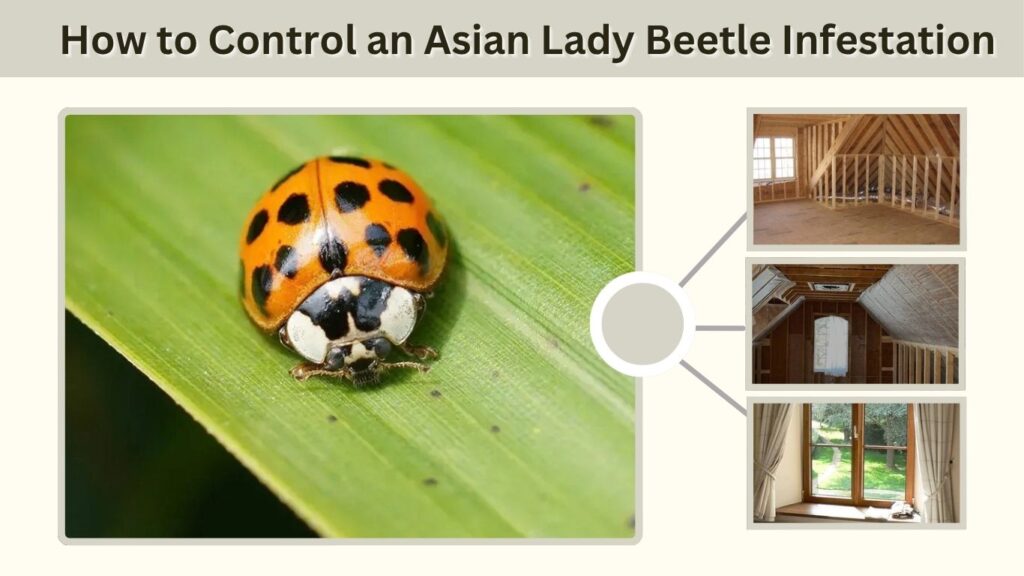
A significant Asian lady beetle infestation can involve dozens or hundreds of insects appearing throughout a building. Although their presence is irritating, the problem is usually seasonal rather than permanent. Effective control involves removing visible beetles, identifying indoor emergence locations, and preventing additional entry. Severe recurring infestations may require professional inspection and targeted exterior treatment.
Check Common Hiding Places
Asian lady beetles can remain concealed inside buildings for extended periods.
Common hiding places include:
- Attics, wall cavities, and other protected structural spaces.
- Window frames, curtains, and windowsills.
- Gaps around ceiling fixtures and ventilation openings.
- Spaces behind baseboards and interior trim.
- Cracks around doors and siding connections.
Look for locations where beetles repeatedly emerge. Sealing accessible interior gaps can help stop their movement into living areas.
Avoid opening walls unnecessarily, as this may disturb larger hidden groups.
When Should You Contact Pest Control?
Professional pest control may be appropriate when large numbers of Asian lady beetles invade your house every year.
A qualified technician can identify difficult-to-reach entry points and recommend structural exclusion measures.
In severe cases, a carefully timed exterior pesticide application may reduce entry. Any treatment should use a product specifically registered and labeled for that application.
Exterior treatments are generally considered before autumn beetle aggregation, not after insects have already settled inside walls.
Do Home Remedies Work Against Asian Lady Beetles?
Some homeowners try vinegar, citrus oils, peppermint oil, or other homemade repellents.
However, reliable evidence that these remedies prevent Asian lady beetle invasions is limited.
Strong odors may temporarily disturb insects, but they cannot replace sealing entry points.
Essential oil mixtures can also irritate people or create risks for pets when used improperly.
Vacuuming and exclusion remain the most dependable approaches.
Are Asian Lady Beetles Harmful to Your House?
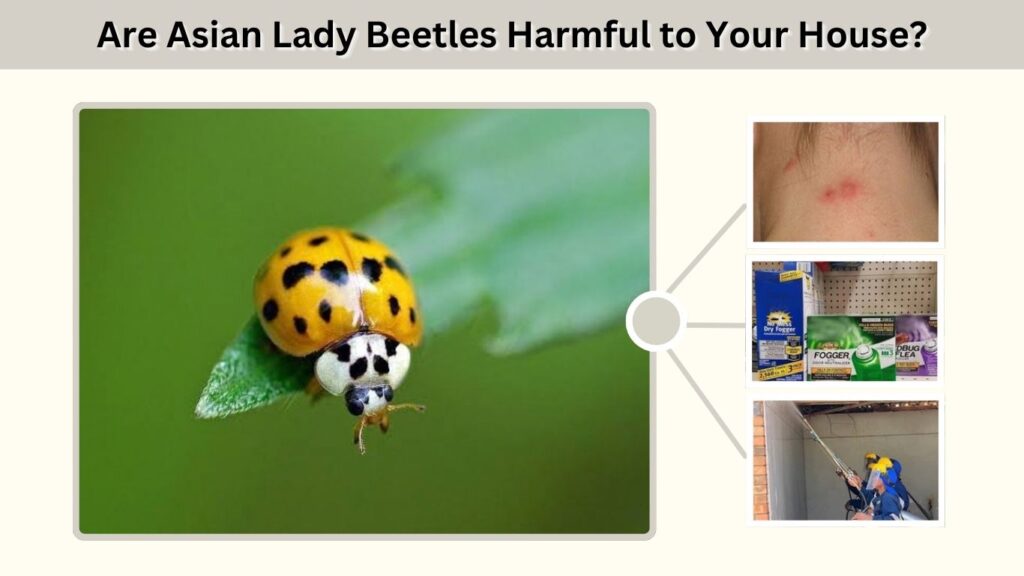
Asian lady beetles are primarily nuisance pests rather than destructive household insects. They do not eat wood, damage building structures, or establish breeding colonies indoors. However, large numbers may create unpleasant smells, leave stains, and trigger allergic symptoms in sensitive individuals. Understanding their actual risks helps homeowners choose practical control methods without unnecessary treatments or excessive concern.
Can Asian Lady Beetles Bite Humans?
Asian lady beetles occasionally bite or pinch human skin when handled or disturbed.
Their bites are usually minor and may cause temporary discomfort. They do not possess stingers.
Some individuals can also experience irritation or allergic reactions after exposure to beetles or their defensive secretions.
Avoid handling large numbers with bare hands, particularly if you have previously experienced sensitivity.
Common Mistakes to Avoid
Certain pest-control practices can make an Asian lady beetle problem more frustrating.
Avoid these mistakes:
- Crushing beetles against walls or fabrics, which can cause stains.
- Using indoor bug bombs that fail to eliminate hidden beetles.
- Ignoring exterior gaps after removing visible insects.
- Spraying chemicals into wall cavities without professional guidance.
- Relying exclusively on unproven homemade repellents.
A combination of physical removal and structural prevention provides better long-term results.
FAQs
Asian lady beetles often raise questions about winter activity, household safety, and recurring infestations. Although they can gather in large numbers, their indoor behavior is quite different from that of insects that breed inside buildings. The following answers explain how long they remain indoors, whether removal is necessary, and which preventive methods are most effective.
1. How do I permanently get rid of Asian lady beetles in my house?
Vacuum existing beetles and seal exterior entry points before autumn. Repair damaged screens, door seals, and gaps around siding or utility connections. Complete prevention can be difficult, but thorough exclusion significantly reduces recurring invasions.
2. Why are Asian lady beetles suddenly appearing everywhere?
Asian lady beetles gather around buildings during autumn to find sheltered winter locations. Warm, sunny weather can also activate overwintering beetles, causing groups to emerge inside living spaces during winter or spring.
3. What do Asian lady beetles eat inside my house?
Asian lady beetles generally do not feed while overwintering indoors. Outdoors, they primarily eat aphids and other small insects. They do not normally infest household food or consume furniture and building materials.
4. Should I kill Asian lady beetles in my house?
Killing them is usually unnecessary. You can safely collect them using a vacuum or container. If you release them, choose suitable outdoor conditions and avoid placing them directly beside your home’s entry points.
5. How long do Asian lady beetles stay inside a house?
Asian lady beetles may remain sheltered inside buildings throughout winter. Some become active during warm winter days, while others emerge in spring. Their indoor presence often continues for several months, depending on temperature and weather conditions.