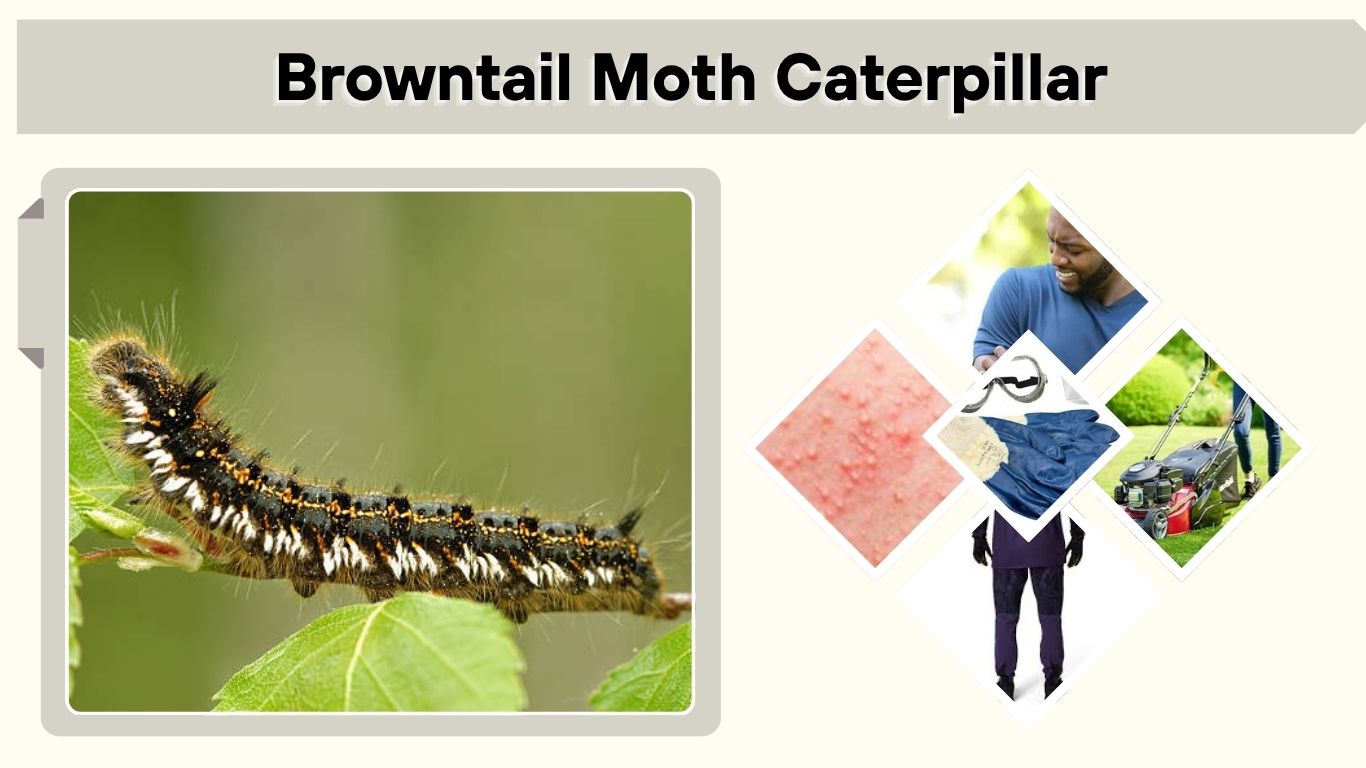
The browntail moth caterpillar is more than a tree-feeding pest. Its microscopic hairs can cause an intensely itchy rash and, in some people, serious breathing problems. The caterpillar is especially troublesome in Maine, where infestations affect yards, parks, roadsides, and hardwood trees. Knowing how to identify browntail moth caterpillars, avoid their hairs, manage mild symptoms, and remove winter webs safely can reduce exposure around your property.
What Is a Browntail Moth Caterpillar?
The browntail moth caterpillar is the larval stage of Euproctis chrysorrhoea, an invasive moth of both forest and human-health concern. Caterpillars are normally active from April through late June, but their shed hairs can remain irritating in the environment for one to three years.
The caterpillars feed on hardwood trees and shrubs, including oak, apple, cherry, shadbush, beach plum, and rugosa rose. Repeated or severe feeding can reduce tree growth and occasionally contribute to the decline of affected trees.
Browntail Moth Caterpillar Identification
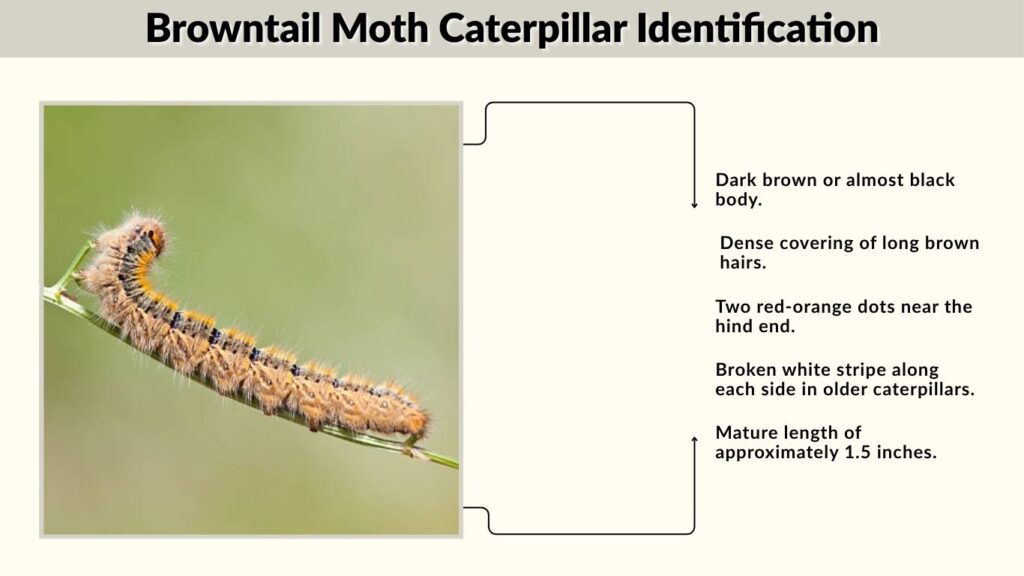
Several hairy caterpillars live in the same regions, so identification should be based on body markings rather than hairiness alone. The most important feature is a pair of reddish-orange spots near the rear of the caterpillar.
Key Identification Features
- Dark brown or almost black body
- Dense covering of long brown hairs
- Two red-orange dots near the hind end
- Broken white stripe along each side in older caterpillars
- Mature length of approximately 1.5 inches
- Frequent presence on hardwood leaves and near small winter webs
Young caterpillars may not have clearly visible white stripes. However, the two orange-red spots toward the rear are a dependable feature once they become visible.
| Feature | Browntail Moth Caterpillar |
| Body color | Dark brown to blackish |
| Distinctive mark | Two red-orange spots near the rear |
| Side markings | Broken white stripes in older larvae |
| Maximum length | About 1.5 inches |
| Active period | Mainly April through late June |
| Primary danger | Microscopic irritating hairs |
Browntail Moth Caterpillar Rash
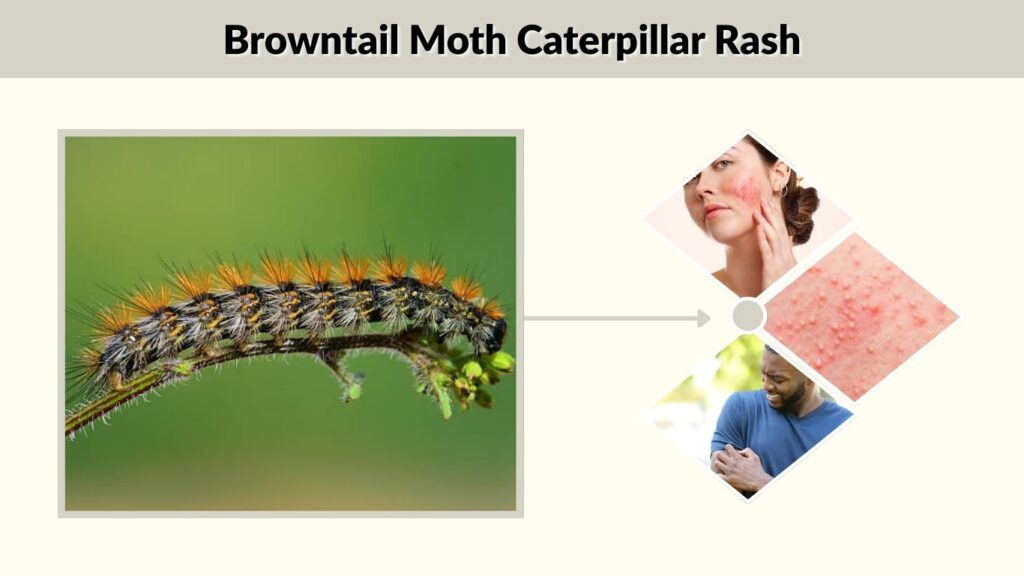
The rash is caused by microscopic hairs shed from caterpillars, cast skins, and cocoons. Directly touching a caterpillar is not necessary. Hairs can settle on grass, clothing, outdoor furniture, vehicles, tools, decks, and laundry. They may also become airborne during mowing, raking, sweeping, and other outdoor work.
What Does the Rash Look Like?
A browntail moth caterpillar rash may resemble poison ivy or clusters of insect bites. Possible symptoms include:
- Red or inflamed skin
- Small raised bumps or welts
- Severe itching
- Burning or stinging sensations
- A rash beneath tight clothing
- Irritation around the neck, waist, arms, and elbows
Most affected people develop a localized rash lasting from several hours to a few days. Sensitive individuals can experience more extensive symptoms that continue for several weeks. Reactions vary because not everyone has the same sensitivity to the hairs.
Can the Hairs Cause Breathing Problems?
When the hairs become airborne, they may be inhaled and irritate the throat and lungs. Some people develop coughing, wheezing, shortness of breath, or severe respiratory distress.
Seek emergency medical care for difficulty breathing or swallowing or swelling of the mouth, tongue, or throat.
How to Treat a Mild Browntail Moth Rash
There is no treatment that specifically neutralizes browntail moth hairs. Treatment focuses on ending the exposure and relieving itching and inflammation.
- Leave the infested area and avoid contaminated objects.
- Take a cool shower to wash hairs from the skin.
- Change clothing and wash exposed garments.
- Try a cool bath containing baking soda.
- Apply calamine lotion or hydrocortisone cream as directed.
- Avoid scratching the affected skin.
- Contact a healthcare professional if symptoms are severe or worsening.
Do not shake contaminated clothing inside the house because doing so may release hairs onto furniture, carpets, or bedding. Maine CDC recommends cool bathing, calamine lotion, and hydrocortisone cream for symptom relief.
How to Protect Yourself from Browntail Caterpillars
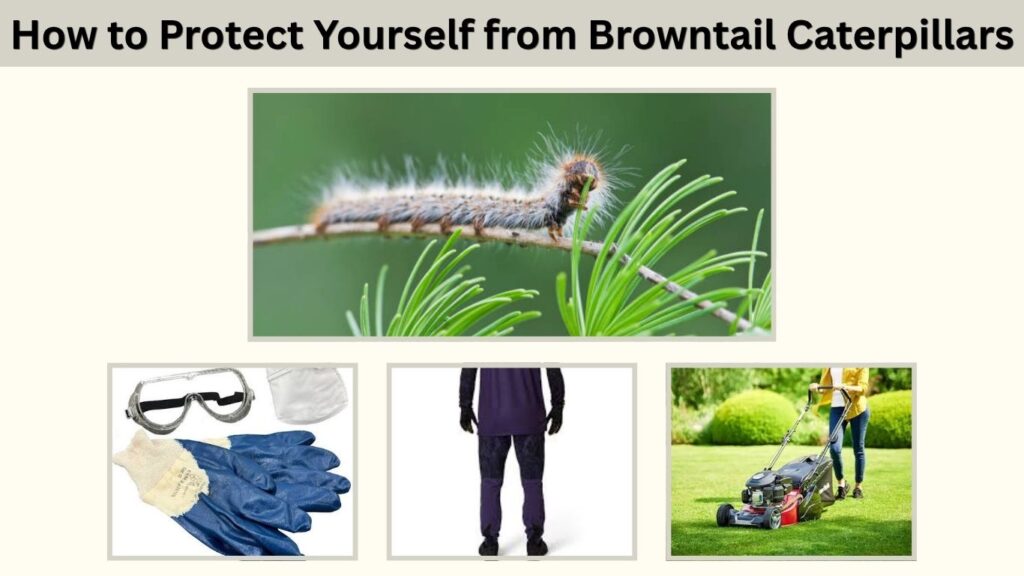
The greatest exposure risk is generally between April and July. However, precautions may be necessary throughout the year in heavily infested areas because dry hairs can remain active for several years.
Personal Protection Measures
- Wear long sleeves, long pants, gloves, and closed shoes.
- Use goggles and suitable respiratory protection during dusty yard work.
- Perform mowing, raking, and pruning when vegetation is wet.
- Take a cool shower immediately after outdoor work.
- Change clothes before entering living areas.
- Avoid drying laundry outside in infested areas.
- Wash outdoor furniture with water instead of dry brushing it.
- Avoid using leaf blowers around contaminated leaves and grass.
Wet conditions reduce the likelihood that the hairs will become airborne. Maine CDC also recommends wearing protective clothing, goggles, and a mask during activities that can disturb caterpillar hairs.
How to Remove Browntail Moth Caterpillars
The most effective management targets winter webs or young caterpillars before large quantities of irritating hairs accumulate. The appropriate method depends on tree height, infestation size, and nearby hazards.
Remove Winter Webs
Inspect susceptible trees between late October and mid-April. Browntail moth winter webs are tightly woven with white silk and usually occur at the ends of branches.
Reachable webs can be removed with hand pruners or a pole pruner. Wear gloves, eye protection, long sleeves, and long pants. Only the web and surrounding leaves need to be clipped; removing the entire branch is unnecessary.
Collect the webs and soak them in soapy water for three to five days before disposal. Hire a licensed arborist when webs are high in trees, near power lines, or beyond your ability to reach safely.
Vacuum Wandering Caterpillars
Caterpillars found on siding, decks, garages, and other hard surfaces can be collected with a wet/dry vacuum fitted with a HEPA filter. Put several inches of soapy water in the vacuum container to trap them.
Avoid sweeping, dry vacuuming, or blowing the caterpillars away. These methods can scatter microscopic hairs and increase exposure.
Consider Pesticide Treatment Carefully
Pesticides are most useful when caterpillars are still small. In most years, treatment should kill the caterpillars before the end of May. Later applications do little to reduce exposure because shed skins and toxic hairs have already accumulated.
Only use products labeled for the plant and treatment location, and follow all label instructions. Large trees and widespread infestations are best handled by an experienced, licensed pesticide applicator.
Browntail Moth Versus Tent Caterpillar
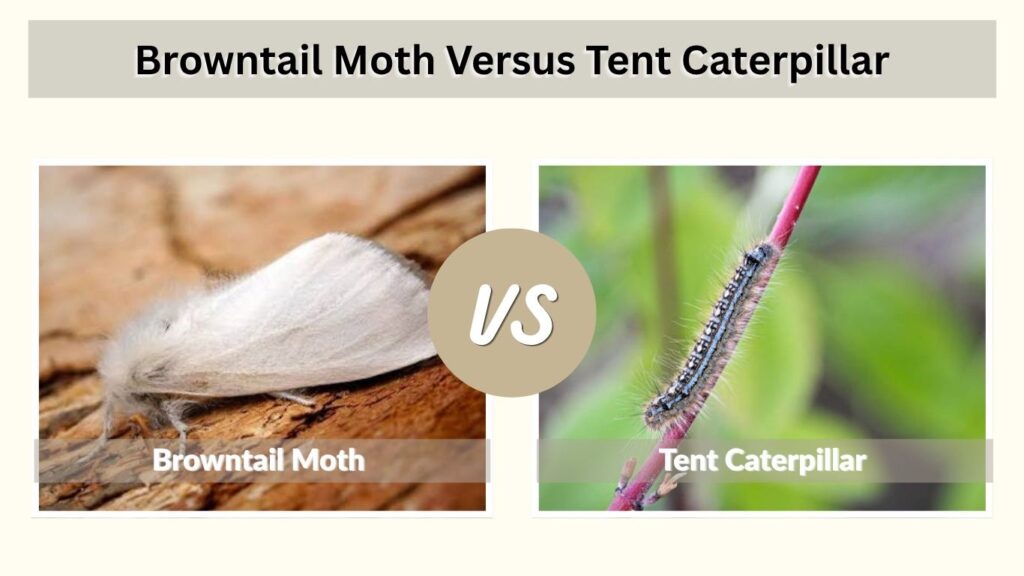
Browntail moth caterpillars are commonly confused with eastern tent caterpillars. Although both feed on hardwood trees and produce silk, they have different markings, nesting habits, and health risks.
| Feature | Browntail Moth Caterpillar | Eastern Tent Caterpillar |
| Main body marking | Two orange-red rear spots and broken white side stripes | Solid pale stripe along the center of the back |
| Web location | Small winter webs near branch tips | Large tents in branch forks |
| Human-health concern | Hairs can cause rash and respiratory problems | Does not present the same toxic-hair danger |
| Main activity | Spring through early summer | Primarily spring |
| Web appearance | Tight, compact web around leaves | Expanding silk tent used as shelter |
Do not handle either caterpillar with bare hands. Examine markings from a safe distance and treat unidentified hairy caterpillars cautiously.
Browntail Moth Caterpillars in Maine
Maine is the main area in the United States experiencing widespread browntail moth problems. Populations are found in coastal and inland communities, with particularly significant concentrations historically occurring in midcoast Maine and the capital region.
The pest affects both forest health and normal outdoor activities. Hairs left on lawns, decks, leaf litter, buildings, and outdoor equipment may continue causing reactions after the living caterpillars have disappeared.
An effective management plan should combine winter web removal, early spring monitoring, personal protection, wet cleanup methods, and professional treatment when necessary.
FAQs
Does everyone react to browntail moth caterpillar hairs?
No. Some people experience little or no noticeable reaction, while others develop severe itching, widespread rashes, or respiratory symptoms. The severity depends on personal sensitivity, the amount of exposure, and whether the hairs contact the skin or are inhaled.
How long does a browntail moth rash last?
A mild, localized rash may last from a few hours to several days. In sensitive people, a more severe reaction can continue for several weeks. Seek medical advice when symptoms are extensive, worsening, painful, or accompanied by breathing problems.
How long do browntail moth hairs remain dangerous?
The microscopic hairs can remain irritating for one to three years, especially when they stay dry or protected from weather. Old cocoons, shed skins, leaf litter, and sheltered structures may therefore continue causing exposure long after caterpillars disappear.
What is the best natural removal method?
Clip reachable winter webs between late October and mid-April, then soak them in soapy water for three to five days before disposal. This removes groups of overwintering caterpillars before they emerge and begin feeding in spring.
When should browntail moth caterpillars be treated?
Control should occur while caterpillars are small, usually before the end of May. Treatments performed later may kill caterpillars but will not remove the irritating hairs already deposited around the property. Professional treatment is recommended for tall trees or major infestations.