Venezuela is home to many beautiful and unusual moth species found in tropical rainforests, woodlands, and mountain habitats. These moths come in many shapes, colors, and sizes, ranging from giant silk moths to fast-flying hawk moths and rare fuzzy species like the Venezuelan Poodle Moth. Some are known for their colorful wings, while others use camouflage to hide from predators. Many Venezuelan moths are active at night and play important roles as pollinators in natural ecosystems. In this guide, you will discover 20 fascinating types of Venezuelan moths and learn about their identification, habitats, behaviors, and life cycles.
1. Venezuelan Poodle Moth
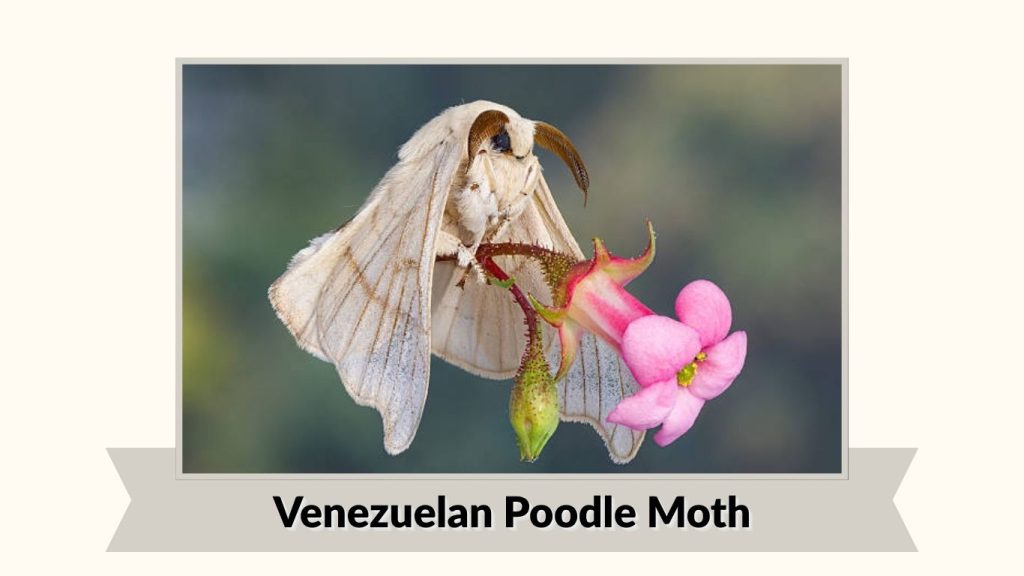
The Venezuelan Poodle Moth is one of the most mysterious and unusual moths ever discovered. It became famous because of its fluffy white appearance that resembles a tiny poodle. This rare moth was first photographed in Venezuela and quickly gained attention among insect lovers and scientists because very little is known about its behavior and life cycle.
Identification
- Thick white fuzzy body covering
- Large dark eyes
- Feather-like antennae
- Short furry legs
- Soft white or cream-colored wings
- Small to medium body size
- Poodle-like appearance due to dense hair
Habitat and Distribution
The Venezuelan Poodle Moth was discovered in the Gran Sabana region of Venezuela, an area known for tropical forests and unique wildlife. It likely prefers humid rainforest environments where vegetation is dense and temperatures remain warm throughout the year. Because sightings are extremely rare, scientists still know very little about its exact habitat range.
Behavior and Diet
Very little information is available about the behavior of the Venezuelan Poodle Moth. Like many moth species, it is believed to be mostly nocturnal and attracted to light at night. Scientists suspect that the caterpillars may feed on leaves or plant material commonly found in tropical forests, while adult moths may feed on nectar or may not eat at all.
Life Cycle
The complete life cycle of the Venezuelan Poodle Moth has not been fully studied. However, it likely follows the same stages as most moths, beginning as an egg before developing into a caterpillar, pupa, and finally an adult moth. Researchers continue to study this unusual species to better understand its growth, behavior, and classification.
2. Giant Leopard Moth
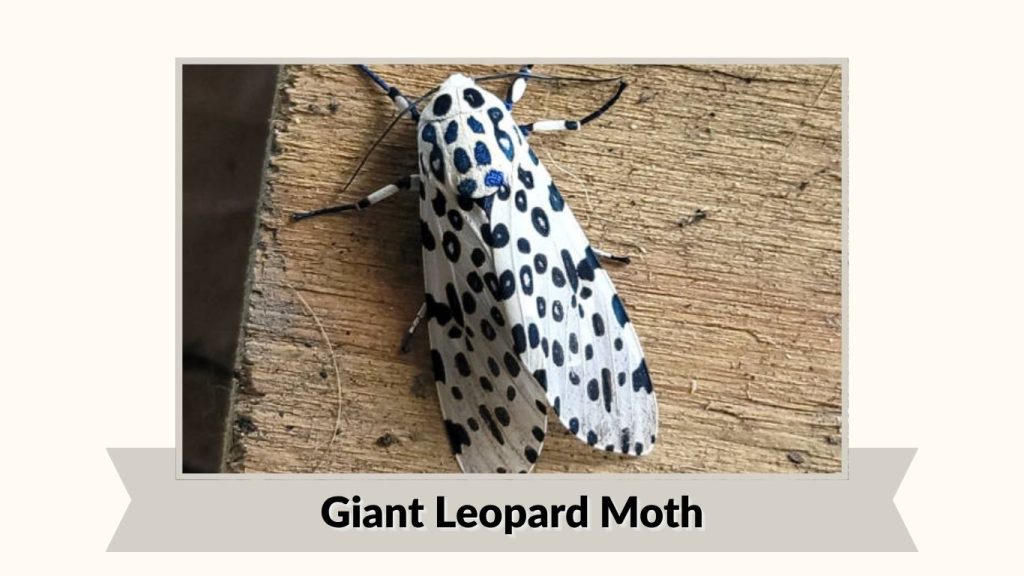
The Giant Leopard Moth is a striking moth species known for its beautiful white wings covered with bold black spots. This large moth belongs to the tiger moth family and is admired for its unique appearance and fuzzy body. It is active mostly at night and can be found in forests, gardens, and woodland habitats across parts of the Americas, including Venezuela.
Identification
- White wings with black leopard-like spots
- Thick furry white body with dark markings
- Bright blue and orange bands on the abdomen
- Feathered black antennae
- Large wingspan compared to many moth species
- Fuzzy legs and thorax
- Slow fluttering flight at night
Habitat and Distribution
Giant Leopard Moths are commonly found in forests, woodland edges, gardens, and shrubby habitats. They occur in parts of North America, Central America, and northern regions of South America, including Venezuela. These moths prefer warm environments with abundant vegetation where caterpillars can easily find host plants.
Behavior and Diet
Adult Giant Leopard Moths are nocturnal and are strongly attracted to lights at night. The caterpillars, often called giant woolly bears, feed on a variety of plants including broadleaf trees and shrubs. Adult moths spend much of their time resting during the day and become active after sunset for mating and movement.
Life Cycle
The life cycle begins when females lay eggs on suitable host plants. The eggs hatch into fuzzy black caterpillars covered in stiff hairs. After feeding and growing through several stages, the caterpillars form pupae before transforming into adult moths. Adult Giant Leopard Moths emerge with their spotted wings fully developed and ready for reproduction.
3. Atlas Moth
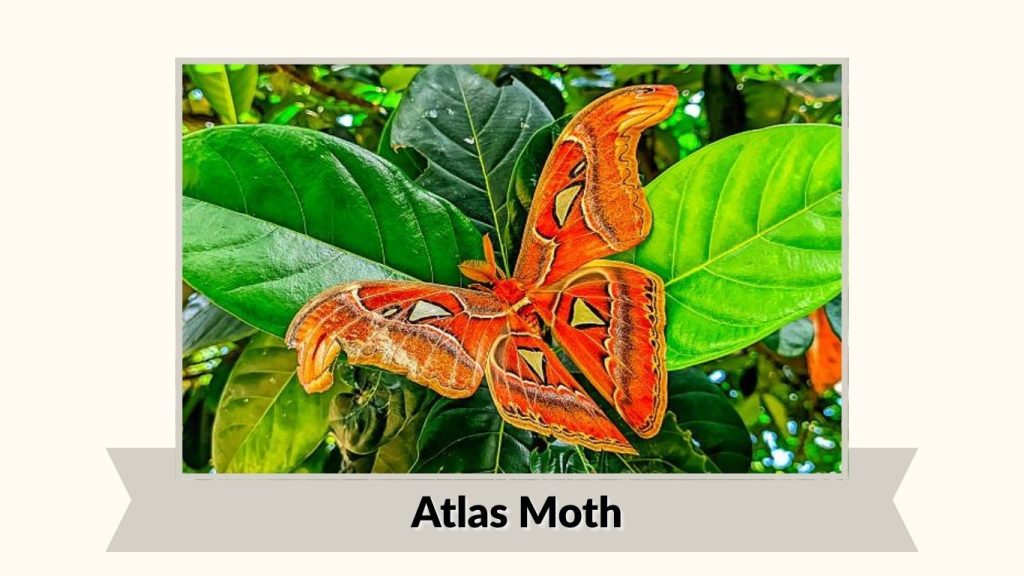
The Atlas Moth is one of the largest moth species in the world and is famous for its enormous wings and impressive patterns. This giant silk moth is admired for its reddish-brown wings with snake-like markings near the tips. Although it is more common in Asia, related populations and similar giant moths can also be found in tropical regions connected to Venezuela’s rich biodiversity.
Identification
- Extremely large wingspan
- Reddish-brown wings with cream-colored patterns
- Wing tips shaped like snake heads
- Thick furry body
- Feather-like antennae
- Triangular wing shape
- Slow and heavy flight movement
Habitat and Distribution
Atlas Moths are mainly associated with tropical and subtropical forests where humidity and vegetation are abundant. They prefer forest habitats, gardens, and woodland areas with plenty of host plants for caterpillars. Similar giant silk moth species are found in tropical regions around the world, including parts of South America.
Behavior and Diet
Adult Atlas Moths are nocturnal and are most active at night. They are attracted to lights and spend much of the daytime resting on tree trunks or vegetation. Adult moths do not eat because they lack fully developed mouthparts. Their main purpose during adulthood is reproduction before their short lifespan ends.
Life Cycle
The life cycle starts when females lay eggs on host plants. The caterpillars hatch and feed heavily on leaves while growing rapidly. After several stages of development, the caterpillar forms a large silk cocoon and enters the pupal stage. Adult Atlas Moths later emerge from the cocoon with fully expanded wings ready for mating.
4. Luna Moth
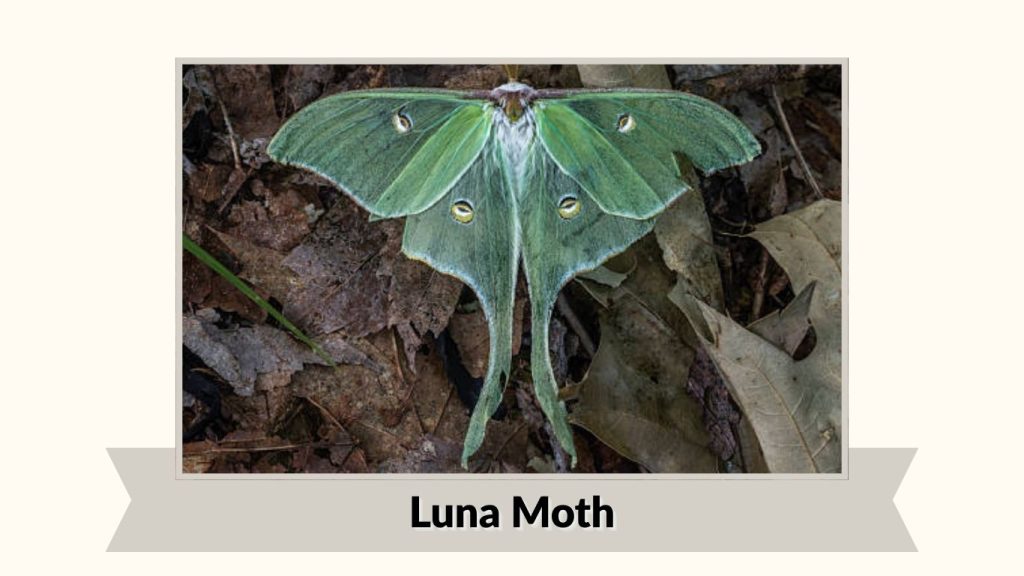
The Luna Moth is a beautiful giant silk moth recognized for its pale green wings and long tail-like extensions. It is considered one of the most attractive moths in the world because of its delicate appearance and soft coloring. These moths are mostly active at night and are often attracted to lights in forested and woodland regions.
Identification
- Pale green wings with long curved tails
- Large wingspan with smooth edges
- Transparent eye-like spots on the wings
- Thick white furry body
- Feathered antennae, especially in males
- Delicate fluttering flight
- Soft lime-green coloration
Habitat and Distribution
Luna Moths are commonly found in forests, woodland areas, and regions with abundant trees and shrubs. They prefer warm environments where host plants for caterpillars are widely available. Similar giant silk moth species can be found across parts of the Americas, including tropical regions connected to Venezuela’s biodiversity.
Behavior and Diet
Adult Luna Moths are nocturnal and become active after sunset. They are often attracted to outdoor lights at night and spend their daytime resting quietly on tree bark or leaves. Adult moths do not feed because they lack functioning mouthparts, so their main purpose is to reproduce during their short adult lifespan.
Life Cycle
The life cycle begins when females lay eggs on suitable host plants. Caterpillars hatch and feed on leaves while growing through several stages. Once fully grown, the caterpillar spins a silk cocoon and enters the pupal stage. Adult Luna Moths later emerge from the cocoon with their large green wings fully developed.
5. Rosy Maple Moth
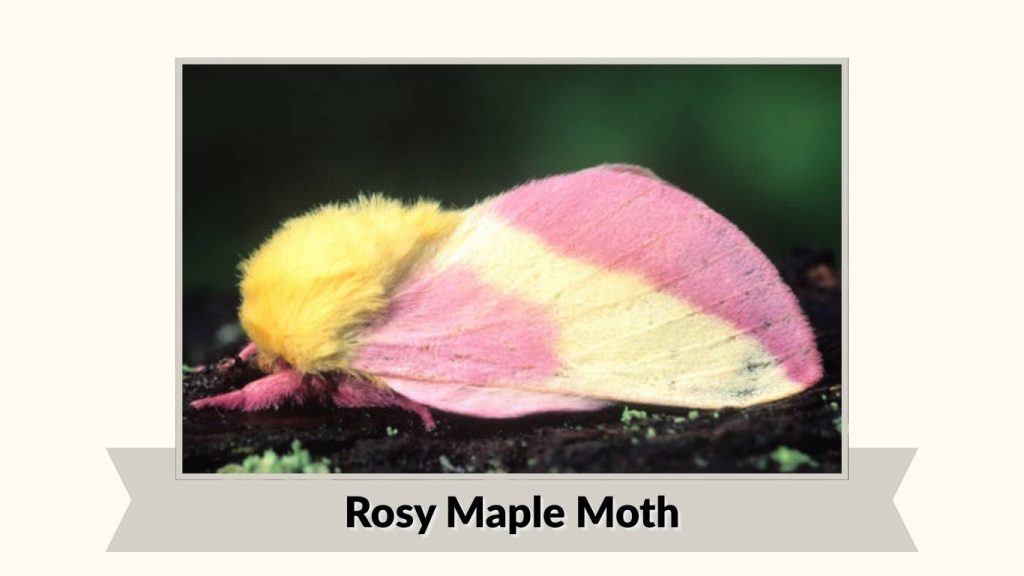
The Rosy Maple Moth is a colorful silk moth famous for its bright pink and yellow appearance. This small but beautiful moth is often considered one of the most visually striking moth species in the world. Its soft fuzzy body and vibrant colors make it popular among insect enthusiasts and nature photographers.
Identification
- Bright pink and yellow wing coloration
- Small to medium-sized body
- Thick fuzzy yellow body covering
- Feather-like antennae
- Soft rounded wings
- Pink legs and thorax
- Delicate and slow flight pattern
Habitat and Distribution
Rosy Maple Moths are commonly found in forests, suburban gardens, parks, and woodland habitats with maple trees and other deciduous plants. They prefer warm and humid environments where caterpillars can easily feed on host plant leaves. Similar colorful moth species are found in tropical and subtropical regions connected to Venezuela’s diverse ecosystems.
Behavior and Diet
Adult Rosy Maple Moths are nocturnal and usually become active after sunset. They are attracted to lights and often rest quietly on leaves or tree trunks during the daytime. Adult moths rarely feed because their main purpose is reproduction. Caterpillars mainly consume leaves from maple and oak trees while developing.
Life Cycle
The life cycle begins when females lay eggs on host plants. The eggs hatch into green caterpillars that feed heavily on leaves while growing through several stages. Once mature, the caterpillar forms a cocoon and enters the pupal stage. Adult Rosy Maple Moths later emerge with their colorful wings fully developed.
6. Black Witch Moth
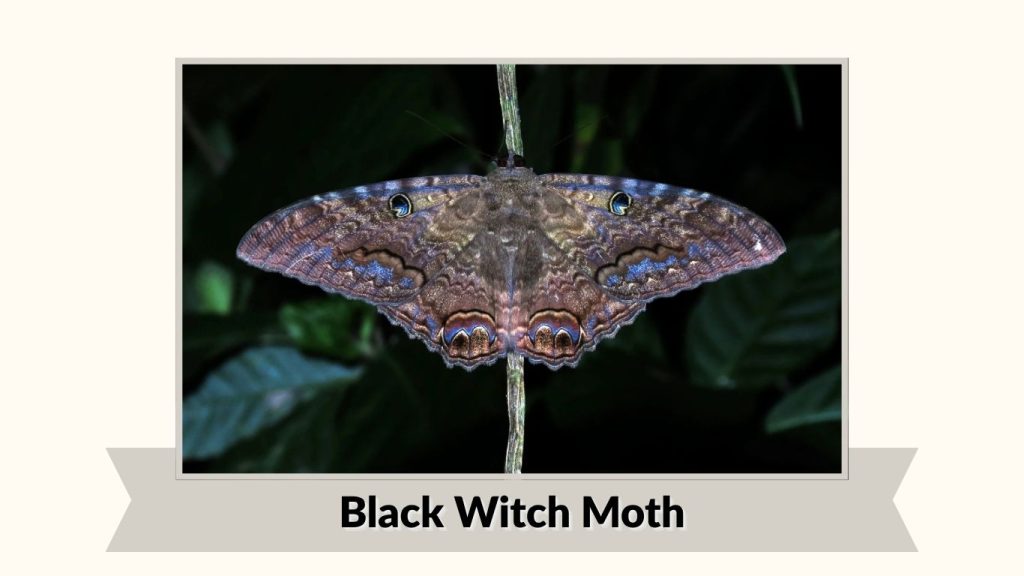
The Black Witch Moth is one of the largest and most mysterious moths found in tropical regions. It is famous for its dark wings, impressive wingspan, and strong nighttime flight. In many cultures, this moth is linked with myths and superstitions because of its shadowy appearance and sudden nighttime visits near lights and homes.
Identification
- Large dark brown or black wings
- Wavy patterns across the wings
- Pale markings near the wing edges
- Long broad wings with strong flight ability
- Slim dark-colored body
- Large wingspan compared to many moths
- Excellent camouflage against tree bark
Habitat and Distribution
Black Witch Moths are widely found in tropical forests, woodlands, gardens, and coastal regions throughout the Americas, including Venezuela. They prefer warm climates with dense vegetation and are often seen resting on walls, tree trunks, or buildings during the day. These moths can also migrate long distances.
Behavior and Diet
These moths are nocturnal and become highly active after sunset. They are strongly attracted to lights and often enter homes or buildings at night. Adult Black Witch Moths feed mainly on fruit juices, tree sap, and fermented liquids. Their strong flight ability allows them to travel across large areas in search of food and breeding sites.
Life Cycle
The life cycle starts when females lay eggs on host plants. Caterpillars hatch and feed on leaves while growing through several stages. Once fully developed, the caterpillar forms a pupa before transforming into an adult moth. Adult Black Witch Moths later emerge with fully expanded wings ready for nighttime activity and reproduction.
7. Io Moth
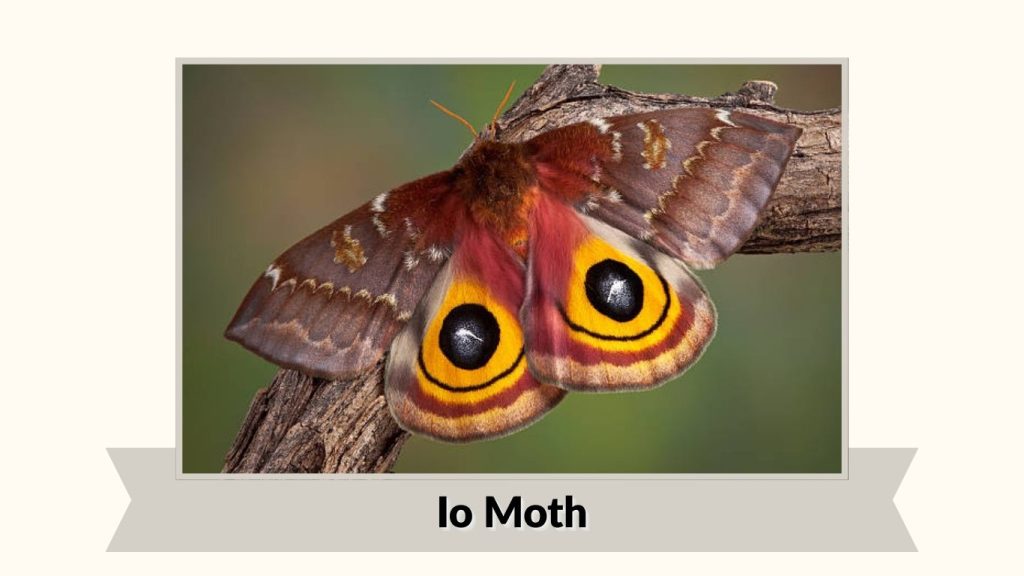
The Io Moth is a colorful giant silk moth known for its bright eye-like spots on the wings. These large spots help scare away predators when the moth feels threatened. The species is also famous for its spiny caterpillars, which can cause painful skin irritation if touched. Its striking appearance makes it one of the most recognizable moths in tropical and subtropical regions.
Identification
- Yellow or orange wings in males
- Brown to reddish wings in females
- Large eye-like spots on the hindwings
- Thick furry body
- Feathered antennae
- Medium to large wingspan
- Spiny green caterpillars with stinging hairs
Habitat and Distribution
Io Moths are commonly found in forests, woodland edges, gardens, and shrubby habitats throughout the Americas, including tropical regions connected to Venezuela. They prefer warm environments with abundant trees and plants that provide food for caterpillars and shelter for adult moths.
Behavior and Diet
Adult Io Moths are nocturnal and become active mainly at night. They are attracted to lights and often rest quietly on vegetation during the daytime. Adult moths do not feed because they lack functional mouthparts. Caterpillars feed on a wide variety of leaves from shrubs, trees, and other plants.
Life Cycle
The life cycle begins when females lay eggs on host plants. The eggs hatch into green spiny caterpillars that feed heavily while growing through several stages. After reaching full size, the caterpillar forms a cocoon and enters the pupal stage. Adult Io Moths later emerge with their colorful wings and eye-like markings fully developed.
8. Cecropia Moth
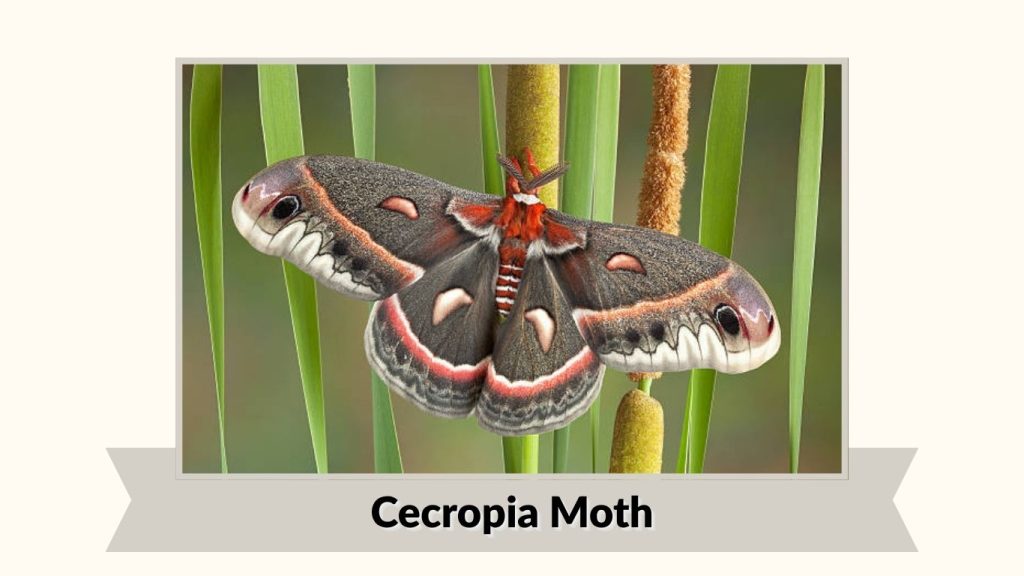
The Cecropia Moth is one of the largest and most impressive silk moths in North America. It is admired for its huge wings, colorful patterns, and thick furry body. This giant moth is mostly active at night and is often attracted to lights. Its dramatic appearance makes it one of the most recognizable moth species in forest habitats.
Identification
- Very large wingspan with broad wings
- Brown wings with red, white, and orange markings
- Crescent-shaped white spots on the wings
- Thick reddish furry body
- Feather-like antennae
- Heavy and slow flight pattern
- Large abdomen with banded coloration
Habitat and Distribution
Cecropia Moths are commonly found in forests, woodland edges, gardens, and rural habitats with abundant trees and shrubs. They prefer warm and humid environments where host plants for caterpillars are widely available. Similar giant silk moth species can also be found in tropical regions connected to Venezuela’s diverse ecosystems.
Behavior and Diet
Adult Cecropia Moths are nocturnal and become active mainly after sunset. They are attracted to lights and often rest quietly on tree trunks or walls during the daytime. Adult moths do not eat because they lack fully functional mouthparts. Their short adult lifespan focuses mainly on mating and reproduction.
Life Cycle
The life cycle starts when females lay eggs on host plants. Caterpillars hatch and feed heavily on leaves while growing through several stages. Once fully grown, the caterpillar spins a large silk cocoon and enters the pupal stage. Adult Cecropia Moths later emerge with their giant patterned wings fully developed.
9. Imperial Moth
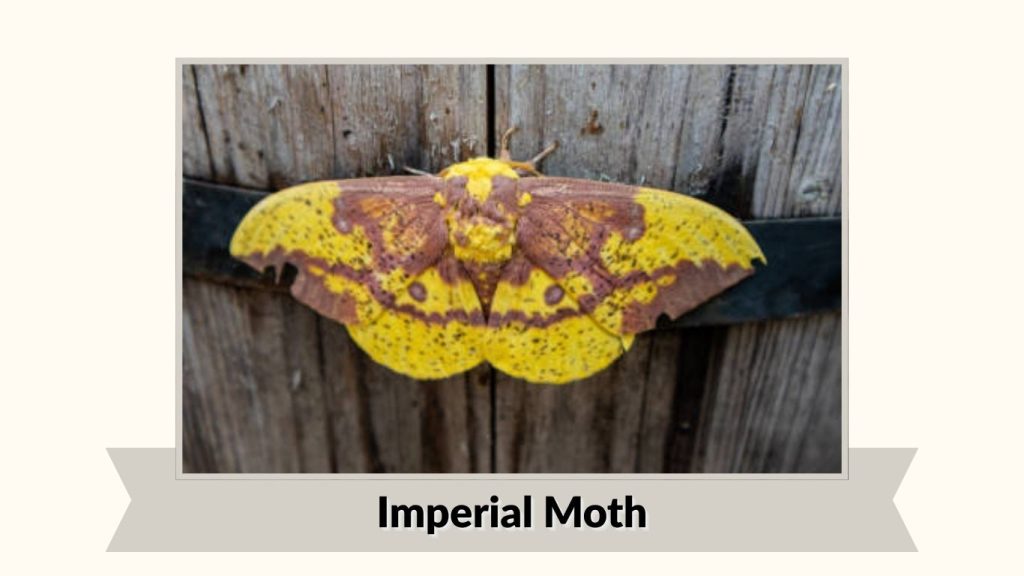
The Imperial Moth is a large and colorful silk moth known for its yellow wings covered with purple or brown markings. This impressive moth is admired for its size and natural camouflage, which helps it blend into tree bark and fallen leaves. It is mainly active at night and is often attracted to outdoor lights.
Identification
- Bright yellow wings with brown or purple spots
- Large heavy-bodied appearance
- Thick furry thorax and abdomen
- Feathered antennae
- Wide wings with irregular patterns
- Strong camouflage coloring
- Large wingspan compared to common moths
Habitat and Distribution
Imperial Moths are commonly found in forests, woodlands, parks, and suburban areas with plenty of trees. They prefer warm habitats where caterpillars can feed on oak, pine, maple, and other broadleaf trees. Similar giant silk moth species occur throughout tropical and subtropical regions connected to Venezuela’s ecosystems.
Behavior and Diet
Adult Imperial Moths are nocturnal and usually become active after sunset. They are attracted to lights and spend most of the daytime resting quietly on tree trunks or branches. Adult moths do not feed because their mouthparts are reduced. Caterpillars feed heavily on leaves while growing through several stages.
Life Cycle
The life cycle begins when females lay eggs on suitable host plants. Caterpillars hatch and feed on tree leaves while increasing rapidly in size. After completing several growth stages, the caterpillar burrows into soil or forms a protected chamber to pupate. Adult Imperial Moths later emerge with their large colorful wings fully developed.
10. White Witch Moth
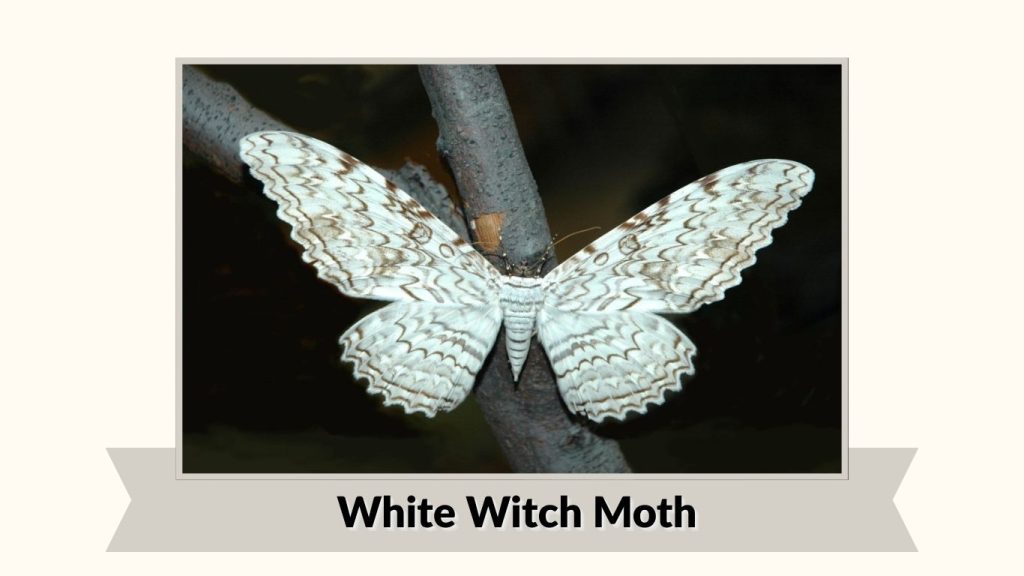
The White Witch Moth is one of the largest moths in the world by wingspan and is famous for its pale, ghost-like appearance. Its long broad wings and delicate patterns help it blend perfectly with tree bark and dry leaves. This mysterious moth is mostly active at night and is commonly found in tropical forests throughout the Americas.
Identification
- Very large wingspan with broad wings
- Pale gray, cream, or whitish wing coloration
- Fine wavy patterns across the wings
- Slender body with long wings
- Excellent camouflage against bark and leaves
- Feather-like antennae
- Smooth slow gliding flight
Habitat and Distribution
White Witch Moths are commonly found in tropical rainforests, woodlands, and humid habitats across Central and South America, including Venezuela. They prefer warm climates with dense vegetation and are often seen resting on tree trunks or walls during the daytime where their camouflage makes them difficult to spot.
Behavior and Diet
These moths are nocturnal and become active after sunset. They are attracted to lights and may travel long distances during nighttime flights. Adult White Witch Moths feed mainly on fruit juices, tree sap, and other sweet liquids. During the day, they remain motionless to avoid predators.
Life Cycle
The life cycle starts when females lay eggs on suitable host plants. Caterpillars hatch and feed on leaves while growing through several stages. After reaching maturity, the caterpillar forms a pupa before transforming into an adult moth. Adult White Witch Moths later emerge with their enormous pale wings fully expanded.
11. Oleander Hawk Moth
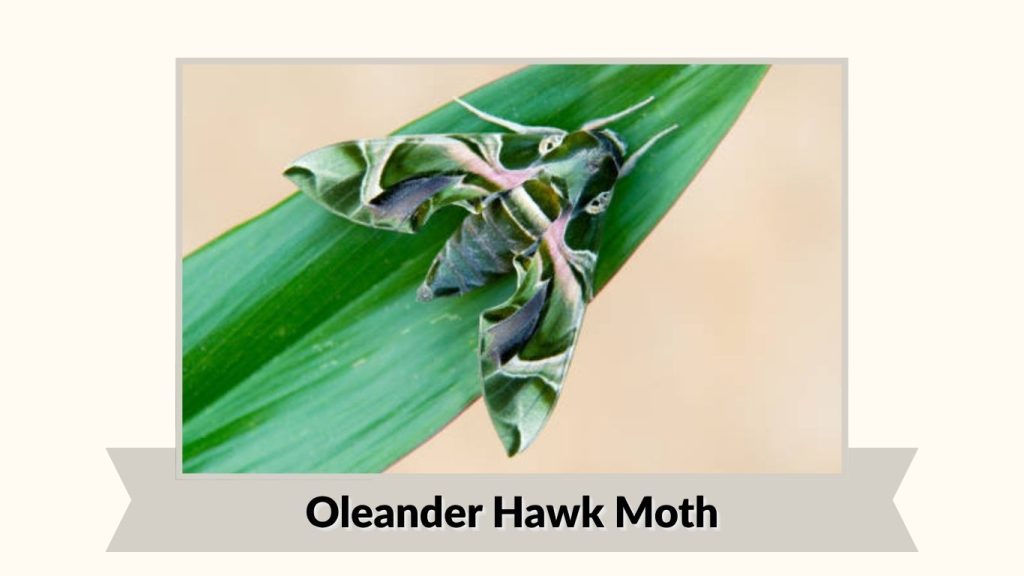
The Oleander Hawk Moth is a fast-flying moth species known for its beautiful green and pink camouflage patterns. This large hawk moth is admired for its sleek body, strong flight ability, and colorful wings. It is mostly active at night and can travel long distances while searching for food and breeding areas.
Identification
- Green, pink, and brown wing patterns
- Long narrow wings with streamlined shape
- Thick spindle-shaped body
- Large dark eyes
- Fast and powerful flight
- Pink markings on the abdomen
- Long proboscis for feeding on nectar
Habitat and Distribution
Oleander Hawk Moths are commonly found in tropical and subtropical regions with warm climates and abundant flowering plants. They occur in gardens, forests, woodland edges, and coastal habitats across many parts of the world, including areas connected to Venezuela’s tropical ecosystems.
Behavior and Diet
These moths are nocturnal and highly attracted to flowers at night. Adults feed mainly on nectar using their long proboscis while hovering like hummingbirds near blossoms. Their caterpillars feed on oleander plants and other related vegetation. Adult moths are strong fliers capable of migrating long distances.
Life Cycle
The life cycle begins when females lay eggs on host plants such as oleander. Caterpillars hatch and feed heavily on leaves while growing through several stages. Once mature, the caterpillar forms a pupa in soil or leaf litter. Adult Oleander Hawk Moths later emerge with fully developed wings ready for flight and reproduction.
12. Rustic Sphinx Moth
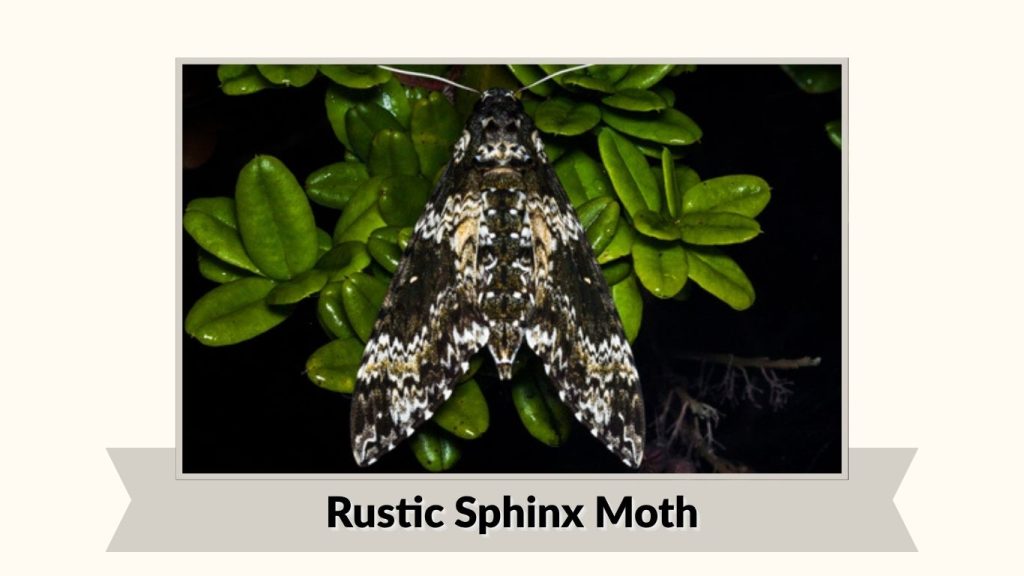
The Rustic Sphinx Moth is a large hawk moth known for its streamlined body and fast nighttime flight. Its earthy brown colors help it blend into tree bark and dry leaves during the day. This moth is an active nighttime pollinator and is commonly found in forests, gardens, and tropical habitats.
Identification
- Brown and gray camouflage wing patterns
- Long narrow wings with pointed tips
- Thick spindle-shaped body
- Large dark eyes adapted for night activity
- Fast and strong flight ability
- Long proboscis for feeding on nectar
- Smooth body covered with fine hairs
Habitat and Distribution
Rustic Sphinx Moths are commonly found in forests, woodland edges, gardens, and tropical regions throughout the Americas, including Venezuela. They prefer warm habitats with flowering plants and dense vegetation. During the daytime, they rest on tree trunks, branches, or walls where their camouflage helps them avoid predators.
Behavior and Diet
These moths are nocturnal and become highly active after sunset. Adults hover near flowers while feeding on nectar with their long proboscis, much like hummingbirds. Caterpillars feed on various host plants and spend much of their time hidden among leaves before reaching maturity.
Life Cycle
The life cycle begins when females lay eggs on suitable host plants. Caterpillars hatch and feed on leaves while passing through several growth stages. After becoming fully grown, the caterpillar enters the pupal stage in soil or leaf litter. Adult Rustic Sphinx Moths later emerge with their fully developed wings and begin nighttime activity.
13. Tersa Sphinx Moth
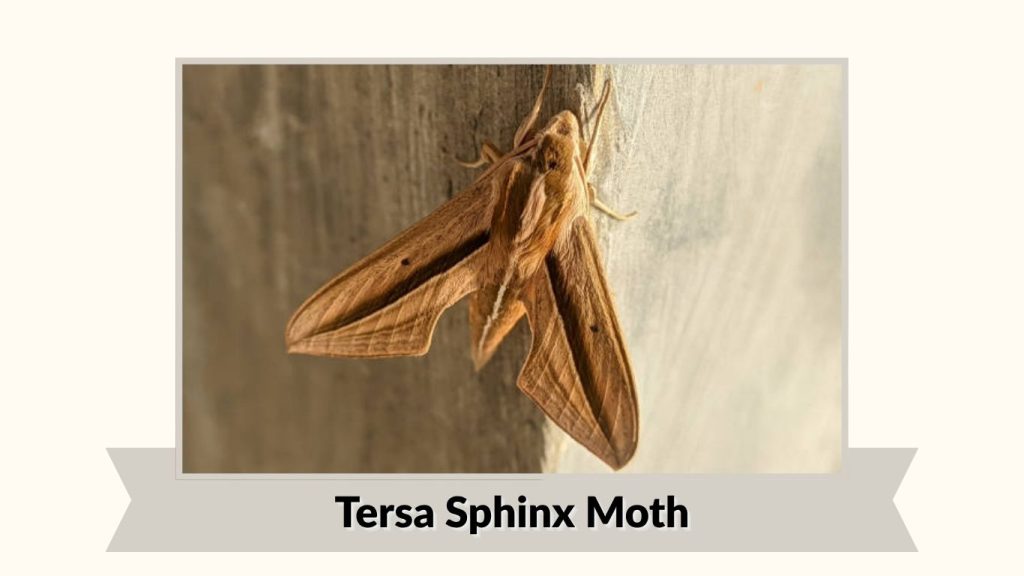
The Tersa Sphinx Moth is a slender and fast-flying hawk moth recognized for its streamlined body and smooth wing patterns. This species is active mostly at night and is often seen hovering around flowers while feeding on nectar. Its ability to hover like a hummingbird makes it one of the most fascinating moths in tropical environments.
Identification
- Long narrow wings with smooth patterns
- Brown, tan, and cream body coloration
- Streamlined spindle-shaped body
- Large dark eyes
- Long proboscis used for nectar feeding
- Fast hovering flight movement
- Subtle pale stripes on the wings
Habitat and Distribution
Tersa Sphinx Moths are commonly found in tropical forests, gardens, woodland edges, and coastal habitats across the Americas, including Venezuela. They prefer warm climates with abundant flowering plants and shrubs where both adults and caterpillars can find food sources.
Behavior and Diet
Adult Tersa Sphinx Moths are nocturnal and feed mainly on flower nectar while hovering in front of blossoms. They are attracted to gardens and flowering plants during warm evenings. Caterpillars feed on leaves from several tropical plant species and often remain hidden during the daytime to avoid predators.
Life Cycle
The life cycle starts when females lay eggs on host plants. Caterpillars hatch and feed on leaves while growing through multiple stages. After reaching full size, the caterpillar forms a pupa in soil or hidden debris. Adult moths later emerge with fully developed wings ready for feeding and reproduction.
14. Giant Silk Moth
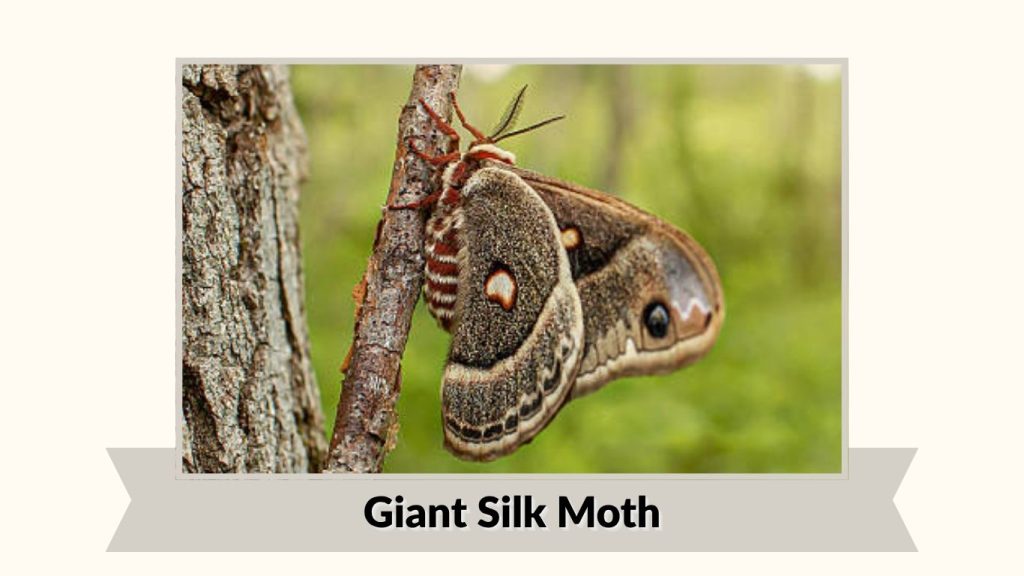
The Giant Silk Moth is a large and beautiful moth known for its impressive wingspan and soft furry body. These moths belong to a group famous for producing silk during the cocoon stage. Their colorful wing patterns and large size make them some of the most admired moths in tropical and subtropical forests.
Identification
- Large wings with colorful patterns
- Thick furry body and thorax
- Feather-like antennae
- Eye-like spots on the wings in some species
- Broad wings with smooth edges
- Heavy slow-moving flight
- Soft body covered with fine hairs
Habitat and Distribution
Giant Silk Moths are commonly found in tropical forests, woodlands, gardens, and humid habitats across South America, including Venezuela. They prefer warm environments with abundant trees and shrubs where caterpillars can feed on leaves and safely form cocoons.
Behavior and Diet
Adult Giant Silk Moths are nocturnal and become active after sunset. Many species are attracted to lights and spend their daytime resting on vegetation or tree bark. Adult moths usually do not feed because their mouthparts are reduced. Caterpillars consume large amounts of leaves before entering the cocoon stage.
Life Cycle
The life cycle begins when females lay eggs on host plants. Caterpillars hatch and feed heavily while growing through several stages. Once mature, the caterpillar spins a silk cocoon and transforms into a pupa inside. Adult Giant Silk Moths later emerge with fully expanded wings ready for mating and reproduction.
15. Tiger Moth
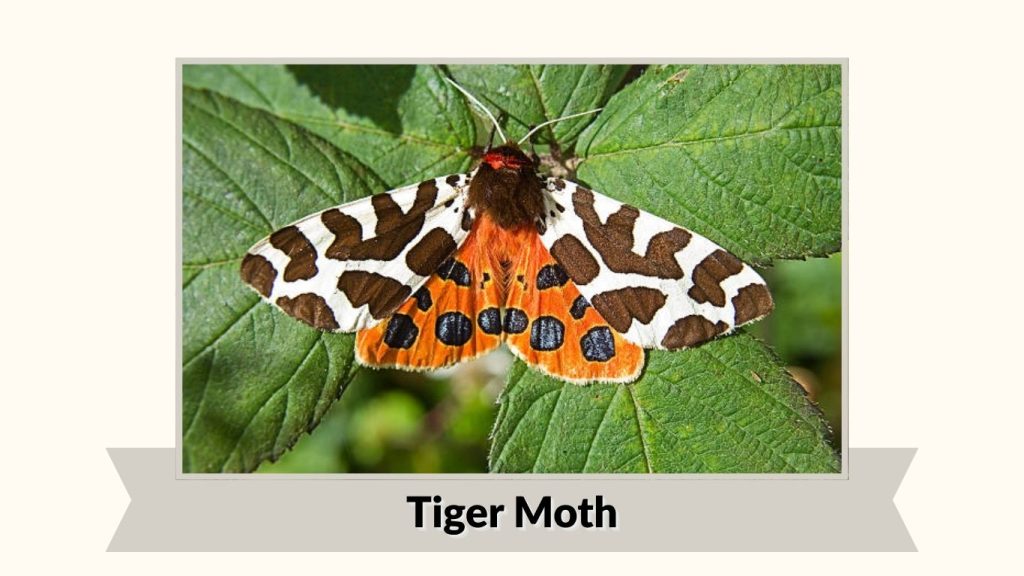
The Tiger Moth is a colorful and hairy moth species known for its bright warning colors and bold wing patterns. Many tiger moths use vivid colors to warn predators that they may taste bad or be toxic. These moths are active mainly at night and are commonly found in forests, gardens, and grassland habitats.
Identification
- Bright orange, white, yellow, or black wing colors
- Bold striped or spotted wing patterns
- Thick hairy body and thorax
- Feather-like antennae
- Medium-sized wingspan
- Fuzzy caterpillars often called woolly bears
- Slow fluttering nighttime flight
Habitat and Distribution
Tiger Moths are widely distributed in tropical forests, grasslands, gardens, and woodland habitats throughout South America, including Venezuela. They prefer warm environments with abundant vegetation and flowering plants where caterpillars can easily find food and shelter.
Behavior and Diet
Adult Tiger Moths are nocturnal and are commonly attracted to lights at night. Many species feed on flower nectar, while others may consume fruit juices or plant fluids. Caterpillars feed on leaves and are often covered in protective hairs that help defend them from predators.
Life Cycle
The life cycle starts when females lay eggs on host plants. Caterpillars hatch and feed heavily on leaves while passing through several growth stages. After reaching maturity, the caterpillar forms a cocoon and enters the pupal stage. Adult Tiger Moths later emerge with their colorful wings fully developed for reproduction and nighttime activity.
16. Hummingbird Hawk-Moth
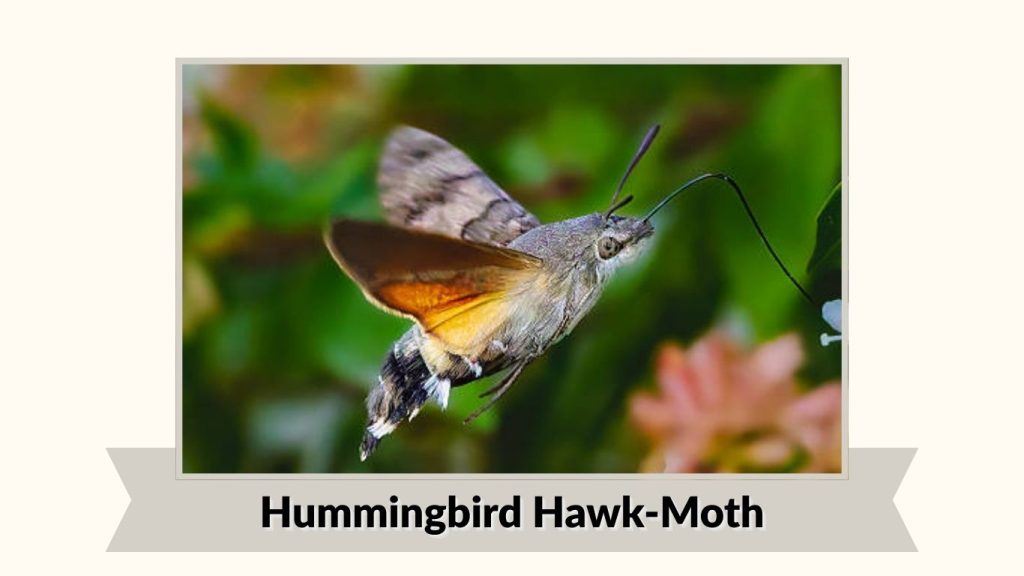
The Hummingbird Hawk-Moth is a fascinating moth species known for hovering in front of flowers like a hummingbird while feeding on nectar. Its rapid wing movement and daytime activity often cause people to mistake it for a small bird. This moth is admired for its fast flight, long feeding tube, and unique behavior.
Identification
- Grayish-brown wings with orange hindwings
- Thick streamlined body
- Long proboscis for nectar feeding
- Rapidly beating wings during hovering
- Small tail-like tuft at the abdomen tip
- Large dark eyes
- Fast hummingbird-like flight pattern
Habitat and Distribution
Hummingbird Hawk-Moths are commonly found in gardens, meadows, forests, and tropical habitats with abundant flowering plants. They occur in many warm regions around the world, including parts of South America connected to Venezuela’s rich ecosystems. These moths prefer sunny environments where nectar-rich flowers are available.
Behavior and Diet
Unlike many moth species, Hummingbird Hawk-Moths are often active during the daytime. They hover in front of flowers while using their long proboscis to drink nectar. Their fast wingbeats allow them to remain nearly motionless in the air while feeding, much like hummingbirds.
Life Cycle
The life cycle begins when females lay eggs on suitable host plants. Caterpillars hatch and feed on leaves while growing through several stages. After becoming fully grown, the caterpillar forms a pupa hidden among soil or vegetation. Adult Hummingbird Hawk-Moths later emerge with fully developed wings and begin feeding on flower nectar.
17. Spanish Moon Moth
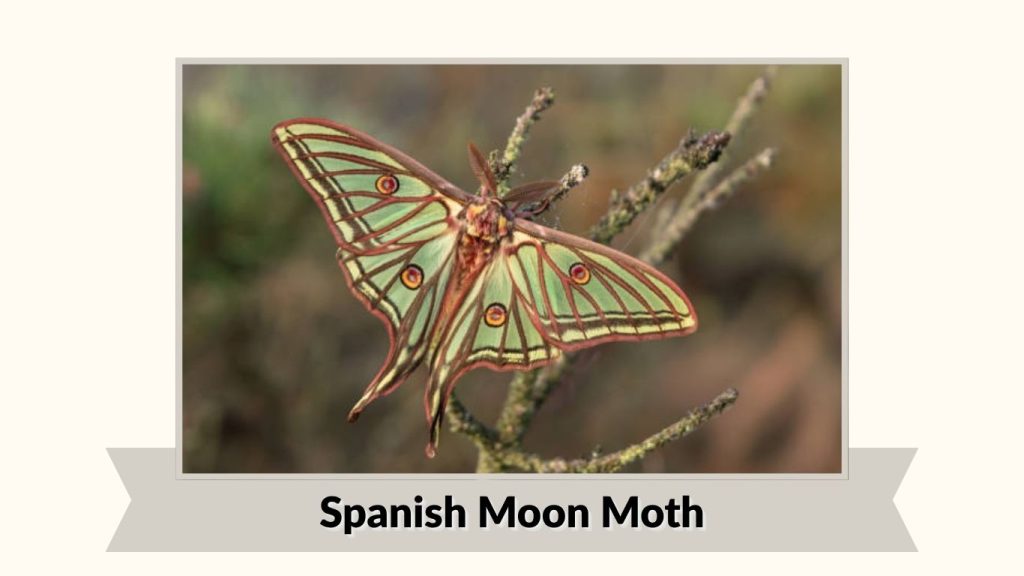
The Spanish Moon Moth is a beautiful silk moth known for its pale green wings and long elegant tails. Its delicate appearance and eye-like wing markings make it one of the most attractive moth species in the world. Although originally associated with Europe, related moon moth species are admired in tropical regions for their striking beauty and graceful flight.
Identification
- Pale green wings with long trailing tails
- Large eye-like spots on the wings
- Thick furry white body
- Feather-like antennae
- Wide wingspan with curved wing edges
- Soft green coloration for camouflage
- Slow fluttering nighttime flight
Habitat and Distribution
Spanish Moon Moths and related moon moth species prefer forests, woodland areas, and warm habitats with abundant vegetation. They are commonly associated with tree-rich environments where caterpillars can feed on leaves and adults can safely rest during the daytime.
Behavior and Diet
Adult Spanish Moon Moths are nocturnal and become active mainly after sunset. They are often attracted to lights and spend much of the daytime resting on tree trunks or leaves. Adult moths do not feed because they lack fully developed mouthparts, so their short adult life is focused mainly on reproduction.
Life Cycle
The life cycle begins when females lay eggs on suitable host plants. Caterpillars hatch and feed heavily on leaves while growing through several stages. After reaching full size, the caterpillar spins a silk cocoon and enters the pupal stage. Adult Spanish Moon Moths later emerge with their long-tailed green wings fully developed.
18. Saddleback Caterpillar Moth
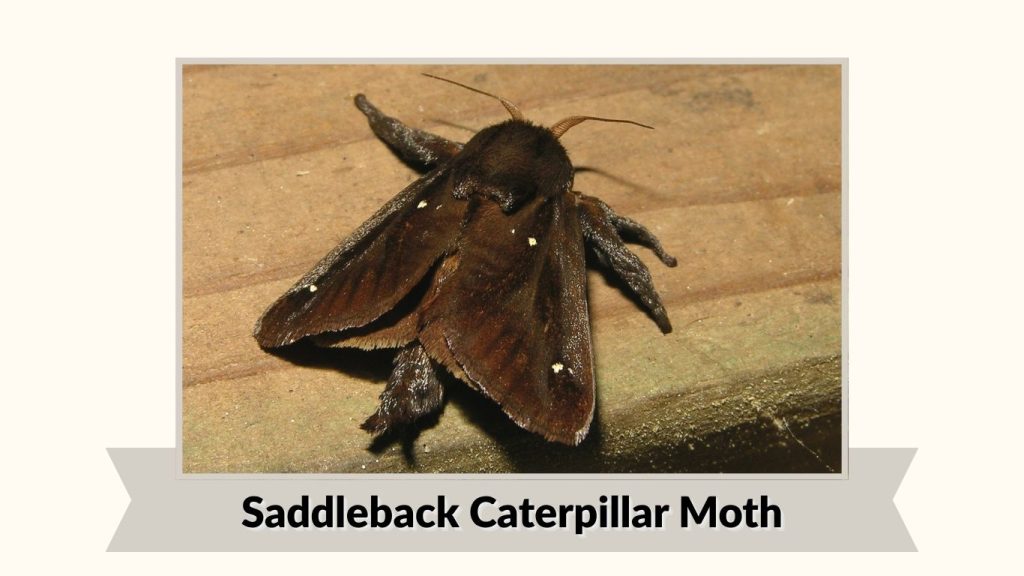
The Saddleback Caterpillar Moth is known mainly for its unusual caterpillar, which has a bright green “saddle” marking on its back and venomous spines. The adult moth is smaller and less colorful, but the species is famous because the caterpillar can cause painful skin irritation when touched. These moths are commonly found in warm forest and garden habitats.
Identification
- Small brown fuzzy adult moth
- Thick hairy body
- Rounded wings with soft brown coloring
- Caterpillars with bright green saddle-like markings
- Venomous spines on the caterpillar body
- Compact body shape
- Short antennae compared to larger moth species
Habitat and Distribution
Saddleback Caterpillar Moths are commonly found in forests, gardens, parks, and woodland habitats across warm regions of the Americas, including parts of South America connected to Venezuela. They prefer areas with abundant shrubs, trees, and broadleaf plants that serve as food sources for caterpillars.
Behavior and Diet
Adult moths are nocturnal and are attracted to lights at night. Caterpillars feed on a wide variety of leaves from shrubs, trees, and garden plants. The venomous spines on the caterpillar help protect it from predators and can cause burning pain or skin irritation in humans who touch them.
Life Cycle
The life cycle starts when females lay eggs on host plants. Caterpillars hatch and begin feeding on leaves while growing through several stages. After reaching maturity, the caterpillar forms a cocoon and enters the pupal stage. Adult Saddleback Caterpillar Moths later emerge with fully developed wings ready for reproduction.
19. Leopard Lacewing Moth
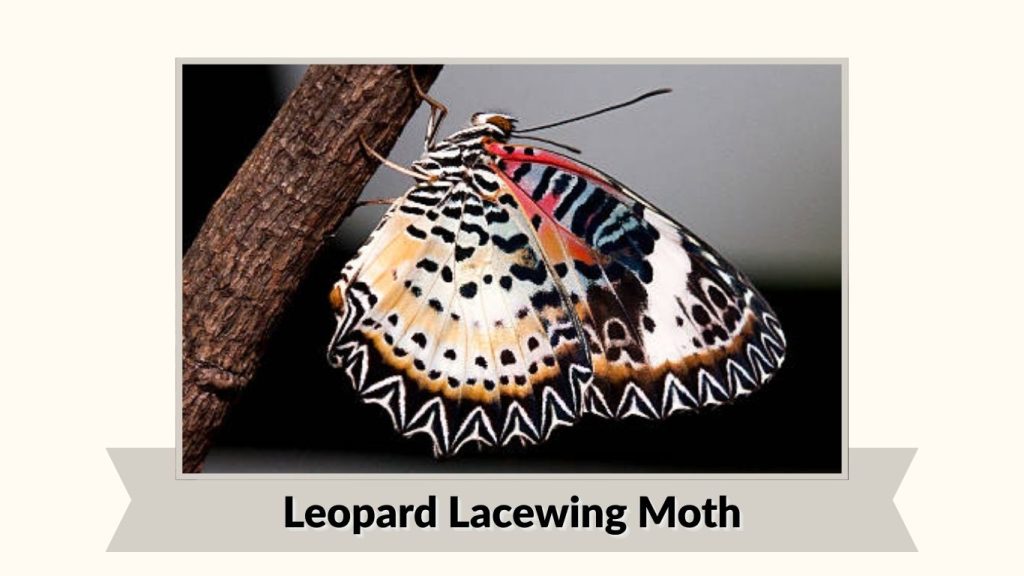
The Leopard Lacewing Moth is a beautifully patterned moth known for its spotted and lace-like wing markings. Its delicate wing patterns help it blend into tree bark and forest vegetation while also making it visually striking. This moth is mostly active at night and is commonly found in tropical woodland and rainforest habitats.
Identification
- White or cream wings with black spotted patterns
- Lace-like markings across the wings
- Slender fuzzy body
- Feather-like antennae
- Medium-sized wingspan
- Soft hairy thorax and abdomen
- Slow fluttering nighttime flight
Habitat and Distribution
Leopard Lacewing Moths are commonly found in tropical forests, woodland habitats, and humid environments throughout parts of South America, including Venezuela. They prefer areas with dense vegetation, tree cover, and abundant host plants where caterpillars can safely feed and develop.
Behavior and Diet
These moths are nocturnal and become active mainly after sunset. Adults are often attracted to lights and spend the daytime resting quietly on tree bark or leaves where their spotted patterns provide camouflage. Caterpillars feed on leaves and other plant material found in forest habitats.
Life Cycle
The life cycle begins when females lay eggs on suitable host plants. Caterpillars hatch and feed on leaves while passing through several stages of growth. Once fully developed, the caterpillar forms a cocoon or pupa before transforming into an adult moth. Adult Leopard Lacewing Moths later emerge with their patterned wings fully developed.
20. Owl Moth
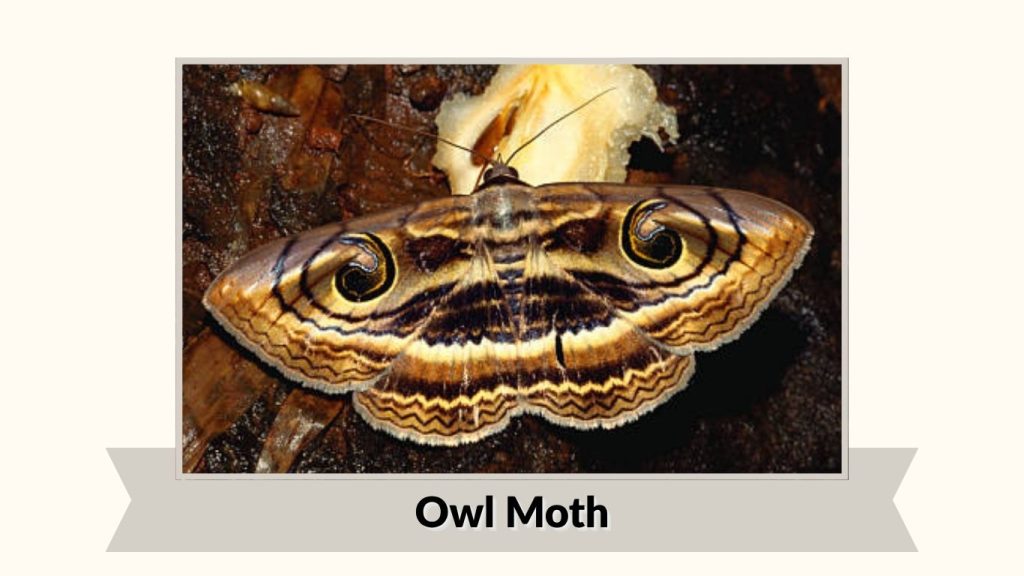
The Owl Moth is a large and fascinating moth species known for the eye-like patterns on its wings that resemble owl eyes. These markings help scare away predators by making the moth appear larger and more dangerous. Owl Moths are mostly active at night and are commonly found in tropical forests and humid woodland habitats.
Identification
- Large wings with owl-eye markings
- Brown, tan, and gray camouflage coloration
- Broad wings with detailed patterns
- Thick furry body
- Feather-like antennae
- Large wingspan compared to many moth species
- Excellent camouflage against tree bark
Habitat and Distribution
Owl Moths are commonly found in tropical rainforests, woodland habitats, and humid regions across South America, including Venezuela. They prefer warm environments with dense vegetation and large trees where they can safely rest during the daytime and remain hidden from predators.
Behavior and Diet
These moths are nocturnal and become active mainly after sunset. They are attracted to lights and often rest motionless on tree trunks during the day to avoid predators. Adult Owl Moths feed mainly on fruit juices, tree sap, and other sweet liquids found in forest habitats.
Life Cycle
The life cycle starts when females lay eggs on host plants. Caterpillars hatch and feed on leaves while growing through several stages. After becoming fully grown, the caterpillar enters the pupal stage inside a cocoon or protective shelter. Adult Owl Moths later emerge with their large eye-patterned wings fully developed for nighttime activity and reproduction.
FAQs
What is the rarest Venezuelan moth?
The Venezuelan Poodle Moth is considered one of the rarest and most mysterious moths linked to Venezuela. It became famous because of its fluffy white appearance and unusual poodle-like body. Very little scientific information is available about this species, making it especially interesting to researchers and insect enthusiasts.
Are Venezuelan moths dangerous to humans?
Most Venezuelan moths are harmless to humans, but some caterpillars may have irritating hairs or venomous spines that can cause skin reactions. Adult moths generally do not bite or sting. It is always best to avoid touching unfamiliar caterpillars because some species may cause itching or pain.
What do Venezuelan moths eat?
The diet of Venezuelan moths depends on their life stage. Caterpillars mainly feed on leaves, flowers, and plant material, while many adult moths drink nectar, fruit juices, or tree sap. Some giant silk moth species do not eat at all during adulthood because they lack functioning mouthparts.
Why are some moths attracted to lights at night?
Many moth species use natural light sources like the moon for navigation. Artificial lights can confuse them and cause them to fly toward homes, streetlights, and buildings. This behavior is common in many Venezuelan moth species, especially nocturnal silk moths and hawk moths.
Which Venezuelan moth is the largest?
The White Witch Moth is one of the largest moths associated with tropical regions of Venezuela. It has an enormous wingspan and broad pale wings that help it glide through forests at night. Some giant silk moths found in South America are also considered among the world’s largest moth species.