Ghost moths are fascinating nighttime insects known for their silent flight, thick furry bodies, and mysterious appearance. Many species have pale or earthy wing colors that help them blend into forests, grasslands, and woodland habitats. Unlike many other moths, ghost moth larvae spend most of their lives underground feeding on roots and plant material. From the glowing Common Ghost Moth to the massive Giant Ghost Moth, each species has unique traits and behaviors. In this guide, you will discover 13 interesting types of ghost moths, including their identification, habitat, behavior, and life cycle.
1. Black Mountain Ghost Moth
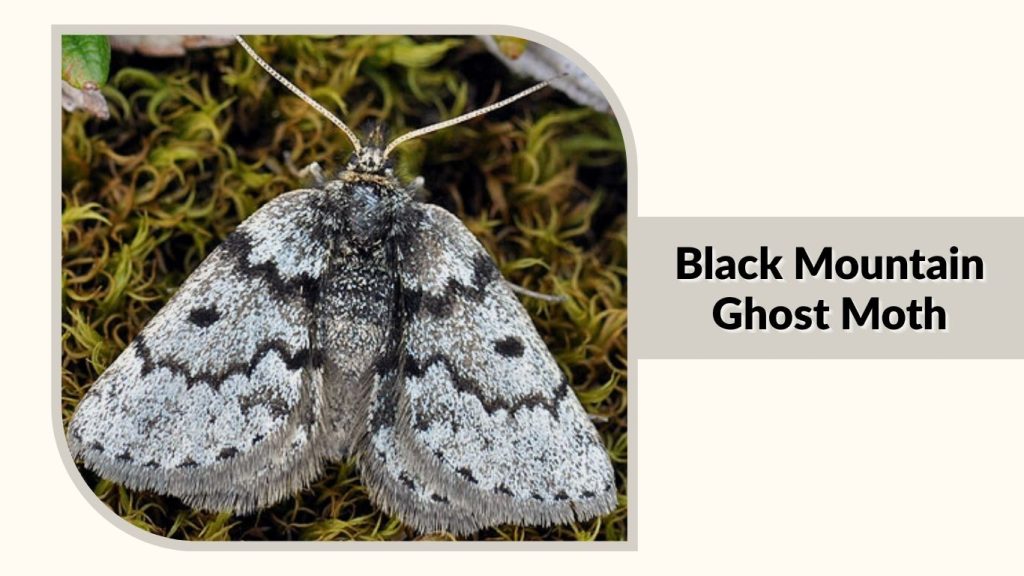
The Black Mountain Ghost Moth is a fascinating nocturnal insect known for its dark wings and silent nighttime flight. Like many ghost moths, it belongs to the family Hepialidae and is often seen in forested or mountainous regions. Its mysterious appearance and short adult lifespan make it an interesting species for moth enthusiasts and nature observers.
Identification
- Dark brown to black-colored wings
- Thick, furry body with a heavy appearance
- Wingspan usually medium to large compared to other moths
- Males may fly in hovering patterns during dusk
- Antennae are short and simple
- Camouflaged wing markings help it blend into bark and soil
Habitat and Distribution
The Black Mountain Ghost Moth is mainly found in cool mountainous forests and woodland habitats. It prefers areas with dense vegetation where its larvae can feed underground on plant roots. These moths are usually active during warm months and are most commonly spotted at dusk or during the night.
Behavior and Diet
Adult Black Mountain Ghost Moths do not feed much because their mouthparts are reduced. Most of their energy comes from food stored during the larval stage. The caterpillars live underground and feed on roots and decaying plant material. Adults are attracted to dim light sources and spend much of their short lives searching for mates.
Life Cycle
The life cycle of the Black Mountain Ghost Moth begins when females lay eggs near soil or plant roots. After hatching, the larvae burrow underground where they feed and grow for months or even years. Pupation also happens in the soil. Once fully developed, the adult moth emerges, mates, and completes its brief adult stage within a short time.
2. Swift Moth
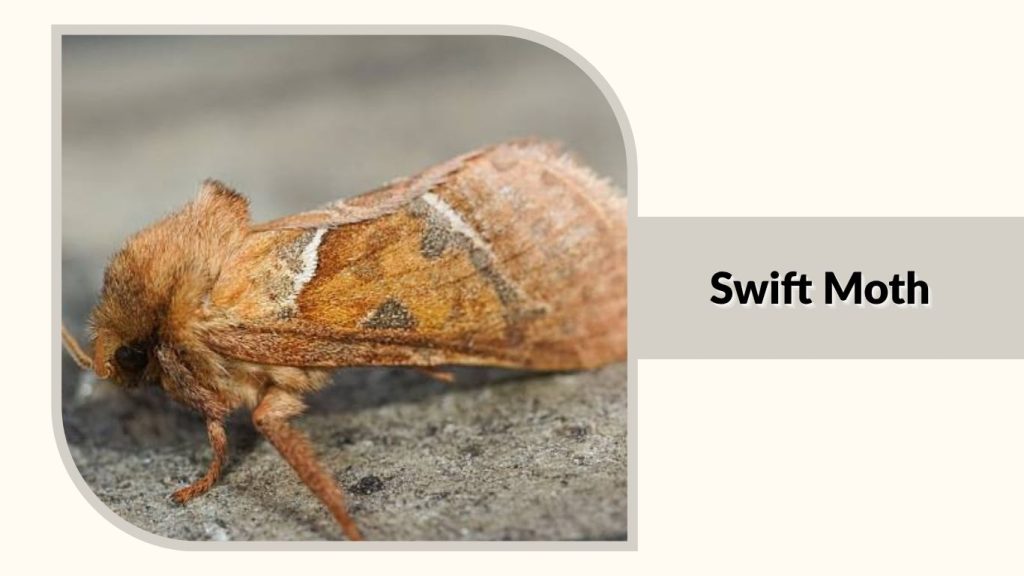
The Swift Moth is one of the best-known members of the ghost moth family. It is recognized for its fast and direct flight, especially during the evening hours. These moths are widely distributed in grassy habitats and woodland edges, where their underground larvae feed on roots and stems.
Identification
- Medium-sized moth with narrow wings
- Wing colors range from brown to gray
- Fast and straight flying pattern
- Thick body covered with fine hairs
- Males often appear darker than females
- Wings may show faint lines or spotted markings
Habitat and Distribution
Swift Moths are commonly found in meadows, gardens, grasslands, and woodland borders. They prefer places with soft soil where larvae can tunnel underground. Different species of Swift Moths occur across Europe, Asia, Australia, and parts of North America.
Behavior and Diet
Adult Swift Moths are mostly active at dusk and during the night. Many adults do not feed because they have poorly developed mouthparts. The larvae spend most of their lives underground feeding on roots, grasses, and decaying plant material. Adults focus mainly on reproduction during their short lifespan.
Life Cycle
Female Swift Moths scatter eggs while flying over vegetation. After hatching, the caterpillars burrow into the soil and begin feeding underground. The larval stage can last a long time depending on the species and climate. Once mature, the larvae pupate in underground chambers before emerging as adult moths ready to mate.
3. Gold Swift
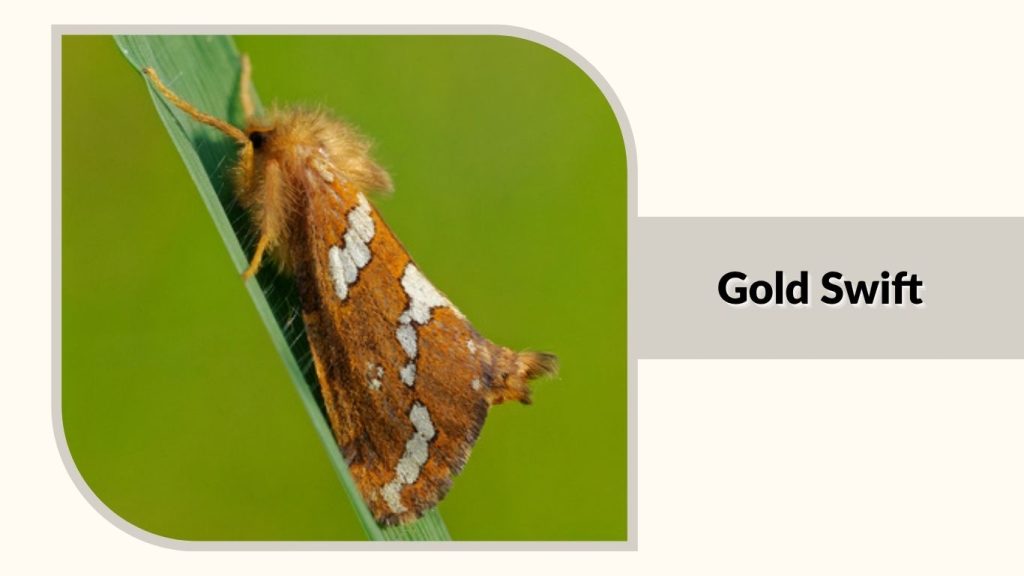
The Gold Swift is a striking ghost moth known for its warm golden-brown wing colors and quick evening flight. This moth is often seen in grassy habitats and woodland clearings during summer. Although it looks delicate in flight, its underground larvae are strong burrowers that spend much of their lives hidden beneath the soil.
Identification
- Golden-brown or yellowish wing coloration
- Medium-sized body with a furry appearance
- Narrow forewings with faint markings
- Rapid and direct flight style
- Short antennae typical of ghost moths
- Hindwings are usually paler than forewings
Habitat and Distribution
Gold Swift moths are commonly found in grasslands, forest edges, heathlands, and open meadows. They prefer habitats with plenty of low vegetation and loose soil. This species is mainly distributed across parts of Europe and nearby regions where temperate climates support healthy larval development.
Behavior and Diet
Adult Gold Swift moths are active mainly during dusk and nighttime hours. They spend most of their short adult lives searching for mates. The larvae live underground and feed on plant roots and organic matter. Adults rarely feed because their mouthparts are not fully developed.
Life Cycle
The life cycle begins when females release eggs over grassy areas. Newly hatched larvae tunnel into the ground and begin feeding on roots beneath the surface. The caterpillars remain underground for an extended period before pupating in soil chambers. Adult moths emerge during warmer seasons, reproduce quickly, and complete the cycle.
4. Orange Swift
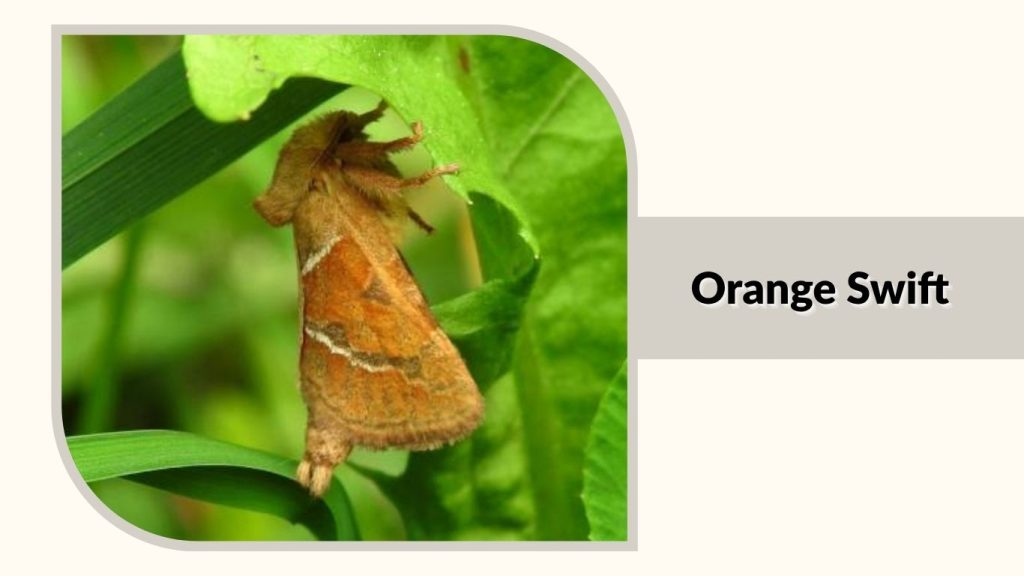
The Orange Swift is a colorful ghost moth admired for its bright orange or rusty wing tones. It is most active during the evening and is often seen flying low over grasslands and woodland paths. Like other ghost moths, its hidden underground larval stage makes up most of its life.
Identification
- Bright orange or rusty-brown forewings
- Medium-sized moth with a thick body
- Fine hair covering the thorax and abdomen
- Wings may have darker streaks or spots
- Fast, straight flight during dusk
- Pale hindwings compared to the forewings
Habitat and Distribution
Orange Swift moths are usually found in meadows, woodland edges, heathlands, and grassy open areas. They prefer moist soil where larvae can easily burrow underground. This moth is distributed across several temperate regions, especially in parts of Europe and nearby areas.
Behavior and Diet
Adult Orange Swift moths are mainly nocturnal and become active shortly after sunset. Most adults do not eat because their mouthparts are very limited. The larvae feed underground on roots and decaying vegetation, helping them store energy for adulthood and reproduction.
Life Cycle
Females scatter eggs across grasses and low plants while flying. The young larvae hatch and quickly tunnel into the soil to begin feeding. They may stay underground for many months before forming pupae beneath the surface. Adult moths emerge during warm seasons, mate, and live only a short time afterward.
5. Common Ghost Moth
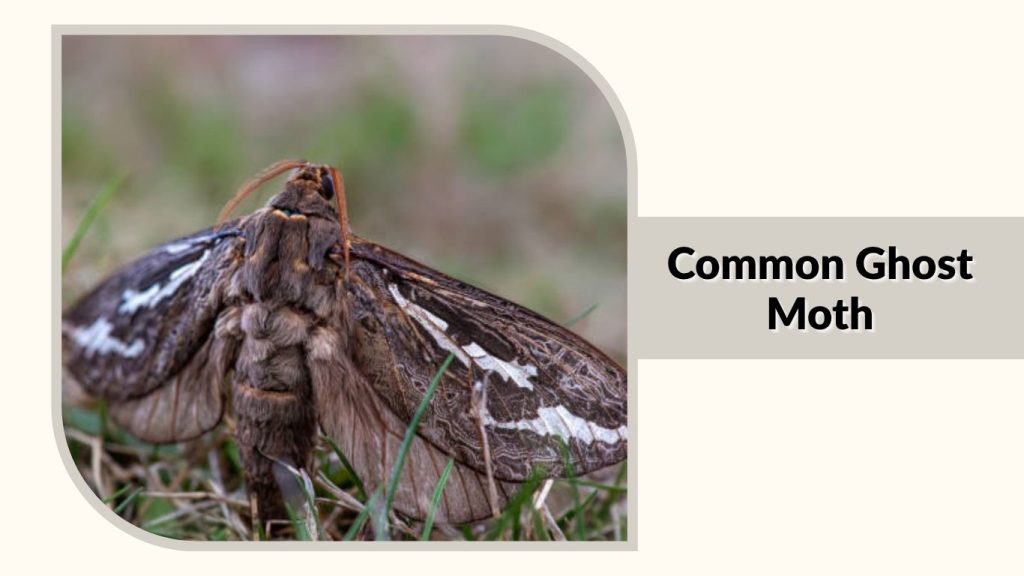
The Common Ghost Moth is one of the most recognizable members of the ghost moth family. It is famous for the pale white males that appear to “float” through the air during dusk. These moths are often seen in open grassy habitats where adults perform hovering display flights to attract mates.
Identification
- Males usually have pale white or cream-colored wings
- Females are darker with brown or yellowish tones
- Broad wings with a silky appearance
- Thick, hairy body typical of ghost moths
- Hovering flight pattern during evening hours
- Wingspan is medium to large compared to many moth species
Habitat and Distribution
Common Ghost Moths are found in grasslands, meadows, woodland clearings, and heathlands. They prefer damp environments with soft soil that supports underground larvae. This species is widely distributed across Europe and parts of Asia, especially in temperate regions.
Behavior and Diet
Adult Common Ghost Moths are active at dusk and during the night. Males often gather in open spaces and hover repeatedly to attract females. Adults feed very little because their mouthparts are poorly developed. The larvae live underground and feed on roots and low-growing plants.
Life Cycle
Females scatter thousands of tiny eggs over vegetation while flying. Once hatched, the larvae burrow into the soil and spend a long period feeding underground. After reaching maturity, they pupate beneath the surface before emerging as adult moths during the warmer months. The adults live briefly, focusing mainly on mating and reproduction.
6. New Zealand Porina Moth
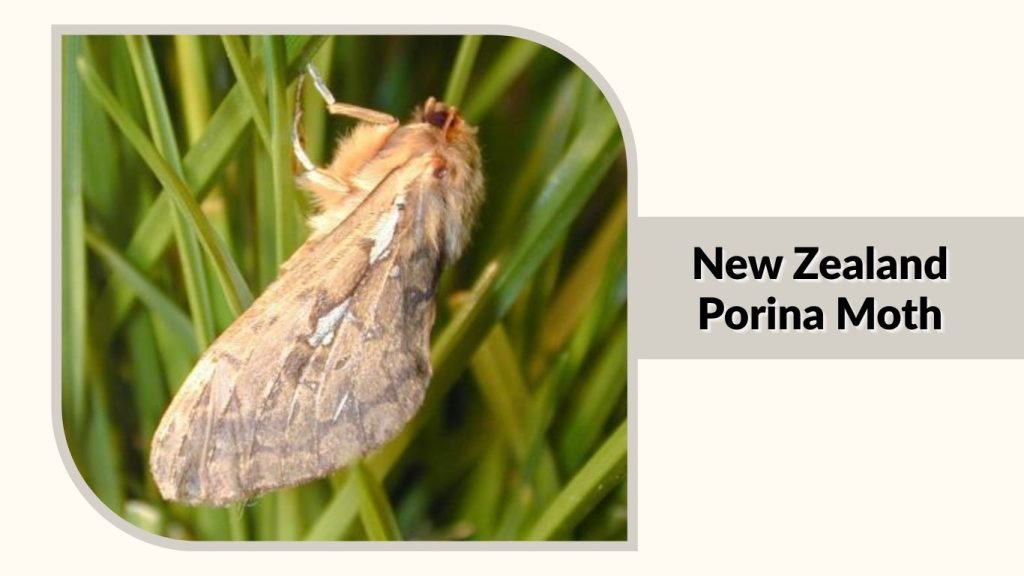
The New Zealand Porina Moth is a well-known ghost moth native to New Zealand. It is famous for its underground caterpillars, called porina worms, which can affect pasturelands by feeding on grasses. Adult moths are active at night and are attracted to lights during their short adult stage.
Identification
- Brown or grayish wings with subtle patterns
- Thick and furry body structure
- Medium to large wingspan
- Forewings may show darker markings or bands
- Strong nighttime flight
- Antennae are short and simple
Habitat and Distribution
New Zealand Porina Moths are commonly found in grasslands, farmland, forests, and open rural areas throughout New Zealand. Their larvae thrive in moist soil rich in grasses and low vegetation. They are especially common in pasture regions where caterpillars feed underground.
Behavior and Diet
Adult Porina Moths are nocturnal and often fly toward artificial lights at night. Most adults do not feed because they rely on energy stored from the larval stage. The underground caterpillars feed heavily on grasses and plant roots, sometimes becoming agricultural pests in pasture areas.
Life Cycle
Female moths lay eggs over grassy ground during flight. After hatching, the larvae enter the soil and create silk-lined tunnels where they feed at night on nearby vegetation. The caterpillars grow slowly underground before pupating in the soil. Adult moths emerge during warmer months, mate, and complete their short lifespan quickly.
7. Rain Moth
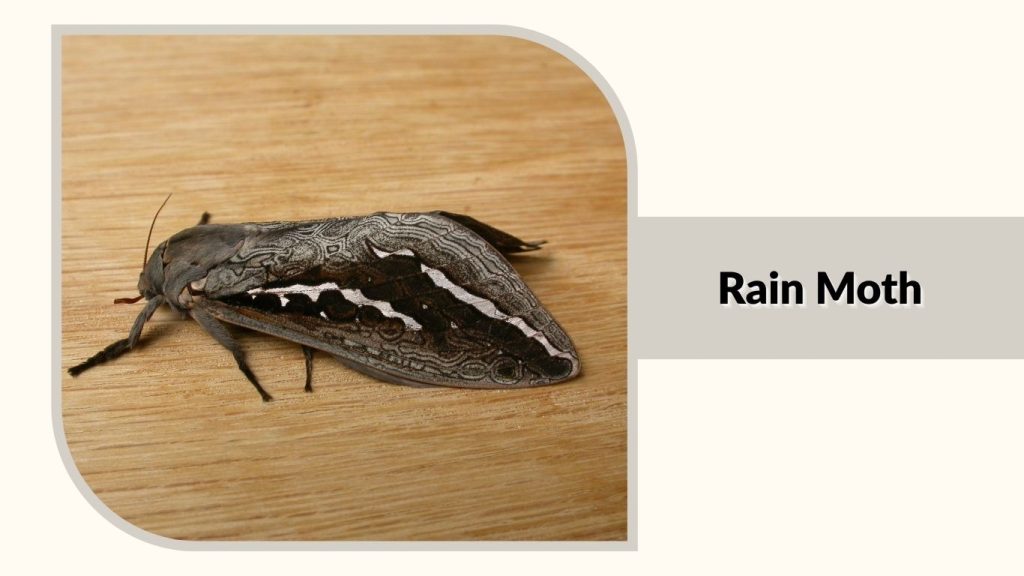
The Rain Moth is a large ghost moth named for its appearance during rainy seasons in some regions. It is known for its heavy body, slow flight, and underground larvae that feed on plant roots. This moth is often associated with moist environments and nighttime activity.
Identification
- Large and bulky moth with thick wings
- Brown, gray, or tan wing coloration
- Furry body with a stout appearance
- Wings may show faint striped patterns
- Slow but powerful flight at night
- Females are usually larger than males
Habitat and Distribution
Rain Moths are commonly found in forests, grasslands, gardens, and areas with moist soil. They prefer habitats that support underground larvae and plenty of vegetation. Different species of Rain Moths occur in Australia, Africa, and other temperate or subtropical regions.
Behavior and Diet
Adult Rain Moths are mostly nocturnal and become active during humid or rainy conditions. Many adults do not eat because their mouthparts are reduced. The larvae spend years underground feeding on roots and organic material, helping them store enough energy for adulthood.
Life Cycle
Females lay eggs on or near the soil surface. Once hatched, the larvae tunnel underground and begin feeding on plant roots. The caterpillars grow slowly and may remain below the surface for a long time before pupating. Adult moths emerge after rainfall or warm seasonal changes, reproduce, and live only briefly.
8. Western Ghost Moth
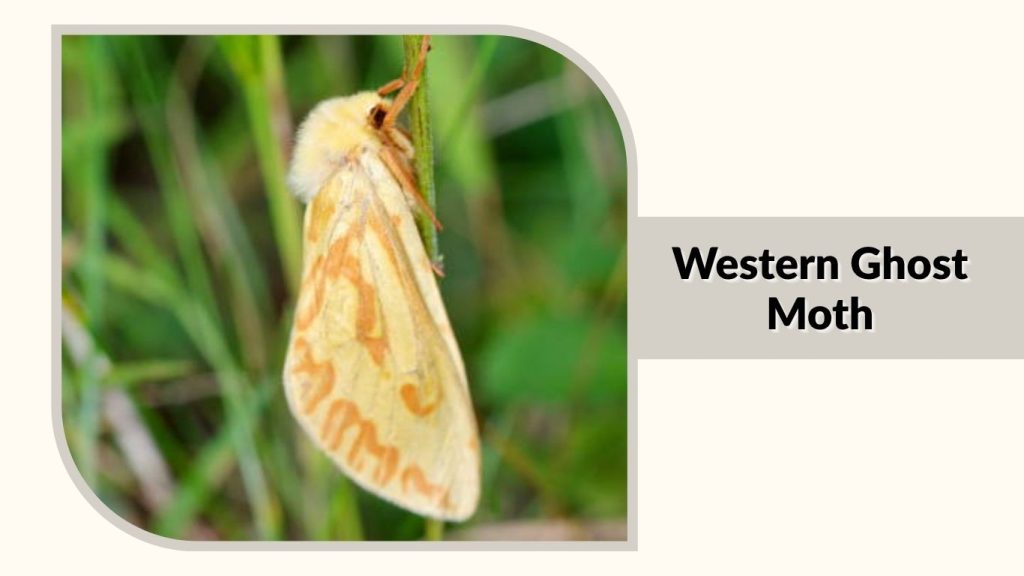
The Western Ghost Moth is a nocturnal species known for its muted wing colors and quiet evening flight. It belongs to the ghost moth family and spends most of its life underground as a larva. Adults are usually active during warmer months and are sometimes attracted to outdoor lights at night.
Identification
- Gray, brown, or pale tan wing coloration
- Medium-sized moth with broad wings
- Thick body covered in soft hairs
- Wings may have faint bands or mottled patterns
- Short antennae and sturdy legs
- Smooth and silent flight during dusk and nighttime
Habitat and Distribution
Western Ghost Moths are commonly found in woodland edges, grassy valleys, open forests, and shrub-covered areas. They prefer regions with loose soil where larvae can burrow easily. This species is mostly distributed across western parts of its range, especially in temperate habitats.
Behavior and Diet
Adult Western Ghost Moths are active mainly at night and spend much of their short lives searching for mates. Most adults feed very little because their mouthparts are weakly developed. The underground larvae feed on roots, grasses, and decaying organic matter hidden beneath the soil.
Life Cycle
Females release eggs over vegetation and soil while in flight. After hatching, the larvae tunnel underground and remain hidden as they feed and grow. The caterpillars may live below the surface for months or years before pupating in soil chambers. Adult moths emerge during suitable weather conditions to reproduce and continue the cycle.
9. Silver Ghost Moth
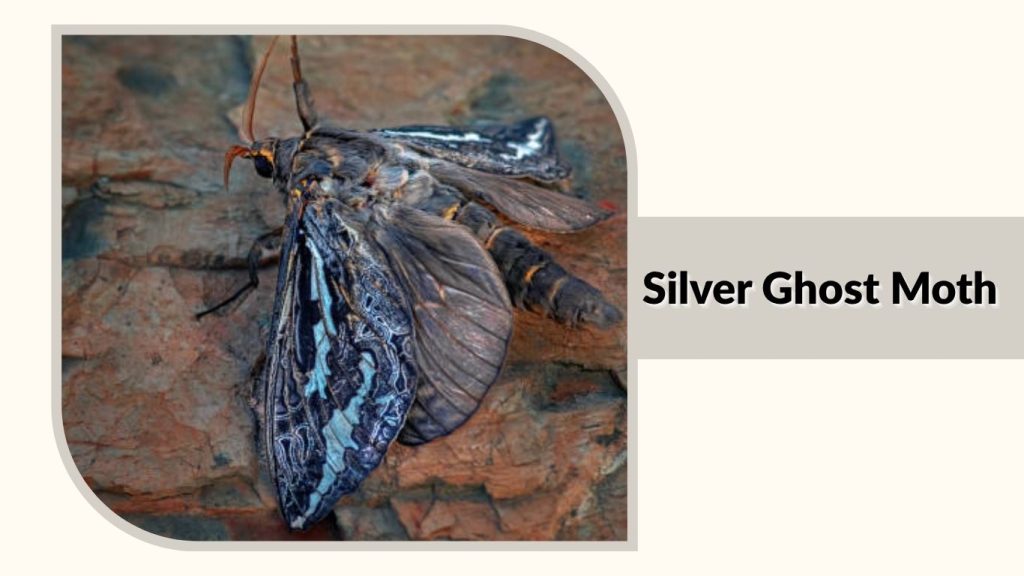
The Silver Ghost Moth is admired for its pale silvery wings that shimmer in low light. This mysterious moth is most active during dusk and nighttime hours, when it glides quietly through grassy habitats and woodland clearings. Like other ghost moths, its underground larval stage lasts far longer than its adult life.
Identification
- Silvery-white or pale gray wing coloration
- Broad wings with a soft glossy appearance
- Thick, furry body structure
- Medium to large wingspan
- Males often appear lighter than females
- Smooth hovering or drifting flight at dusk
Habitat and Distribution
Silver Ghost Moths are commonly found in moist meadows, woodland edges, heathlands, and grassy open spaces. They prefer environments with soft soil and dense vegetation that support underground larvae. This species is mainly distributed across temperate regions with cool nighttime conditions.
Behavior and Diet
Adult Silver Ghost Moths are nocturnal and usually active shortly after sunset. Many adults do not feed because their mouthparts are poorly developed. The larvae live underground and feed on roots, grasses, and organic plant material, storing enough energy for the short adult stage.
Life Cycle
Females scatter eggs over grassy vegetation during flight. Once the eggs hatch, the larvae burrow into the soil where they remain for an extended period feeding on roots. Pupation takes place underground before adults emerge during warmer seasons. The adults mate quickly and complete their life cycle within a short time.
10. Giant Ghost Moth
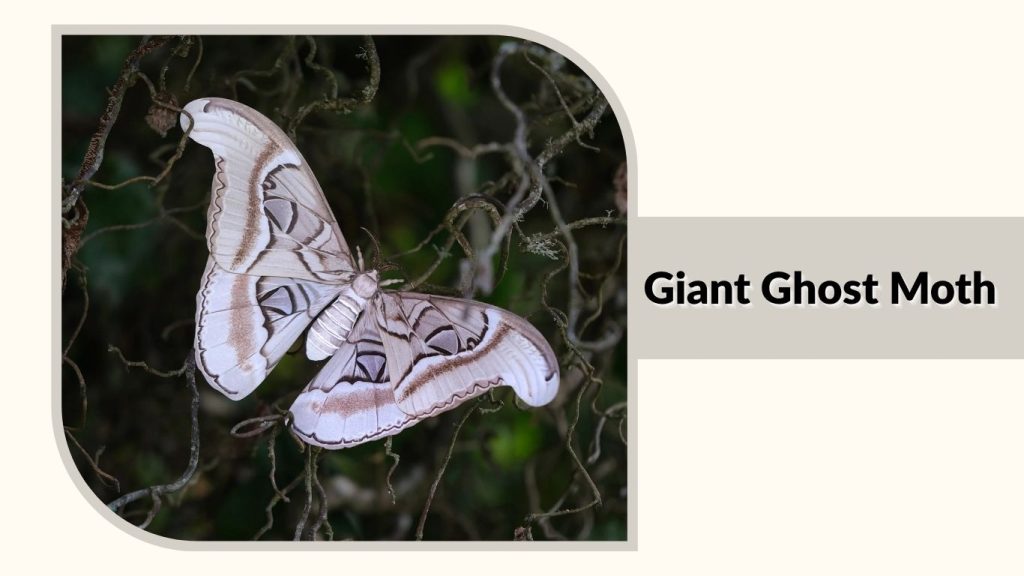
The Giant Ghost Moth is one of the largest members of the ghost moth family. Its impressive wingspan and heavy body make it easy to notice during nighttime flights. Despite its large size, this moth moves quietly and spends most of its life underground as a hidden larva.
Identification
- Very large wingspan compared to other ghost moths
- Brown, gray, or mottled wing patterns
- Thick and furry body with a heavy appearance
- Broad wings with visible markings or bands
- Strong but slow nighttime flight
- Females are usually larger and bulkier than males
Habitat and Distribution
Giant Ghost Moths are commonly found in forests, woodland clearings, grasslands, and areas with loose soil. They prefer habitats with abundant plant roots that support underground larvae. Different species occur in temperate and subtropical regions around the world.
Behavior and Diet
Adult Giant Ghost Moths are active mainly at night and may be attracted to lights. Most adults feed very little or not at all because their mouthparts are reduced. The larvae remain underground for long periods feeding on roots, stems, and decaying plant material.
Life Cycle
Females release eggs near soil and vegetation during flight. After hatching, the caterpillars burrow underground and begin feeding. The larval stage can last several years depending on environmental conditions. Once mature, the larvae pupate in underground chambers before emerging as large adult moths ready to mate.
11. Saddleback Ghost Moth
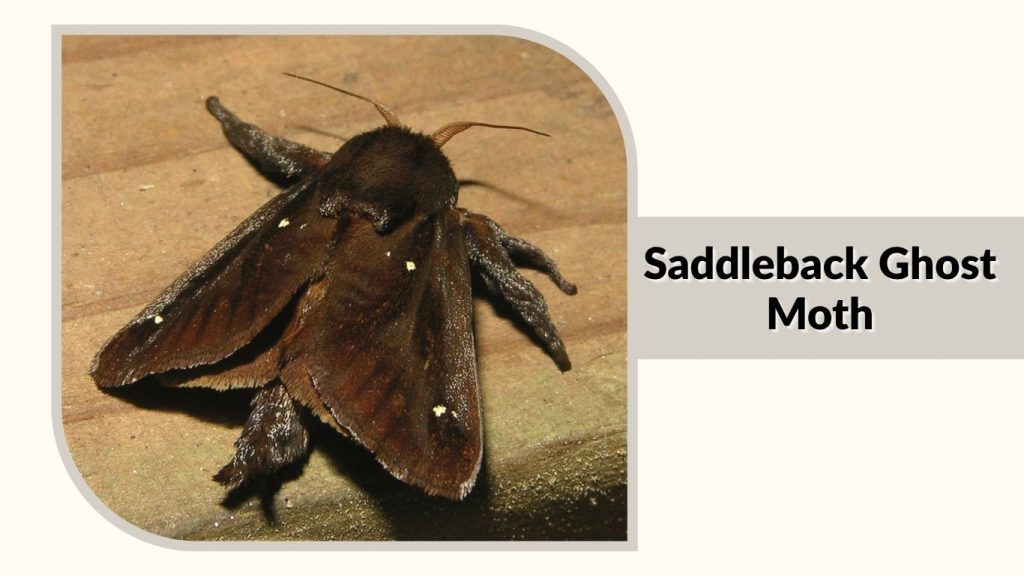
The Saddleback Ghost Moth is a unique species recognized for the darker saddle-like marking across its wings or back area. It is a nocturnal moth that prefers quiet grassy habitats and forest edges. Like other ghost moths, it spends most of its life hidden underground as a larva.
Identification
- Brown or gray wings with darker saddle-shaped markings
- Medium-sized moth with a stout body
- Fine hairs covering the thorax and abdomen
- Broad forewings with faint patterns
- Slow and steady nighttime flight
- Short antennae typical of ghost moth species
Habitat and Distribution
Saddleback Ghost Moths are commonly found in woodland clearings, grassy meadows, shrublands, and open forests. They prefer moist soil that allows larvae to burrow easily. This species occurs in temperate regions where dense vegetation supports underground feeding stages.
Behavior and Diet
Adult Saddleback Ghost Moths are active during dusk and nighttime hours. They spend most of their short adult lives searching for mates. The larvae feed underground on roots and decaying organic matter, while adults usually do not feed due to reduced mouthparts.
Life Cycle
Females scatter eggs over low vegetation and soil surfaces. Once hatched, the larvae move underground and begin feeding on roots. The caterpillars remain hidden for long periods before pupating beneath the soil. Adult moths emerge during warmer seasons, reproduce quickly, and complete their short-lived adult stage.
12. Pale Ghost Moth
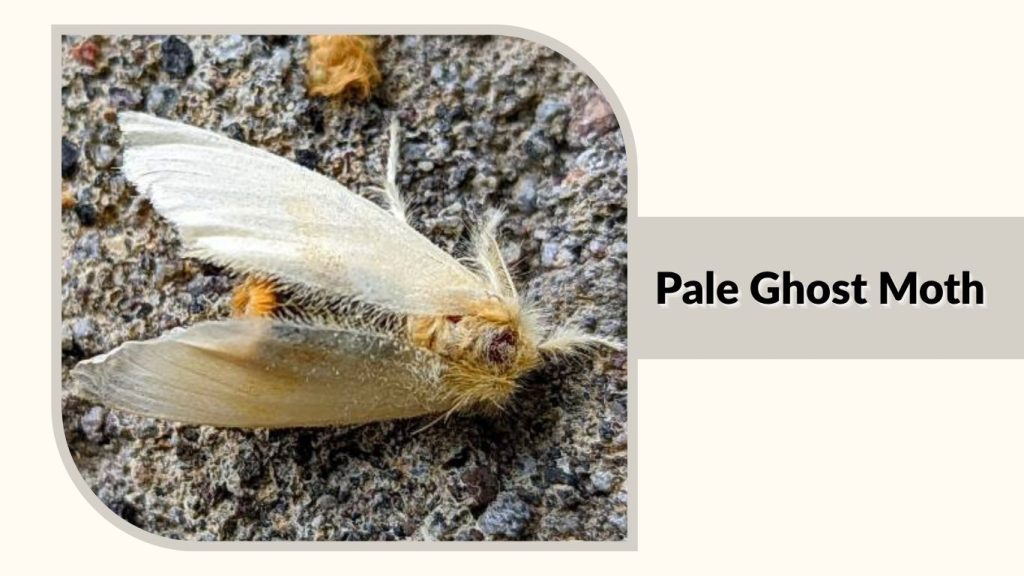
The Pale Ghost Moth is a softly colored species known for its light cream or pale gray wings that appear almost glowing in low evening light. It is a quiet nocturnal moth often seen near grassy fields and woodland edges during warm seasons.
Identification
- Pale cream, white, or light gray wings
- Medium-sized moth with a furry body
- Broad wings with smooth edges
- Faint markings or thin lines on the wings
- Gentle hovering or drifting flight pattern
- Males are often lighter in color than females
Habitat and Distribution
Pale Ghost Moths are commonly found in meadows, forest clearings, heathlands, and grassy open areas. They prefer cool and moist habitats with loose soil where larvae can live underground. This species occurs in temperate regions with healthy grass and shrub growth.
Behavior and Diet
Adult Pale Ghost Moths are mostly active during dusk and nighttime. They spend much of their adult life searching for mates and are occasionally attracted to lights. The larvae live underground and feed on roots and decaying plant matter, while adults rarely feed because of reduced mouthparts.
Life Cycle
Females scatter eggs across grasses and low vegetation while flying. After hatching, the larvae tunnel into the soil and begin feeding underground. The caterpillars may remain below the surface for many months before pupating in soil chambers. Adult moths emerge during warmer weather and complete their short reproductive stage quickly.
13. Feathered Ghost Moth
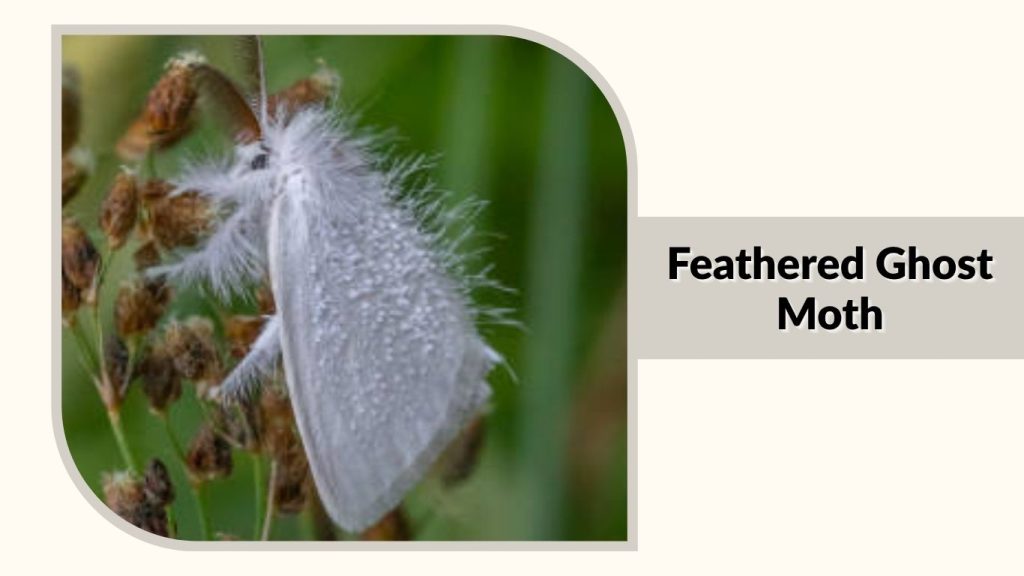
The Feathered Ghost Moth is a delicate-looking species known for its soft wing texture and feathery body appearance. It is mainly active during dusk and nighttime hours, gliding quietly through grassy habitats and forest edges. Its underground larval stage lasts much longer than its short adult life.
Identification
- Soft brown, gray, or cream-colored wings
- Fine feathery hairs covering the body
- Medium-sized wingspan with broad wings
- Wings may have faint speckles or lines
- Gentle and floating nighttime flight
- Short antennae with a simple structure
Habitat and Distribution
Feathered Ghost Moths are commonly found in grasslands, meadows, woodland clearings, and shrub-covered areas. They prefer habitats with moist, loose soil that supports underground larvae. This species is distributed across temperate regions with dense vegetation and mild climates.
Behavior and Diet
Adult Feathered Ghost Moths are nocturnal and usually become active shortly after sunset. Most adults do not feed because their mouthparts are poorly developed. The larvae live underground where they feed on roots, grasses, and decaying plant material for long periods.
Life Cycle
Females release eggs while flying low over vegetation. After hatching, the caterpillars burrow underground and continue feeding beneath the soil surface. The larval stage may last for months or years before pupation occurs underground. Adult moths emerge during warm seasons, mate, and complete their brief adult stage.
FAQs
What are ghost moths?
Ghost moths are a group of moths belonging to the Hepialidae family. They are known for their thick bodies, silent flight, and underground larvae. Many species are active during dusk or nighttime.
Why are they called ghost moths?
They are called ghost moths because some species have pale or glowing wings that appear ghost-like in dim evening light. Their smooth hovering flight also adds to their mysterious appearance.
What do ghost moth caterpillars eat?
Ghost moth caterpillars usually feed on plant roots, grasses, stems, and decaying organic matter underground. Some species can become pests in grasslands or farmland.
Are ghost moths harmful to humans?
Ghost moths are not dangerous to humans. Adult moths do not bite or sting, and they are generally harmless insects found in natural habitats.
How long do ghost moths live?
Most adult ghost moths live only a short time, often just a few days or weeks. However, the larval stage underground can last several months or even years depending on the species.