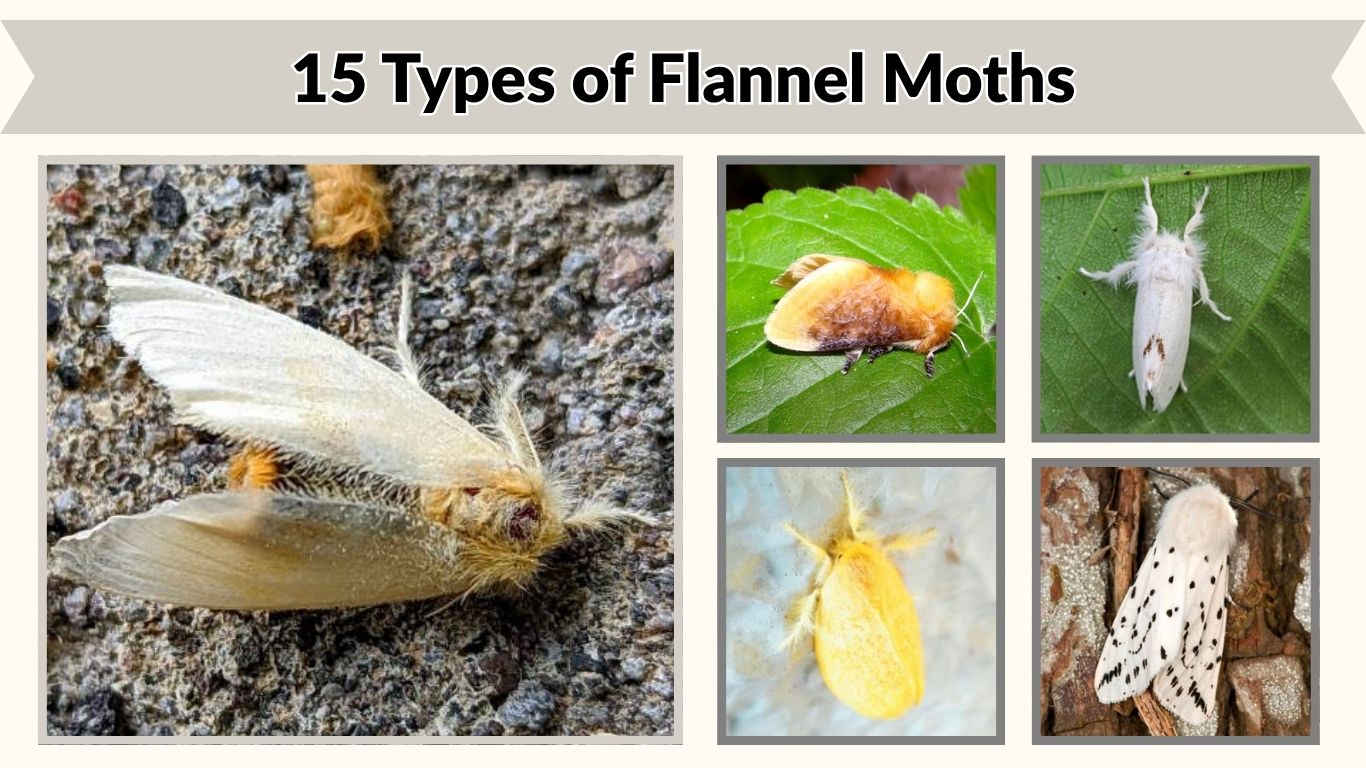
Flannel moths are fascinating insects known for their soft fuzzy appearance and unusual caterpillars. Many species look harmless because of their thick hair-like covering, but some caterpillars contain venomous spines hidden beneath the fur. These moths are mostly found in warm tropical and subtropical regions, including the southern United States and Central America.
This guide explores 15 different types of flannel moths, including their identification, habitat, behavior, and life cycle. You will also learn about their caterpillars, feeding habits, and why some species are considered medically important because of their painful stings.
1. Southern Flannel Moth

The Southern Flannel Moth is one of the most famous flannel moth species in North America. It is best known for its extremely hairy caterpillar, often called the puss caterpillar. While the adult moth appears soft and harmless, the caterpillar carries venomous spines hidden beneath its fur that can cause painful stings.
Identification
- Thick furry body
- Yellow, orange, or cream coloring
- Rounded wings with soft hair-like scales
- Small size compared to many moths
- Caterpillar resembles a tuft of fur
Habitat and Distribution
Southern Flannel Moths are commonly found in the southeastern United States, especially in Texas, Florida, and nearby Gulf Coast states. They prefer warm habitats with trees, shrubs, gardens, and wooded areas where their caterpillars can feed safely on leaves.
Behavior and Diet
Adult Southern Flannel Moths are mostly nocturnal and are attracted to lights at night. The caterpillars feed on a wide variety of plants, including oak, elm, citrus, and ornamental garden trees. Their fuzzy appearance helps protect them from predators, although the venomous spines provide the main defense.
Life Cycle
The female moth lays eggs on leaves, where the young caterpillars hatch and begin feeding immediately. As the caterpillar grows, it develops thicker fur that hides its venomous spines. Eventually, it forms a cocoon and transforms into a soft-bodied adult moth after completing metamorphosis.
2. Black-Waved Flannel Moth
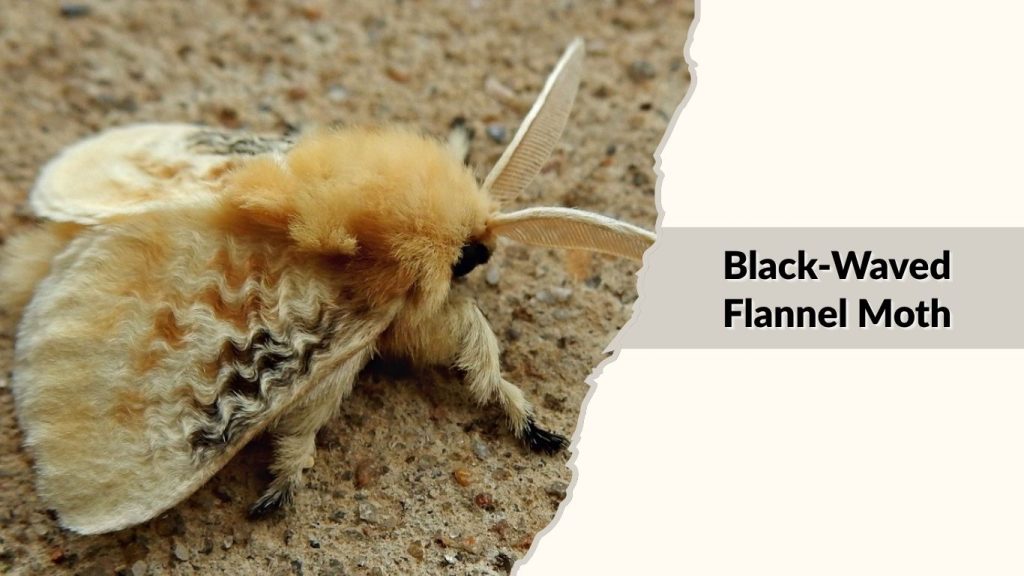
The Black-Waved Flannel Moth is a small but striking flannel moth species known for its soft hairy wings and dark wavy markings. Like many flannel moths, its caterpillar is covered with thick hair that helps protect it from predators. This moth is commonly found in warm regions of the southern United States.
Identification
- Cream or pale yellow wing color
- Dark wavy lines across the wings
- Fuzzy body covered in soft hairs
- Small to medium moth size
- Hairy caterpillar with hidden spines
Habitat and Distribution
Black-Waved Flannel Moths are mostly found in the southeastern United States, including Florida, Texas, and nearby coastal regions. They prefer wooded habitats, gardens, parks, and areas with plenty of shrubs and host plants for caterpillars.
Behavior and Diet
Adult moths are active mainly at night and are often attracted to porch lights and outdoor lamps. Caterpillars feed on leaves from trees and shrubs, including oak and other hardwood species. Their hairy appearance helps them blend into bark and foliage during the daytime.
Life Cycle
Females lay eggs on leaves where the caterpillars hatch and begin feeding. As they grow, the caterpillars develop thick protective hair that conceals venomous spines beneath the surface. After completing growth, they spin cocoons and later emerge as adult moths during warm seasons.
3. White Flannel Moth

The White Flannel Moth is a delicate flannel moth species recognized for its pale fuzzy appearance and soft white coloring. Although the adult moth looks harmless, its caterpillar may contain irritating spines hidden beneath dense hairs. This species is commonly found in warm southern regions with wooded habitats and abundant vegetation.
Identification
- White or pale cream wing color
- Thick furry body
- Small rounded wings
- Dense hair covering the moth
- Fuzzy caterpillar with hidden spines
Habitat and Distribution
White Flannel Moths are commonly found in the southern United States, especially in Texas and nearby Gulf Coast areas. They usually live in forests, shrublands, gardens, and wooded suburban habitats where host plants are available for caterpillars.
Behavior and Diet
Adult White Flannel Moths are nocturnal and often fly around lights at night. Caterpillars feed on leaves from trees and shrubs, slowly chewing plant material while remaining hidden among foliage. Their soft hairy appearance provides camouflage against bark and leaves.
Life Cycle
Females deposit eggs on host plants, where young caterpillars hatch and begin feeding. As the larvae grow, they develop thicker hair that protects them from predators and conceals defensive spines. After forming a cocoon, the insect completes metamorphosis and emerges as a small adult moth.
4. Yellow-Tufted Flannel Moth

The Yellow-Tufted Flannel Moth is a colorful flannel moth species known for its soft yellowish hairs and fluffy appearance. Its caterpillar is heavily covered in dense fur-like hairs that hide venomous spines underneath. Like many flannel moth species, this moth is mainly active at night and prefers warm wooded habitats.
Identification
- Yellow or golden hairy body
- Thick fuzzy wing covering
- Rounded wing shape
- Small to medium body size
- Hairy caterpillar with toxic spines
Habitat and Distribution
Yellow-Tufted Flannel Moths are found mainly in the southeastern United States and parts of Central America. They prefer forests, woodland edges, parks, and gardens where shrubs and broadleaf trees provide shelter and food sources for caterpillars.
Behavior and Diet
Adult moths are nocturnal and commonly attracted to outdoor lights during warm nights. Caterpillars feed on leaves from various trees and ornamental plants. Their fuzzy appearance helps them avoid predators, while hidden venomous spines offer extra protection when disturbed.
Life Cycle
Females lay eggs on host plants during warm seasons. After hatching, caterpillars feed and gradually develop dense hair that conceals defensive spines. Once fully grown, the caterpillar spins a cocoon where it transforms into an adult moth before emerging to reproduce.
5. Puss Caterpillar Moth

The Puss Caterpillar Moth is one of the best-known flannel moth species because of its highly venomous caterpillar. The caterpillar resembles a small tuft of fur or cotton, which often causes people to touch it accidentally. Beneath the soft-looking hairs are painful venomous spines that can cause severe skin irritation and burning pain.
Identification
- Thick furry appearance
- Orange, cream, or gray coloring
- Dense hair covering the body
- Rounded fluffy wings
- Caterpillar looks like soft fur
Habitat and Distribution
Puss Caterpillar Moths are commonly found across the southeastern United States, especially in Texas, Florida, and nearby Gulf Coast states. They prefer wooded areas, gardens, parks, and suburban landscapes with plenty of shrubs and trees.
Behavior and Diet
Adult moths are active mainly at night and often gather around porch lights and street lamps. Caterpillars feed on a wide variety of trees and ornamental plants, including oak, elm, citrus, and rose bushes. Their furry body helps them avoid predators while hiding dangerous spines underneath.
Life Cycle
Females lay clusters of eggs on leaves where caterpillars hatch and begin feeding immediately. As they grow, the caterpillars develop thicker fur and stronger venomous spines. After completing the larval stage, they spin cocoons and later emerge as soft-bodied adult moths.
6. Western Flannel Moth

The Western Flannel Moth is a fuzzy flannel moth species found in warmer parts of the Americas. It is recognized for its soft hairy body and thickly furred caterpillar. Like other flannel moths, the caterpillar may contain venomous spines hidden beneath its hair, making direct contact painful for humans and predators.
Identification
- Soft cream or brown coloring
- Dense hairy wings
- Rounded fluffy body
- Small moth size
- Caterpillar covered in thick fur
Habitat and Distribution
Western Flannel Moths are commonly found in warm tropical and subtropical regions, including parts of Mexico, Central America, and the southern United States. They prefer forests, gardens, shrublands, and areas with abundant host plants.
Behavior and Diet
Adult moths are nocturnal and are frequently attracted to lights after dark. Caterpillars feed on the leaves of trees and shrubs, slowly consuming foliage while remaining hidden among branches and leaves. Their hairy body provides camouflage and protection from predators.
Life Cycle
The female moth lays eggs on suitable host plants during warm seasons. Caterpillars hatch and feed while gradually developing dense protective hairs and hidden spines. Once fully grown, they spin a cocoon and later emerge as adult moths after metamorphosis.
7. Crinkled Flannel Moth

The Crinkled Flannel Moth is a small flannel moth species known for its wrinkled or crinkled wing appearance and soft fuzzy body. Its caterpillar is heavily covered in hair-like structures that hide venomous spines underneath. This species is mostly active during warm nights and is often found in wooded habitats.
Identification
- Crinkled-looking wing texture
- Cream, tan, or pale brown coloring
- Thick furry body
- Small rounded wings
- Hair-covered venomous caterpillar
Habitat and Distribution
Crinkled Flannel Moths are found mainly in warm regions of the southern United States and nearby tropical areas. They prefer forests, woodland edges, gardens, and shrub-filled habitats where host plants are available for caterpillars.
Behavior and Diet
Adult moths are nocturnal and commonly fly near lights after sunset. Caterpillars feed on leaves from trees and shrubs while remaining hidden among foliage. Their fuzzy appearance helps them blend into bark and dried leaves during the daytime.
Life Cycle
Females lay eggs on the leaves of host plants where caterpillars hatch and begin feeding. As they mature, the larvae grow thicker protective hair that conceals venomous spines. After forming a cocoon, the insect undergoes metamorphosis and later emerges as an adult moth.
8. Dark Flannel Moth

The Dark Flannel Moth is a fuzzy moth species recognized for its darker body coloration and thick hairy covering. Like other flannel moths, its caterpillar contains hidden venomous spines beneath dense fur-like hairs. The adult moth is mostly active at night and prefers warm habitats with trees and shrubs.
Identification
- Dark brown or gray coloring
- Thick furry wings
- Rounded body shape
- Soft hair-like scales
- Caterpillar with dense fuzzy covering
Habitat and Distribution
Dark Flannel Moths are commonly found in tropical and subtropical regions, including parts of Central and South America. They live in forests, gardens, shrublands, and woodland habitats where suitable host plants are available.
Behavior and Diet
Adult moths are nocturnal and are attracted to artificial lights during warm evenings. Caterpillars feed on leaves from shrubs and trees while staying hidden among foliage. Their hairy body provides camouflage and protection from predators.
Life Cycle
The female moth lays eggs on host plant leaves where young caterpillars hatch and begin feeding. As the larvae grow, they develop thicker hair that conceals venomous spines underneath. Once fully developed, the caterpillar forms a cocoon and later transforms into an adult moth.
9. Spotted Flannel Moth

The Spotted Flannel Moth is a small flannel moth species known for its pale fuzzy wings marked with darker spots or patterns. Its caterpillar is covered in thick hairs that may hide irritating spines underneath. Like many flannel moths, this species is mostly active at night and rests quietly on vegetation during the daytime.
Identification
- Pale cream or white wing color
- Dark spotted wing markings
- Thick furry body
- Small rounded wings
- Hairy caterpillar with hidden spines
Habitat and Distribution
Spotted Flannel Moths are commonly found in warm regions of the southern United States, Mexico, and Central America. They prefer forests, shrublands, gardens, and woodland habitats where host plants are plentiful.
Behavior and Diet
Adult moths are nocturnal and often gather around outdoor lights after sunset. Caterpillars feed on leaves from shrubs and broadleaf trees while remaining camouflaged among foliage. Their soft hairy appearance helps them avoid predators in natural habitats.
Life Cycle
Females lay eggs on host plants where young larvae hatch and begin feeding. As the caterpillars mature, they grow dense fur-like hairs that protect them and conceal defensive spines. After forming cocoons, they complete metamorphosis and emerge as adult moths.
10. Small Flannel Moth

The Small Flannel Moth is a tiny flannel moth species recognized for its delicate fuzzy appearance and compact body size. Despite its harmless look, the caterpillar may possess irritating spines hidden beneath soft hairs. This moth is mainly active during nighttime and prefers warm habitats with dense vegetation.
Identification
- Very small body size
- Pale cream or tan coloring
- Soft fuzzy wings
- Rounded body shape
- Hair-covered caterpillar
Habitat and Distribution
Small Flannel Moths are found in warm southern regions, including parts of the United States, Mexico, and Central America. They commonly live in forests, gardens, shrublands, and woodland areas with suitable host plants.
Behavior and Diet
Adult moths are nocturnal and are often attracted to lights at night. Caterpillars feed on leaves from trees and shrubs while hiding among foliage during the day. Their fuzzy body helps provide camouflage against bark and dried leaves.
Life Cycle
Females lay eggs on host plants where larvae hatch and begin feeding. As the caterpillars grow, they develop thicker protective hairs that conceal hidden spines. After forming cocoons, they transform into adult moths and continue the reproductive cycle.
11. Texas Flannel Moth
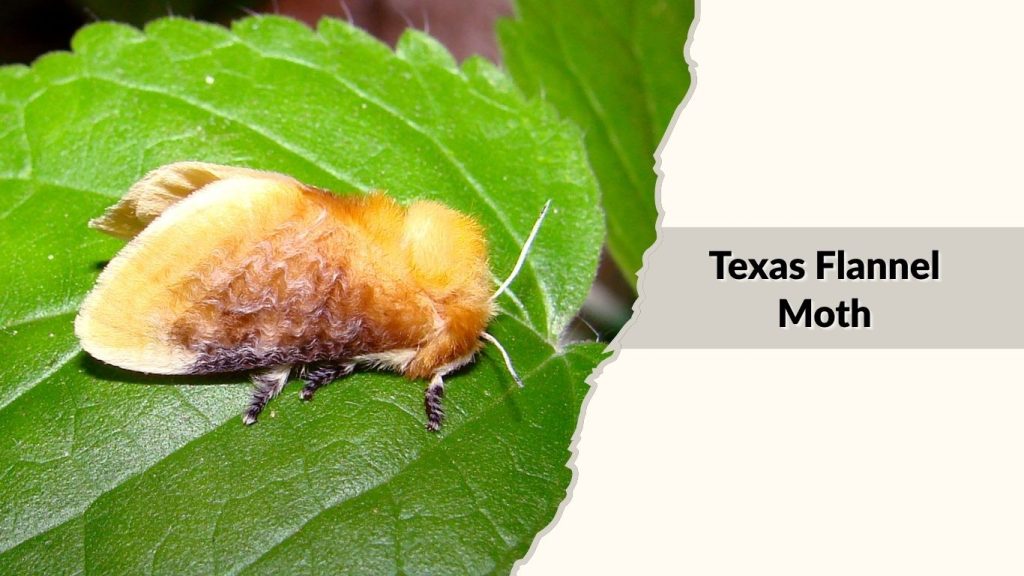
The Texas Flannel Moth is a fuzzy moth species commonly associated with warm southern habitats, especially in Texas and nearby regions. Its caterpillar is heavily covered in soft-looking hair that hides venomous spines underneath. Like other flannel moths, the adult moth appears harmless but the larval stage can cause painful skin irritation when touched.
Identification
- Thick hairy body
- Cream, tan, or brown coloring
- Rounded fluffy wings
- Dense fur-like scales
- Caterpillar with hidden venomous spines
Habitat and Distribution
Texas Flannel Moths are mostly found in Texas and other warm southern areas of the United States. They prefer woodland edges, gardens, shrublands, and suburban landscapes where host plants are available for feeding caterpillars.
Behavior and Diet
Adult moths are nocturnal and commonly fly around lights during warm nights. Caterpillars feed on leaves from shrubs and hardwood trees while remaining hidden among foliage. Their fuzzy appearance helps protect them from predators and environmental conditions.
Life Cycle
Females deposit eggs on host plant leaves where caterpillars hatch and begin feeding. As the larvae grow, they develop thicker fur that conceals venomous spines beneath the surface. After completing growth, the caterpillar forms a cocoon and later emerges as an adult moth.
12. Gray Flannel Moth

The Gray Flannel Moth is a soft-bodied flannel moth species recognized for its grayish wing coloration and fuzzy appearance. Its caterpillar is covered with dense hair-like structures that may hide irritating spines underneath. This species is mainly active at night and prefers warm environments with abundant vegetation.
Identification
- Gray or silver-gray wing color
- Thick fuzzy body
- Rounded wing shape
- Soft hair-like scales
- Hairy caterpillar with hidden spines
Habitat and Distribution
Gray Flannel Moths are found in tropical and subtropical regions, including parts of Central America and the southern United States. They commonly inhabit forests, gardens, shrublands, and woodland habitats with suitable host plants.
Behavior and Diet
Adult moths are nocturnal and often gather around porch lights and outdoor lamps at night. Caterpillars feed on leaves from shrubs and trees while remaining hidden among foliage. Their fuzzy body helps provide camouflage from predators.
Life Cycle
Females lay eggs on host plants where larvae hatch and begin feeding. As the caterpillars mature, they develop thicker protective hair that conceals defensive spines. After forming a cocoon, the insect completes metamorphosis and later emerges as an adult moth.
13. Cuban Flannel Moth
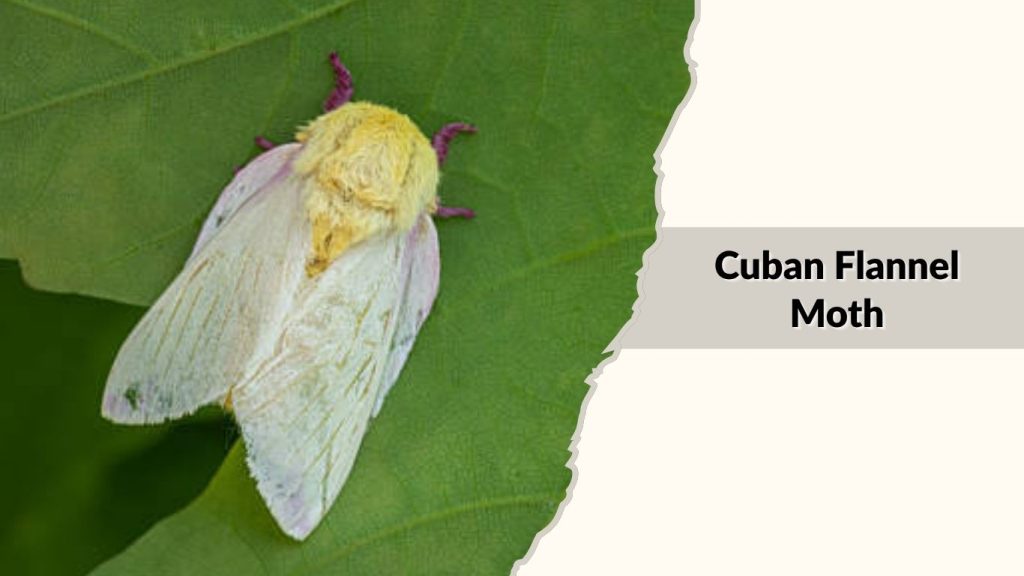
The Cuban Flannel Moth is a tropical flannel moth species known for its soft furry body and thickly haired caterpillar. This moth is mainly found in Caribbean regions and warm coastal habitats. Like other members of the flannel moth family, the caterpillar may contain venomous spines hidden beneath dense hairs.
Identification
- Cream or light brown coloring
- Thick fuzzy wing covering
- Rounded fluffy appearance
- Small to medium body size
- Hairy caterpillar with hidden spines
Habitat and Distribution
Cuban Flannel Moths are commonly found in Cuba, nearby Caribbean islands, and warm tropical regions. They prefer forests, coastal shrublands, gardens, and wooded habitats with abundant vegetation and host plants.
Behavior and Diet
Adult moths are nocturnal and are often attracted to artificial lights at night. Caterpillars feed on leaves from shrubs and tropical trees while remaining hidden among foliage during the daytime. Their furry appearance provides camouflage and protection from predators.
Life Cycle
Females lay eggs on host plants where caterpillars hatch and begin feeding immediately. As they grow, the larvae develop thicker hair that conceals venomous spines underneath. After forming a cocoon, the insect undergoes metamorphosis and later emerges as a fully developed adult moth.
14. Dotted Flannel Moth
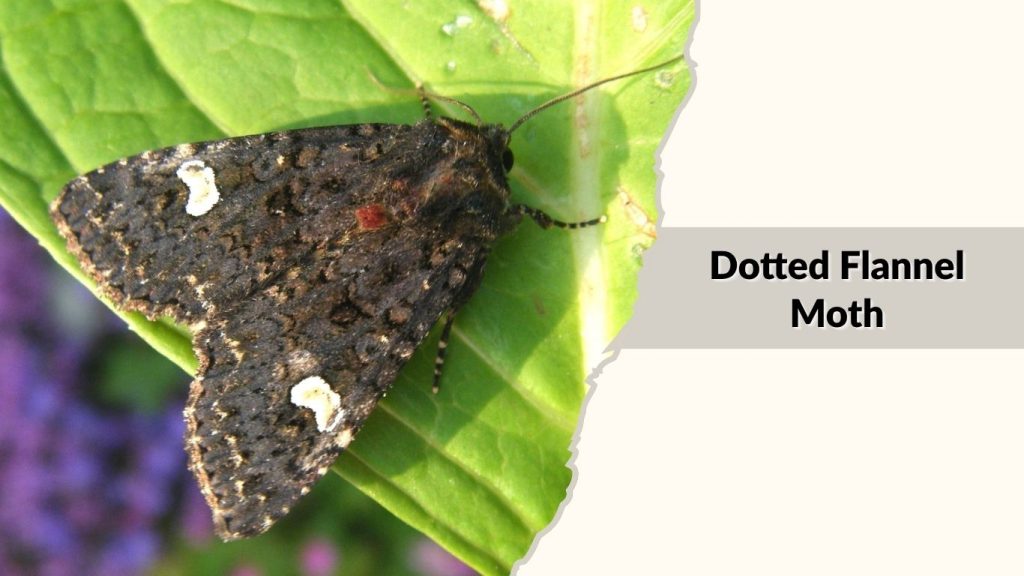
The Dotted Flannel Moth is a small fuzzy moth species recognized for its pale wings decorated with tiny dotted markings. Its caterpillar is covered in soft hairs that may conceal irritating defensive spines. Like most flannel moths, this species is primarily nocturnal and spends much of the daytime resting quietly on vegetation.
Identification
- Pale cream or yellowish wings
- Small dotted wing markings
- Thick furry body
- Rounded wing shape
- Hair-covered caterpillar
Habitat and Distribution
Dotted Flannel Moths are commonly found in warm subtropical and tropical regions, including parts of Central America and the southern United States. They prefer forests, gardens, shrublands, and wooded habitats with dense vegetation.
Behavior and Diet
Adult moths are active mainly at night and often fly toward lights after sunset. Caterpillars feed on leaves from shrubs and trees while remaining hidden among foliage. Their fuzzy appearance helps them blend into natural surroundings and avoid predators.
Life Cycle
Females lay eggs on host plants where the larvae hatch and begin feeding. As the caterpillars mature, they grow thicker protective hair that hides defensive spines beneath the surface. After forming cocoons, they complete metamorphosis and later emerge as adult moths.
15. Pale Flannel Moth
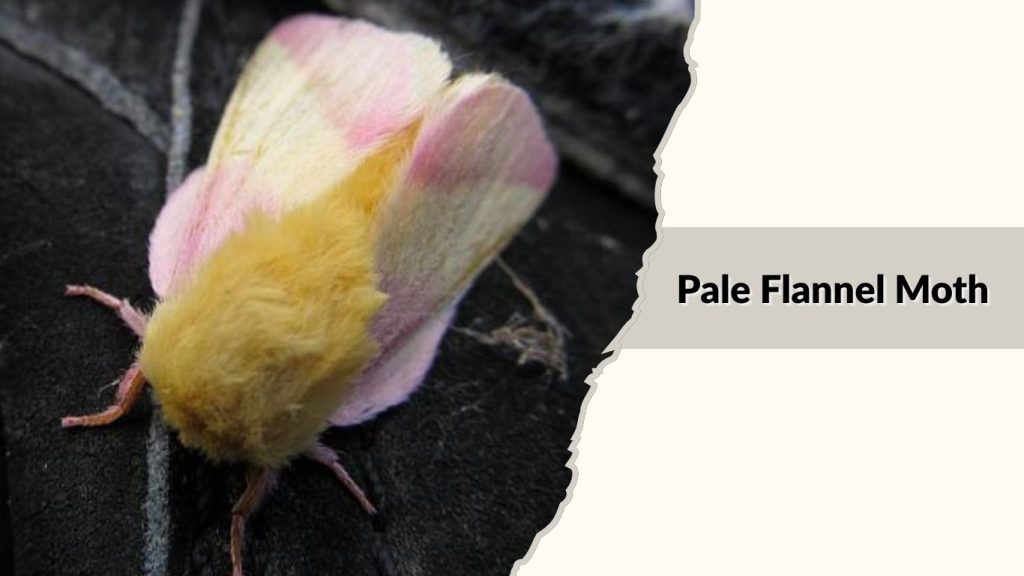
The Pale Flannel Moth is a light-colored flannel moth species known for its soft silky appearance and fuzzy body. Its caterpillar is heavily covered with hair-like structures that may hide irritating spines underneath. This moth is mostly active during warm nights and is commonly associated with wooded and tropical habitats.
Identification
- Pale cream or whitish coloring
- Thick silky wing hairs
- Rounded fluffy body
- Small moth size
- Hairy caterpillar with hidden spines
Habitat and Distribution
Pale Flannel Moths are found in warm subtropical and tropical regions, including parts of Central America and the southern United States. They usually inhabit forests, gardens, woodland edges, and shrub-filled habitats with suitable host plants.
Behavior and Diet
Adult moths are nocturnal and are often attracted to porch lights and outdoor lamps after sunset. Caterpillars feed on leaves from shrubs and broadleaf trees while staying hidden among foliage during the day. Their fuzzy body helps provide camouflage from predators.
Life Cycle
Females lay eggs on host plant leaves where larvae hatch and begin feeding immediately. As the caterpillars grow, they develop thicker fur-like hairs that conceal defensive spines. After forming a cocoon, the insect undergoes metamorphosis and later emerges as an adult moth.
FAQs
Are flannel moth caterpillars dangerous?
Yes, many flannel moth caterpillars have venomous spines hidden beneath their soft hairs. Touching them can cause painful stings, burning sensations, swelling, and skin irritation in humans.
What is the most dangerous flannel moth caterpillar?
The caterpillar of the Southern Flannel Moth, often called the puss caterpillar, is considered one of the most painful stinging caterpillars in North America.
Where are flannel moths commonly found?
Flannel moths are mostly found in warm tropical and subtropical regions, including the southern United States, Mexico, Central America, and the Caribbean. They prefer forests, gardens, and wooded habitats.
What do flannel moth caterpillars eat?
Flannel moth caterpillars feed on leaves from trees and shrubs such as oak, elm, citrus, and ornamental garden plants. Different species may use different host plants depending on habitat.
Are adult flannel moths harmful?
Adult flannel moths are generally harmless and do not sting. The dangerous stage is usually the caterpillar, which carries hidden venomous spines beneath its fuzzy hair.