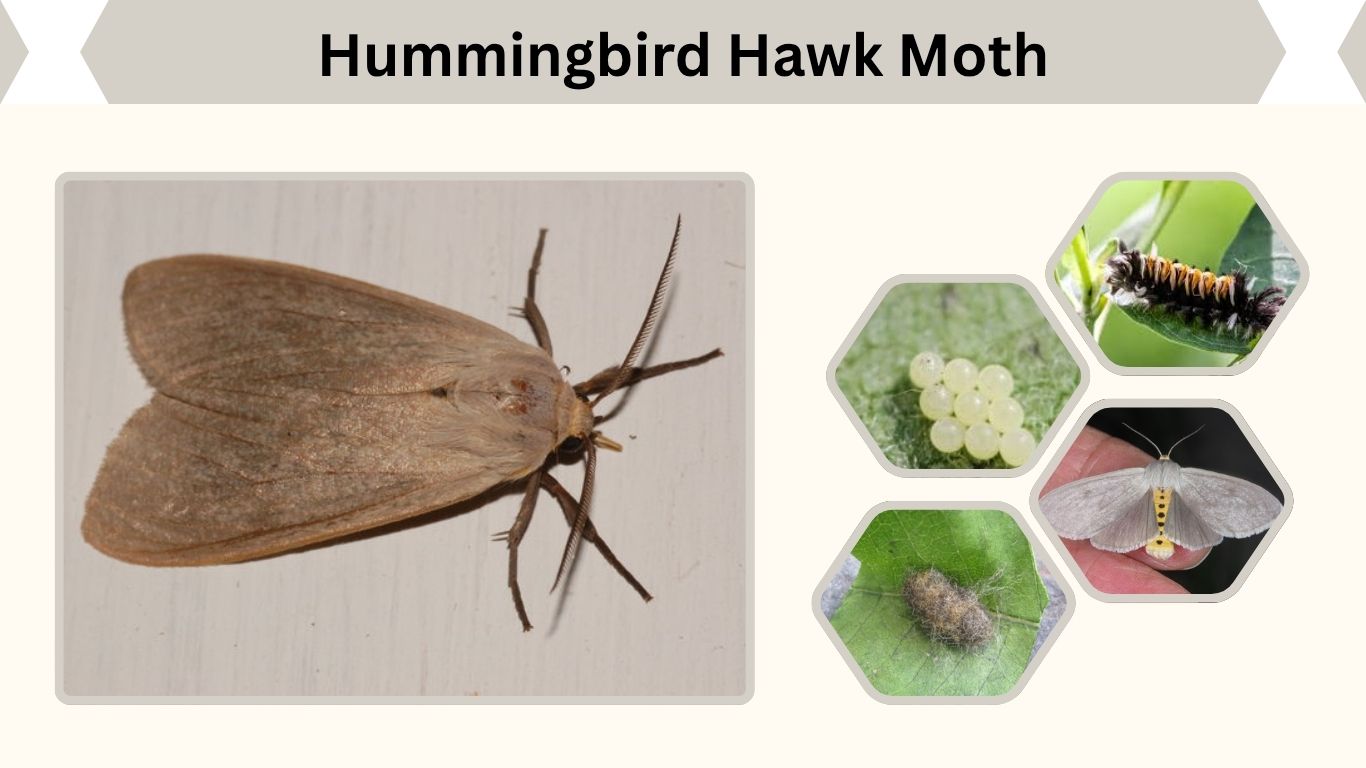
The milkweed tiger moth is a colorful insect best known for its fuzzy caterpillar that feeds on milkweed plants. These caterpillars are often seen in butterfly gardens, meadows, and open fields during warm months. Many people search for this species to learn whether the caterpillars are poisonous, harmful to milkweed, or beneficial to local ecosystems.
The milkweed tiger moth belongs to the tiger moth family and is closely connected to milkweed habitats. Its hairy caterpillar uses plant toxins for protection, while the adult moth becomes an important part of nighttime ecosystems and natural food chains.
What Is the Milkweed Tiger Moth?
The milkweed tiger moth is a fuzzy moth species whose caterpillars mainly feed on milkweed plants. These insects are commonly found in native prairies, roadsides, and butterfly gardens where milkweed grows naturally. The caterpillars are brightly colored with black, orange, and white hairs that help warn predators about possible toxins stored from their host plants.
Scientific Classification
- Family: Erebidae
- Common names:
- Milkweed tiger moth
- Milkweed tussock moth
- Tiger milkweed moth
- Related to other tiger moth species
Why Is It Called a Tiger Moth?
Tiger moths are known for their bold colors and defensive behaviors. The milkweed tiger moth belongs to this group because of its hairy caterpillar and warning coloration. Many tiger moth caterpillars use fuzzy hairs as protection against predators such as birds and small mammals.
Milkweed Tiger Moth vs Milkweed Tussock Moth
The names “milkweed tiger moth” and “milkweed tussock moth” are often used for the same insect online. Both names describe the fuzzy caterpillar that feeds heavily on milkweed leaves. The caterpillar’s thick tufts of hair make it easy to recognize among other garden insects.
Milkweed Tiger Moth Identification

The milkweed tiger moth changes greatly during its life cycle. The caterpillar stage is the easiest to identify because of its bright colors and long hairs. Adult moths are less colorful but still have soft fuzzy bodies and pale wings common among tiger moth species.
Adult Milkweed Tiger Moth Appearance
- Gray or pale-colored wings
- Small dark wing markings
- Fuzzy thorax and abdomen
- Medium-sized body
- Nocturnal flying habits
Milkweed Tiger Moth Caterpillar Identification
- Black, orange, and white hairs
- Long black hair pencils near both ends
- Thick fuzzy body
- Bright warning colors
- Slow crawling movement
Caterpillar Color Variations
Young caterpillars may appear lighter in color, while mature larvae develop stronger orange and black patterns. The long white hairs become more noticeable as the caterpillar grows. These color changes help signal predators that the caterpillar may taste unpleasant because of toxins collected from milkweed plants.
Look-Alike Caterpillars
Several fuzzy caterpillars resemble the milkweed tiger moth caterpillar. The Virginia tiger moth caterpillar and hickory tussock moth caterpillar are common examples. However, the milkweed tiger moth caterpillar usually has more distinct orange and black coloring along with longer hair tufts.
Milkweed Tiger Moth Caterpillar
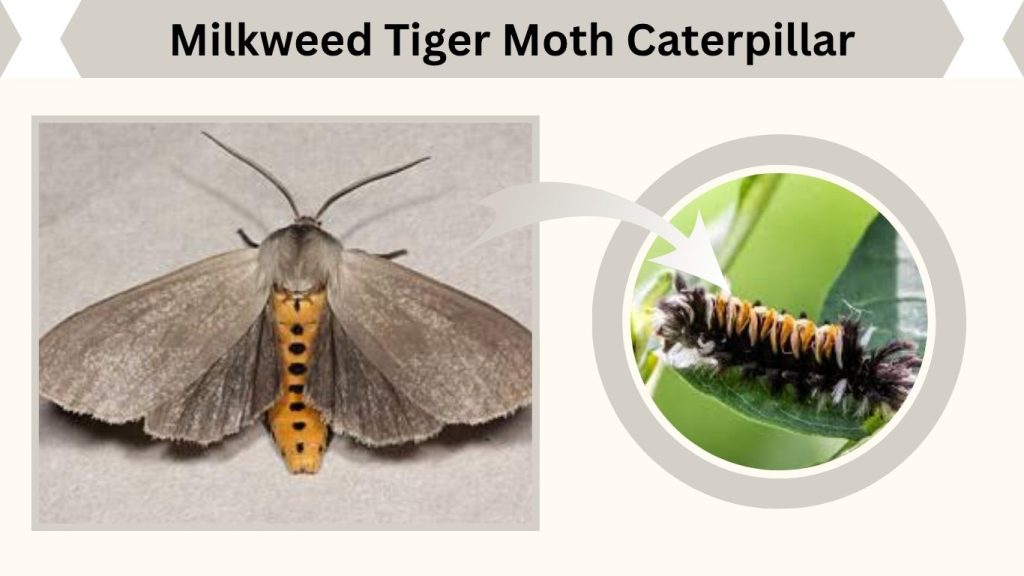
The caterpillar stage is the most active feeding period in the milkweed tiger moth’s life. During this stage, the larvae consume large amounts of milkweed leaves and store toxic chemicals from the plants. These toxins help protect the caterpillars from predators and play an important role in their survival strategy.
What Do Milkweed Tiger Moth Caterpillars Eat?
- Common milkweed
- Swamp milkweed
- Butterfly weed
- Tropical milkweed
- Other native milkweed species
Why Caterpillars Feed on Milkweed
Milkweed plants contain toxic chemicals called cardiac glycosides. The caterpillars can safely store these chemicals inside their bodies after feeding. Predators often avoid eating them because the toxins can make the caterpillars taste unpleasant or harmful.
Are Milkweed Tiger Moth Caterpillars Poisonous?
Milkweed tiger moth caterpillars are not dangerous in most situations, but they may contain toxins from the milkweed plants they consume. Their fuzzy hairs can also irritate sensitive skin. It is best to avoid touching them directly, especially for children or people with allergies.
Do Milkweed Tiger Moth Caterpillars Sting?
These caterpillars do not sting like bees or wasps. However, their hairs may cause itching, redness, or mild irritation if handled. The hairs mainly serve as protection against predators and help discourage animals from eating them.
Milkweed Tiger Moth Life Cycle

The milkweed tiger moth goes through a complete metamorphosis that includes egg, caterpillar, pupa, and adult stages. Each stage has a different appearance and purpose. The caterpillar stage focuses mainly on feeding and growth, while the adult moth stage is responsible for reproduction and spreading the species into new habitats.
Egg Stage
Female moths lay small clusters of eggs on the underside of milkweed leaves. The eggs are pale in color and usually hatch within several days during warm weather. Newly emerged caterpillars begin feeding almost immediately after hatching.
Caterpillar Stage
The caterpillars pass through several growth stages called instars. During this time, they eat constantly and shed their skin multiple times. As they mature, their orange, black, and white hair patterns become brighter and thicker.
Cocoon and Pupa Stage
- Caterpillars spin silk cocoons
- Body hairs are mixed into the cocoon
- Cocoons are hidden beneath leaves or debris
- Pupation may last several weeks
- Some pupae survive winter conditions
Adult Moth Stage
Adult milkweed tiger moths are active mostly at night and are commonly attracted to outdoor lights. Their primary purpose is reproduction. After mating, females search for healthy milkweed plants where they can safely lay eggs for the next generation.
Milkweed Tiger Moth Eggs and Cocoon

The egg and cocoon stages are important parts of the moth’s development. Eggs allow the species to spread across milkweed patches, while the cocoon protects the developing pupa until the adult moth is ready to emerge.
What Do the Eggs Look Like?
- Tiny and pale-colored
- Laid in clusters
- Attached beneath milkweed leaves
- Smooth surface texture
- Difficult to notice from a distance
Milkweed Tiger Moth Cocoon Appearance
The cocoon is usually oval-shaped and made from silk combined with the caterpillar’s body hairs. It often appears gray or brown and blends easily into leaves, bark, or garden debris. This camouflage helps protect the pupa from predators during development.
Chrysalis and Pupa Stage
Unlike butterflies that form a hard chrysalis, milkweed tiger moths create a silk cocoon around the pupa. Inside the cocoon, the insect slowly transforms into an adult moth before emerging with fully developed wings.
Are Milkweed Tiger Moths Good or Bad?
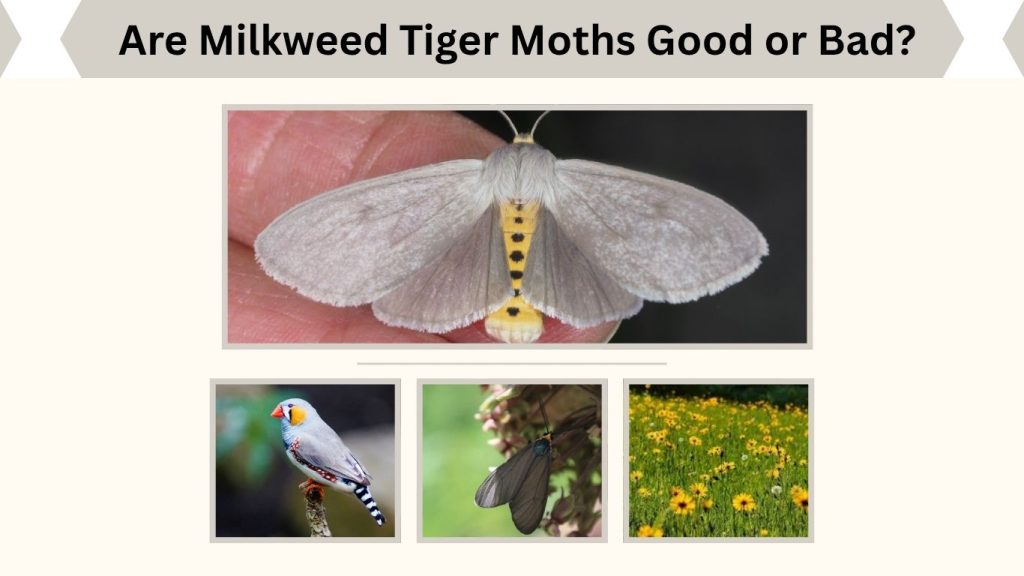
Milkweed tiger moths are usually considered beneficial insects because they are part of healthy native ecosystems. Although caterpillars feed heavily on milkweed leaves, the damage is often temporary and rarely kills established plants. These insects also support birds, bats, and other wildlife species.
Benefits of Milkweed Tiger Moths
- Support local biodiversity
- Provide food for birds and bats
- Help maintain natural ecosystems
- Contribute to pollinator habitats
- Important part of food chains
Are They Bad for Milkweed Plants?
Caterpillars can remove large portions of milkweed leaves when many are feeding together. However, healthy milkweed plants usually recover quickly after feeding damage. In most gardens, the insects are viewed as natural visitors rather than destructive pests.
Do They Keep Monarch Butterflies Away?
Milkweed tiger moth caterpillars and monarch caterpillars often share the same plants. While they compete for food, they usually coexist without major problems. Large milkweed patches can support both species at the same time.
Are Milkweed Tiger Moths Invasive?
Milkweed tiger moths are native insects in many parts of North America. They naturally belong in local ecosystems and are not generally considered invasive species.
Interesting Milkweed Tiger Moth Facts
The milkweed tiger moth has several unusual traits that make it interesting to gardeners and insect enthusiasts. Its relationship with toxic milkweed plants helps it survive against predators and gives the caterpillar its bright warning colors.
Unique Facts
- Caterpillars store toxins from milkweed
- Bright colors warn predators
- Adult moths fly mostly at night
- Fuzzy hairs provide defense
- Caterpillars can feed in groups
Ultrasonic Defense Behavior
Some tiger moth species can create ultrasonic clicking sounds to confuse hunting bats. Scientists believe these sounds may act as warnings that the moth tastes unpleasant or contains toxins from milkweed plants.
Role in Nature
Milkweed tiger moths are valuable members of native ecosystems. Their caterpillars help recycle plant material, while adult moths provide food for nighttime predators such as bats and spiders.
FAQs
What does a milkweed tiger moth cocoon look like?
The cocoon is usually oval-shaped and made from silk mixed with the caterpillar’s fuzzy hairs. It often appears gray or brown and is commonly hidden beneath leaves, stems, bark, or garden debris for protection.
Where are milkweed tiger moths found?
Milkweed tiger moths are found across many parts of the United States and southern Canada. They are especially common in meadows, butterfly gardens, prairies, roadsides, and areas where milkweed plants grow naturally.
How long is the milkweed tiger moth life cycle?
The complete life cycle can take several weeks to a few months depending on climate and temperature. Warm weather speeds up development, while some pupae may overwinter in colder regions before emerging as adults.
Do milkweed tiger moths harm monarch butterflies?
Milkweed tiger moth caterpillars share milkweed plants with monarch caterpillars, but they usually coexist without major problems. Large milkweed patches often provide enough food for both species to survive together.
Can milkweed tiger moth caterpillars be handled safely?
It is best to avoid touching the caterpillars directly because their hairs may irritate sensitive skin. If handling is necessary, gently move them with a leaf or gloves and wash your hands afterward.