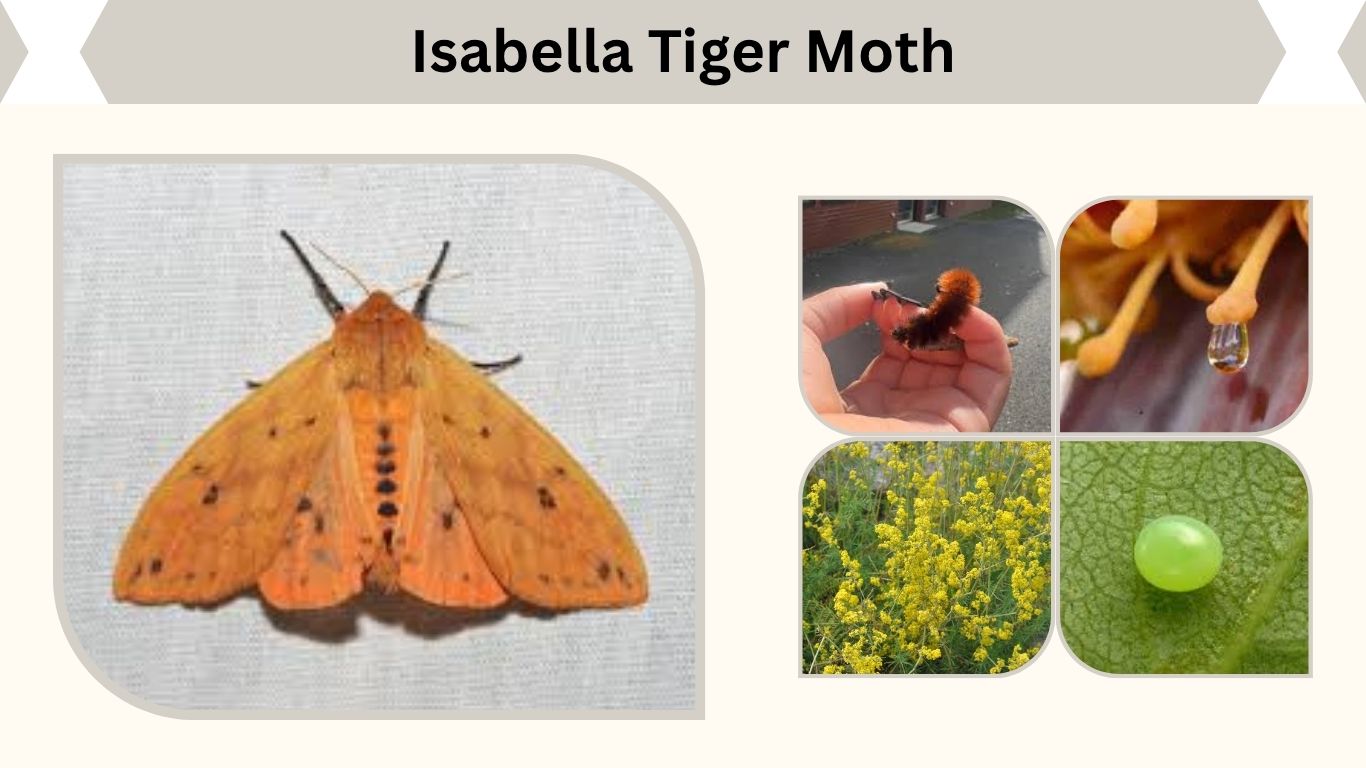
The Isabella Tiger Moth is a well-known North American moth famous for its fuzzy woolly bear caterpillar. Many people recognize the caterpillar because of its black and rusty-brown bands and the popular winter weather folklore connected to it. Although the adult moth is less colorful than the caterpillar, it still has interesting features and behaviors.
This moth goes through a complete metamorphosis that includes egg, larva, pupa, and adult stages. In this guide, you will learn about Isabella tiger moth identification, habitat, diet, life cycle, caterpillar care, and whether these insects are poisonous or harmful.
What Is an Isabella Tiger Moth?
The Isabella tiger moth is a medium-sized moth species found across much of North America. It belongs to the tiger moth family, which includes many fuzzy and colorful moth species. The caterpillar stage, called the woolly bear, is much more famous than the adult moth because of its unique appearance and winter folklore.
Scientific Name and Classification
The scientific name of the Isabella tiger moth is Pyrrharctia isabella. It belongs to the Erebidae family, a large group of moths that includes many tiger moth species.
Why It Is Called the Isabella Tiger Moth
The name comes from its scientific classification and tiger moth family group. The caterpillar is commonly called the banded woolly bear because of its thick fuzzy hairs and black-and-brown bands.
Isabella Tiger Moth vs Woolly Bear Caterpillar
The woolly bear is simply the larval stage of the Isabella tiger moth. After completing its life cycle, the fuzzy caterpillar transforms into a yellowish-orange adult moth.
Physical Appearance and Size
Adult Isabella tiger moths usually have orange-brown wings with small dark markings. They are medium-sized moths with a wingspan of about 35 to 50 millimeters.
Isabella Tiger Moth Identification

The Isabella tiger moth and woolly bear caterpillar are easy to recognize once you know their main features. The caterpillar is especially noticeable because of its thick hairs and banded body pattern. Adult moths are less colorful but still have distinct markings and body shapes.
Adult Isabella Tiger Moth Appearance
- Yellow-orange or tan wings
- Small black spots on the wings
- Hairy thorax and body
- Dark legs and antennae
- Medium-sized wingspan
Woolly Bear Caterpillar Identification
- Black bands on both ends
- Rusty brown band in the middle
- Thick fuzzy hairs
- Slow crawling movement
- Rounded body shape
Isabella Tiger Moth Size
Adult moths are relatively small to medium in size. Caterpillars can grow to around 5 centimeters before entering the pupal stage.
Male vs Female Isabella Tiger Moth
Females are often slightly larger and heavier than males. Males usually have more active flying behavior during mating season.
Isabella Tiger Moth Caterpillar
The woolly bear caterpillar is one of the most recognizable caterpillars in North America. Its fuzzy body helps protect it from predators and cold weather conditions. During autumn, woolly bears are commonly seen crossing roads and gardens while searching for safe overwintering areas.
What Is a Woolly Bear Caterpillar?
A woolly bear caterpillar is the larval stage of the Isabella tiger moth. It feeds heavily on leaves before spending winter in a protected location.
Isabella Tiger Moth Caterpillar Diet
The caterpillar eats many low-growing plants, grasses, and weeds. It is not very picky and can survive on a wide range of vegetation.
Caterpillar Adaptations and Defense
When threatened, woolly bears curl into a tight ball to protect their soft underside. Their thick hairs may also discourage some predators from attacking them.
Caterpillar Characteristics
- Thick fuzzy hair covering
- Curled defensive posture
- Black and brown body bands
- Cold-resistant body fluids
- Slow movement across the ground
Are Isabella Tiger Moths Poisonous?
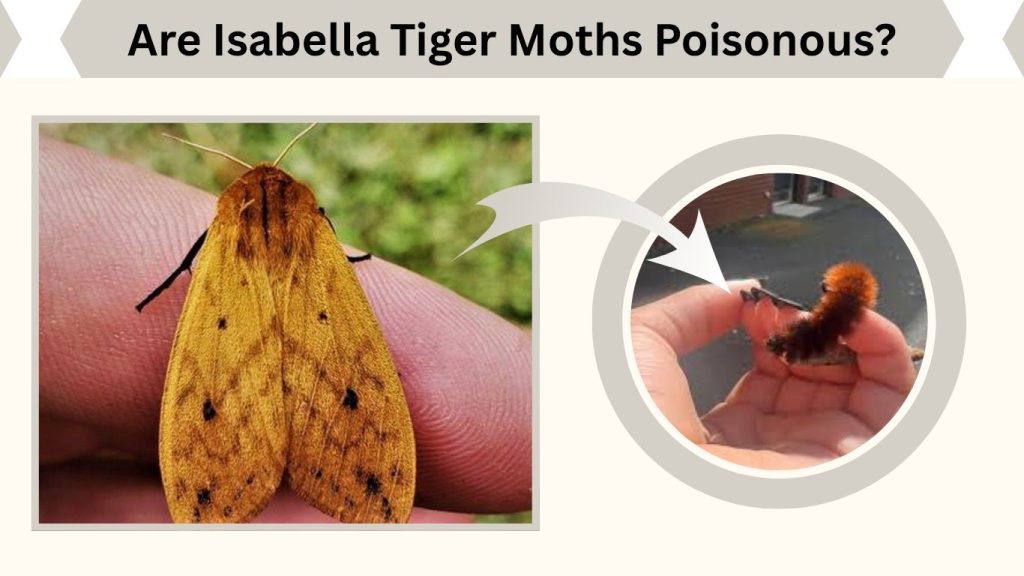
Many people wonder if the fuzzy woolly bear caterpillar is dangerous because of its hairy body. Fortunately, Isabella tiger moths and their caterpillars are generally harmless to humans and pets.
Are Isabella Tiger Moths Poisonous?
The adult moth is not poisonous and does not produce venom or toxins. It is safe to observe around gardens and outdoor lights.
Are Isabella Tiger Moth Caterpillars Poisonous?
Woolly bear caterpillars are not poisonous. Their hairs are mainly for protection and insulation rather than defense through venom.
Do Isabella Tiger Moths Bite or Sting?
These moths do not bite or sting humans. Adult moths feed using a soft tube-like mouthpart designed for liquids.
Are They Harmful to Pets?
The caterpillars are not considered dangerous to pets, although eating large numbers of insects may upset a pet’s stomach.
Isabella Tiger Moth Life Cycle

The Isabella tiger moth experiences complete metamorphosis throughout its life. Each stage has unique behaviors and physical changes that help the insect survive different seasons and environments.
Isabella Tiger Moth Eggs
Female moths lay clusters of tiny eggs on leaves and low-growing plants during warm months. The eggs hatch into small caterpillars after a short period.
Larvae and Caterpillar Stage
After hatching, the caterpillars begin feeding immediately on nearby plants. As they grow, they shed their skin several times before becoming fully developed woolly bears. During autumn, the caterpillars search for safe places under logs, leaves, or stones to survive winter conditions.
Isabella Tiger Moth Cocoon and Pupa
In spring, the woolly bear creates a loose cocoon made from silk and its own body hairs. Inside the cocoon, it changes into a pupa before emerging as an adult moth several weeks later.
Adult Moth Stage
Adult Isabella tiger moths are mainly active at night. They spend their short adult lives searching for mates and suitable places for laying eggs.
Isabella Tiger Moth Lifespan
The complete life cycle can last close to a year because the caterpillar overwinters during cold weather. Adult moths usually live only a few weeks.
Isabella Tiger Moth Habitat and Range
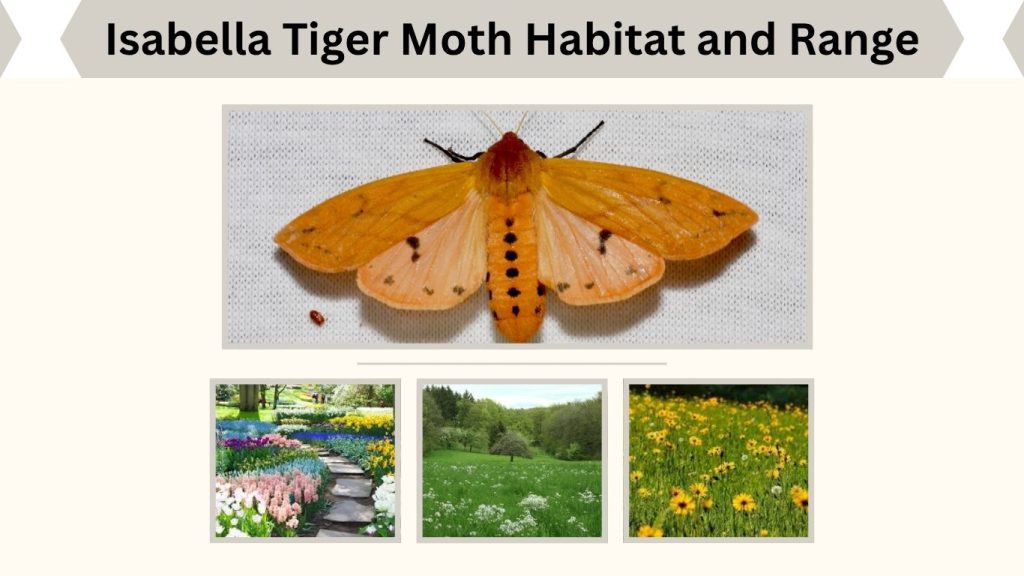
The Isabella tiger moth is widely distributed across North America. It survives well in many environments because the caterpillar can feed on different plants and tolerate cold temperatures. Woolly bears are especially common in autumn when they move across roads, gardens, and grassy areas.
Isabella Tiger Moth Native Range
This species is native to the United States, Canada, and parts of northern Mexico. It is one of the most common tiger moth species in North America.
Common Habitats
- Gardens
- Forest edges
- Roadsides
- Meadows
- Parks and grassy fields
Seasonal Movement and Winter Survival
Woolly bear caterpillars become very active during fall while searching for overwintering shelters. They survive freezing temperatures by producing chemicals that protect their bodies from ice damage.
Where Woolly Bear Caterpillars Are Commonly Found
These caterpillars are often seen crawling through lawns, sidewalks, and woodland areas during cool autumn days.
What Do Isabella Tiger Moths Eat?
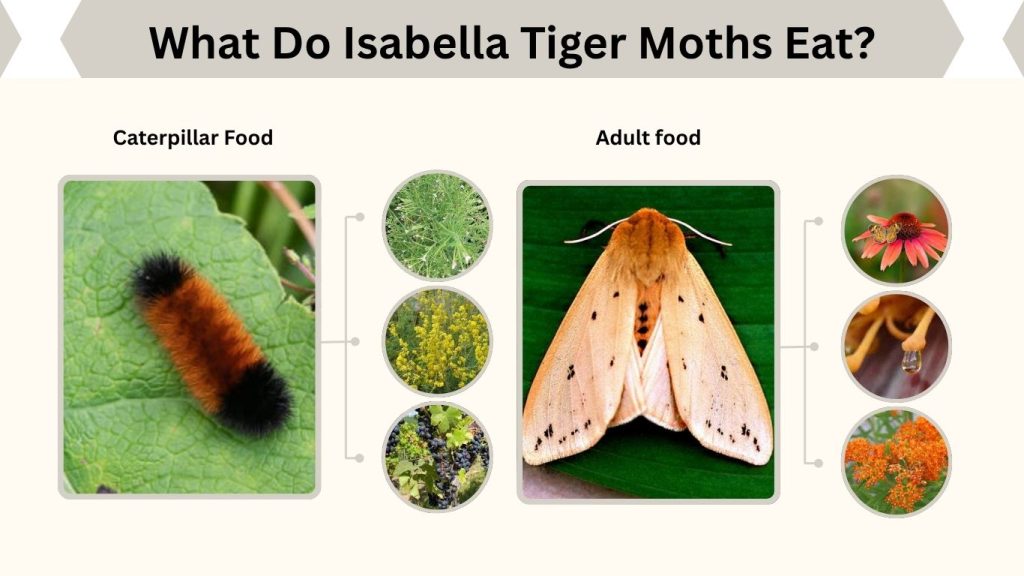
The diet of the Isabella tiger moth changes between life stages. Caterpillars feed on leaves and low-growing plants, while adult moths mainly consume nectar and other liquids.
What Do Isabella Tiger Moth Caterpillars Eat?
- Dandelion leaves
- Clover plants
- Plantain weeds
- Grass and weeds
- Sunflower leaves
Isabella Tiger Moth Host Plants
The caterpillars use many common weeds and wild plants as food sources. Their flexible diet helps them survive in different habitats.
Adult Isabella Tiger Moth Diet
Adult moths mainly feed on flower nectar. Some adults may consume tree sap or other sugary liquids found in nature.
Feeding Habits and Behavior
The caterpillars feed mostly during cooler periods of the day. Adult moths are nocturnal and become active after sunset.
Isabella Tiger Moth Caterpillar Care
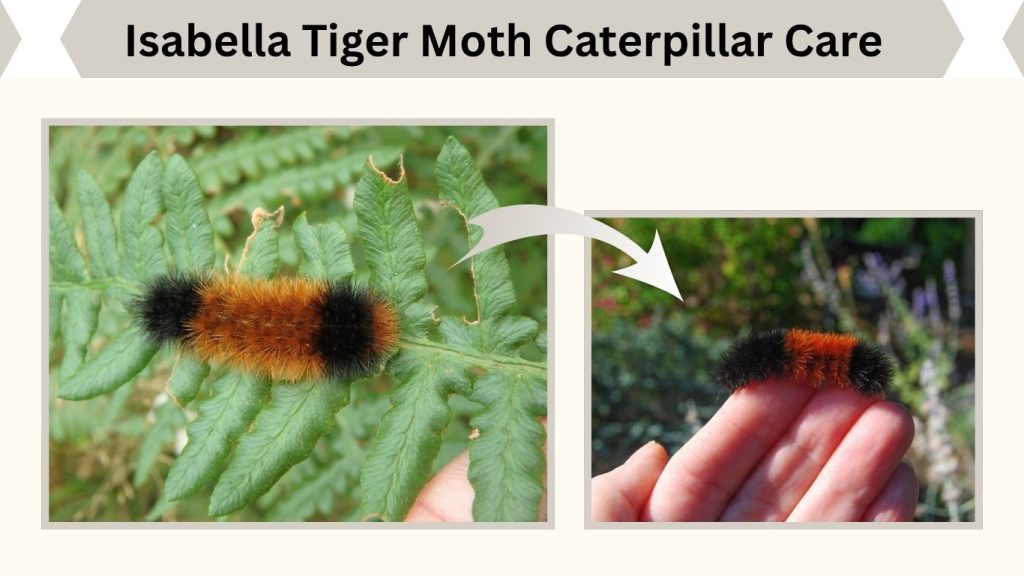
Many people raise woolly bear caterpillars for educational observation. Proper care helps the caterpillar remain healthy through the winter and pupation stages.
How to Care for a Woolly Bear Caterpillar
Keep the caterpillar inside a ventilated container with fresh leaves from its natural habitat. Replace old leaves daily to prevent mold and bacteria growth.
Proper Caterpillar Container Setup
- Fresh plant leaves daily
- Good airflow
- Dry leaf litter
- Small twigs and soil
- Indirect natural light
Feeding and Cleaning Tips
Always remove old food and waste from the container. Moisture should remain low because damp conditions may harm the caterpillar.
Caring During Pupation
When the caterpillar begins making a cocoon, avoid disturbing it. Keep the container in a cool and protected place until the adult moth emerges.
Isabella Tiger Moth Behavior and Adaptations
The Isabella tiger moth has several survival adaptations that help it survive harsh weather and avoid predators. The woolly bear caterpillar is especially known for its ability to survive freezing temperatures during winter.
How Woolly Bears Survive Winter
The caterpillars produce special chemicals called cryoprotectants that reduce freezing damage inside their bodies. This adaptation allows them to survive extremely cold weather.
Nocturnal Behavior of Adult Moths
Adult moths are mostly active during nighttime hours. They fly toward lights and search for flowers after sunset.
Defense Mechanisms Against Predators
- Thick body hairs
- Curled defensive posture
- Dark warning coloration
- Hidden overwintering locations
- Nocturnal activity patterns
Isabella Tiger Moth Predators
Birds, spiders, frogs, and small mammals may prey on woolly bear caterpillars and adult moths despite their protective hairs.
Isabella Tiger Moth Winter Prediction Myth
The woolly bear caterpillar is strongly connected with weather folklore in North America. Many people believe the width of the brown band predicts the severity of the coming winter.
How the Winter Prediction Myth Started
The tradition likely began through old farming folklore and observations of caterpillar color patterns during autumn.
What the Caterpillar Bands Supposedly Mean
According to folklore, wider brown bands suggest a mild winter, while wider black bands predict a colder winter season.
Scientific Truth Behind the Myth
Scientists explain that the caterpillar’s coloration mainly depends on age, growth stage, and environmental conditions rather than weather prediction ability.
Why the Folklore Remains Popular
The woolly bear weather myth remains popular because it is fun, traditional, and connected to seasonal changes people observe every year.
FAQs
What does the woolly bear caterpillar turn into?
The woolly bear caterpillar transforms into the Isabella Tiger Moth after completing its pupal stage inside a cocoon. The adult moth usually has orange-brown wings with small dark markings and becomes active mainly at night.
Are Isabella tiger moths poisonous?
No, Isabella tiger moths are not poisonous. Both the adult moth and the woolly bear caterpillar are generally harmless to humans and pets. Their fuzzy hairs may feel irritating to sensitive skin, but they do not contain venom.
What do Isabella tiger moth caterpillars eat?
Woolly bear caterpillars feed on many low-growing plants and weeds. Common food sources include dandelion, clover, plantain, grasses, and sunflower leaves. Their flexible diet helps them survive in different environments across North America.
How long do Isabella tiger moths live?
The complete life cycle of the Isabella tiger moth can last close to one year because the caterpillar spends winter in a dormant state. Adult moths usually live only a few weeks after emerging from the cocoon.
Can woolly bear caterpillars survive freezing weather?
Yes, woolly bear caterpillars are famous for surviving extremely cold temperatures. They produce special chemicals in their bodies that help protect their tissues from freezing damage during winter months.