
Protect Your Home From Common Moth Problems
We help homeowners understand moth infestations, identify warning signs, and use effective prevention methods. At MothInsects.com, we combine expert advice with detailed guides to help you keep your home clean, protected, and moth-free all year long.
Our Blog About Us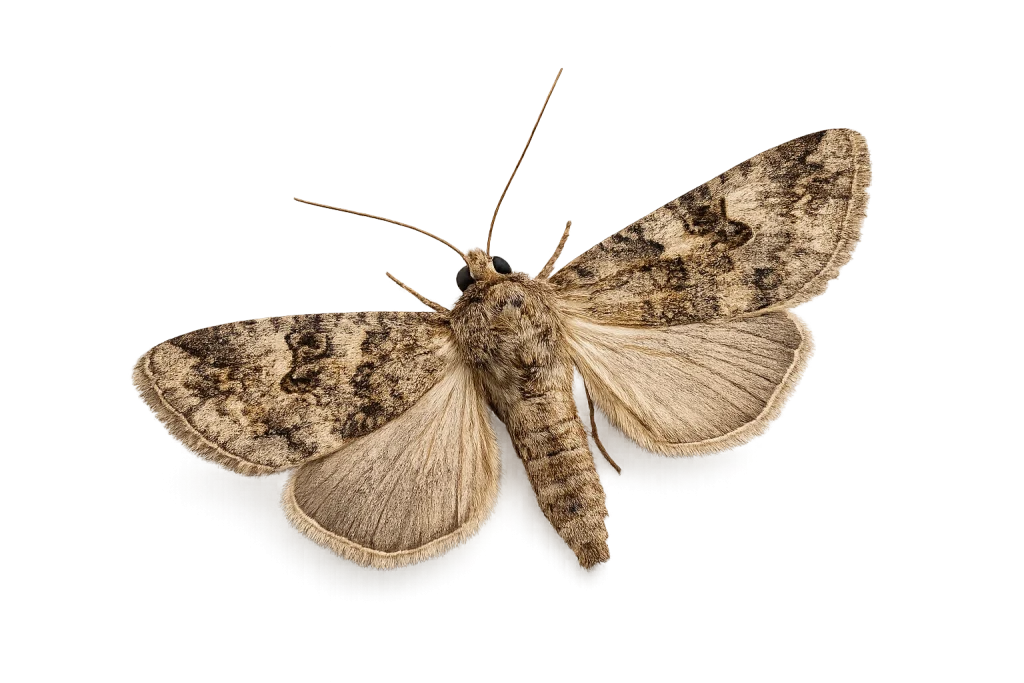
Moth Identification Guide
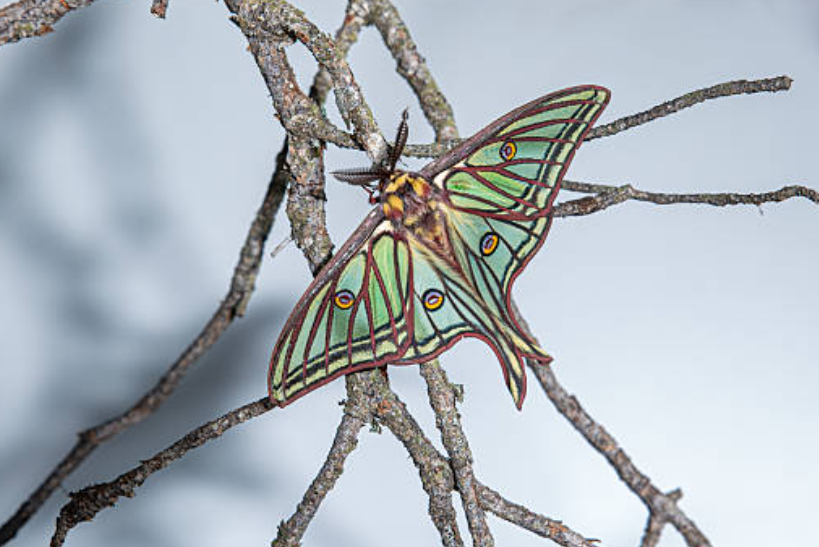
- Size: Small to medium depending on species.
- Body: Soft, slender body covered with tiny scales.
- Wings: Broad wings with unique colors and patterns.
- Antennae: Feather-like or thin antennae used for sensing.
- Color: Brown, gray, white, black, or brightly patterned.
- Activity: Mostly active at night and attracted to light.
Featured On


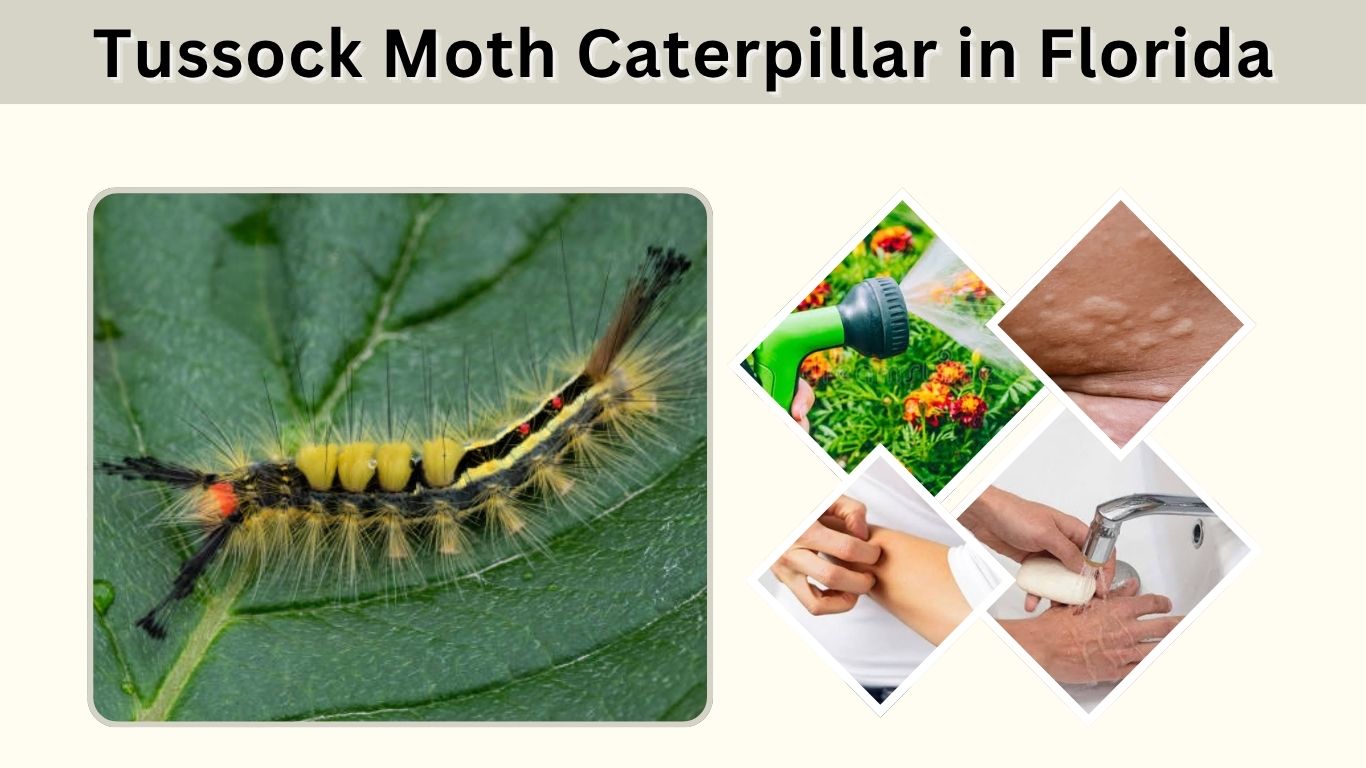
Tussock Moth Caterpillar in Florida: Rash, Season and Safety
July 21, 2026
Tussock moth caterpillars are a familiar spring sight throughout Florida. These hairy larvae often feed on oak trees before crawling onto walls, patios, vehicles and
Read more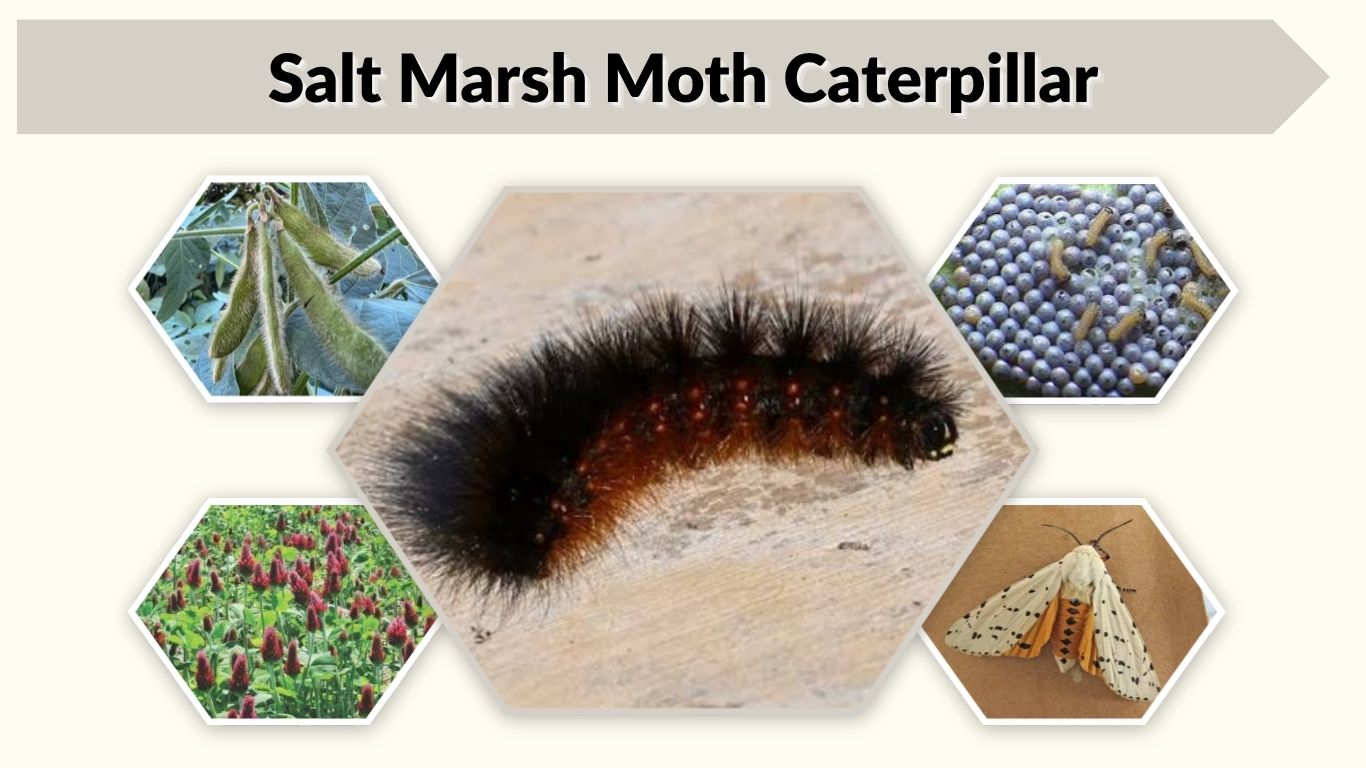
Salt Marsh Moth Caterpillar: Diet, Sting and Life Cycle
July 20, 2026
The salt marsh moth caterpillar is a large, hairy larva found across much of North America. Its scientific name is Estigmene acrea, and it eventually
Read more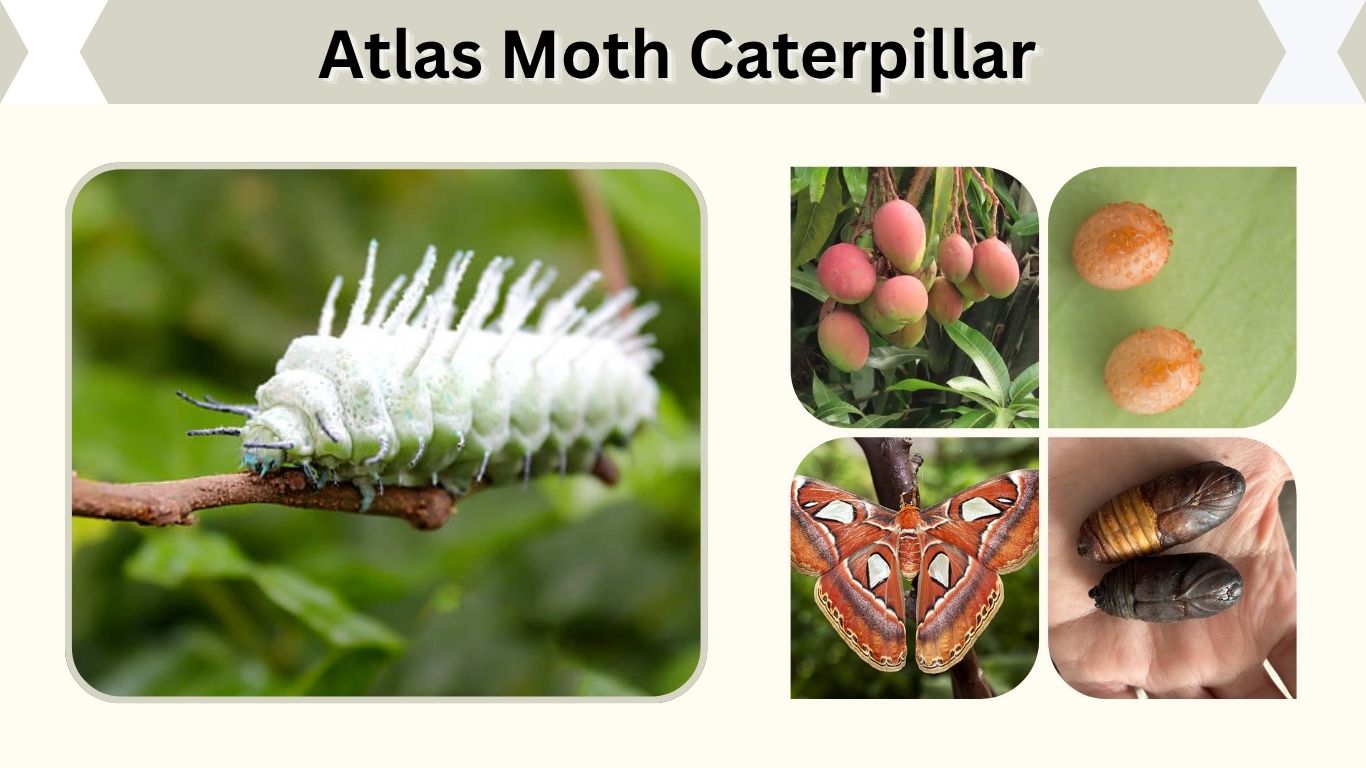
Atlas Moth Caterpillar: Size, Diet, Life Cycle and Care
July 20, 2026
The Atlas moth caterpillar is the larval stage of Attacus atlas, one of the world’s largest moths. This enormous caterpillar has a pale green body
Read more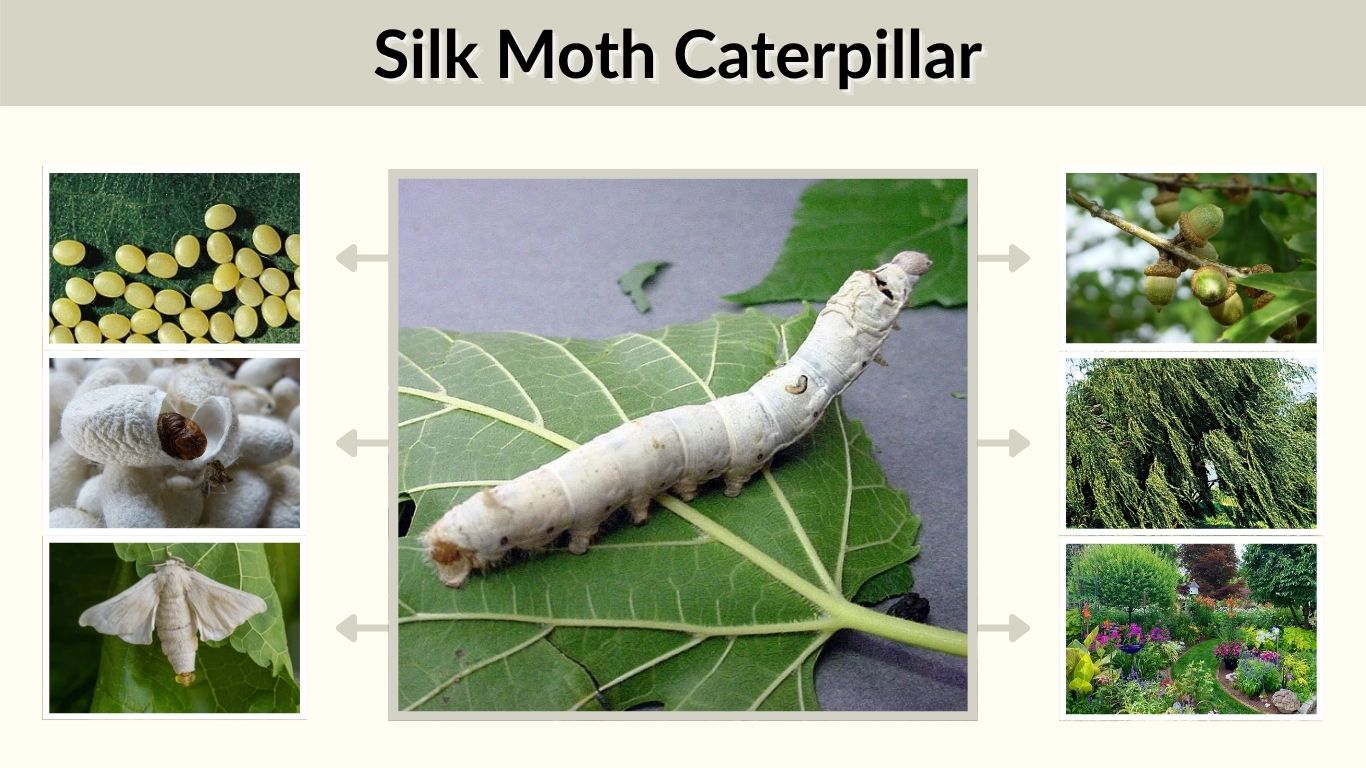
Silk Moth Caterpillar: Identification, Food and Life Cycle
July 20, 2026
Silk moth caterpillars are leaf-eating larvae that eventually spin protective cocoons before becoming adult moths. The name can describe the domesticated silkworm used in commercial
Read more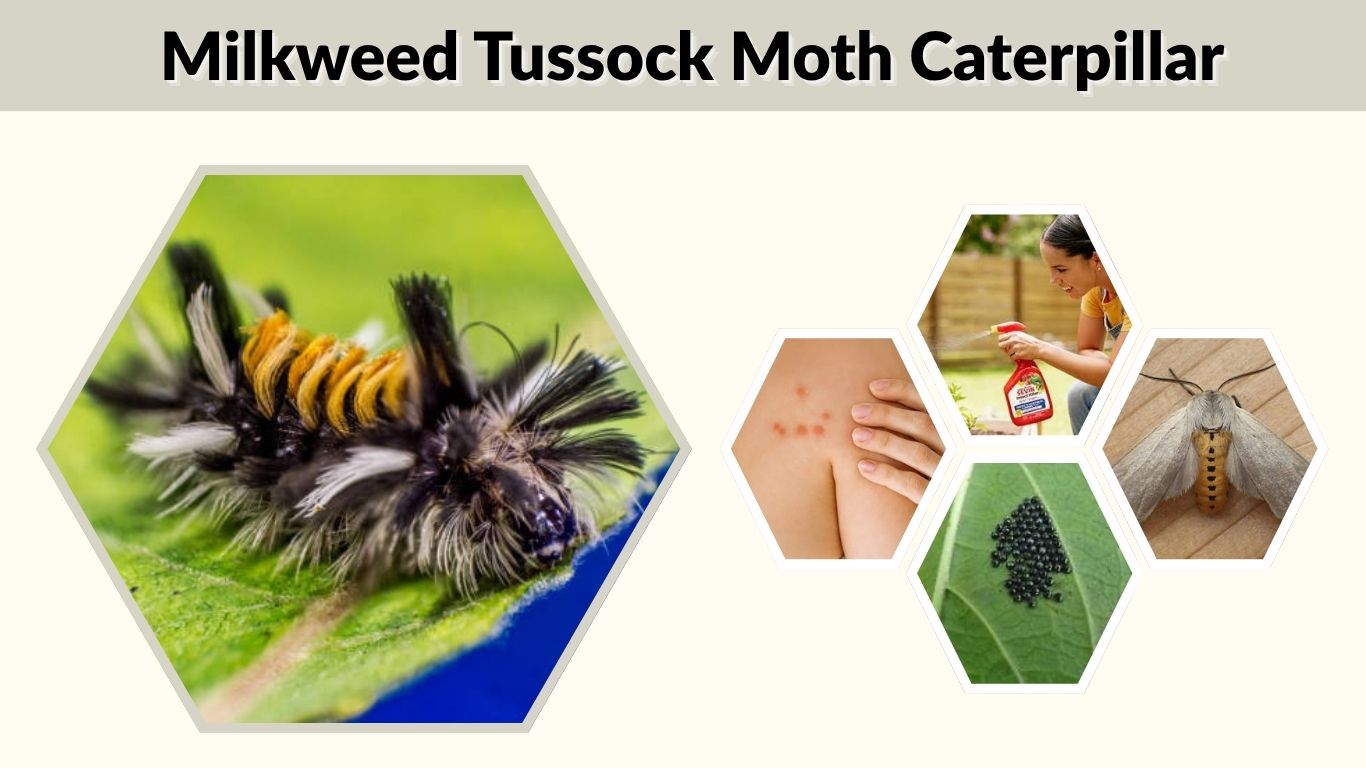
Milkweed Tussock Moth Caterpillar: Identification and Facts
July 19, 2026
The milkweed tussock moth caterpillar (Euchaetes egle) is a shaggy, brightly colored caterpillar commonly found eating milkweed. Its black, white, and orange tufts make it
Read more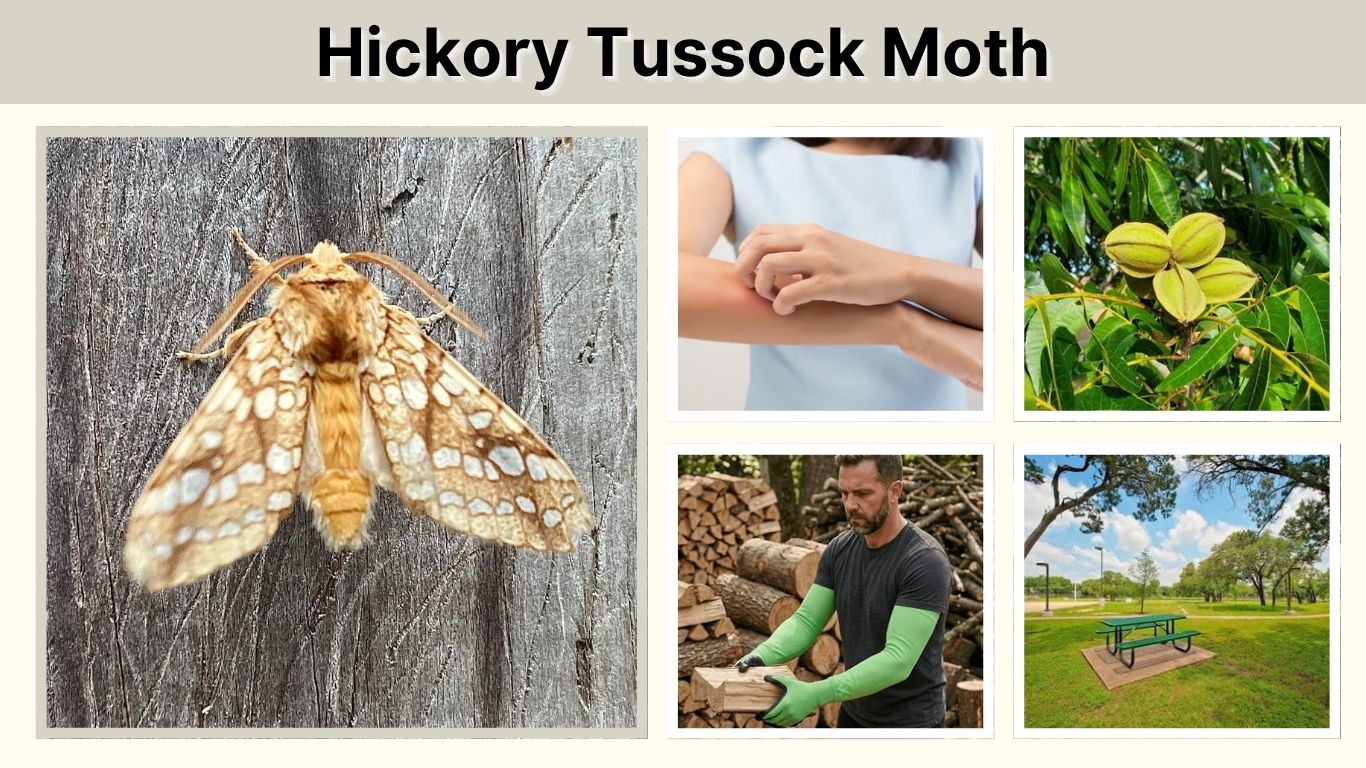
Hickory Tussock Moth: Identification, Rash and Life Cycle
July 18, 2026
The hickory tussock moth (Lophocampa caryae), also called the hickory tiger moth, is a native North American moth best recognized during its caterpillar stage. The
Read more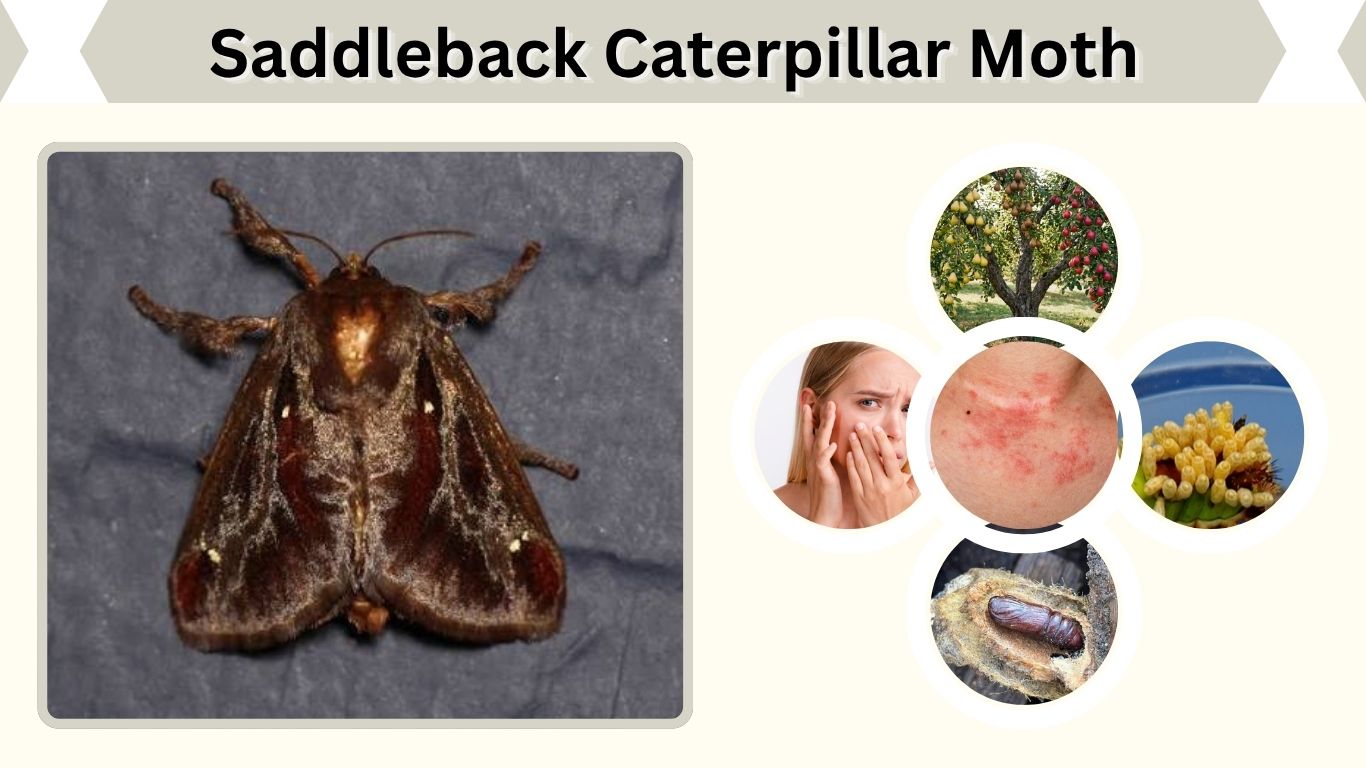
Saddleback Caterpillar Moth: Sting, Treatment and Life Cycle
July 18, 2026
The saddleback caterpillar moth (Acharia stimulea) is best known for its brightly colored and venomous caterpillar stage. The larva has a vivid green “saddle” on
Read more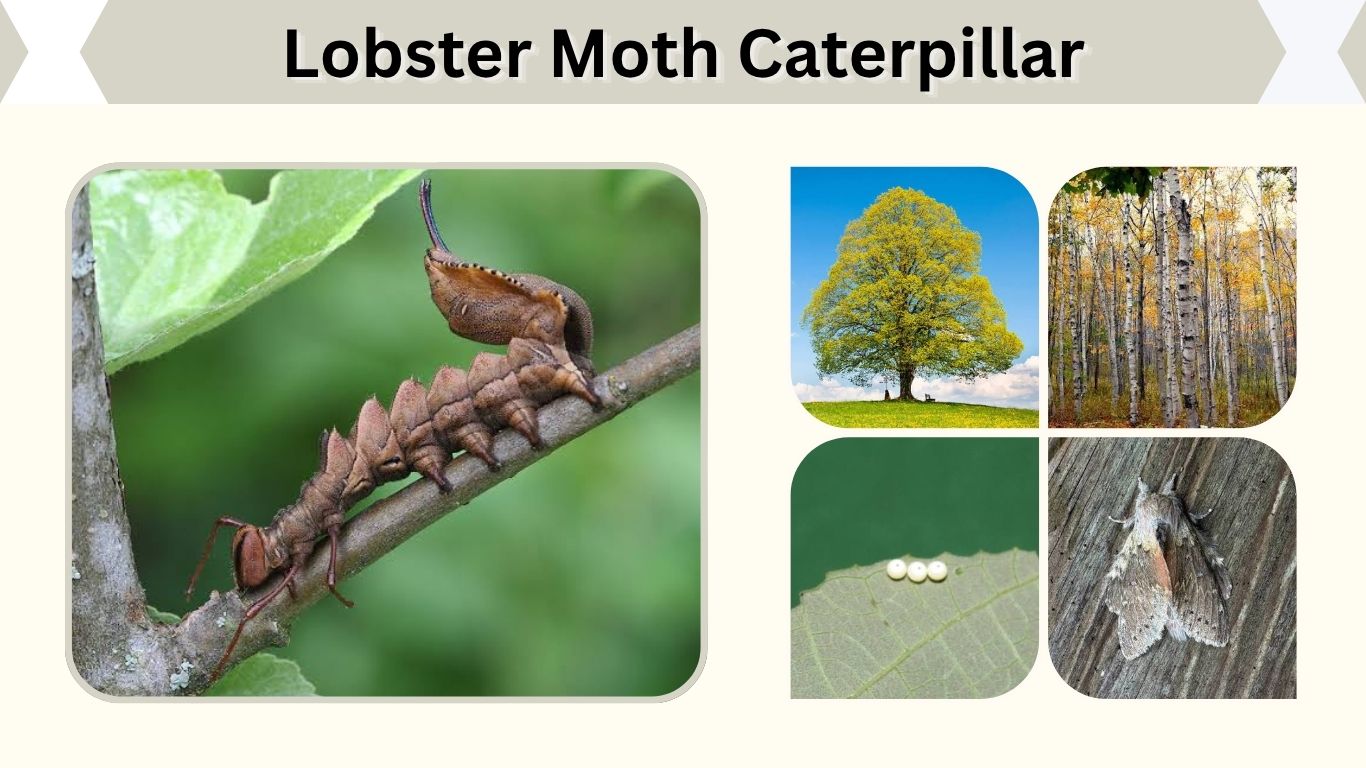
Lobster Moth Caterpillar: Identification, Diet and Life Cycle
July 16, 2026
The lobster moth caterpillar is one of Europe’s most unusual-looking insects. With its oversized head, long front legs, raised tail, and angular brown body, it
Read more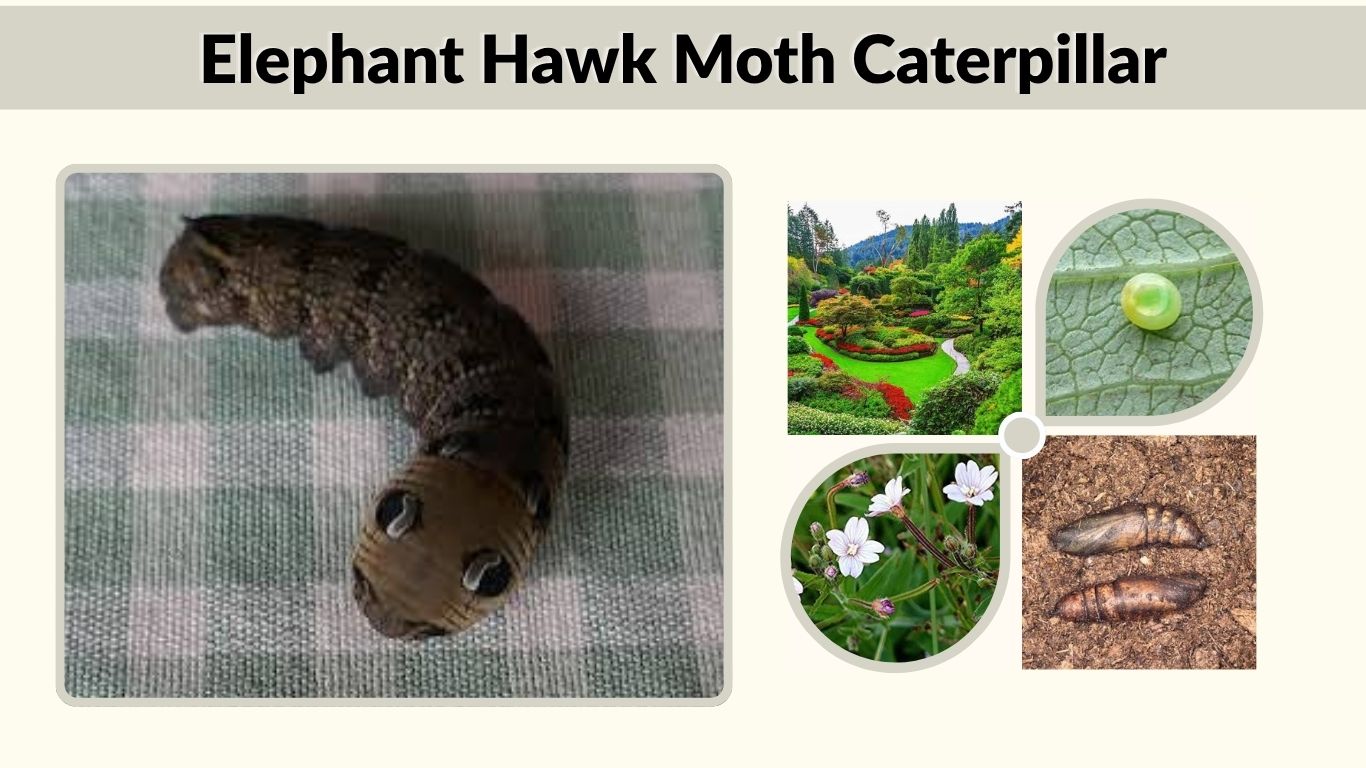
Elephant Hawk Moth Caterpillar: Size, Diet and Life Cycle
July 16, 2026
The elephant hawk moth caterpillar is one of the largest and most distinctive caterpillars found in British and European gardens. Its thick body, oversized false
Read more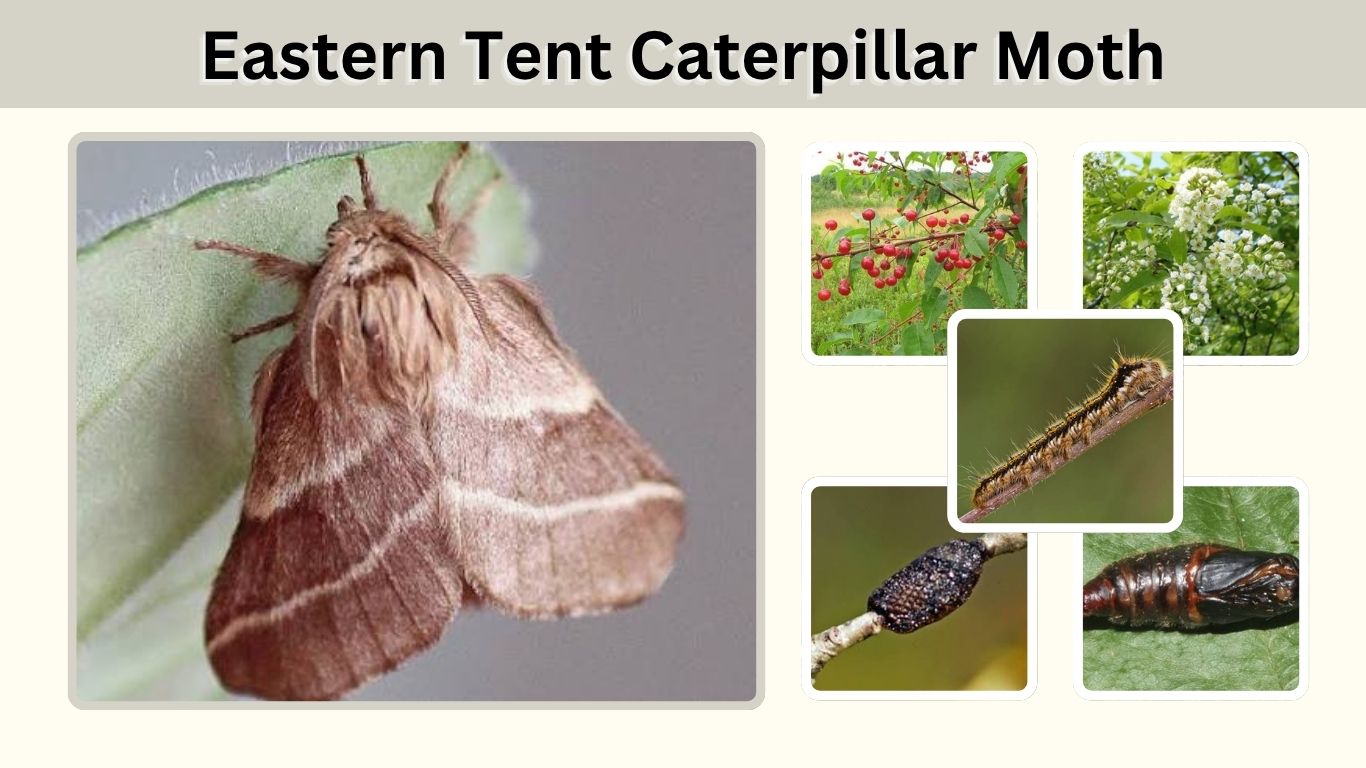
Eastern Tent Caterpillar Moth: Identification and Life Cycle
July 15, 2026
The eastern tent caterpillar moth is a native North American insect best known for the large silk tents its caterpillars build in spring. These social
Read more