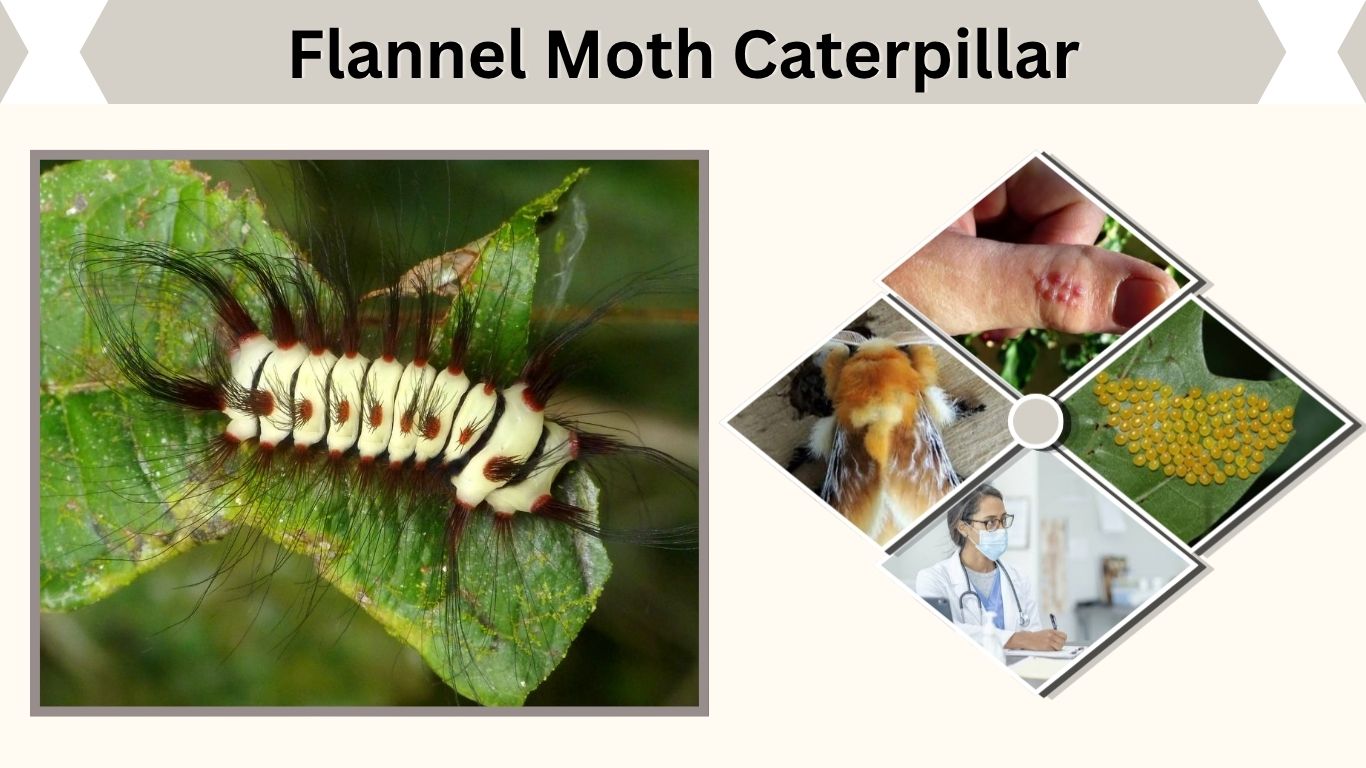
The flannel moth caterpillar looks soft, fuzzy, and almost harmless, but it is one of the stinging caterpillars people should avoid touching. The best-known species is the southern flannel moth caterpillar, also called the puss caterpillar or asp. Its long “fur” hides venomous spines that can cause intense pain, swelling, rash, and other symptoms. This guide explains how to identify it, where it lives, what its sting feels like, and what to do after contact.
What Is a Flannel Moth Caterpillar?
A flannel moth caterpillar is the larval stage of a moth in the family Megalopygidae. The adult moth is fuzzy and flannel-like, but the caterpillar stage is the one that causes concern because many species have hidden stinging spines.
The southern flannel moth, Megalopyge opercularis, is especially well known because its larva, the puss caterpillar, is considered one of the most venomous caterpillars in the United States.
Common Names
The same caterpillar may be called by several names, which is why search results can look confusing. Common names include:
- Flannel moth caterpillar
- Southern flannel moth caterpillar
- Puss caterpillar
- Asp caterpillar
- Tree asp
- Woolly slug
- Stinging flannel moth caterpillar
The name “puss caterpillar” comes from its soft, cat-like appearance. However, the soft-looking hairs are not a sign that it is safe to touch.
Is It a Caterpillar or a Moth?
It is both, depending on life stage. The caterpillar is the immature stage, while the adult is the flannel moth. Adult southern flannel moths are fuzzy, yellowish to orange moths, but they are not the stage that usually stings people. The caterpillar is the dangerous stage because its venomous spines can break off into skin.
Flannel Moth Caterpillar Identification
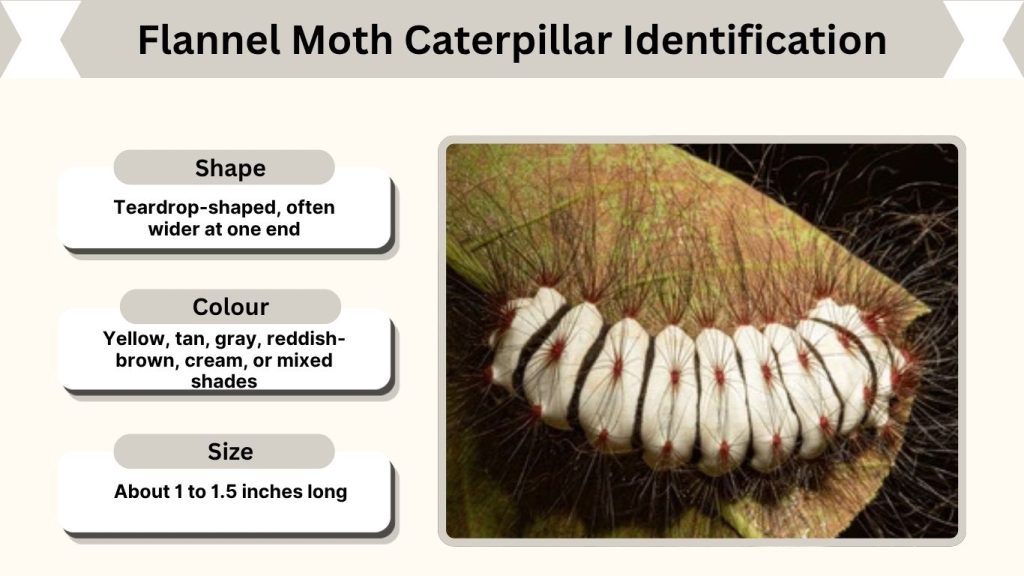
Flannel moth caterpillars are often recognized by their furry, teardrop-shaped bodies. They may look like a small piece of fur, lint, or a tiny animal resting on a leaf or tree trunk.
Key Identification Features
- Shape: Teardrop-shaped, often wider at one end
- Texture: Dense, silky, fur-like hairs
- Colour: Yellow, tan, gray, reddish-brown, cream, or mixed shades
- Size: Mature southern flannel moth caterpillars may reach about 1 to 1.5 inches long
- Hidden danger: Venomous spines are concealed under the long hairs
- Movement: Slow-moving and often found on leaves, shrubs, tree trunks, or nearby surfaces
Texas A&M AgriLife notes that southern flannel moth caterpillars have long, silky hairs and vary from yellow or gray to reddish-brown.
Southern Flannel Moth Caterpillar
The southern flannel moth caterpillar is the species most people mean when they search “flannel moth caterpillar sting.” It is common in parts of the southeastern United States and can be found around yards, schools, parks, and shade trees.
Its appearance changes as it grows. Some are golden tan, while others are gray, orange-brown, or darker. The “fur” can be straight, wavy, or messy, making it easy to mistake for a harmless hairy caterpillar.
White and Black-Waved Flannel Moth Caterpillars
The white flannel moth caterpillar is another stinging species. NC State Extension describes the hackberry leafslug, the immature stage of the white flannel moth, as a caterpillar that can sting fiercely when brushed against. It is associated with plants such as hackberry, redbud, beech, mimosa, elm, greenbrier, and black locust.
The black-waved flannel moth caterpillar can look similar to the southern flannel moth caterpillar, but it usually lacks the long “tail” of hairs often seen on the southern species. Missouri Department of Conservation notes that black-waved flannel moth caterpillars may vary in color from white and cream to caramel or red.
Flannel Moth Caterpillar Sting
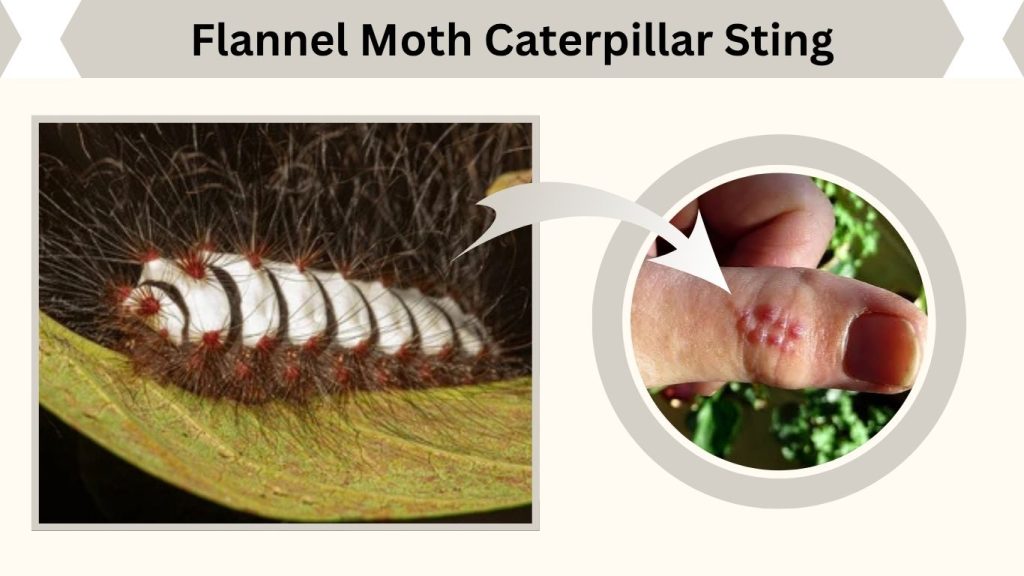
The flannel moth caterpillar does not bite like an insect with jaws. Most people say “bite,” but the injury is actually a sting caused by venomous spines.
When skin brushes against the caterpillar, the tiny spines can break off and release venom. Poison Control explains that caterpillar sting symptoms happen when stinging hairs or spines touch the skin, causing pain, itching, rash, swelling, welts, or blisters.
What Does the Sting Feel Like?
Many people describe the pain as sudden, burning, throbbing, or sharp. In some cases, pain may spread beyond the contact spot. Texas A&M AgriLife reports that intense throbbing pain can begin immediately or within five minutes, and arm stings may cause pain near the armpit area.
Common symptoms include:
- Immediate burning or stinging pain
- Red rash or marks at the contact site
- Swelling or tenderness
- Itching
- Blisters or welts
- Headache
- Nausea or vomiting
- Swollen lymph nodes
- Rare breathing trouble or severe allergic reaction
Is the Flannel Moth Caterpillar Poisonous?
Yes, people often call it poisonous, but “venomous” is more accurate. A poisonous animal causes harm when eaten or touched in a toxic way; a venomous animal delivers venom through a structure such as a spine, fang, or stinger. The flannel moth caterpillar delivers venom through hidden spines.
Sting Treatment: What to Do After Contact
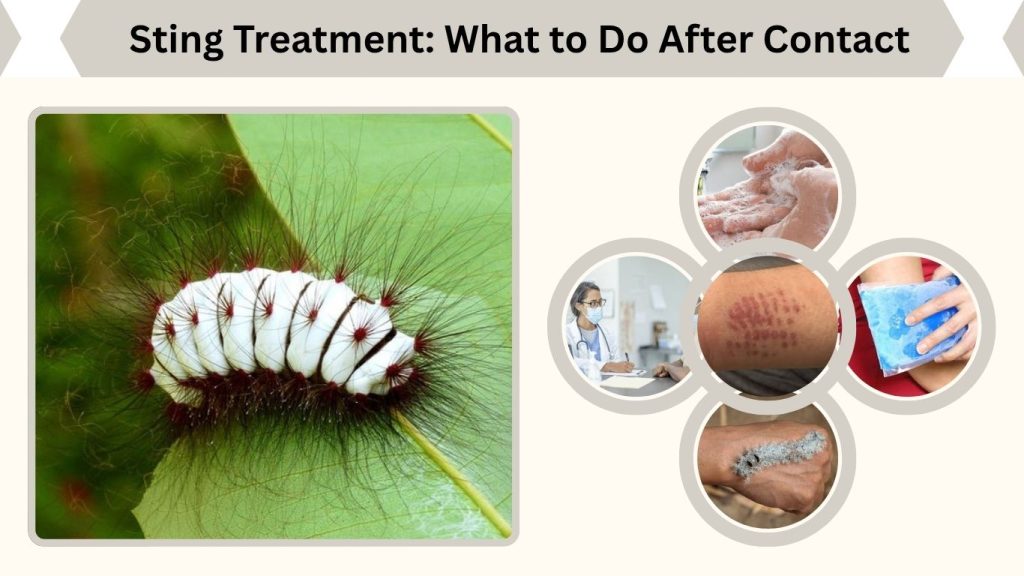
A flannel moth caterpillar sting can be painful, but quick action may reduce irritation. Severe reactions need medical attention.
| Step | What to Do | Why It Helps |
| 1 | Remove the caterpillar without bare hands | Prevents more spines from entering skin |
| 2 | Place tape on the sting area and lift it off | Helps remove embedded hairs or spines |
| 3 | Wash gently with soap and water | Removes surface venom and loose hairs |
| 4 | Use a cold compress | Helps reduce pain and swelling |
| 5 | Seek medical help for severe symptoms | Needed for breathing trouble, chest pain, or serious allergic reaction |
Poison Control recommends using tape to remove hairs or spines, washing the area with soap and water, and treating itching with baking soda paste or hydrocortisone cream. Clemson HGIC also advises tape removal, gentle washing, cold compresses, and medical care if symptoms such as nausea or shortness of breath appear.
When to Get Medical Help
Get medical help quickly if the person has shortness of breath, chest pain, widespread swelling, dizziness, trouble swallowing, eye exposure, severe pain, or symptoms that worsen instead of improving. Children, older adults, and people with allergies should be watched carefully after a sting.
Where Do Flannel Moth Caterpillars Live?
Flannel moth caterpillars are most often discussed in the southern and southeastern United States, although related species may occur in other areas.
The southern flannel moth is found from New Jersey to Florida and west to Arkansas and Texas, according to University of Florida IFAS Extension. It is especially known in Texas, where people often call it an “asp.”
Common Habitats
Flannel moth caterpillars may be found in:
- Backyards
- Parks
- School grounds
- Shade trees
- Shrubs
- Wooded edges
- Garden plants
- Tree trunks, fences, or nearby walls before pupation
They are not major tree destroyers in most home landscapes, but they are important because of their sting risk.
Host Plants
Southern flannel moth caterpillars feed on many deciduous trees and shrubs. Clemson lists common host plants such as oak, elm, hackberry, and maple. Texas A&M also mentions oaks, pecan, elm, hackberry, dwarf yaupon, and other shrubs.
Life Cycle and Behavior
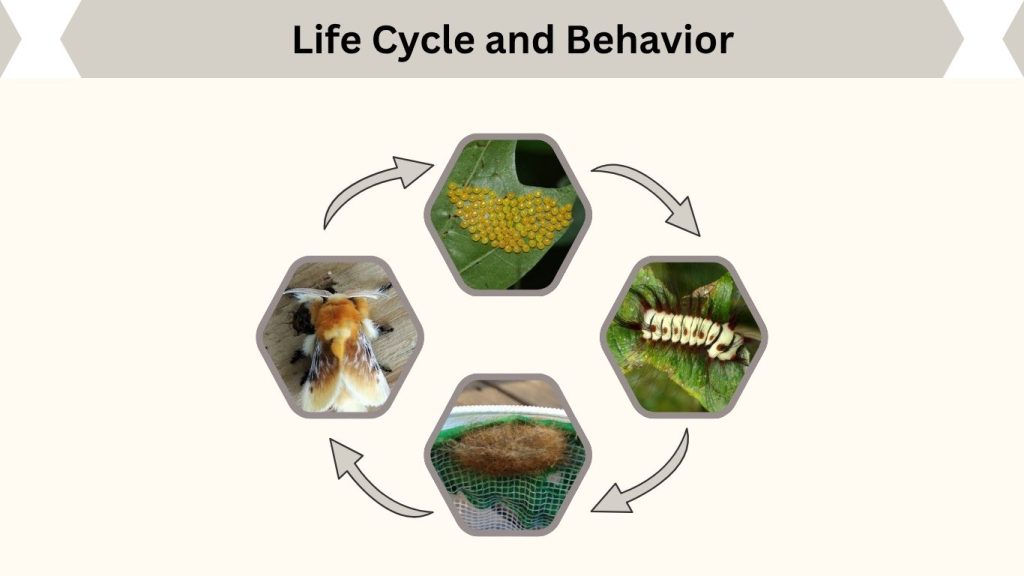
The flannel moth caterpillar goes through the usual moth life cycle: egg, larva, cocoon or pupa, and adult moth.
University of Florida IFAS notes that the southern flannel moth usually has two broods per year, with a possible partial third brood in the Deep South. Sting records show two major peaks: one in early summer and another in fall.
Why They Appear Around Homes
They appear around homes because their host plants are common landscape trees. Oak, elm, maple, hackberry, and ornamental shrubs are often planted in yards, parks, and school areas. Mature caterpillars may also wander away from host plants before making cocoons, so they can show up on walls, patios, porches, or outdoor furniture.
How to Get Rid of Southern Flannel Moth Caterpillars
The safest method is prevention and careful removal. Never pick up a flannel moth caterpillar with bare hands.
For a small number of caterpillars, avoid touching them and keep children and pets away. Wear thick gloves, long sleeves, and eye protection if you must remove them. Use a tool, stick, or container rather than your fingers.
For larger numbers, contact a local pest control professional or extension service. Texas A&M says control may be needed when caterpillars become abundant, especially around playgrounds or high-contact areas, but education and avoidance are often the best solution in places where children may encounter them.
Flannel Moth Caterpillar vs Similar Caterpillars
| Caterpillar | Appearance | Sting Risk |
| Southern flannel moth caterpillar | Furry, teardrop-shaped, tan to reddish-brown | High |
| White flannel moth caterpillar | Yellow body with dark back markings and pale spots | Can sting |
| Black-waved flannel moth caterpillar | Furry, variable white to reddish colors | Can sting |
| Woolly bear caterpillar | Bristly black and brown bands | Usually irritating, not like puss caterpillar |
| Saddleback caterpillar | Green “saddle” marking with spiny ends | Painful sting |
Not every hairy caterpillar is dangerous, but the Missouri Department of Conservation warns that if a hairy or spiny caterpillar is uncertain, dead or alive, it is best not to touch it.
FAQs
Are flannel moth caterpillars dangerous?
Yes, some flannel moth caterpillars are dangerous because their hidden spines can inject venom into the skin. The southern flannel moth caterpillar is especially known for causing intense pain, rash, swelling, and sometimes more serious symptoms.
Can a southern flannel moth caterpillar kill you?
Death is extremely rare, but severe allergic reactions can happen. Seek urgent medical help if a sting causes trouble breathing, chest pain, severe swelling, dizziness, or symptoms that spread beyond the sting area.
What happens if you touch a flannel moth caterpillar?
Touching one can cause a painful sting. Symptoms may include burning pain, redness, itching, swelling, rash, welts, blisters, headache, nausea, or swollen lymph nodes.
Where are southern flannel moth caterpillars found?
They are found from New Jersey to Florida and west to Arkansas and Texas. They are often seen on shade trees, shrubs, parks, school grounds, and home landscapes.
How do I remove a flannel moth caterpillar safely?
Do not use bare hands. Keep children and pets away, wear protective clothing, and use a stick, tool, or container to move it. For many caterpillars near a home, school, or playground, contact a pest control professional or local extension office.