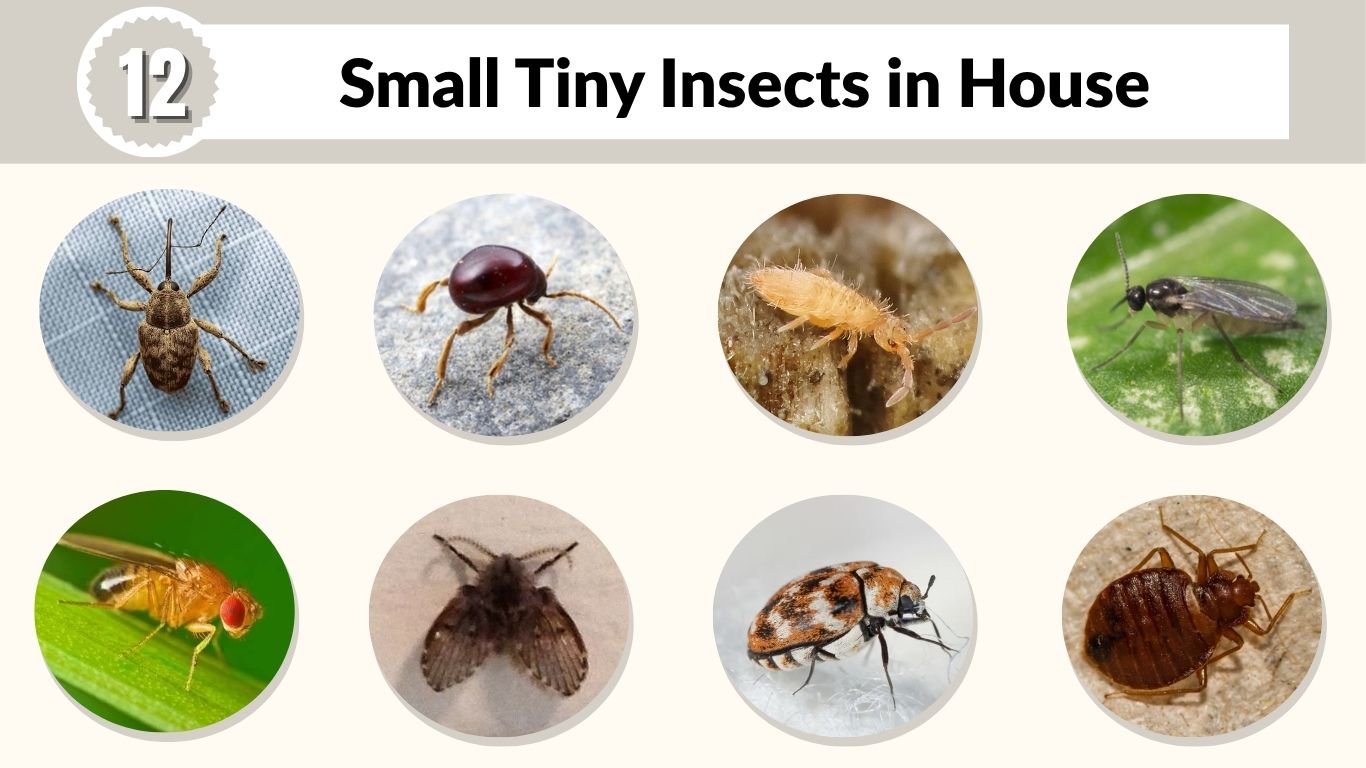
Small tiny insects in the house can appear in kitchens, bathrooms, bedrooms, storage areas, and indoor plants. Some insects come for food and moisture, while others hide in fabric, drains, soil, or stored grains. Knowing their names, characteristics, hiding places, and control methods can help you identify the problem early and keep your home cleaner and safer.
1. Ants
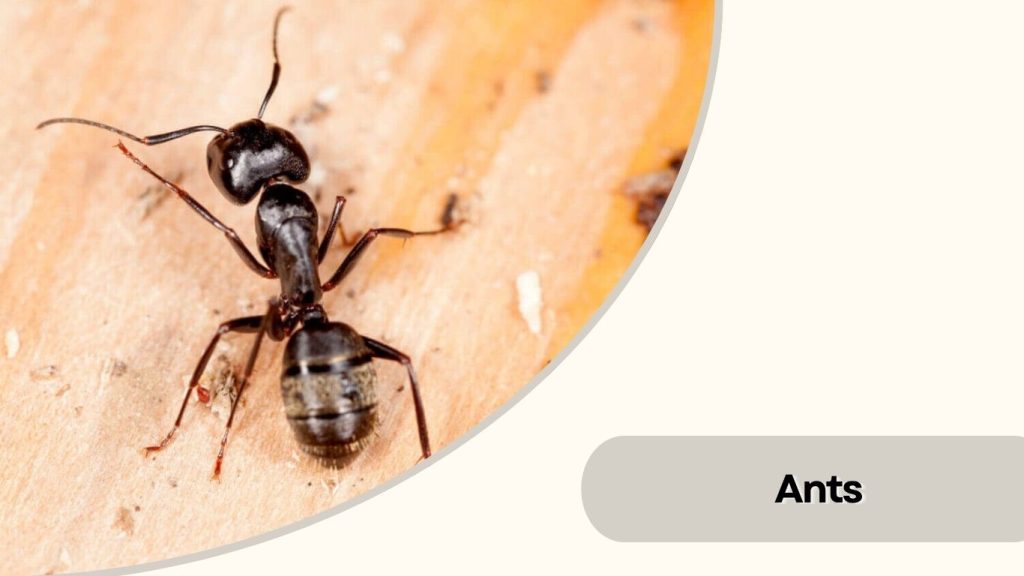
Ants are one of the most common tiny insects found inside houses. They usually enter homes while searching for food, water, or shelter. These insects are small, active, and often move in clear lines, especially near kitchens, floors, windows, and food storage areas.
Characteristics
- Small body with three clear parts: head, thorax, and abdomen
- Usually black, brown, red, or yellowish in color
- Have six legs and two bent antennae
- Often move in groups or long trails
- Attracted to sweet food, crumbs, grease, and moisture
- Some species can bite or sting when disturbed
Where Ants Are Found
Ants are commonly found in kitchens, bathrooms, dining areas, and near trash bins. They may also appear around windows, doors, wall cracks, and floor gaps. In many homes, ants build nests outside but enter indoors through tiny openings. Once they find food, they leave scent trails that help other ants follow the same path.
Why Ants Enter Houses
Ants usually come inside because they need food and water. Spilled sugar, open food containers, dirty dishes, pet food, and leaking pipes can attract them. During hot, rainy, or dry weather, ants may also enter houses to find a safer and more comfortable place to stay.
How to Control Ants
Keeping the house clean is the best way to reduce ants. Food should be stored in sealed containers, crumbs should be wiped quickly, and trash should be removed regularly. It is also helpful to seal cracks, repair leaks, and clean ant trails with soapy water to remove their scent path.
2. Bed Bug
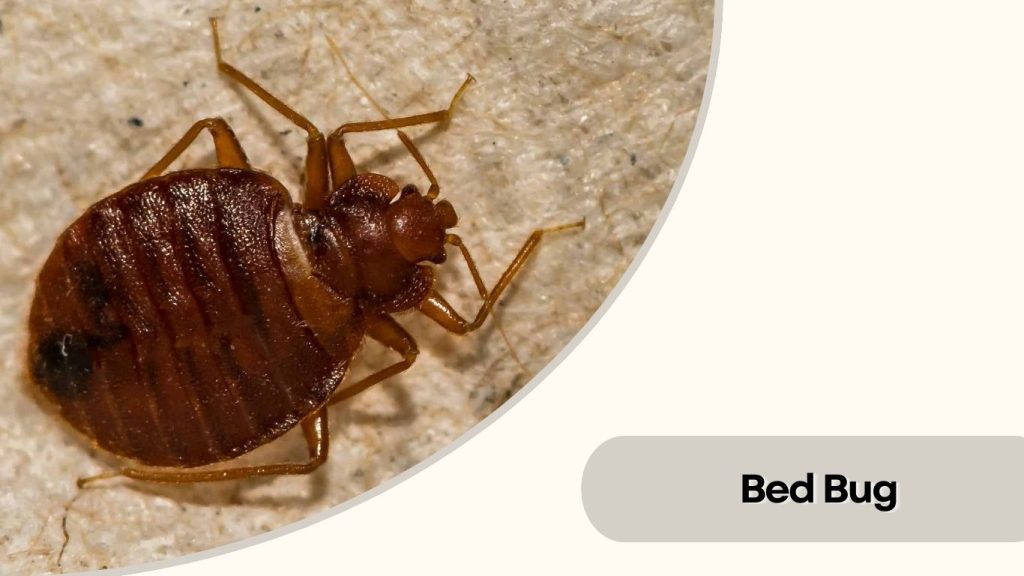
Bed bugs are tiny household insects that usually hide in sleeping areas. They are known for feeding on blood, mostly at night. These insects are difficult to notice at first because they hide in cracks, mattresses, furniture, and fabric folds during the day.
Characteristics
- Small, flat, oval-shaped body
- Usually reddish-brown in color
- Become darker and swollen after feeding
- Do not fly or jump
- Mostly active at night
- Can leave itchy bite marks on skin
Where Bed Bugs Are Found
Bed bugs are mostly found around beds, mattresses, pillows, bed frames, and headboards. They may also hide in sofas, chairs, carpets, curtains, luggage, and wall cracks. In serious infestations, they can spread to different rooms and hide in many small spaces.
Why Bed Bugs Enter Houses
Bed bugs usually enter homes by traveling on clothes, bags, furniture, or luggage. They are often brought from hotels, public transport, hostels, or used furniture. They do not enter because of dirt, but clutter can make it easier for them to hide and spread.
How to Control Bed Bugs
To control bed bugs, bedding should be washed in hot water and dried with heat. Mattresses, furniture, and cracks should be checked carefully. Vacuuming can help reduce them, but severe infestations often need professional pest control treatment.
3. Flea
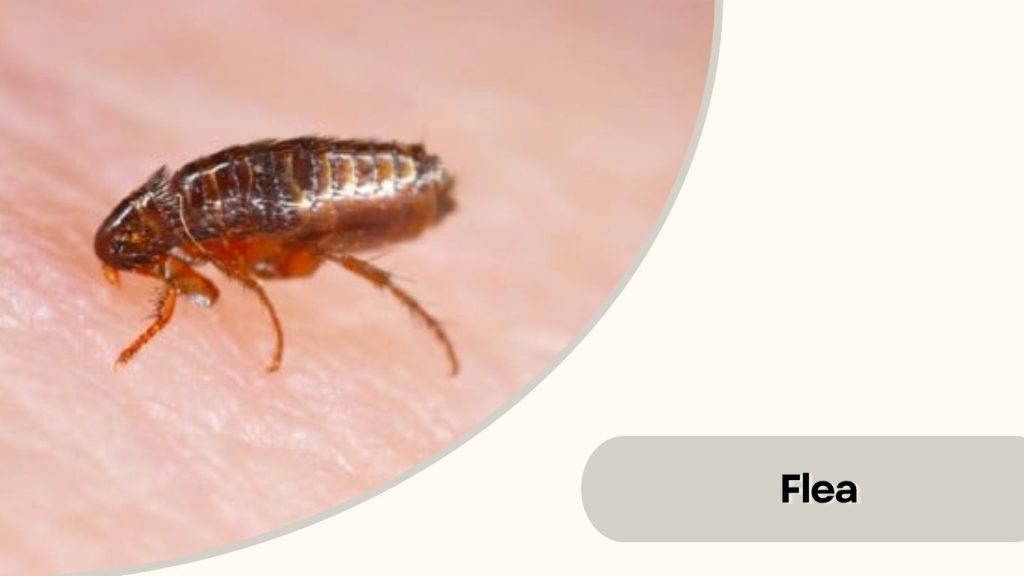
Fleas are very small insects that are commonly linked with pets, especially cats and dogs. They feed on blood and can jump long distances compared to their size. Fleas can become a problem inside homes when they spread through carpets, bedding, and pet resting areas.
Characteristics
- Very small, dark brown body
- Flat body from side to side
- Strong back legs for jumping
- Feed on blood from animals or humans
- Can cause itchy bites
- Often found where pets rest
Where Fleas Are Found
Fleas are commonly found on pets, pet beds, carpets, rugs, sofas, and floor cracks. They may also live in yards, gardens, and shaded outdoor areas. Inside the house, flea eggs and larvae can remain hidden in fabric, dust, and soft surfaces.
Why Fleas Enter Houses
Fleas usually enter houses through pets that spend time outdoors. They can also come inside on clothes, shoes, or other animals. Once indoors, they multiply quickly if pets are not treated and cleaning is not done regularly.
How to Control Fleas
Pets should be checked and treated with proper flea control products. Carpets, bedding, and furniture should be vacuumed often. Pet bedding should be washed regularly. In heavy infestations, both the pet and the home environment need treatment.
4. Booklouse
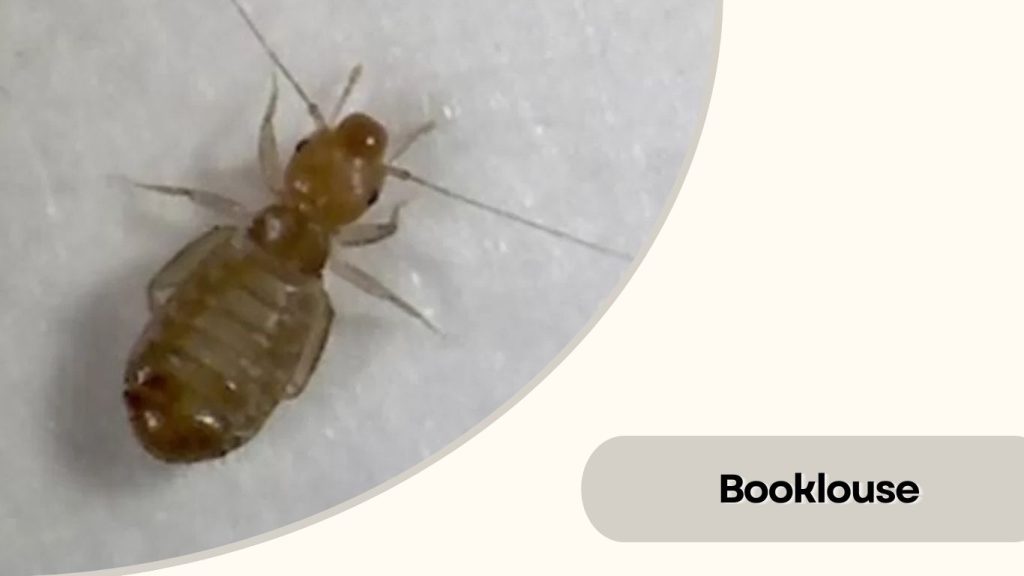
Booklice are tiny insects often found in damp areas of the house. They do not bite humans, but they can become annoying when they appear in large numbers. They usually feed on mold, fungi, and tiny organic matter found on paper, walls, and stored items.
Characteristics
- Very tiny, soft-bodied insect
- Usually pale, gray, or light brown
- Some have wings, but many do not
- Prefer damp and humid places
- Feed on mold and fungi
- Do not bite or sting humans
Where Booklice Are Found
Booklice are often found in books, paper boxes, cupboards, walls, damp furniture, and storage areas. They may also appear near windows, bathrooms, kitchens, and basements. They are common in places where moisture and mold are present.
Why Booklice Enter Houses
Booklice appear indoors when humidity is high. Damp walls, wet cardboard, poor ventilation, and mold growth can attract them. New houses may also have booklice because fresh building materials can hold moisture for some time.
How to Control Booklice
The best way to control booklice is to reduce moisture. Rooms should be kept dry and well ventilated. Moldy paper, cardboard, and damaged stored items should be removed. Using a dehumidifier can also help reduce their number.
5. Silverfish
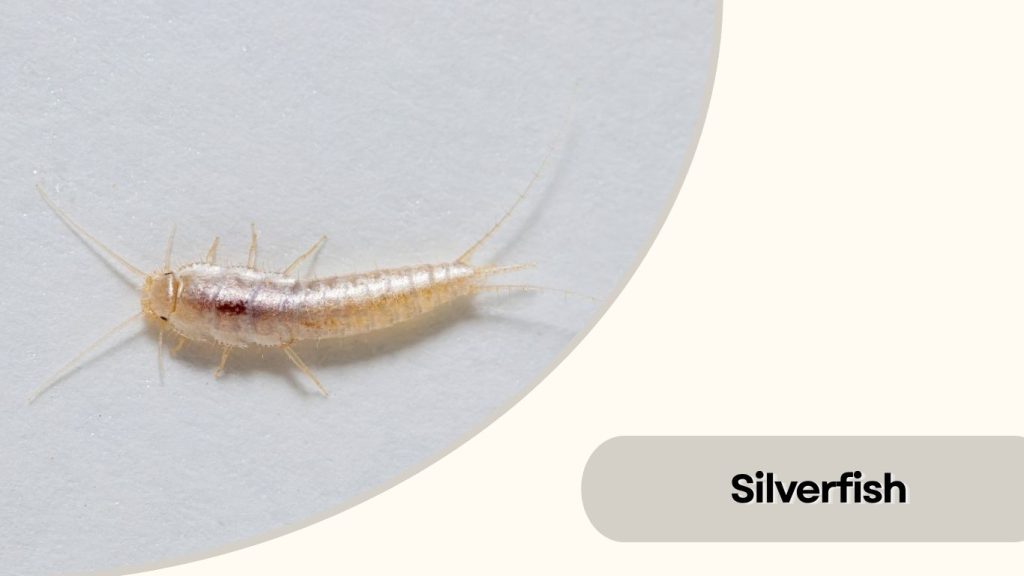
Silverfish are small, wingless insects commonly found in dark and damp places. They move quickly and have a shiny, fish-like appearance. Although they do not bite people, they can damage paper, books, wallpaper, clothes, and stored food items.
Characteristics
- Silver or gray shiny body
- Long, flat, and narrow shape
- Three tail-like bristles at the back
- Move very fast
- Prefer dark and damp areas
- Feed on starch, paper, glue, and fabric
Where Silverfish Are Found
Silverfish are usually found in bathrooms, kitchens, basements, closets, bookshelves, and storage boxes. They hide in cracks, under sinks, behind wallpaper, and near damp cardboard. They are mostly active at night and stay hidden during the day.
Why Silverfish Enter Houses
Silverfish enter houses in search of moisture, food, and shelter. High humidity, leaking pipes, old books, paper piles, and cardboard boxes can attract them. They can survive for a long time in quiet, dark places.
How to Control Silverfish
To control silverfish, reduce indoor humidity and fix water leaks. Keep books, clothes, and paper items dry and organized. Cracks and gaps should be sealed. Regular cleaning and removing old cardboard can also help prevent silverfish problems.
6. Carpet Beetle
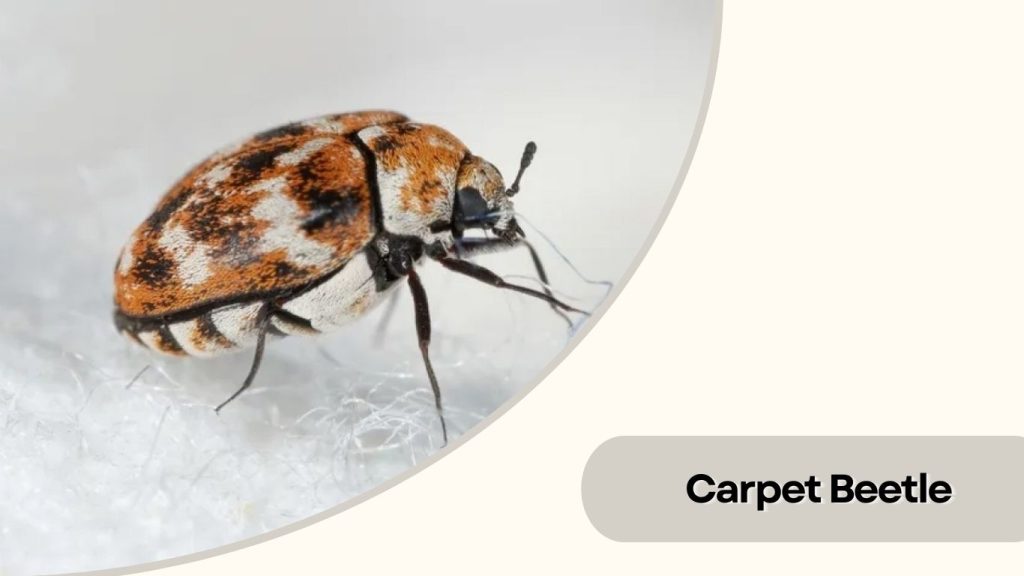
Carpet beetles are tiny insects that can damage fabric and natural materials inside the house. Adult beetles are often seen near windows, while their larvae usually cause the most damage. They feed on wool, silk, feathers, fur, carpets, and stored fabric items.
Characteristics
- Small, round or oval body
- Often black, brown, white, yellow, or patterned
- Larvae are hairy and worm-like
- Adults may fly toward light
- Larvae feed on natural fibers
- Can damage carpets, clothes, and furniture
Where Carpet Beetles Are Found
Carpet beetles are found in carpets, closets, drawers, furniture, curtains, and storage boxes. They may also hide under rugs, along baseboards, and near pet hair or lint. Adult beetles are often noticed around windows and light sources.
Why Carpet Beetles Enter Houses
Carpet beetles may enter homes through open doors, windows, flowers, or old fabric items. They are attracted to natural fibers, dead insects, animal hair, and dust. Poorly stored clothes and carpets can support their growth.
How to Control Carpet Beetles
Regular vacuuming is important to remove larvae, eggs, lint, and hair. Clothes and fabric items should be cleaned before storage. Stored wool or silk items should be kept in sealed containers. Damaged or infested materials should be washed or removed.
7. Drain Fly
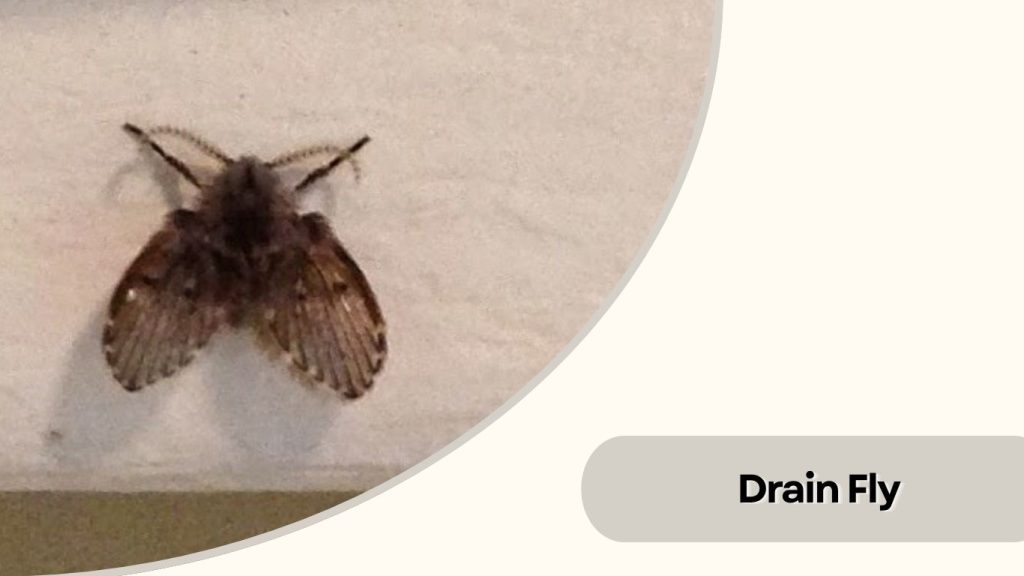
Drain flies are tiny flying insects often found near sinks, drains, and wet areas. They have a fuzzy body and usually appear when organic dirt builds up inside pipes. These insects do not usually harm people, but they can become annoying when they multiply indoors.
Characteristics
- Small moth-like flying insect
- Fuzzy body and wings
- Usually gray, brown, or dark colored
- Weak and slow flyer
- Often rests on walls near drains
- Attracted to wet organic buildup
Where Drain Flies Are Found
Drain flies are commonly found in bathrooms, kitchens, laundry rooms, and basements. They often rest near sink drains, shower drains, floor drains, toilets, and wet pipes. Their larvae usually live inside the slimy buildup found in dirty drains.
Why Drain Flies Enter Houses
Drain flies appear when drains stay wet and contain organic matter. Food waste, soap scum, hair, grease, and sludge can create a perfect breeding place for them. Unused drains and leaking pipes can also attract them.
How to Control Drain Flies
To control drain flies, drains should be cleaned deeply, not just sprayed on the surface. Scrubbing the inside of pipes and removing slime helps stop their breeding. Fixing leaks and keeping wet areas dry can also reduce their number.
8. Fruit Fly
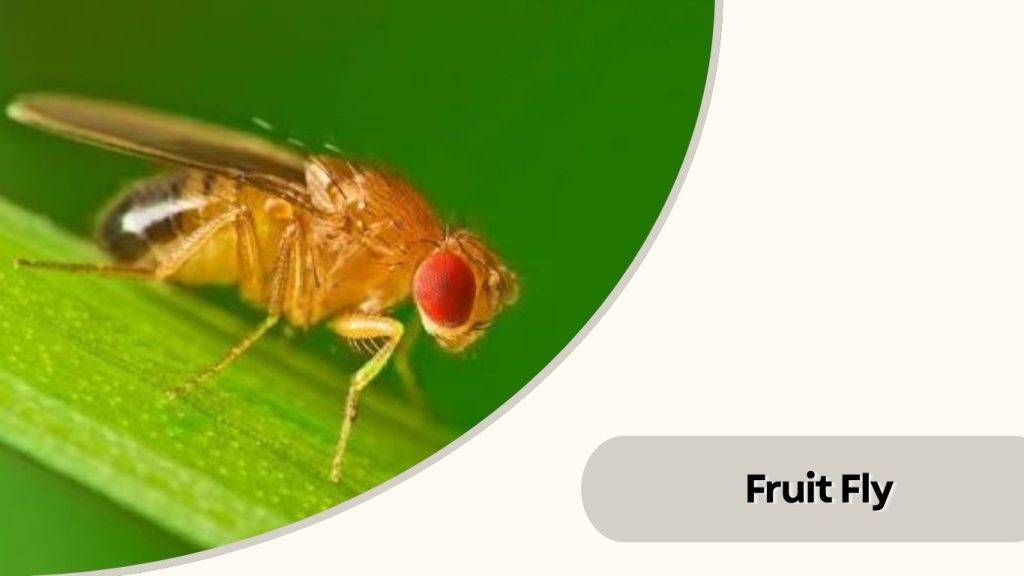
Fruit flies are small flying insects that are commonly seen around ripe fruits and food waste. They multiply quickly and can become a problem in kitchens. These insects are attracted to fermenting food, sweet liquids, and moist organic matter.
Characteristics
- Very small flying insect
- Usually tan or brown body
- Often has red eyes
- Flies around fruits and food scraps
- Attracted to sweet or fermented items
- Reproduces very quickly indoors
Where Fruit Flies Are Found
Fruit flies are mostly found in kitchens, dining areas, trash bins, and near fruit bowls. They may also appear around drains, empty bottles, dirty dishes, compost bins, and food containers. Any place with overripe or rotting food can attract them.
Why Fruit Flies Enter Houses
Fruit flies enter homes because of ripe fruit, vegetables, spilled juice, soda, alcohol, or food waste. Sometimes their eggs are already present on fruits brought from markets. Warm indoor conditions help them grow and spread quickly.
How to Control Fruit Flies
To control fruit flies, remove overripe fruits and clean food spills quickly. Trash bins should be emptied often, and bottles or cans should be rinsed. Keeping fruits covered or refrigerated can help prevent them from breeding indoors.
9. Fungus Gnat
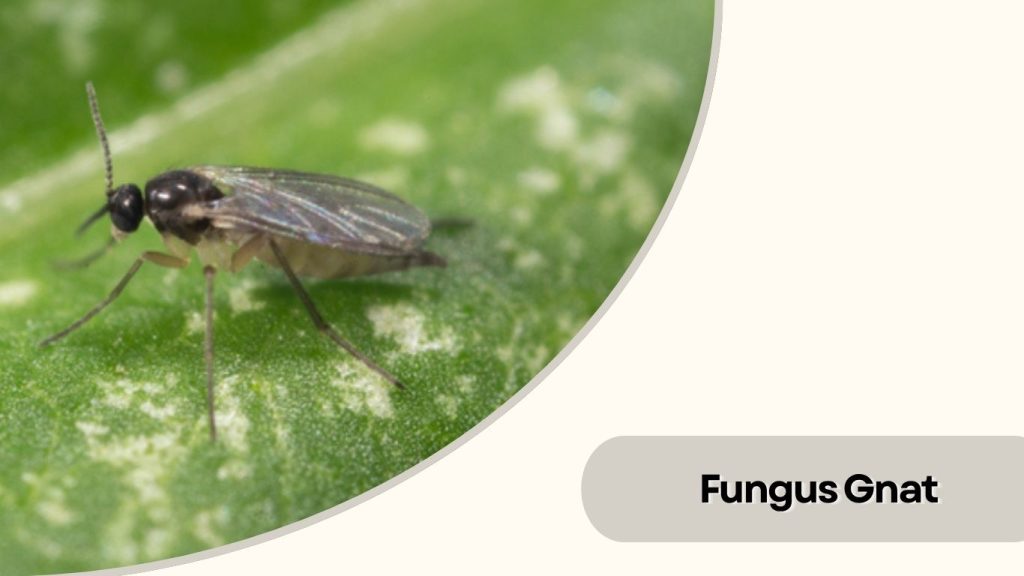
Fungus gnats are tiny flying insects often found around indoor plants. They look similar to small mosquitoes but are usually harmless to humans. Their larvae live in moist soil and feed on fungi, decaying matter, and sometimes young plant roots.
Characteristics
- Small mosquito-like flying insect
- Usually black or dark gray
- Long legs and thin body
- Weak flyer around plants
- Larvae live in damp soil
- Attracted to overwatered houseplants
Where Fungus Gnats Are Found
Fungus gnats are usually found near indoor plants, plant pots, damp soil, and windows. Adult gnats fly around the surface of potting soil. Their larvae stay hidden in the top layer of moist soil, especially in overwatered plants.
Why Fungus Gnats Enter Houses
Fungus gnats often enter houses through infested plants or potting soil. They become common when houseplants are watered too much. Moist soil, decaying roots, and organic potting mix create a good place for them to breed.
How to Control Fungus Gnats
To control fungus gnats, allow the top layer of soil to dry before watering again. Avoid overwatering indoor plants. Removing dead leaves from pots also helps. Sticky traps can catch adults, while changing or treating infested soil can reduce larvae.
10. Springtail
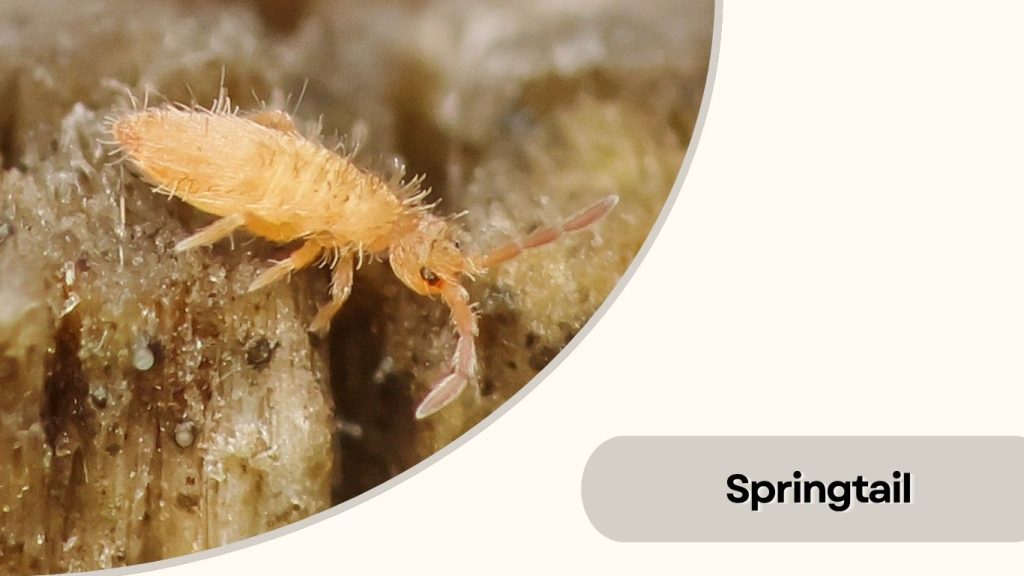
Springtails are very tiny insects that are usually found in damp places. They do not bite or damage the house, but they can appear in large numbers when moisture is high. Their name comes from their ability to jump using a small tail-like structure.
Characteristics
- Very tiny soft-bodied insect
- Usually white, gray, black, or brown
- Can jump when disturbed
- Prefer moist and humid areas
- Feed on mold, fungi, and decaying matter
- Do not bite, sting, or spread disease
Where Springtails Are Found
Springtails are commonly found in bathrooms, kitchens, basements, window sills, plant pots, and damp floors. Outdoors, they live in soil, mulch, leaf litter, and wet garden areas. Indoors, they usually gather where moisture is present.
Why Springtails Enter Houses
Springtails enter houses when outdoor soil becomes too wet or when indoor humidity is high. Leaking pipes, damp walls, overwatered plants, and poor ventilation can attract them. They may also come inside through cracks, doors, and windows.
How to Control Springtails
The best way to control springtails is to reduce moisture. Fix leaks, improve ventilation, and avoid overwatering plants. Damp areas should be dried properly. Sealing small gaps around doors and windows can also help stop them from entering.
11. Spider Beetle
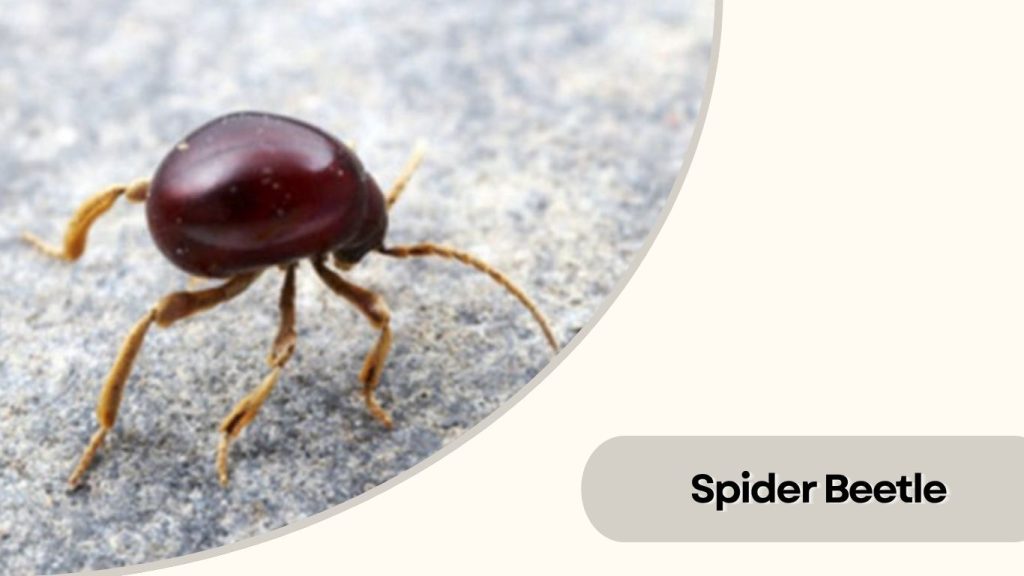
Spider beetles are small insects that may look like tiny spiders because of their round body and long legs. They are usually found in stored food, old fabric, and hidden storage areas. These insects are mostly active at night and often stay unnoticed.
Characteristics
- Small beetle with round body
- Long legs and spider-like appearance
- Usually brown, reddish, or dark colored
- Hard outer body
- Often active at night
- Can feed on stored food and organic materials
Where Spider Beetles Are Found
Spider beetles are commonly found in pantries, cupboards, storage rooms, attics, basements, and wall voids. They may hide in old food packages, bird nests, rodent nests, dried plant materials, and stored fabrics. They prefer quiet and undisturbed places.
Why Spider Beetles Enter Houses
Spider beetles enter homes in search of food and shelter. They may come through infested stored products, old furniture, or cracks in walls. Forgotten food, grains, seeds, pet food, and dead insects can support their growth indoors.
How to Control Spider Beetles
To control spider beetles, inspect stored food and throw away infested items. Pantry shelves should be cleaned well, especially corners and cracks. Food should be stored in sealed containers. Removing old nests, clutter, and organic debris can also help.
12. Weevil
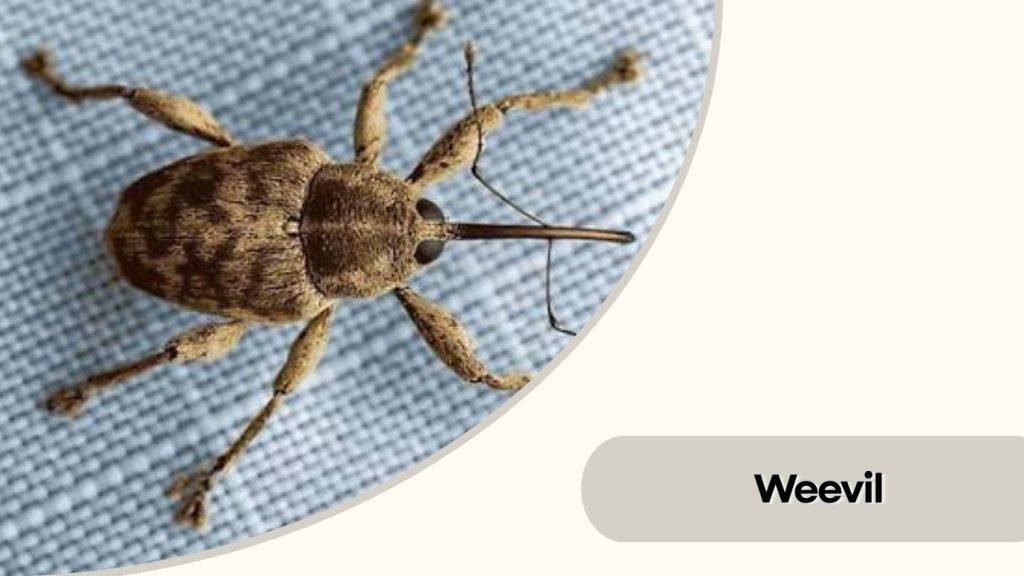
Weevils are small beetles commonly found in stored grains and dry food products. They often appear in kitchens or pantries when rice, flour, beans, seeds, or cereals are infested. Many weevils have a long snout, which makes them easy to recognize.
Characteristics
- Small beetle with hard body
- Many species have a long snout
- Usually brown, black, or reddish colored
- Often found in grains and dry foods
- Some can chew into food packages
- Do not bite or sting humans
Where Weevils Are Found
Weevils are usually found in pantries, kitchen cabinets, food storage containers, and grain packages. They may appear inside rice bags, flour, pasta, cereals, beans, corn, nuts, and seeds. Adult weevils may also crawl on shelves or walls near stored food.
Why Weevils Enter Houses
Weevils mostly enter homes through already infested dry food products bought from stores or markets. Eggs or larvae may be hidden inside grains before the food is brought home. Warm and stored conditions allow them to grow and spread.
How to Control Weevils
To control weevils, inspect dry foods and discard infested packages. Pantry shelves should be cleaned carefully before storing new food. Grains, flour, and seeds should be kept in sealed containers. Freezing newly bought grains for a few days can also help prevent infestation.