Tussock moths are fuzzy insects best known for their colorful hairy caterpillars covered in tufts, bristles, and unusual markings. These moths are commonly found in forests, gardens, parks, orchards, and suburban woodlands throughout many parts of the world. Some tussock moth caterpillars are harmless, while others may cause mild skin irritation because of their tiny hairs. Different species vary greatly in appearance, habitat, diet, and behavior. Learning to identify tussock moths and their caterpillars can help gardeners, homeowners, and nature enthusiasts better understand these fascinating fuzzy insects and their role in natural ecosystems.
1. White-Marked Tussock Moth
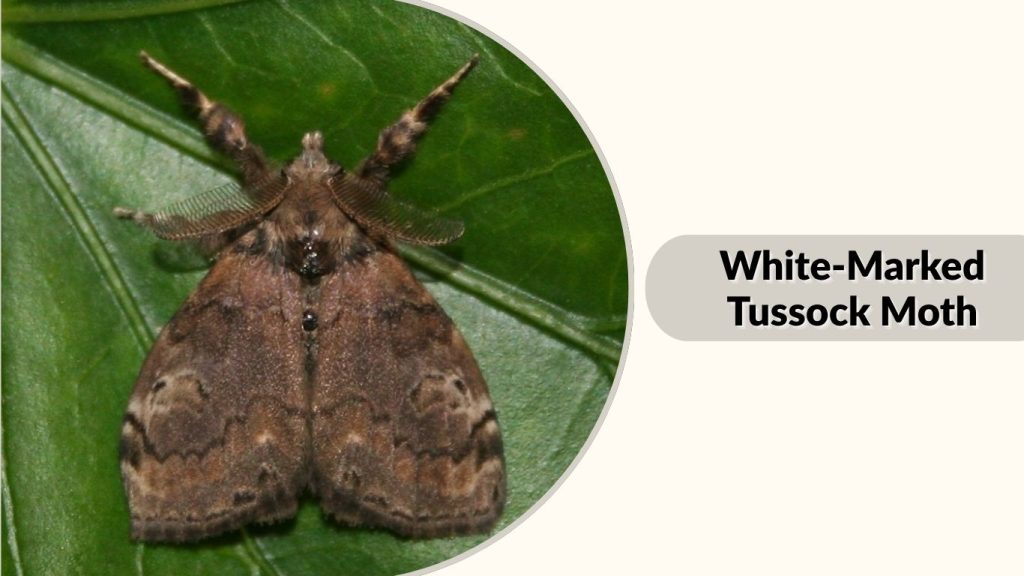
The white-marked tussock moth is one of the most recognizable tussock moth species because of its unusual fuzzy caterpillar and bright body markings. Its caterpillars are often seen on trees, shrubs, gardens, and wooded areas during late summer and fall. The species is known for its hairy appearance and distinctive tufts along the caterpillar’s back.
Identification
- Bright red head
- Yellow and black hairy body
- Four white toothbrush-like tufts on the back
- Long black hair pencils near the front
- Red-orange spots on the body
- Medium-sized fuzzy caterpillar
- Adult moth with pale gray wings
Habitat and Distribution
White-marked tussock moths are commonly found throughout North America in forests, parks, gardens, and suburban neighborhoods. Their caterpillars feed on many deciduous trees and shrubs, making them common in wooded residential environments.
Behavior and Diet
The caterpillars feed on leaves from oak, maple, apple, elm, birch, and other broadleaf trees. They move slowly while grazing on foliage and may become more noticeable during heavy feeding periods in late summer.
Life Cycle and Development
Female moths lay eggs on cocoons or tree bark where larvae hatch during warm seasons. The fuzzy caterpillars grow through several molts before spinning cocoons and transforming into adult moths.
2. Vapourer Moth
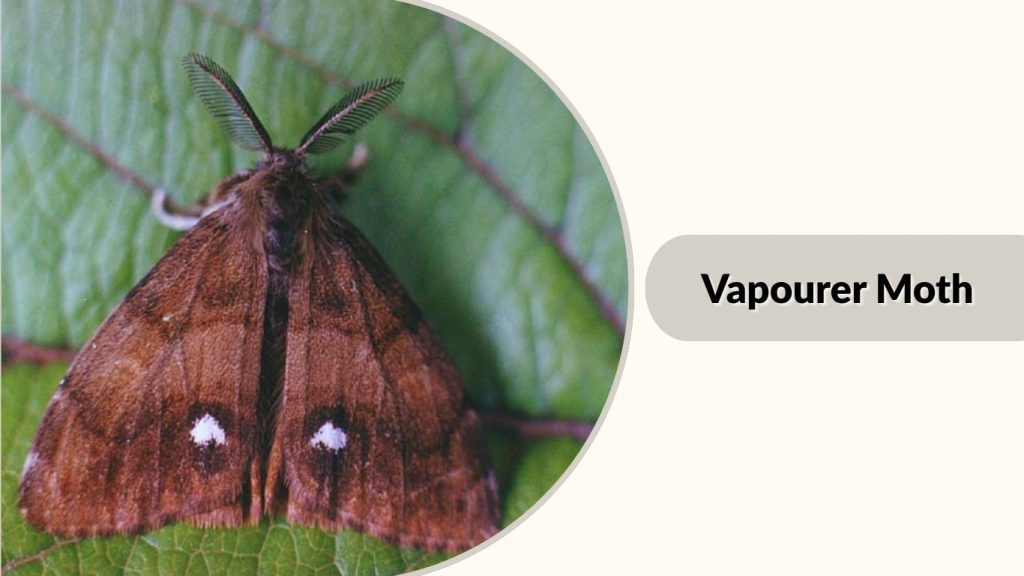
The vapourer moth, also called the rusty tussock moth, is a fuzzy moth species well known for its striking caterpillar and unusual adult female appearance. The caterpillars are often found on trees, shrubs, hedges, and garden plants where they feed on leaves during warmer months.
Identification
- Black and yellow fuzzy caterpillar
- Four pale tufted brushes on the back
- Bright red tail tuft
- Long black hair pencils near the front
- Red side markings
- Hairy segmented body
- Adult males with brown-orange wings
Habitat and Distribution
Vapourer moths are commonly found across Europe, Asia, and parts of North America. They thrive in forests, gardens, parks, hedgerows, orchards, and suburban habitats with abundant shrubs and trees.
Behavior and Diet
The caterpillars feed on many deciduous trees and shrubs including oak, hawthorn, apple, willow, and rose plants. They slowly graze on leaves and may occasionally become garden pests during large population outbreaks.
Life Cycle and Development
Female vapourer moths are wingless and remain near their cocoons after emerging. After mating, they lay eggs directly on the cocoon surface where the next generation develops and hatches later in the season.
3. Rusty Tussock Moth
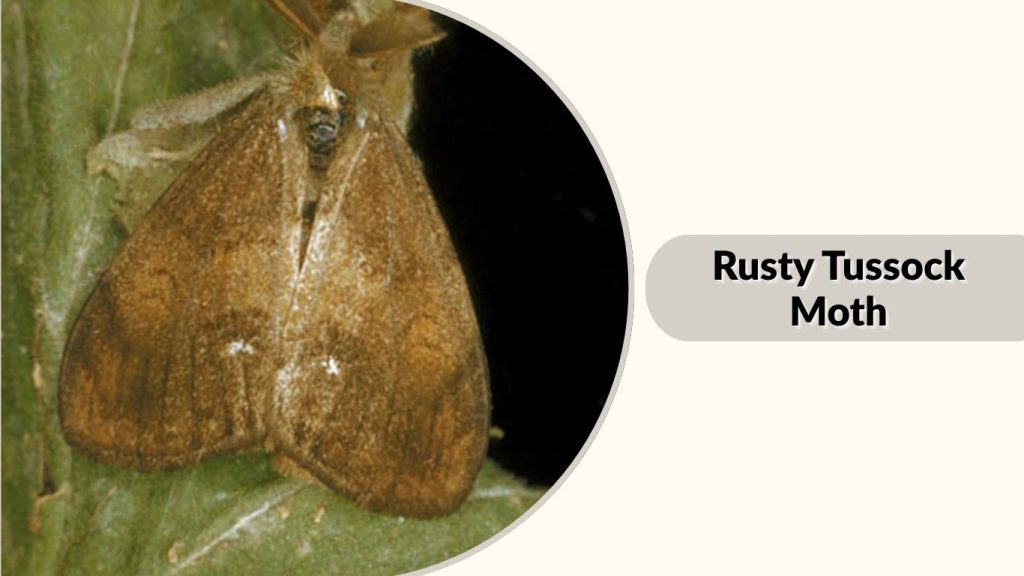
The rusty tussock moth is a colorful fuzzy moth species recognized for its hairy caterpillar covered in tufts and long bristles. This moth is commonly found in forests, gardens, hedgerows, and suburban landscapes where its caterpillars feed on a wide range of trees and shrubs.
Identification
- Black and brown fuzzy caterpillar
- Pale tufted brushes on the back
- Bright red tail tuft
- Long black hair pencils
- Orange or rusty body tones
- Hairy segmented appearance
- Adult males with rusty-brown wings
Habitat and Distribution
Rusty tussock moths are widespread across Europe, Asia, and parts of North America. They are commonly seen in wooded habitats, parks, orchards, and residential gardens with broadleaf vegetation.
Behavior and Diet
The caterpillars feed on leaves from oak, apple, willow, birch, hawthorn, and many ornamental shrubs. They are slow-moving feeders that spend much of their time grazing openly on foliage.
Life Cycle and Development
Females lay eggs near or on cocoons after mating. Caterpillars hatch during warm seasons, feed heavily while growing, and eventually spin cocoons before transforming into adult moths.
4. Pale Tussock Moth
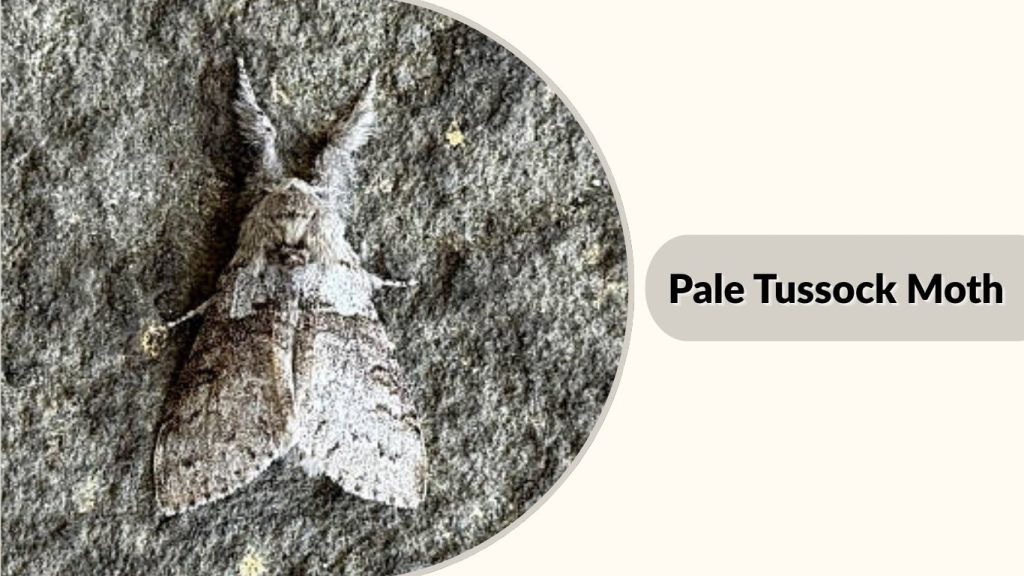
The pale tussock moth is a common fuzzy moth species known for its pale yellow caterpillar covered in soft tufts and hair pencils. These caterpillars are often found feeding on trees in forests, gardens, parks, and suburban areas during late spring and summer.
Identification
- Pale yellow fuzzy caterpillar
- Four cream-colored back tufts
- Black hair pencils near the front
- Red tail tuft
- Yellow segmented body
- Fine soft bristles
- Adult moth with pale gray wings
Habitat and Distribution
Pale tussock moths are widely distributed across Europe and parts of Asia. They commonly inhabit woodlands, parks, hedgerows, gardens, and tree-filled suburban environments.
Behavior and Diet
The caterpillars feed on oak, willow, birch, hazel, and other deciduous trees. They slowly graze on leaves and are most active during warmer months when vegetation is abundant.
Life Cycle and Development
Female moths lay eggs on bark or leaves where caterpillars hatch and begin feeding. After several molts, the caterpillars spin cocoons and later emerge as adult moths during the breeding season.
5. Hickory Tussock Moth
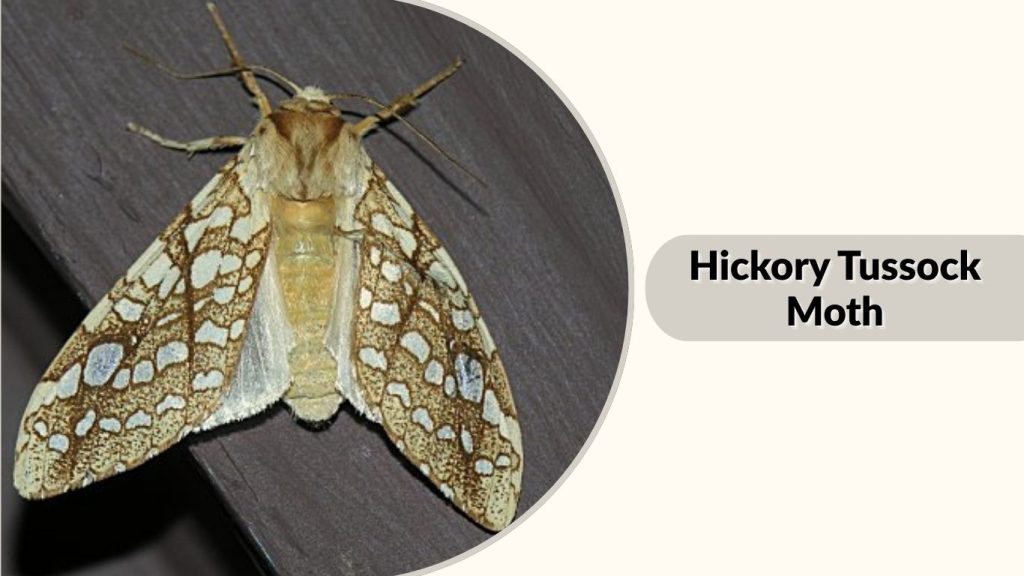
The hickory tussock moth is a striking fuzzy moth species best known for its white and black hairy caterpillar. These caterpillars are commonly seen on hardwood trees during late summer and fall and are famous for causing mild skin irritation in some people.
Identification
- White fuzzy caterpillar body
- Black tufts along the back
- Long white bristles covering the body
- Distinct black markings
- Hairy segmented appearance
- Medium-sized caterpillar
- Adult moth with pale wings
Habitat and Distribution
Hickory tussock moths are commonly found throughout eastern North America in forests, parks, woodlands, and suburban neighborhoods with hardwood trees.
Behavior and Diet
The caterpillars feed on hickory, walnut, oak, elm, ash, and willow trees. They spend much of their time grazing openly on leaves and may appear in groups during heavy feeding periods.
Life Cycle and Development
Eggs hatch during warm seasons, producing fuzzy caterpillars that feed heavily while growing. After completing development, they spin cocoons where they later transform into adult moths.
6. Satin Moth
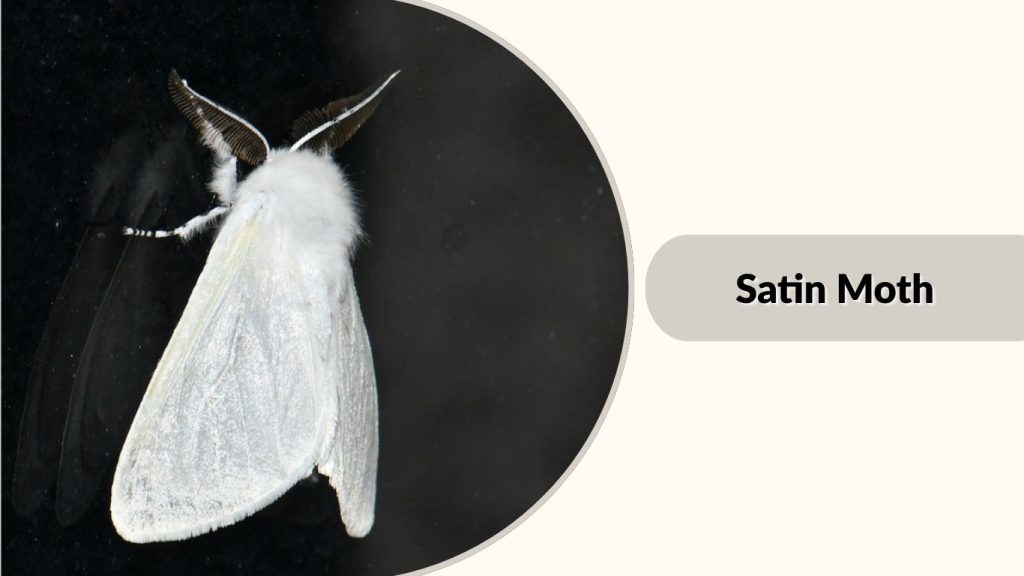
The satin moth is a pale-colored tussock moth species known for its silky white appearance and leaf-feeding caterpillars. Originally introduced from Europe, this moth is now found in parts of North America where its larvae commonly feed on poplar and willow trees.
Identification
- White fuzzy caterpillar body
- Yellow side markings
- Black hairy patches
- Long pale bristles
- Segmented caterpillar body
- Silky white adult moth
- Dark antennae and legs
Habitat and Distribution
Satin moths are commonly found near poplar and willow trees in forests, parks, riversides, and urban green spaces. They occur in parts of Europe, Asia, and North America.
Behavior and Diet
The caterpillars feed heavily on poplar, cottonwood, and willow leaves. Large populations may defoliate trees during outbreaks, especially in warmer months when larvae are actively feeding.
Life Cycle and Development
Female satin moths lay eggs on leaves and bark during summer. Caterpillars hatch and feed before overwintering in bark crevices, later resuming development and eventually forming cocoons before adulthood.
7. Gypsy Moth
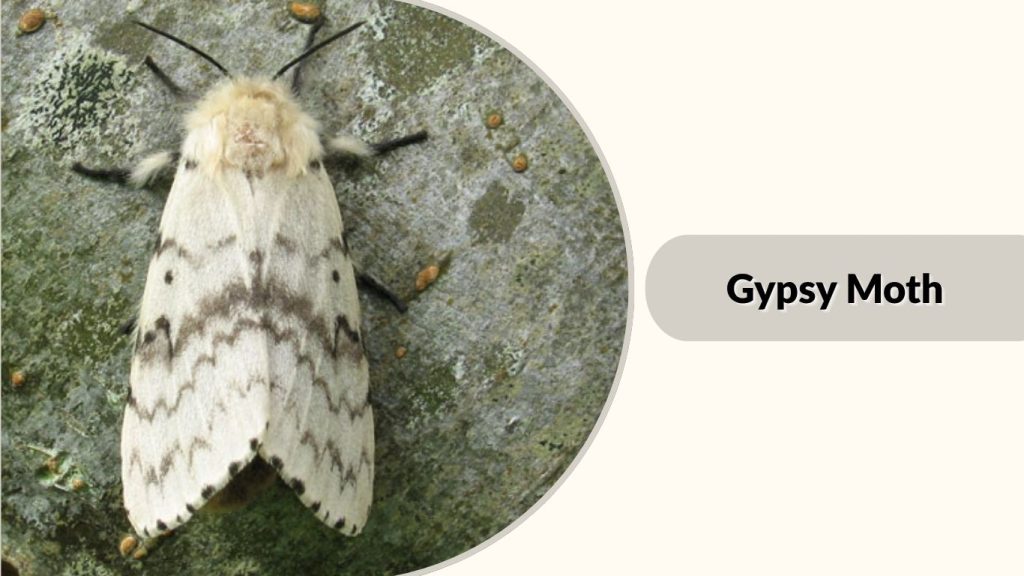
The gypsy moth is a well-known tussock moth species recognized for its destructive caterpillars and widespread forest outbreaks. Its fuzzy larvae feed on many types of trees and are considered major defoliators in several regions of North America and Europe.
Identification
- Dark hairy caterpillar body
- Blue and red spot pairs along the back
- Long bristle-like hairs
- Brown or black coloration
- Large fuzzy caterpillar
- Adult males with brown wings
- Adult females with pale cream wings
Habitat and Distribution
Gypsy moths are commonly found in forests, parks, orchards, and suburban woodlands throughout Europe, Asia, and parts of North America. They prefer habitats with abundant deciduous trees.
Behavior and Diet
The caterpillars feed on oak, maple, birch, willow, apple, and many other hardwood trees. During outbreaks, they may strip leaves from large forest areas and heavily damage vegetation.
Life Cycle and Development
Females lay egg masses on bark, outdoor structures, and tree trunks. Caterpillars hatch in spring, feed heavily during growth, and later pupate before emerging as adult moths during summer.
8. Douglas-Fir Tussock Moth
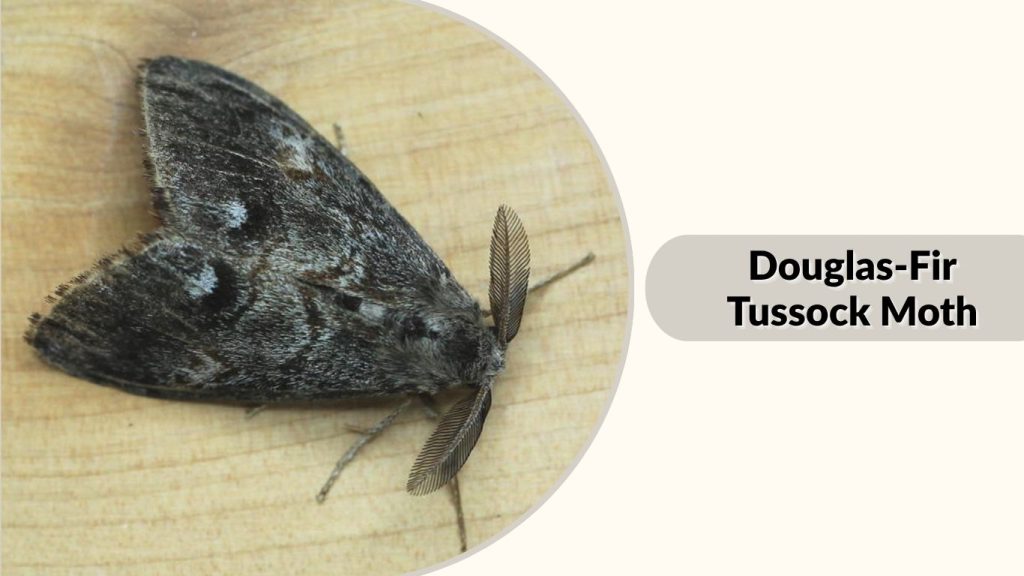
The Douglas-fir tussock moth is a forest-dwelling tussock moth species known for its fuzzy caterpillar and its impact on conifer forests. These caterpillars are common in western North America where they feed on fir and spruce trees during seasonal outbreaks.
Identification
- Black and orange fuzzy caterpillar
- Four pale tufted brushes on the back
- Long black hair pencils
- Bright red head markings
- Hairy segmented body
- Dense body bristles
- Adult moth with gray-brown wings
Habitat and Distribution
Douglas-fir tussock moths are commonly found in western North American forests, especially in areas dominated by Douglas-fir, true fir, and spruce trees.
Behavior and Diet
The caterpillars feed heavily on conifer needles and may cause noticeable defoliation during outbreaks. They often remain on host trees where they graze openly on foliage throughout development.
Life Cycle and Development
Eggs overwinter on tree bark before hatching in spring. Caterpillars feed during warm months, then spin cocoons where they pupate and later emerge as adult moths.
9. Nun Moth
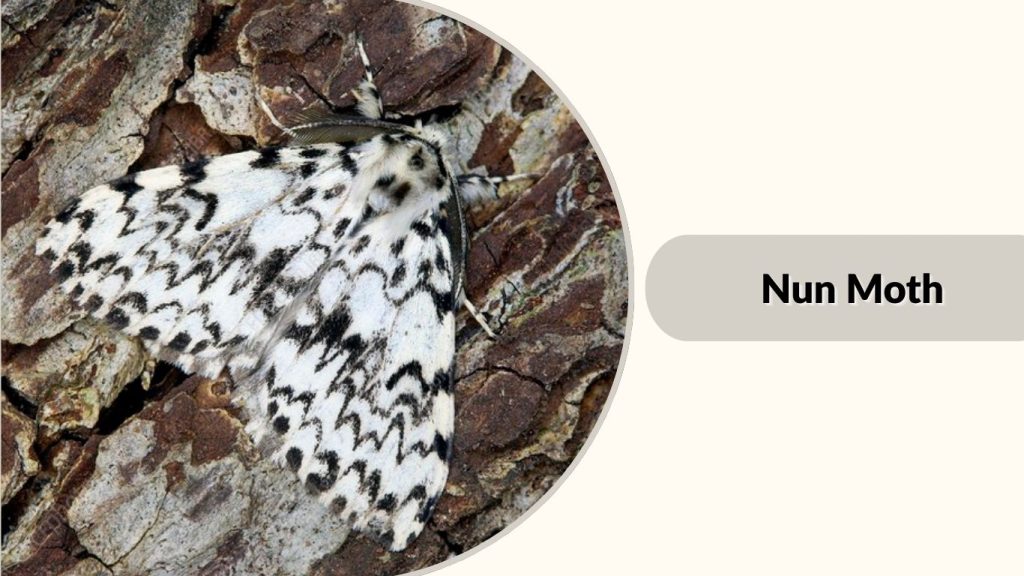
The nun moth is a forest-associated tussock moth species recognized for its patterned wings and destructive caterpillars. These moths are important forest pests in parts of Europe and Asia where large outbreaks can damage conifer and hardwood trees.
Identification
- Dark hairy caterpillar body
- Long pale bristles
- Black and gray coloration
- Segmented fuzzy appearance
- Small orange body markings
- Adult moth with black-and-white patterned wings
- Feather-like antennae
Habitat and Distribution
Nun moths are commonly found in forests across Europe and Asia. They prefer conifer woodlands but may also occur in mixed forests containing deciduous trees.
Behavior and Diet
The caterpillars feed on spruce, pine, fir, oak, and beech trees. During heavy outbreaks, they can strip large amounts of foliage and weaken forest ecosystems.
Life Cycle and Development
Female moths lay eggs on tree bark where larvae hatch during spring. Caterpillars feed through summer before pupating and eventually emerging as adult moths later in the season.
10. Black Arches Moth
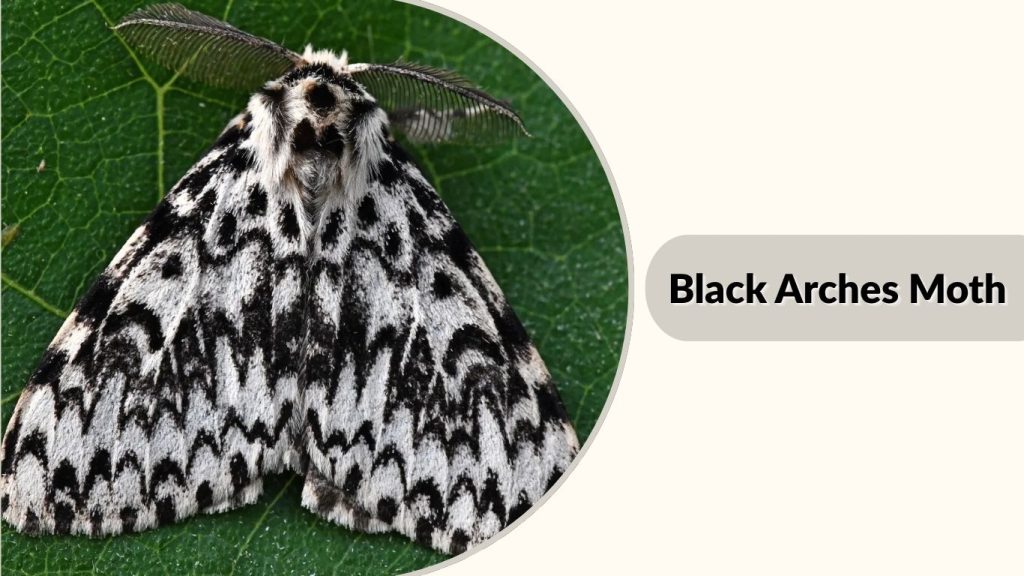
The black arches moth is a striking tussock moth species known for its bold wing patterns and hairy caterpillars. It is closely related to the nun moth and is commonly associated with forests containing conifer and deciduous trees.
Identification
- Dark fuzzy caterpillar body
- Pale hair tufts and bristles
- Black and gray body markings
- Hairy segmented appearance
- Small reddish side spots
- Adult moth with black-and-white wing patterns
- Feathered antennae on males
Habitat and Distribution
Black arches moths are commonly found in forested regions of Europe and Asia. They inhabit pine forests, mixed woodlands, parks, and wooded suburban environments.
Behavior and Diet
The caterpillars feed on pine, spruce, fir, oak, and birch trees. They graze on leaves and needles during warmer months and may become more noticeable during population increases.
Life Cycle and Development
Eggs are laid on bark and tree surfaces where caterpillars hatch in spring. After feeding and molting through several stages, the larvae pupate and later emerge as adult moths.
11. Milkweed Tussock Moth
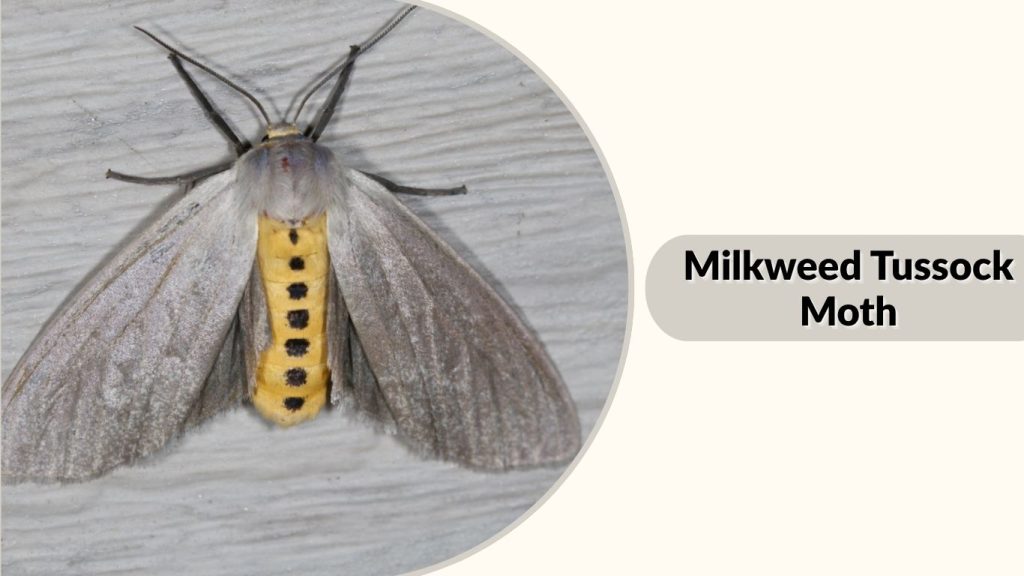
The milkweed tussock moth is a brightly colored fuzzy moth species known for its striking caterpillar that feeds mainly on milkweed plants. Its colorful appearance and dense hairs help warn predators that the caterpillar may taste unpleasant because of chemicals absorbed from milkweed.
Identification
- Black, white, and orange fuzzy body
- Long black hair pencils
- Bright orange body markings
- Thick white and black tufts
- Hairy segmented caterpillar
- Medium-sized fuzzy larvae
- Adult moth with gray-brown wings
Habitat and Distribution
Milkweed tussock moths are commonly found throughout North America in meadows, gardens, roadsides, and open fields where milkweed plants grow abundantly.
Behavior and Diet
The caterpillars feed almost entirely on milkweed leaves. They often feed in groups when young and gradually spread out as they mature during later growth stages.
Life Cycle and Development
Female moths lay eggs on milkweed plants where caterpillars hatch and begin feeding immediately. After completing growth, the larvae spin cocoons and later emerge as adult moths.
12. Definite Tussock Moth
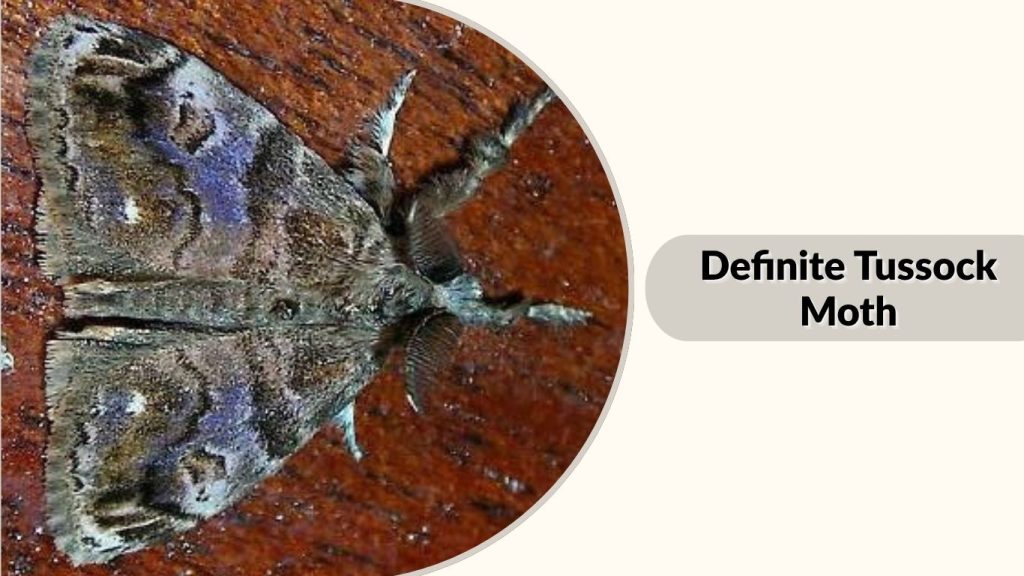
The definite tussock moth is a fuzzy moth species recognized for its colorful caterpillar covered with dense tufts and long hair pencils. These caterpillars are often seen feeding on hardwood trees in forests, parks, and suburban landscapes during warmer months.
Identification
- Yellow and black fuzzy caterpillar
- Four pale tufted brushes on the back
- Long black hair pencils near the front
- Bright red head markings
- Hairy segmented body
- Dense body bristles
- Adult moth with gray-brown wings
Habitat and Distribution
Definite tussock moths are commonly found in eastern North America in forests, wooded parks, gardens, and residential areas with broadleaf trees.
Behavior and Diet
The caterpillars feed on oak, maple, elm, apple, birch, and other deciduous trees. They slowly graze on leaves and may occasionally appear in noticeable numbers during heavy feeding periods.
Life Cycle and Development
Females lay eggs on bark or leaves where larvae hatch during warm seasons. Caterpillars grow through several molts before forming cocoons and transforming into adult moths later in the year.
13. Sycamore Tussock Moth
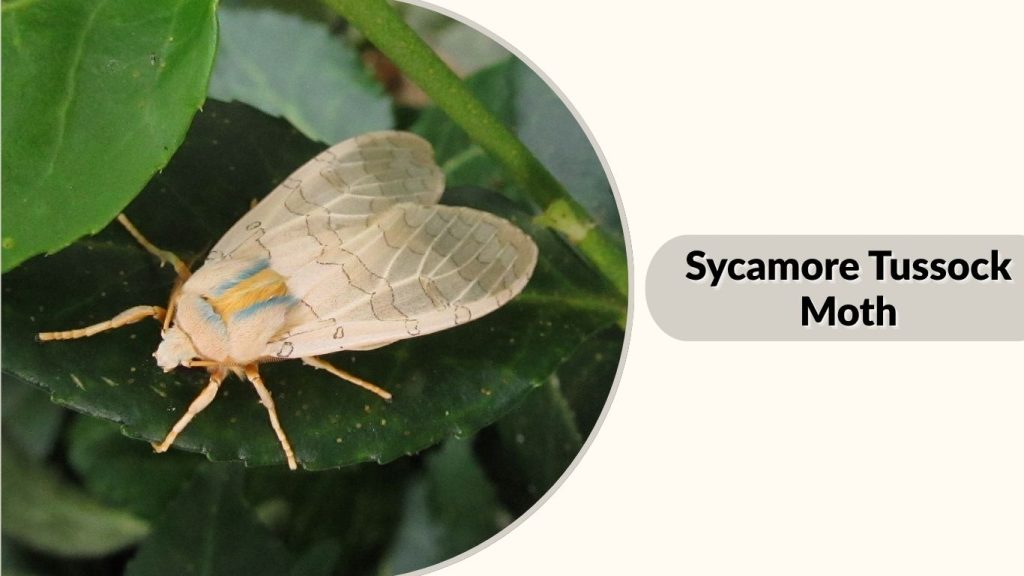
The sycamore tussock moth is a fuzzy moth species known for its pale hairy caterpillar that commonly feeds on sycamore trees. These caterpillars are often noticed during late summer and fall when they become larger and more active on tree trunks and leaves.
Identification
- White fuzzy caterpillar body
- Orange or yellow side markings
- Long pale bristles covering the body
- Black hair pencils near the ends
- Hairy segmented appearance
- Medium-sized caterpillar
- Adult moth with pale gray wings
Habitat and Distribution
Sycamore tussock moths are commonly found throughout eastern North America in forests, parks, riverbanks, and urban areas containing sycamore trees.
Behavior and Diet
The caterpillars mainly feed on sycamore leaves but may occasionally use other broadleaf trees. They graze openly on foliage and are most active during warmer seasons.
Life Cycle and Development
Female moths lay eggs on leaves and bark where larvae hatch and begin feeding. After completing several growth stages, the caterpillars spin cocoons and later emerge as adult moths.
14. Orgyia antiqua
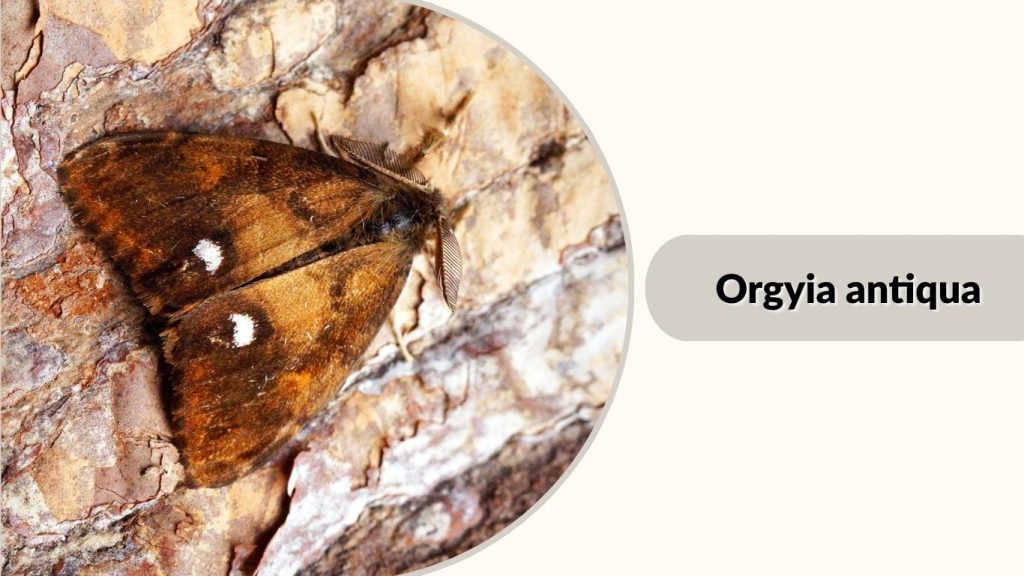
Orgyia antiqua, commonly known as the rusty vapourer moth, is a well-known tussock moth species recognized for its colorful fuzzy caterpillar and unusual wingless females. The caterpillars are often found feeding on shrubs, garden plants, and deciduous trees during warm seasons.
Identification
- Black and yellow fuzzy caterpillar
- Four pale tufted brushes on the back
- Bright red tail tuft
- Long black hair pencils
- Orange or rusty body markings
- Hairy segmented appearance
- Adult males with rusty-brown wings
Habitat and Distribution
Orgyia antiqua is widely distributed across Europe, Asia, and North America. It commonly inhabits forests, gardens, hedgerows, orchards, and suburban green spaces.
Behavior and Diet
The caterpillars feed on oak, apple, willow, rose, hawthorn, and many ornamental shrubs. They slowly graze on leaves and may occasionally become minor garden pests.
Life Cycle and Development
Wingless females remain near their cocoons after emerging as adults. After mating, eggs are laid directly on the cocoon surface where the next generation later develops and hatches.
15. Banded Tussock Moth
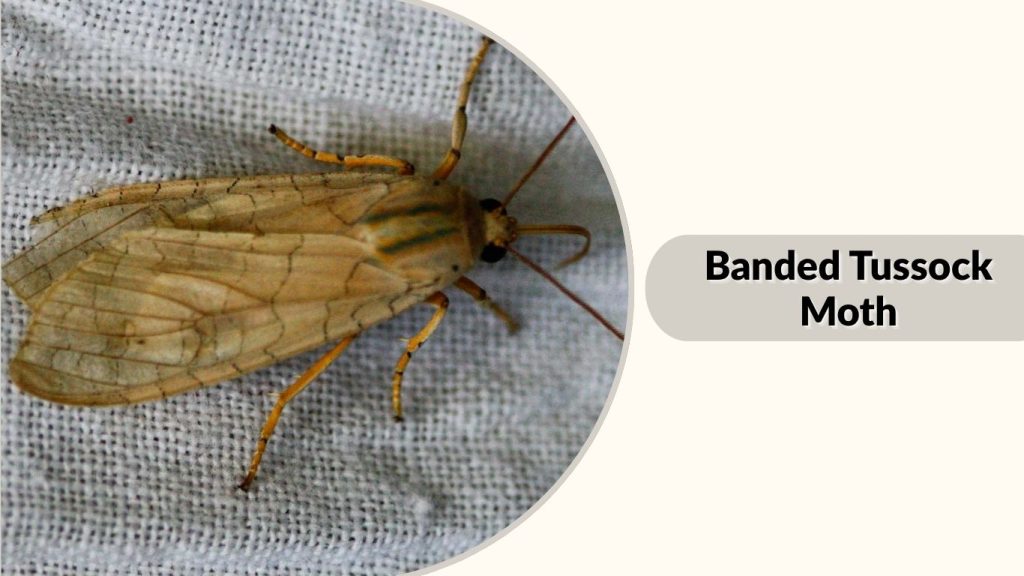
The banded tussock moth is a fuzzy moth species recognized for its colorful hairy caterpillar and distinct body bands. These caterpillars are commonly found on deciduous trees, shrubs, and ornamental plants in forests, gardens, and suburban environments.
Identification
- Yellow and black fuzzy body
- Distinct banded markings
- Long black hair pencils
- Pale tufted brushes on the back
- Hairy segmented caterpillar
- Dense body bristles
- Adult moth with gray-brown wings
Habitat and Distribution
Banded tussock moths are commonly found across parts of North America in forests, parks, orchards, gardens, and wooded suburban areas with abundant deciduous vegetation.
Behavior and Diet
The caterpillars feed on oak, maple, birch, willow, apple, and various shrub species. They slowly graze on leaves and may occasionally appear in large numbers during feeding periods.
Life Cycle and Development
Females lay eggs on bark or nearby surfaces where caterpillars hatch during warmer seasons. After feeding and growing through several molts, the larvae spin cocoons and later emerge as adult moths.
16. Whitemarked Tiger Tussock Moth
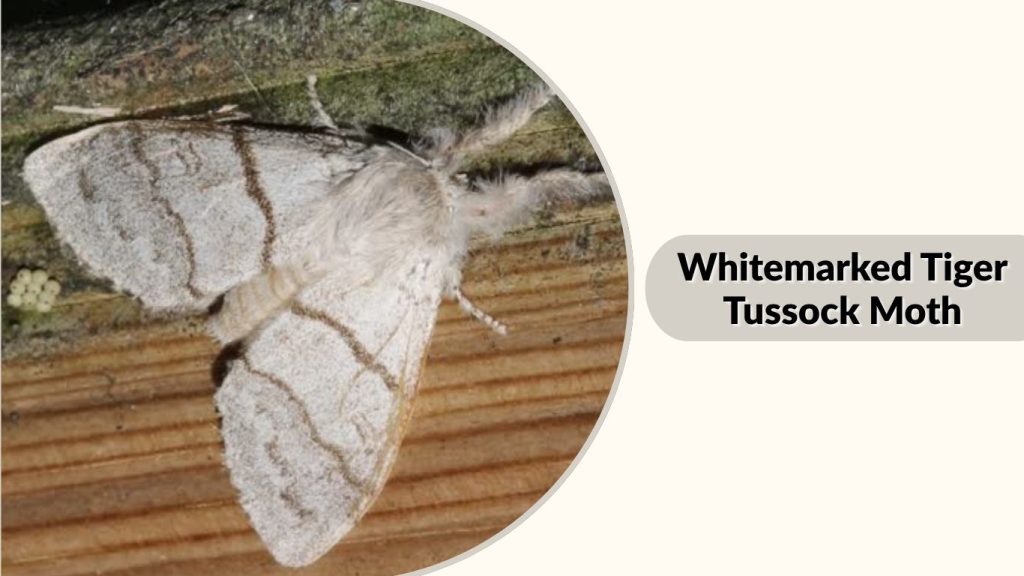
The whitemarked tiger tussock moth is a fuzzy moth species recognized for its striking caterpillar covered with colorful tufts and long bristles. These caterpillars are often seen feeding on trees and shrubs in forests, parks, and suburban gardens during warm seasons.
Identification
- Bright yellow and black fuzzy body
- White tufted brushes on the back
- Long black hair pencils
- Red-orange body spots
- Hairy segmented appearance
- Dense protective bristles
- Adult moth with pale gray wings
Habitat and Distribution
Whitemarked tiger tussock moths are commonly found throughout parts of North America in wooded habitats, parks, orchards, and suburban landscapes with broadleaf vegetation.
Behavior and Diet
The caterpillars feed on oak, maple, birch, apple, elm, and ornamental shrubs. They slowly consume foliage and may become noticeable when populations increase during late summer.
Life Cycle and Development
Eggs are laid on bark or plant surfaces where larvae hatch and begin feeding. After several growth stages, the caterpillars spin cocoons and later transform into adult moths.
17. Pine Tussock Moth
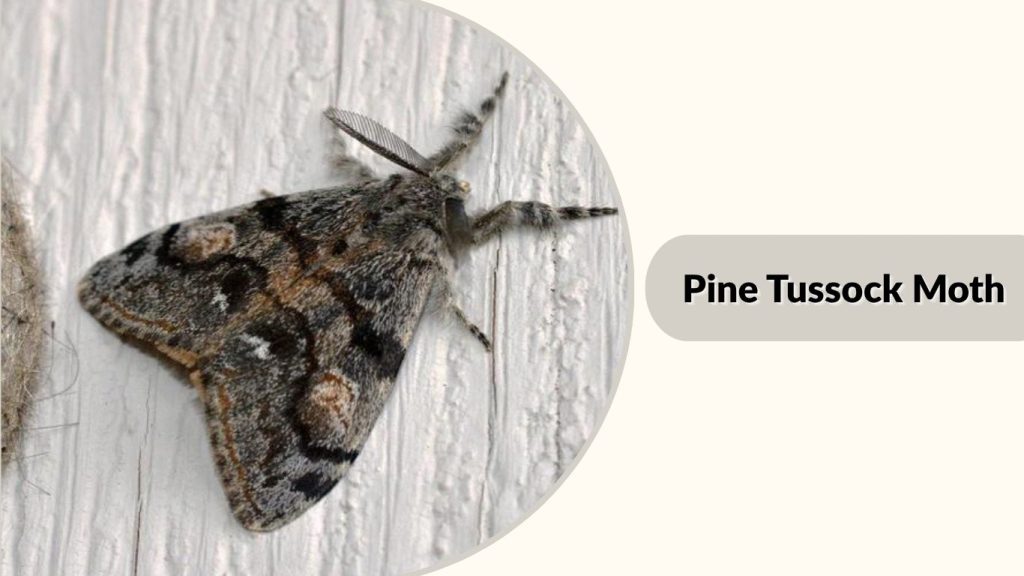
The pine tussock moth is a forest-dwelling tussock moth species commonly associated with pine woodlands and conifer forests. Its fuzzy caterpillars feed mainly on pine needles and are occasionally considered forest pests during population outbreaks.
Identification
- Dark fuzzy caterpillar body
- Pale tufted hairs along the back
- Long black hair pencils
- Brown and gray body coloration
- Hairy segmented appearance
- Dense protective bristles
- Adult moth with gray-brown wings
Habitat and Distribution
Pine tussock moths are commonly found in conifer forests throughout parts of Europe, Asia, and North America. They prefer habitats dominated by pine and other evergreen trees.
Behavior and Diet
The caterpillars mainly feed on pine needles but may also consume spruce and fir foliage. They slowly graze on needles and often remain hidden among branches during feeding periods.
Life Cycle and Development
Female moths lay eggs on bark and pine branches where larvae hatch during warm seasons. Caterpillars feed and grow through several molts before spinning cocoons and transforming into adult moths.
FAQs
What are tussock moths?
Tussock moths are fuzzy moths belonging to a group known for their hairy caterpillars with tufted bristles and colorful markings. Many species are commonly found in forests, gardens, parks, and wooded suburban areas.
Are tussock moth caterpillars poisonous?
Most tussock moth caterpillars are not poisonous, but some species may cause mild skin irritation because of their tiny hairs or bristles. Sensitive individuals may experience itching or redness after contact.
What do tussock moth caterpillars eat?
Tussock moth caterpillars mainly feed on leaves and needles from trees and shrubs such as oak, maple, pine, willow, birch, and apple trees depending on the species.
Do tussock moth caterpillars sting?
Tussock moth caterpillars do not truly sting like bees or wasps. However, their fuzzy hairs may irritate the skin and create mild allergic reactions in some people.
Where are tussock moths commonly found?
Tussock moths are commonly found in forests, parks, gardens, orchards, and suburban woodlands throughout North America, Europe, and Asia where suitable host plants are available.