The pale tiger moth is a fuzzy moth species known for its soft cream-colored wings and hairy caterpillar stage. Scientifically called Halysidota tessellaris, this moth is commonly found in forests, gardens, parks, and wooded suburban areas throughout North America. Many people recognize the pale tiger moth caterpillar because of its long fuzzy hairs and unusual tussock-like appearance. Questions about whether the caterpillar is poisonous or capable of stinging are also very common among gardeners and nature enthusiasts.
Although pale tiger moth caterpillars may appear intimidating, they are generally harmless to humans. Learning about their habitat, diet, life cycle, and defensive adaptations can help people safely identify and observe these interesting insects.
What Is a Pale Tiger Moth?
The pale tiger moth is a member of the tiger moth family and is known for its pale cream or yellowish wings with light markings. Its fuzzy caterpillar stage is often easier to notice than the adult moth itself.
Scientific Name and Classification
- Scientific name: Halysidota tessellaris
- Member of the tiger moth family
- Belongs to Lepidoptera order
- Native to North America
- Common woodland moth species
Pale Tiger Moth Appearance
Adult pale tiger moths have soft cream-colored wings with delicate brown or gray markings. Their fuzzy body and folded wing posture give them a gentle appearance while resting on trees or walls.
Where Pale Tiger Moths Are Found
Pale tiger moths are commonly found in forests, wooded neighborhoods, gardens, parks, and areas with abundant trees. They are especially active during warm months when caterpillars feed heavily on leaves.
Pale Tiger Moth Caterpillar Identification
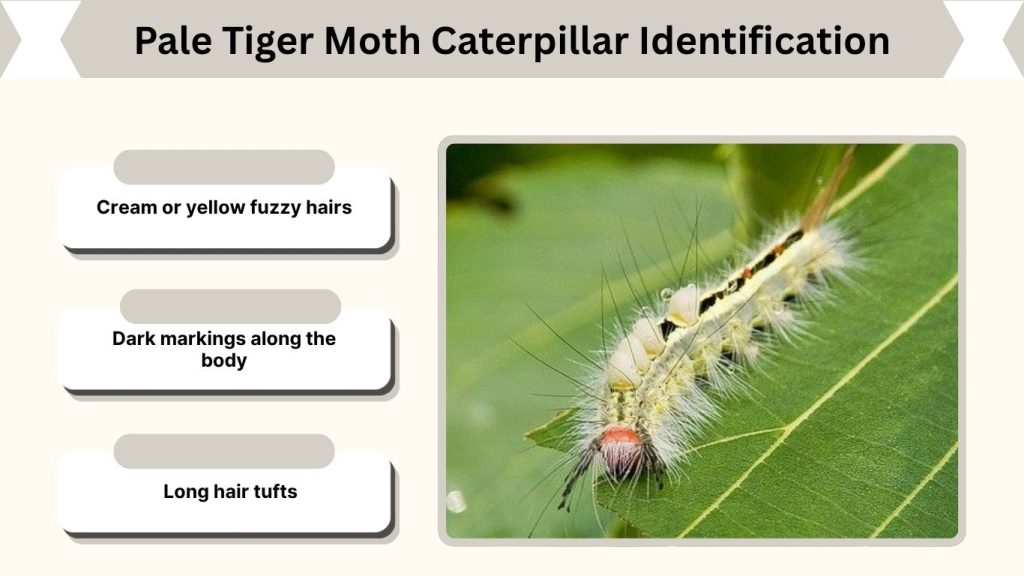
The caterpillar stage is one of the most recognizable features of this moth species. Its long fuzzy hairs and pale coloration help distinguish it from many other caterpillars.
Caterpillar Size and Color
- Cream or yellow fuzzy hairs
- Dark markings along the body
- Long hair tufts
- Medium-sized caterpillar
- Rounded segmented body
Distinctive Features
Pale tiger moth caterpillars are covered in dense hair-like bristles that act as protection against predators. Their soft fuzzy appearance often causes people to mistake them for more dangerous stinging caterpillars.
Difference Between Banded Tussock and Pale Tiger Moth
Banded tussock moth caterpillars may resemble pale tiger moth caterpillars because both species have fuzzy hairs. However, pale tiger moth caterpillars usually appear paler with softer cream-colored bristles.
Pale Tiger Moth Caterpillar Habitat
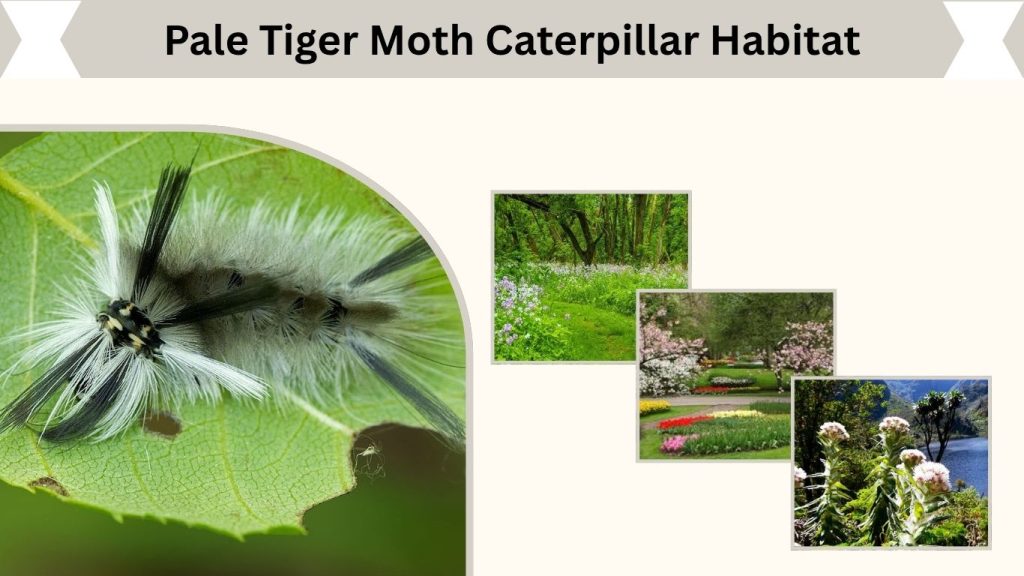
These caterpillars are commonly found on trees, shrubs, and wooded vegetation where food sources are abundant. They thrive in natural forest habitats as well as suburban environments.
Natural Habitat
- Forest edges and woodlands
- Parks and gardens
- Tree-filled suburban areas
- Shrubby vegetation zones
- Roadside wooded habitats
Common Host Trees
Pale tiger moth caterpillars feed on many broadleaf trees including oak, birch, maple, willow, and alder trees. Their adaptable diet helps them survive across a wide geographic range.
Seasonal Activity
Eggs hatch during warmer seasons when leaves are plentiful. Caterpillars spend much of summer feeding and growing before eventually forming cocoons later in the season.
Pale Tiger Moth Caterpillar Diet

Pale tiger moth caterpillars are leaf-feeding insects that consume a variety of tree and shrub foliage. Their feeding behavior is important for growth and development before pupation.
What Do Pale Tiger Moth Caterpillars Eat?
- Oak leaves
- Maple leaves
- Birch foliage
- Willow leaves
- Alder and shrub leaves
Favorite Food Sources
These caterpillars prefer soft leafy vegetation found on deciduous trees and shrubs. Young leaves are often easier to chew and provide important nutrients during rapid growth stages.
Feeding Behavior
Pale tiger moth caterpillars move slowly while grazing on leaves and may feed more actively during evening hours. Their fuzzy bodies help discourage predators while they feed openly on vegetation.
Pale Tiger Moth Life Cycle

Like other moths, pale tiger moths go through a complete metamorphosis involving eggs, caterpillars, cocoons, and adult moth stages.
Egg Stage
- Eggs laid on leaves
- Tiny larvae hatch from eggs
- Early feeding begins quickly
- Multiple molts during growth
- Young caterpillars remain small initially
Caterpillar and Cocoon Stage
As the caterpillar matures, it eventually forms a cocoon where transformation into the adult moth occurs. This protected stage allows the insect to complete metamorphosis safely.
Adult Moth Stage
Adult pale tiger moths emerge with pale cream-colored wings and fuzzy bodies. Their main role during adulthood is reproduction and continuing the life cycle.
Are Pale Tiger Moths Poisonous?
Many people worry that fuzzy caterpillars may sting or release harmful toxins. Pale tiger moth caterpillars are not considered poisonous, although their bristles may occasionally irritate sensitive skin.
Are Pale Tiger Moth Caterpillars Poisonous?
- Non-venomous caterpillars
- Usually harmless to humans
- Mild irritation possible
- No toxic sting
- Safe to observe carefully
Do Pale Tiger Caterpillars Sting?
Pale tiger moth caterpillars do not truly sting like bees or wasps. However, some people may experience itching, redness, or mild irritation after touching the caterpillar’s bristles directly.
Are Adult Pale Tiger Moths Harmful?
Adult pale tiger moths are harmless insects that do not bite, sting, or damage humans. They mainly focus on mating and reproduction during their short adult lifespan.
Pale Tiger Moth Caterpillar Care
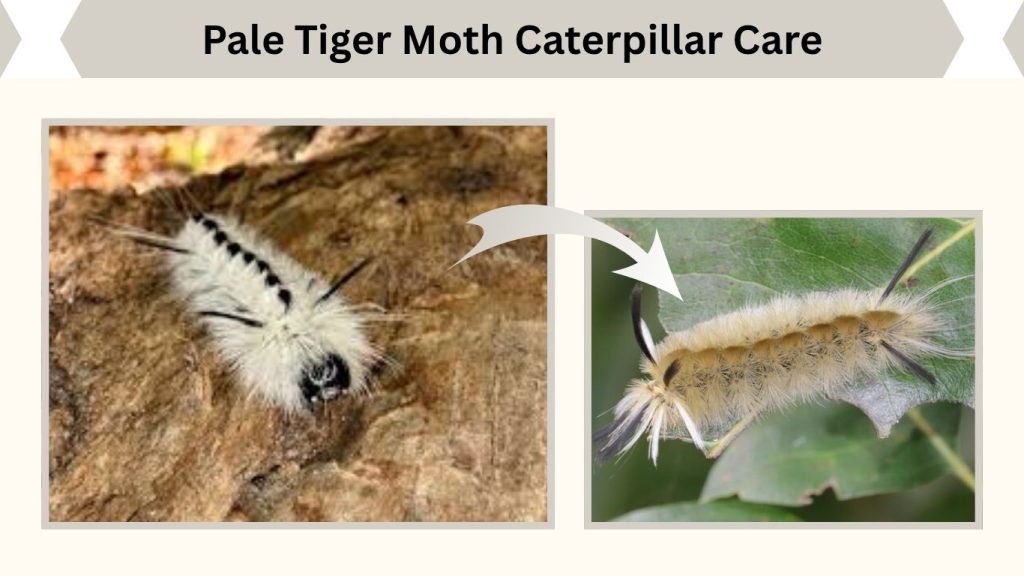
Some people temporarily keep fuzzy caterpillars for observation before releasing them back into nature. Proper care helps reduce stress and supports healthy development.
Housing and Container Setup
- Use a ventilated container
- Add fresh leaves and twigs
- Provide dry paper or leaf litter
- Avoid direct sunlight exposure
- Keep moisture levels balanced
Feeding Captive Caterpillars
Fresh pesticide-free leaves should be replaced daily to provide healthy nutrition. Wilted or dry leaves may reduce feeding activity and overall caterpillar health.
Preparing for Pupation
As caterpillars prepare to pupate, they become less active and search for protected resting spots. Providing dry leaves and quiet surroundings helps support cocoon formation.
Predators and Survival Adaptations
Despite their fuzzy protective appearance, pale tiger moth caterpillars face many predators in the wild. Their body hairs and camouflage help improve survival chances.
Common Predators
- Birds hunting insects
- Spiders and predatory bugs
- Small mammals
- Reptiles and amphibians
- Parasitoid wasps
Defensive Adaptations
Dense fuzzy bristles help discourage predators from eating the caterpillar. Their pale coloration also blends with bark, dry leaves, and tree surfaces for camouflage protection.
Survival Strategies
Pale tiger moth caterpillars survive by hiding during dangerous conditions, feeding on many plant species, and using defensive body hairs to reduce predator attacks.
Common Myths About Pale Tiger Moths
Fuzzy caterpillars often create fear because many people assume they are dangerous. Pale tiger moths are commonly misunderstood because of their hairy appearance.
Myth: Pale Tiger Caterpillars Are Dangerous
Although their bristles may irritate sensitive skin, pale tiger moth caterpillars are not venomous or highly dangerous. Most people can safely observe them without serious reactions.
Myth: All Fuzzy Caterpillars Sting
Not all fuzzy caterpillars possess venomous hairs. Many species, including the pale tiger moth caterpillar, mainly use their fuzzy appearance as simple predator defense.
Myth: Pale Tiger Moths Damage Trees Severely
These caterpillars feed on leaves, but healthy trees usually recover without major long-term damage. Moderate feeding is part of normal forest and garden ecosystems.
FAQs
What does a pale tiger moth caterpillar eat?
Pale tiger moth caterpillars mainly feed on leaves from deciduous trees and shrubs such as oak, maple, birch, willow, and alder. They graze slowly on soft foliage during their growth stages.
Are pale tiger moth caterpillars poisonous?
No, pale tiger moth caterpillars are not considered poisonous or venomous. However, some people with sensitive skin may experience mild itching or irritation after touching their fuzzy bristles.
Do pale tiger moth caterpillars sting?
Pale tiger moth caterpillars do not truly sting like bees or wasps. Their hairs may occasionally cause mild skin irritation, but they are generally harmless to humans and pets.
Where are pale tiger moths commonly found?
Pale tiger moths are commonly found in forests, parks, gardens, wooded suburbs, and tree-filled habitats across North America where suitable host trees and shrubs are available.
What does the adult pale tiger moth look like?
Adult pale tiger moths usually have cream-colored or pale yellow wings with light brown markings and fuzzy bodies. Their soft pale coloration helps distinguish them from darker tiger moth species.