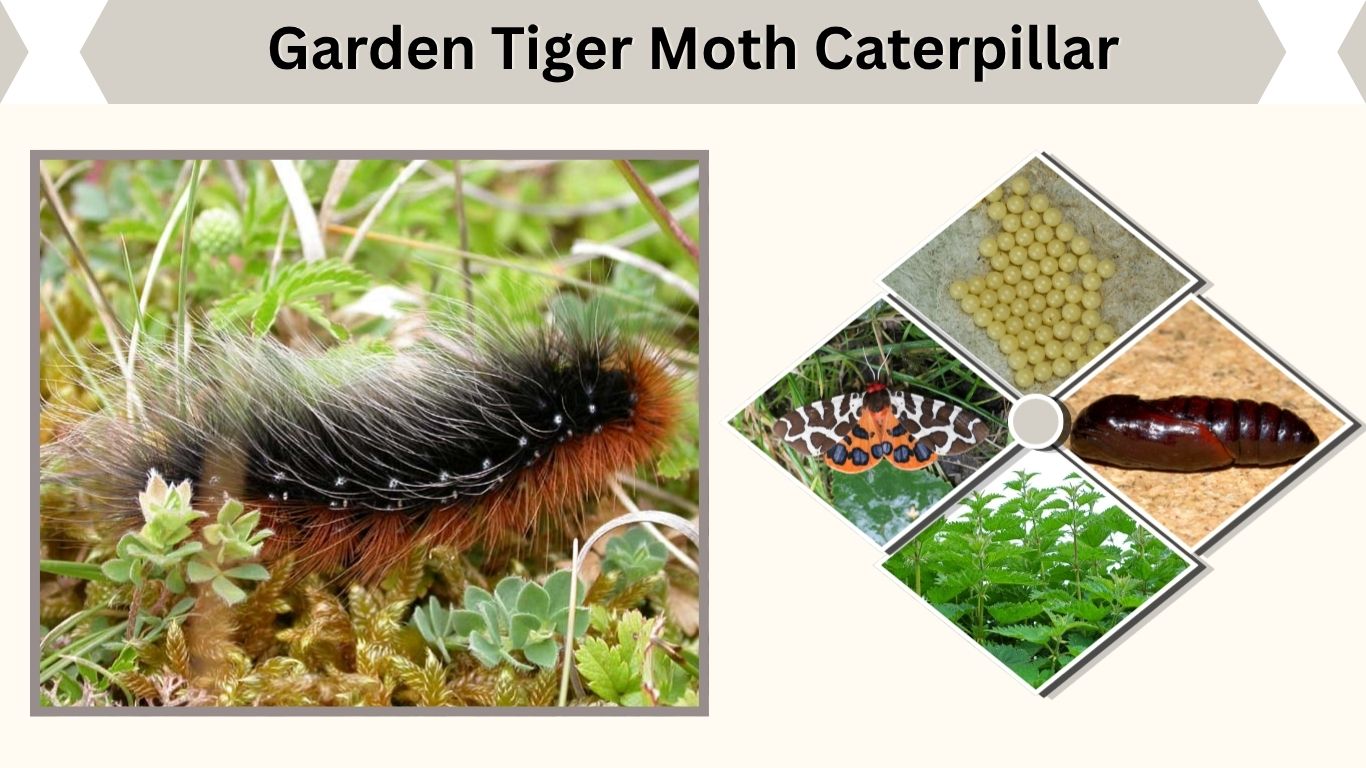
The Garden Tiger Moth caterpillar is a hairy woolly bear larva known for its dark body and thick protective hairs. These caterpillars are commonly found in gardens, meadows, and woodland edges where they feed on low-growing plants and wild vegetation. Their fuzzy appearance helps protect them from predators and cold weather during winter months. As they grow, they eventually transform into colorful Garden Tiger Moths with bright patterned wings. In this guide, you will learn about their identification, habitat, feeding habits, life cycle, behavior, and interesting facts about these fascinating caterpillars.
What Is a Garden Tiger Moth Caterpillar?
The Garden Tiger Moth caterpillar is the larval stage of the Garden Tiger Moth, a colorful species of tiger moth. These caterpillars are often called woolly bears because of their thick hairy bodies. They are mainly active in cooler seasons and spend much of their time feeding on plants and preparing for transformation into adult moths.
Scientific Classification
- Scientific name: Arctia caja
- Family: Erebidae
- Subfamily: Arctiinae
- Type: Tiger moth caterpillar
- Common nickname: Woolly bear caterpillar
Why It Is Called a Woolly Bear
The caterpillar gets its woolly bear nickname because of its dense coat of long hairs. These hairs help protect the caterpillar from predators and harsh weather conditions. The fuzzy appearance also gives it a bear-like look when curled into a ball for defense.
Garden Tiger Moth Caterpillar Identification
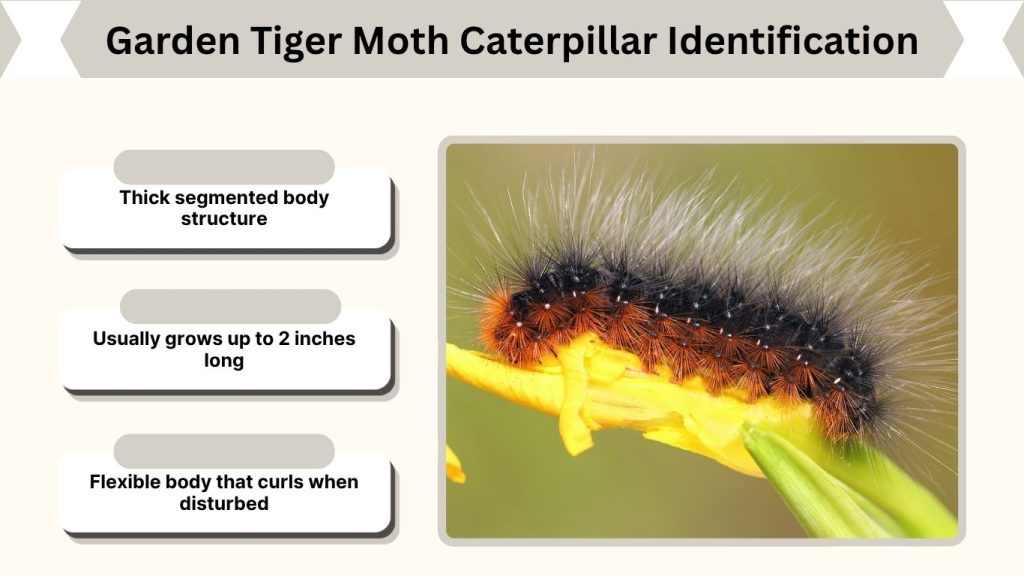
Garden Tiger Moth caterpillars are easy to recognize because of their dark hairy bodies and thick shape. Although their appearance may vary slightly depending on age and environment, most individuals share similar colors and textures. Their fuzzy bodies make them stand out among many other garden caterpillars.
Size and Body Shape
- Thick segmented body structure
- Usually grows up to 2 inches long
- Covered in dense hairs
- Rounded body shape
- Slow crawling movement
- Flexible body that curls when disturbed
Color and Hair Patterns
Most Garden Tiger Moth caterpillars are black or dark brown with rusty orange or reddish hairs along the body. Younger caterpillars may appear darker, while mature individuals often show more noticeable rusty coloring. The thick hairs provide protection and insulation during colder weather.
How to Identify Young vs Mature Caterpillars
Young caterpillars are smaller and usually darker in appearance with shorter hairs. As they mature, the hairs become thicker and more colorful. Older caterpillars are also larger and more active while feeding before pupation.
Garden Tiger Moth Caterpillar Habitat
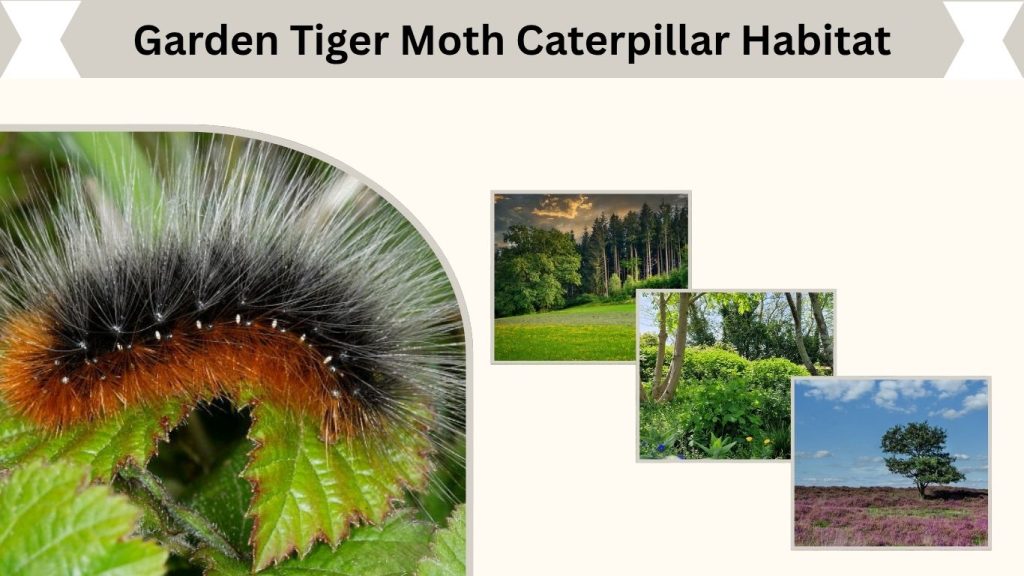
These caterpillars live in areas with plenty of low-growing vegetation and natural shelter. They are commonly found in gardens, meadows, grasslands, and woodland edges. Moist environments with wild plants provide ideal conditions for feeding and protection from predators.
Natural Habitats
- Meadows and grassy fields
- Gardens and parks
- Woodland edges
- Heathlands
- Shrub-covered areas
Where They Hide During the Day
Garden Tiger Moth caterpillars often hide under leaves, logs, stones, and garden debris during daylight hours. These hiding places protect them from predators and harsh weather conditions. They become more active during cooler evenings and nighttime hours.
Preferred Climate Conditions
These caterpillars prefer cool and moist climates with dense vegetation. They are well adapted to temperate regions and can survive cold winter conditions by remaining inactive beneath leaves or soil cover.
What Do Garden Tiger Moth Caterpillars Eat?
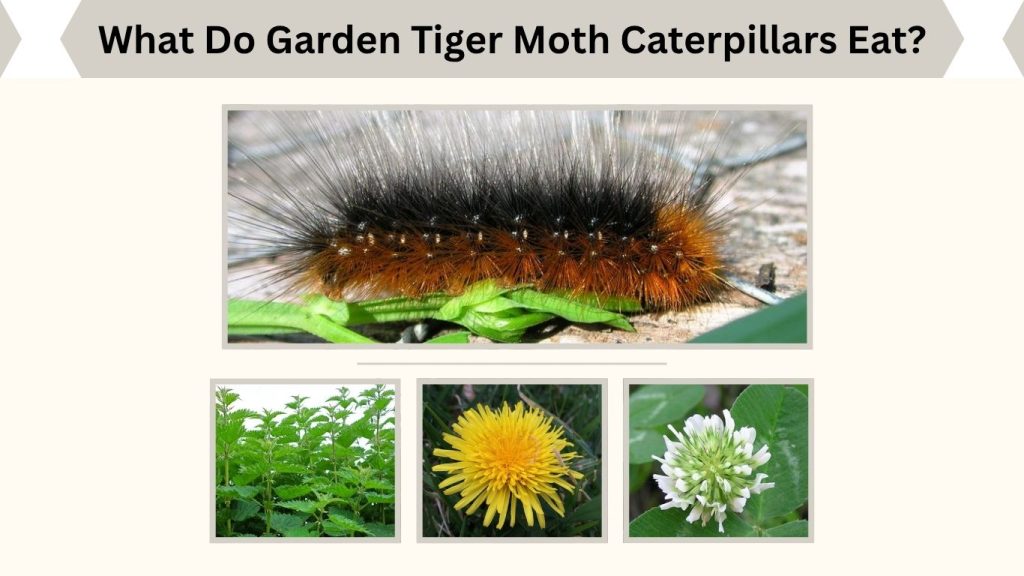
Garden Tiger Moth caterpillars feed on many types of wild plants and garden vegetation. Their broad diet helps them survive in different habitats and seasons. Feeding mostly occurs during the evening or nighttime when temperatures are cooler and predators are less active.
Common Host Plants
- Nettles
- Dandelions
- Dock plants
- Plantains
- Wild grasses
- Clover and low weeds
Feeding Behavior
These caterpillars chew leaves using strong mouthparts and can feed on a wide range of soft plants. They often feed heavily before winter and again during spring as they prepare for pupation. Their feeding activity supports rapid growth during the later larval stages.
Garden Tiger Moth Caterpillar Life Cycle
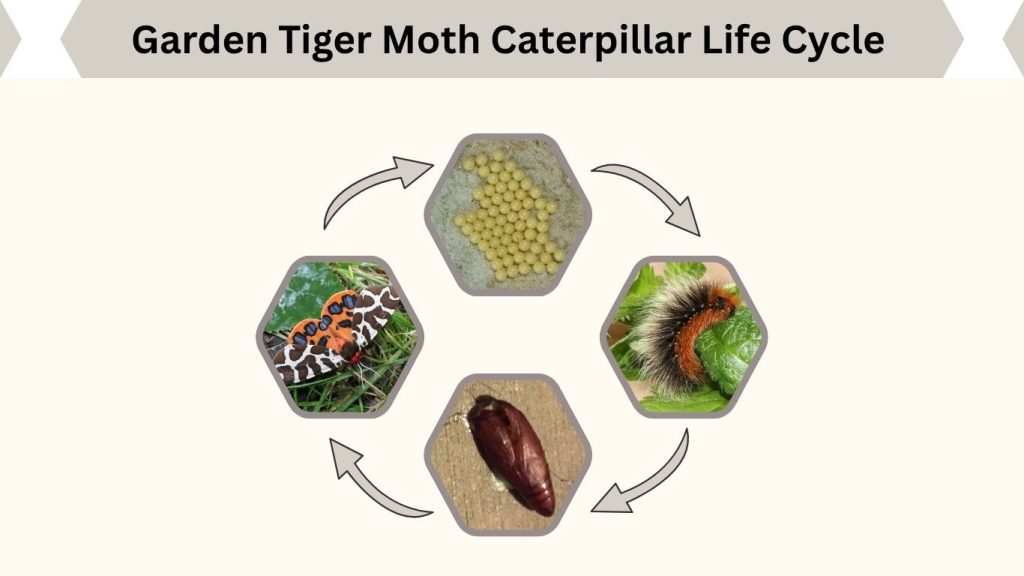
The life cycle of the Garden Tiger Moth caterpillar includes egg, larva, pupa, and adult moth stages. The caterpillar stage is the longest and most active period of development. Seasonal weather conditions strongly influence growth and survival throughout the cycle.
Egg Stage
Female Garden Tiger Moths lay clusters of small eggs on leaves and low vegetation. After hatching, the young caterpillars begin feeding almost immediately on nearby plant material.
Caterpillar Growth Stages
Garden Tiger Moth caterpillars molt several times as they grow larger. Each stage brings thicker hairs and a stronger body structure. During colder months, the caterpillars may become inactive and hide beneath leaves or logs to survive winter weather before feeding again in spring.
Pupation and Cocoon Stage
When fully grown, the caterpillar spins a loose cocoon using silk and body hairs. The cocoon is usually hidden among leaves, soil, or garden debris. Inside the cocoon, the caterpillar transforms into a pupa before eventually becoming an adult moth.
Adult Garden Tiger Moth Emergence
Adult Garden Tiger Moths emerge during warmer months with colorful patterned wings and furry bodies. The adults are nocturnal and mainly active during the night. Their primary goal is mating and reproduction before starting the next generation.
Garden Tiger Moth Caterpillar Behavior
Garden Tiger Moth caterpillars display several interesting survival behaviors that help them avoid predators and harsh weather. Their hairy bodies, nighttime activity, and defensive posture all play important roles in protection and survival throughout their development.
Nocturnal Activity
These caterpillars are more active during the evening and nighttime hours. Cooler temperatures reduce the risk of drying out and help them avoid many daytime predators. Night feeding also allows them to search safely for fresh vegetation.
Defense Mechanisms
- Thick hairs help discourage predators
- Dark colors provide camouflage in soil and leaves
- Caterpillars curl into a ball when disturbed
- Fuzzy appearance may scare small predators
- Hidden daytime resting spots improve protection
Winter Survival
Garden Tiger Moth caterpillars are well known for surviving cold winter conditions. They often hide under leaves, bark, or garden debris where temperatures remain more stable. Their thick hairs provide insulation that helps protect them from freezing weather.
Are Garden Tiger Moth Caterpillars Poisonous?
These caterpillars are not considered dangerous, but their hairs may cause mild skin irritation in sensitive people. They are generally safe to observe in nature if handled carefully. Most wildlife avoids them because of their hairy protective covering.
Are the Hairs Dangerous?
The hairs are mainly defensive and are not truly poisonous. However, touching the caterpillar may cause itching or mild irritation for some individuals. It is best to avoid direct handling whenever possible.
Are They Harmful to Pets?
Garden Tiger Moth caterpillars are usually low risk to pets, but curious animals may experience mild irritation if they try to bite or eat them. Keeping pets from chewing caterpillars is still recommended.
Safe Handling Tips
- Avoid touching with bare hands
- Observe without disturbing the caterpillar
- Wash hands after accidental contact
- Do not allow pets to play with caterpillars
Predators and Threats
Although their hairy bodies provide protection, Garden Tiger Moth caterpillars still face natural predators and environmental dangers. Habitat destruction and chemical use can reduce caterpillar populations in many regions.
Natural Predators
- Birds
- Small mammals
- Spiders
- Predatory insects
- Beetles and parasitic wasps
Environmental Threats
Pesticides and habitat loss are major threats to Garden Tiger Moth caterpillars. Removing wild vegetation reduces their food supply and shelter. Pollution and climate changes may also affect survival and development in some areas.
FAQs
Are Garden Tiger Moth caterpillars poisonous?
Garden Tiger Moth caterpillars are not poisonous, but their hairs can sometimes cause mild skin irritation in sensitive people. It is best to avoid handling them directly with bare hands.
What do Garden Tiger Moth caterpillars eat?
These caterpillars feed on many plants including nettles, dandelions, dock plants, grasses, and other low-growing vegetation commonly found in gardens and meadows.
Can you touch a woolly bear caterpillar?
You can touch them carefully, but some people may experience itching or irritation from the hairs. Using caution and washing your hands afterward is recommended.
How long do Garden Tiger Moth caterpillars live?
The caterpillar stage can last several months and may continue through winter before pupation occurs. Adult moths usually live for only a short period after emerging.
What does a Garden Tiger Moth caterpillar turn into?
The caterpillar transforms into the colorful Garden Tiger Moth, a large nocturnal moth with brown patterned forewings and bright orange hindwings with black spots.